Artwork
Portrait of a Man
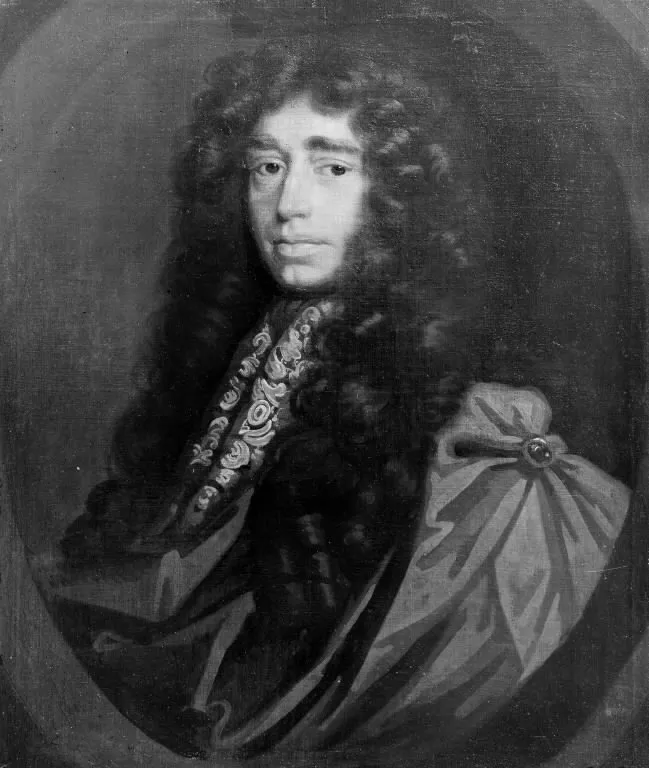
Portrait of a Man is an oil painting by the Flemish Baroque painting artist Peter Lely. It dates from 1656 and is held in the collection of the Statens Museum for Kunst. Created in 1656, this oil portrait presents a solitary gentleman rendered in monochrome tones.
About this work
Subject & Meaning
The painting depicts an unidentified man, presented as the central and sole subject of the composition.
The painting depicts an unidentified man, presented as the central and sole subject of the composition. As a portrait by Peter Lely dated 1656, the work belongs to the tradition of individual portraiture that flourished in mid-17th-century England, a genre through which status, character, and social position were typically conveyed. The choice to portray a single male sitter without additional narrative elements or attributes suggests a focus on the subject's personal identity and social standing.
Within the context of Lely's practice, such portraits functioned as assertions of the sitter's place within the social hierarchy, though the specific identity and any symbolic attributes of this particular man remain unrecorded in the available sources.
Technique & Style
Peter Lely's Portrait of a Man, executed in 1656, is an oil painting on canvas. The work depicts a male subject and measures 75.5 cm in height by 65.0 cm in width. As a portrait from the mid-17th century, it employs the oil medium characteristic of Lely's studio practice during this period. The painting is currently held in the collection of the Statens Museum for Kunst.
History & Provenance
The Portrait of a Man was painted by Sir Peter Lely in 1656, executed in oil on canvas. The work entered the holdings of the Statens Museum for Kunst (National Gallery of Denmark), where it is now catalogued and displayed. No earlier owners or commission details are recorded in the available sources, so the documented provenance begins with the painting’s creation and its present residence in the museum’s collection. The dating to 1656 is supported by both the artwork’s catalogue entry and its Wikidata record.
Context
Peter Lely painted this 1656 oil portrait during his early English period, shortly after arriving from the Netherlands to establish his reputation. Contemporary accounts document his rapid ascent as a court portraitist, with this work exemplifying his transition from Dutch influences toward a distinct English Baroque style. Scholarship highlights its significance within Lely's development of formal portraiture that would dominate later 17th-century British art, particularly through his treatment of aristocratic subjects in naturalistic settings.
The painting's composition and technical execution reflect evolving approaches to status representation in post-Restoration society, positioning it at a pivotal moment in British portraiture history.
The work remains part of the Statens Museum for Kunst collection, where it continues to inform studies of Lely's legacy and artistic networks.
Legacy
Portrait of a Man (1656) by Peter Lely, housed in the Statens Museum for Kunst, is recognized as a representative example of 17th-century English portraiture. Its composition and stylistic elements contributed to the evolution of court portraiture in Britain and influenced later artists seeking to emulate Lely's blend of realism and grandeur. The work remains part of the museum's collection and is studied within the context of Baroque-era portraiture.
Overview
Created in 1656, this oil portrait presents a solitary gentleman rendered in monochrome tones. He is depicted with tightly curled hair, a solemn gaze, and attire that includes a dark coat trimmed with elaborate gold lace on the cuffs and a ruffled sleeve fastened by a bow. The figure stands before an unadorned dark backdrop, which concentrates attention on his features and clothing.
Artist & collection
Artist
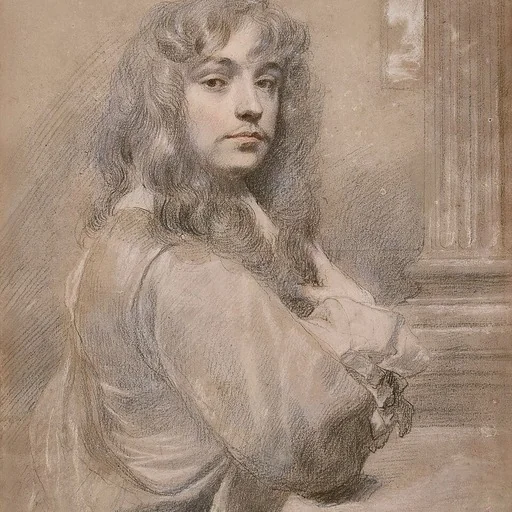
Sir Peter Lely (Dutch:; 14 September 1618 – 30 November 1680) was a painter of Dutch origin whose career was nearly all spent in England, where he became the dominant portrait painter to the court.

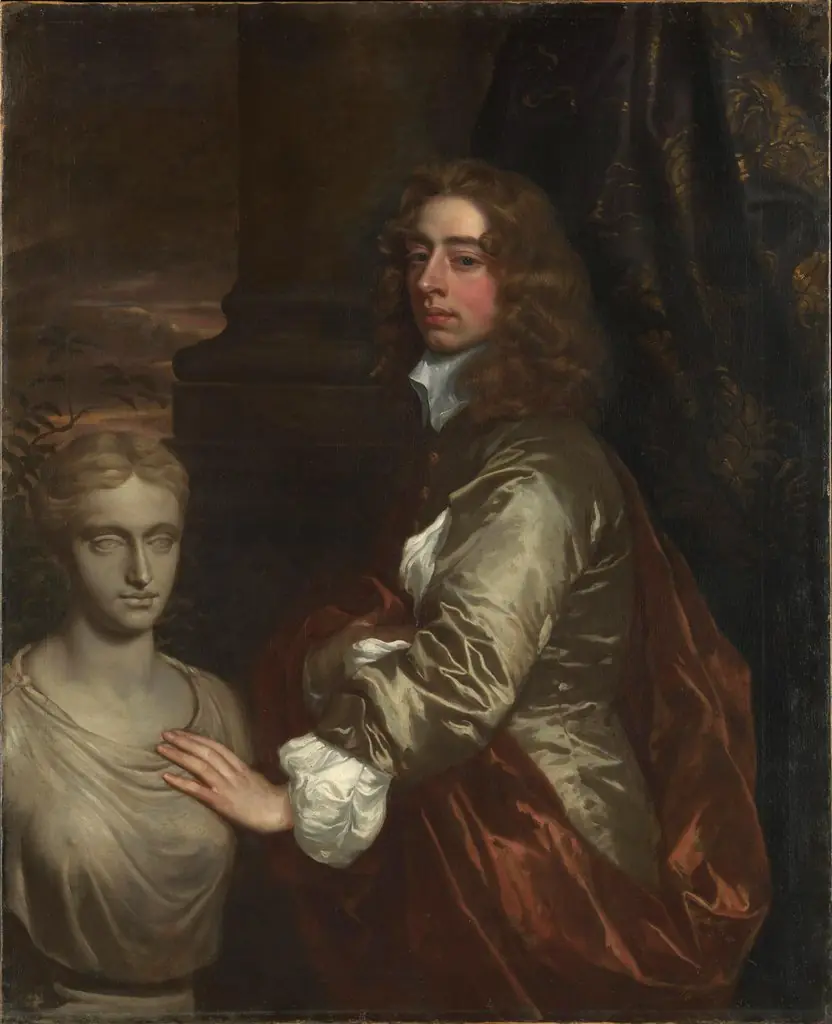 Sir Henry Capel (1638–1696)
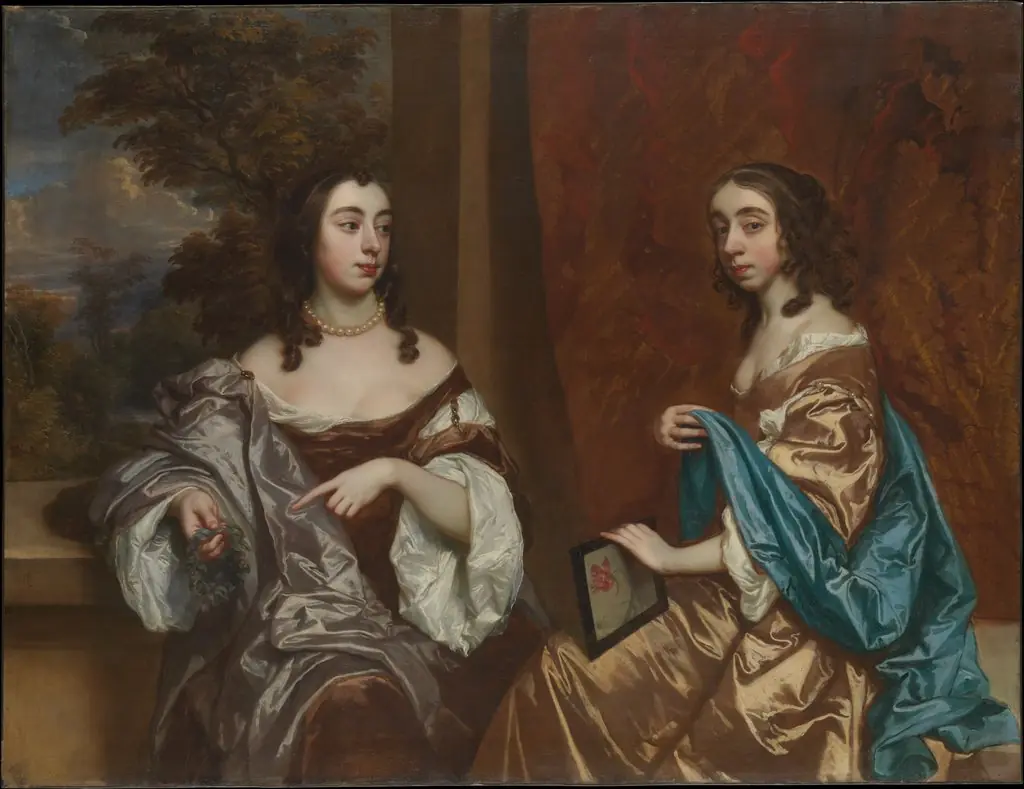 Mary Capel (1630–1715), Later Duchess of Beaufort, and Her Sister Elizabeth (1633–1678), Countess of Carnarvon
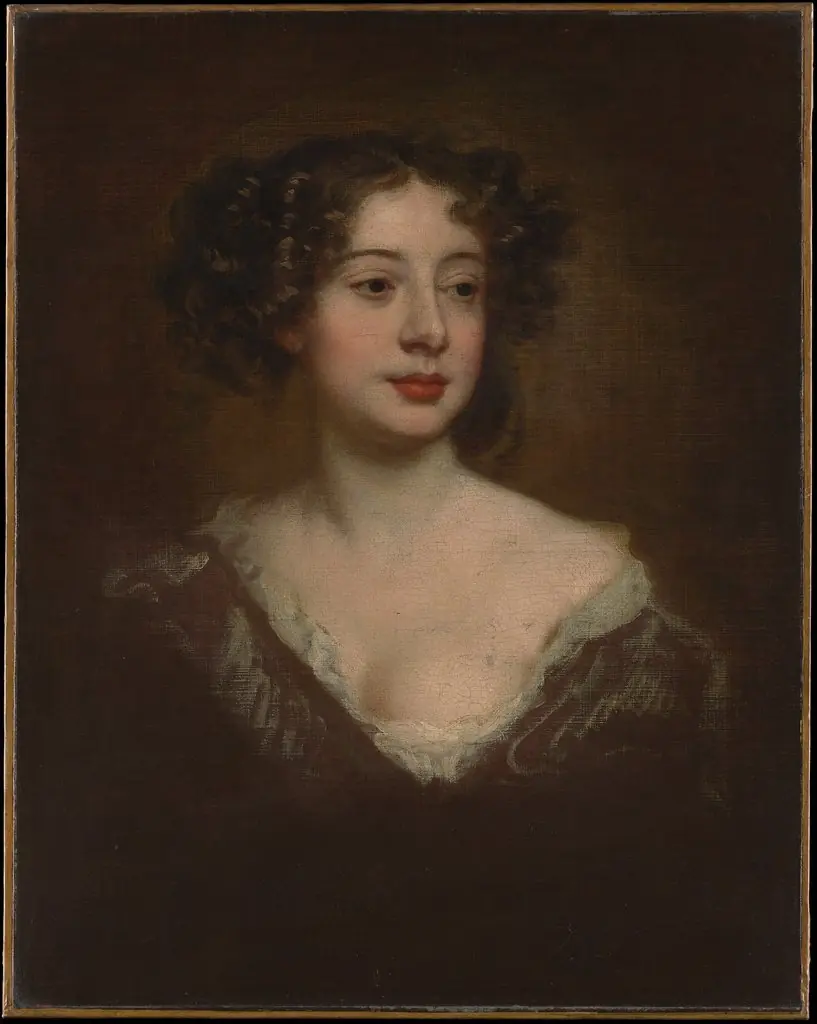 Study for a Portrait of a Woman
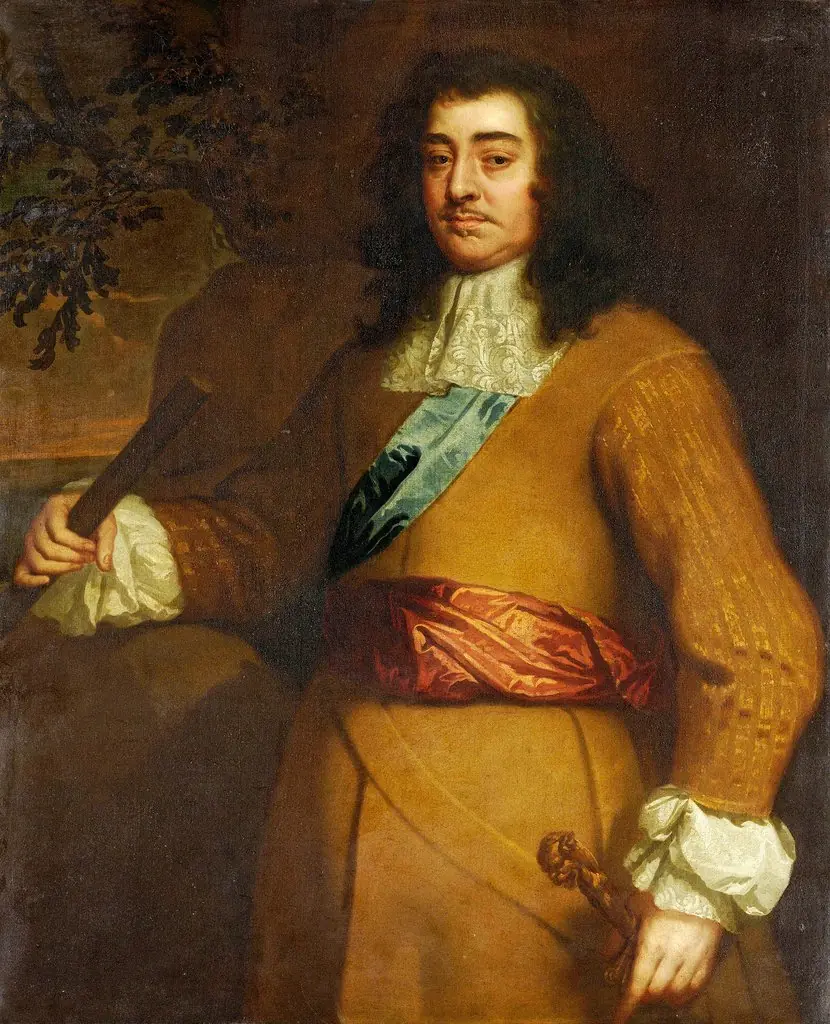 Portrait of George Monck, 1st Duke of Albemarle, English Admiral and Statesman
 Portrait of a Woman
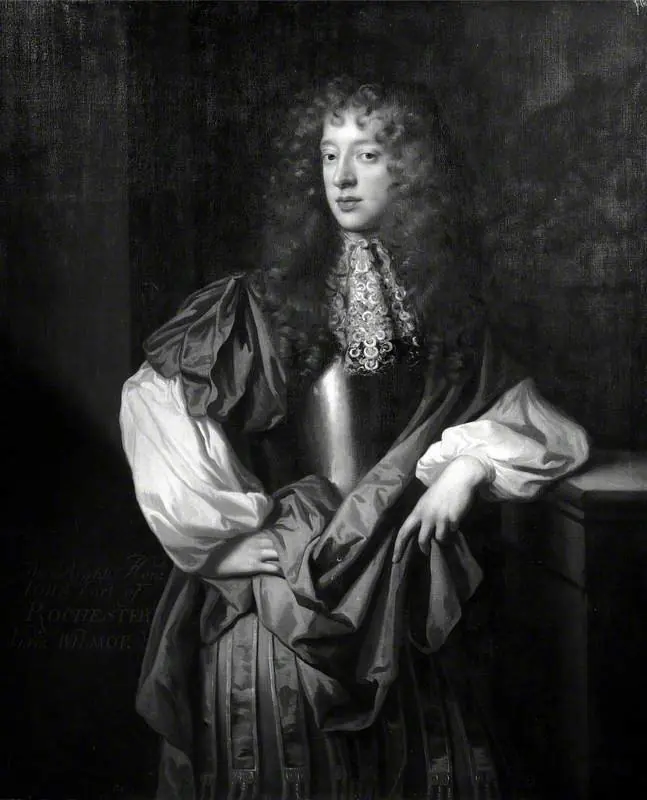 John Wilmot (1647–1680), 2nd Earl of Rochester
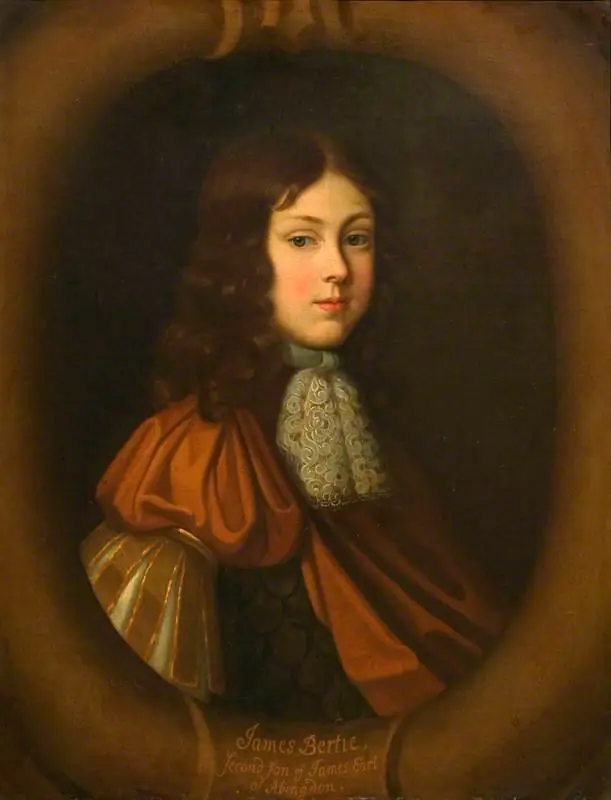 James Bertie (1653–1699), 2nd Son of James, Earl of Abingdon
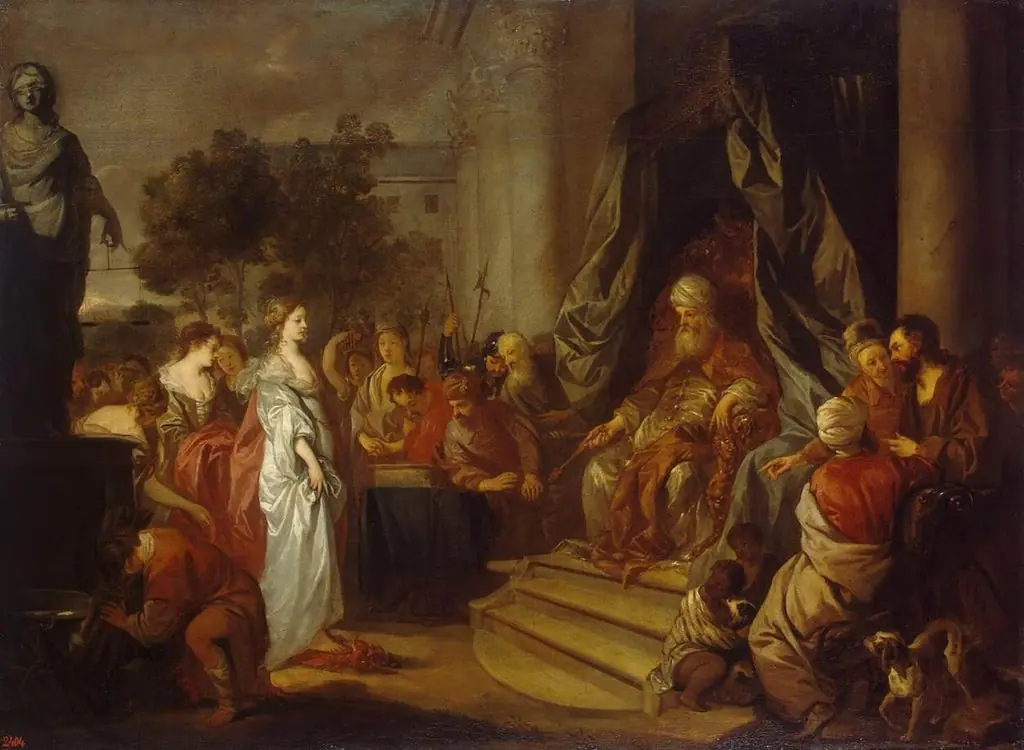 Historical Scene
- Portrait of a man
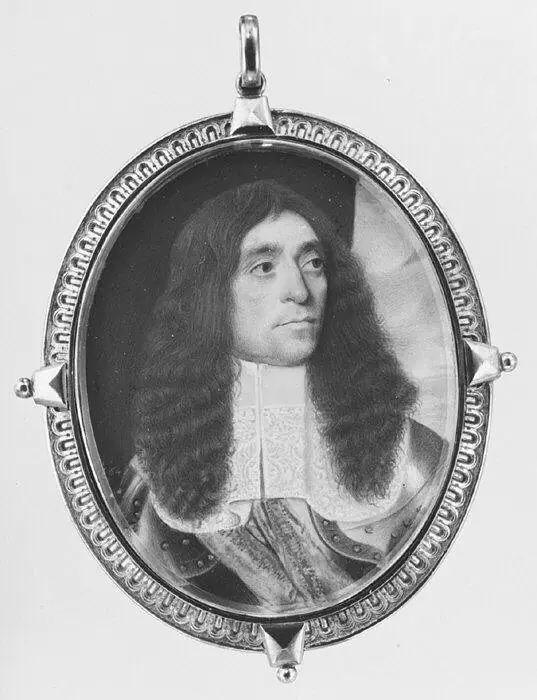 Portrait of a Man
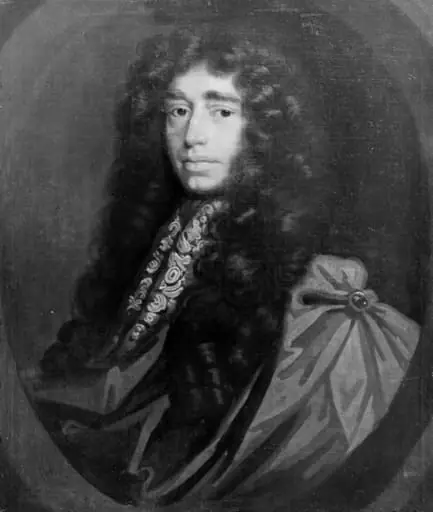 Portrait of a Man
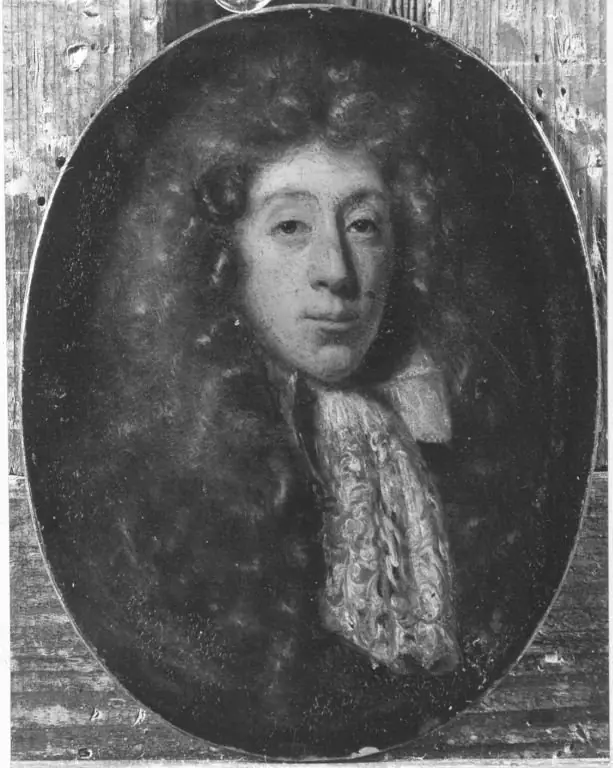 Bildnis eines jungen Mannes (Werkstatt)
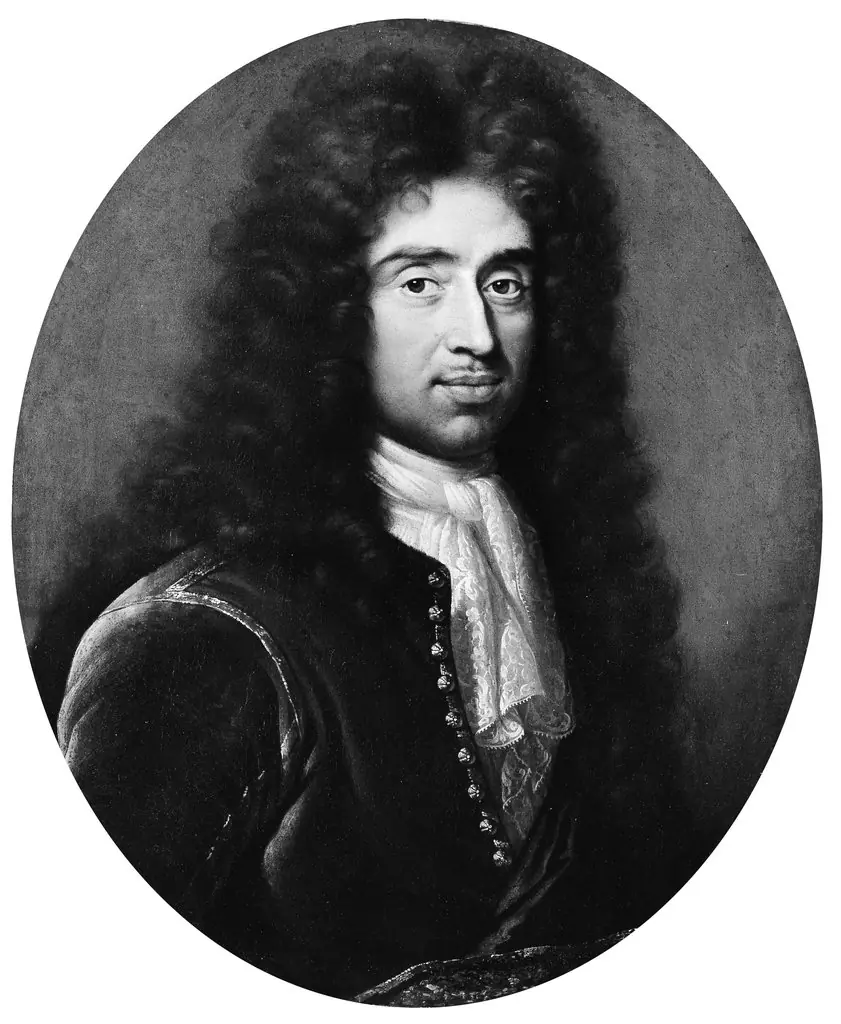 Portrait of a Man in a Brown Coat
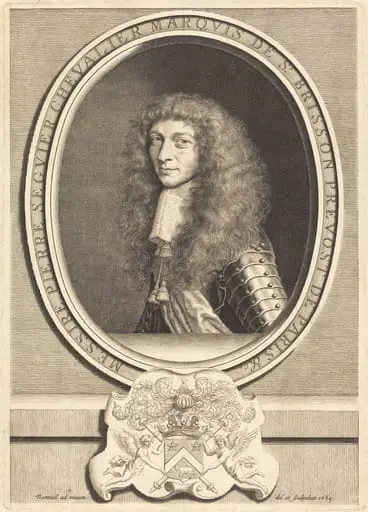 Pierre Seguier, Marquis de Saint-Brisson
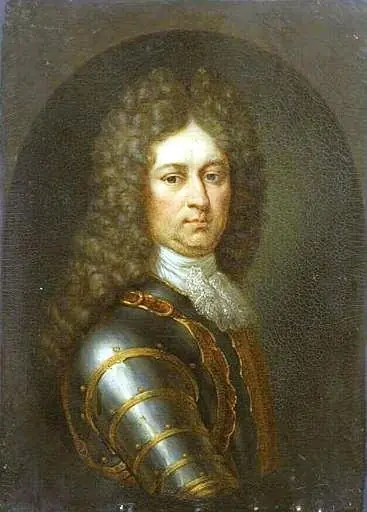 François-Henri de Rougé, marquis du Plessis-Bellière, maréchal de camp (1651-1692)
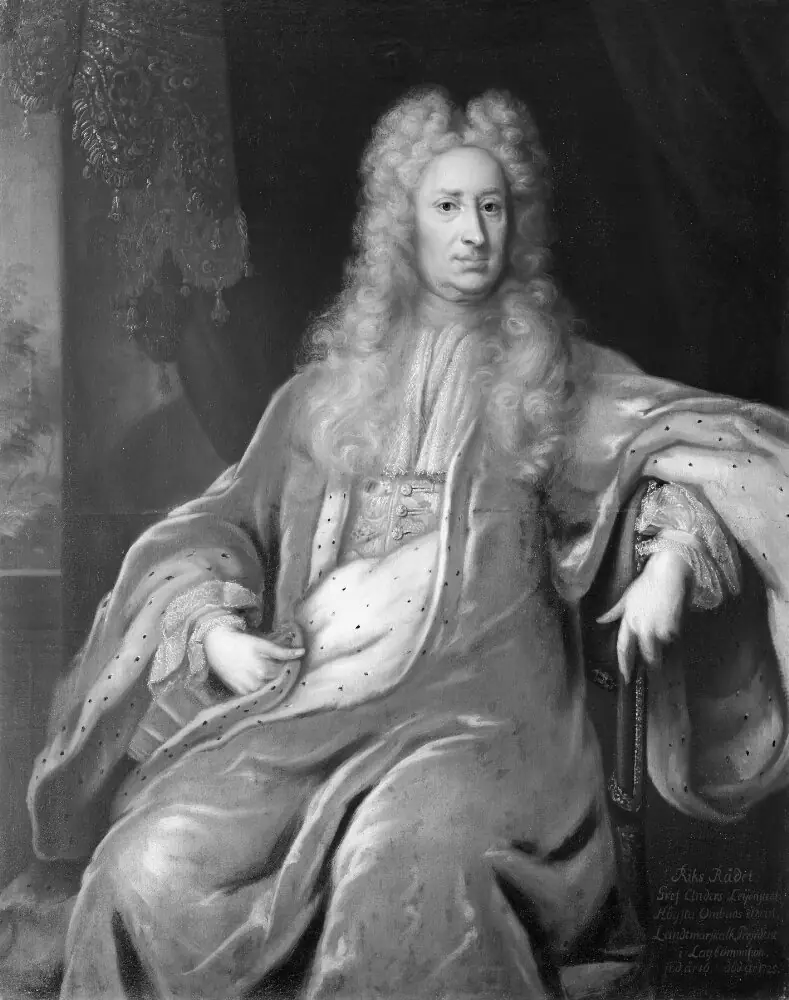 Anders Leijonstedt, 1649-1725
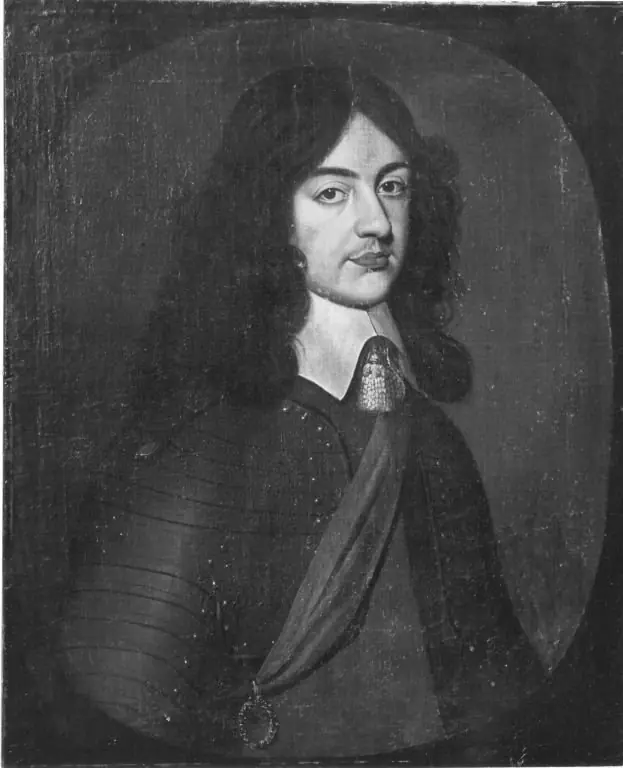 König Friedrich V. von der Pfalz
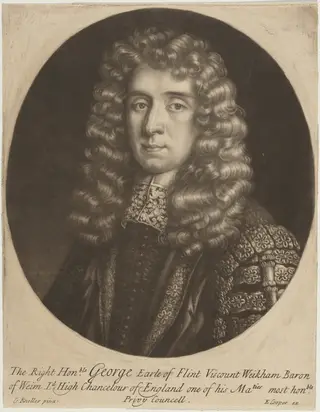 George Jeffreys, Earl of Flint, Viscount Weikham
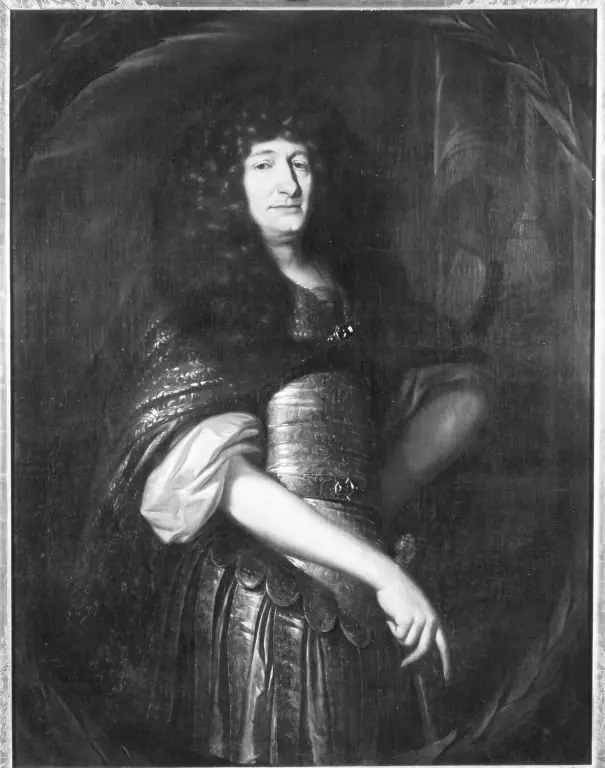 Portrait of a man, possibly Christian II Palatine of Zweibrücken-Birkenfeld (1637-1717)
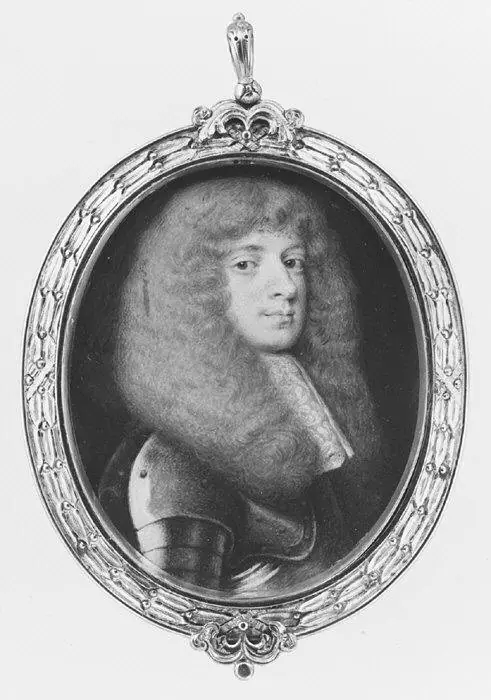 Portrait of a Man, Said to Be John Cecil (1628–1678), Fourth Earl of Exeter