Artwork
Sir Henry Capel (1638–1696)
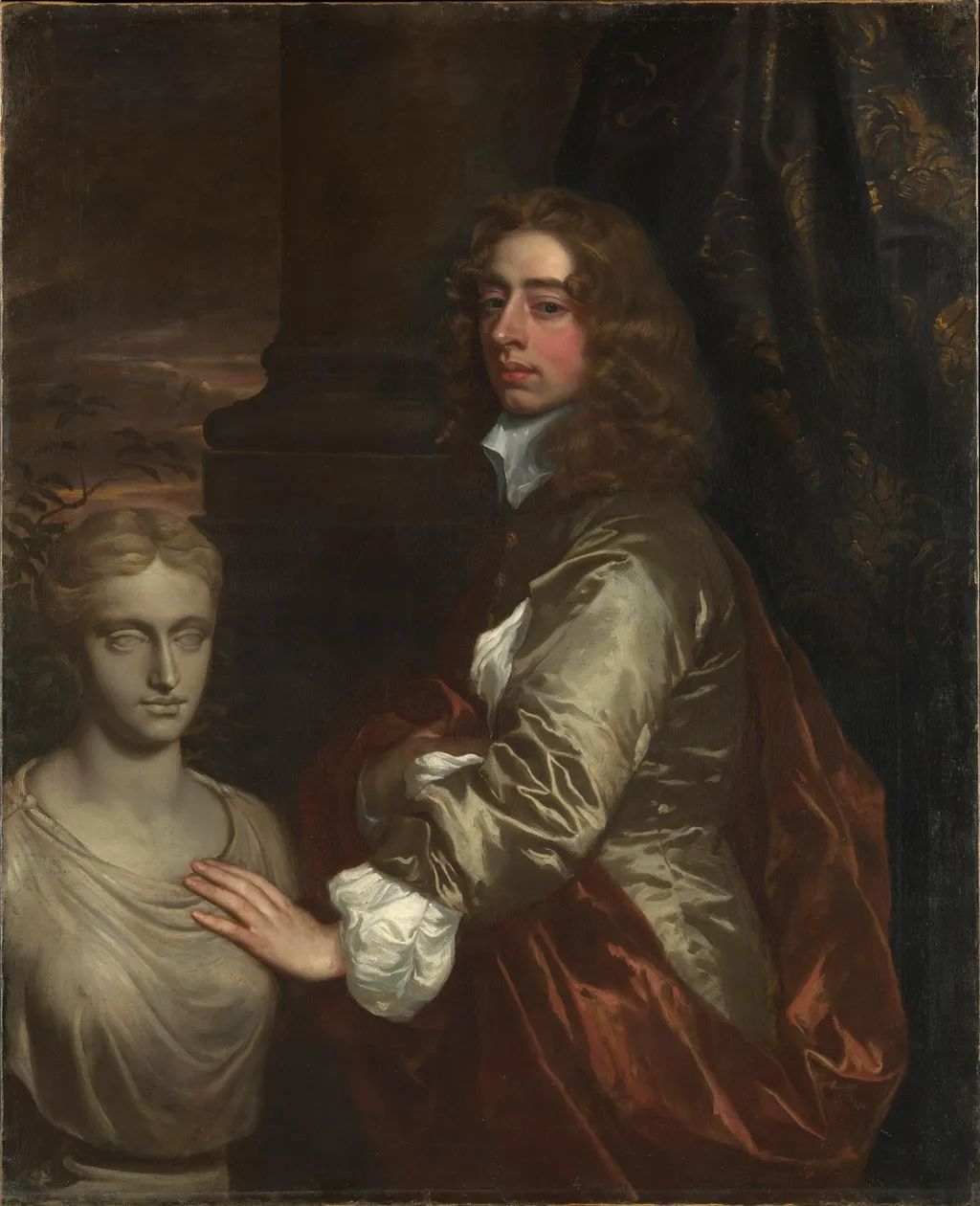
Sir Henry Capel (1638–1696) is an oil painting by the Flemish Baroque painting artist Peter Lely. It dates from 1659 and is held in the collection of the Metropolitan Museum of Art.
About this work
A man in golden-brown velvet and a white lace cuff stands against a dark ground, a white glove in one hand. Behind him a curtain frames a classical half-bust of a woman, her smooth calm face set against his stern one. Lely lit the scene hard, the shadows sharpening his features. Painted in 1659.
Subject & Meaning
The sitter's attire and dignified pose underscore contemporary expectations of noble decorum and serve as visual symbols of wealth and loyalty.
The portrait shows Sir Henry Capel, 1st Baron Capell of Tewkesbury, a leading English aristocrat of the mid-17th century. Executed in oil on canvas in 1659 by Peter Lely, the work functions as a conventional portrait that signals the sitter's rank, political allegiance to the Crown, and personal identity. The sitter's attire and dignified pose underscore contemporary expectations of noble decorum and serve as visual symbols of wealth and loyalty.
Together, the painting's subject and formal qualities convey the political and social context of the Restoration era, representing Capel as an embodiment of aristocratic authority.
Technique & Style
The portrait of Sir Henry Capel is executed in oil paint on canvas, a standard support for mid-seventeenth-century British portraiture. The work measures 126.4 cm in height by 102.9 cm in width, a substantial three-quarter-length format well suited to the dignified compositions favoured by Lely during the late 1650s. The inclusion of a sculpture among the depicted elements suggests Lely's characteristic use of statuary and classical props to lend the sitter an air of refinement and contemplative gravitas.
The handling is consistent with Lely's established studio practice, employing fluid, blended brushwork to model flesh and luxurious drapery with smooth tonal transitions. The work is held in the collection of the Metropolitan Museum of Art.
History & Provenance
The portrait of Sir Henry Capel (1638–1696) was painted in 1659 by Peter Lely as a likeness of the 1st Baron Capell of Tewkesbury, a prominent political figure of the era. The painting entered the collection of the Metropolitan Museum of Art, where it remains. The work is documented as a portrait executed in oil on canvas. No documented exhibition history is available in the consulted sources.
Context
The 1659 oil portrait of Sir Henry Capel, painted by Peter Lely, exemplifies the leading portrait practice of mid-17th-century England. Its formal pose conveys the sitter's status within the Restoration aristocracy, a theme scholars have linked to the visual culture of the period. The work's inclusion in the Metropolitan Museum of Art underscores its recognized importance within collections of Baroque portraiture, while its technical execution in oil on canvas reflects Lely's mastery of courtly representation.
Overview
This oil painting from 1659 depicts Sir Henry Capel (1638–1696), who later became Baron Capell of Tewkesbury. Created by the Dutch-born artist Peter Lely, who established himself as a prominent portraitist in England, the work captures Capel's likeness with notable realism. The painting is part of the collection at The Metropolitan Museum of Art.
Own this work as a print
Artist & collection
Artist
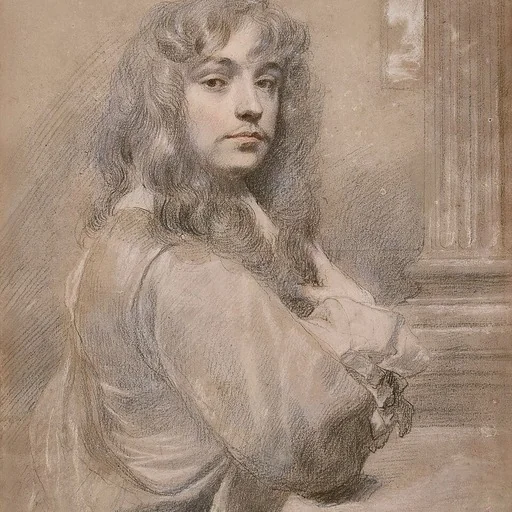
Sir Peter Lely (Dutch:; 14 September 1618 – 30 November 1680) was a painter of Dutch origin whose career was nearly all spent in England, where he became the dominant portrait painter to the court.

 Charles Killigrew
 Portrait of a Man
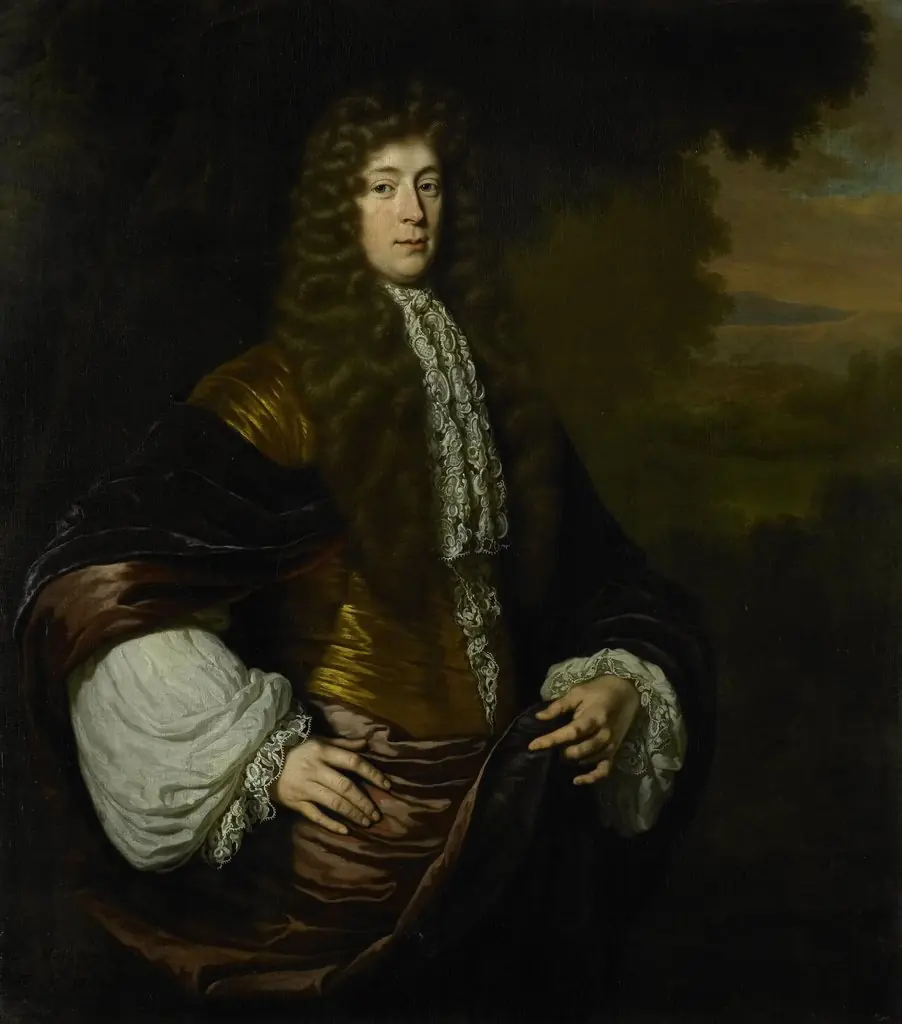 Portrait of Hendrick Bicker (1649 - 1718), burgomaster of Amsterdam
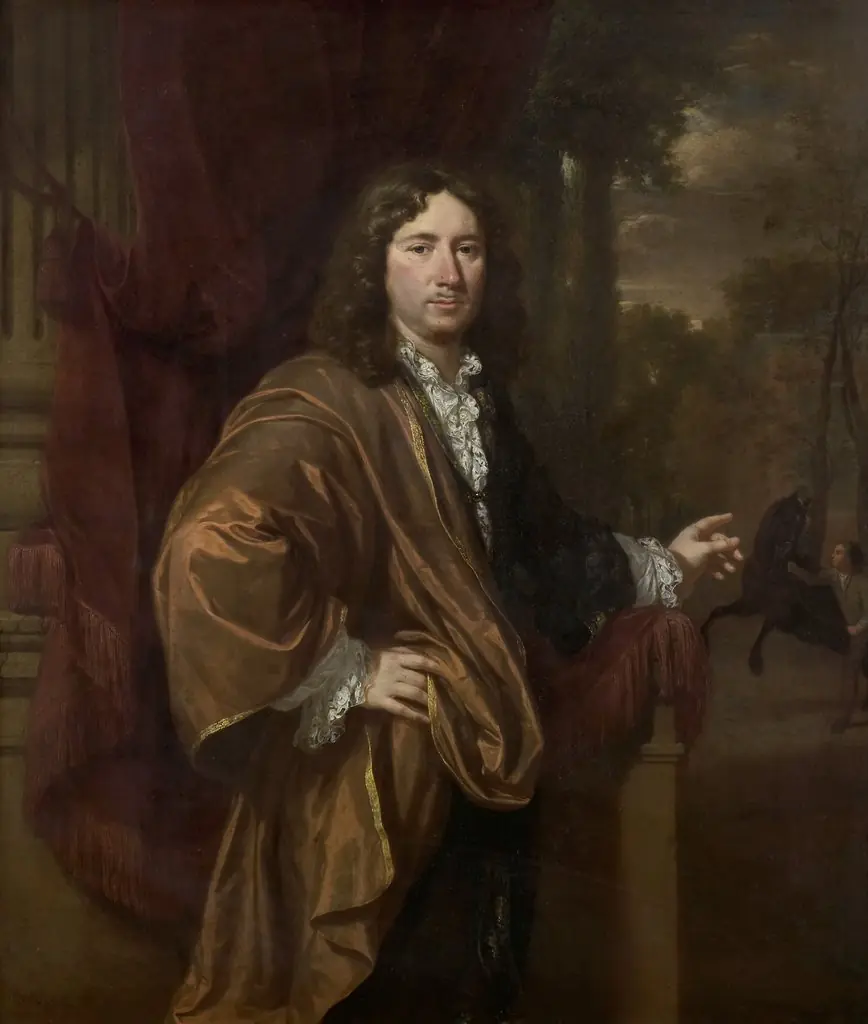 Portrait of a Man
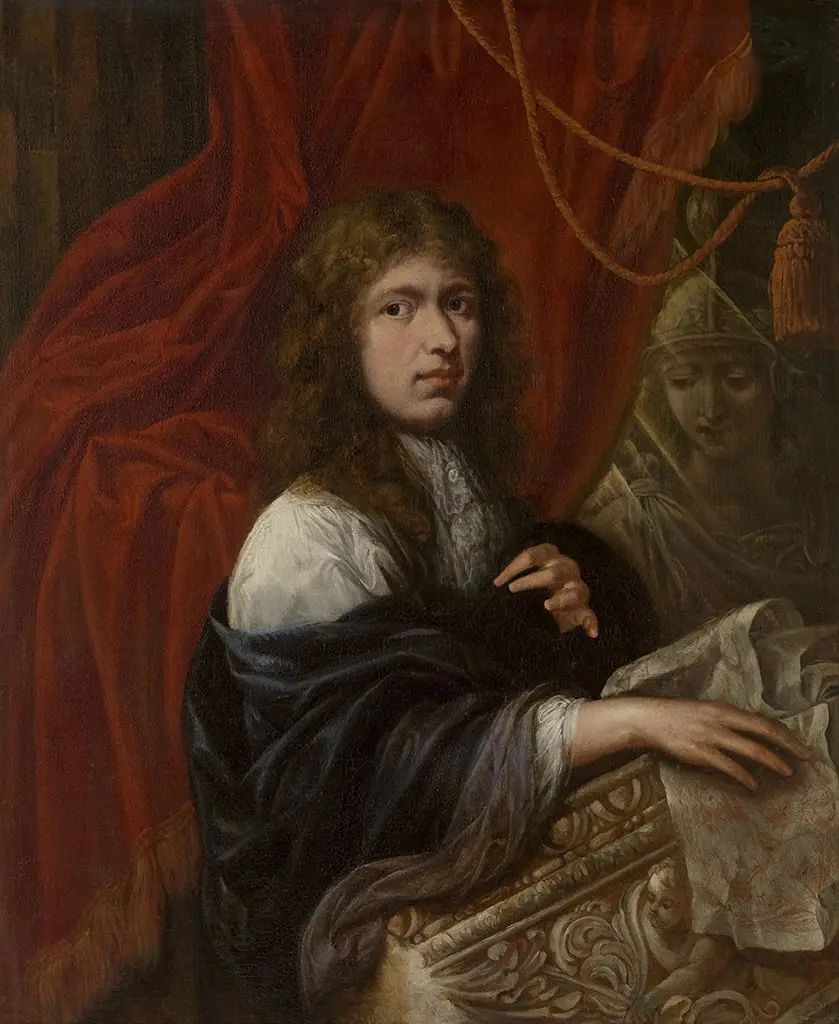 Self-Portrait
 Charles Beauclerk (1670–1726), Duke of St. Albans
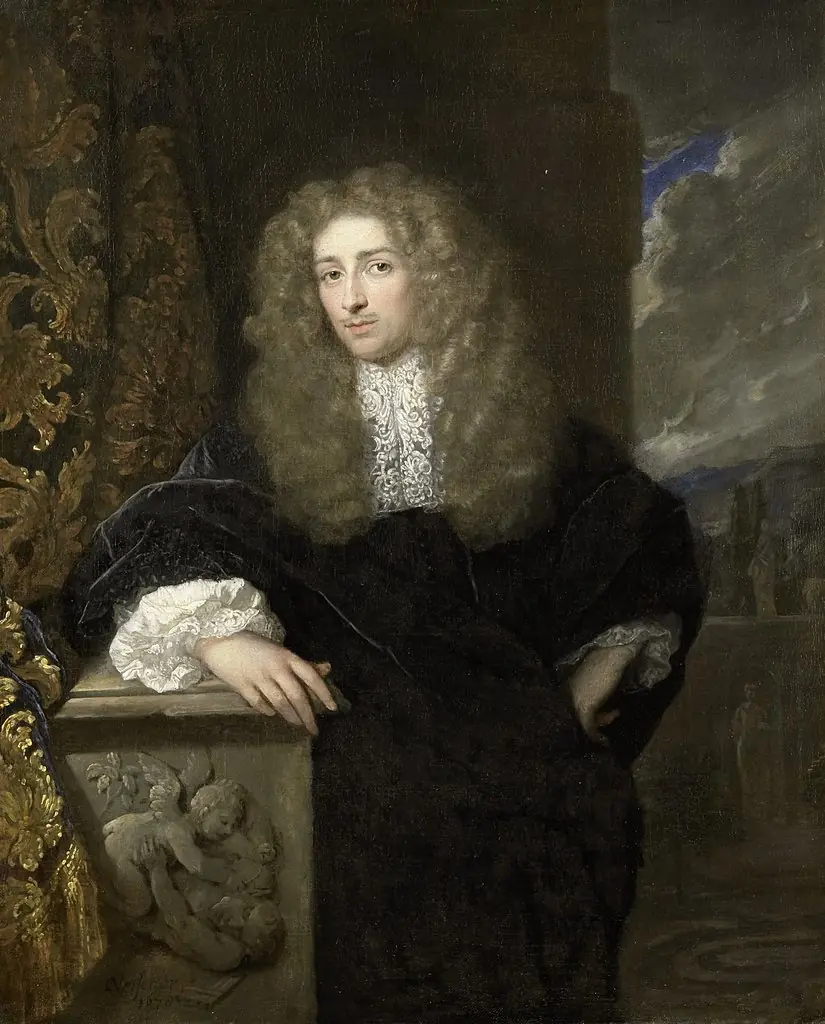 Portrait of a man, possibly a member of the van Citters family
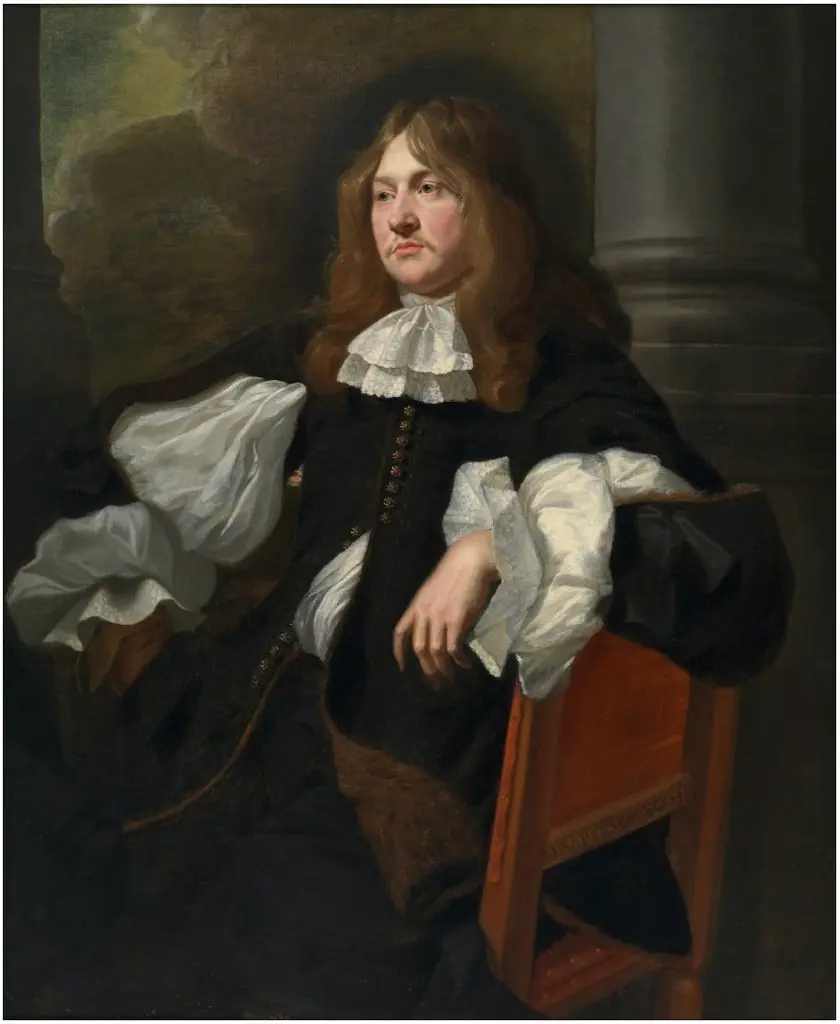 Portrait of Edward Hyde
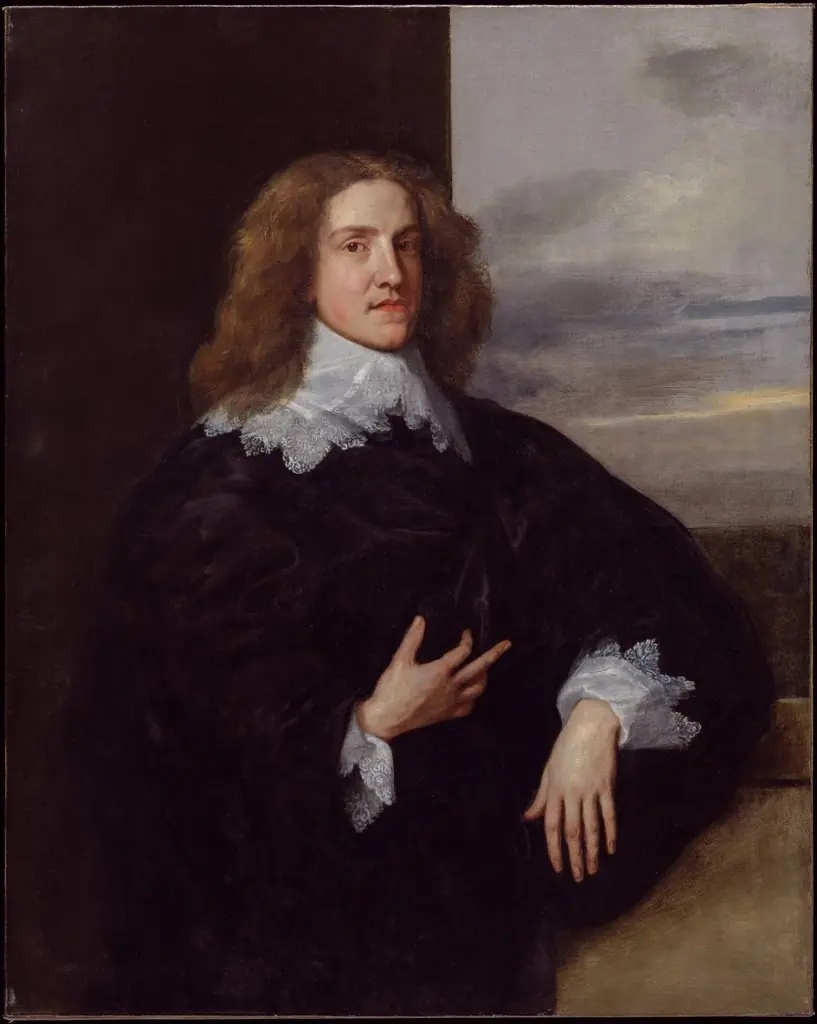 Young Gentleman (Earl of Downe?)
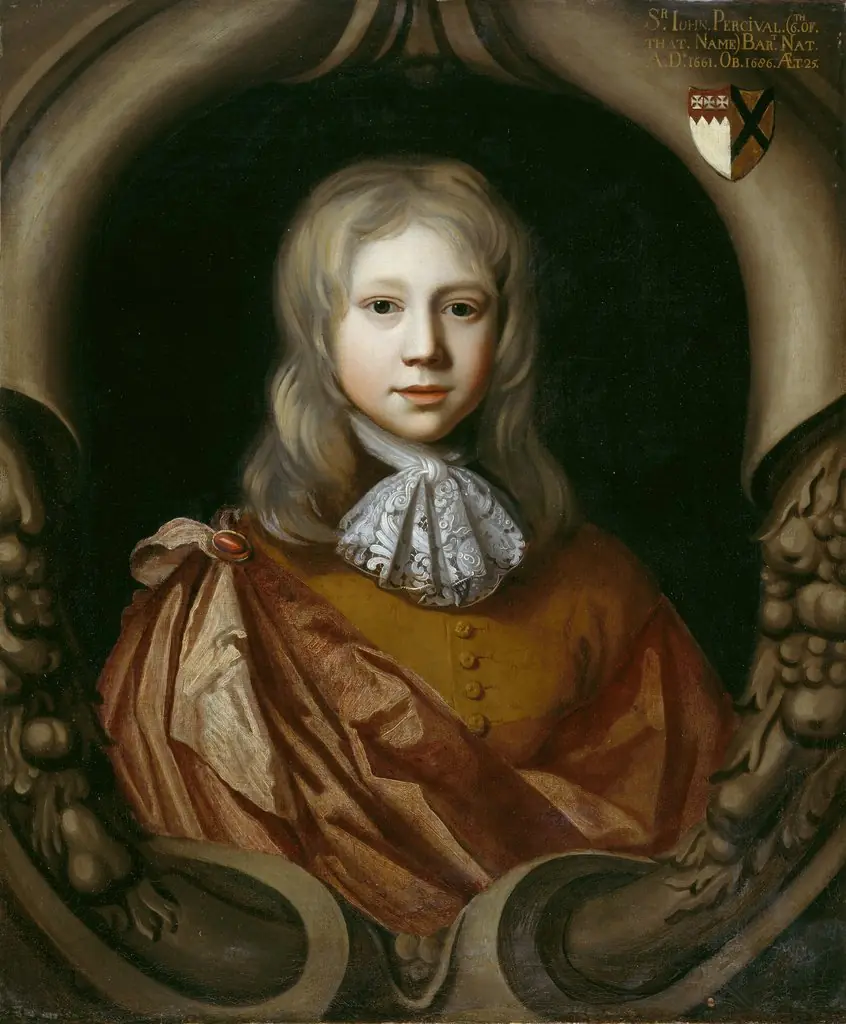 Portrait of Sir John Perceval, 3rd Bt (1660-1686)
 Portrait of a Young Man, presumably Louis Trip Jr (1638-1655)
- Henry, Duke of Gloucester