Artwork
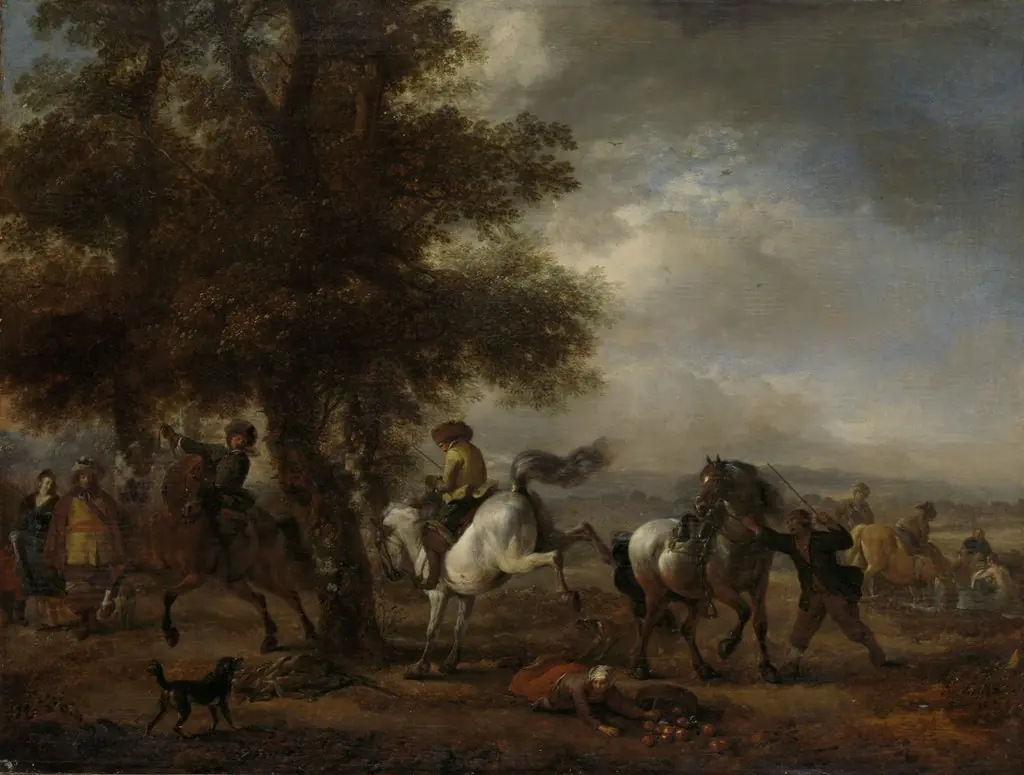
Robbers attacking Baggage Wagons
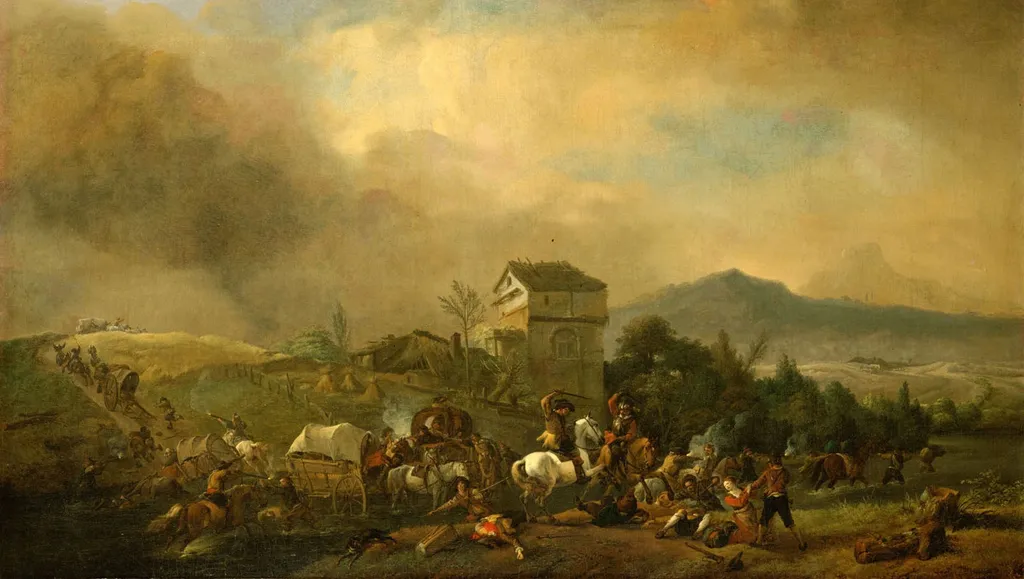
Robbers attacking Baggage Wagons is an oil painting by the Dutch Golden Age artist Philips Wouwerman. It dates from 1662 and is held in the collection of the Kunsthistorisches Museum.
About this work
Subject & Meaning
The painting portrays a dramatic confrontation in which thieves assault a covered baggage wagon, a scene that symbolizes vulnerability and the perils of travel.
The painting portrays a dramatic confrontation in which thieves assault a covered baggage wagon, a scene that symbolizes vulnerability and the perils of travel. Wouwerman’s rendering emphasizes the tension between assailants and their target, using the wagon and its contents as a focal point for narrative conflict. The work belongs to the landscape genre and was created in Haarlem in 1662, reflecting the Dutch interest in both everyday scenes and moralizing subjects.
Its composition captures a moment of attempted robbery, suggesting commentary on the risks faced by merchants and travelers in the period.
Technique & Style
Created in 1662, Robbers attacking Baggage Wagons is an oil painting executed on a canvas support. The work measures 62.7 cm in height and 107.5 cm in width, classifying it within the landscape genre. Philips Wouwerman's technique employs oil paint to depict a dynamic scene involving horses, men, and covered wagons under attack.
The composition captures a narrative moment of conflict, characteristic of the artist's focus on equestrian and military subjects within a landscape setting.
History & Provenance
Philips Wouwerman created the oil painting Robbers attacking Baggage Wagons in 1662, in Haarlem, on a canvas support measuring 62.7 cm in height and 107.5 cm in width. Depicting a landscape scene of a convoy under attack, the painting entered the collection of the Kunsthistorisches Museum, where it remains. The provided sources do not list a specific inventory or accession number for the piece, nor do they document any exhibition history.
Legacy
Robbers attacking Baggage Wagons exemplifies Philips Wouwerman's characteristic focus on equestrian and military subjects within a landscape setting. The dramatic confrontation of marauders and a loaded wagon demonstrates the dynamic arrangement of figures and horses for which the artist was known. The painting's place in the collection of the Kunsthistorisches Museum has kept it on public view and in scholarly surveys of Dutch Golden Age landscape and animal painting.
Overview
Philips Wouwerman’s 1662 oil painting Robbers attacking Baggage Wagons captures a violent skirmish on a rural road. A convoy of covered wagons is besieged by armed men, while horses rear, stumble, or lie on the ground. The composition is dominated by the clash of riders on foot and on horseback, set against a darkening sky and distant hills.
Context
In the mid‑1600s, Dutch artists frequently depicted scenes of travel, trade, and conflict, reflecting a society increasingly connected by roads and waterways. Wouwerman’s focus on equestrian and military subjects aligns with contemporary interests in military prowess and the perils of commerce, situating the work within broader trends of genre and history painting in the Netherlands.
Artist & collection
Artist
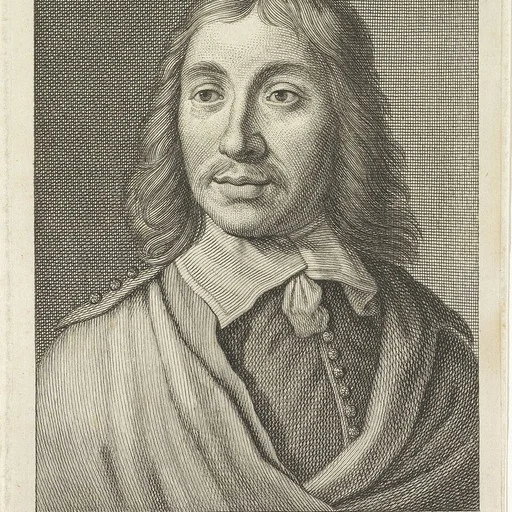
Philips Wouwerman (also Wouwermans) (24 May 1619 (baptized) – 19 May 1668) was a Dutch painter of hunting, landscape and battle scenes. He became prolific during the Dutch Golden Age and joined the Haarlem Guild of St. Luke.

- Reiterüberfall
 Cavalry Engagement
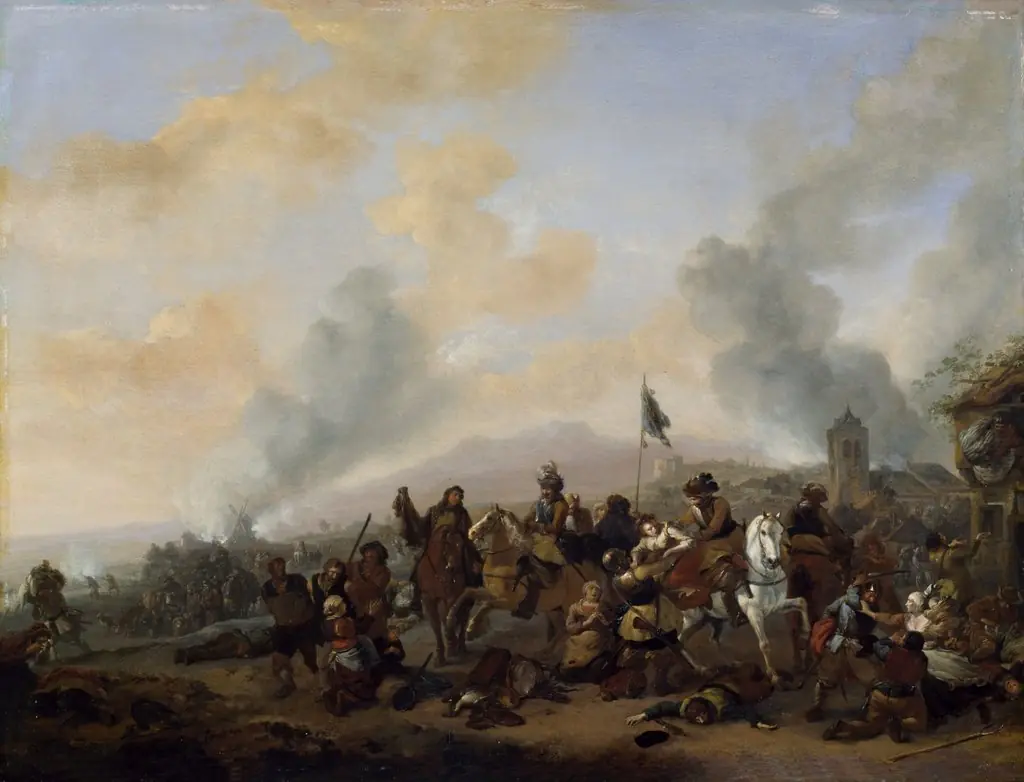 Soldiers Plundering a Village
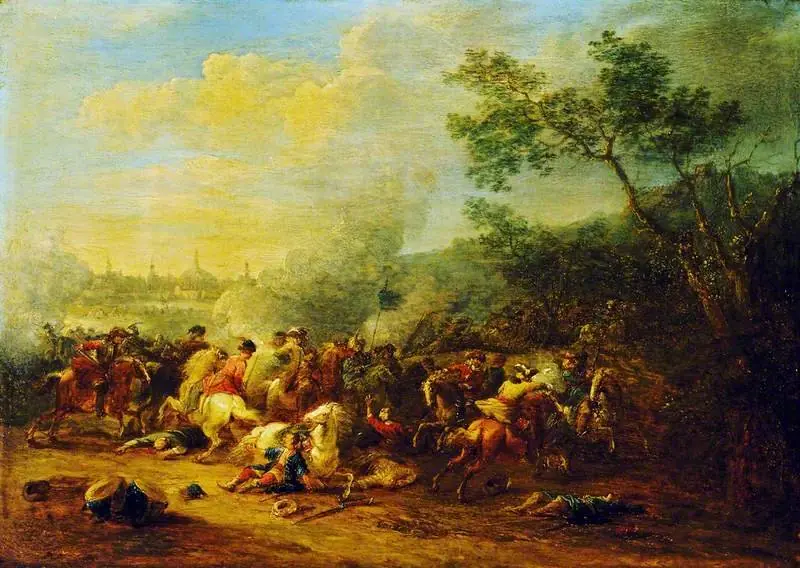 Cavalry Engagement against the Turks, with a Distant View of a Town
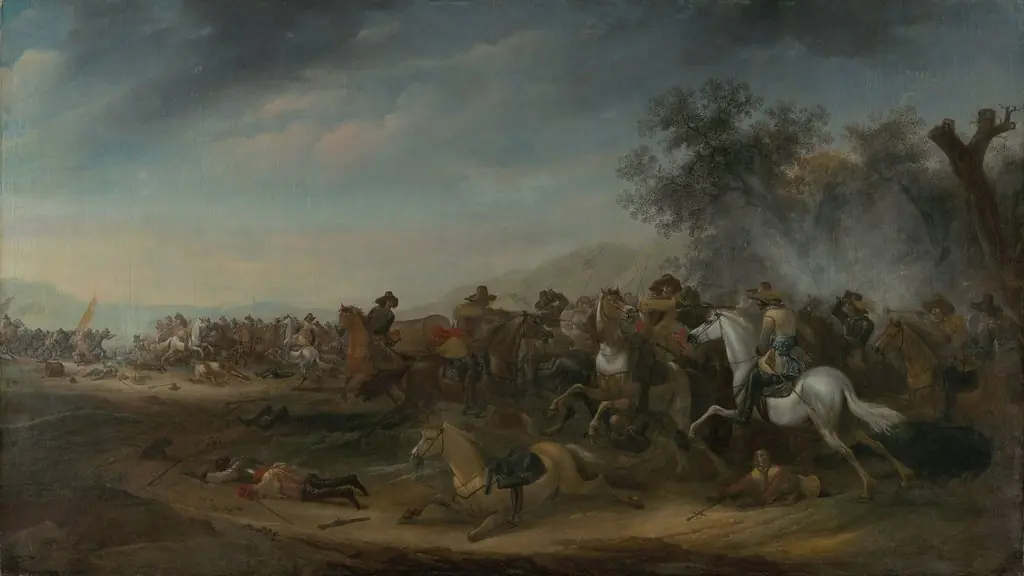 Feldschlacht
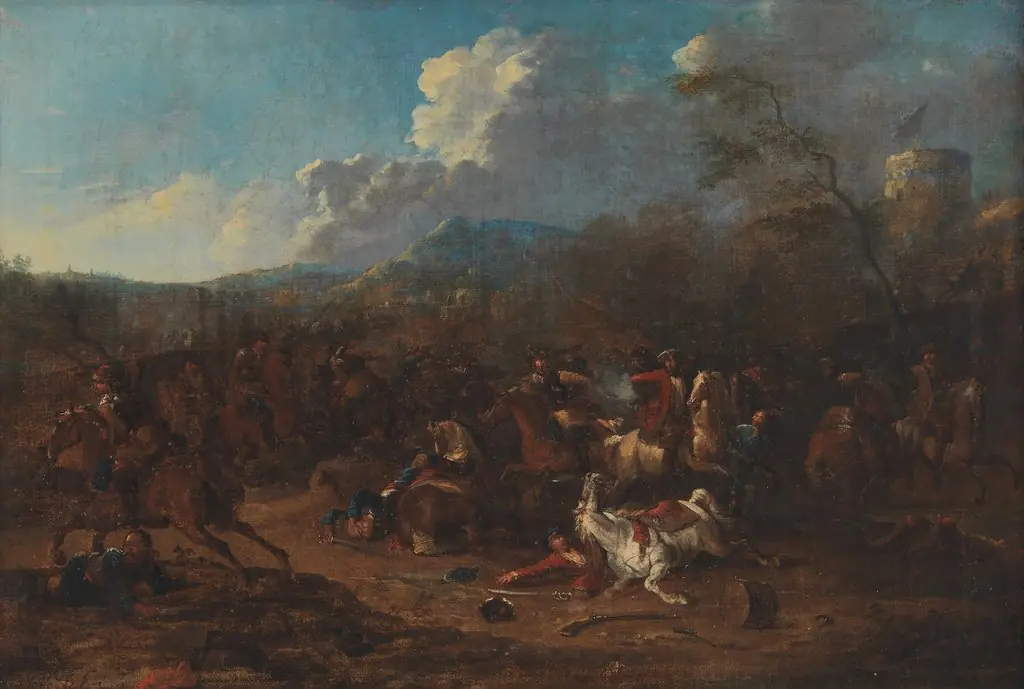 Cavalry Skirmish at a Fortress
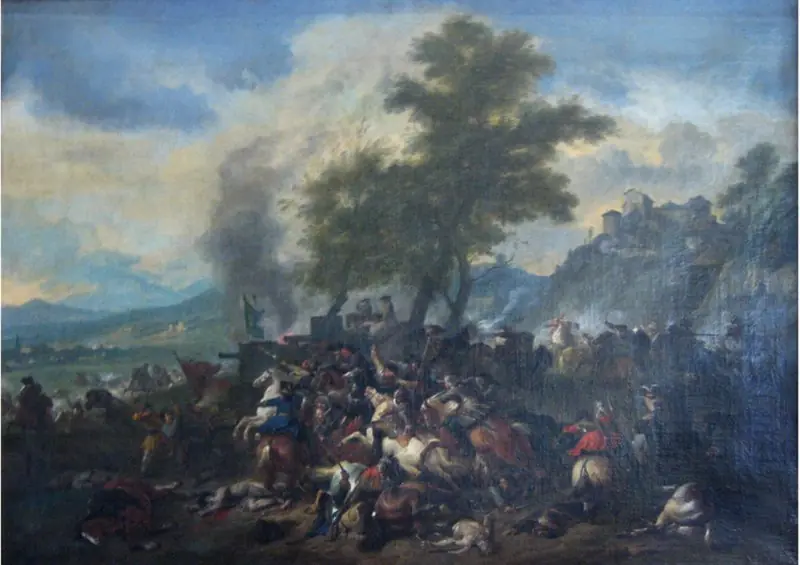 Prins Eugens slag ved Schellenberg
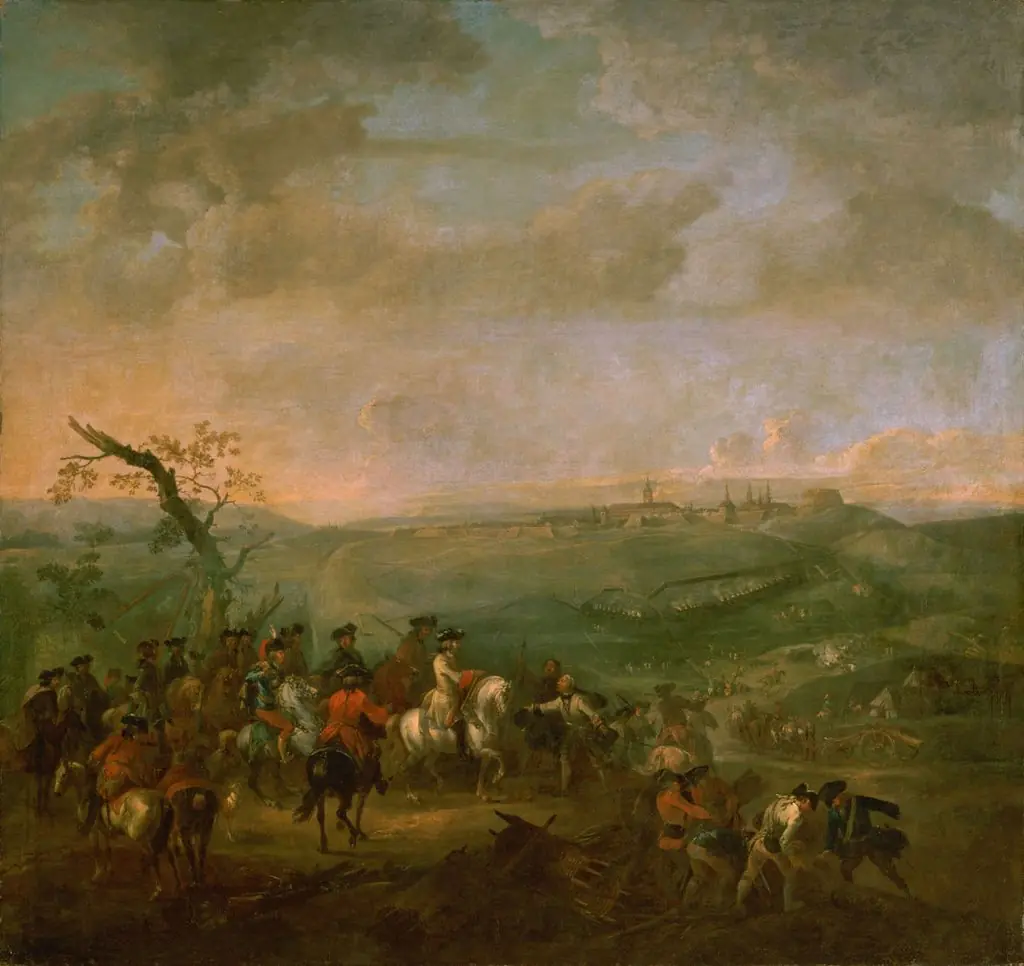 The blocking of Prague by the Austrians under Grand Duke Francis Stephen of Lorraine and Toscana during the War of the Austrian Succession, 1742
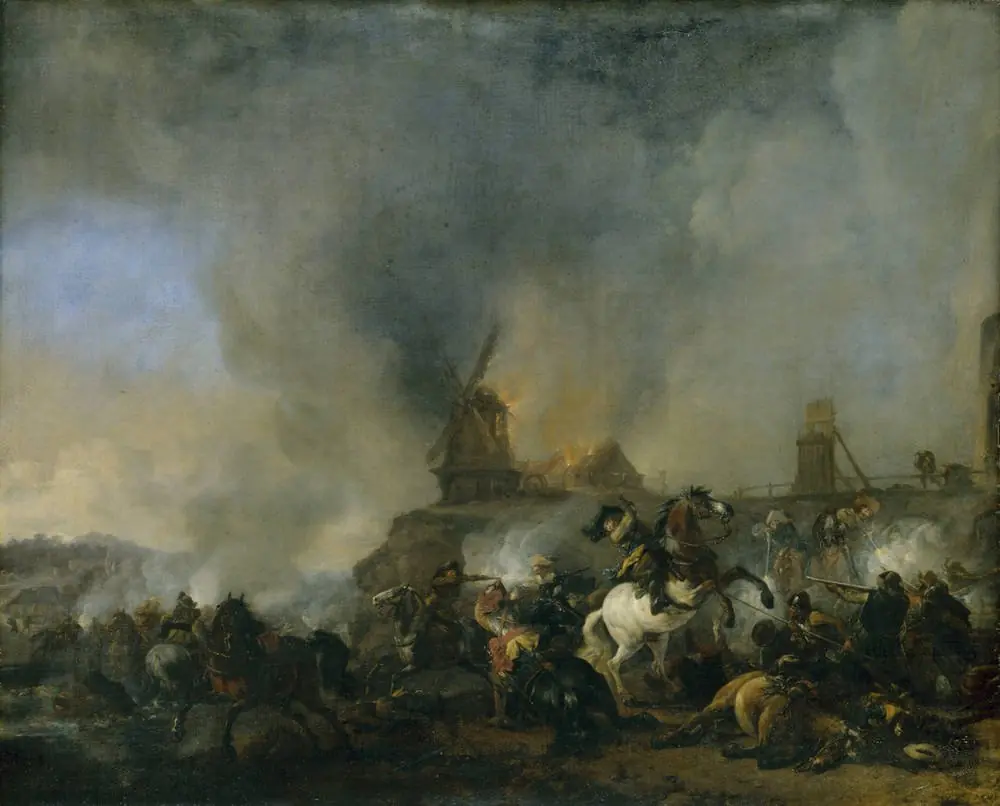 Cavalry in front of a Burning mill
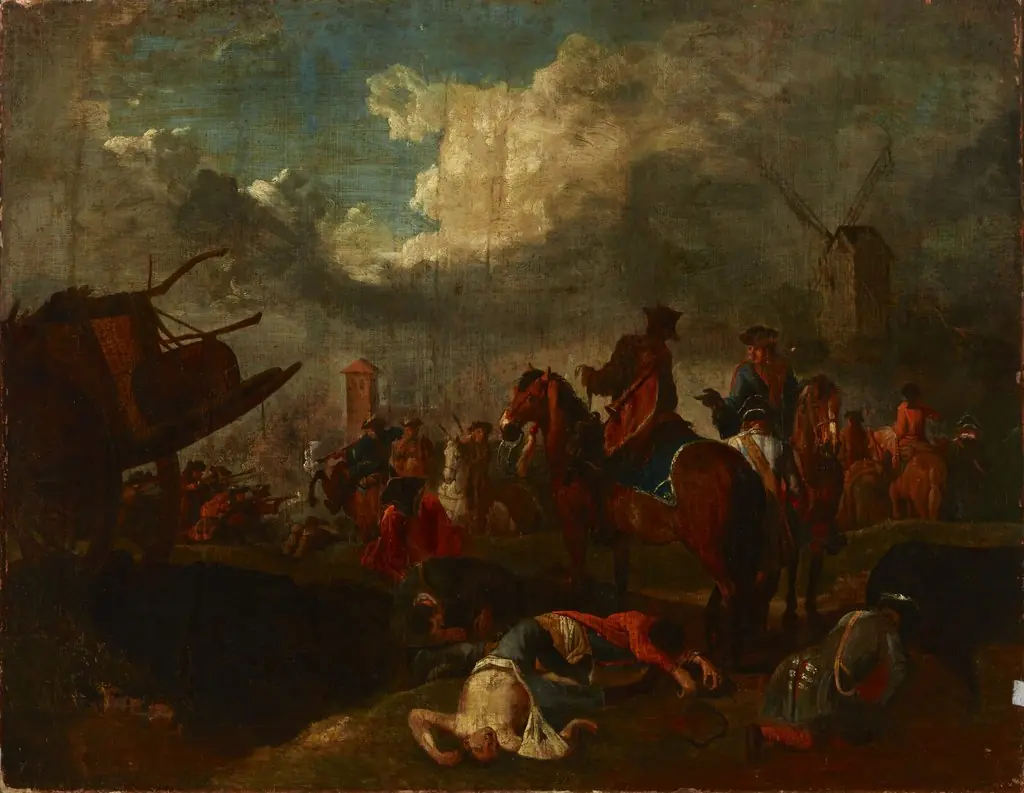 Battle Scene
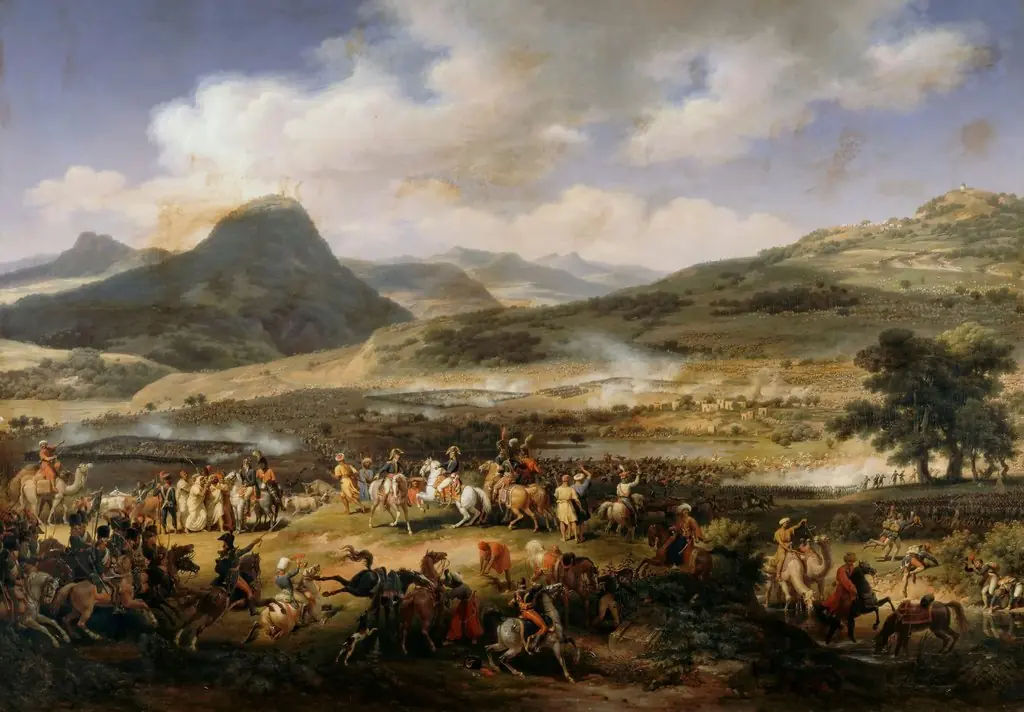 The Battle of Mount Tabor
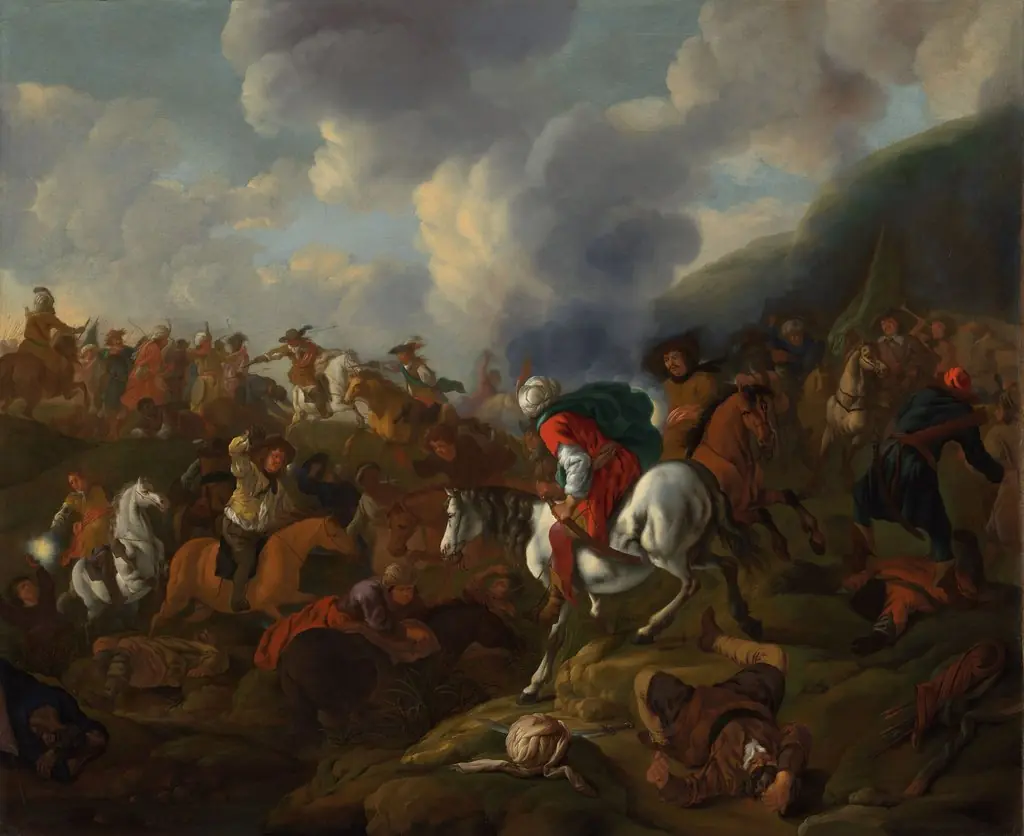 A Cavalry Encounter between Turkish Troops and the Troops of the Austrian Emperor