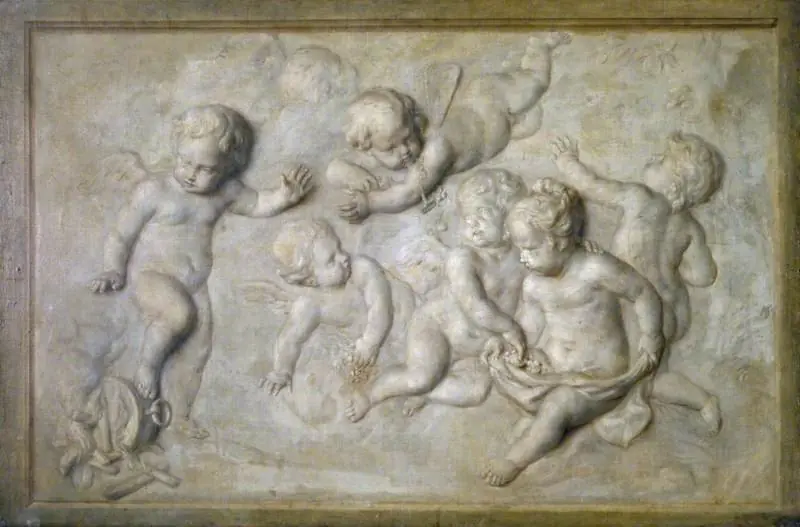
Artwork
Amorini at play (one of a pair)
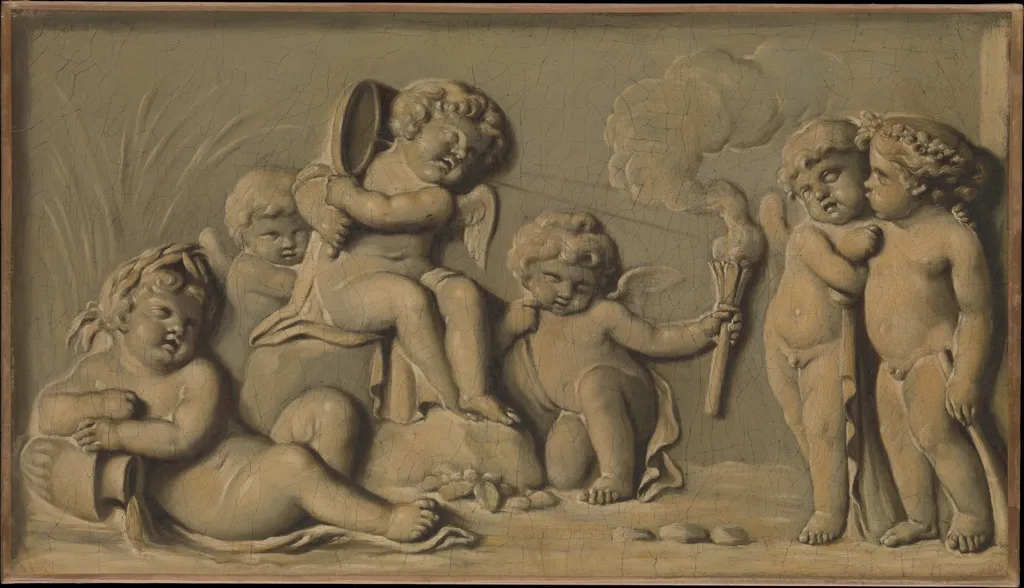
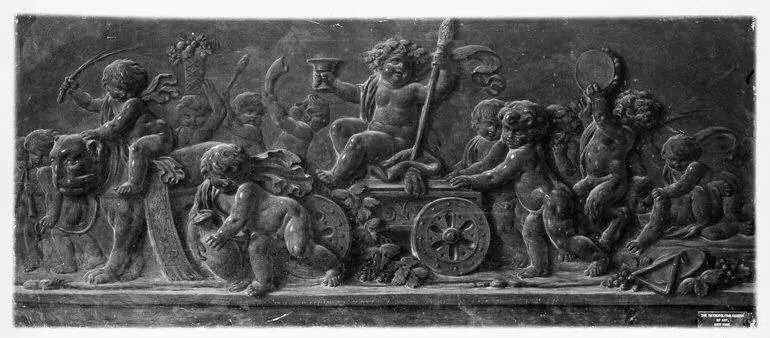
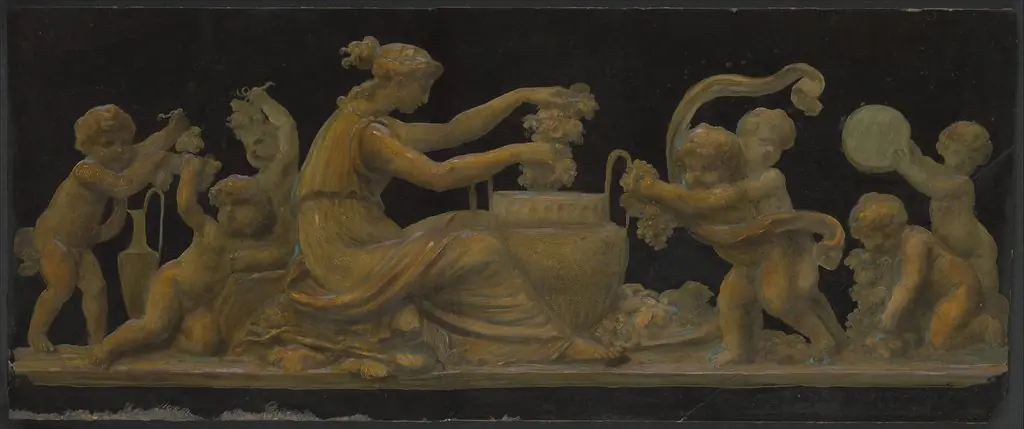
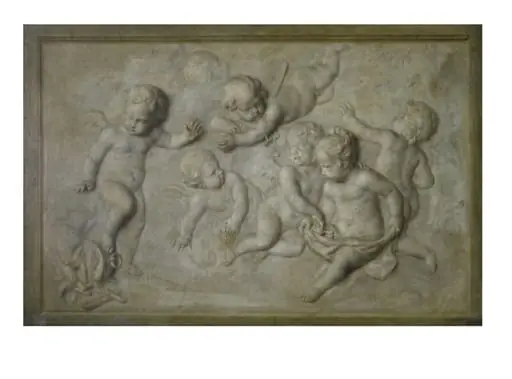
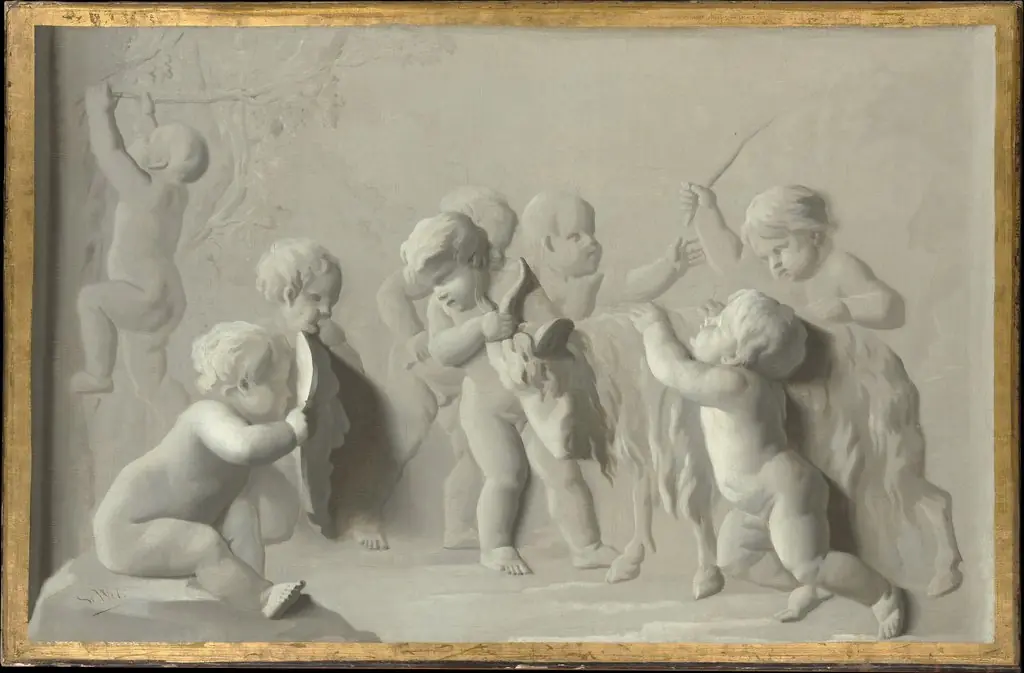
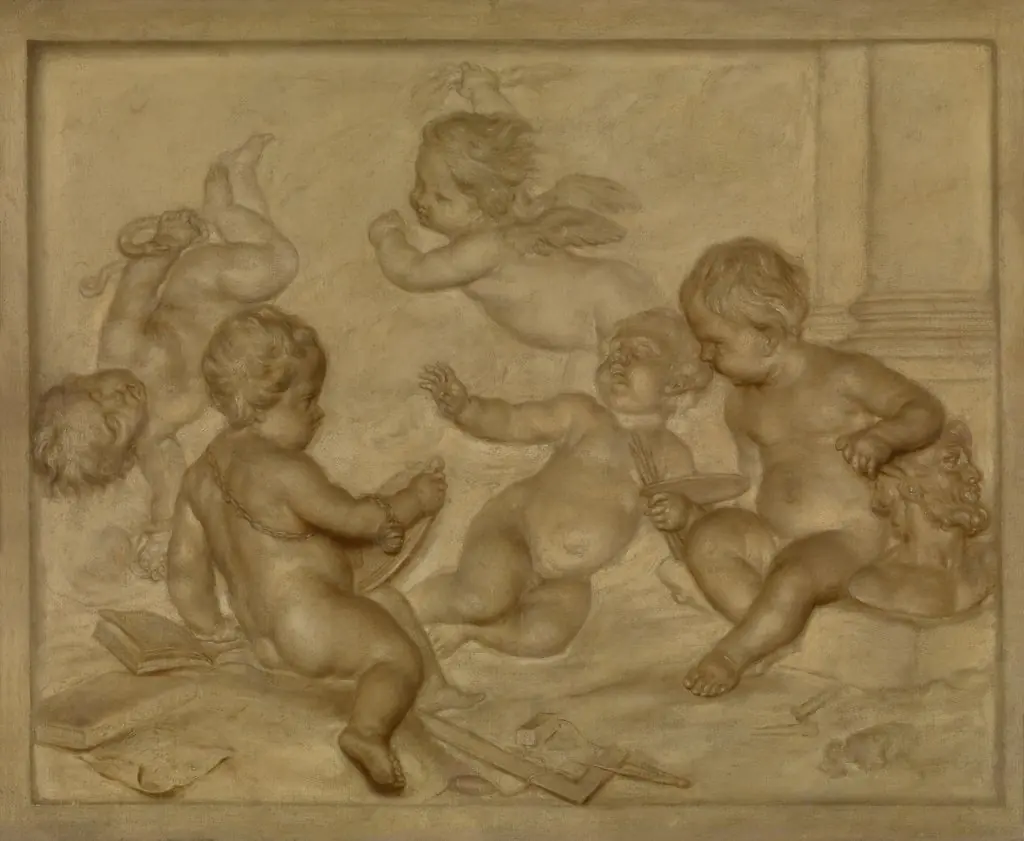
Amorini at play (one of a pair) is an oil painting by the Rococo painting artist Piat Joseph Sauvage. It dates from 1750 and is held in the collection of the Metropolitan Museum of Art. Created around 1750, this oil on canvas presents a light‑hearted Rococo scene of several putti engaged in playful activity.
About this work
Technique & Style
The work is an oil painting executed on canvas, reflecting typical 18th-century practice of applying oil paint to a prepared linen or canvas support.
The work is an oil painting executed on canvas, reflecting typical 18th-century practice of applying oil paint to a prepared linen or canvas support. Its execution demonstrates the Rococo decorative sensibility through playful cherubic figures rendered with fluid brushwork and soft modeling. The surface retains its original handling characteristics, showing no significant degradation, and the composition maintains a balanced, intimate spatial arrangement characteristic of the period.
The painting’s formal qualities include a luminous color palette, delicate chiaroscuro, and a composition that emphasizes the animated interaction of the amorini within a shallow pictorial space. These stylistic elements align with the decorative trends observed in French Rococo art of the mid-18th century.
The artwork is part of the Metropolitan Museum of Art’s collection, accessioned under the identifier 07.225.315a, and was created in 1750.
History & Provenance
Amorini at play (one of a pair), an oil painting by Piat Joseph Sauvage created in 1750, is housed in the Metropolitan Museum of Art with inventory number 07.225.315a. The work has been part of the museum's collection since its acquisition and is documented in its permanent displays.
Legacy
The painting Amorini at play (one of a pair) by Piat Joseph Sauvage, created in 1750, has been part of the Metropolitan Museum of Art's collection since its acquisition, ensuring its continued visibility within a major institutional setting. Its presence in a prominent museum has contributed to scholarly attention on French Rococo decorative painting, though specific documented influence on later artistic movements or artists is not recorded in available sources. The work remains recognized as an example of 18th-century French figurative painting within the museum's European paintings department.
Overview
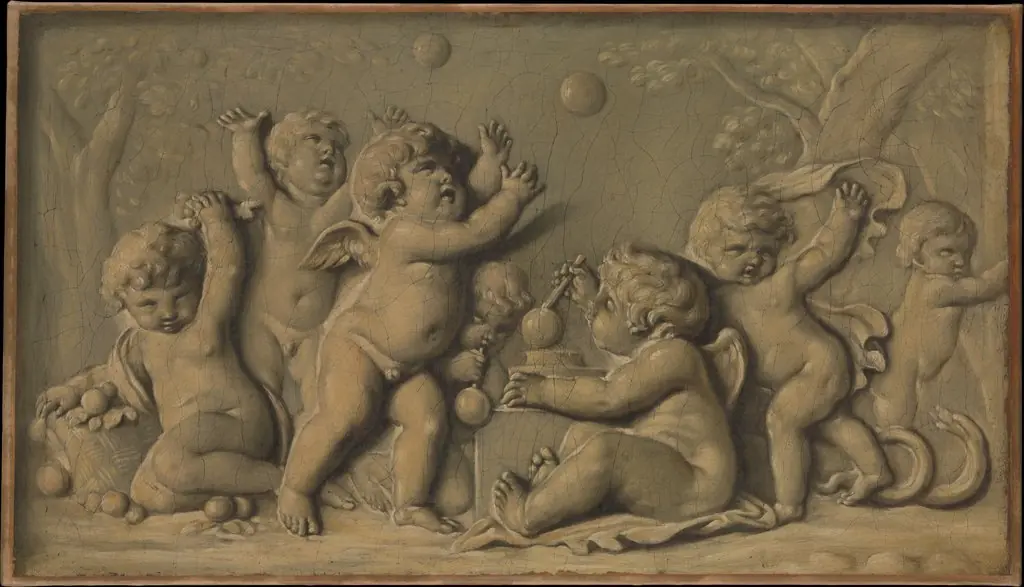
Created around 1750, this oil on canvas presents a light‑hearted Rococo scene of several putti engaged in playful activity. The composition balances figures of varying sizes and poses against a pale sky, giving the impression of a fleeting moment of childhood amusement. It forms one half of a matched pair owned by the Metropolitan Museum of Art.
Subject & Meaning
The work depicts a group of chubby, nude children, classical putti, interacting in a carefree manner. One figure holds a large seashell to its ear, while others sit or stand, their expressions ranging from curiosity to mischievous delight. The arrangement emphasizes movement and spontaneity, reflecting the Rococo fascination with lightness and the pleasures of everyday life.
Context
Sauvage’s putti align with a broader European tradition of employing cherubic figures to convey innocence and decorative elegance. While the artist is better known for his ornamental interiors, this work illustrates his ability to translate that decorative sensibility onto a portable canvas. The painting continues to serve as a reference point for the study of Rococo figural motifs and the role of putti in 18th‑century visual culture.
Artist & collection
Artist
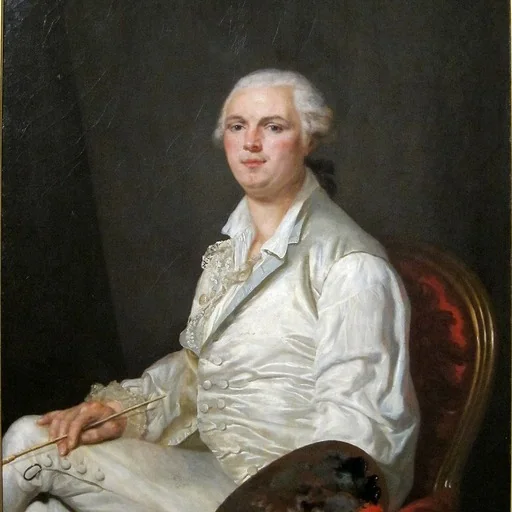
Piat Joseph Sauvage or Pieter Joseph Sauvage (19 January 1744 in Tournai – 11 June 1818 in Tournai) was a painter, sculptor, printmaker and academic lecturer from the Southern Netherlands.