Artwork
The Triumph of Bacchus
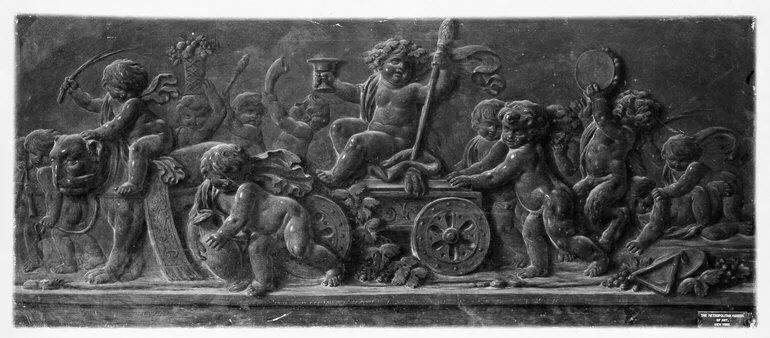
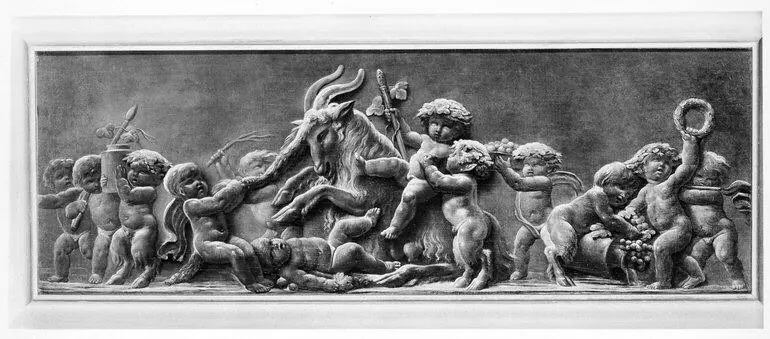
The Triumph of Bacchus is an oil painting by the Rococo painting artist Piat Joseph Sauvage. It dates from 1790 and is held in the collection of the Metropolitan Museum of Art.
About this work
Subject & Meaning
Accompanying the central figure are putti, small winged infants that typically represent divine presence or playful aspects of the myth in this genre.
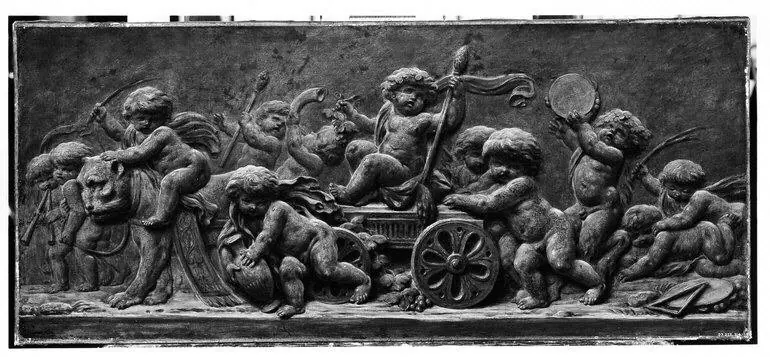
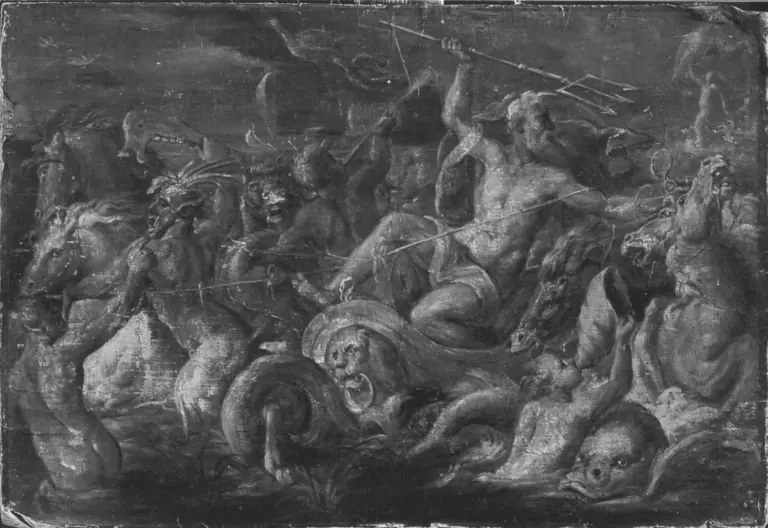
The artwork depicts the mythological narrative of the Triumph of Bacchus and Ariadne, a subject rooted in classical mythology. The scene centers on the god Bacchus, who is shown riding a chariot, a vehicle symbolizing his victorious procession. Accompanying the central figure are putti, small winged infants that typically represent divine presence or playful aspects of the myth in this genre.
As a mythological painting created in 1790, the work visualizes the celebration of Bacchus's triumph alongside Ariadne, utilizing traditional iconography associated with the god of wine and ecstasy. The composition captures the dynamic movement of the procession, emphasizing the divine status of the main subject through the inclusion of these specific symbolic figures.
Technique & Style
Executed in 1790 by Piat Joseph Sauvage, The Triumph of Bacchus is an oil painting on canvas. The work presents a mythological narrative, specifically illustrating the triumph of Bacchus and Ariadne. Visually, the composition features a chariot accompanied by a putto, aligning with traditional iconography for this subject.
The painting's physical dimensions measure 48.9 cm in height and 117.2 cm in width, indicating a horizontal format suited for the procession scene. As a piece classified within the genre of mythological painting, the artist utilized oil paints to render the figures and setting on a canvas support, a standard medium for eighteenth-century European easel paintings.
History & Provenance
The Triumph of Bacchus is an oil-on-canvas painting executed in 1790 by Piat Joseph Sauvage, a work categorized as a mythological scene. The composition shows a chariot driven by Bacchus accompanied by a putto, reflecting the classical subject of the god's triumph alongside Ariadne. Its dimensions are 48.9 cm in height and 117.2 cm in width, and it is held in the collection of the Metropolitan Museum of Art, New York.
The available sources do not specify a unique accession number for the piece, nor do they provide details regarding its exhibition history or prior provenance beyond its current location.
Overview
Piat Joseph Sauvage's The Triumph of Bacchus, an oil painting from 1790, depicts a lively mythological scene. This work showcases the artist's skill in decorative art, reflecting his position as a court painter. The composition features the Roman deity Bacchus amidst a dynamic assembly of figures, characteristic of the Rococo style, and is now held in The Metropolitan Museum of Art.
Artist & collection
Artist
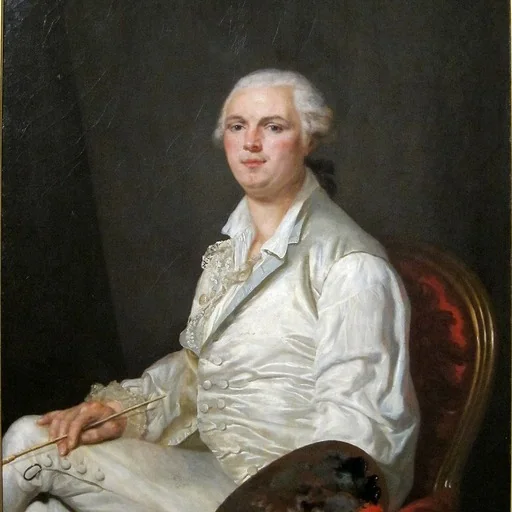
Piat Joseph Sauvage or Pieter Joseph Sauvage (19 January 1744 in Tournai – 11 June 1818 in Tournai) was a painter, sculptor, printmaker and academic lecturer from the Southern Netherlands.

 Infant Bacchanal
 Fem genier med guirlander
 Enthauptung Johannes des Täufers
 Decoratiestukken met drie putti
 Allegory of charity
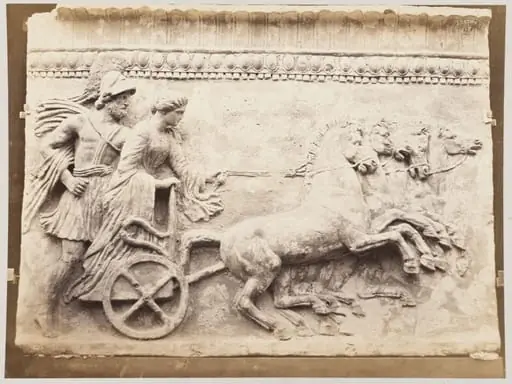 Helen and Menelaus, bas-relief in terra cotta
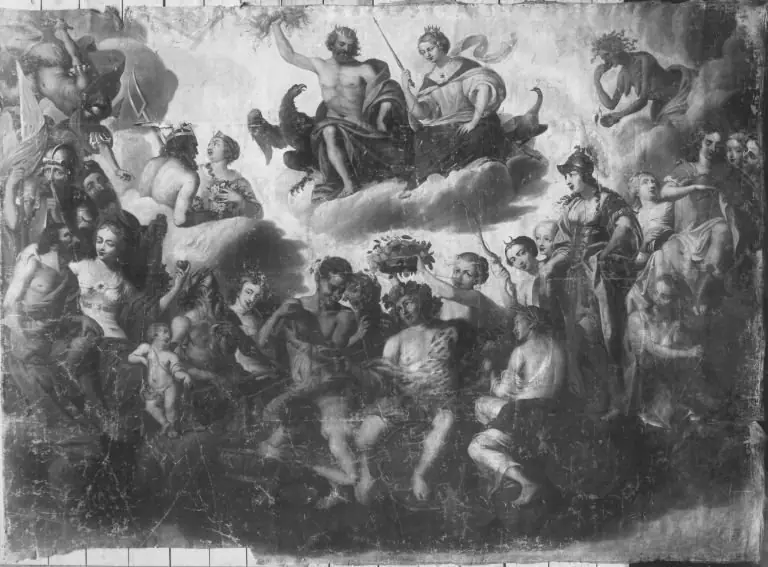 Götterversammlung (zugeschrieben)
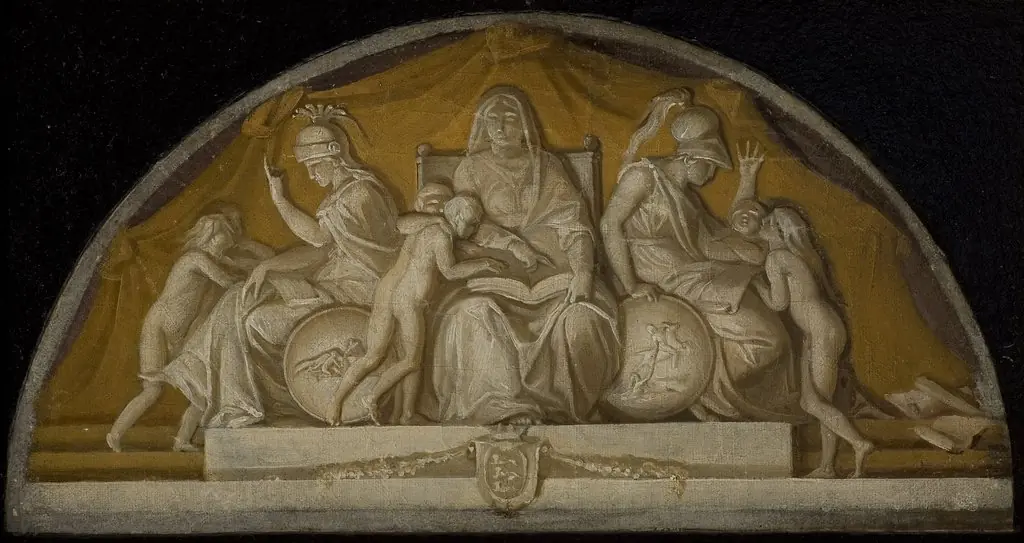 The Establishment of Schools
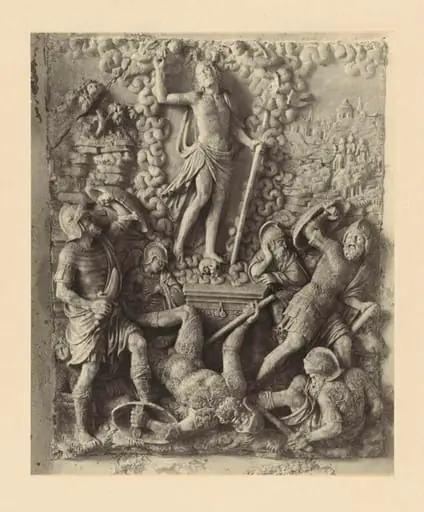 Alabaster Tablet, Plymtree
 Neptun mit Tritonen (zugeschrieben)
- The Triumph of Bacchus