Artwork
Untitled
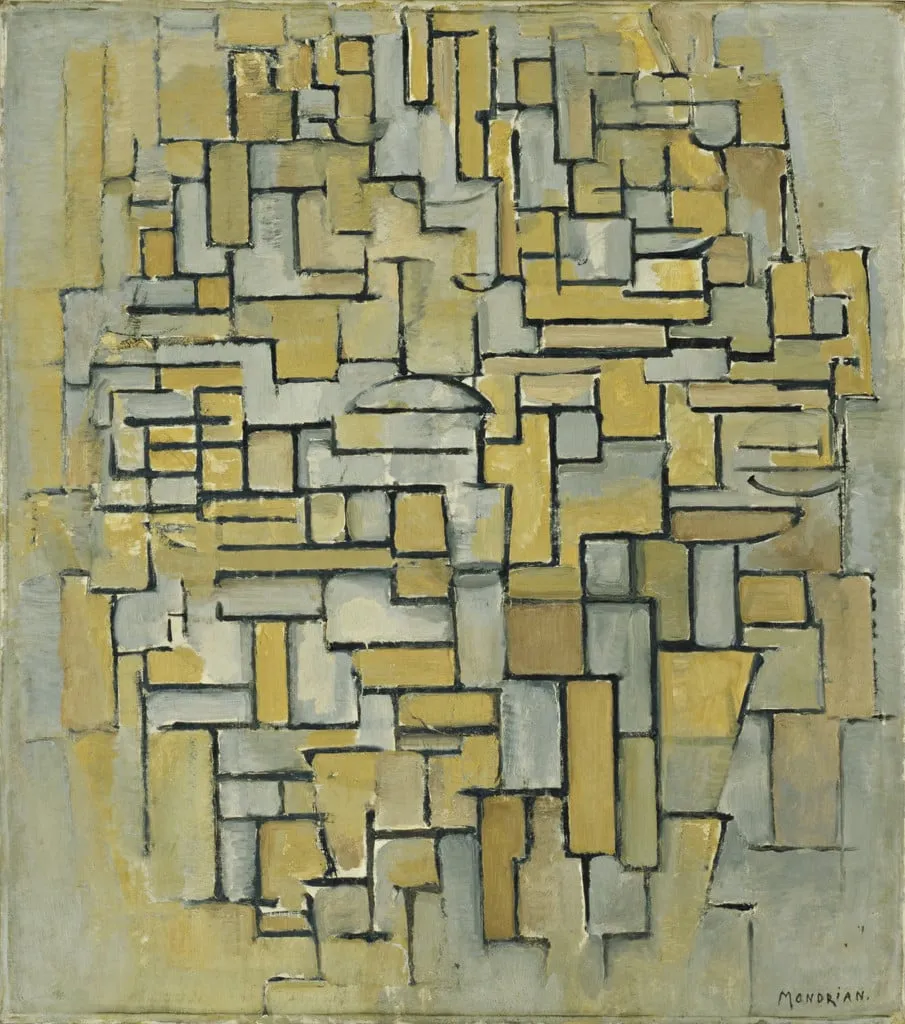
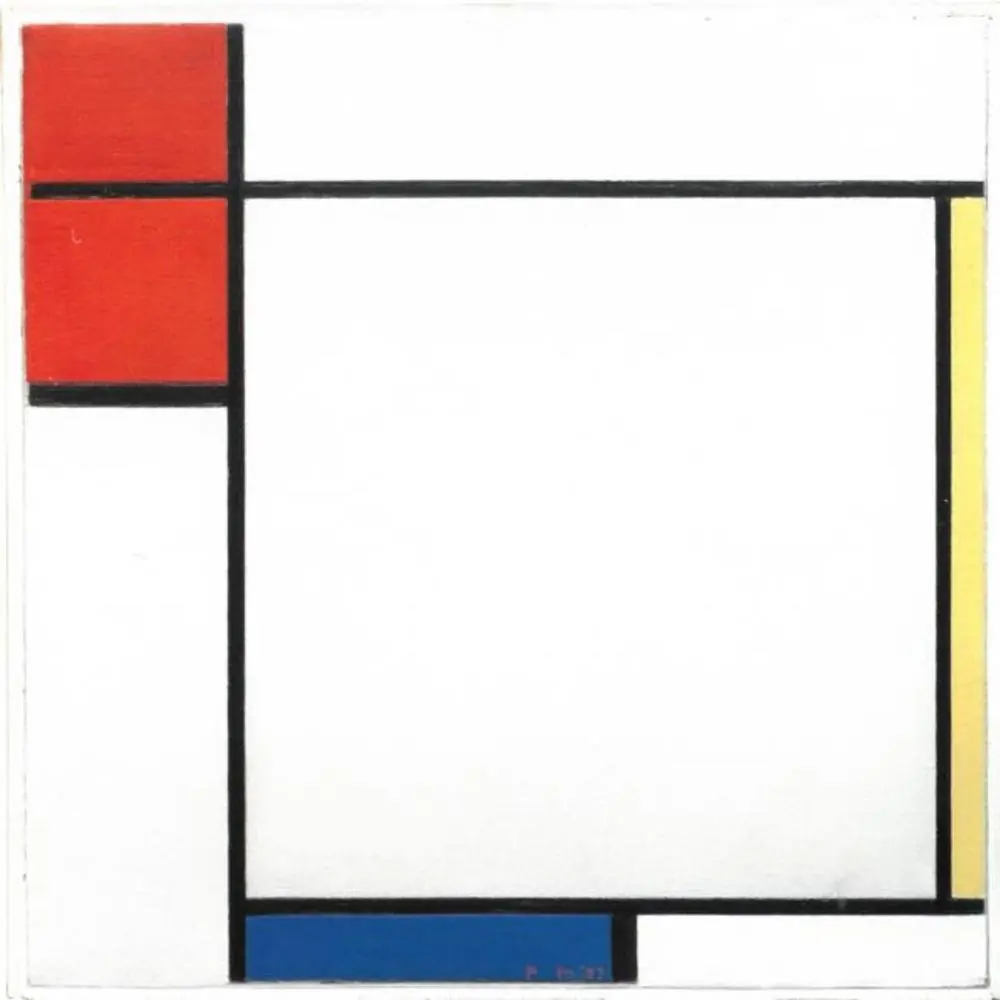
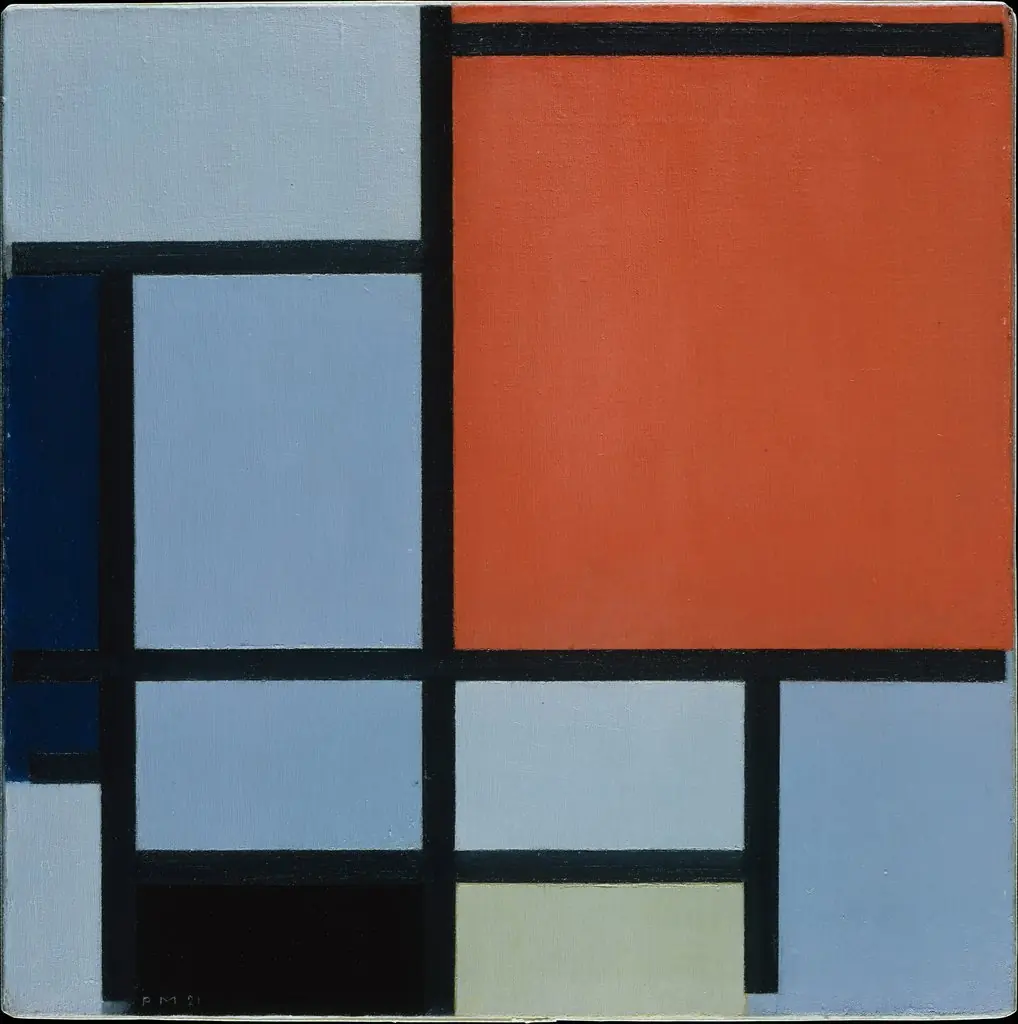
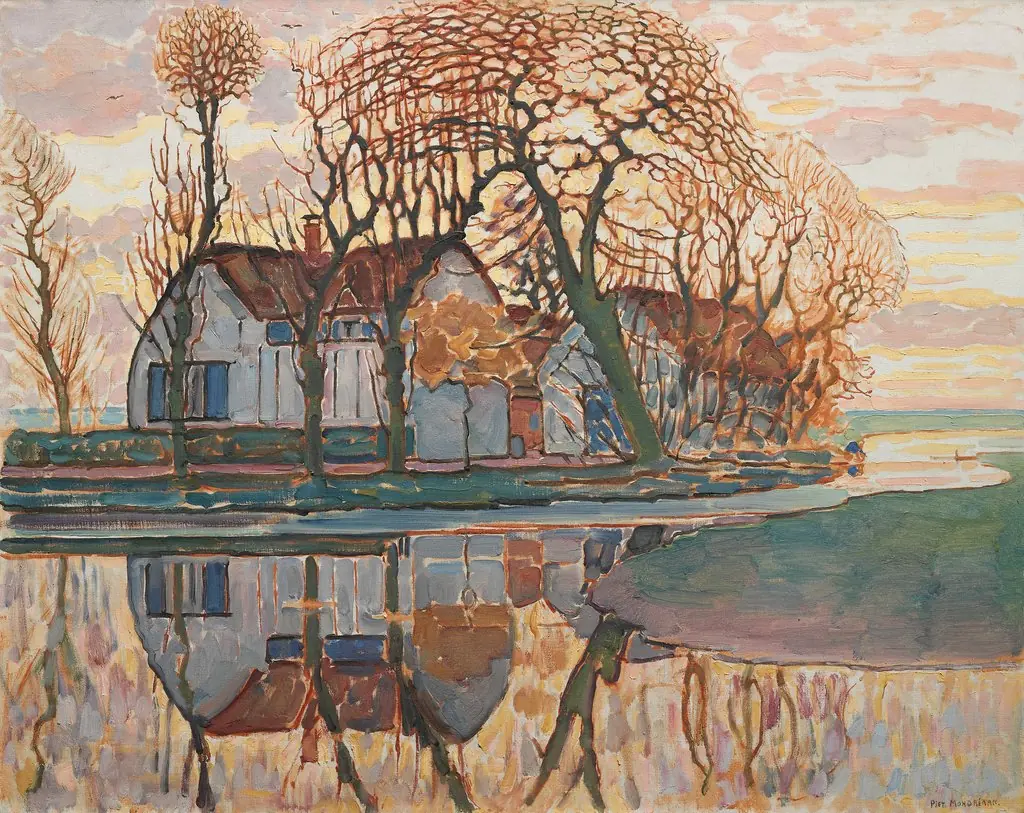
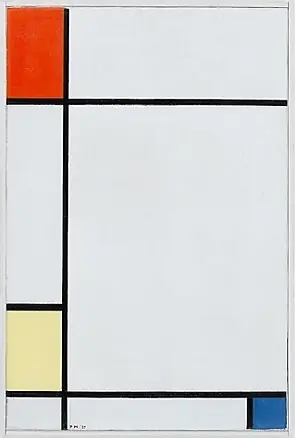
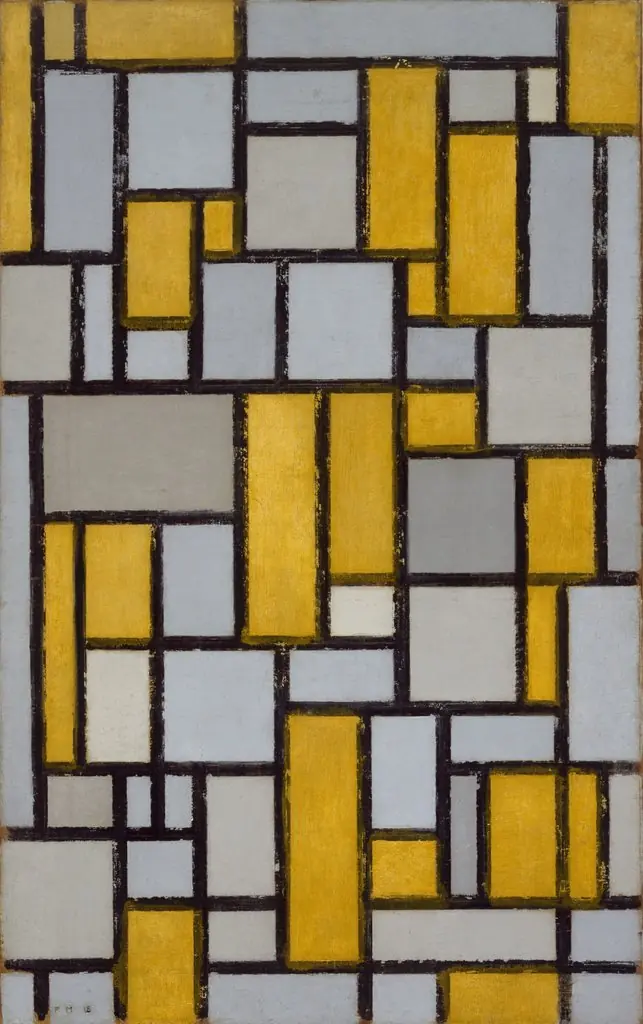
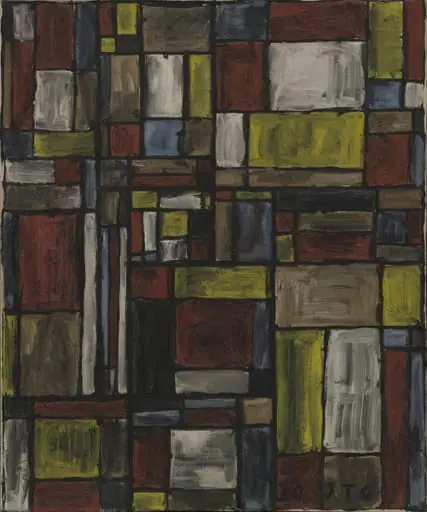
Untitled is an oil painting by Piet Mondrian. It dates from 1913 and is held in the collection of the Museum of Modern Art.
About this work
Overview
Painted in 1913, this oil on canvas work by Dutch artist Piet Mondrian represents a pivotal moment in his shift from representational art toward abstraction.
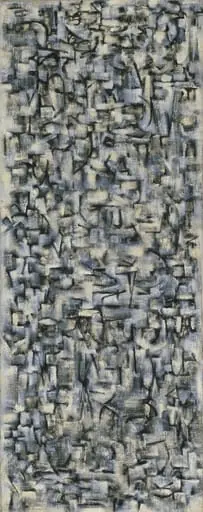
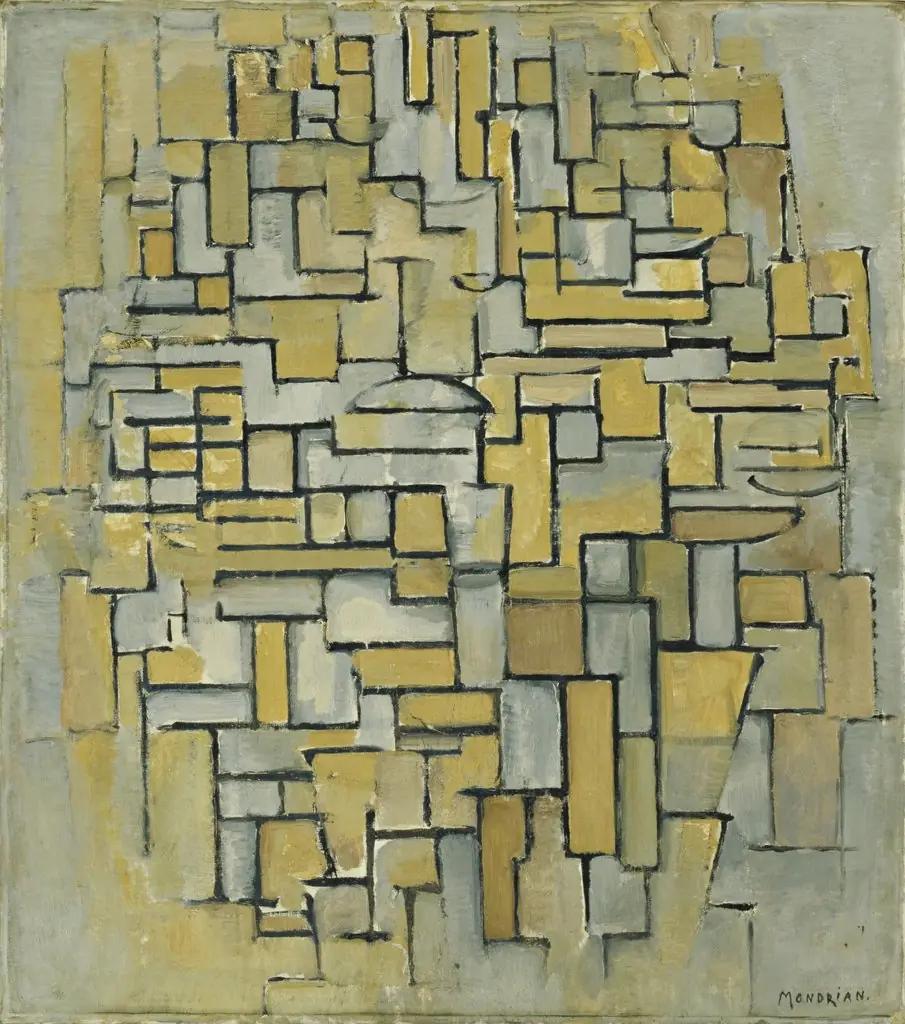
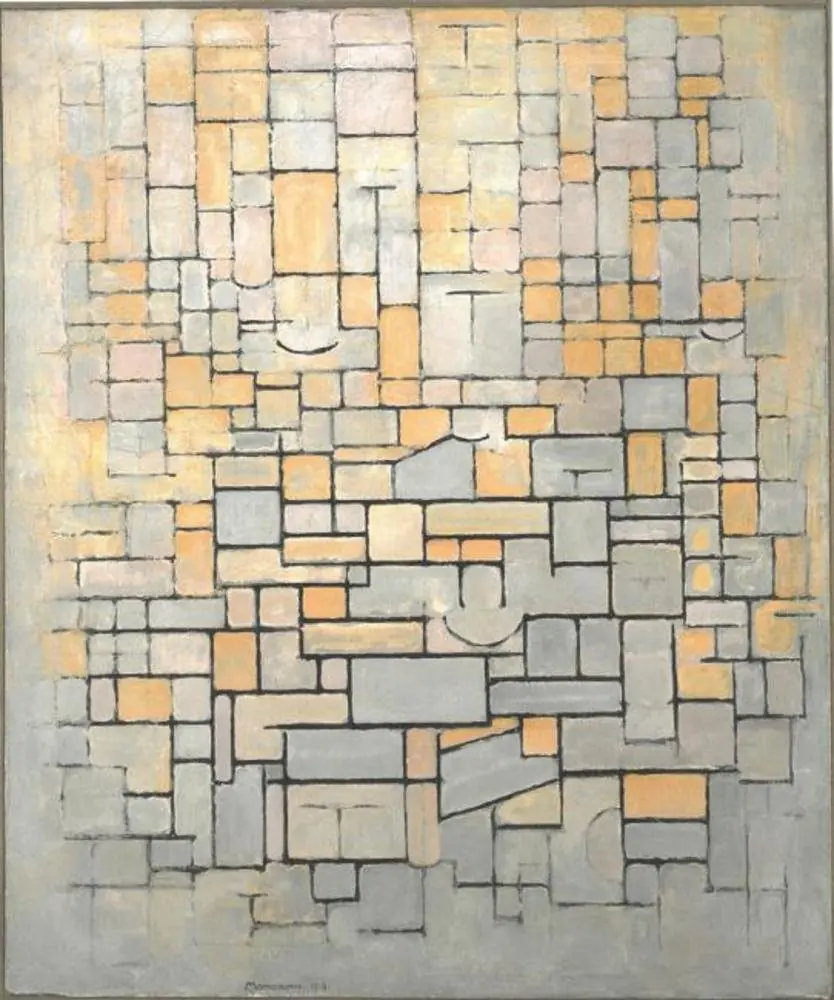
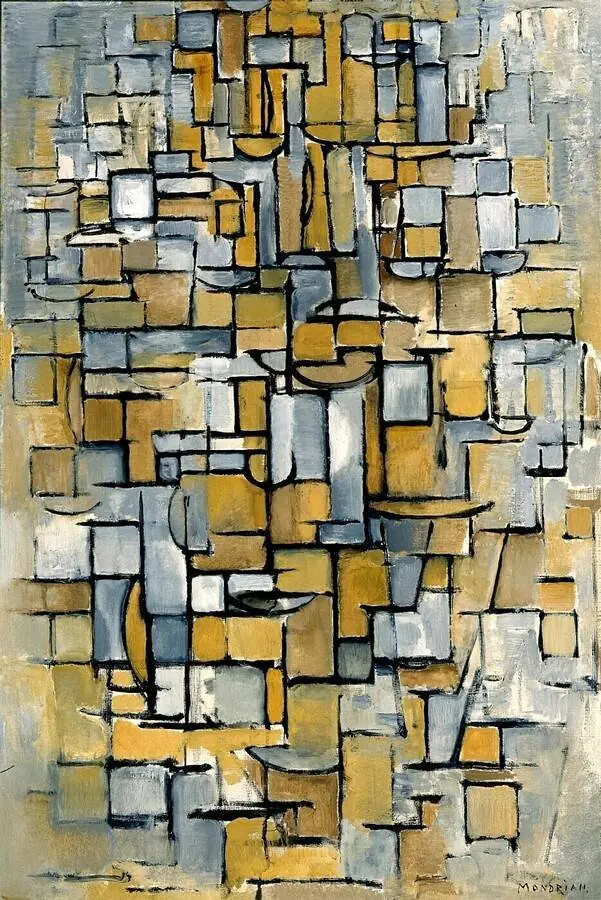
Painted in 1913, this oil on canvas work by Dutch artist Piet Mondrian represents a pivotal moment in his shift from representational art toward abstraction. The composition eschews recognizable imagery, focusing instead on irregular geometric forms arranged in a loosely structured grid. Its raw, tactile surface and uneven color application mark a transitional phase before Mondrian’s later, more rigidly ordered compositions.
Subject & Meaning
Though untitled, the painting embodies Mondrian’s early pursuit of a universal visual language rooted in simplicity and balance. Rather than depicting the physical world, it seeks to express underlying harmonies through basic shapes and muted tones. The asymmetry and irregularity suggest an ongoing exploration rather than a resolved ideal, reflecting his belief that art could reveal deeper truths beyond appearance.
Technique & Style
Mondrian applied oil paint thickly, creating a heavily textured surface through visible brushwork and impasto. Colors—beige, gray, white, and occasional dark outlines—are placed in irregular rectangles and squares that do not align precisely. The lack of uniformity and the deliberate roughness of edges distinguish this work from his later, precision-driven grids, revealing a more experimental, hands-on approach to form.
History & Provenance
Created during Mondrian’s formative years in the Netherlands, the painting entered The Museum of Modern Art’s collection as part of its broader effort to document the evolution of modern abstraction. Its presence in the museum underscores its significance as a bridge between early 20th-century experimentation and the mature style Mondrian would develop in Paris and beyond.
Context
In 1913, Mondrian was influenced by Cubism and Theosophy, both of which encouraged the reduction of nature to essential forms. This work emerged alongside other artists seeking to move beyond illusionism, yet Mondrian’s approach remained distinct—prioritizing spiritual equilibrium over fragmented representation. The painting reflects a broader European avant-garde interest in abstraction as a means of expressing universal order.
Legacy
This painting stands as an early indicator of Mondrian’s lifelong commitment to abstraction as a path to universal harmony. Though less polished than his later works, its tactile energy and structural uncertainty reveal the process behind his iconic style. It remains a key reference in understanding how abstraction evolved from intuitive experimentation to systematic composition in modern art.
Artist & collection

Artist
Pieter Cornelis Mondriaan (Dutch: ; 7 March 1872 – 1 February 1944), known after 1911 as Piet Mondrian (, US also ; Dutch: ), was a Dutch painter and art theoretician, who is regarded as one of the greatest artists of the 20th century.