Artwork
Composition no. III with red, yellow, and blue
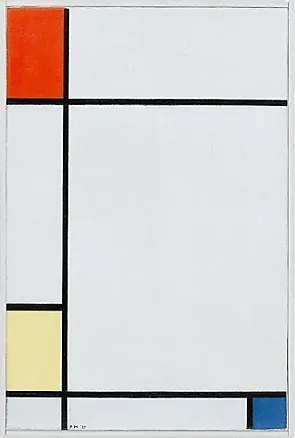
Composition no. III with red, yellow, and blue is an oil painting by the De Stijl artist Piet Mondrian. It dates from 1927 and is held in the collection of the Rijksmuseum.
About this work
Technique & Style
Created in 1927, Composition no. III with red, yellow, and blue is an abstract painting executed by Piet Mondrian using oil paint on a canvas support. The work measures 60 cm in height and 40 cm in width. As a quintessential example of the artist's mature style, the piece utilizes a strict geometric vocabulary characteristic of his non-representational approach to composition.
History & Provenance
The work is part of a shared collection between the Rijksmuseum and the Stedelijk Museum Amsterdam, though its specific location is listed as the Rijksmuseum.
Piet Mondrian created Composition no. III with red, yellow, and blue in 1927. Executed in oil paint on canvas, the work measures 60 cm in height and 40 cm in width. The painting is currently held in the collection of the Rijksmuseum in Amsterdam, having also been associated with the Stedelijk Museum Amsterdam.
Composition no. III with red, yellow, and blue is held by the Rijksmuseum in Amsterdam. The work is part of a shared collection between the Rijksmuseum and the Stedelijk Museum Amsterdam, though its specific location is listed as the Rijksmuseum. Created in 1927, the painting measures 60 cm in height and 40 cm in width.
The provided sources do not contain specific inventory numbers, accession details, or a record of past exhibitions for this artwork.
Overview
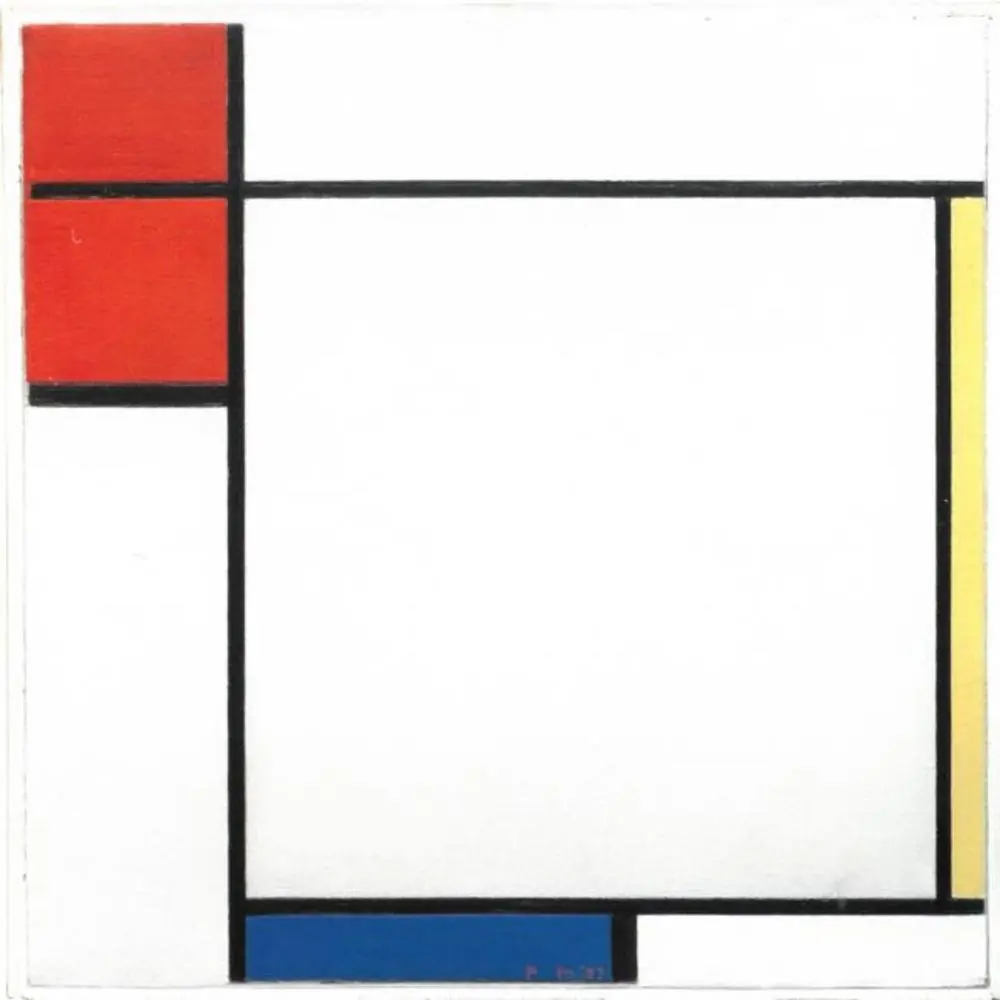
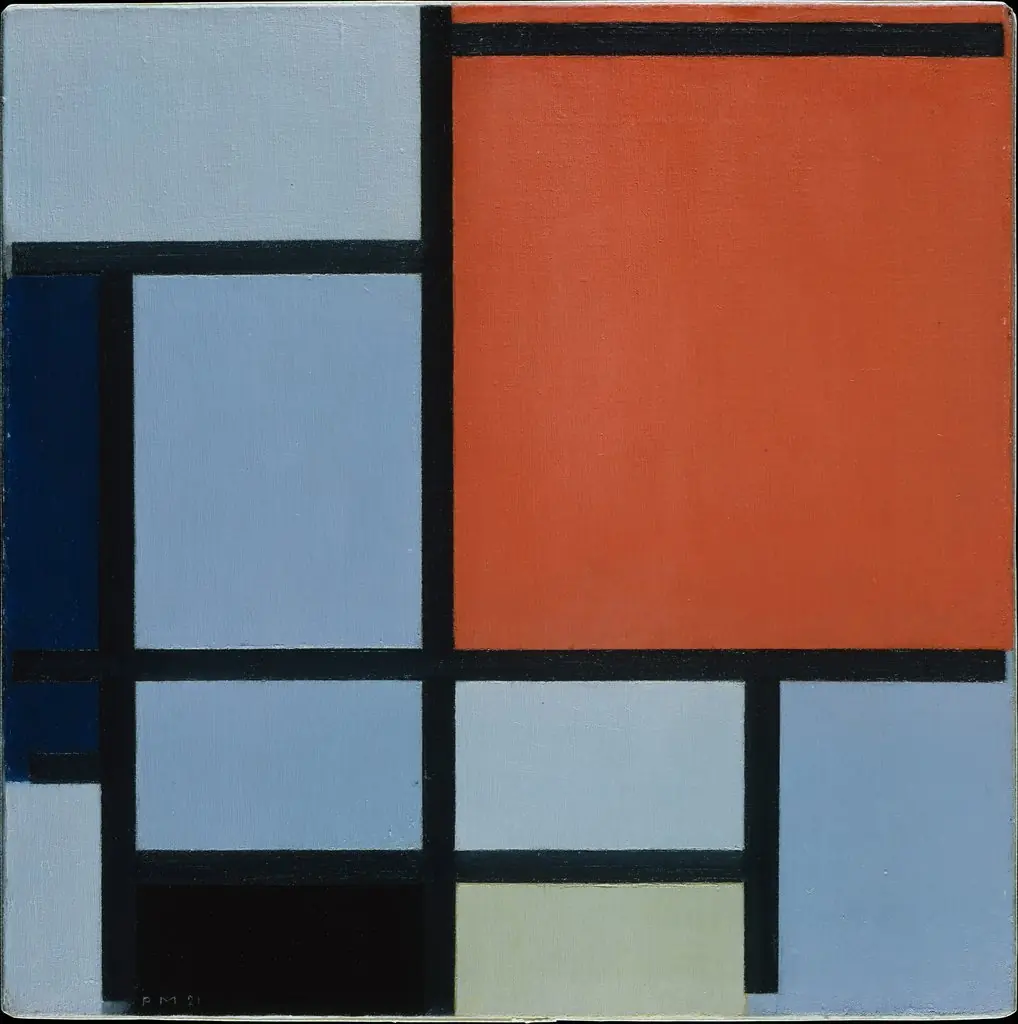
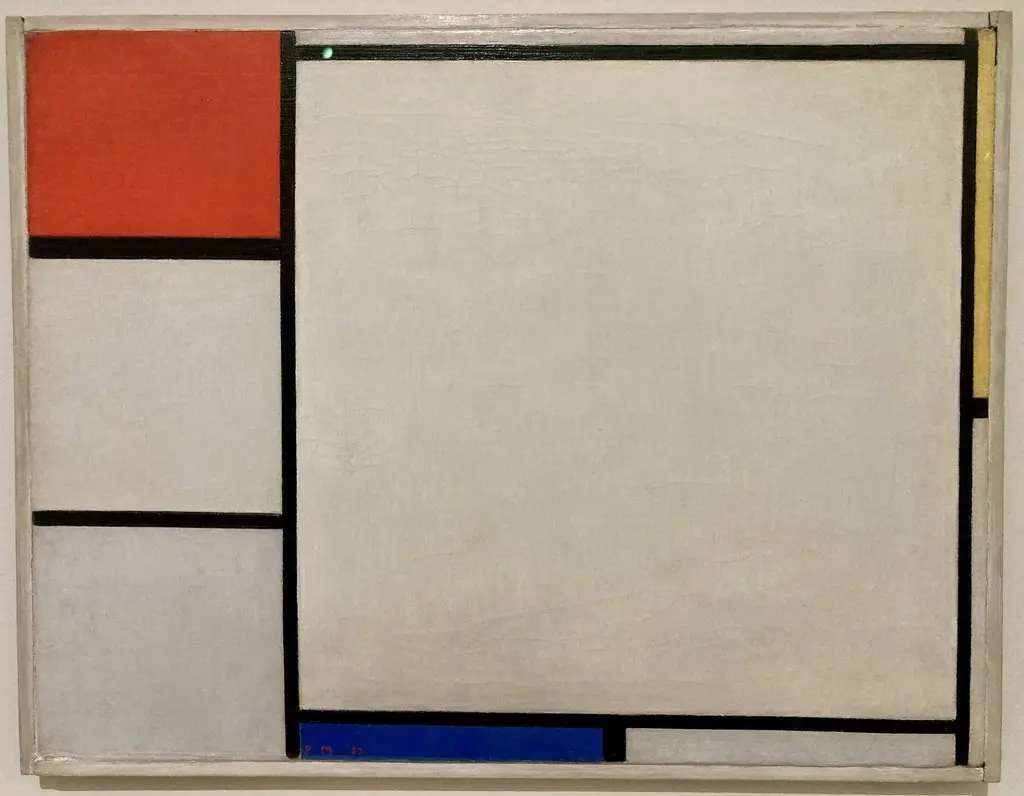
Created in 1927, this oil painting by Dutch artist Piet Mondrian exemplifies his move toward pure geometric abstraction. The canvas is divided by stark black lines into four rectangular zones, three of which are filled with solid primary colors, red, yellow, and blue, while the remaining space stays white. The composition reflects Mondrian’s systematic reduction of visual elements to basic forms and hues.
Subject & Meaning
The work does not depict recognizable objects; instead, it presents an arrangement of color and line intended to express a universal visual language. By isolating primary colors against a white field and framing them with black grids, Mondrian sought to convey balance, harmony, and the underlying order he believed governed both art and nature.
Context
The piece belongs to the De Stijl movement, founded in the Netherlands in 1917, which advocated for an abstract, universal visual language based on geometry and primary colors. Mondrian’s 1927 work follows his earlier experiments with neoplasticism, marking a mature stage in his pursuit of pure abstraction and influencing subsequent modernist design and architecture.
Artist & collection

Artist
Pieter Cornelis Mondriaan (Dutch:; 7 March 1872 – 1 February 1944), known after 1911 as Piet Mondrian (, US also; Dutch: ), was a Dutch painter and art theoretician, who is regarded as one of the greatest artists of the 20th century.

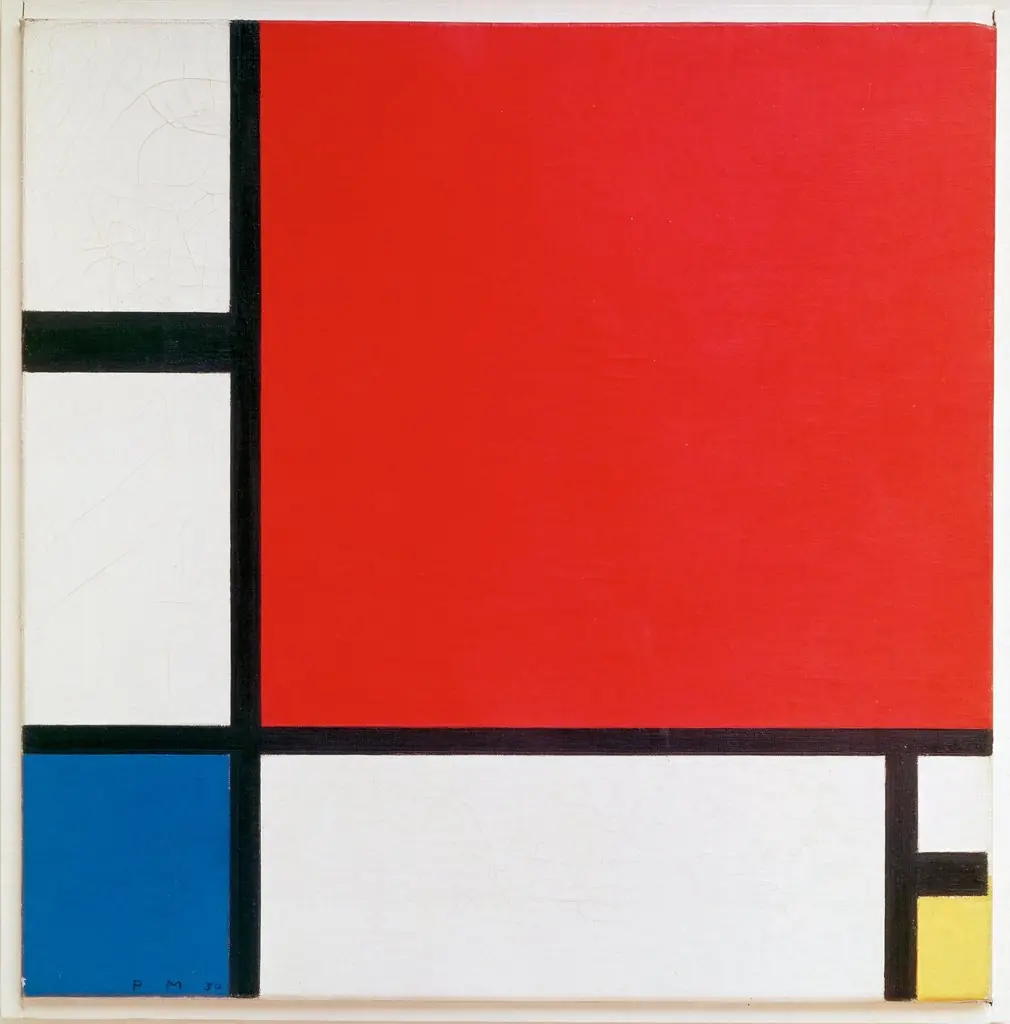
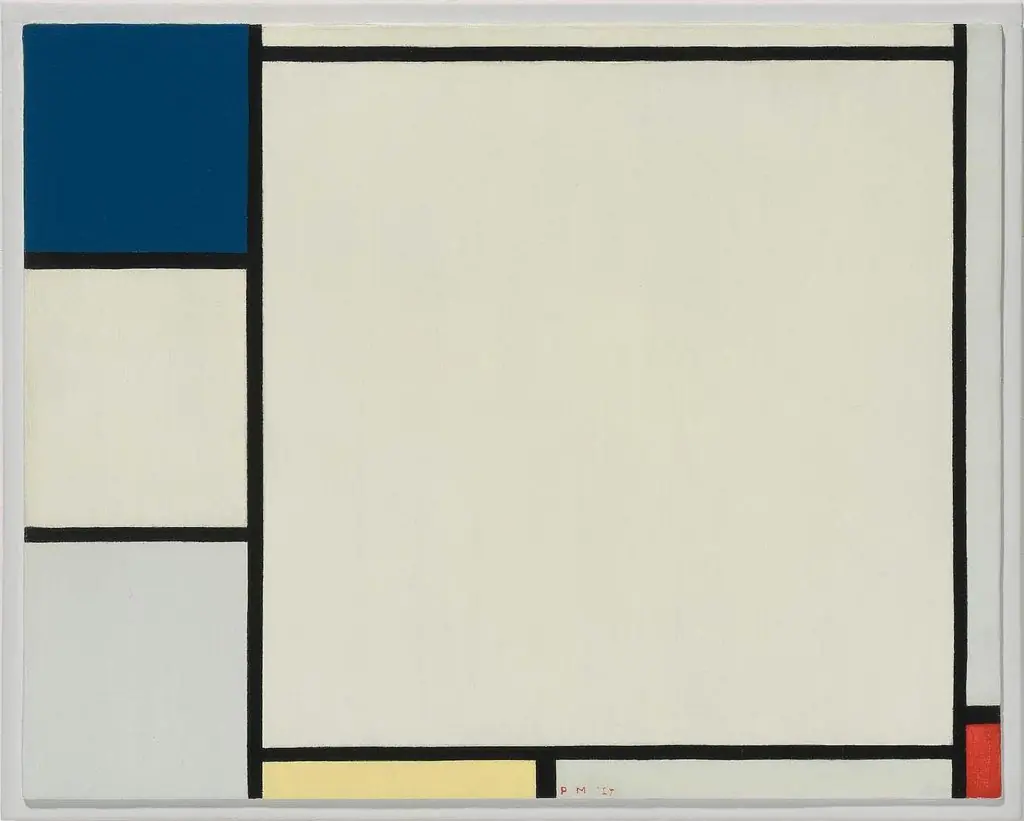 Composition with Blue, Yellow, and Red
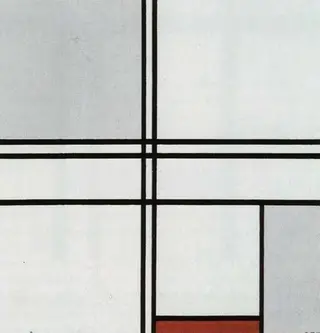 Composition (No. 1) Gray-Red
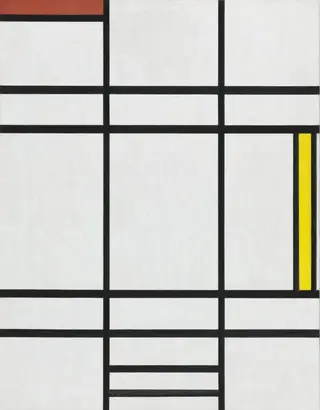 Composition in White, Red, and Yellow
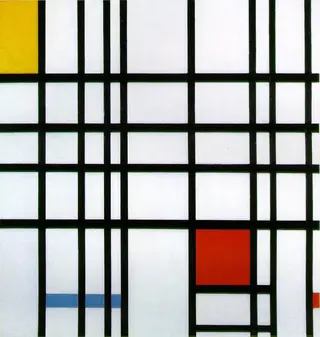 Composition with Red, Yellow and Blue
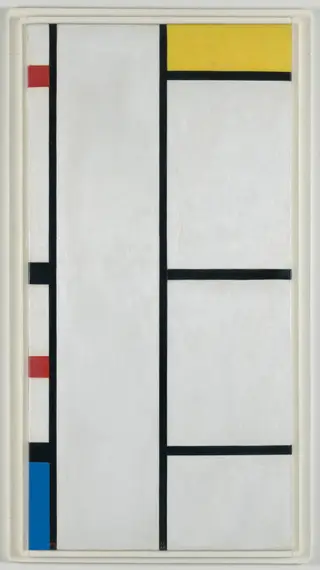 Composition (no. III) blanc-jaune
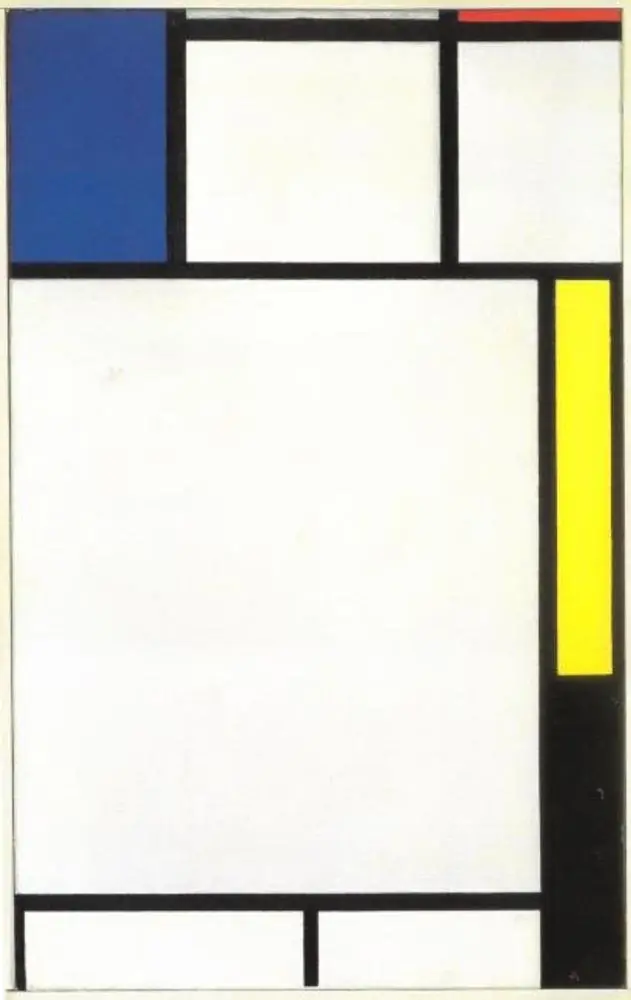 Composition with blue, red, yellow, and black
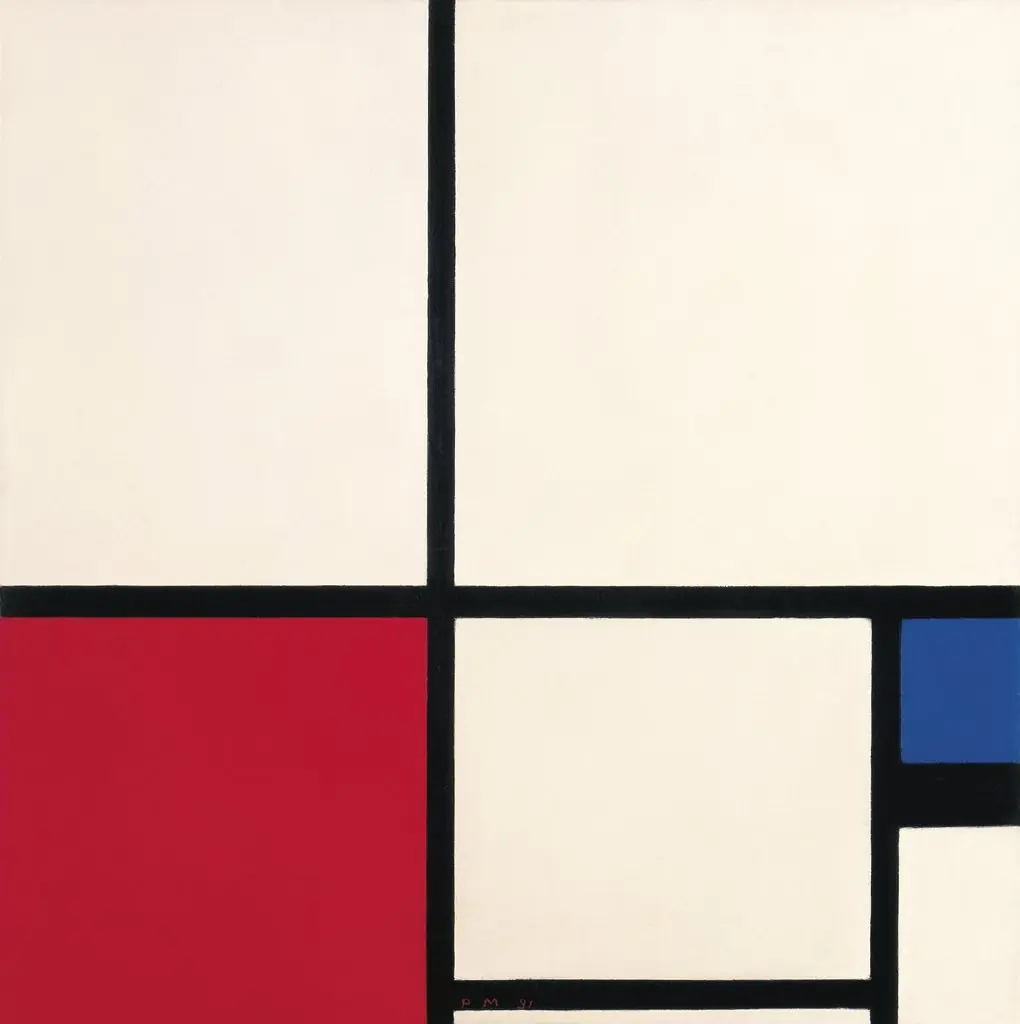 Composition in Colours
 Composition with red, yellow, and blue
 Composition with Red Blue Black Yellow and Gray
 Composition XVIII in Three Parts