Artwork
Seated Peasant with Jug
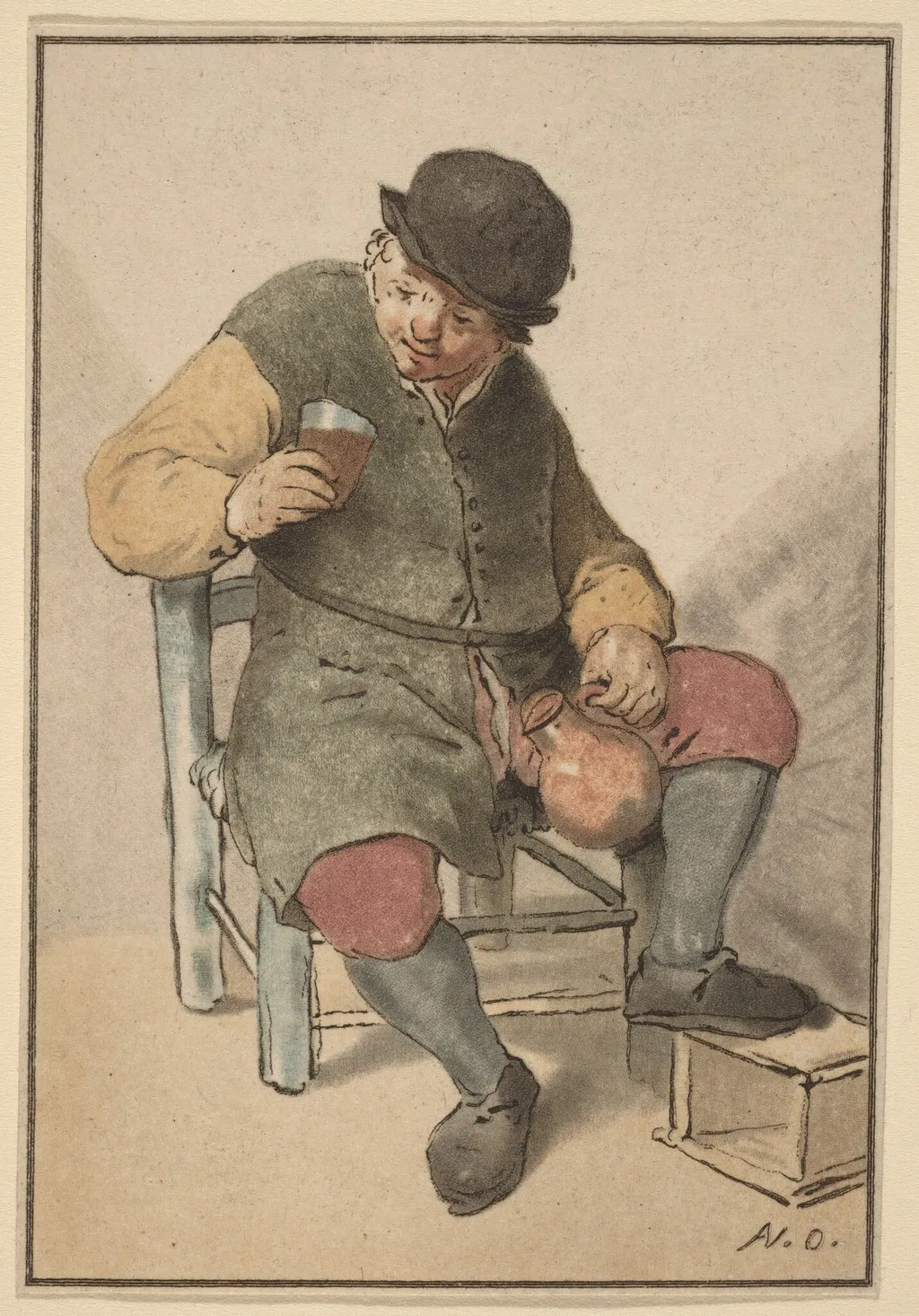
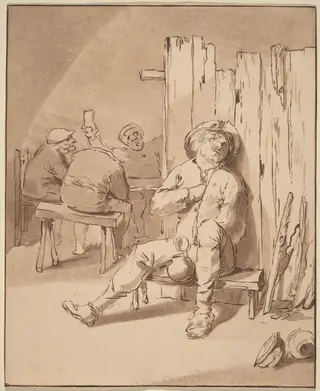
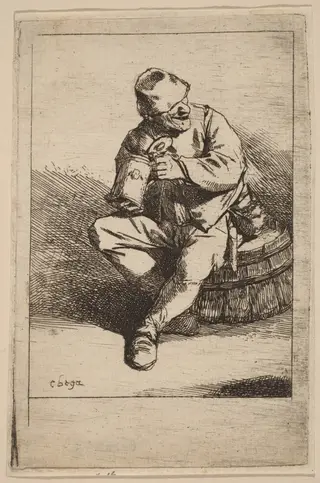
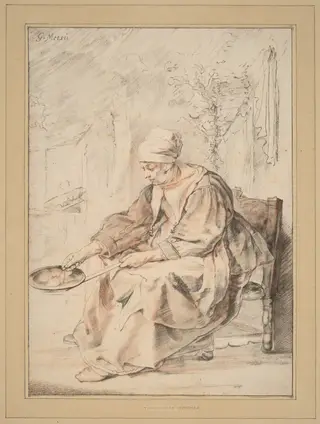
Seated Peasant with Jug is an ink print by the Romanticist artist Cornelis Ploos van Amstel. It dates from 1763 and is held in the collection of the National Gallery of Art.
- Inscription
- Inscribed:lower right in image: AV. O.
About this work
Overview
Seated Peasant with Jug is an early‑mid‑18th‑century print attributed to Dutch artist Cornelis Ploos van Amstel, dated around 1763. Executed as an etching on laid paper, the work presents a solitary figure in a modest setting, rendered in a restrained palette of black ink with hand‑applied color accents.
Subject & Meaning
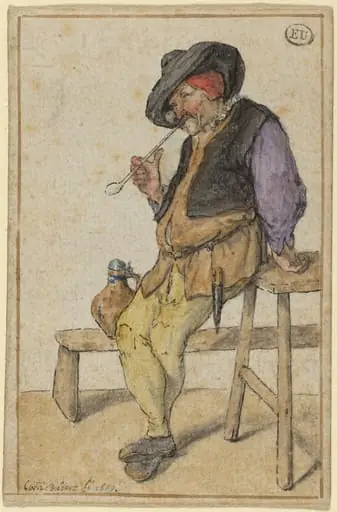
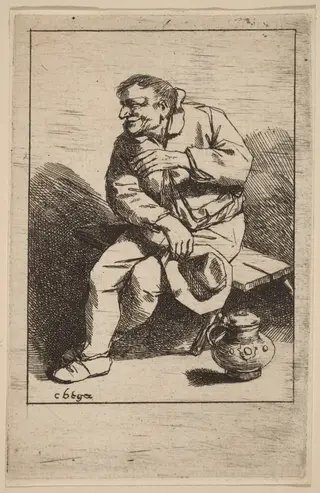
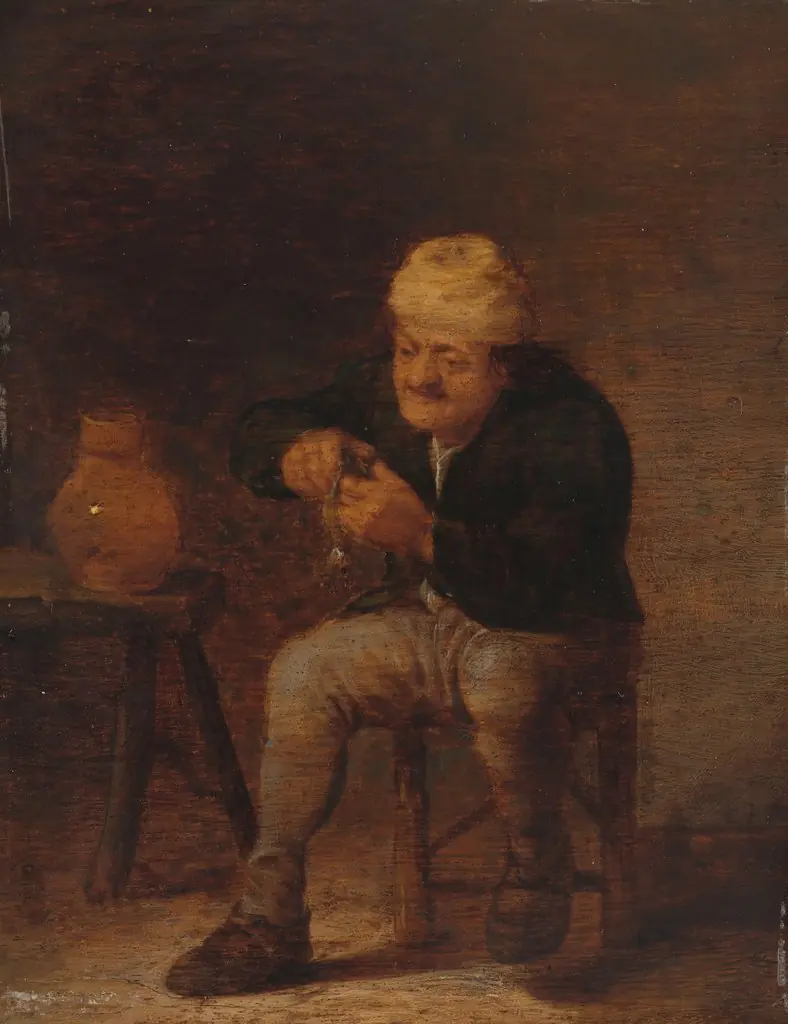
The composition depicts a peasant seated on a plain surface, his brown jacket draped over his lap, a jug resting beside him. The figure’s weathered face and calloused hands convey the physicality of rural labor, offering a quiet observation of everyday existence rather than an idealized portrait.
Technique & Style
Ploos van Amstel employed six separate copper plates to incise the image, a method that allowed varied line work and tonal depth. After printing the plates in black ink, selective color was introduced by hand, creating subtle highlights while preserving the overall monochrome atmosphere characteristic of Dutch genre prints.
History & Provenance
Created circa 1763, the print reflects the artist’s interest in documenting common folk during the Enlightenment’s growing focus on social observation. It has circulated among collectors of Dutch graphic art and is documented in several museum catalogues, confirming its attribution to Ploos van Amstel and its survival in good condition.
Context
The work belongs to a broader tradition of 18th‑century Dutch genre scenes that emphasized realism and moral reflection. By choosing a solitary peasant as his subject, Ploos van Amstel aligns with contemporary interests in depicting the dignity of labor and the nuanced textures of daily life.
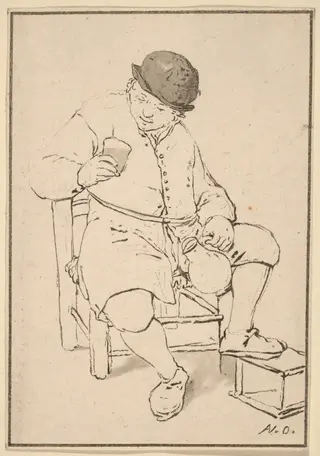
Own this work as a print
Artist & collection

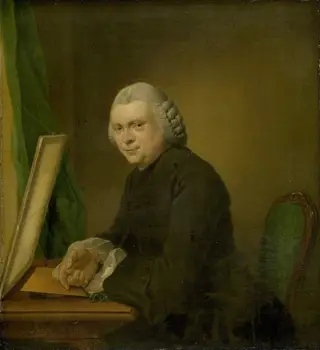 Portrait of Cornelis Ploos van Amstel
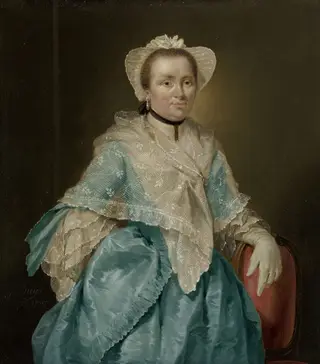 Portrait of Elisabeth Troost (1730-1790)
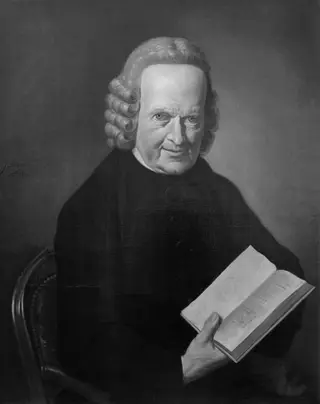 Johannes Monnikhoff (1707-1787)
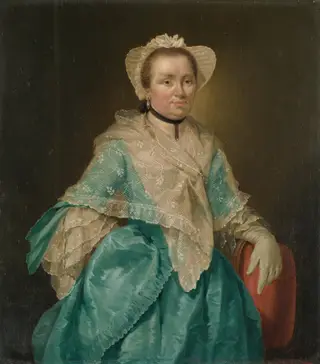 Portrait of Elisabeth Troost (1730-1790)
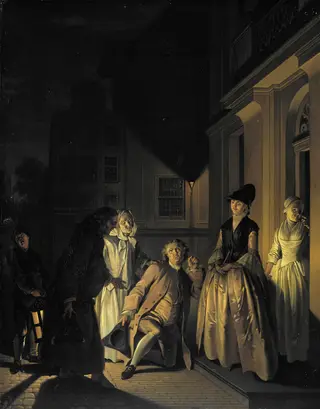 Scene from the Play 'Lubbert Lubbertse of de geadelde boer' by M. van Breda
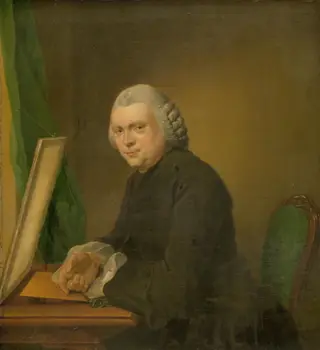 Portrait of Cornelis Ploos van Amstel
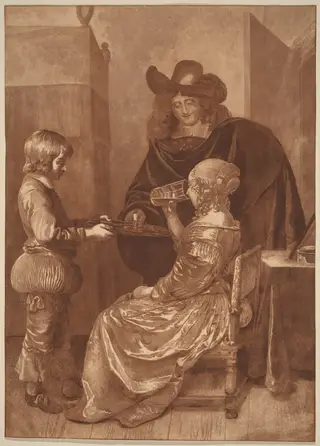 Cavalier and Lady with a Page
 Pancake Woman