Artwork
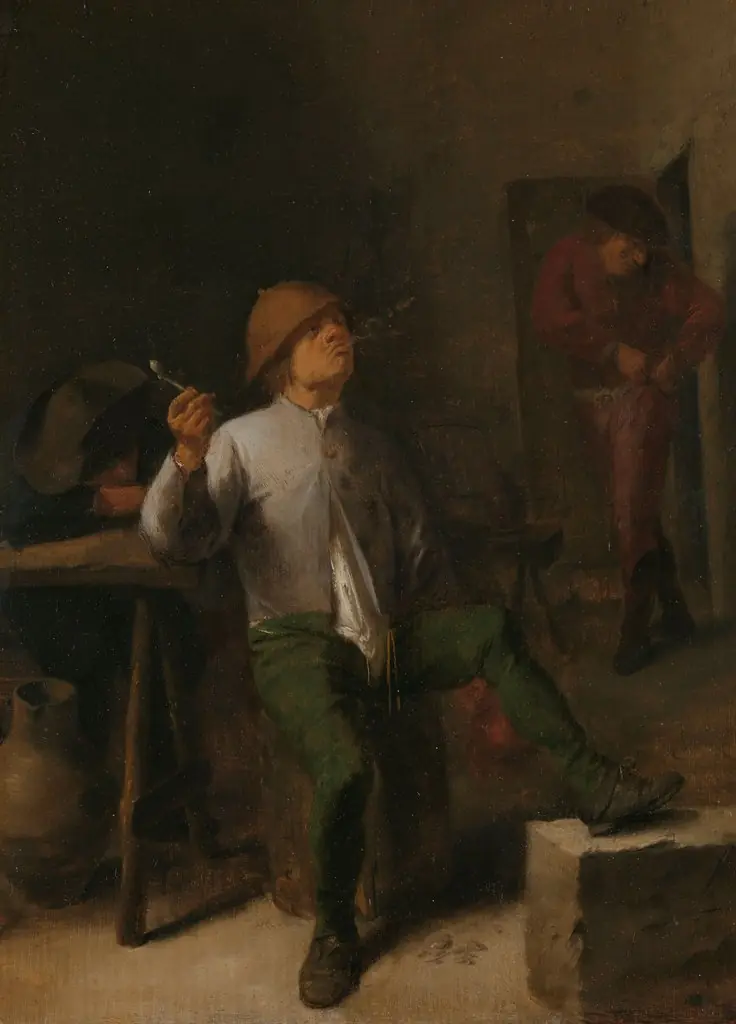
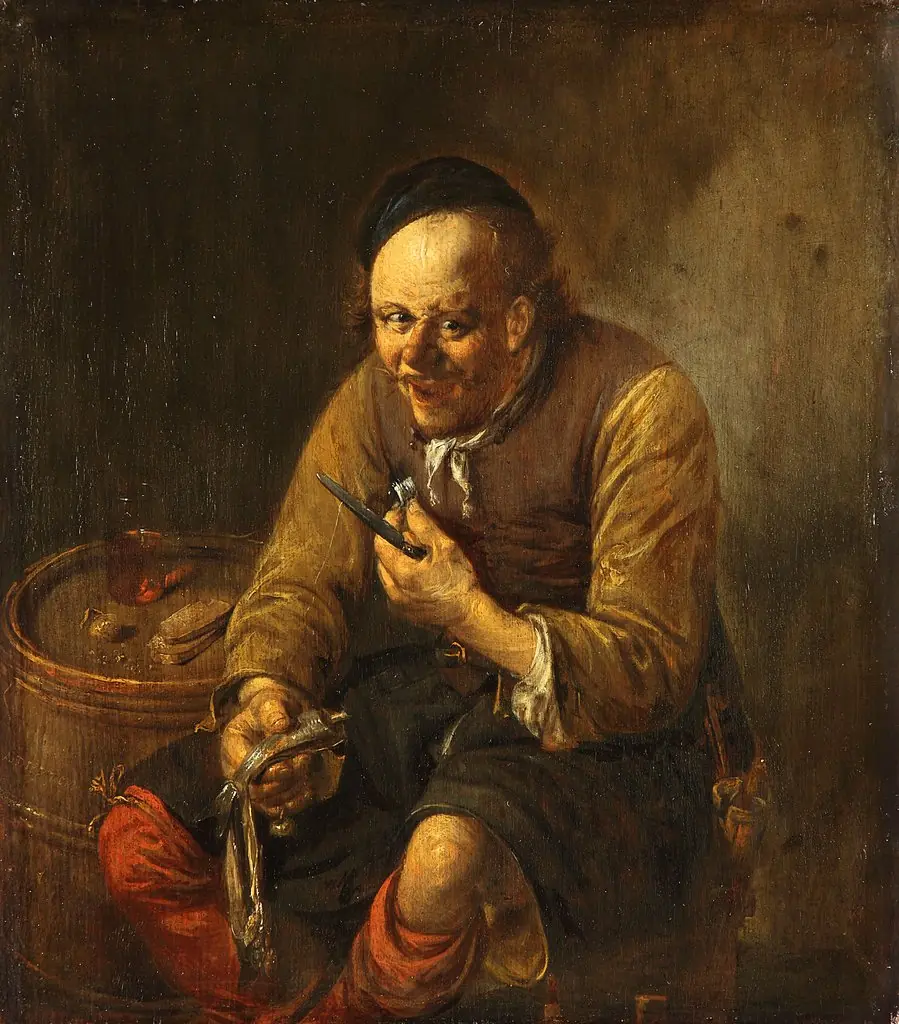
The herring eater
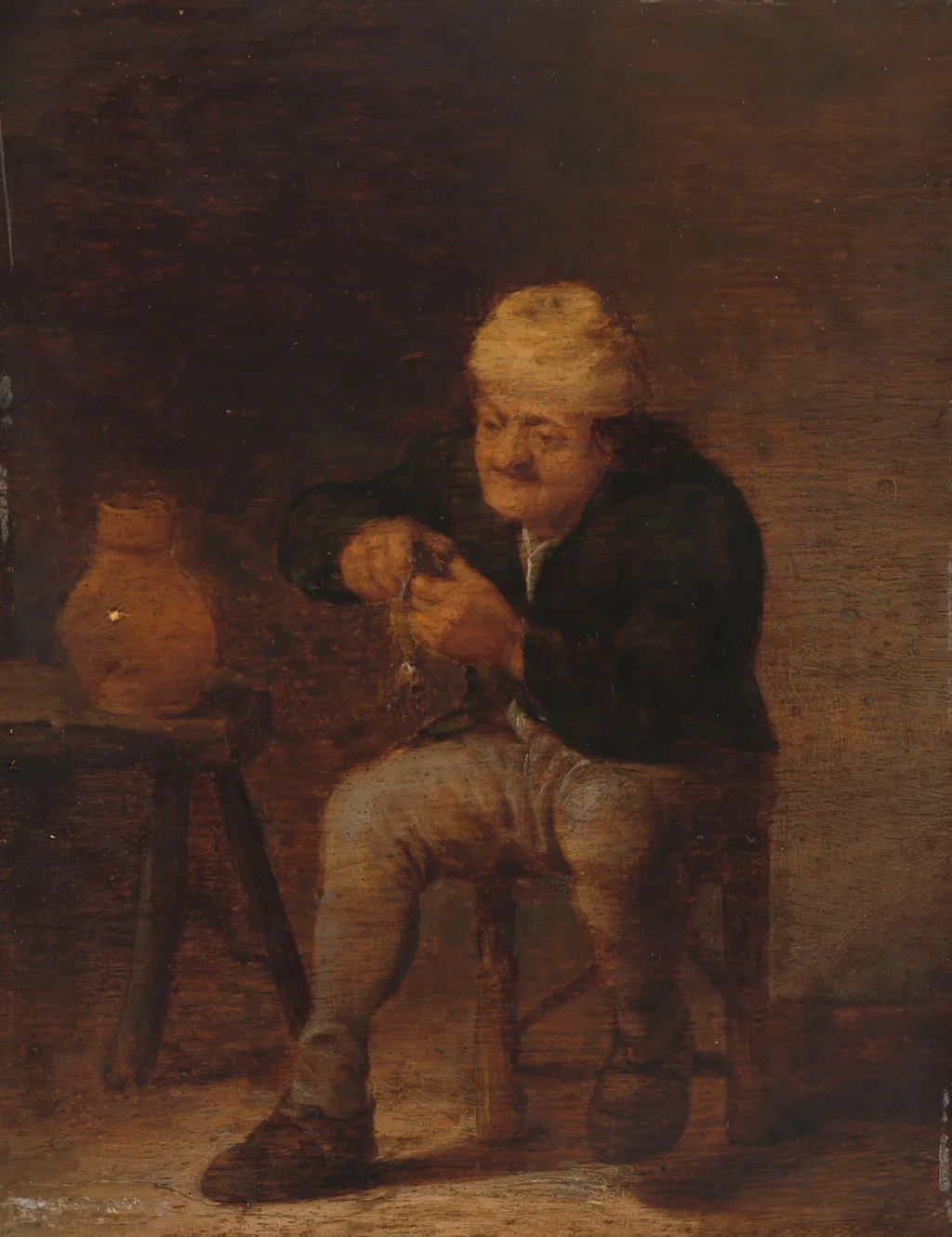
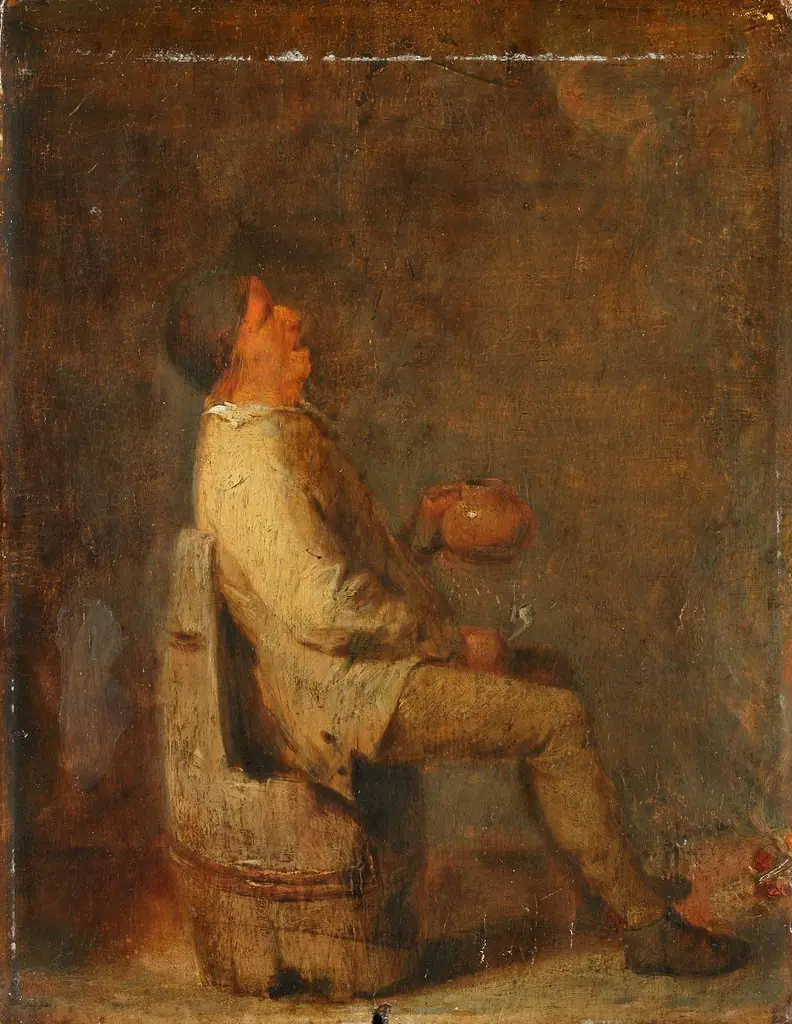
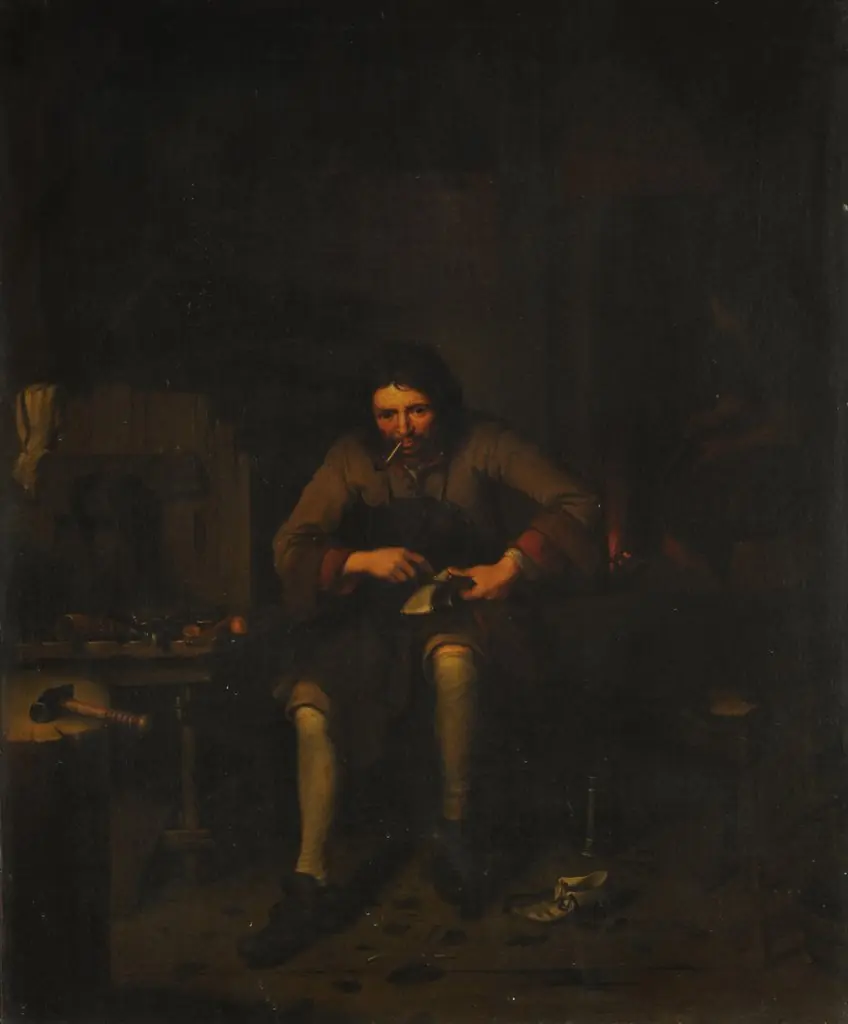
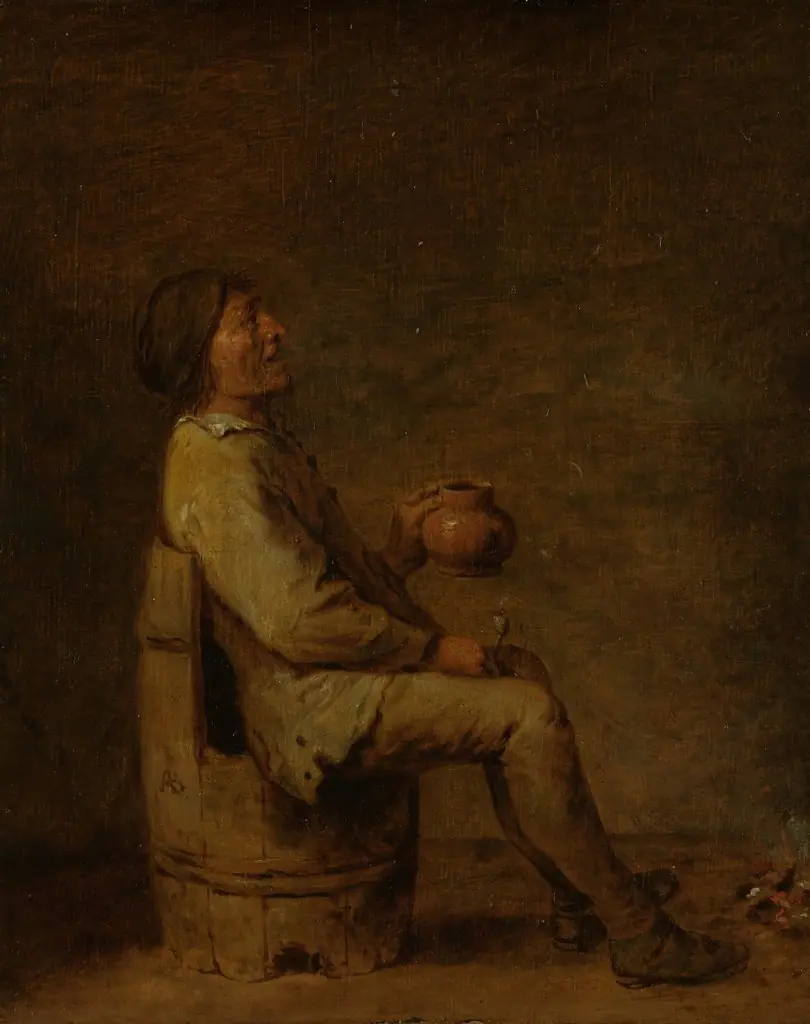
The herring eater is an oil painting by the Dutch Golden Age artist Pieter Hermansz Verelst. It dates from 1650 and is held in the collection of the Rijksmuseum.
About this work
Subject & Meaning
The painting depicts a man holding a herring, a common street snack in 17th-century Amsterdam, symbolizing modest prosperity and everyday life. The composition emphasizes the subject's humble occupation, reflecting genre scenes that celebrated ordinary labor. It measures 17 centimeters by 13.5 centimeters and is housed in the Rijksmuseum collection.
Technique & Style
Created in 1650, The Herring Eater is an oil painting executed on a wooden panel support. The work measures 17 cm in height and 13.5 cm in width. It belongs to the genre art tradition, depicting a scene of everyday life with the characteristic handling of oil pigments typical of the Dutch Golden Age.
The painting is currently held in the collection of the Rijksmuseum.
History & Provenance
While the painting is confirmed as part of the Rijksmuseum's holdings, the provided sources do not specify an inventory or accession number for the piece.
The Herring Eater is an oil-on-panel painting created by Pieter Hermansz Verelst in 1650. The work measures 17 cm in height and 13.5 cm in width. It is classified as a genre scene depicting a figure eating herring. The painting is currently held in the collection of the Rijksmuseum.
The Herring Eater, an oil-on-panel painting by Pieter Hermansz Verelst created in 1650, is held in the collection of the Rijksmuseum in Amsterdam. The work measures 17 cm in height and 13.5 cm in width. While the painting is confirmed as part of the Rijksmuseum's holdings, the provided sources do not specify an inventory or accession number for the piece. Furthermore, no exhibition history is recorded in the available documentation.
Legacy
Later scholarship highlights The herring eater as a representative example of mid-17th century Dutch genre scenes, influencing subsequent still-life compositions within the Dutch school. The painting's composition and treatment of everyday subjects contributed to the development of later genre painters who emphasized detailed narrative elements in modestly scaled works. Its inclusion in the Rijksmuseum collection has ensured continued public and academic attention to Verelst's oeuvre, reinforcing his reputation as a master of everyday domestic scenes.
Overview
Created around 1650 by Pieter Harmensz Verelst, a Dutch painter of the mid‑17th century, The Herring Eater is an oil on canvas that belongs to the Rijksmuseum’s collection. The work presents a solitary, older man seated in a dim interior, poised to eat a freshly caught herring held in his lap.
Own this work as a print
Artist & collection
Artist
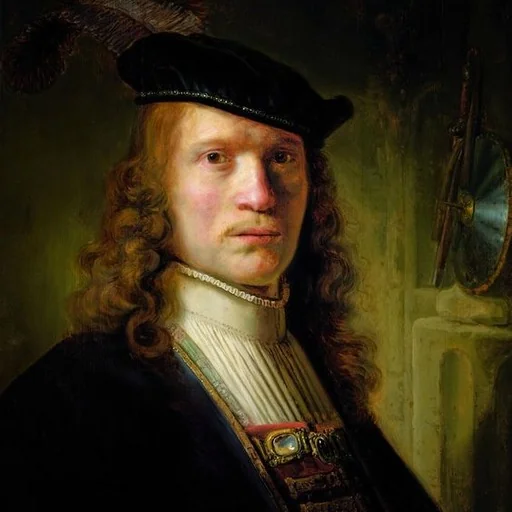
Pieter Harmensz Verelst (c. 1616-1618, Dordrecht – 1668 in England) was a Dutch Golden Age painter. Four of his sons, Herman, Simon, John (1648-1679) and William (1651–1702), also became painters.