Artwork
Mary Boyle, Countess of Warwick
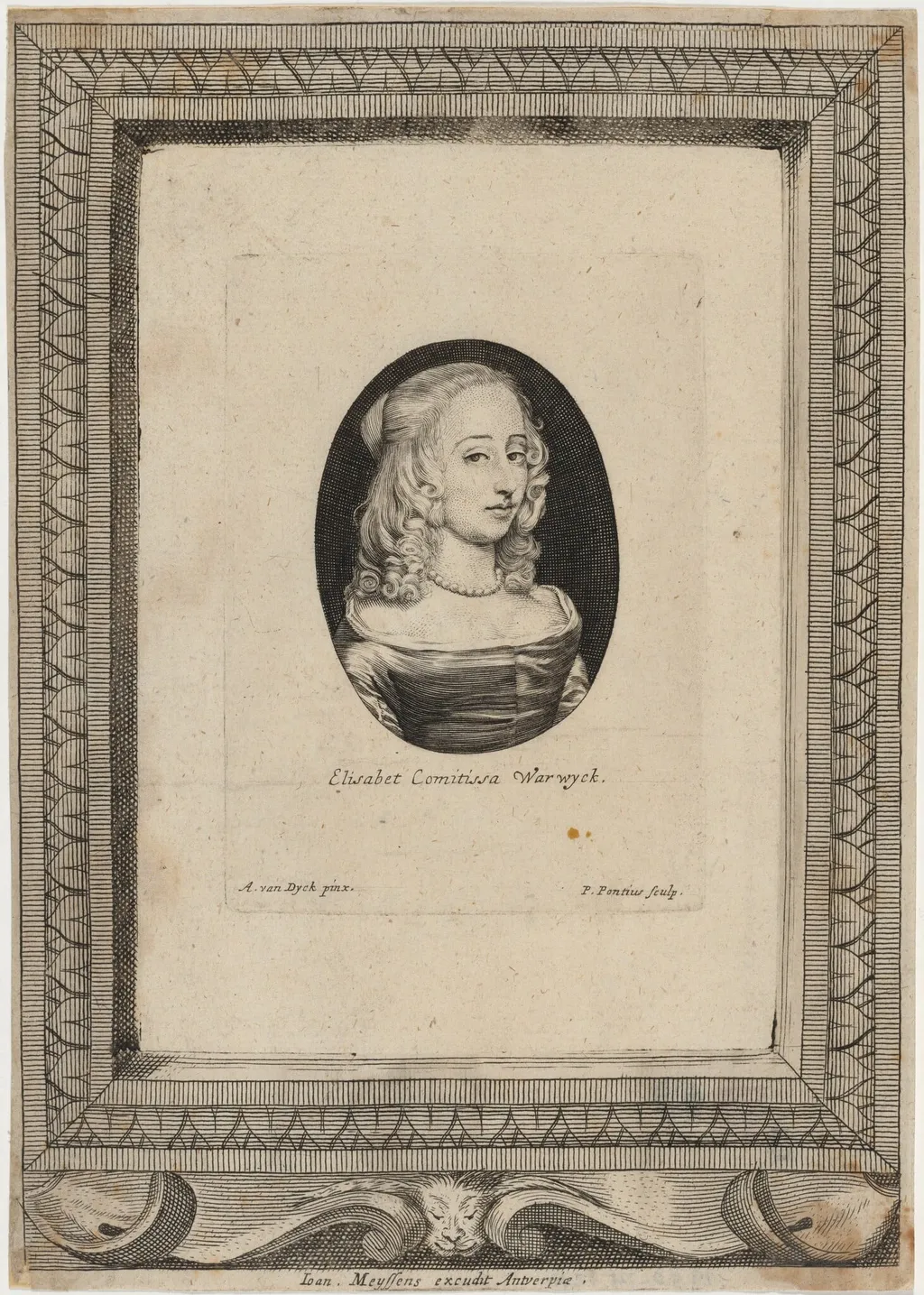
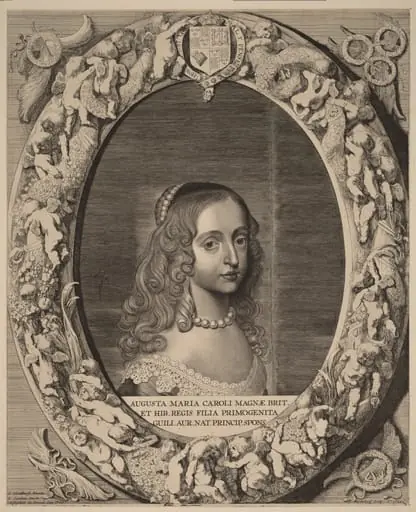
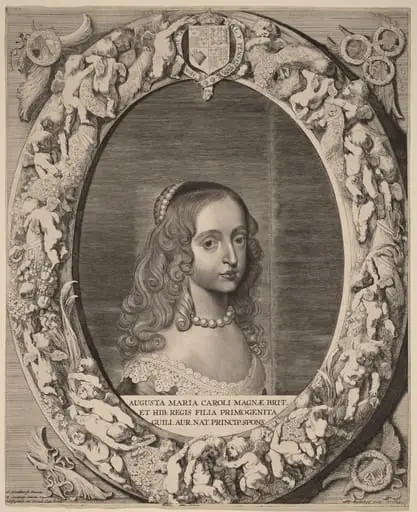
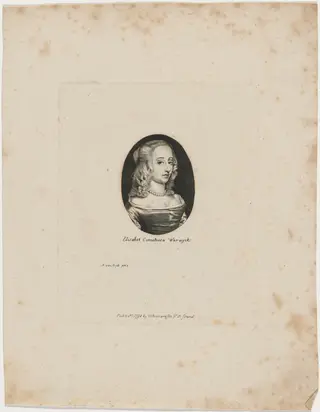
Mary Boyle, Countess of Warwick is an ink print by the Baroque artist Paulus Pontius. It dates from 1630 and is held in the collection of the National Gallery of Art.
About this work
Overview
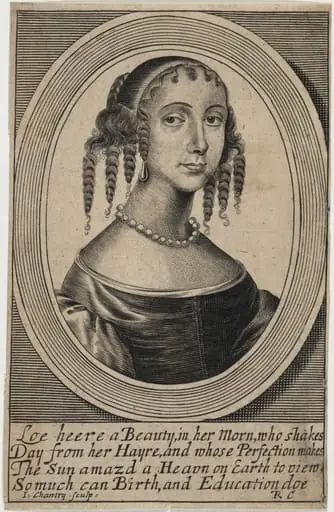
An engraving from 1630 by Paulus Pontius, this portrait captures Mary Boyle, Countess of Warwick, in a refined three-quarter pose. Executed with meticulous line work, the print reflects the technical precision of early 17th-century Flemish printmaking. Pontius, trained in Rubens’s workshop, translated painted portraiture into the medium of engraving with notable subtlety.
Subject & Meaning
The portrait presents Mary Boyle as a noblewoman of quiet composure. Her turned gaze and downward eyes suggest introspection rather than direct engagement, aligning with contemporary ideals of aristocratic modesty. The pearl necklace, a symbol of purity and status, enhances her social position without overt display, reinforcing a restrained elegance characteristic of her class.
Technique & Style
Pontius employed fine, controlled lines and layered cross-hatching to model form and texture. The curls of her hair, the sheen of the pearls, and the softness of her skin are rendered through delicate tonal gradations. The composition focuses tightly on head and shoulders, eliminating background distraction to emphasize facial nuance and refined detail.
History & Provenance
Created during Pontius’s active years in Antwerp, the engraving likely served as a reproductive print for aristocratic circulation. It was produced after a lost painted portrait, possibly by Rubens or a close associate. The work entered institutional collections in the 19th century, where it remains as a record of elite portraiture practices in the Dutch Republic and Flanders.
Context
In the 1630s, engraved portraits of nobility were widely distributed among European elites as tokens of status and connection. Pontius’s role in Rubens’s circle placed him at the center of this network, translating major painters’ works into accessible formats. This engraving reflects the intersection of art, social identity, and print culture in early modern Europe.
Legacy
Though not widely reproduced today, the engraving exemplifies the skill of Flemish reproductive printmakers who preserved the likenesses of aristocrats for posterity. Pontius’s technique influenced later engravers and remains a reference for understanding how painted portraits were adapted for print, bridging elite imagery and broader visual culture.
Own this work as a print
Artist & collection
Artist
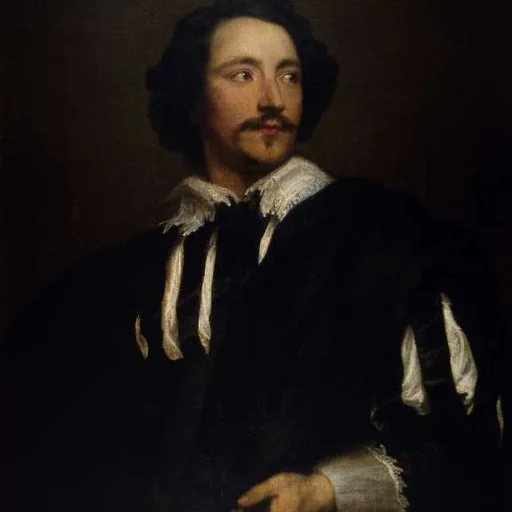
Paulus Pontius (27 May 1603 – 16 January 1658) was a Flemish engraver and painter.