Artwork
Le jardin abandonné
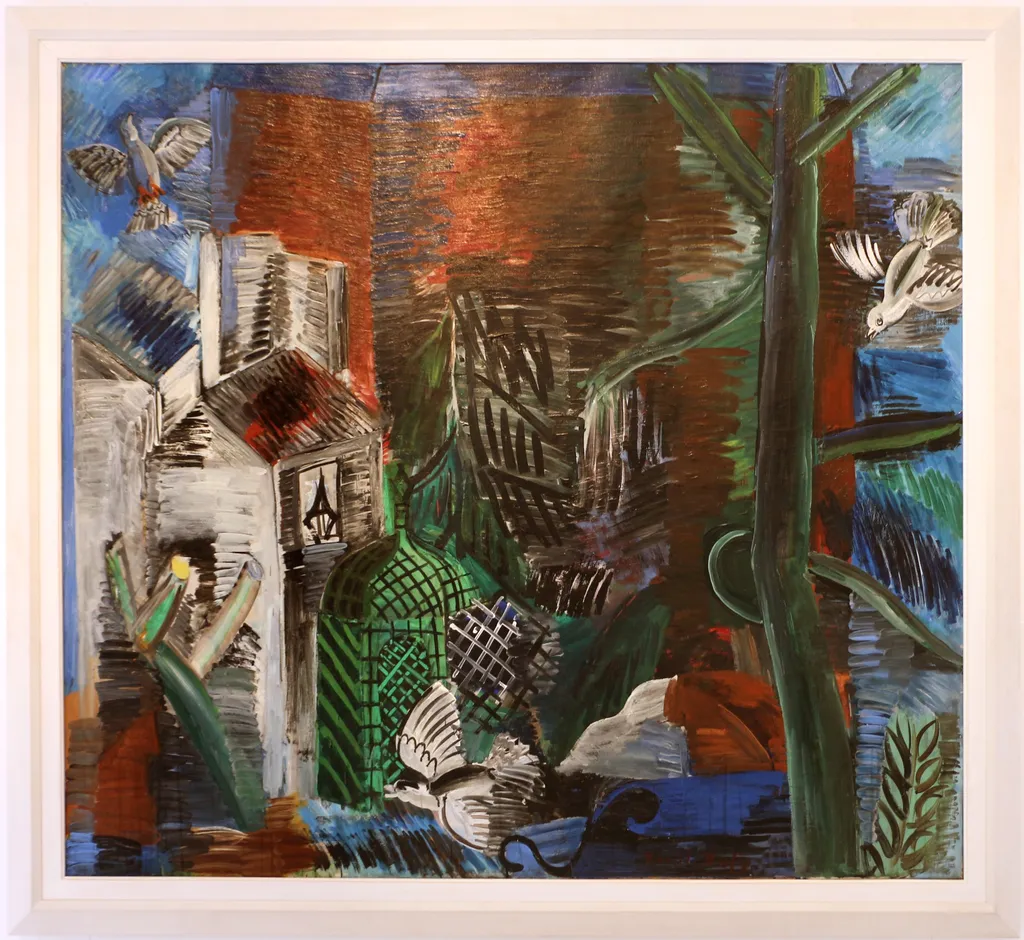
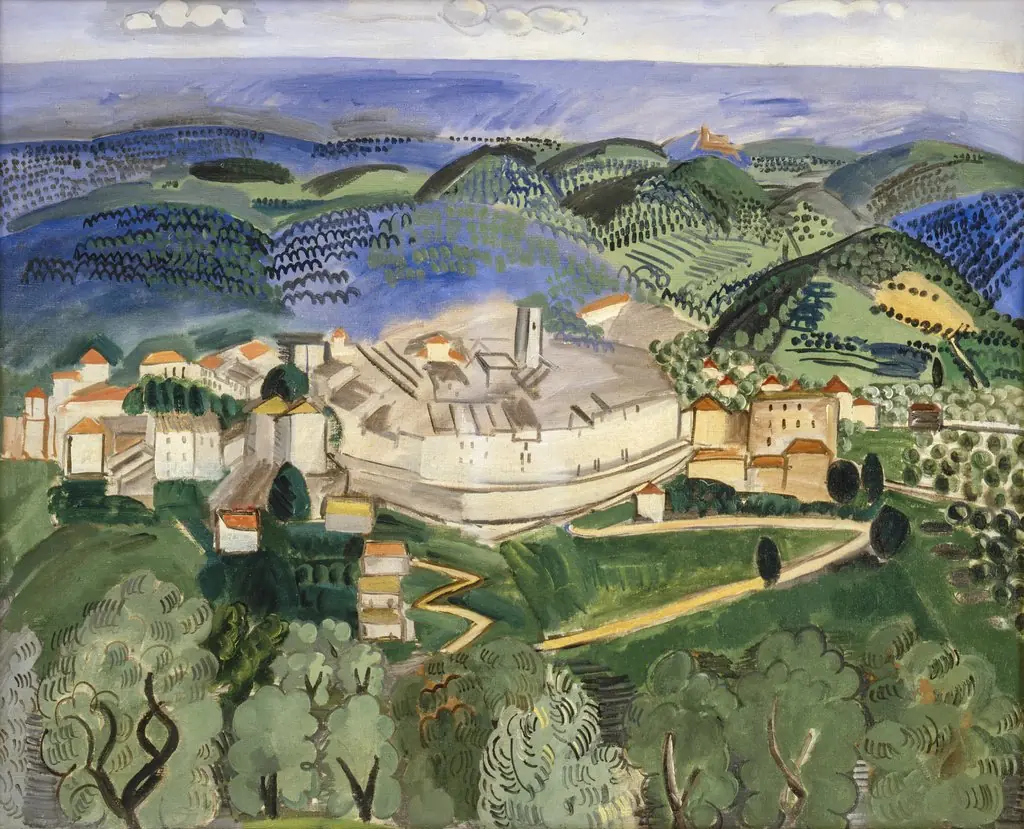
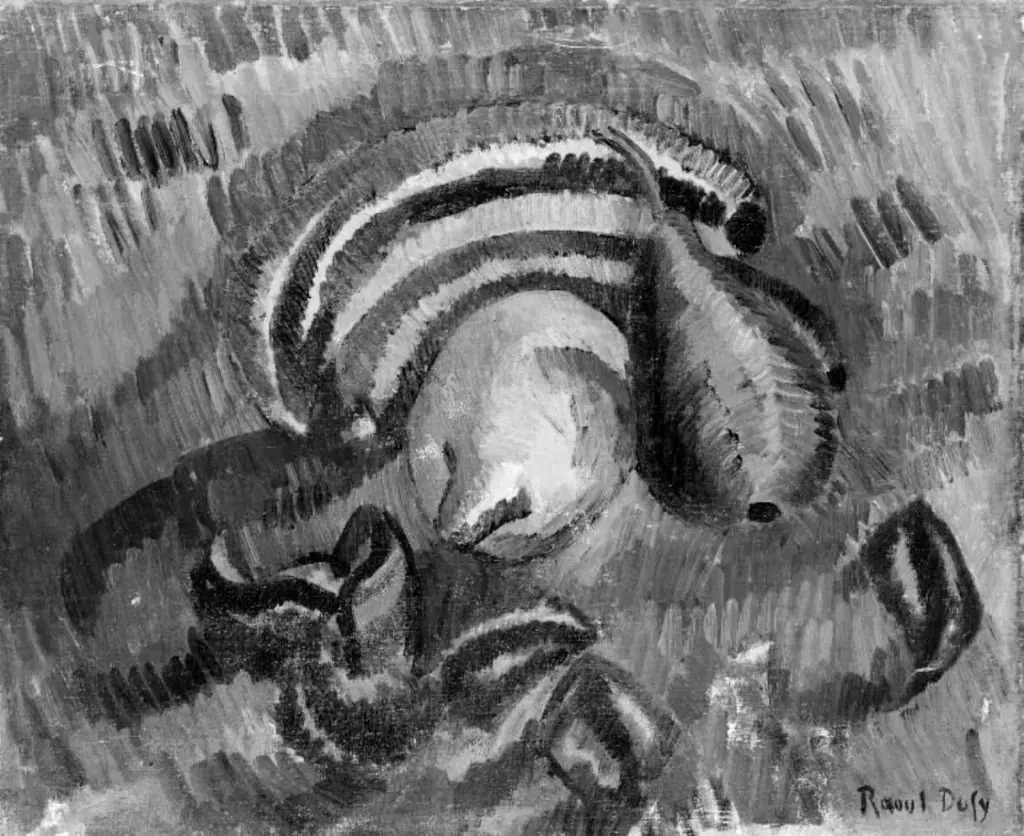
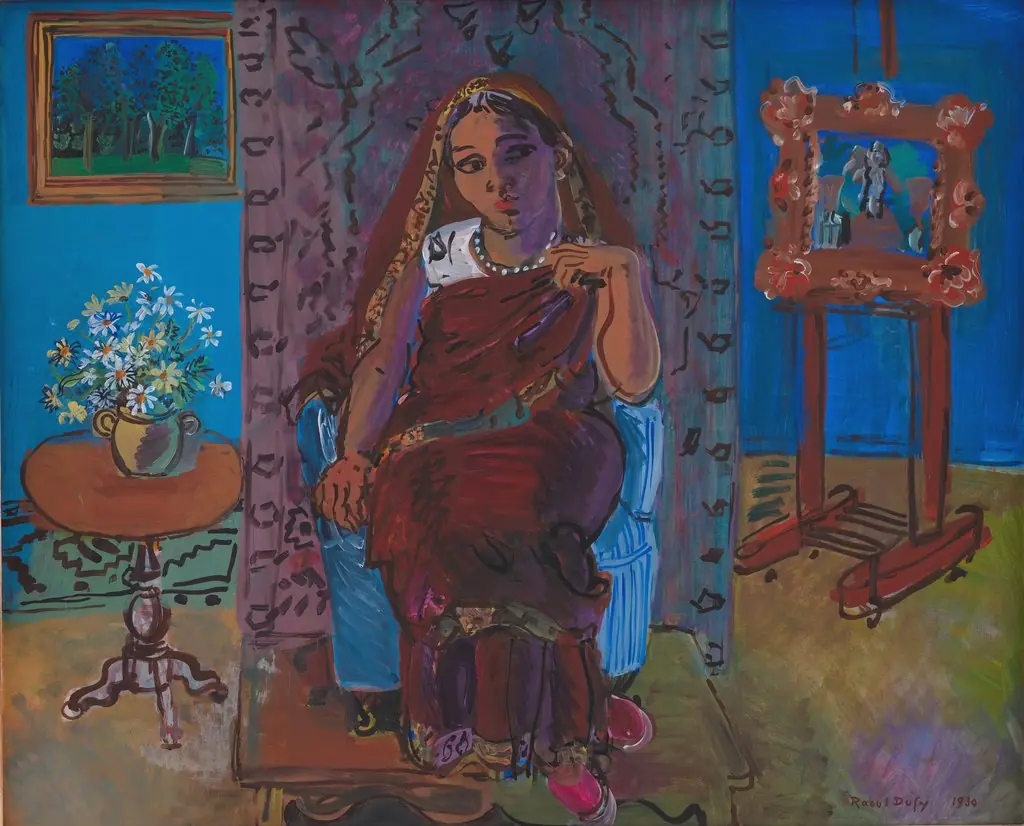
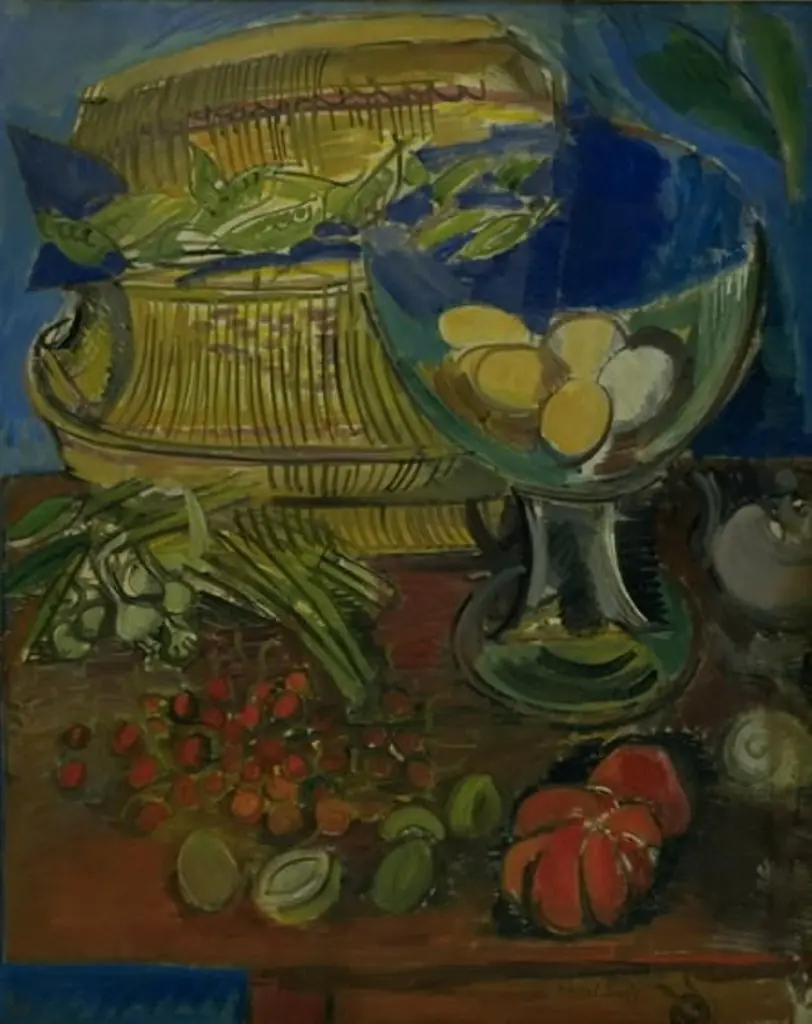
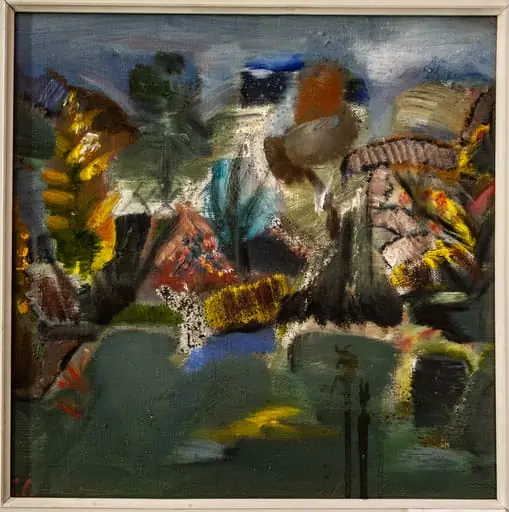
Le jardin abandonné is an oil painting by the Fauvist artist Raoul Dufy. It dates from 1913 and is held in the collection of the Musée d'art moderne de Paris.
About this work
Overview
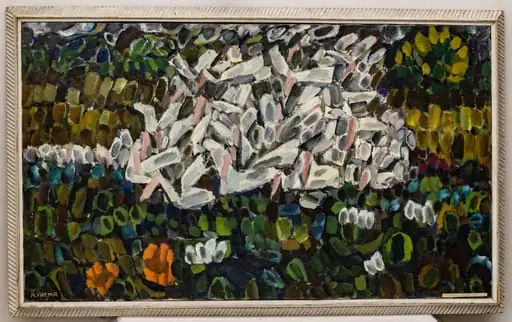
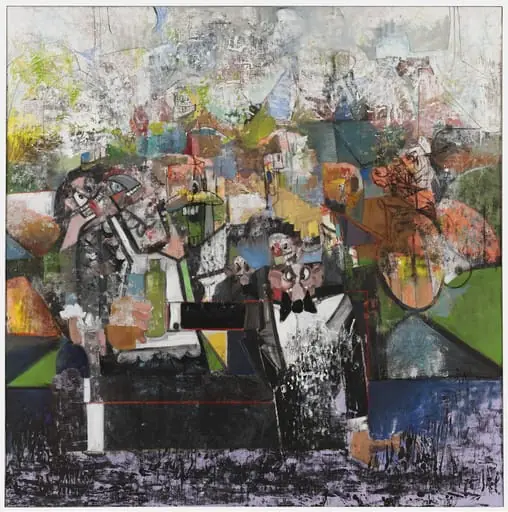
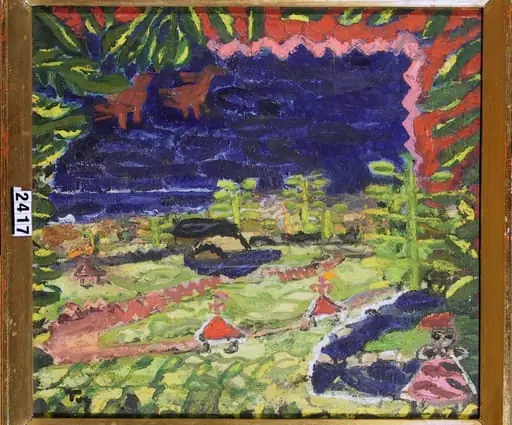
The canvas presents an abstracted garden scene rendered in a vivid palette dominated by blues and greens, punctuated by flashes of red, white and black.
Raoul Dufy’s 1913 oil painting, titled Le jardin abandonné, belongs to the collection of the Musée d’art moderne de Paris. The canvas presents an abstracted garden scene rendered in a vivid palette dominated by blues and greens, punctuated by flashes of red, white and black. A central, large green geometric form anchors the composition, while assorted shapes and figures populate the surrounding space.
Subject & Meaning
The work suggests a deserted garden, hinted at by the presence of a solitary building with a window, a stylized tree, and scattered bird-like forms. The abstraction strips the setting of literal detail, inviting viewers to contemplate the notion of abandonment through color contrast and spatial ambiguity rather than narrative description.
Technique & Style
Executed in oil, Dufy employs loose, expressive brushwork that leaves visible texture across the surface. The application combines flat, saturated color areas with more gestural strokes, creating a dynamic interplay between geometric solidity and fluid movement. The palette’s bold chromatic choices and the layering of translucent glazes contribute to the painting’s luminous quality.
History & Provenance
Created in the early phase of Dufy’s career, the canvas reflects his exploration of modernist abstraction before his later shift toward decorative Fauvism. Since its acquisition, Le jardin abandonné has remained in the permanent holdings of the Musée d’art moderne de Paris, where it is displayed as part of the museum’s early 20th‑century modern art collection.
Own this work as a print
Artist & collection

Artist
Raoul Dufy was a French painter associated with the Fauvist movement. He gained recognition for his vibrant and decorative style, which became popular in various forms, such as textile designs, and public building…