Subject
House
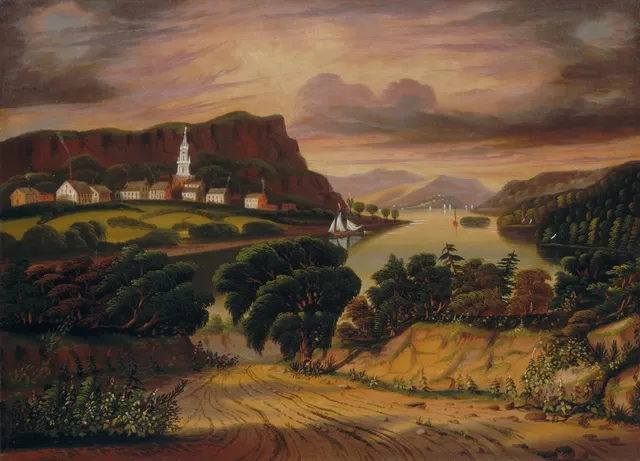
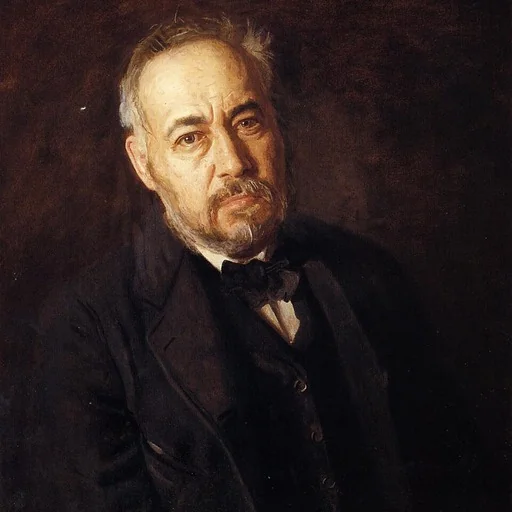
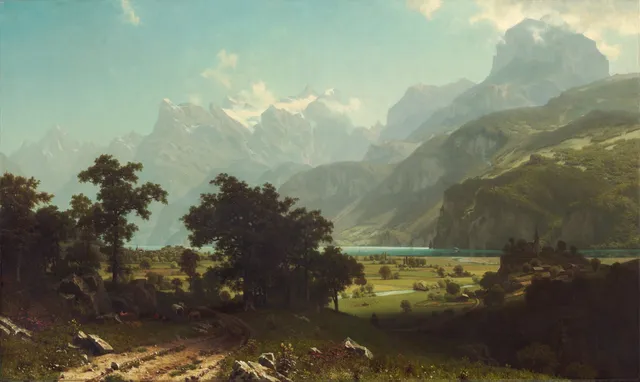
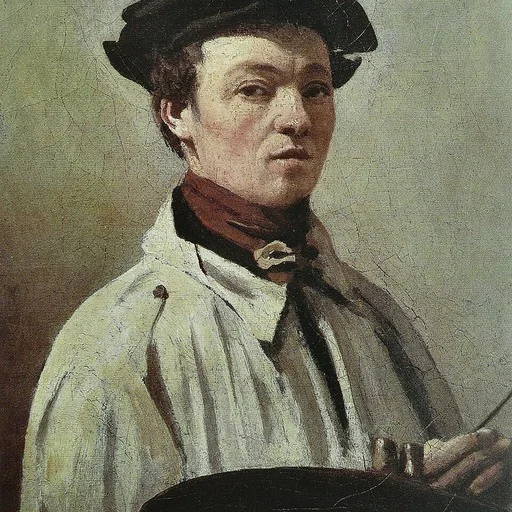
House is a subject in art. The gallery holds 200 works in this subject in art, including works by Thomas Eakins, Jean Baptiste Camille Corot and Thomas Cole.
The house is among the most enduring subjects in art, and its treatment maps the changing relationship between people and the dwellings they inhabit. Although houses appear in the backgrounds of medieval and Renaissance pictures, the modest residence first became a worthy subject in its own right in the seventeenth-century Dutch Republic. Architectural painting had emerged in sixteenth-century Flanders and the Netherlands and reached its height in the Dutch Golden Age, when a prosperous middle class commissioned small canvases for their own homes. Pieter de Hooch painted sunlit brick courtyards and the orderly routines of family life, while Johannes Vermeer's The Little Street (c. 1658, Rijksmuseum) elevated two weathered façades on a Delft quay into an image of timeless domestic permanence.
These pictures established conventions that recur whenever the house is depicted: careful linear perspective, close attention to brickwork, glazing and texture, and an implied reading of the home as an emblem of order, virtue and continuity. The house functions simultaneously as architecture and as metaphor—a container for the family and a sign of stability set against the wider world.
In nineteenth-century America the house migrated into the landscape. Hudson River School painters framed farmsteads and homesteads within sweeping vistas, evoking what one critic called the "home-endeared beauty" of familiar places and binding domestic feeling to national identity. Several works in this collection belong to that tradition, among them Jasper Francis Cropsey's The Valley of Wyoming and Thomas Pritchard Rossiter's Washington and Lafayette at Mount Vernon, in which a celebrated house anchors a scene of patriotic memory.
Modernism turned the house inward and uneasy. Edward Hopper's House by the Railroad (1925, Museum of Modern Art) isolates a worn Second Empire mansion behind a band of track, making the dwelling an icon of modern alienation; it later inspired the Bates house in Hitchcock's Psycho. Charles Sheeler, by contrast, distilled the vernacular barns of Bucks County, Pennsylvania into crisp geometric planes, a Precisionist vision aligned with the American Scene movement. Across these strands the house remains a charged subject—at once shelter, social document and psychological mirror.
Key artists


Overview
A house is a single-unit residential building that may range in complexity from a rudimentary hut to a complex structure of wood, masonry, concrete, or other materials, often outfitted with plumbing, electrical, and climate control systems. The concept developed from the simplest form of shelters and refuges of prehistory into the diverse array of residential buildings that exist today. Geographical and climatic conditions, available building materials, technology, and the needs of daily life determine the form and construction of houses. The English word house derives from the Old English hus, meaning dwelling or shelter, which in turn stems from the Proto-Germanic husan of unknown origin. The symbol for a house also gave rise to the letter B through an early Proto-Semitic hieroglyphic symbol called bayt or beth, which eventually became the Greek beta before being adopted by the Romans.
Iconography & meaning
Beyond its physical function, the house carries deep symbolic and social meanings. It is considered the place where one remains or returns, rooted etymologically in the Latin manere, meaning to stay or dwell, which yielded terms like manoir and mansion. The house represents the entire set of living spaces and their familiar occupants, often synonymous with the household or family unit. In the nobility, the concept of the house extended to an entire lineage associated with a domain, possessing properties, titles, and juridical rights, displaying its prestige through the size of its retinue and the grandeur of its receptions. In traditional agriculture-oriented societies, the rural house encompassed not only the family but also regular domestic help and the agricultural or pastoral enterprise itself, blurring the line between domestic life and economic activity. The house also appears in language as a metaphor for the ordinary and everyday, as seen in Dutch idioms like huisje-boompje-beestje, which describes modest, conventional bourgeois life.
Across movements & periods
The treatment of the house in art and architecture reflects evolving social structures and cultural values. Little is known about the earliest interiors, but an exceptionally well-preserved house dating to the fifth millennium BC was excavated at Tell Madhur in Iraq. Roman architect Vitruvius theorized the first form of architecture as a primitive hut made of a timber frame finished in mud. During the Middle Ages, the manor house facilitated communal living, housing family, servants, and employees, with spaces like the Great Hall enforcing shared dining and meetings. In the 15th and 16th centuries, the Italian Renaissance palazzo shifted toward a matrix of interconnected chambers with numerous doors, allowing free movement but breaking boundaries of privacy. By the Enlightenment, the concept of the house as a common habitat for all generalized, and the isolated pavilion or cottage gradually revealed a more discreet art of living to the elite during their leisure periods.
Legacy
The legacy of the house extends beyond architecture into the fundamental frameworks of human language and social organization. The early Proto-Semitic hieroglyphic symbol depicting a house, known as bayt or beth, evolved directly into the Greek letter beta and subsequently the Roman letter B, embedding the domestic structure into the very alphabet. The concept of the house also shaped linguistic distinctions between public and private life, yielding derivatives like the French menage and demenager, which describe the management and movement of the household. In the modern era, the house remains the primary unit of settlement and property, with distinct typologies like the villa, the townhouse, and the apartment building evolving from its basic form. The enduring cultural focus on the house is evident in the significant time and financial resources people invest in furnishing, maintaining, and renovating their dwellings, ensuring its continued centrality in daily life and artistic representation.
Works
 Lake Lucerne
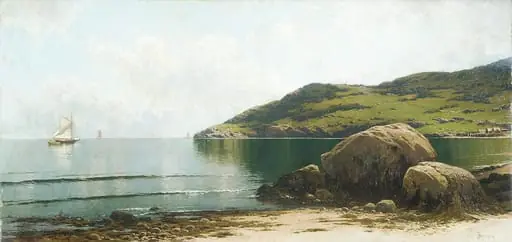 Marine Landscape
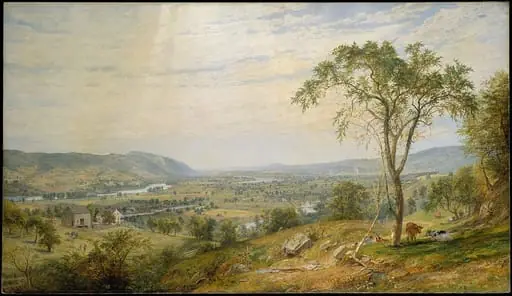 The Valley of Wyoming
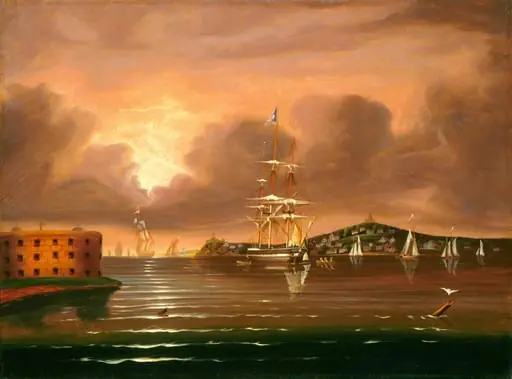 Threatening Sky, Bay of New York
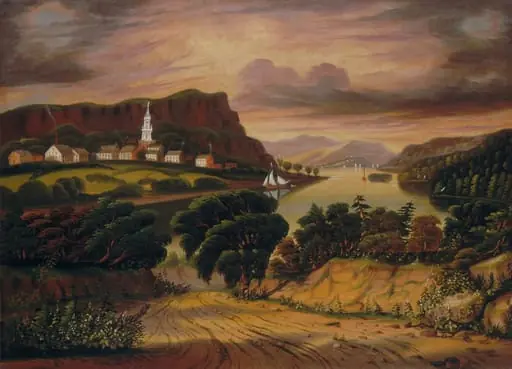 Lake George and the Village of Caldwell
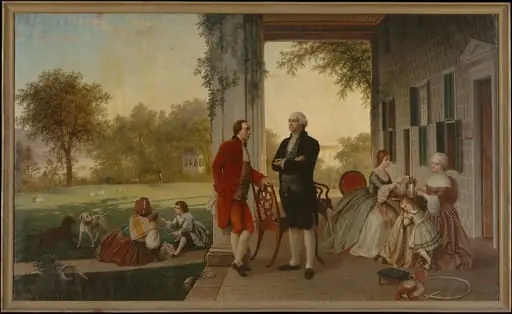 Washington and Lafayette at Mount Vernon, 1784 (The Home of Washington after the War)
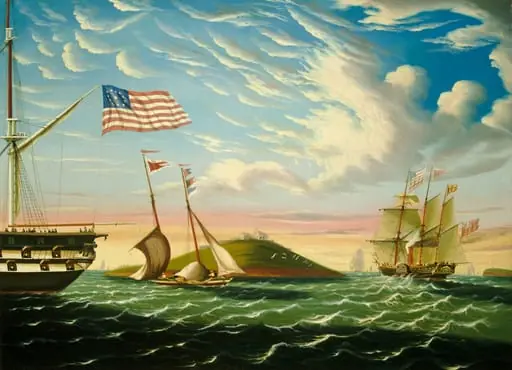 Boston Harbor
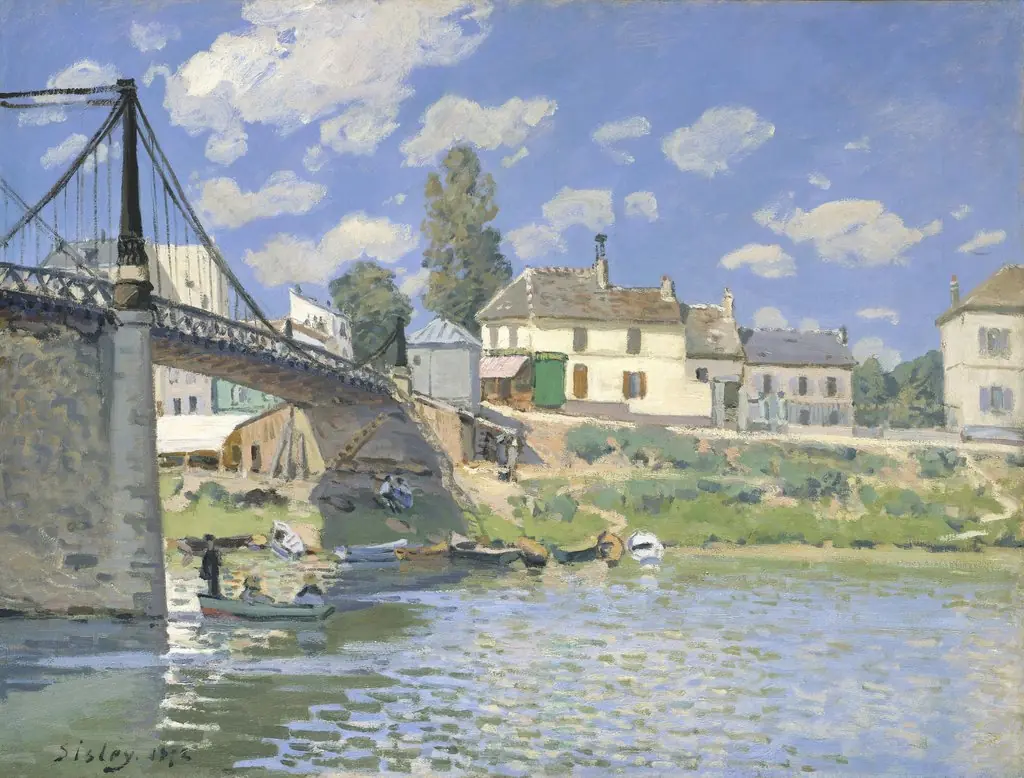 The Bridge at Villeneuve-la-Garenne
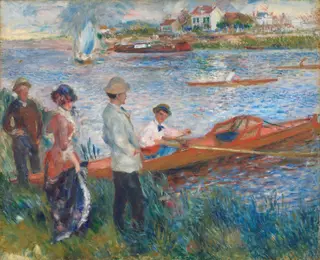 Oarsmen at Chatou
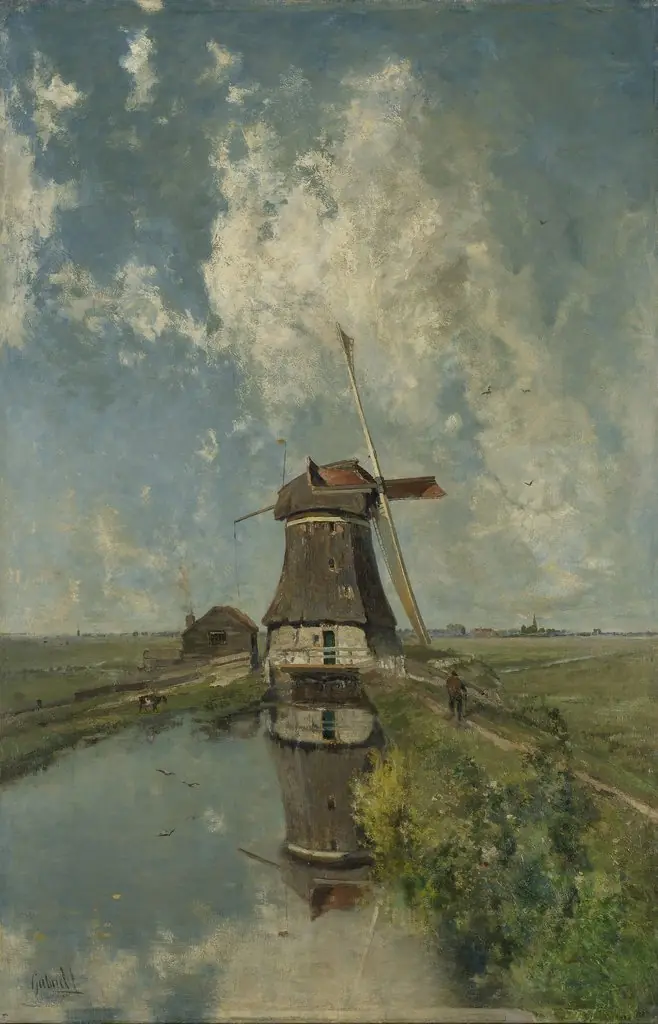 A Windmill on a Polder Waterway, Known as ‘In the Month of July’
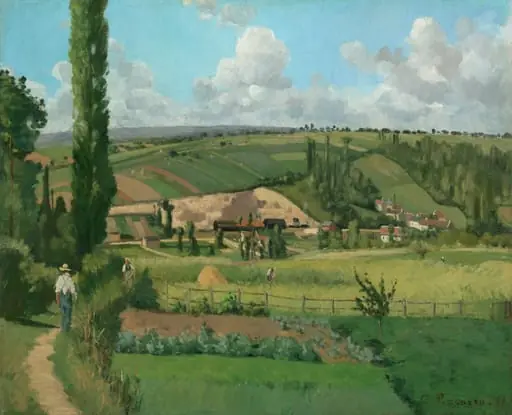 Landscape at Les Pâtis, Pontoise
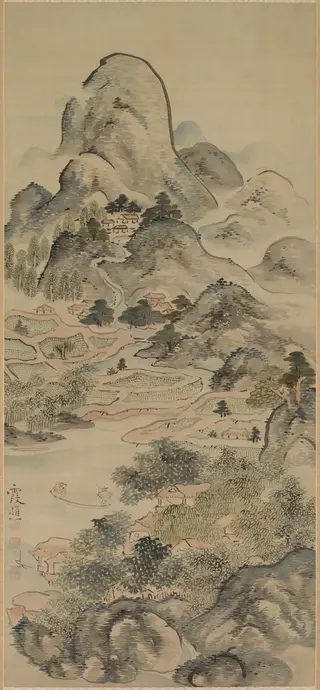 Fishing in Springtime
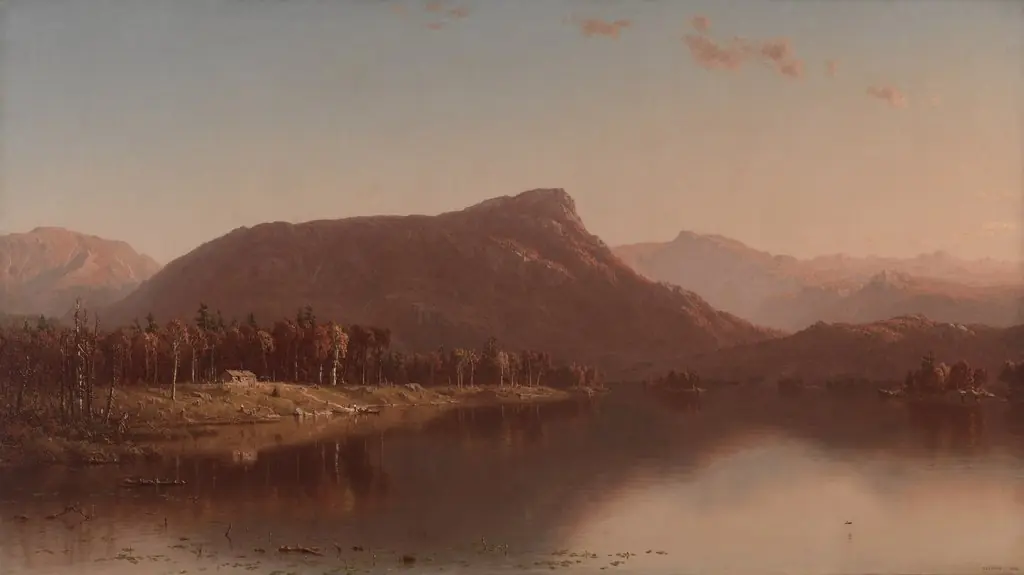 A Home in the Wilderness
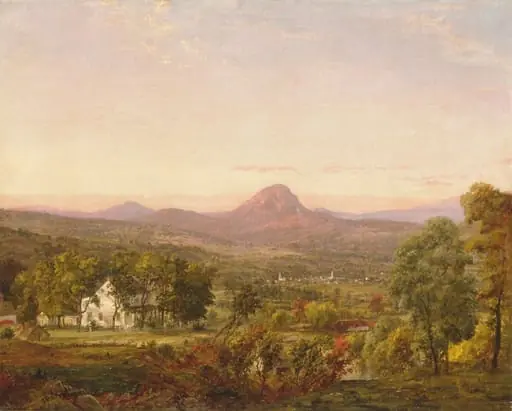 Autumn Landscape, Sugar Loaf Mountain, Orange County, New York
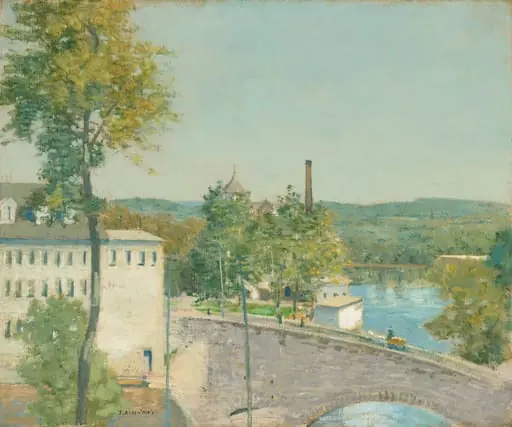 U.S. Thread Company Mills, Willimantic, Connecticut
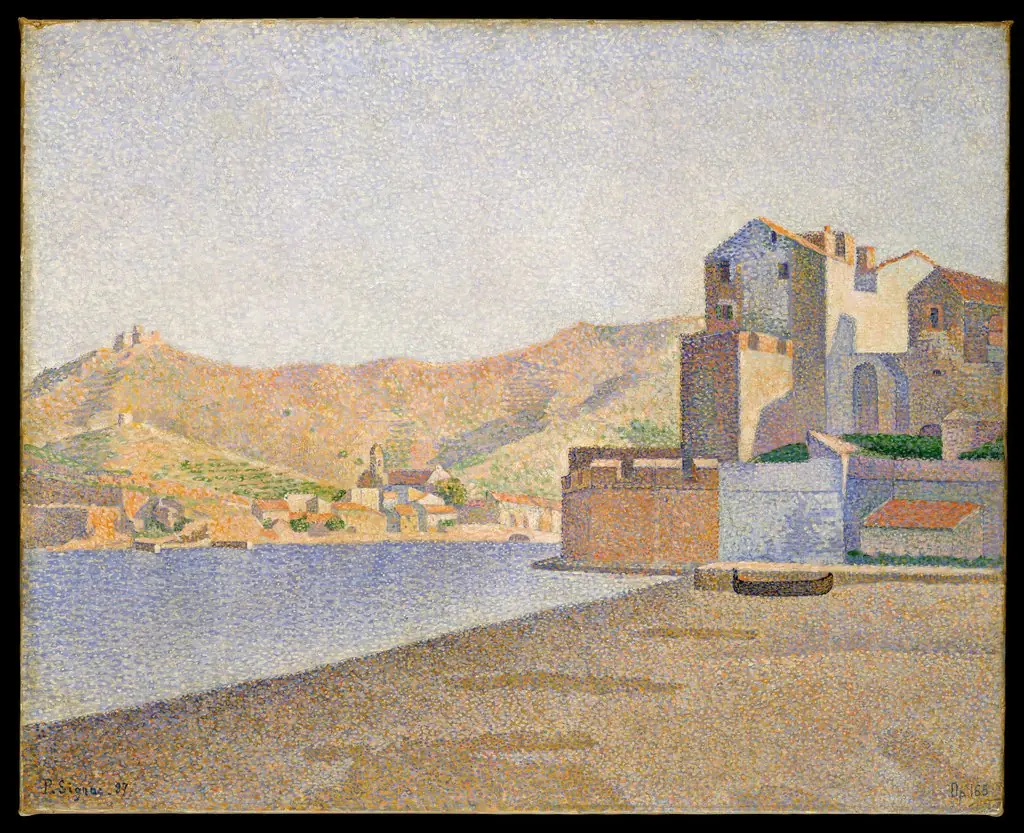 The Town Beach, Collioure, Opus 165
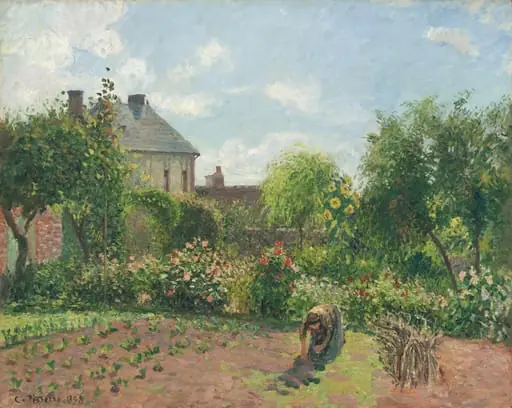 The Artist's Garden at Eragny
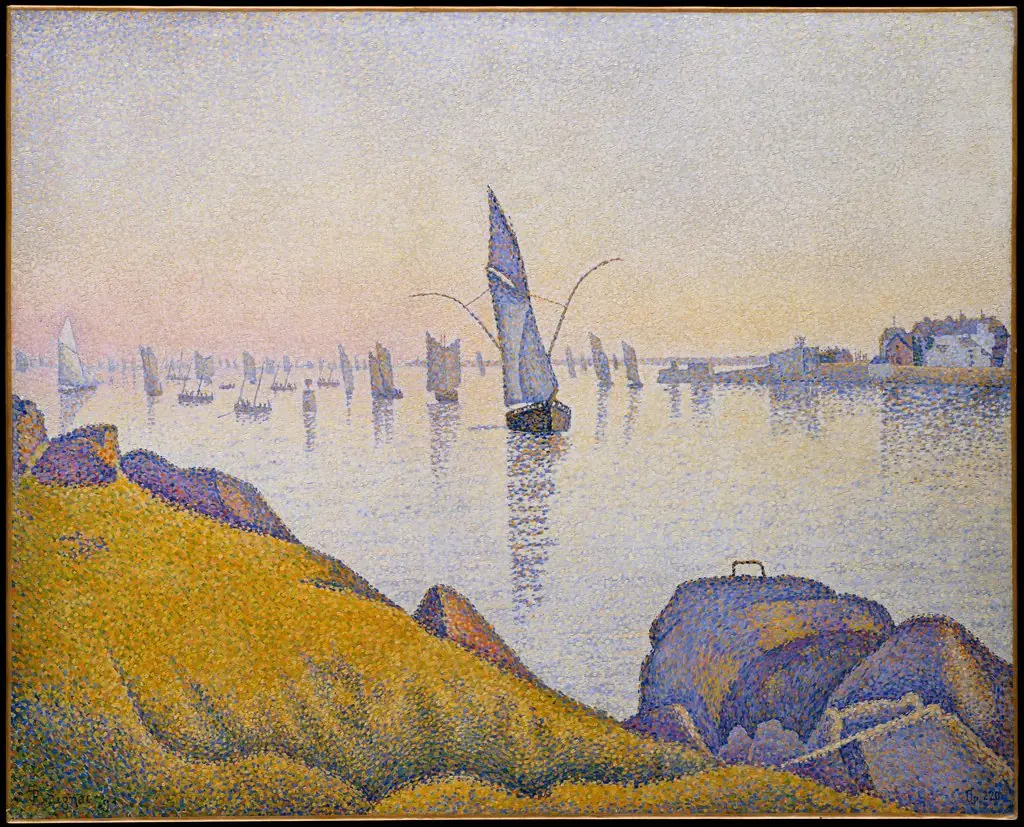 Evening Calm, Concarneau, Opus 220 (Allegro Maestoso)
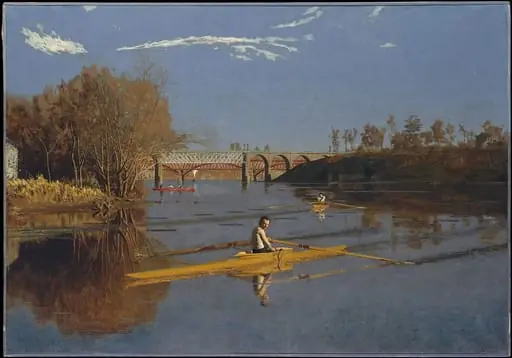 The Champion Single Sculls (Max Schmitt in a Single Scull)
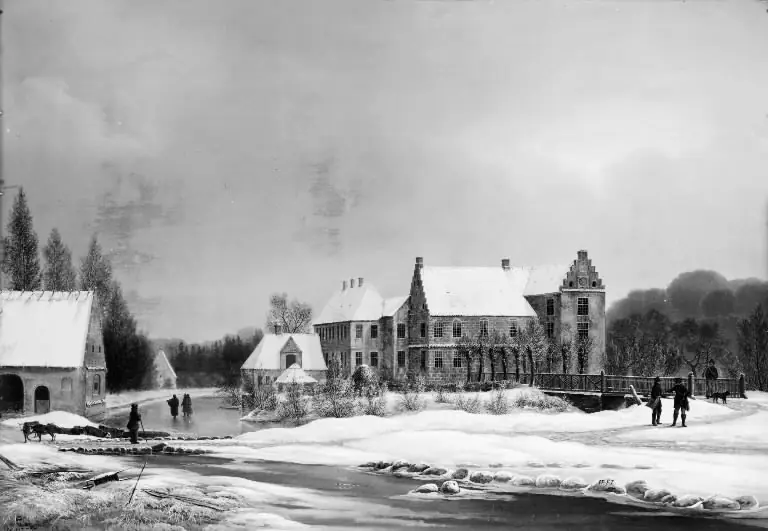 Prospekt af hovedgården Lykkesholm på Fyn. Vinter
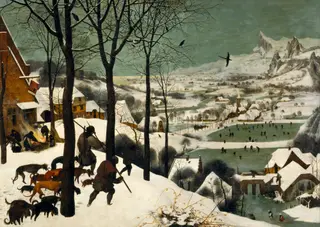 The Hunters in the Snow
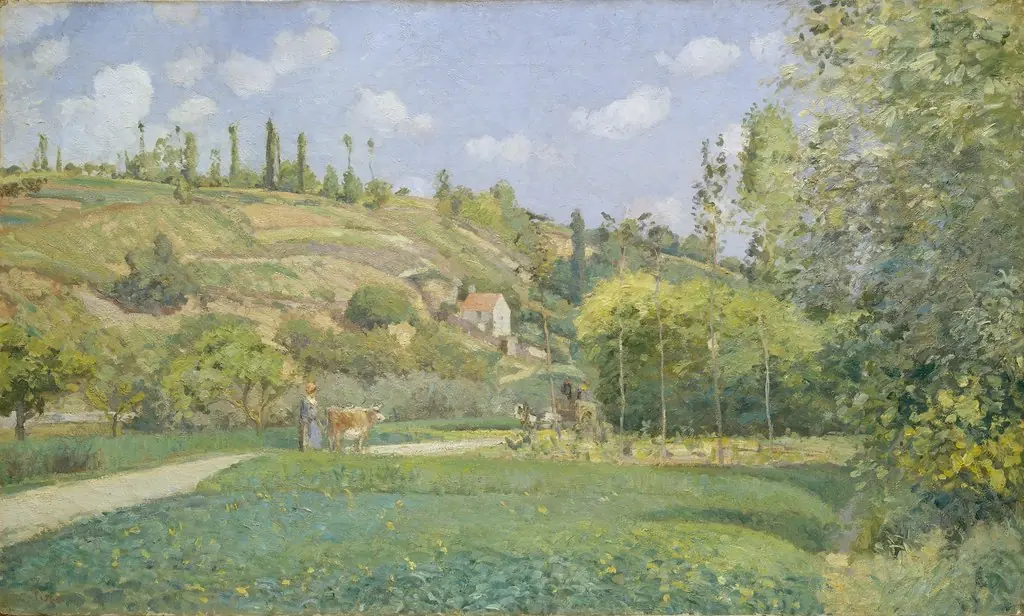 A Cowherd at Valhermeil, Auvers-sur-Oise
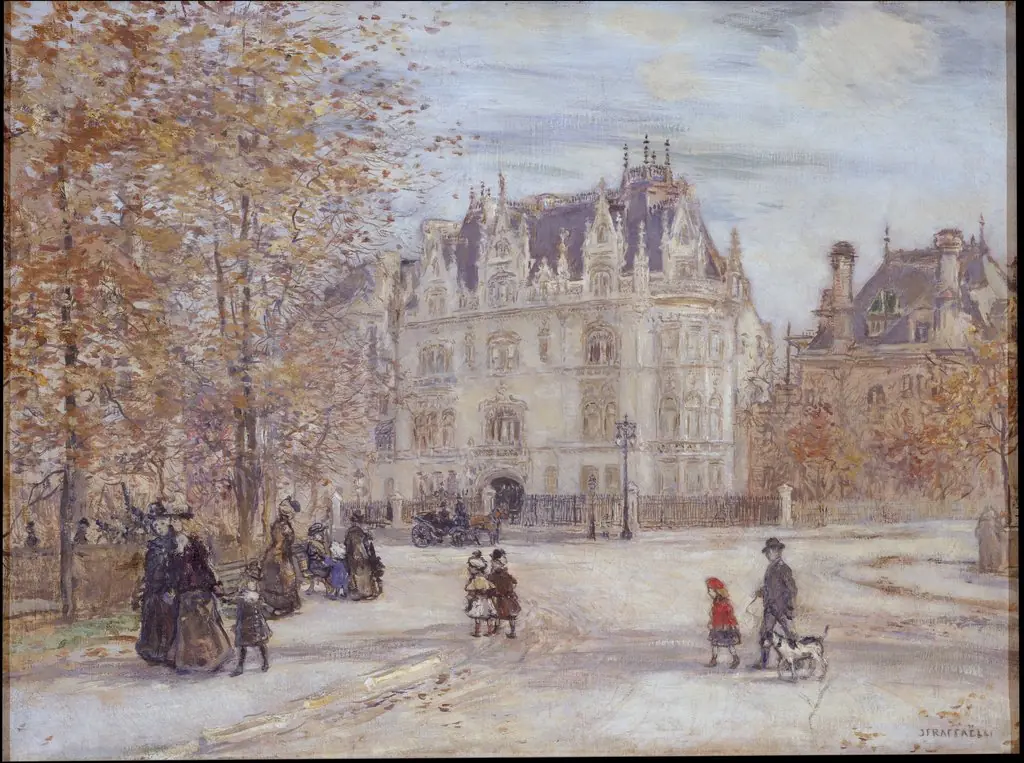 The Fletcher Mansion, New York City
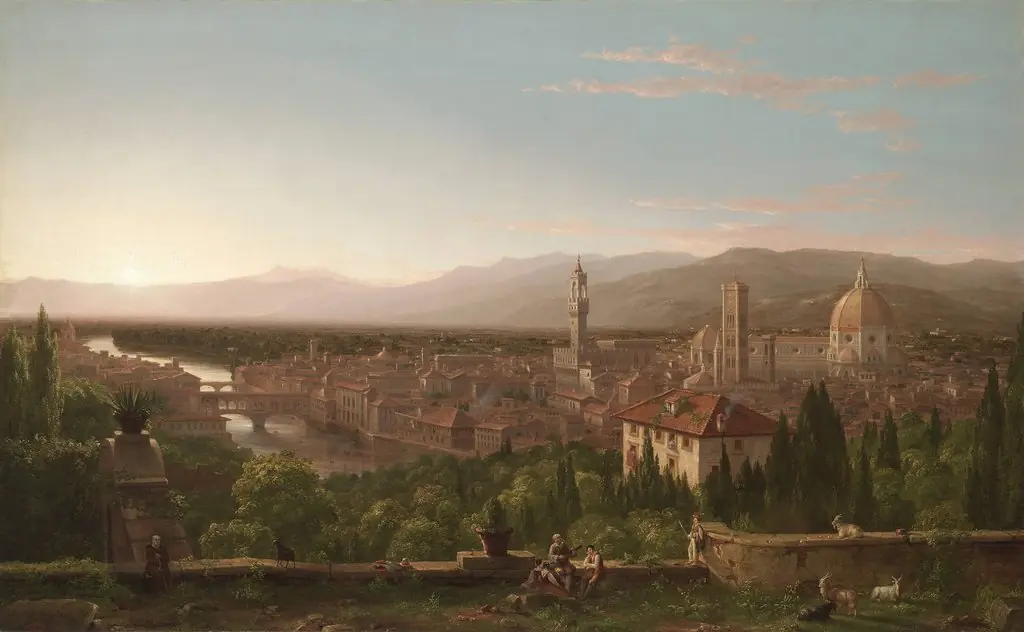 View of Florence
 Summer Flowers
 Untitled
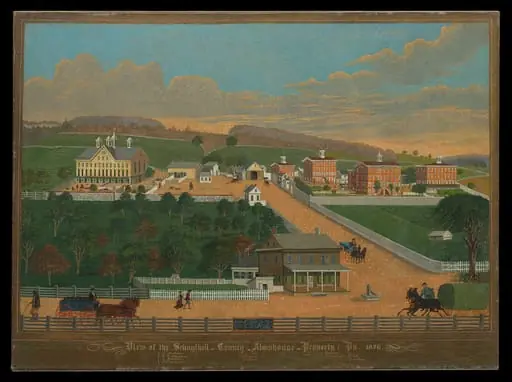 View of the Schuylkill County Almshouse Property
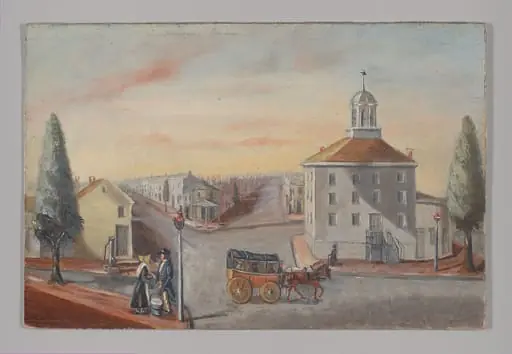 Hot Corn Seller
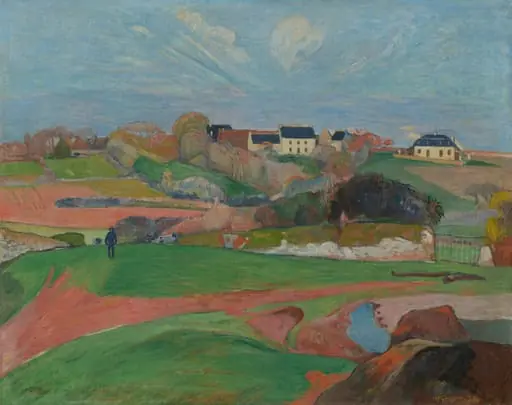 Landscape at Le Pouldu
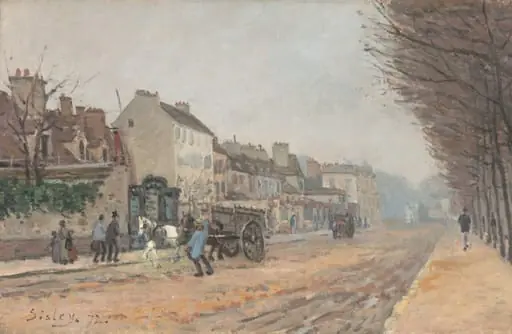 Boulevard Héloïse, Argenteuil
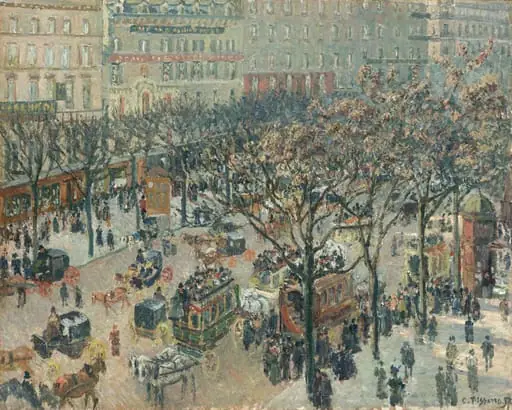 Boulevard des Italiens, Morning, Sunlight
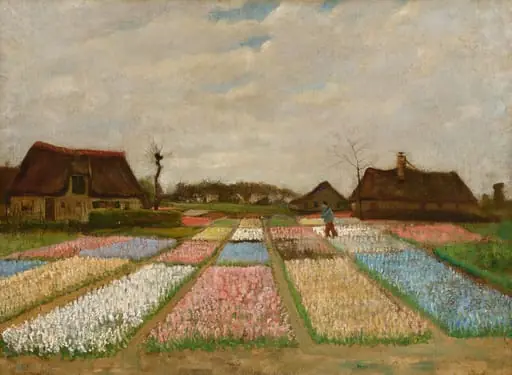 Flower Beds in Holland
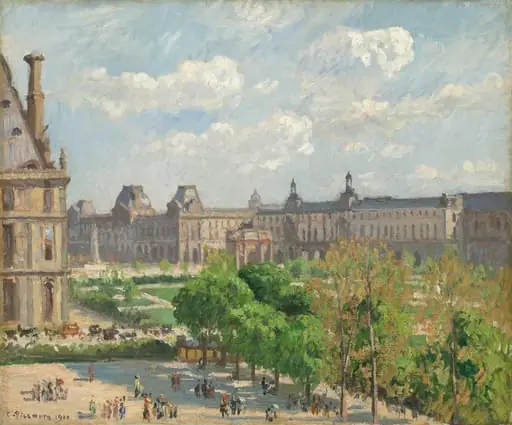 Place du Carrousel, Paris
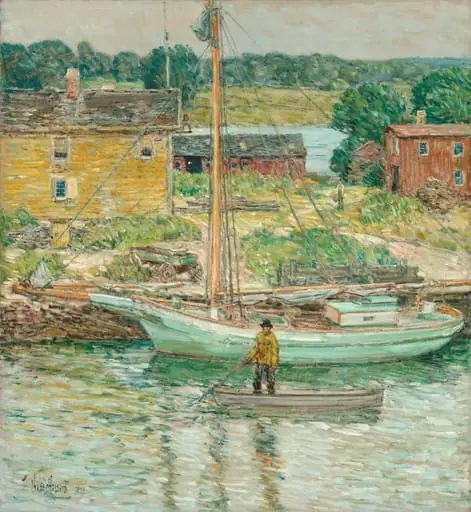 Oyster Sloop, Cos Cob
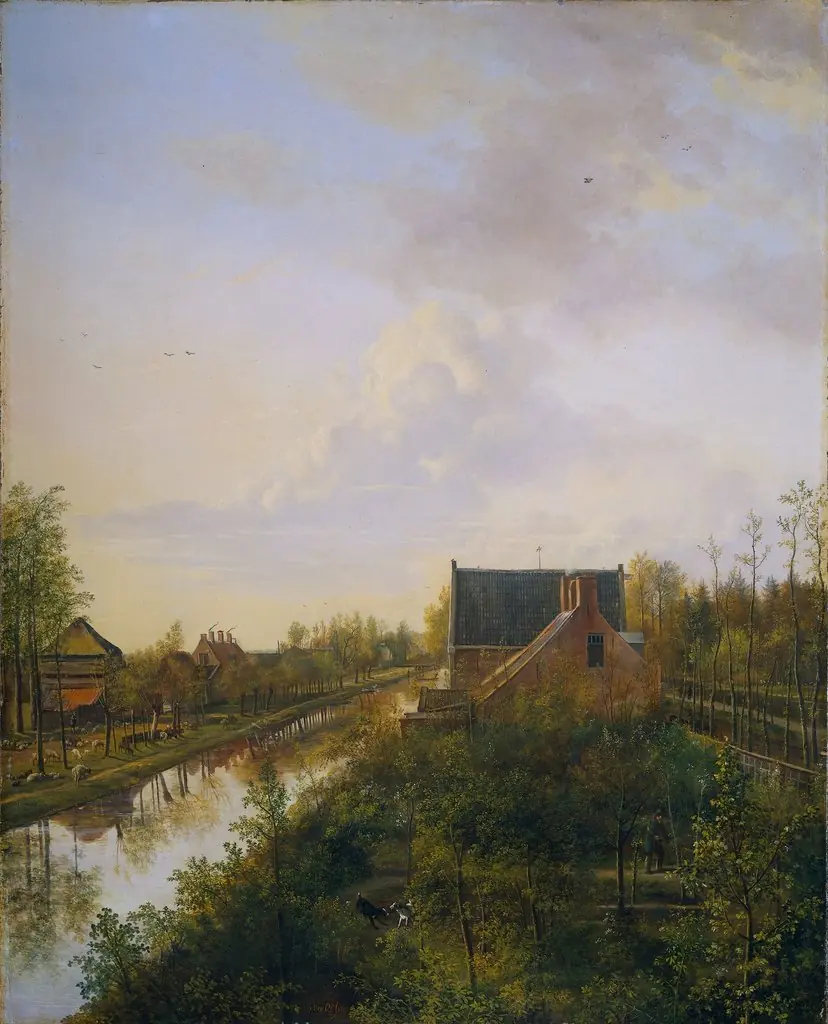 The canal at 's-Graveland
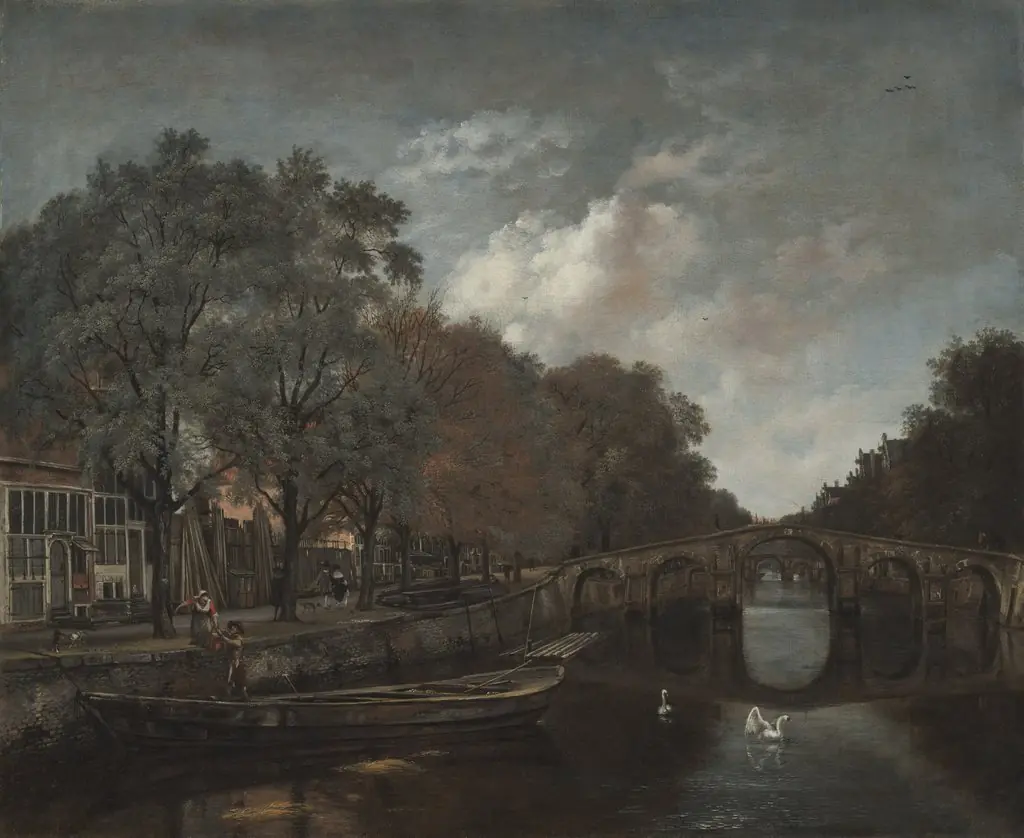 Herengracht, Amsterdam
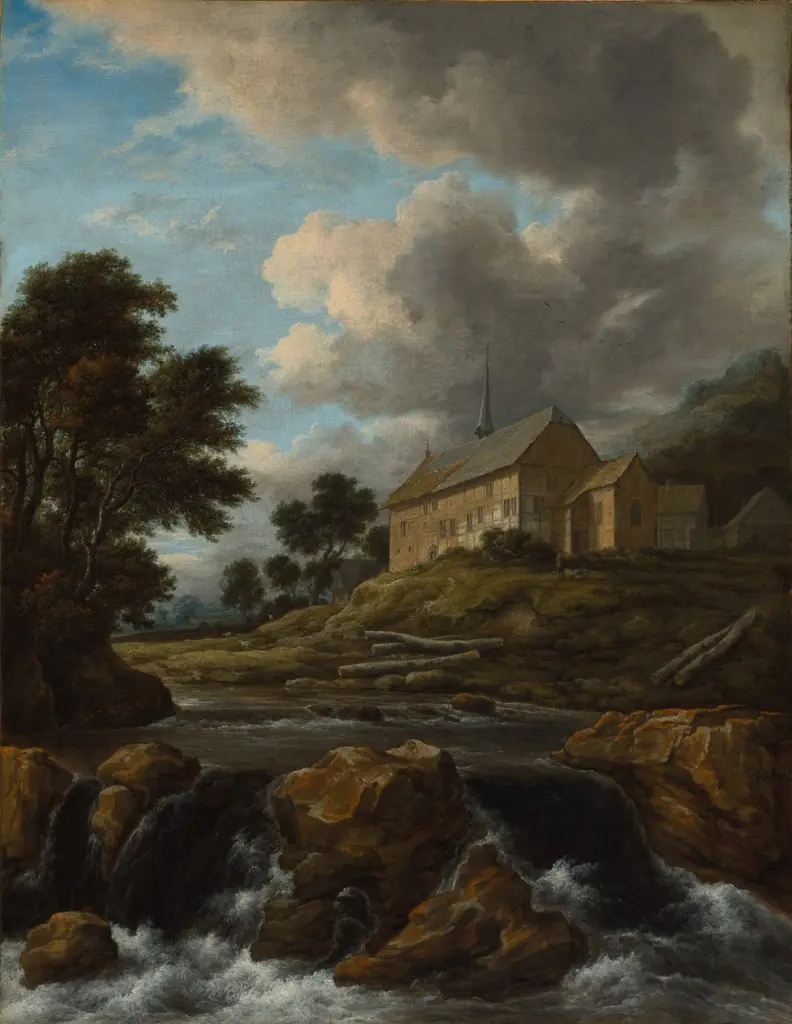 Landscape with a Church by a Torrent
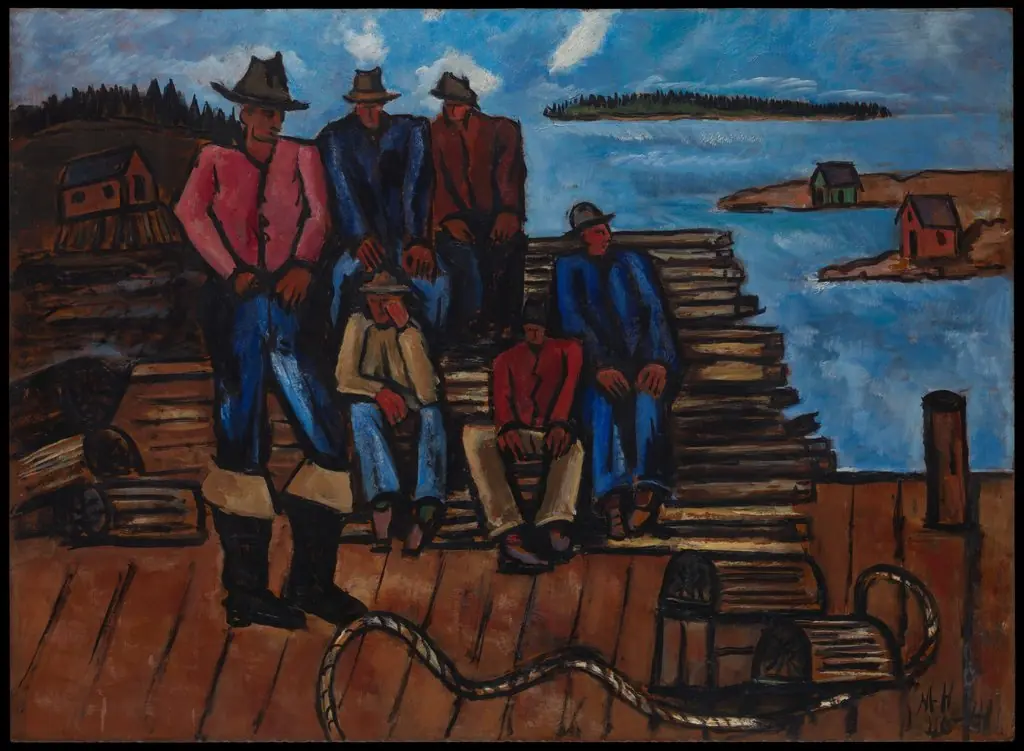 Lobster Fishermen
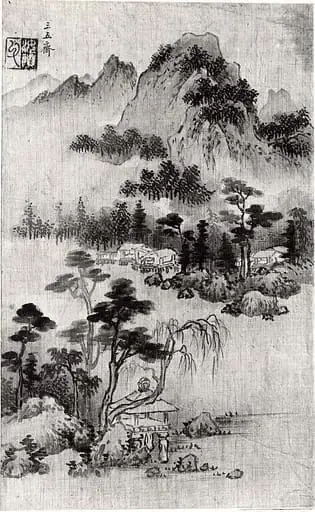 Untitled
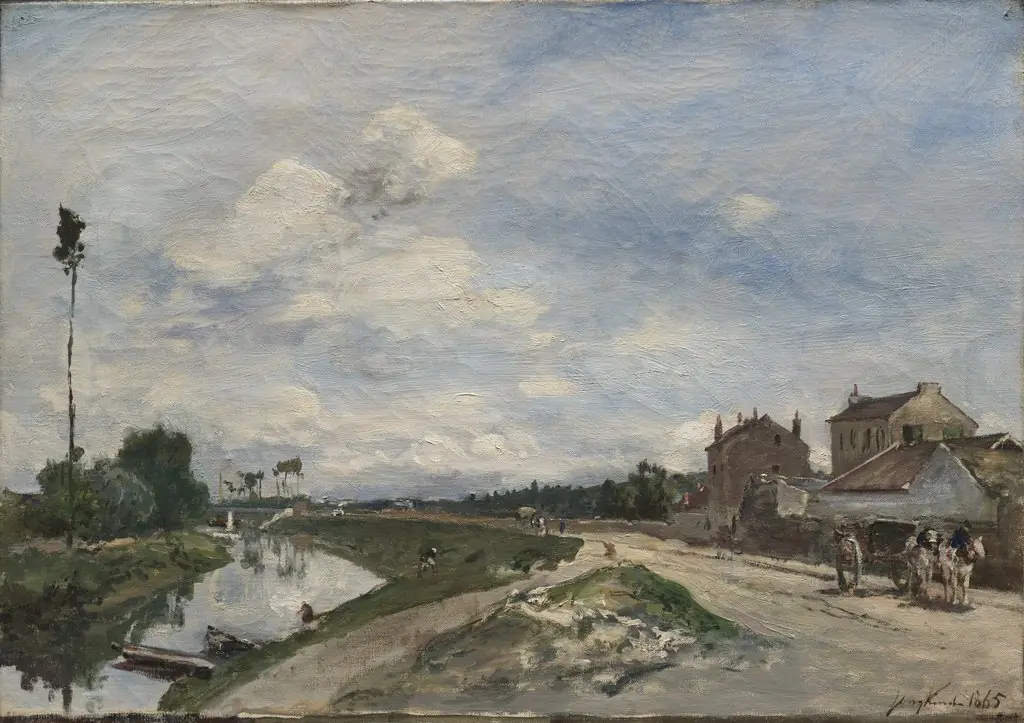 The Seine at Bas-Meudon
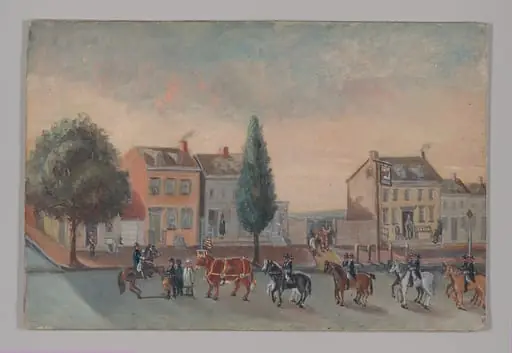 Bull's Head Tavern
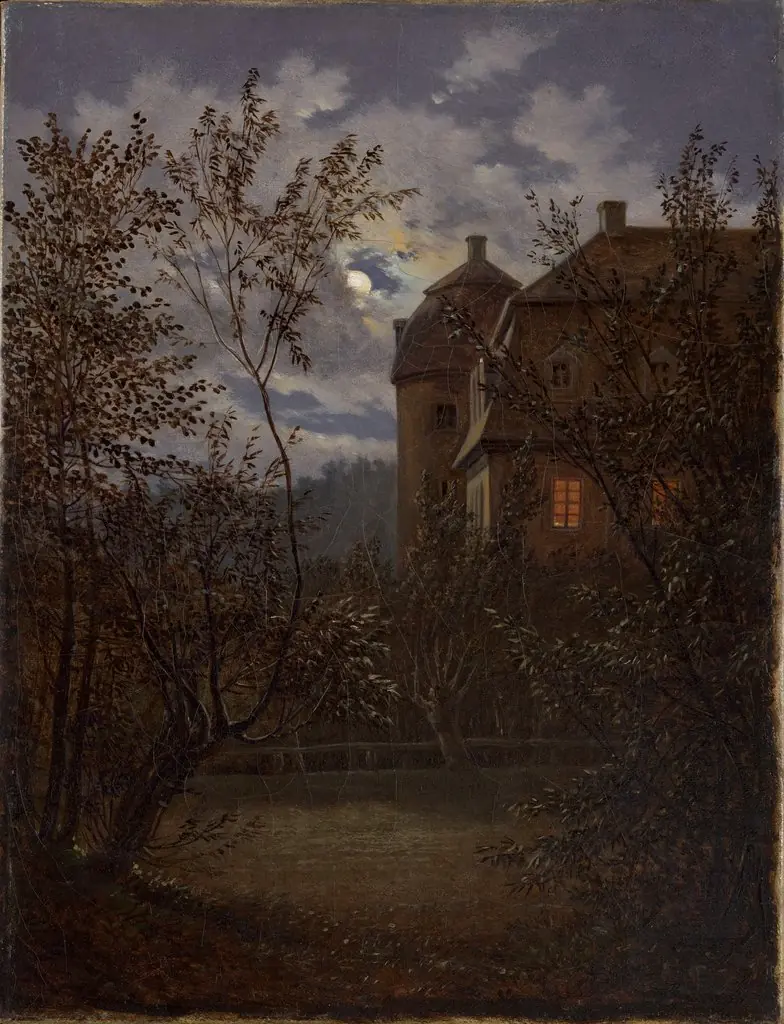 Schloss Milkel in Moonlight
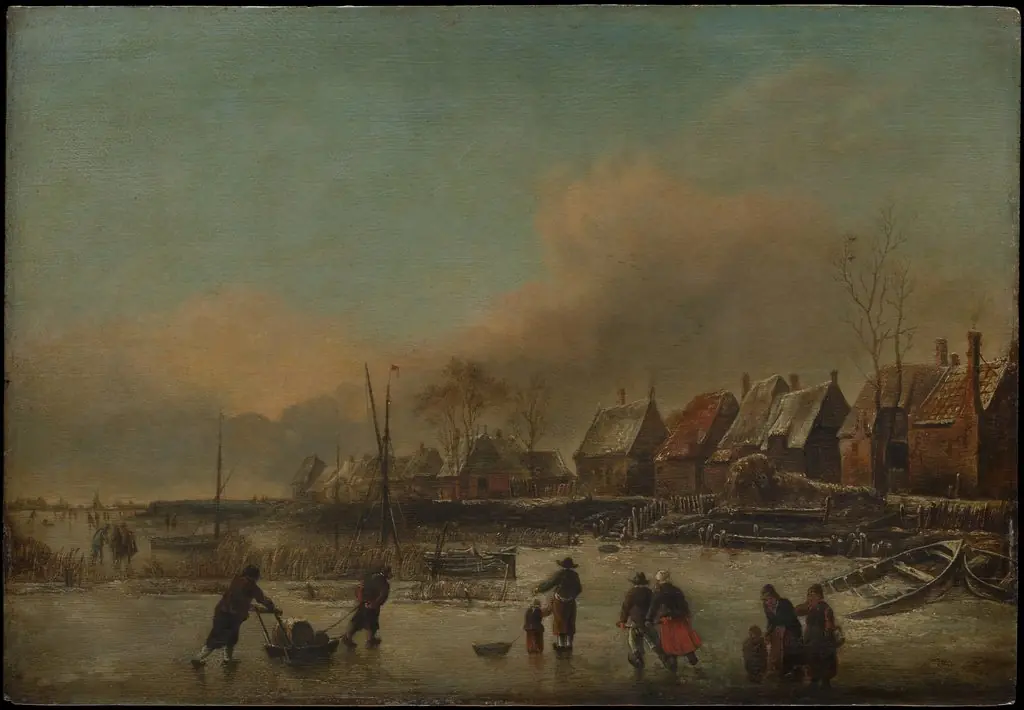 Winter Scene
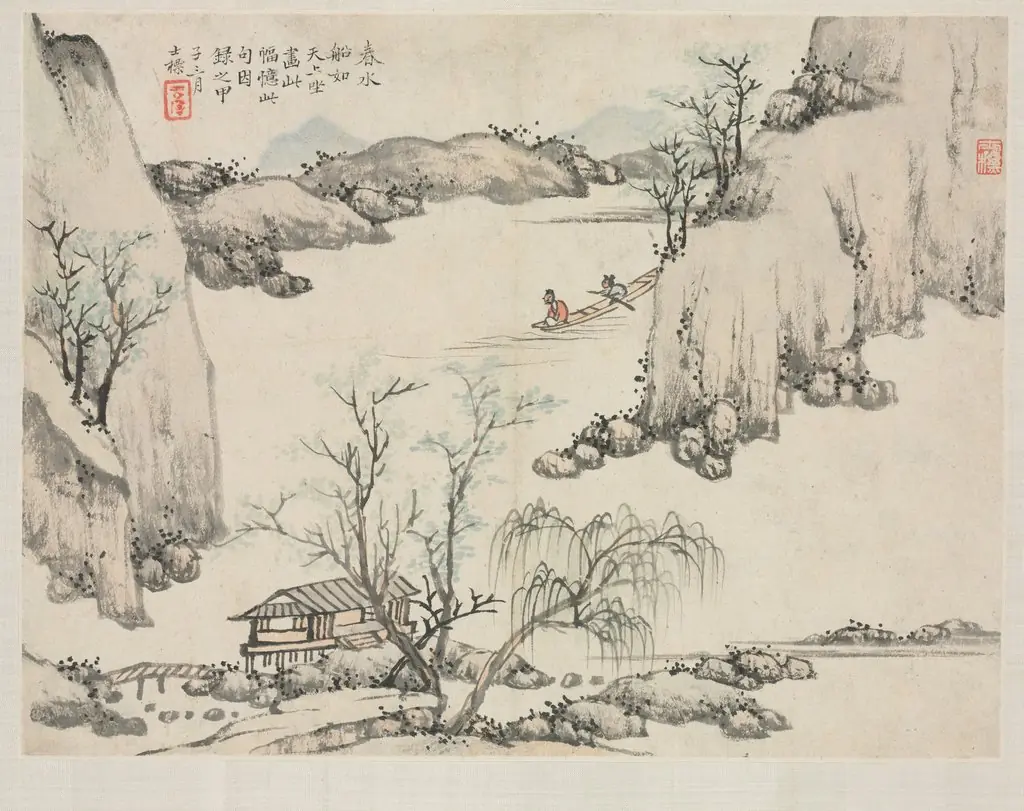 Landscape Album in Various Styles: Boating in Spring Water
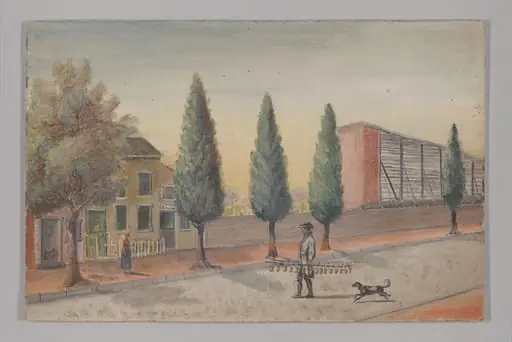 Strawberry Pedlar
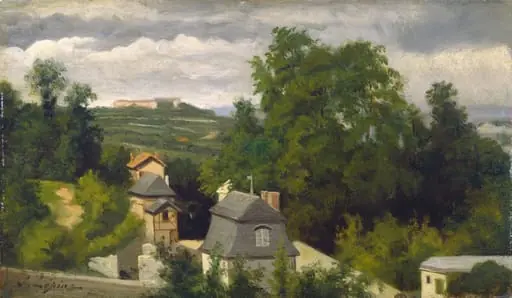 View on the Outskirts of Caen
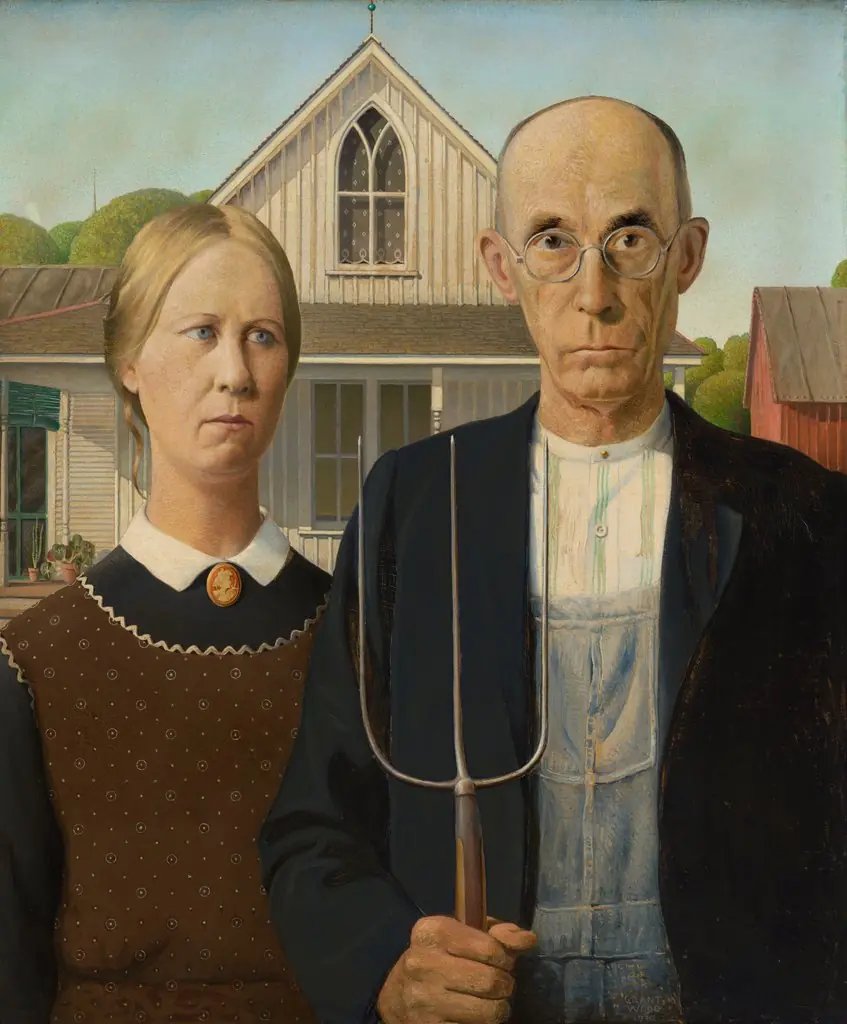 American Gothic
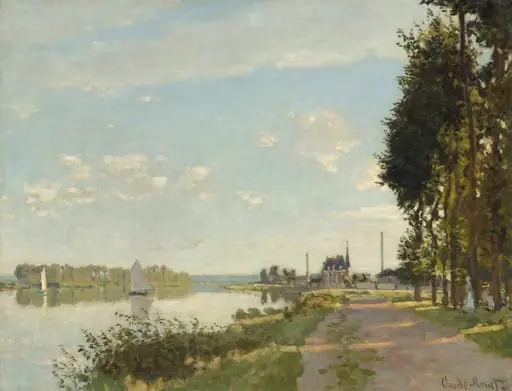 Argenteuil
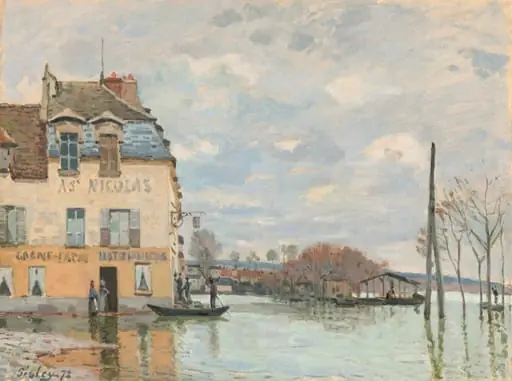 Flood at Port-Marly
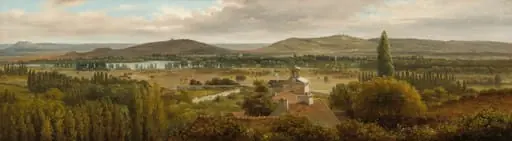 Panoramic Landscape near the River Moselle
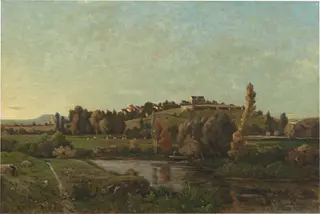 Landscape in Auvergne
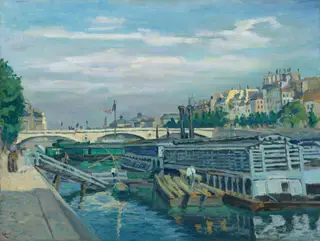 The Bridge of Louis Philippe
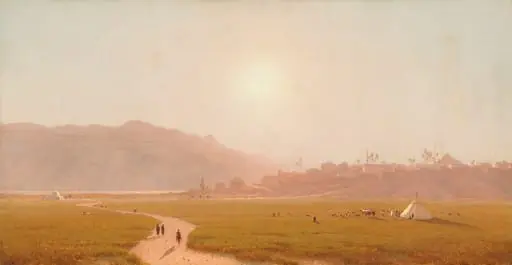 Siout, Egypt
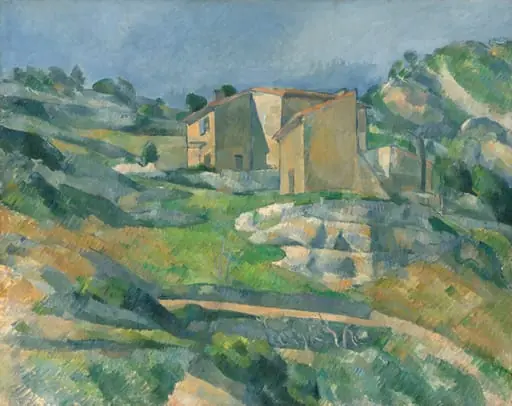 Houses in Provence: The Riaux Valley near L'Estaque
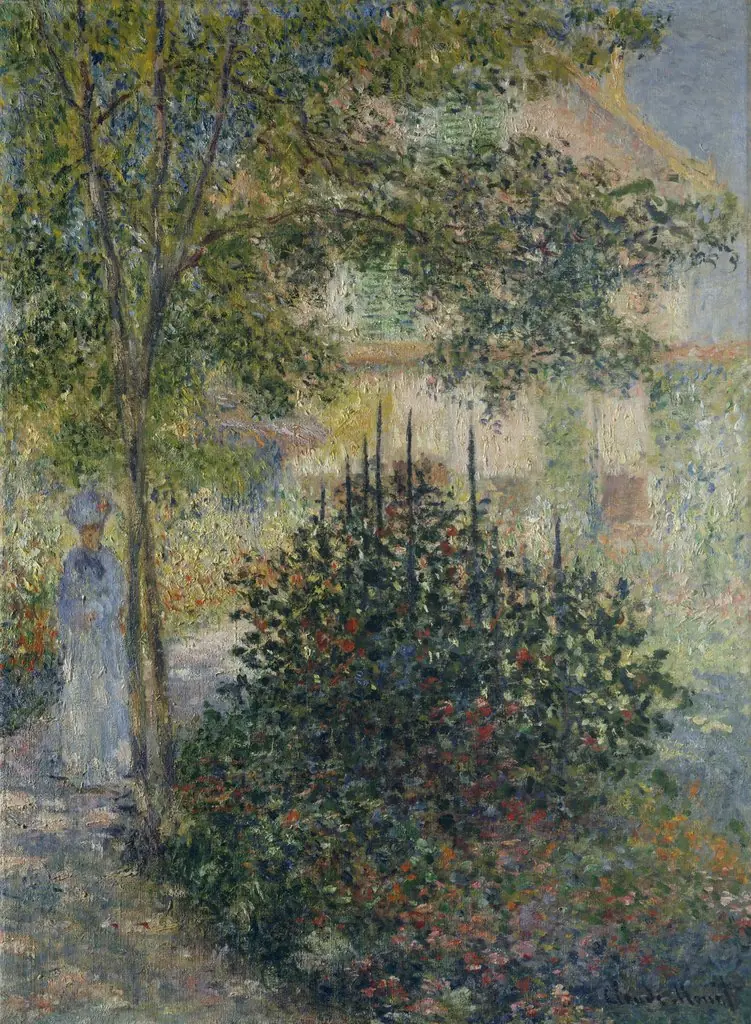 Camille Monet (1847–1879) in the Garden at Argenteuil
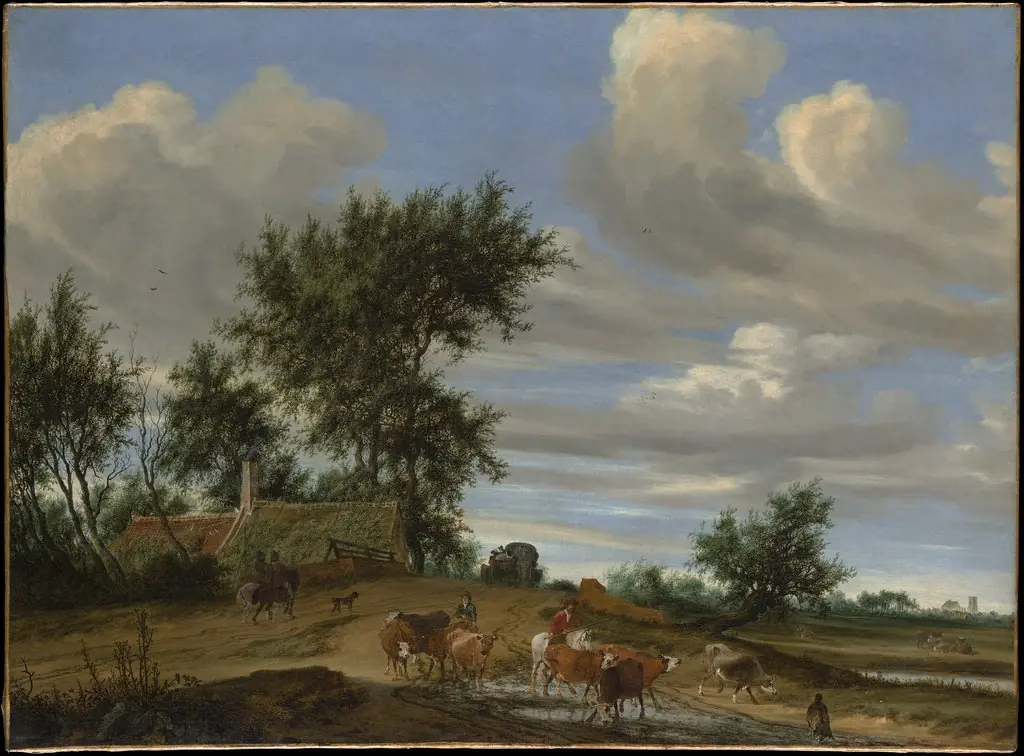 A Country Road
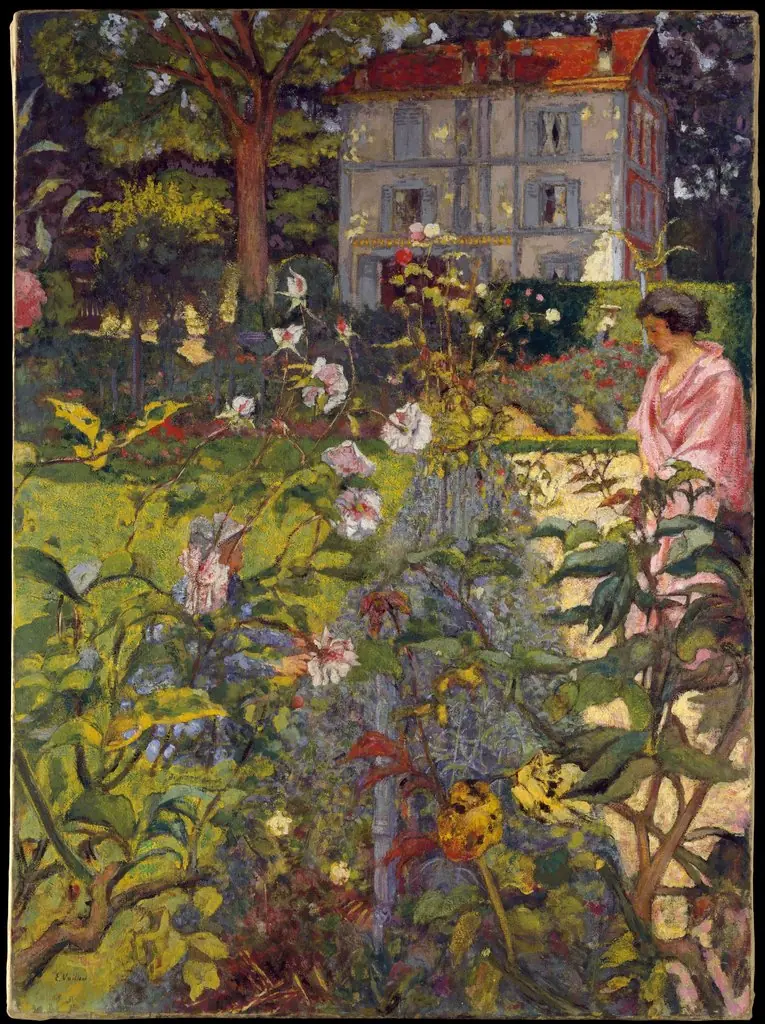 Garden at Vaucresson
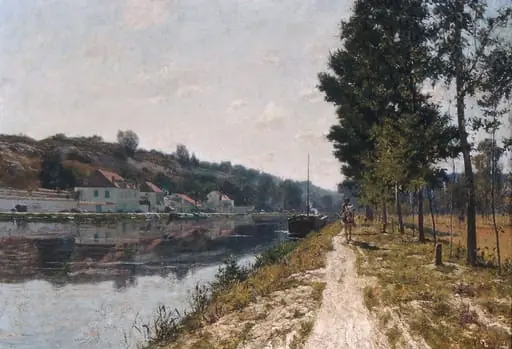 Banks of the Loing
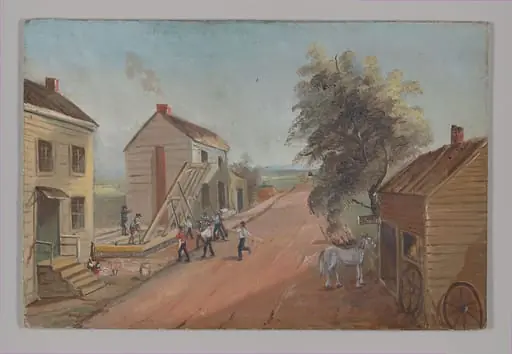 House Raising
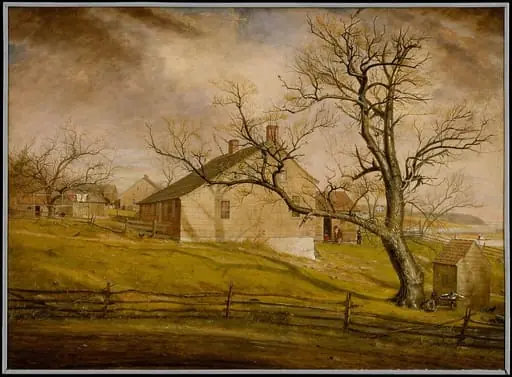 Long Island Farmhouses
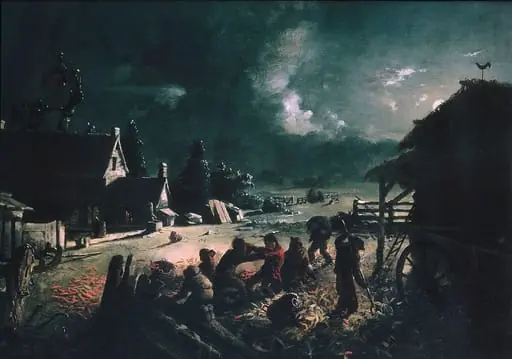 Corn Husking
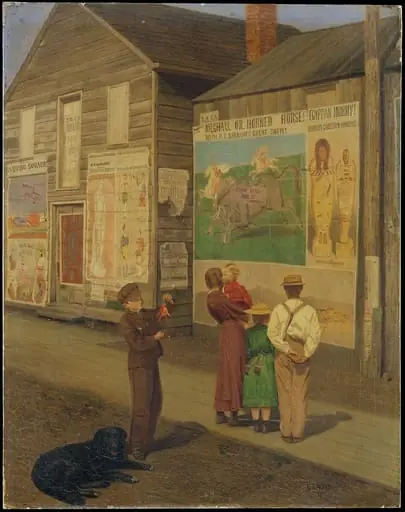 Coming Events Cast Their Shadows Before
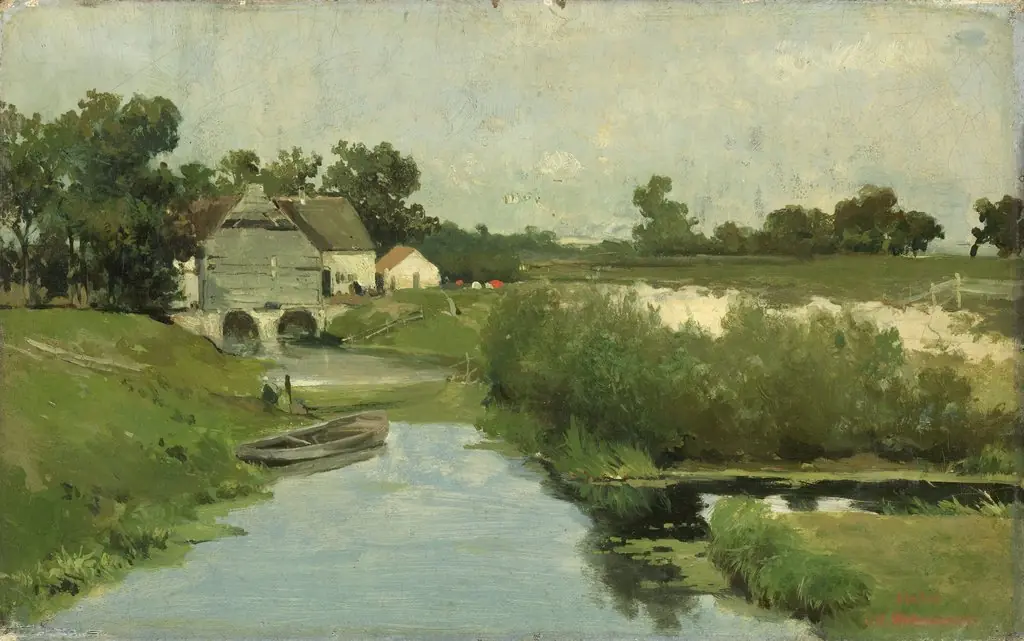 Summer Day
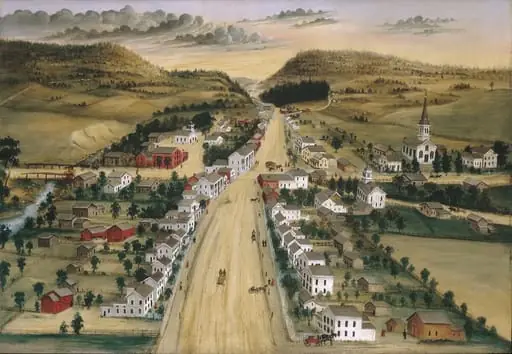 View of Poestenkill, New York
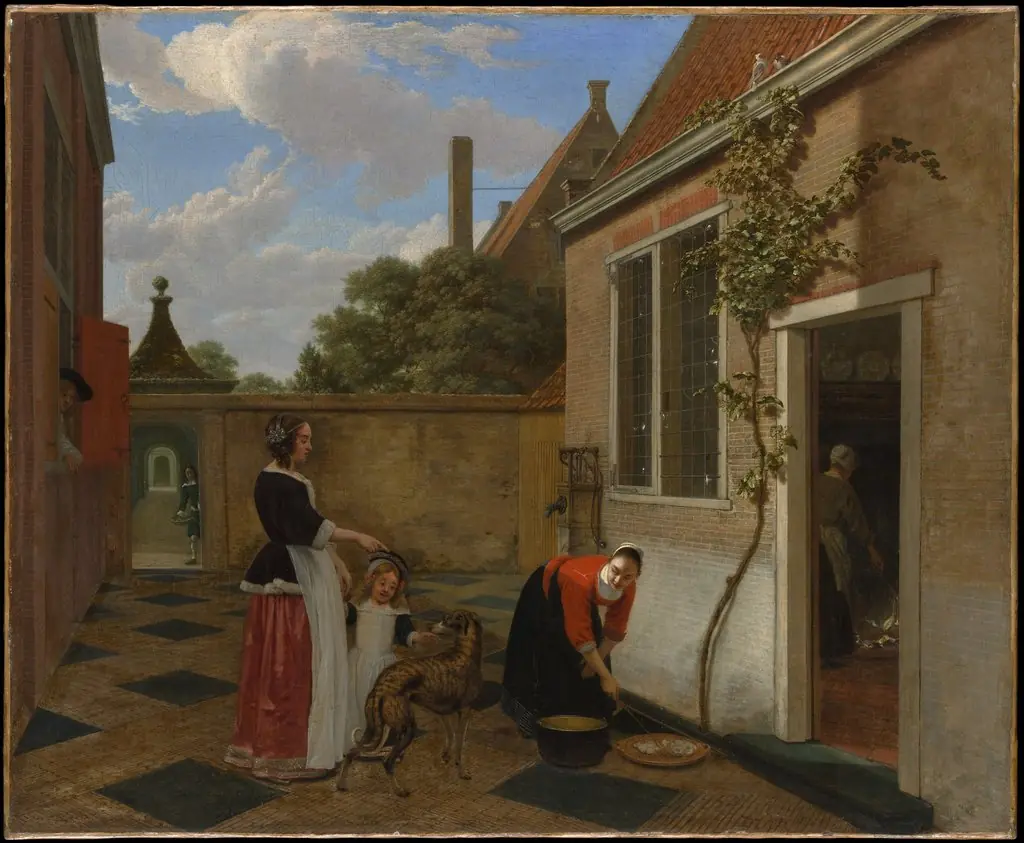 Scene in a Courtyard
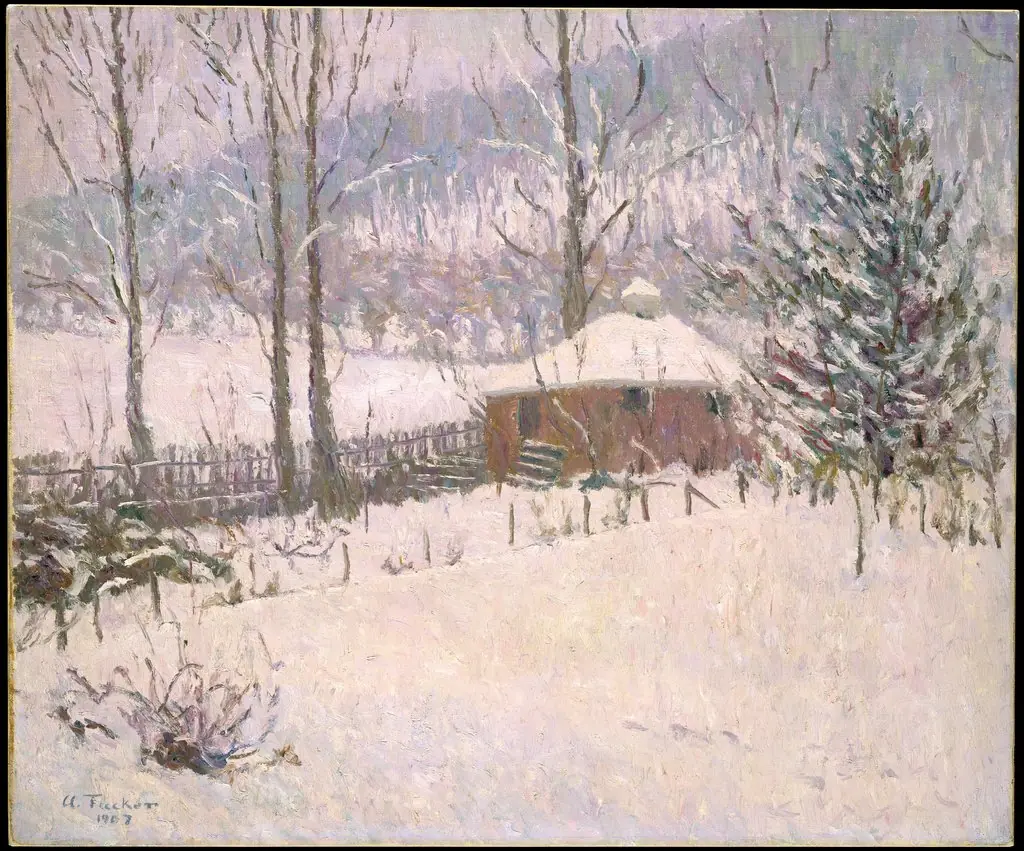 Winter at Portland
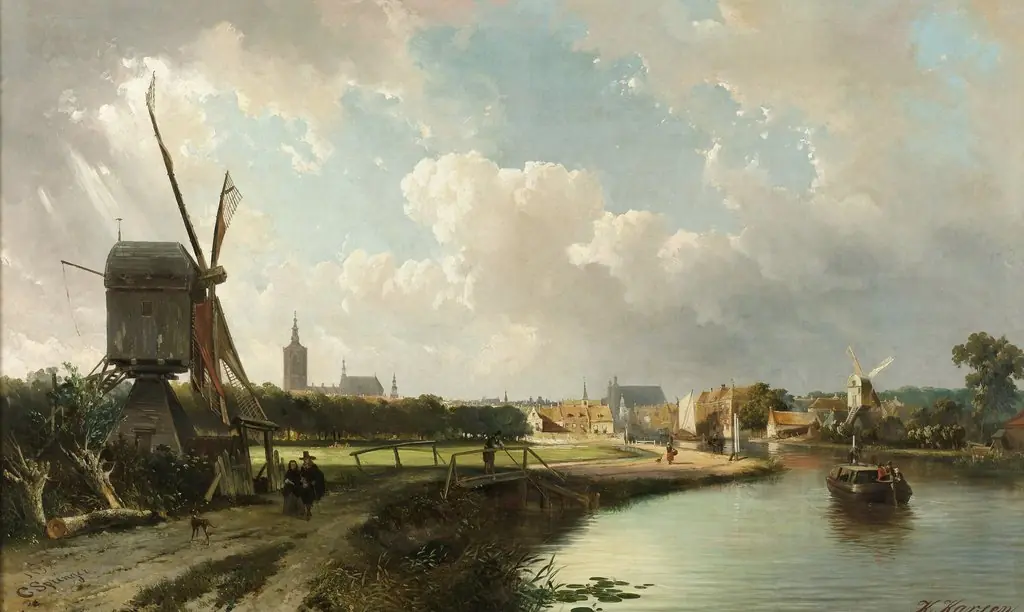 View of The Hague from the Delftse Vaart in the 17th Century
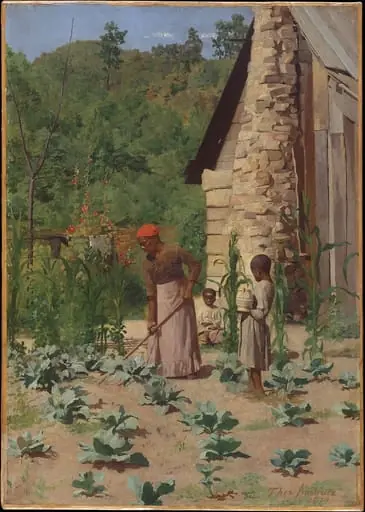 The Way They Live
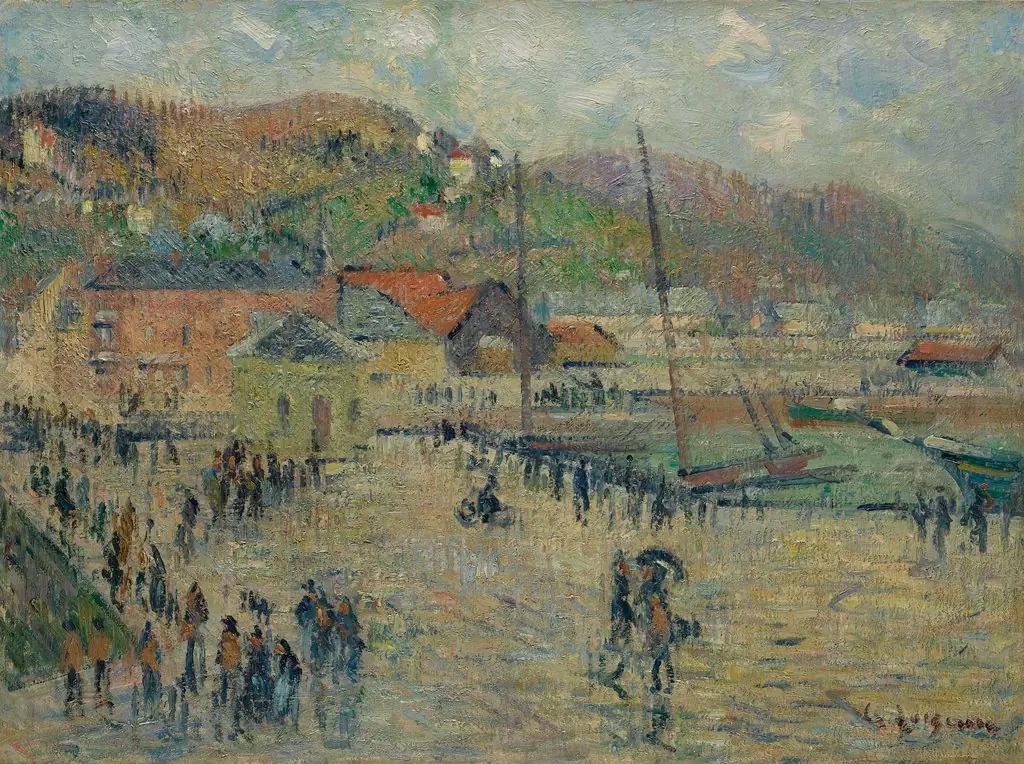 Le Grand Quai, Fécamp
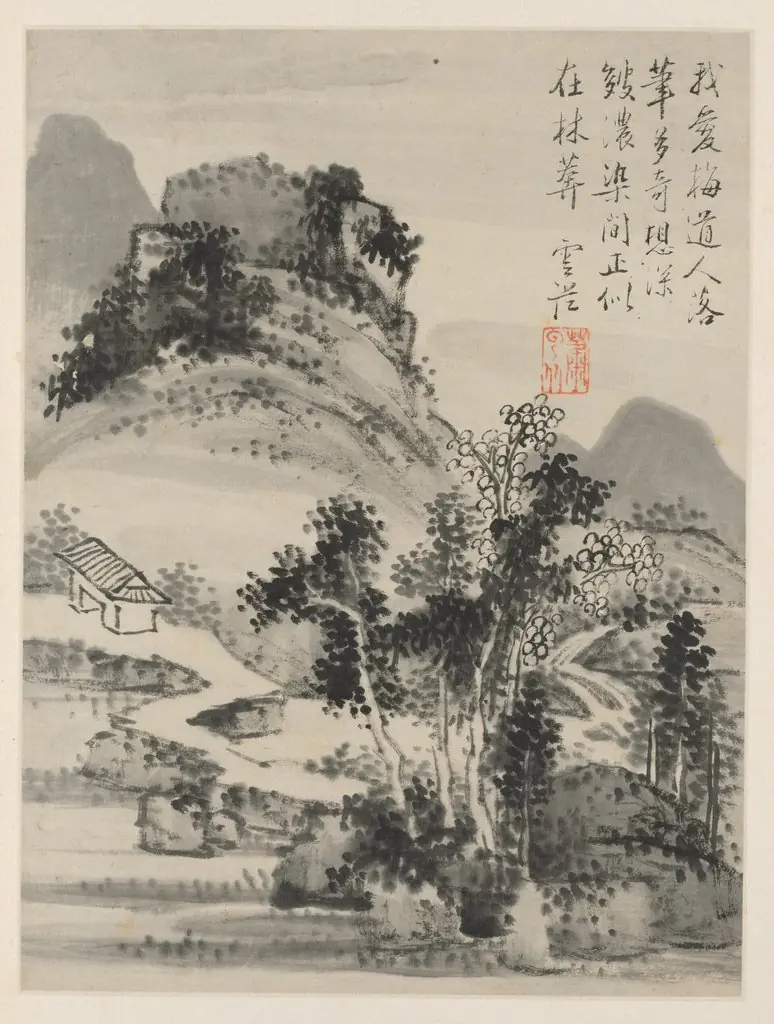 Album of Seasonal Landscapes, Leaf D (previous leaf 2)
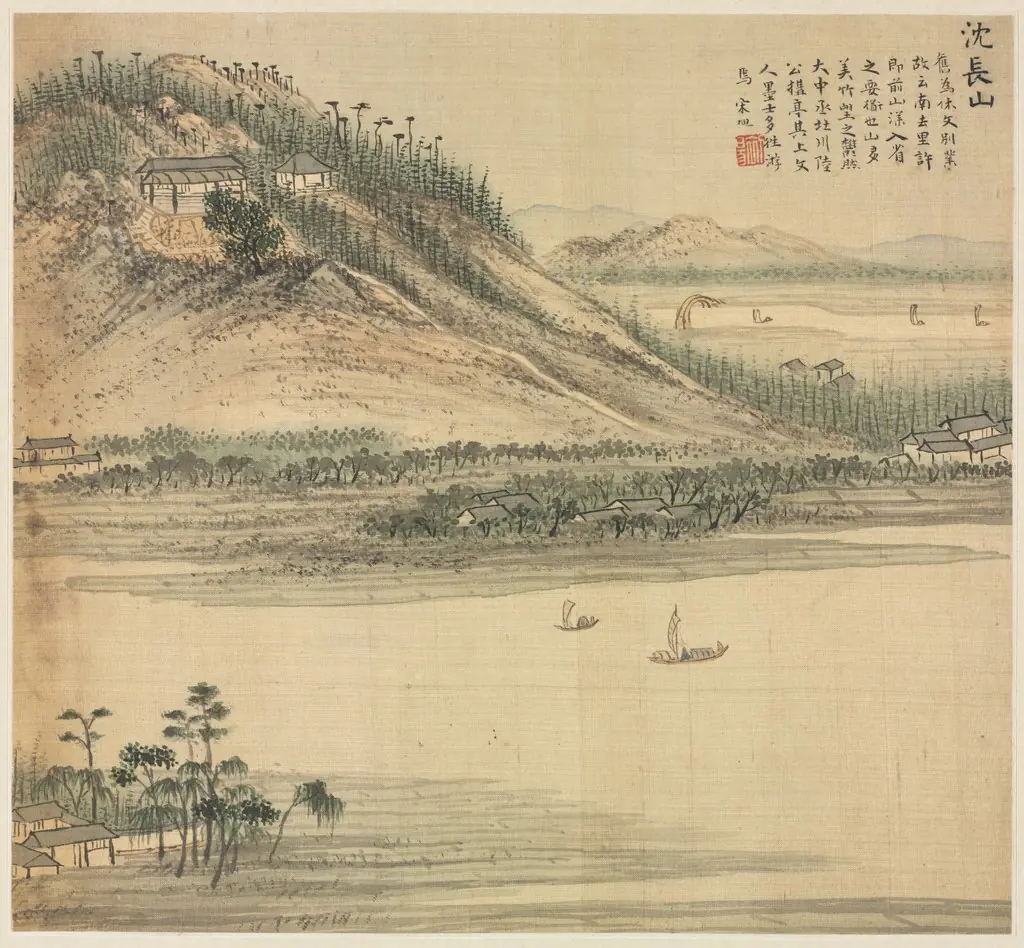 Mt. Shenchang
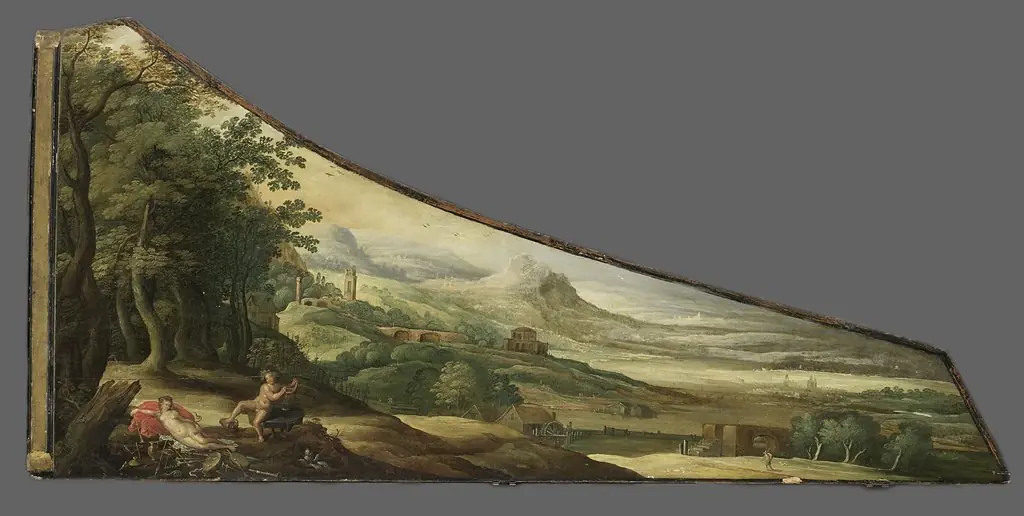 Death of Euridice
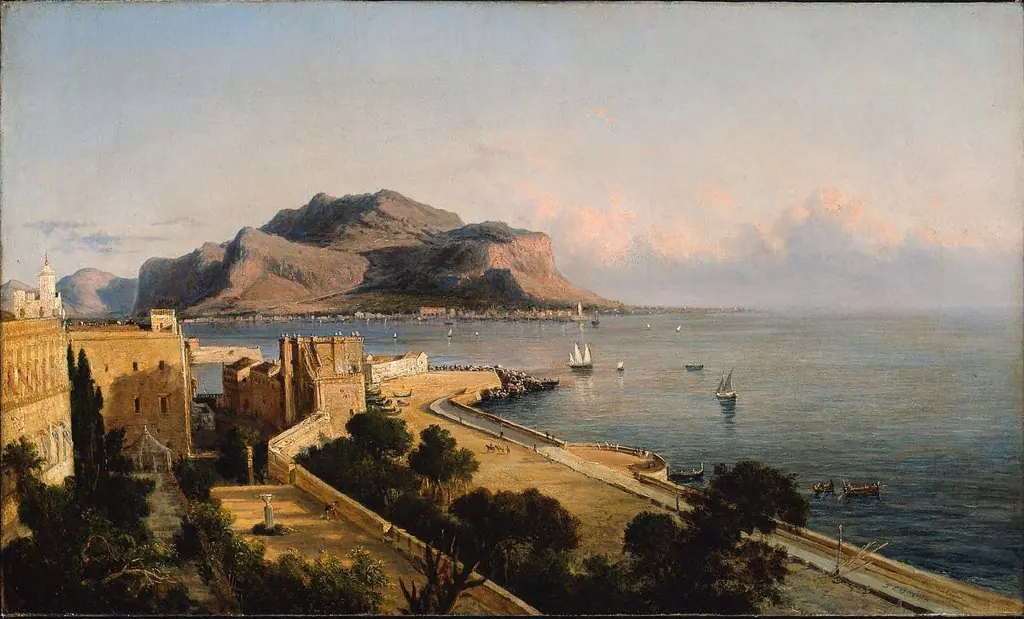 Monte Pellegrino at Palermo, Italy
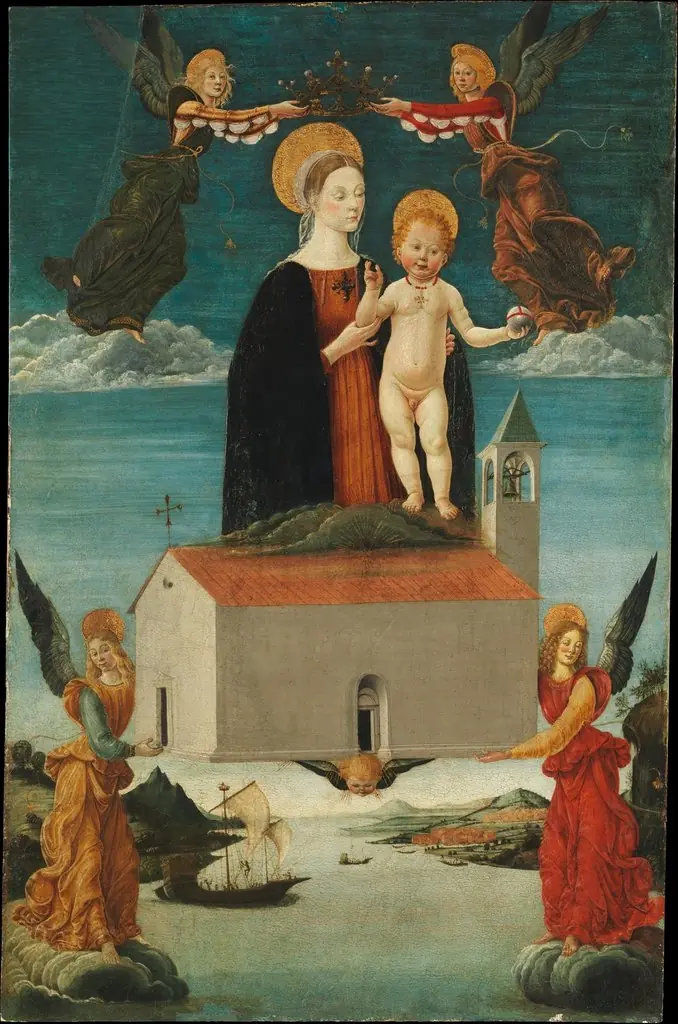 The Translation of the Holy House of Loreto
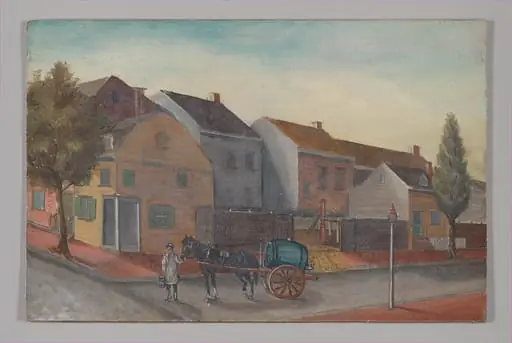 Tea water pump
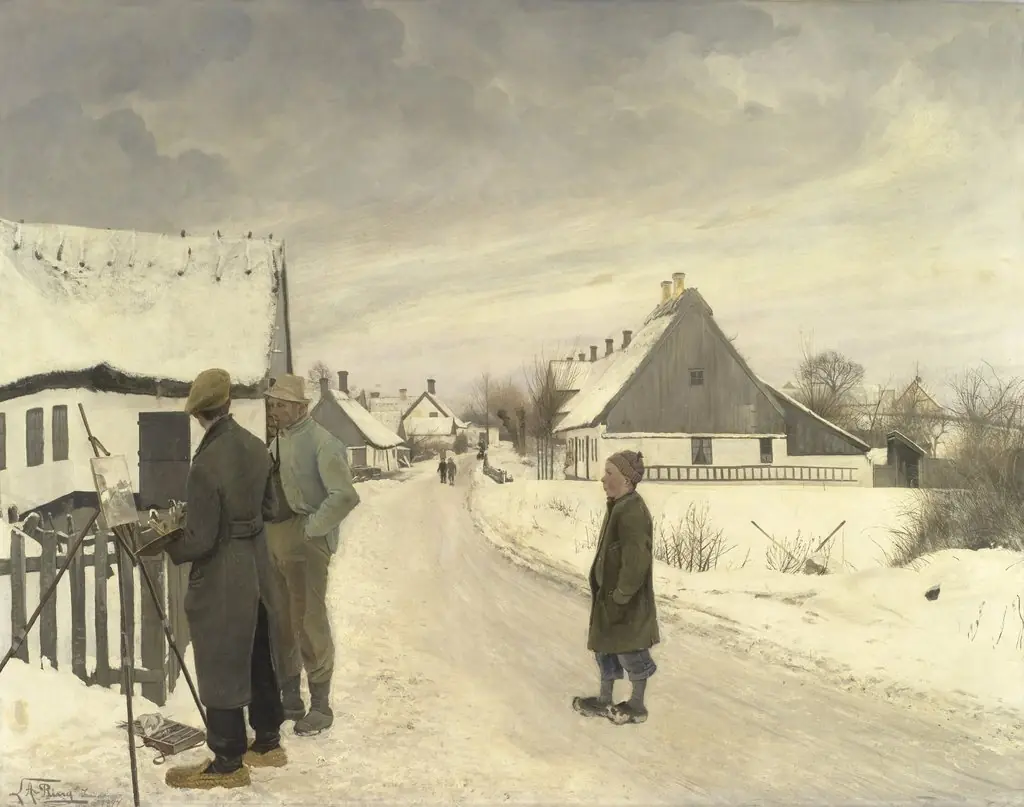 The Painter in the Village
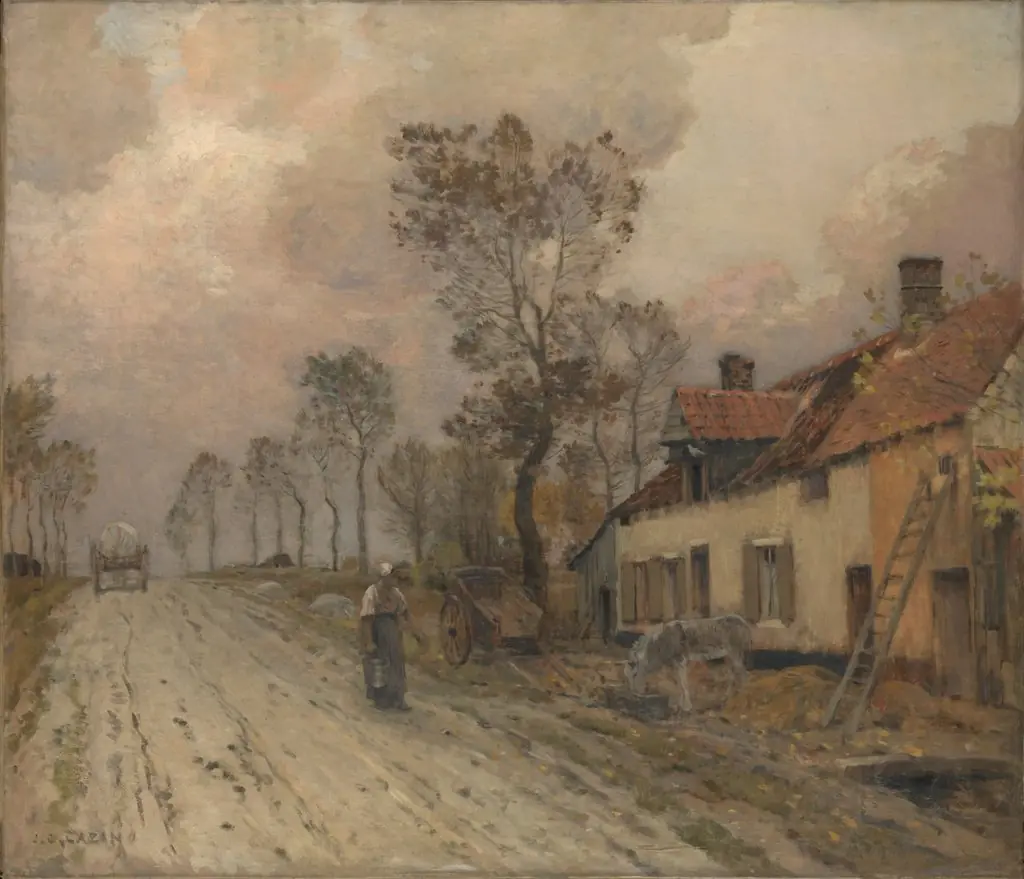 The Route Nationale at Samer
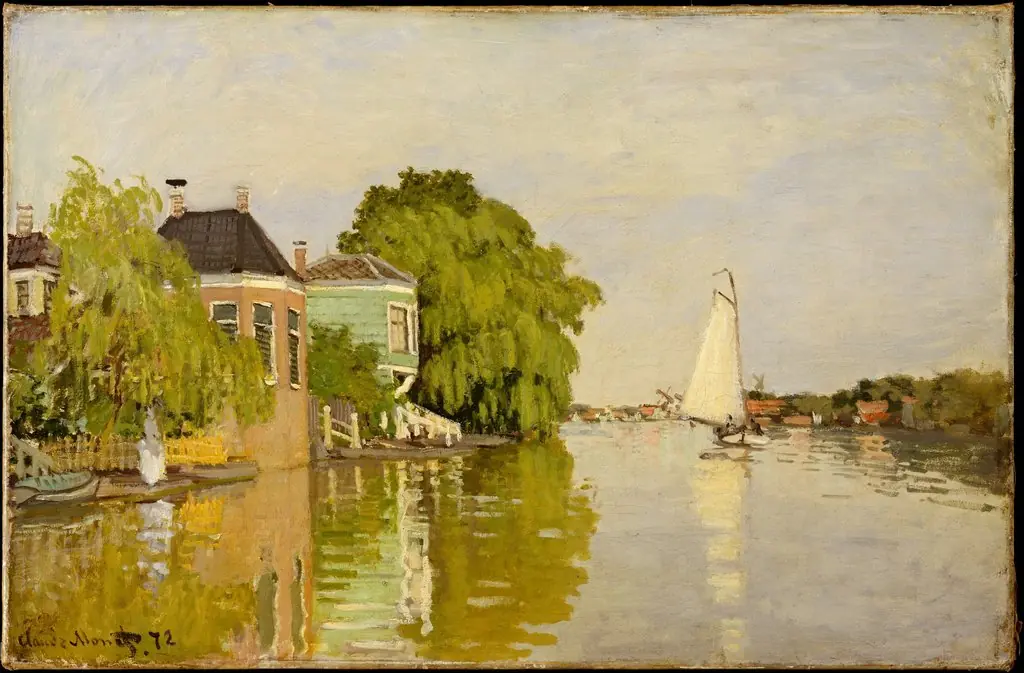 Houses on the Achterzaan
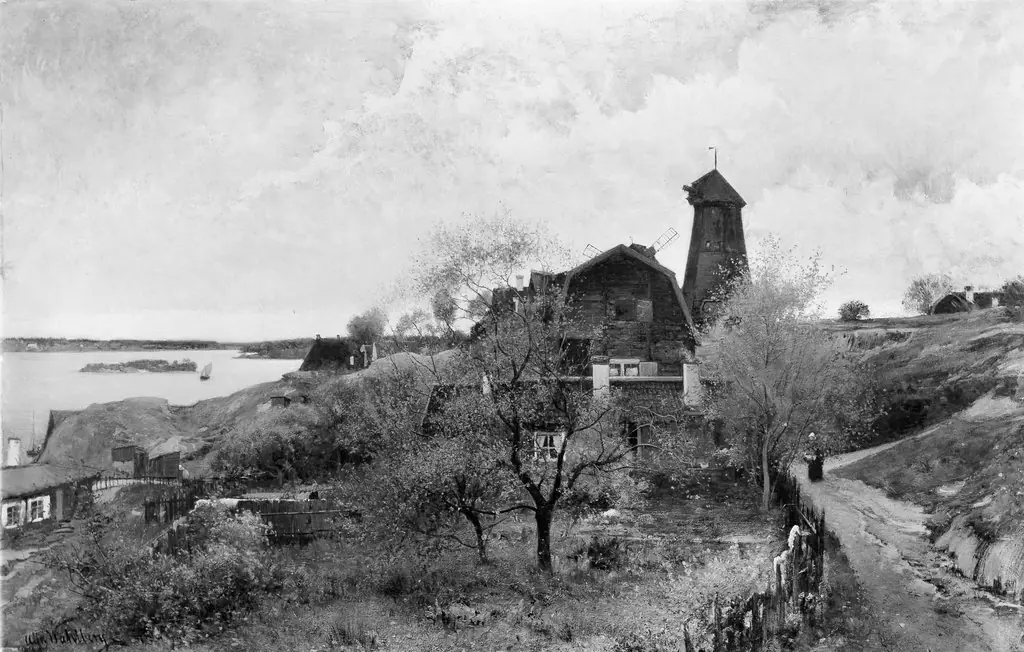 A Day in October, near Waxholm, Sweden
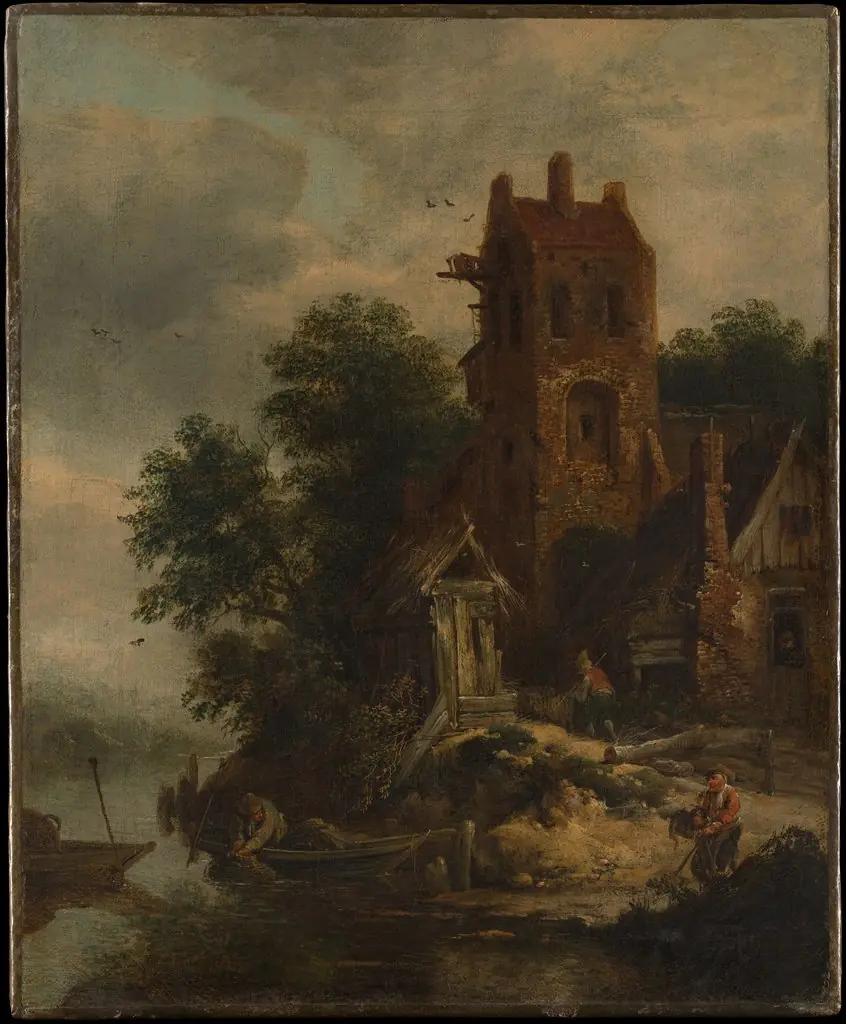 The Pigeon House
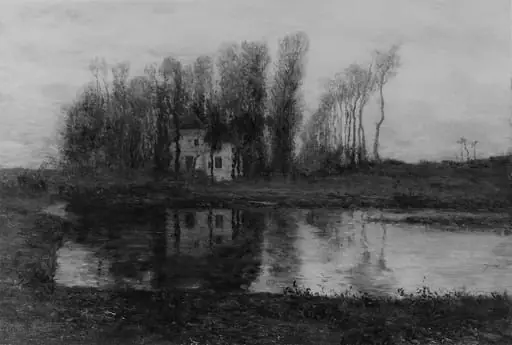 Old Manor of Criqueboeuf
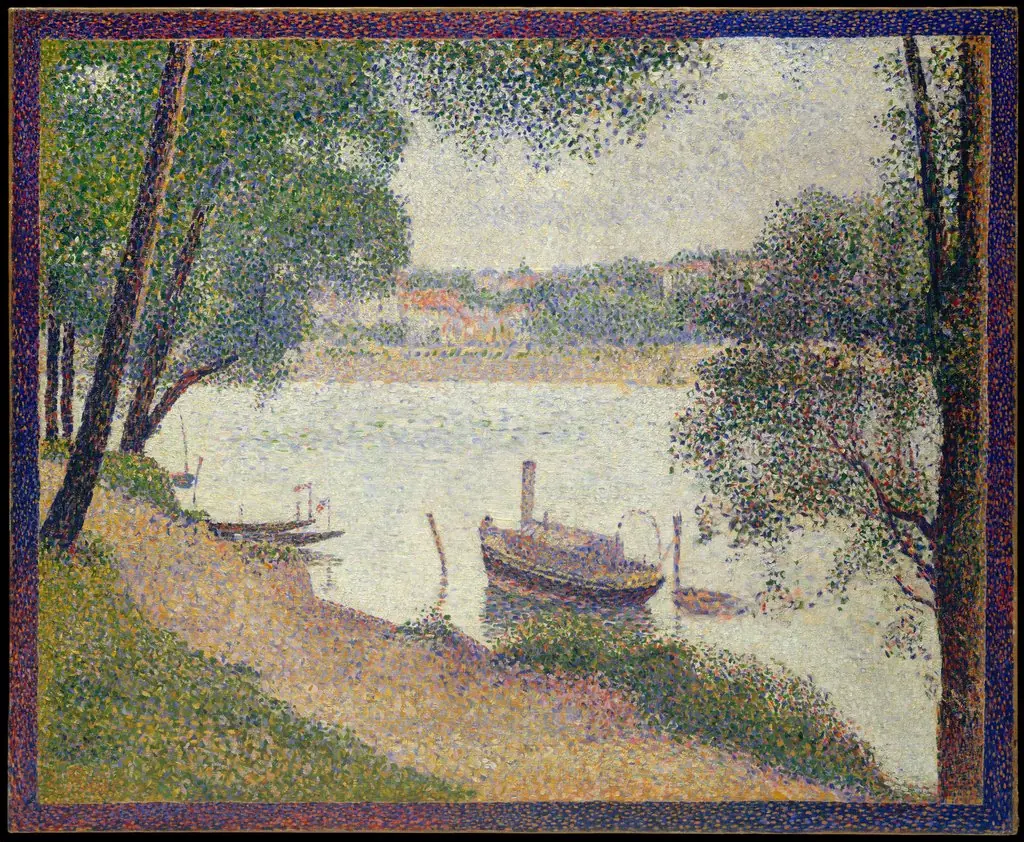 Gray Weather, Grande Jatte
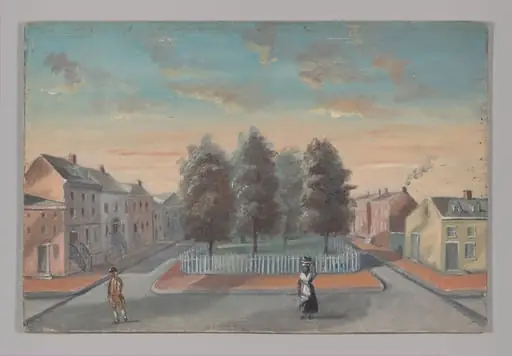 Baked Pears in Duane Park
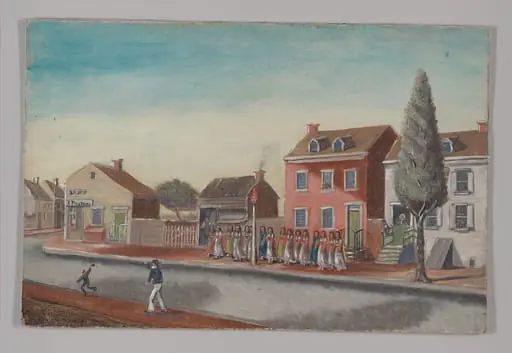 Tea Party
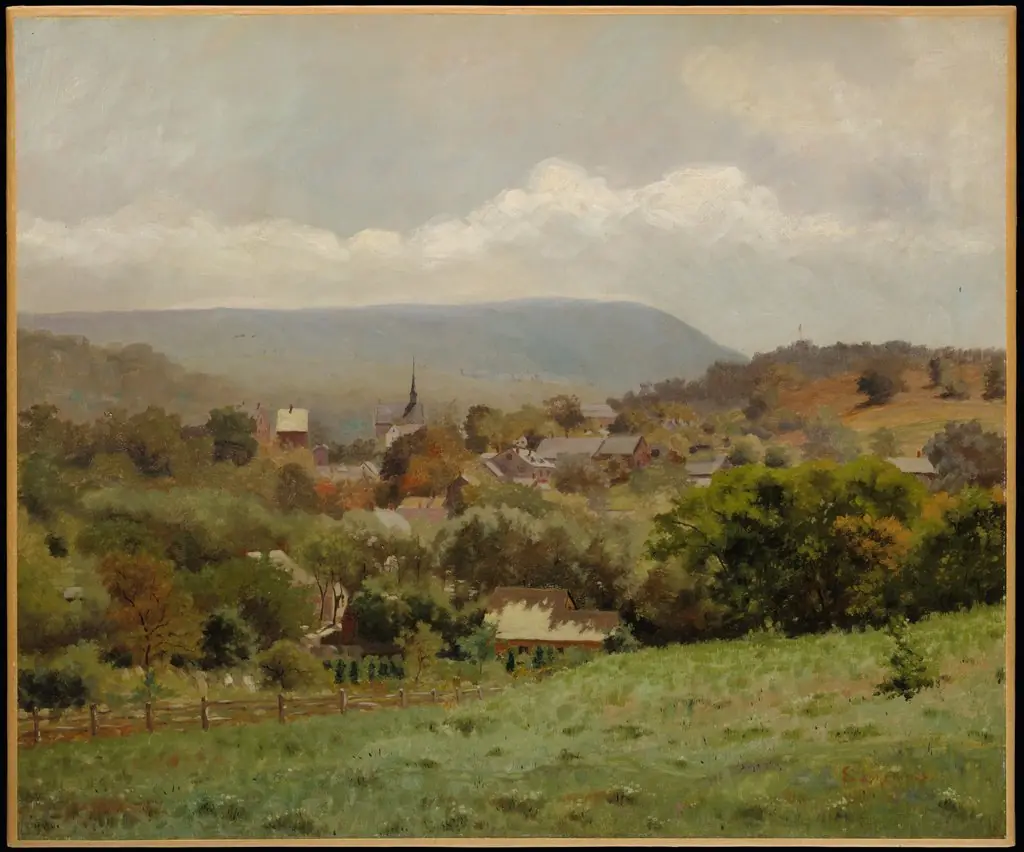 Delaware Water Gap Village
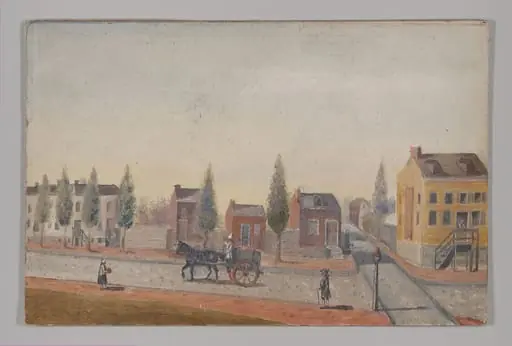 The Garbage Cart
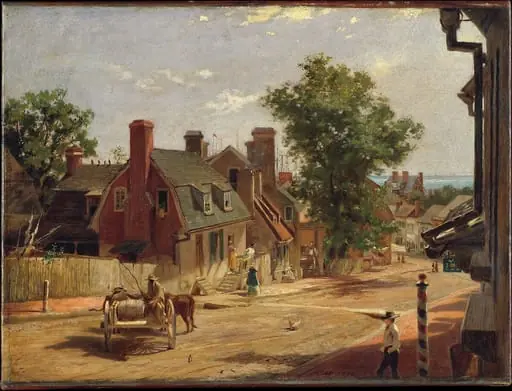 Old Annapolis, Francis Street
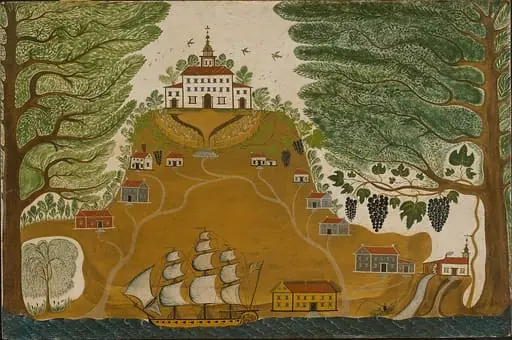 The Plantation
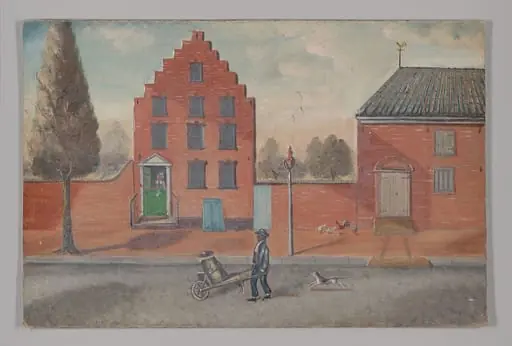 Buttermilk Pedlar
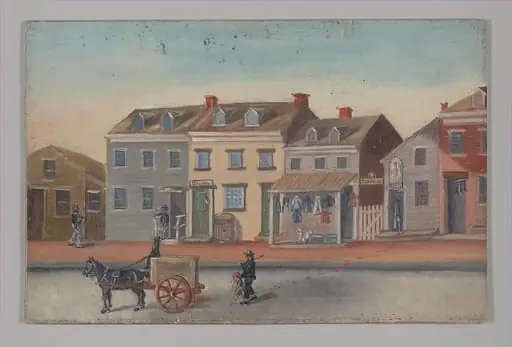 The Dog Killer
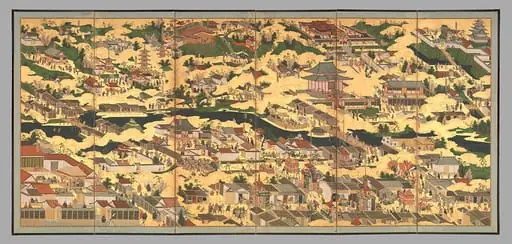 洛中洛外図屏風|Scenes in and around the Capital
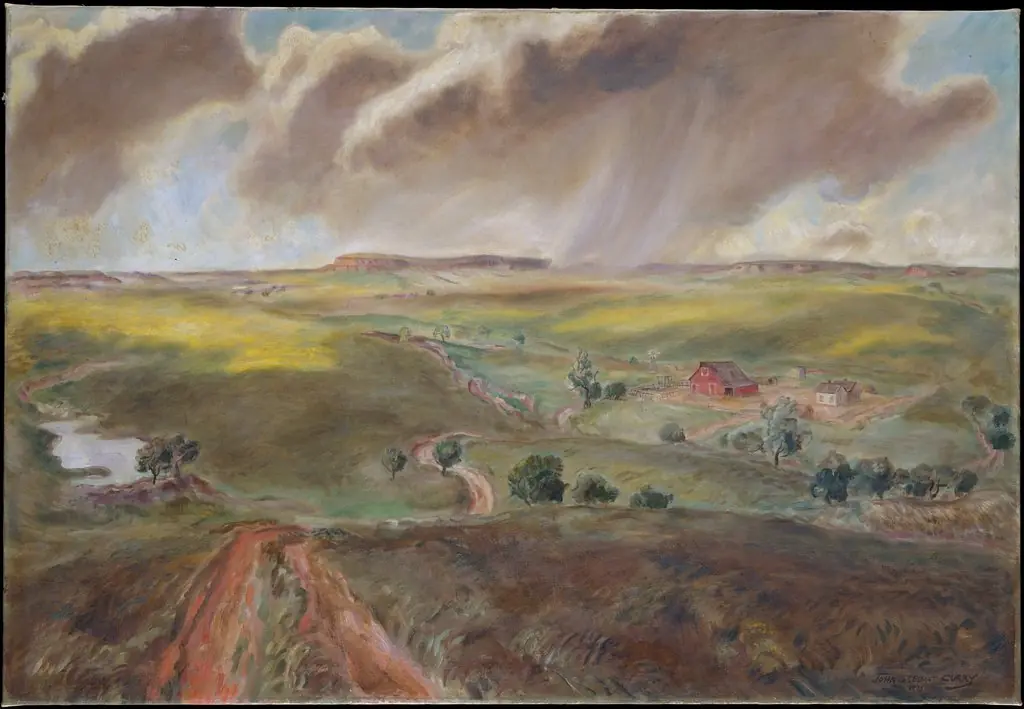 Spring Shower (Western Kansas Landscape)
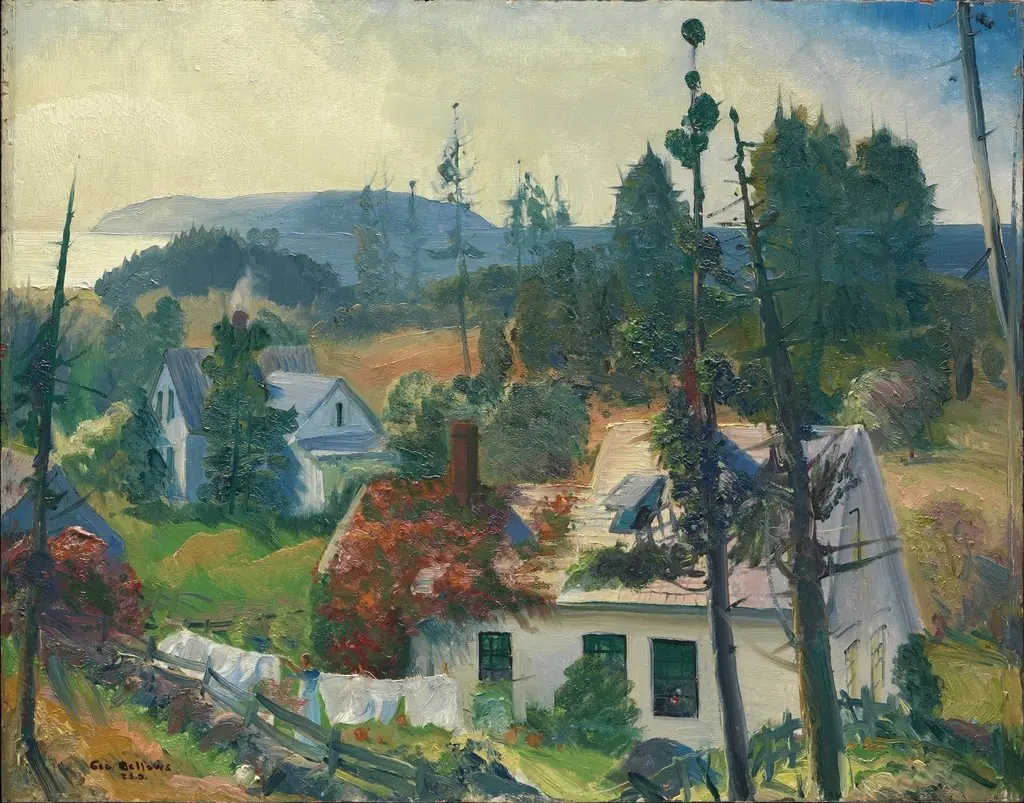 The Red Vine, Matinicus Island, Maine
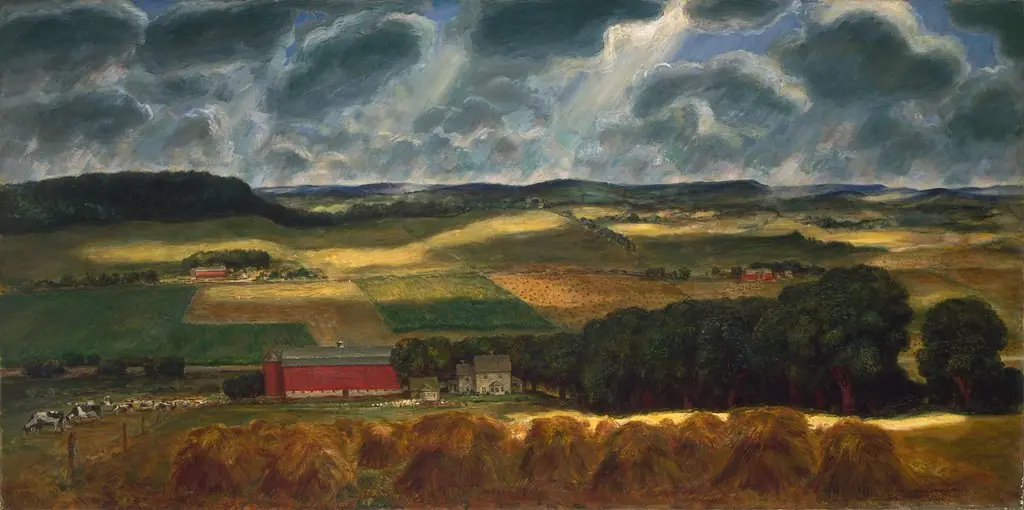 Wisconsin Landscape
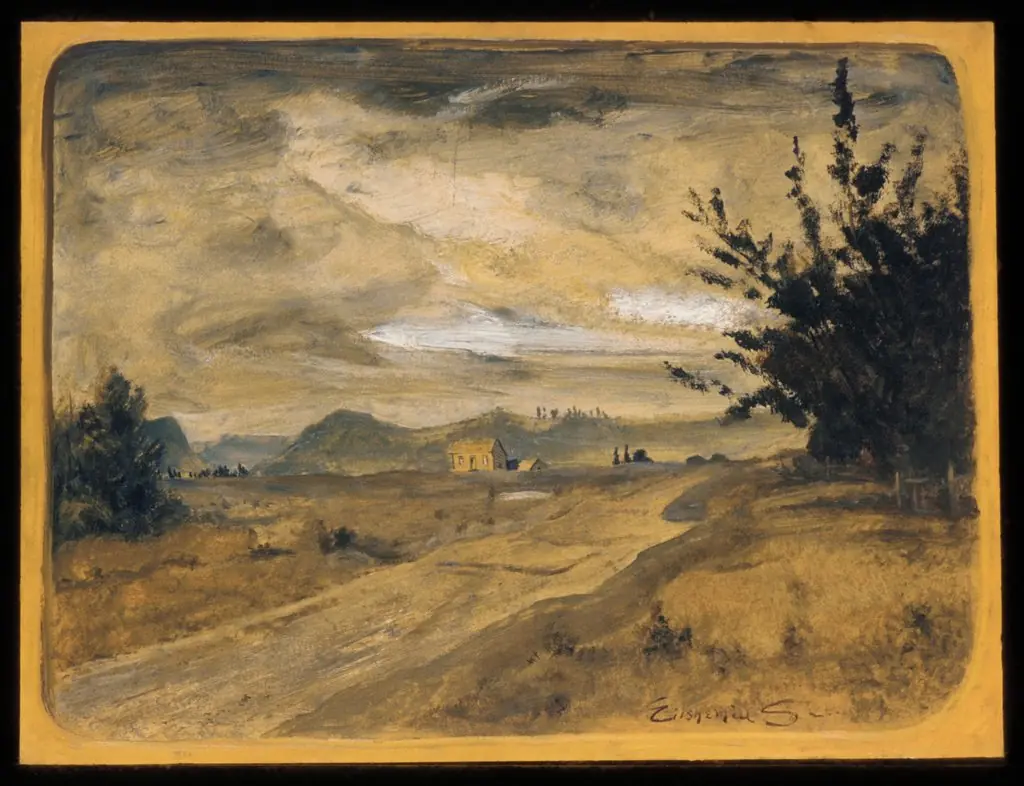 The Haunted House
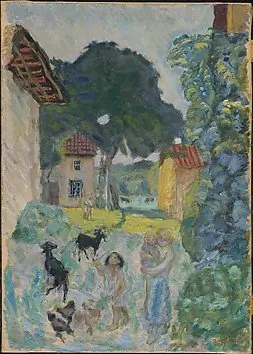 Village Scene, Grasse
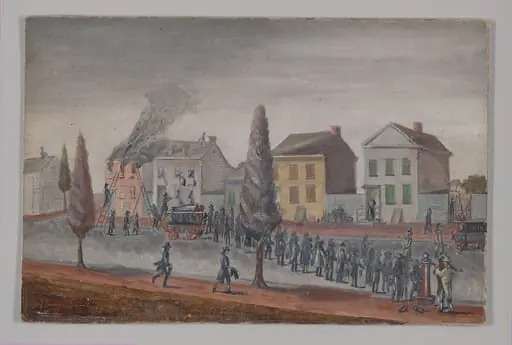 Fighting a Fire
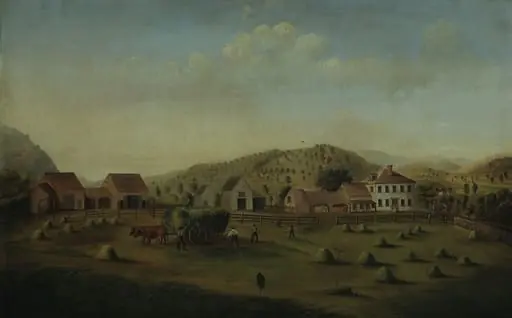 Leete Farm, West Claremont, New Hampshire
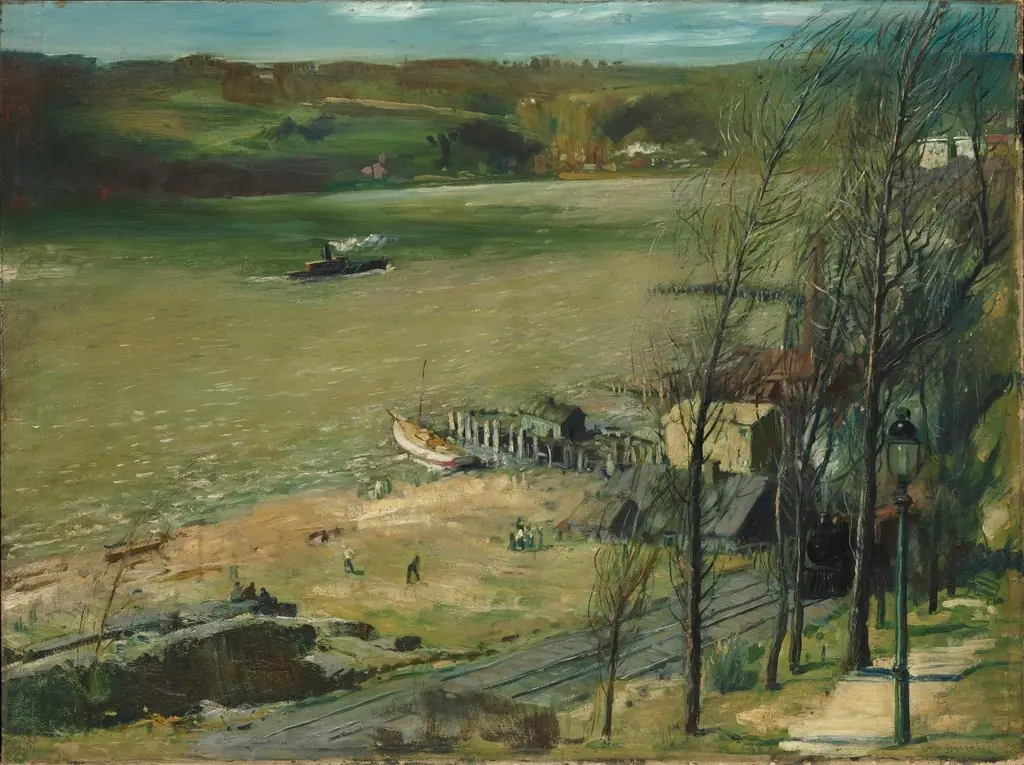 Up the Hudson
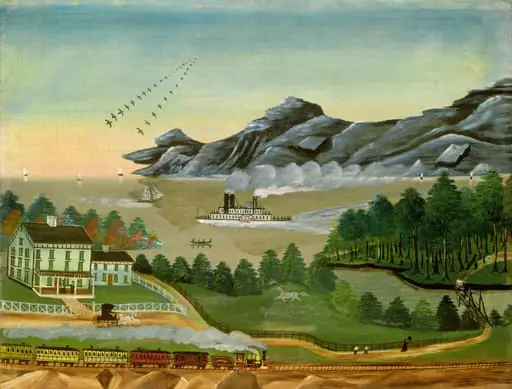 Geese in Flight
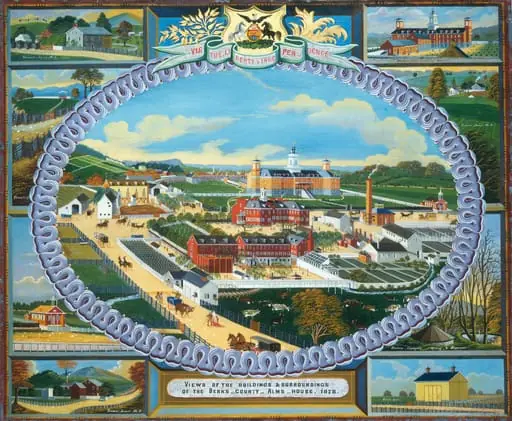 Berks County Almshouse, 1878
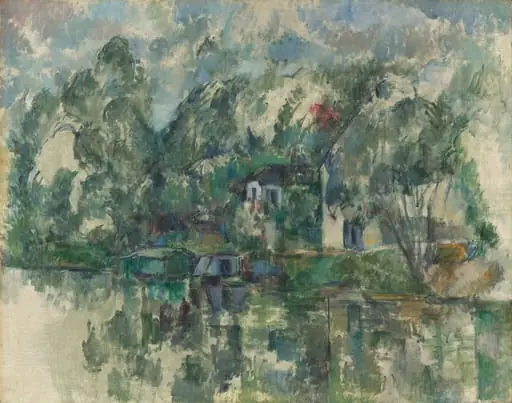 At the Water's Edge
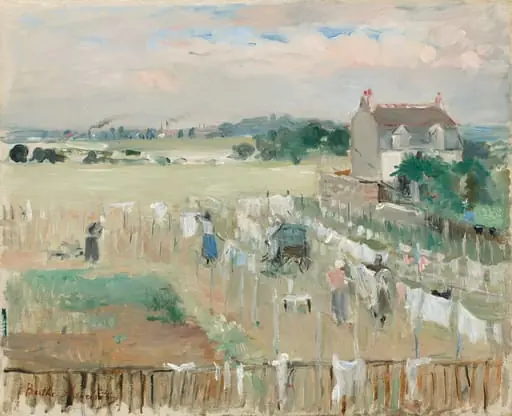 Hanging the Laundry out to Dry
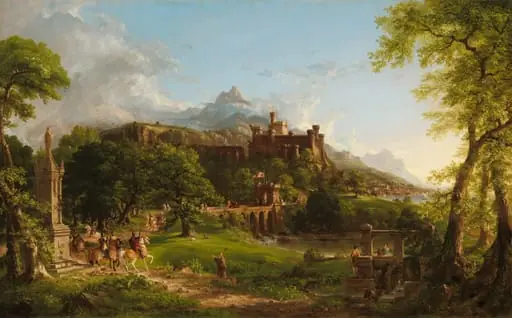 The Departure
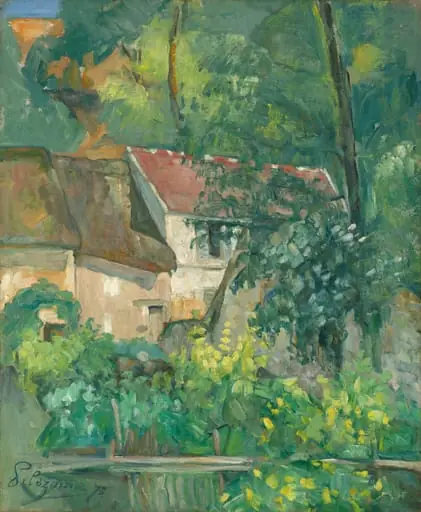 House of Père Lacroix
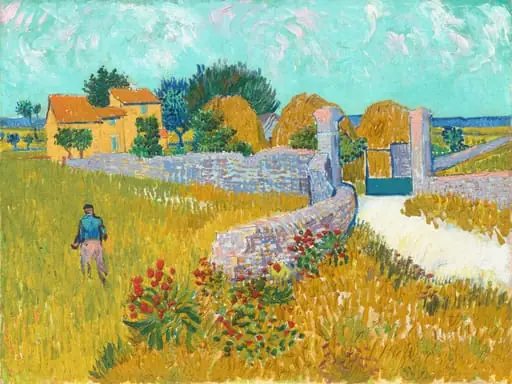 Farmhouse in Provence
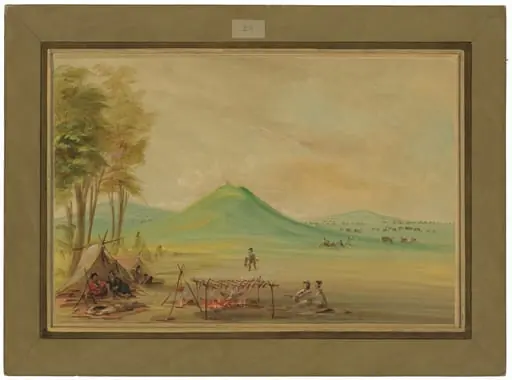 Expedition Encamped on a Texas Prairie. April 1686
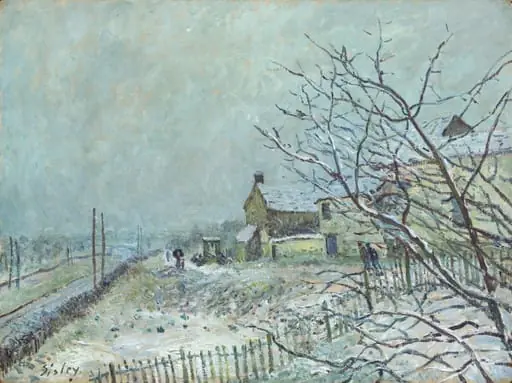 First Snow at Veneux-Nadon
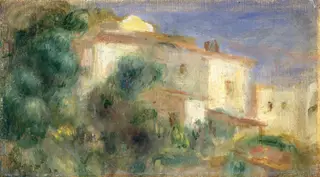 Maison de la Poste, Cagnes
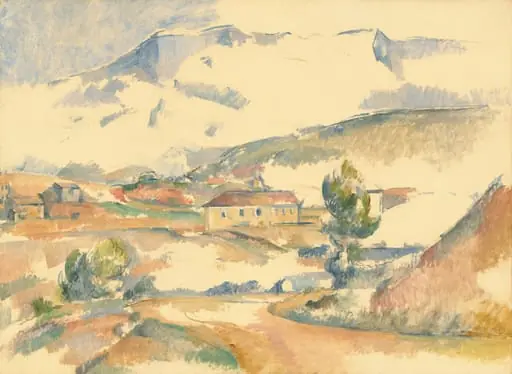 Montagne Sainte-Victoire, from near Gardanne
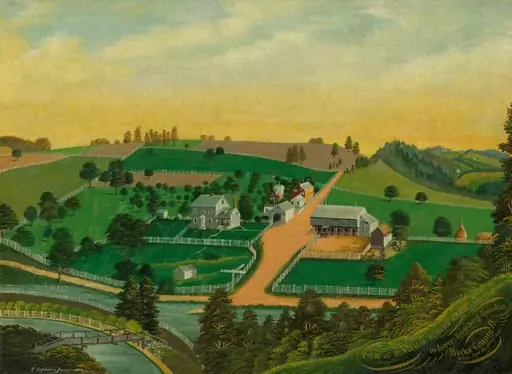 View of Benjamin Reber's Farm
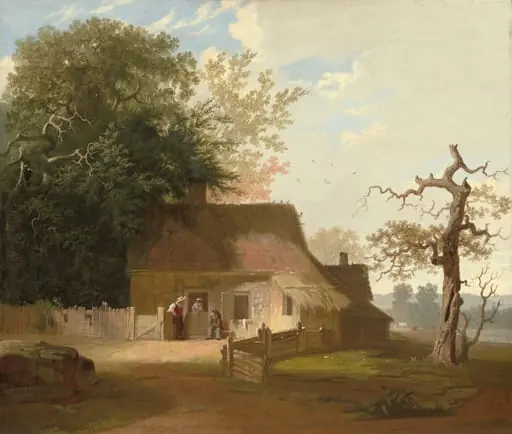 Cottage Scenery
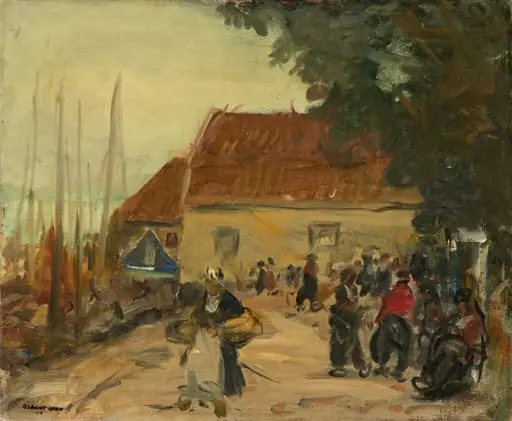 Volendam Street Scene
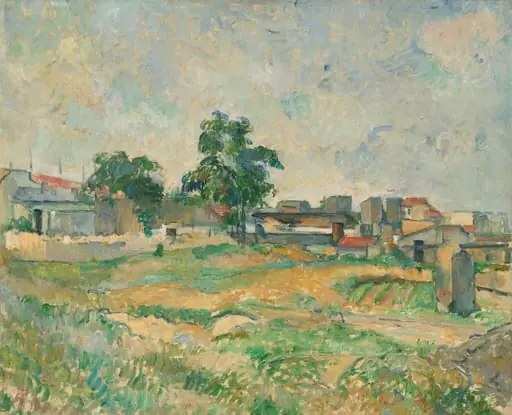 Landscape near Paris
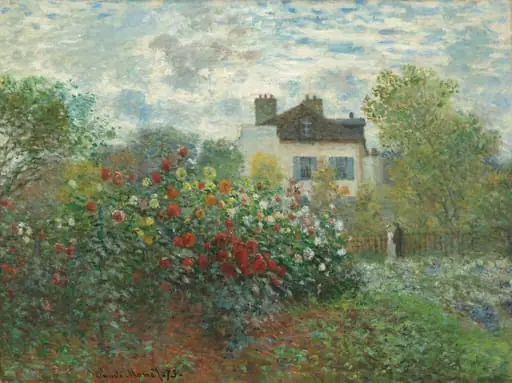 The Artist's Garden in Argenteuil (A Corner of the Garden with Dahlias)
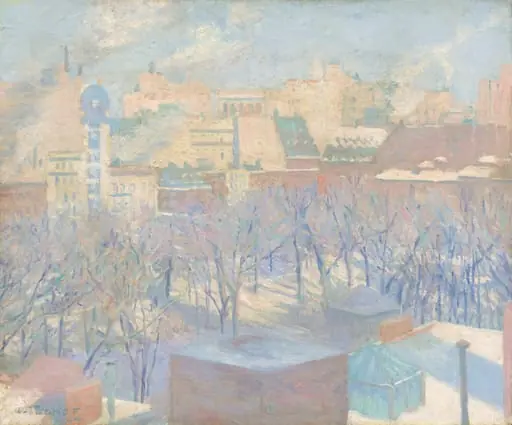 Madison Square, Snow
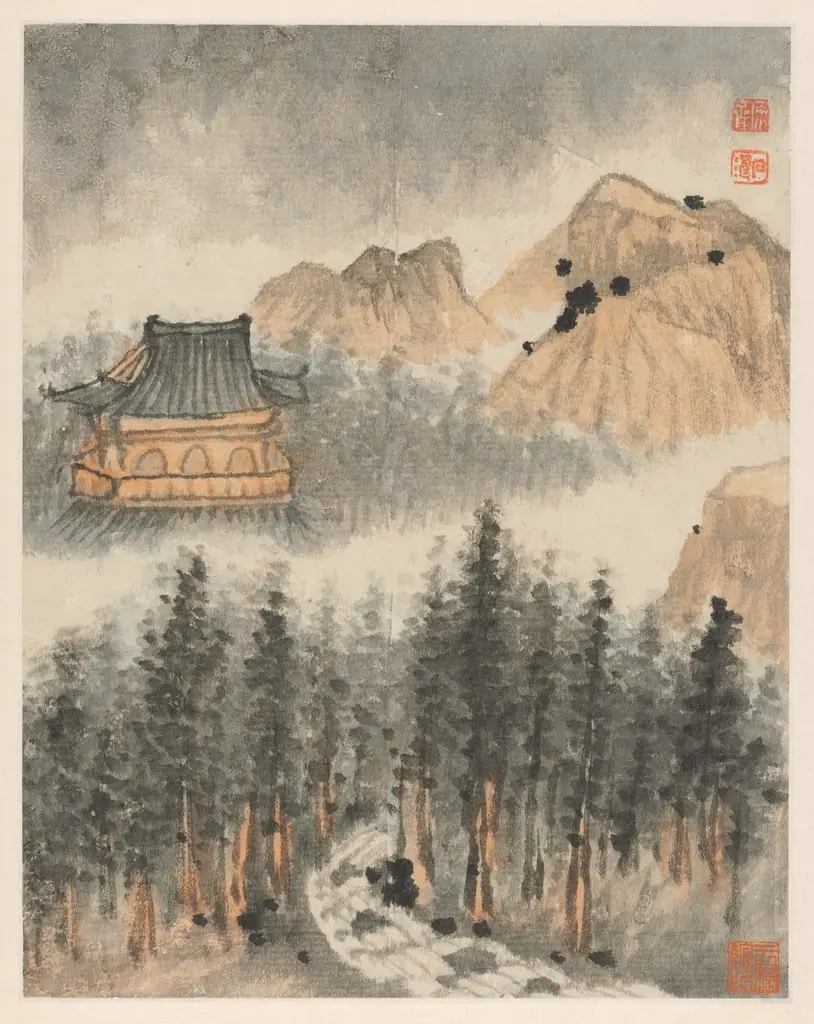 Reminiscences of Qinhuai River
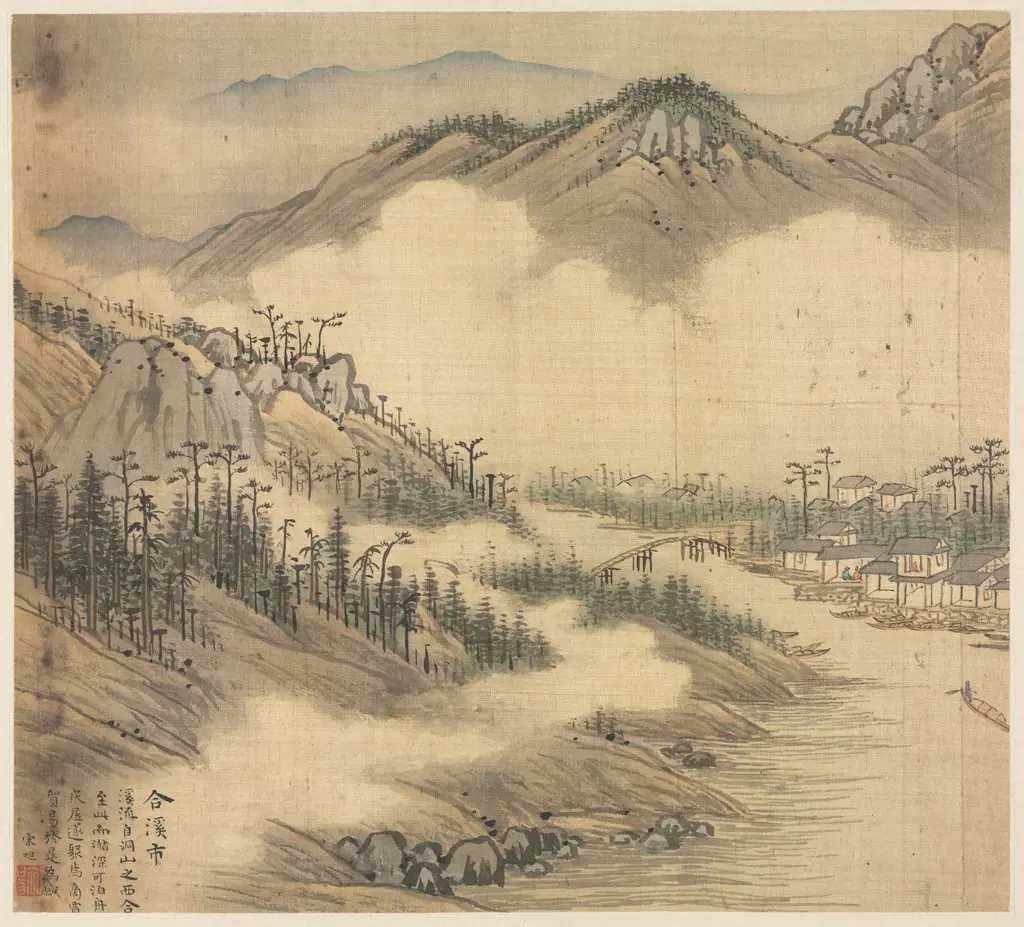 Hexi
Hexi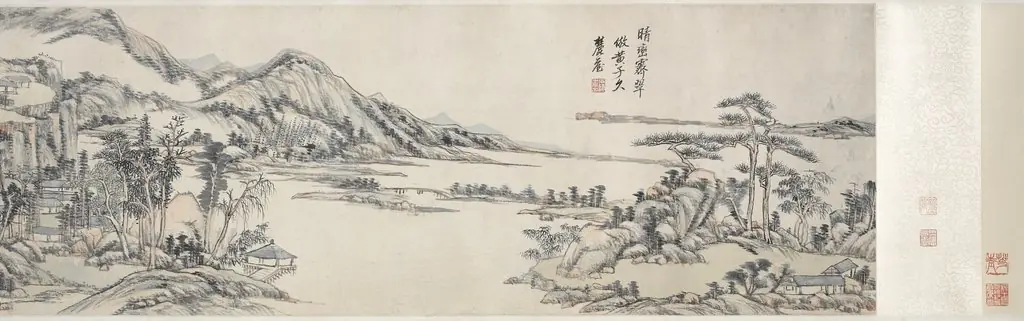 Green Peaks under Clear Sky: After Huang Gongwang
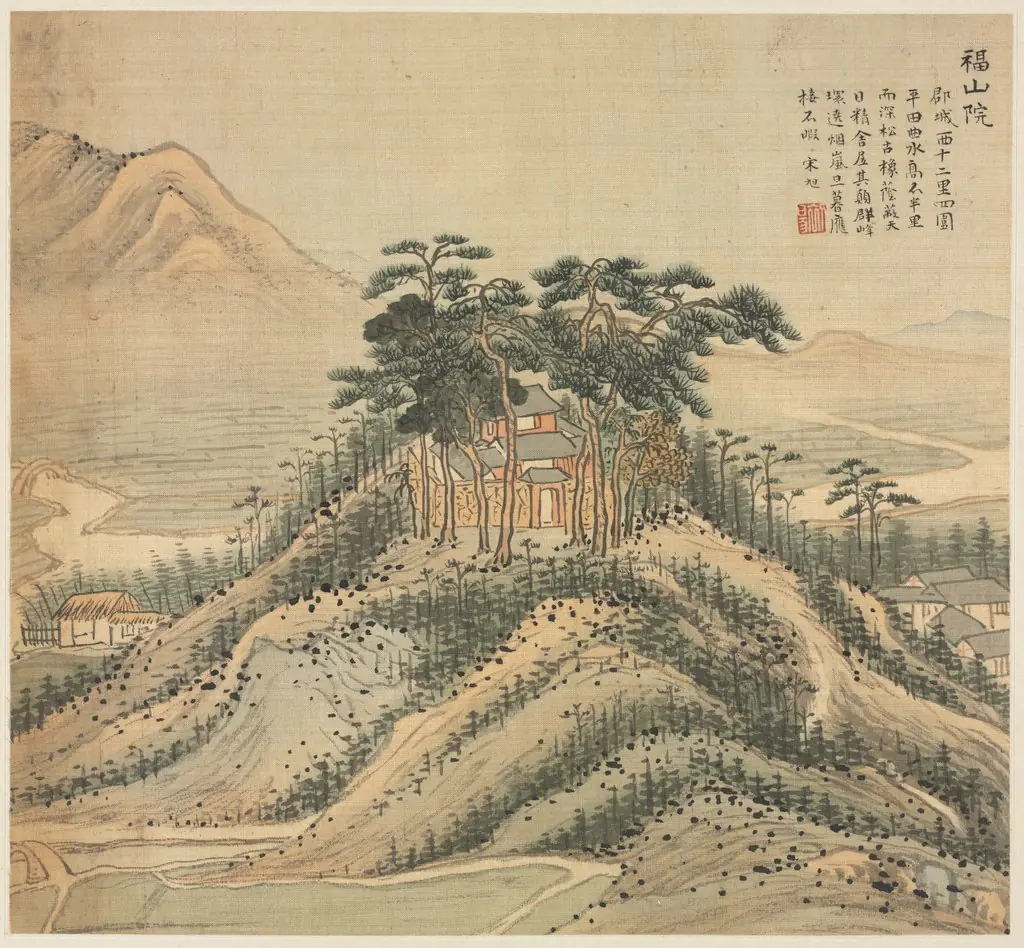 Fushan Monastery
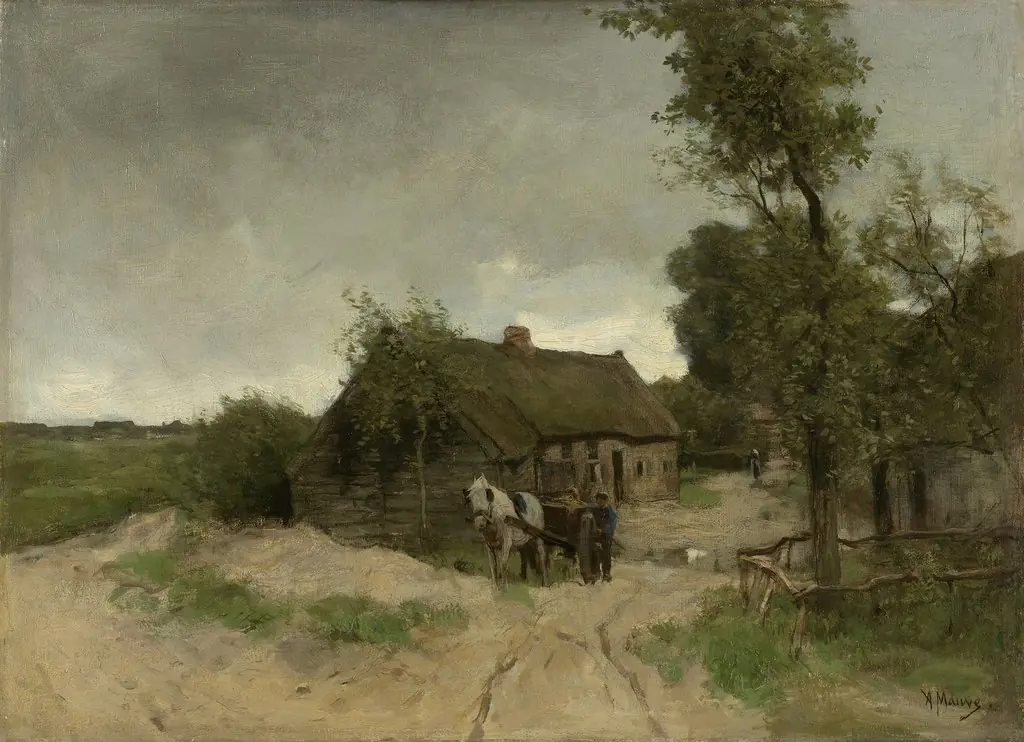 Cottage on the dirt road
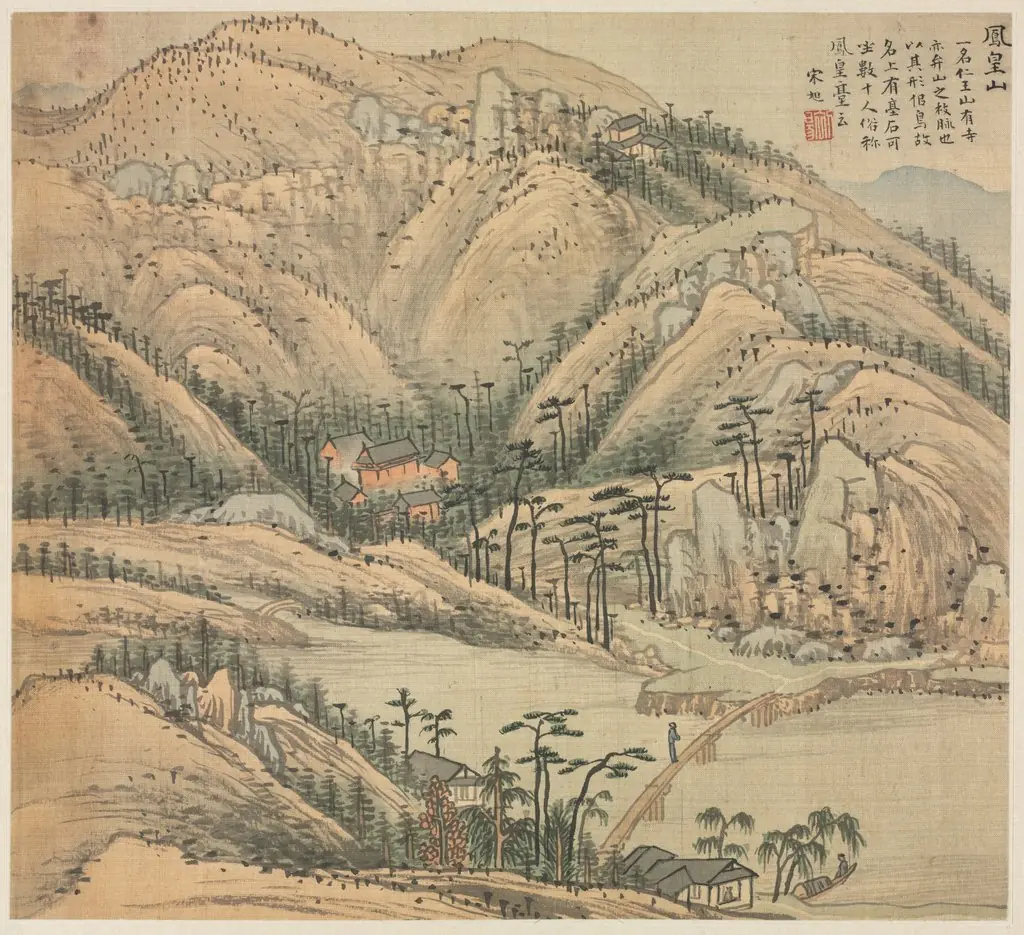 Mt. Fenghuang (Mt. Phoenix)
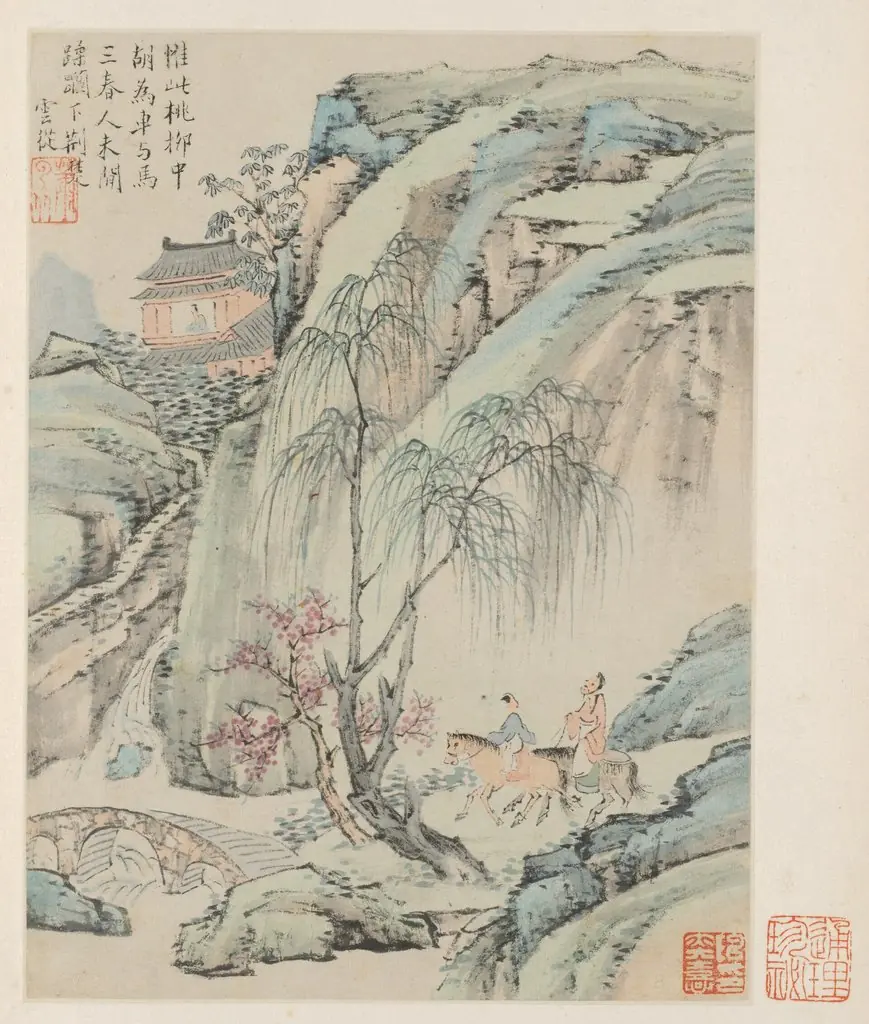 Album of Seasonal Landscapes, Leaf B (previous leaf 1)
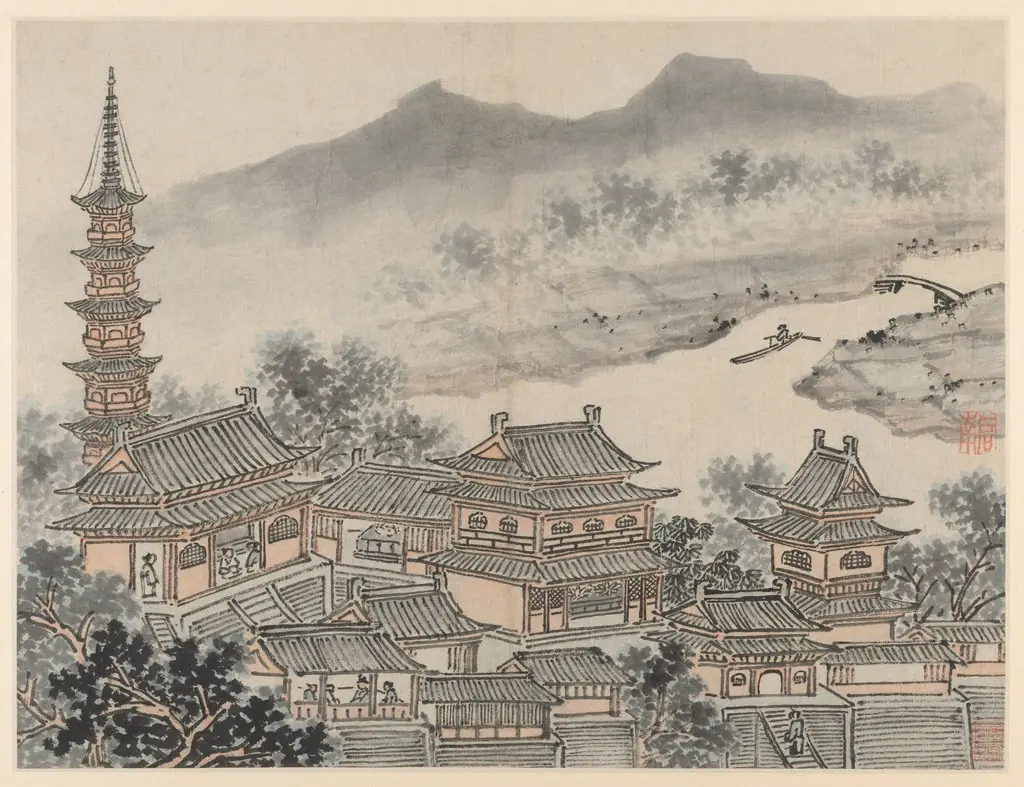 The Thousand Buddha Hall and the Pagoda of the "Cloudy Cliff" Monastery, from Twelve Views of Tiger Hill, Suzhou
 Arkville Landscape
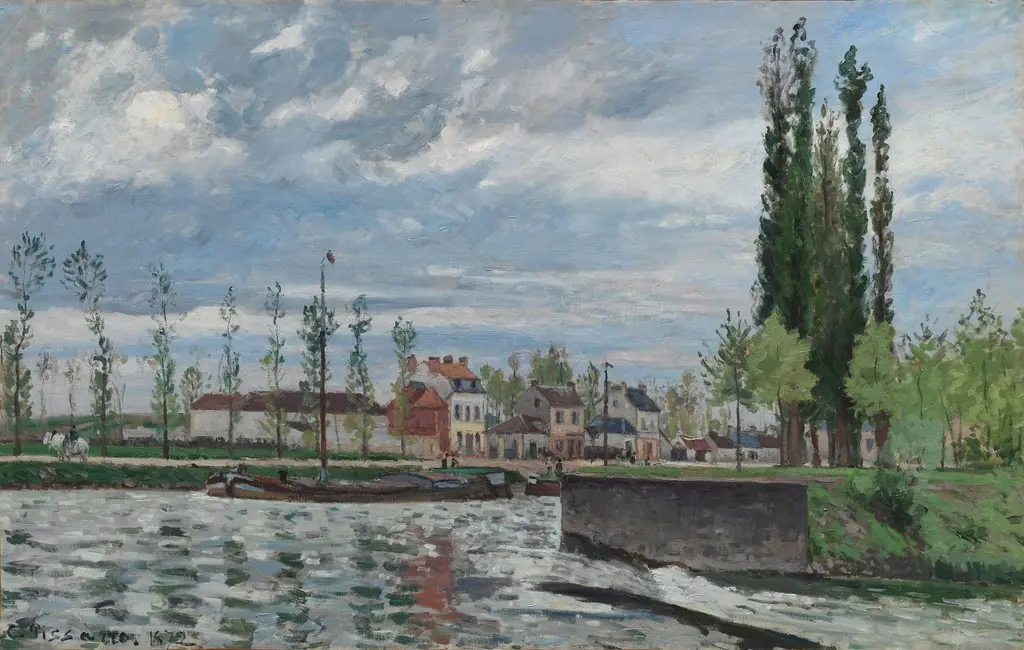 The Lock at Pontoise
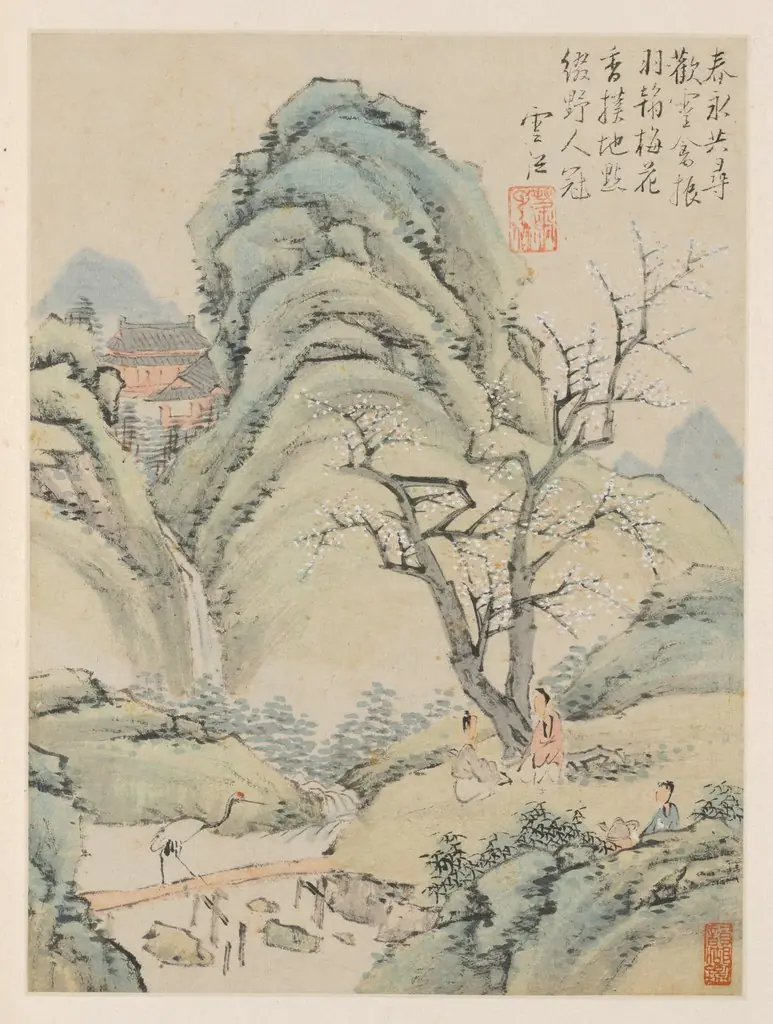 Album of Seasonal Landscapes, Leaf A (previous leaf 4)
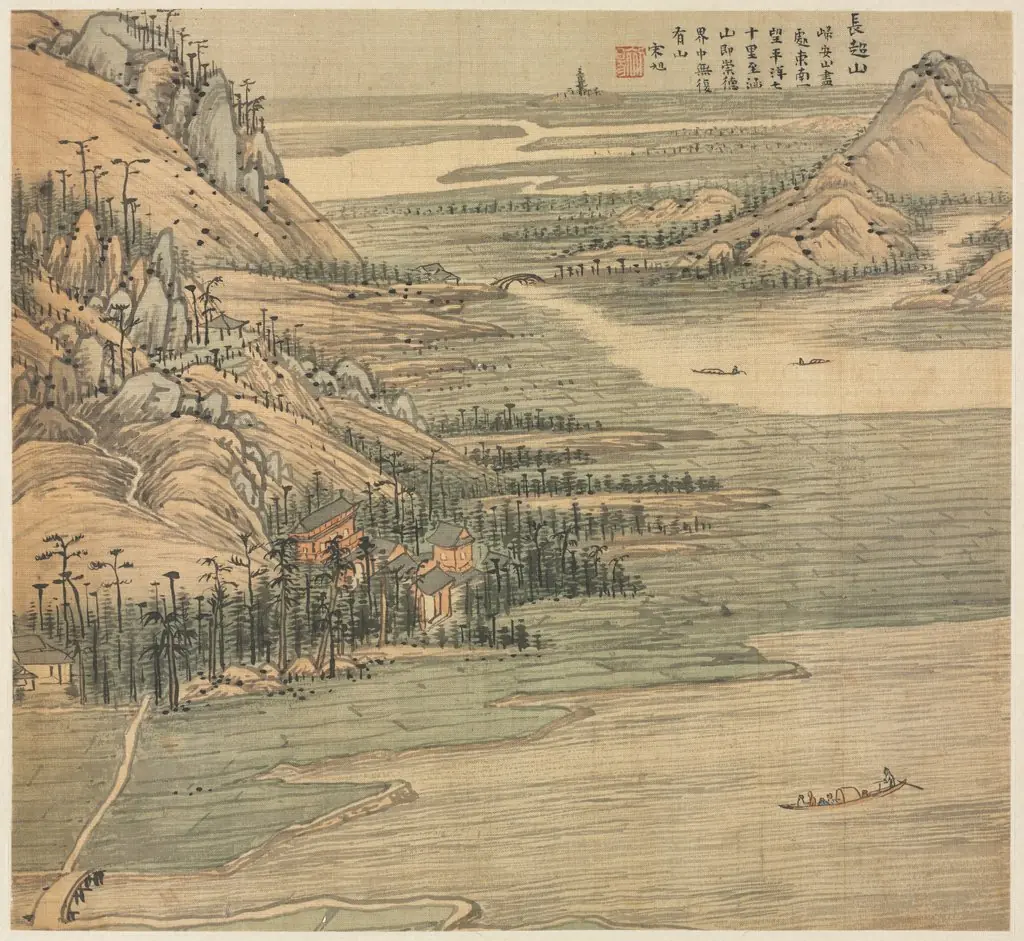 Mt. Changchao
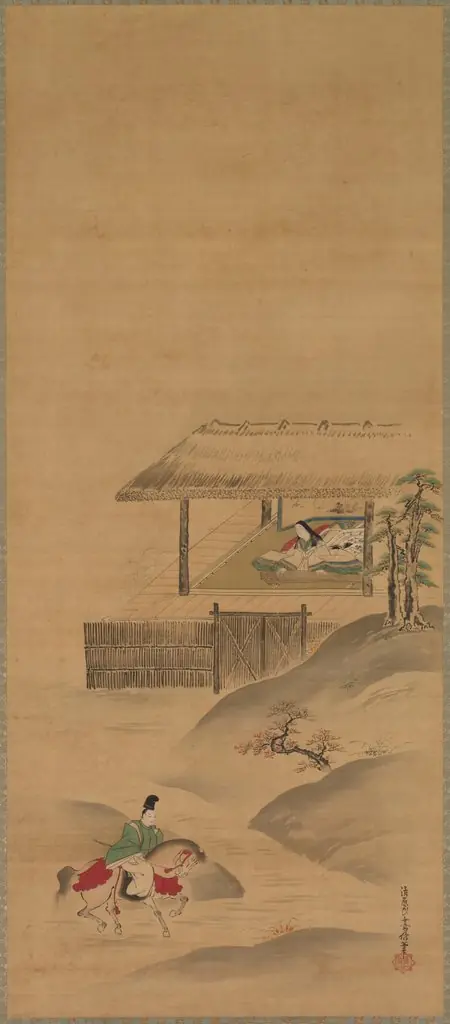 Minamoto no Nakakuni Visits Lady Kogō
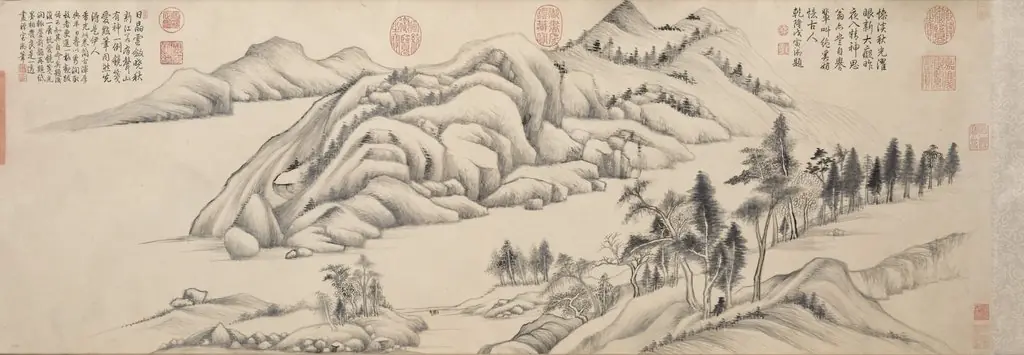 River and Mountains on a Clear Autumn Day
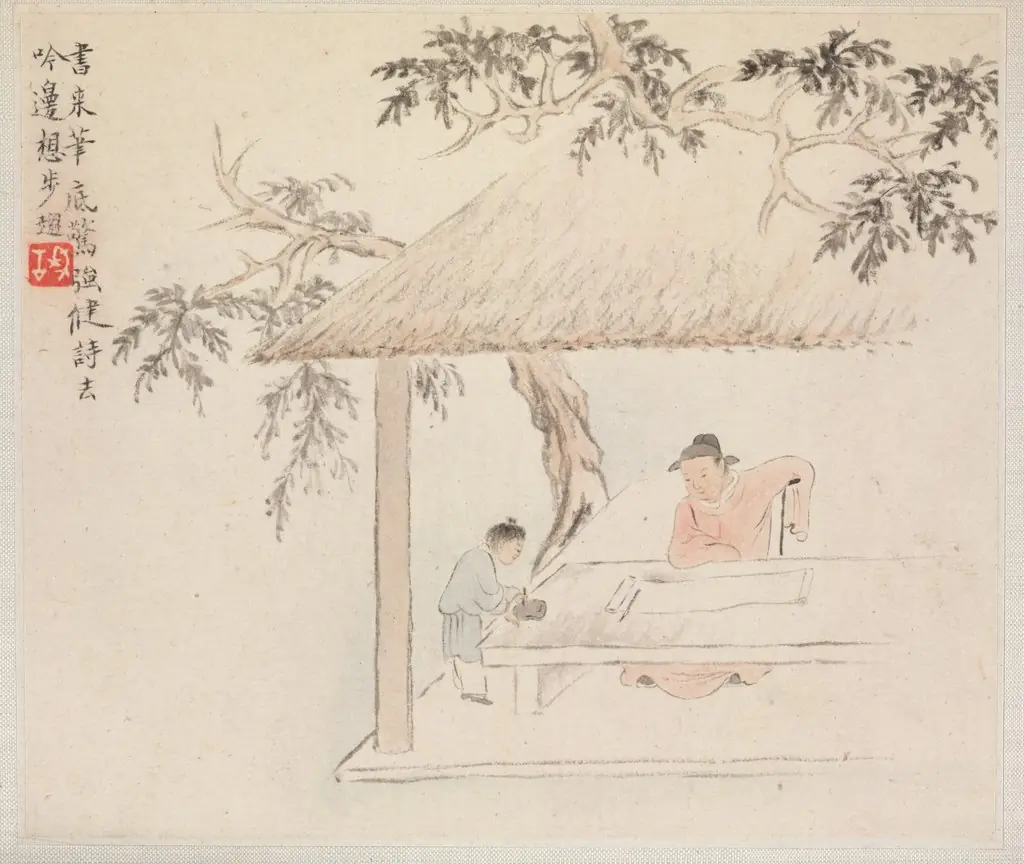 Album of Landscape Paintings Illustrating Old Poems: A Scholar at a Table with a Servant aside Preparing the Ink
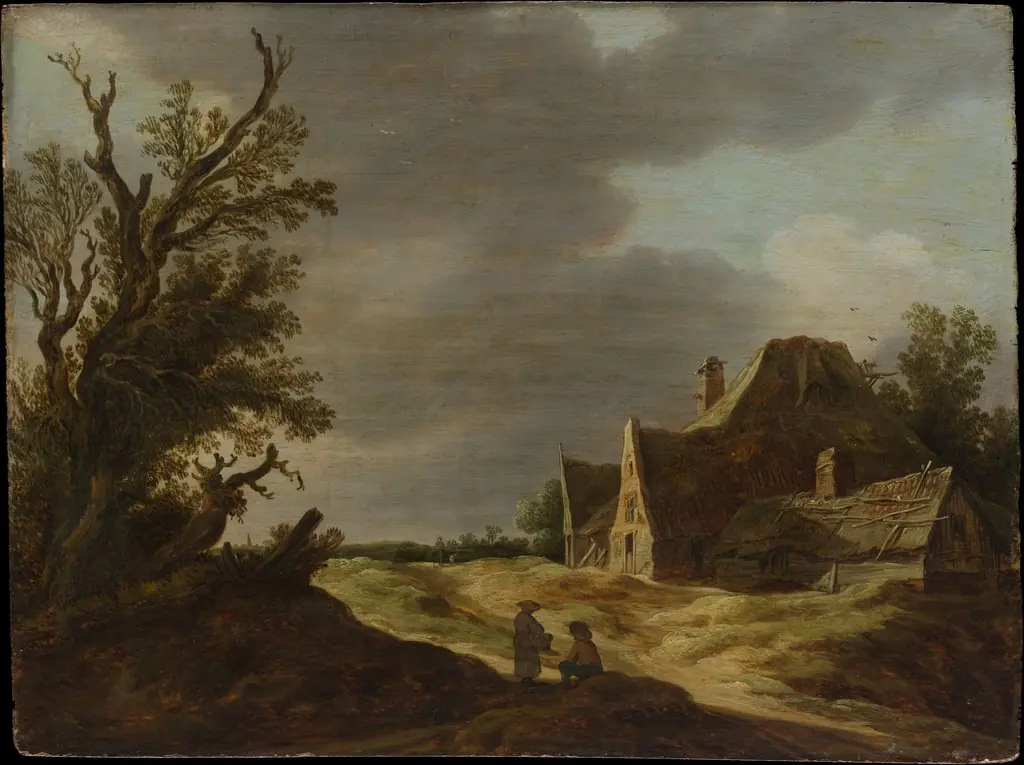 Sandy Road with a Farmhouse
 Landscape
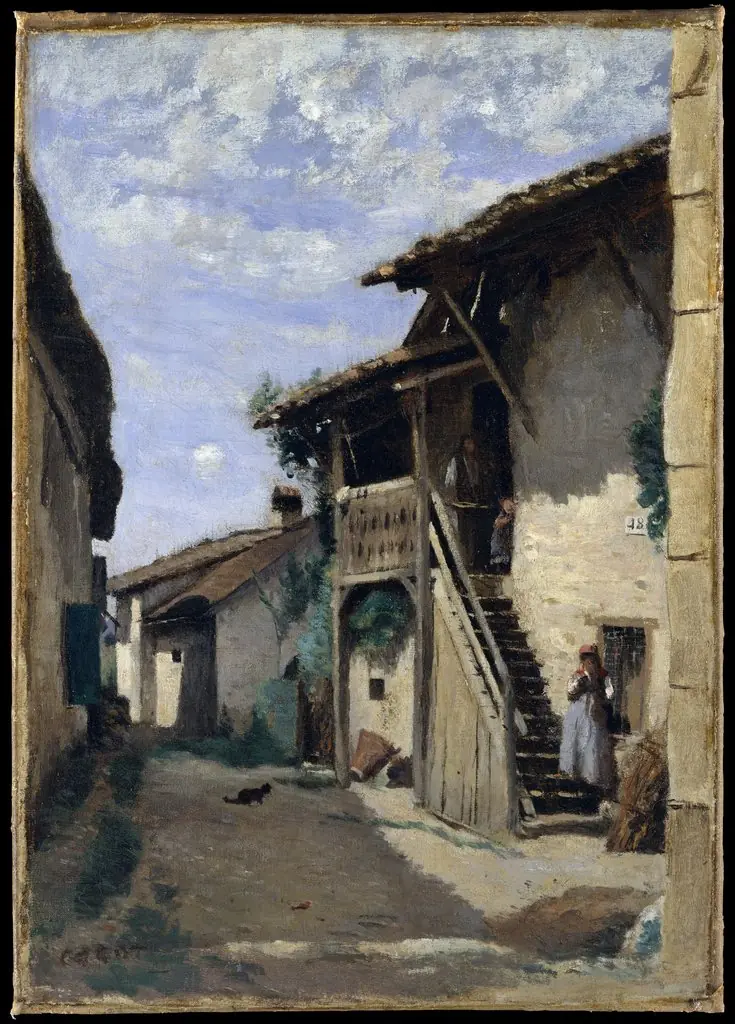 A Village Street: Dardagny
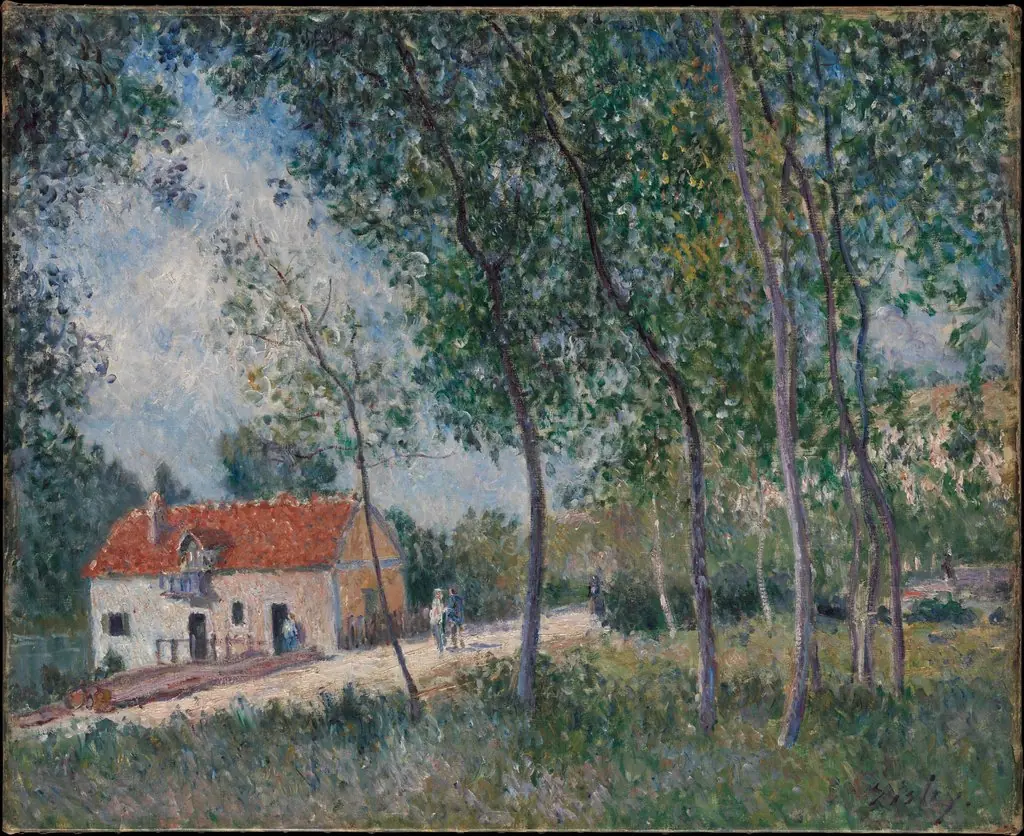 The Road from Moret to Saint-Mammès
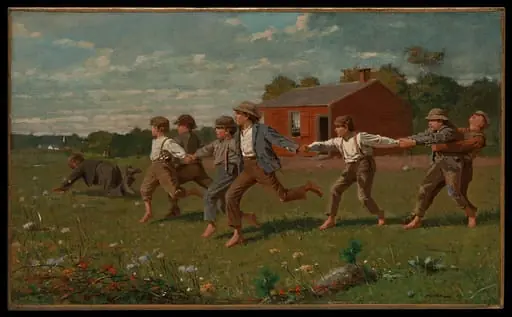 Snap the Whip
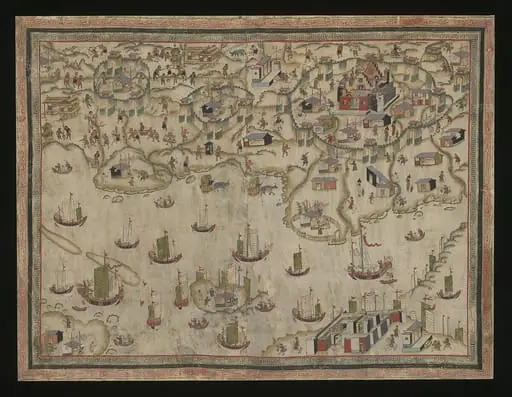 清 佚名 台南地區荷蘭城堡|Forts Zeelandia and Provintia and the City of Tainan
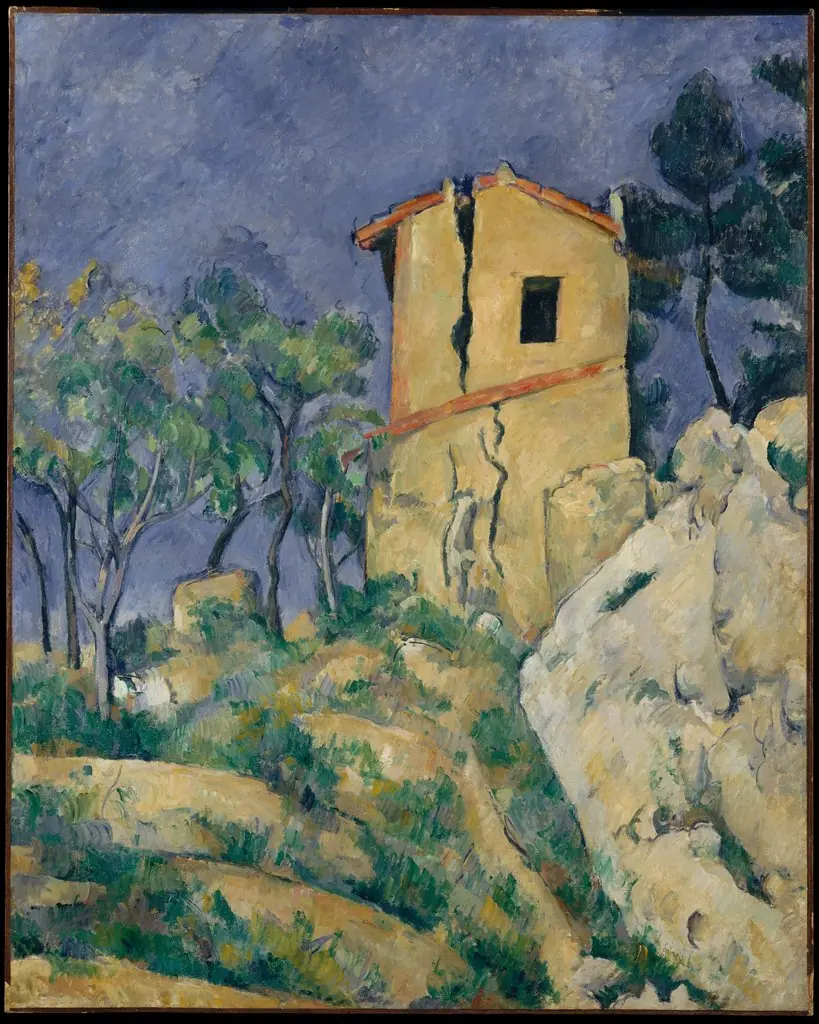 The House with the Cracked Walls
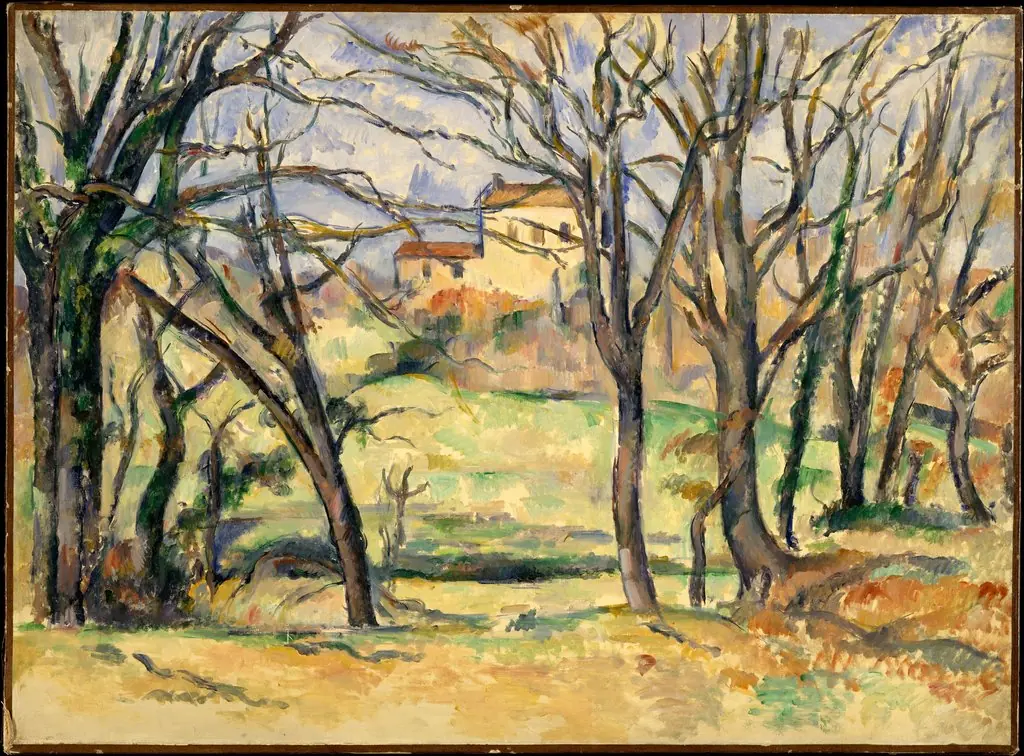 Trees and Houses Near the Jas de Bouffan
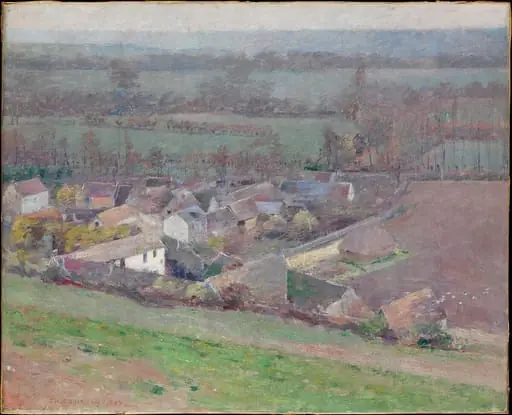 A Bird's-Eye View
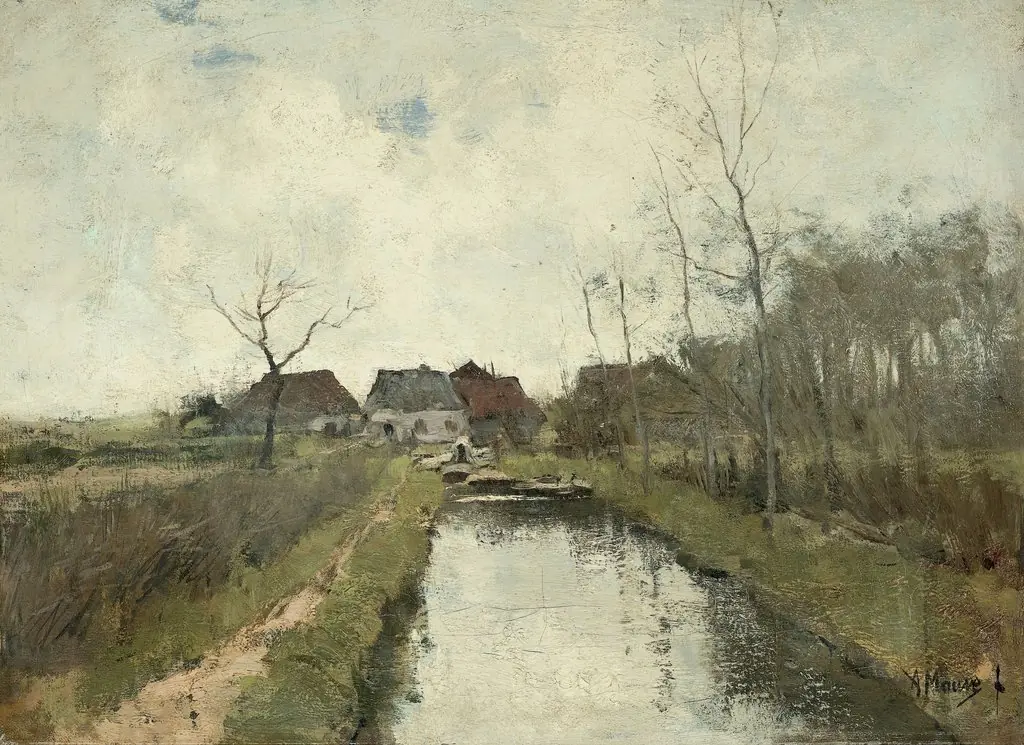 Cottages by a ditch
 Lake of Orta
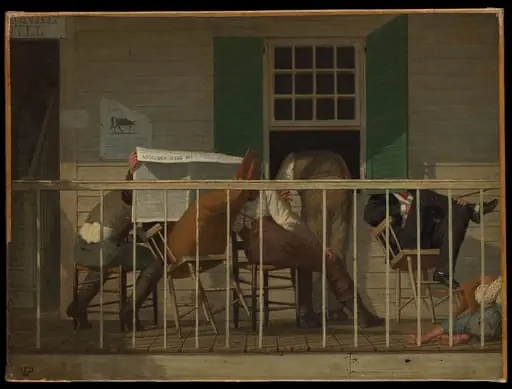 The True American
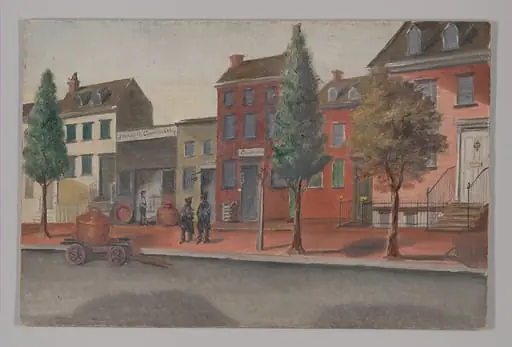 Chimney Sweeps
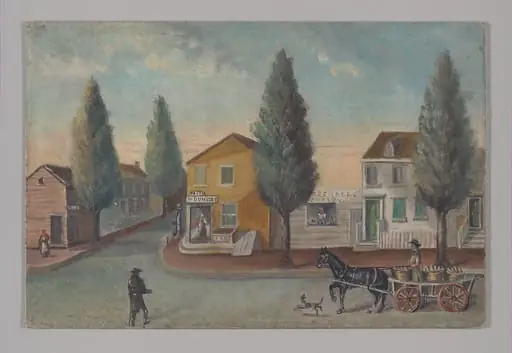 The Baker's Wagon
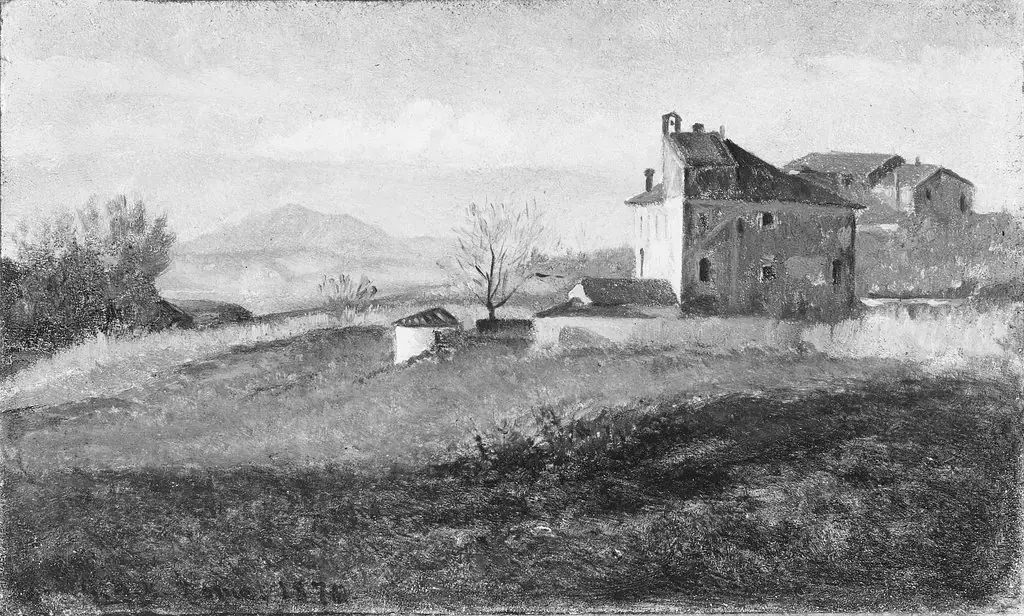 Convent near Rome
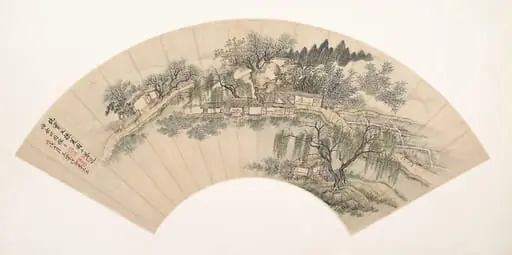 清 佚名 倣王翬 倣仇實父採菱圖 扇|Gathering Water Chestnuts
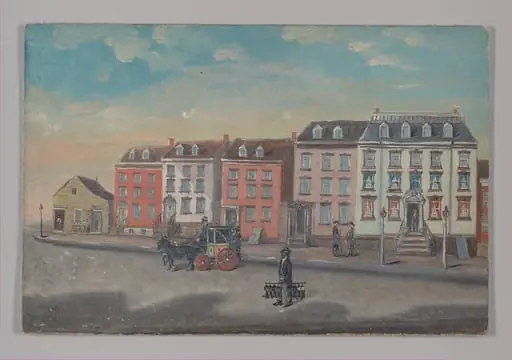 The Boot Black
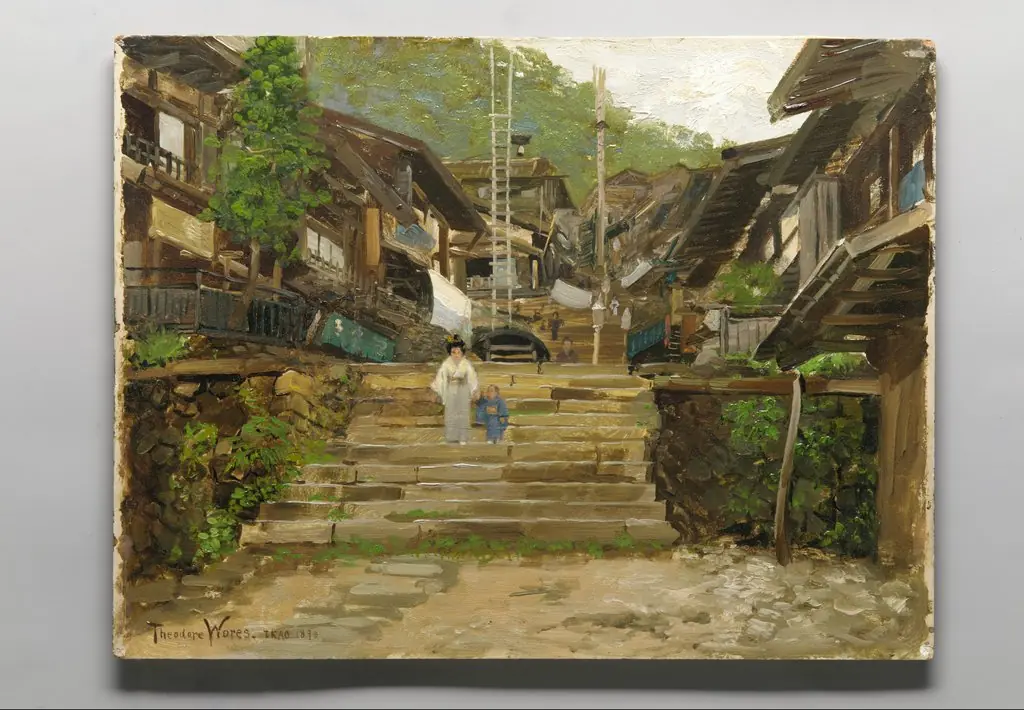 A Street in Ikao
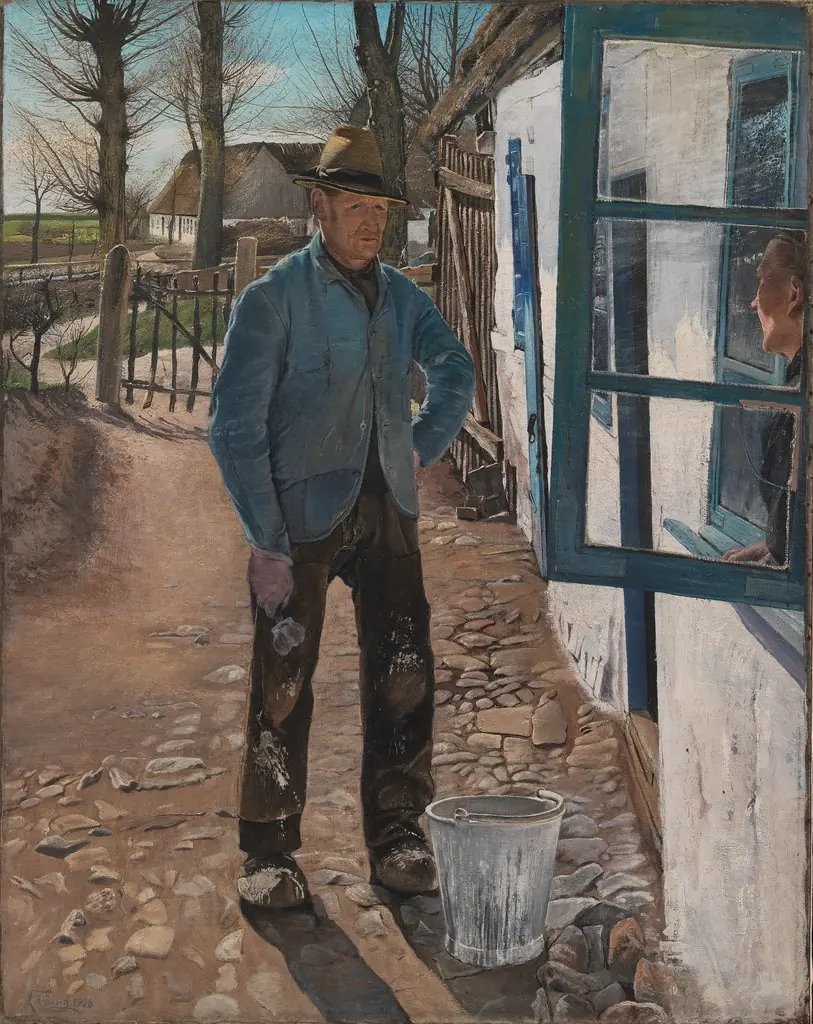 Whitewashing the Old House
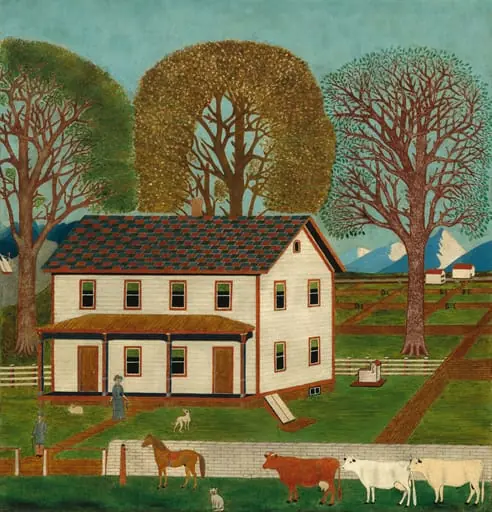 Farmhouse in Mahantango Valley
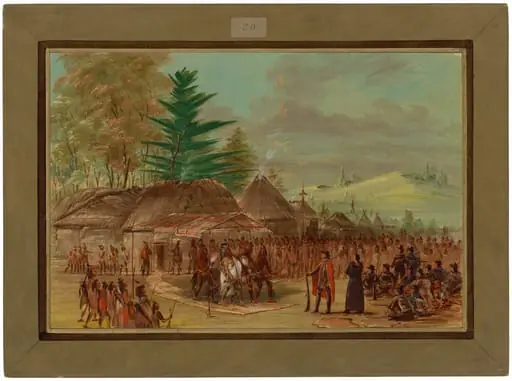 Chief of the Taensa Indians Receiving La Salle. March 20, 1682
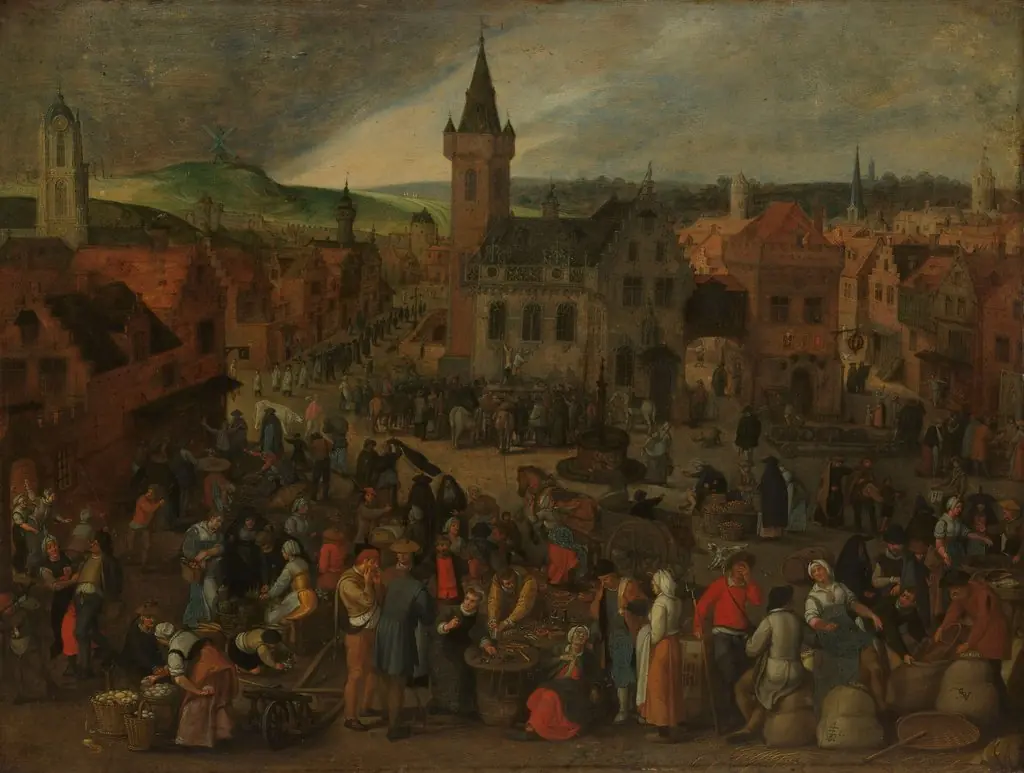 Market day in a Flemish town
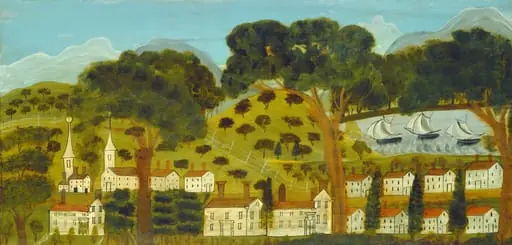 New England Village
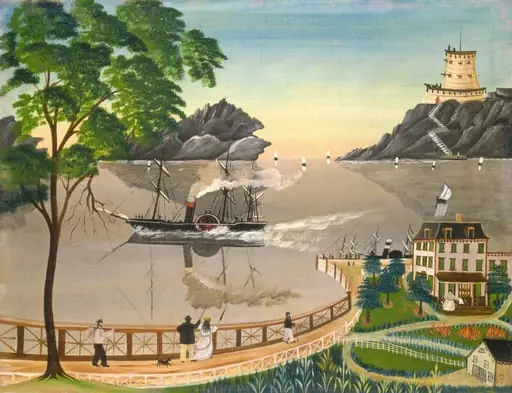 U.S. Mail Boat
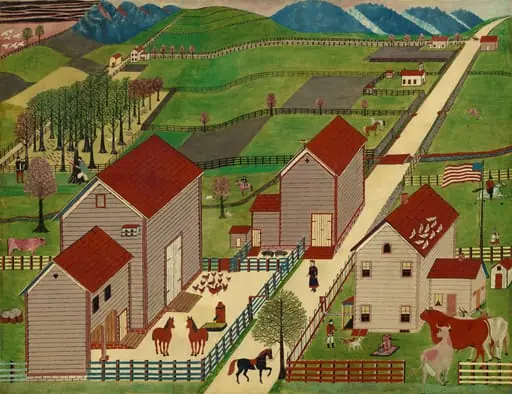 Mahantango Valley Farm
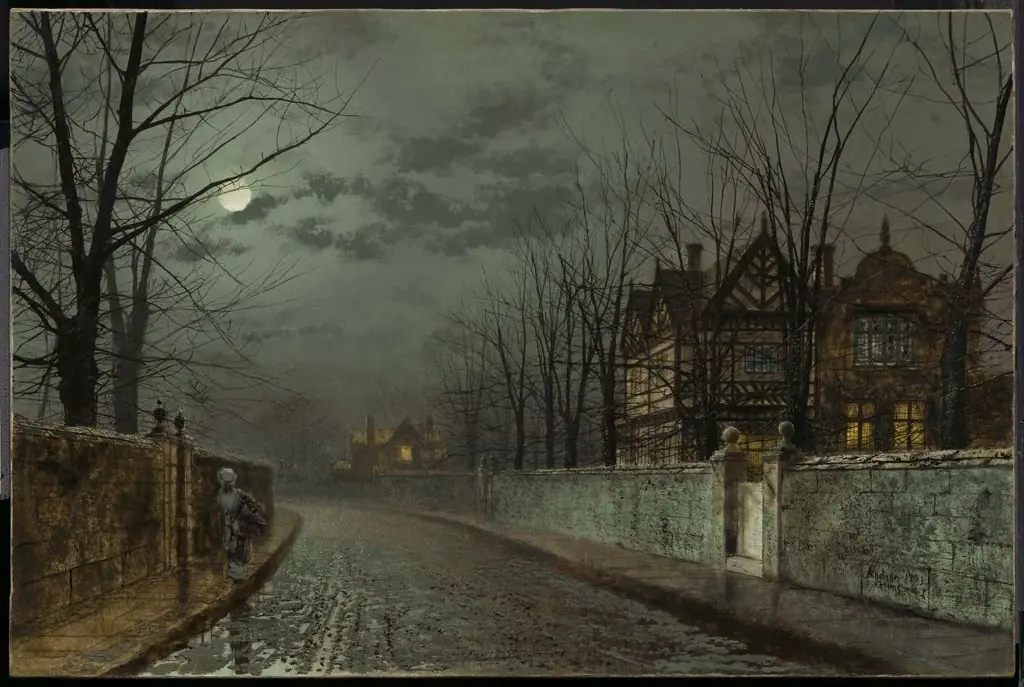 Old English House by Moonlight
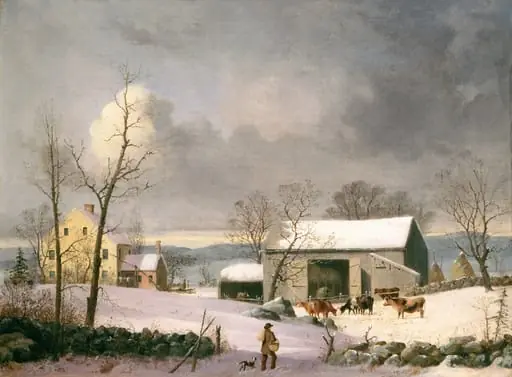 Winter in the Country
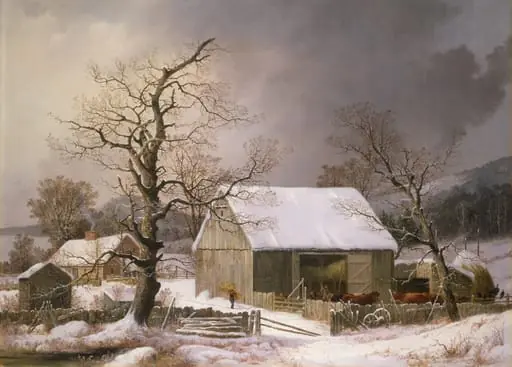 Winter in the Country
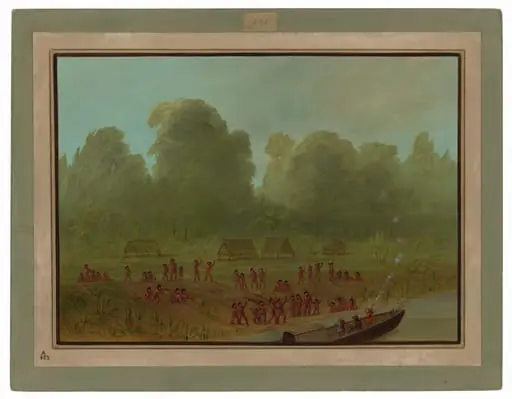 A Mayoruna Village
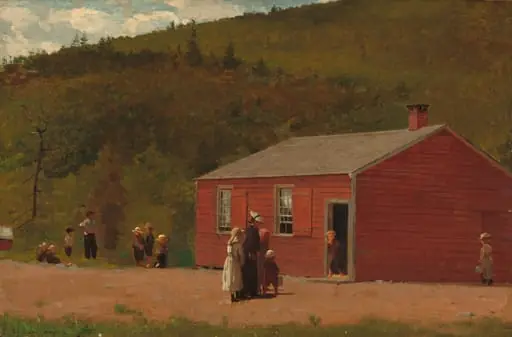 School Time
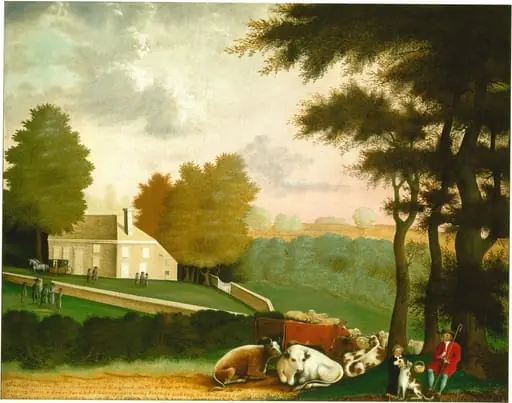 The Grave of William Penn
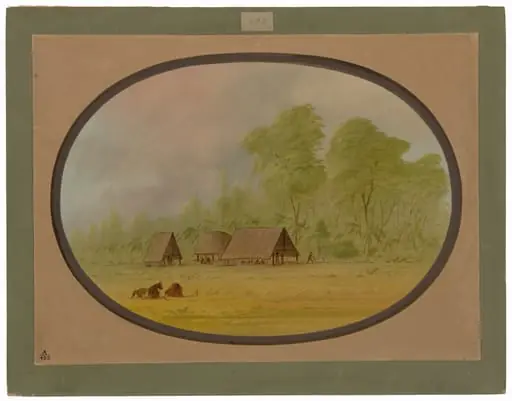 Pacapacurus Village
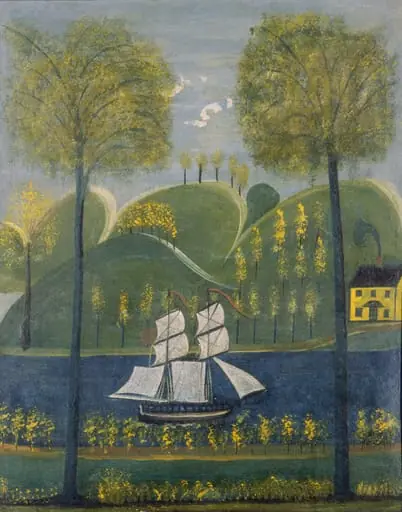 Under Full Sail
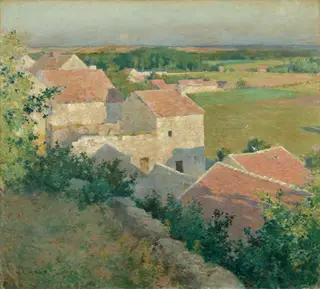 Midsummer Twilight
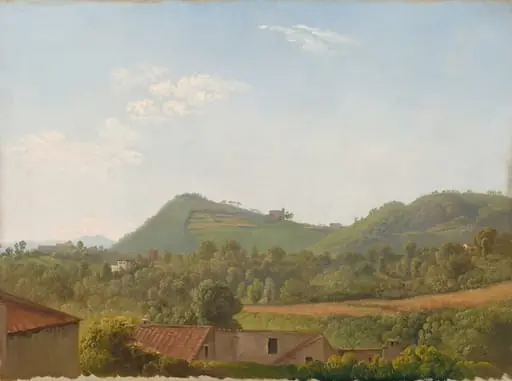 View near Naples
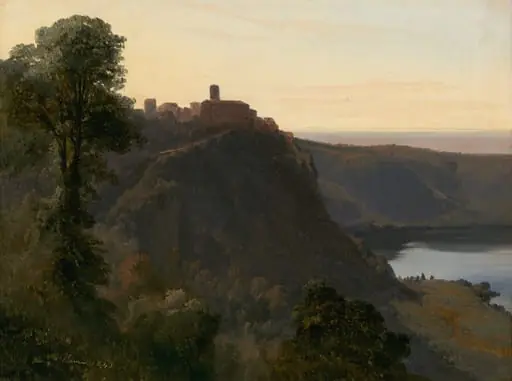 View of Lake Nemi
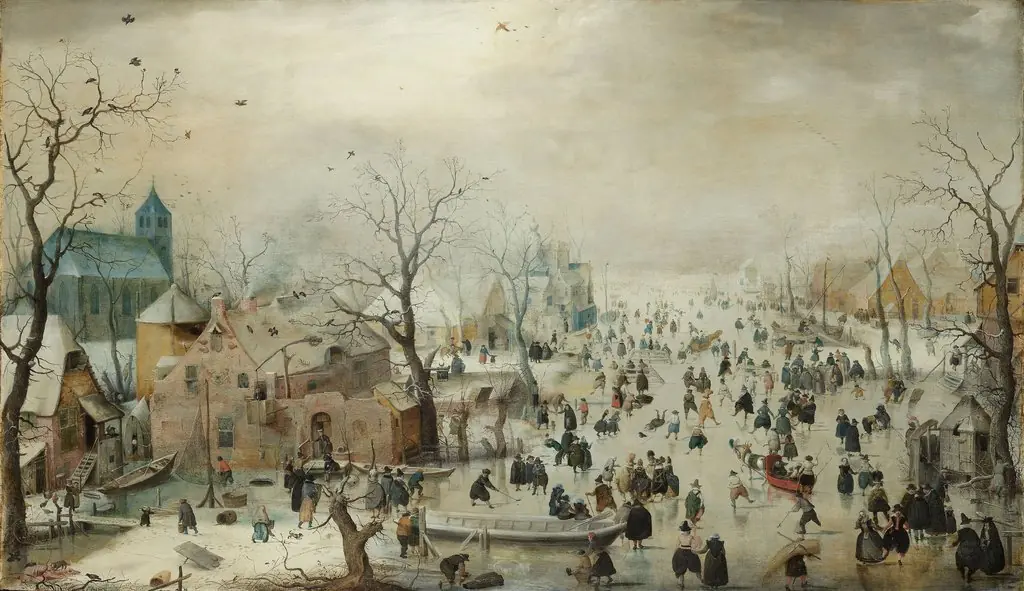 Winter landscape with skaters
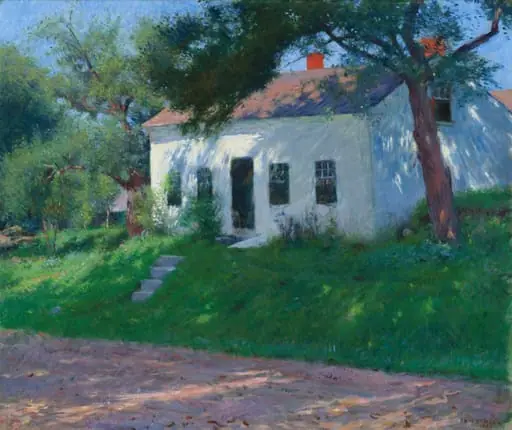 Roadside Cottage
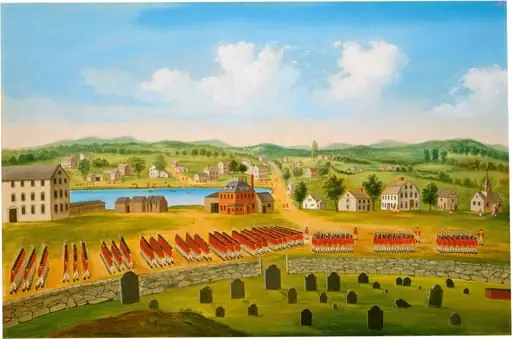 View of Concord
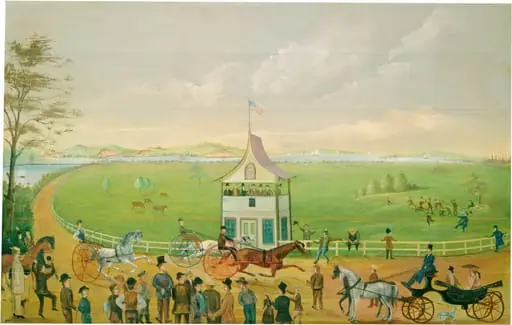 The Finish
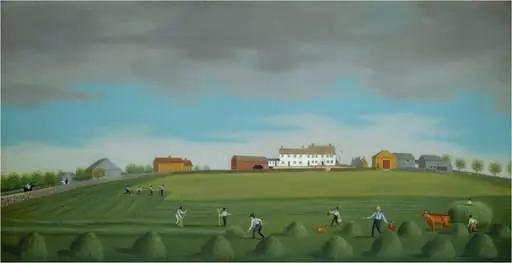 Ralph Wheelock's Farm
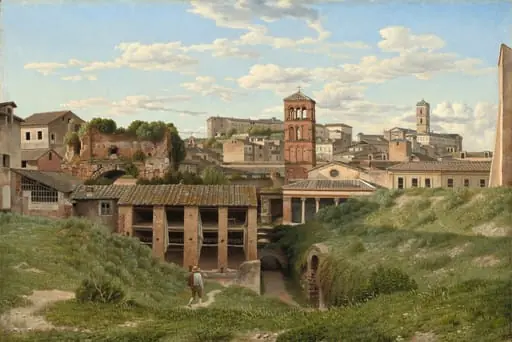 View of the Cloaca Maxima, Rome
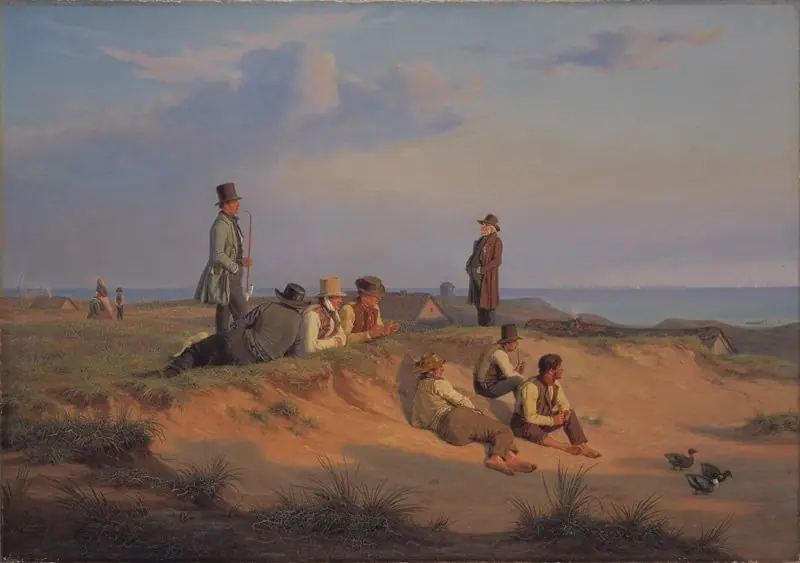 Men of Skagen on a Summer Evening in Fair Weather
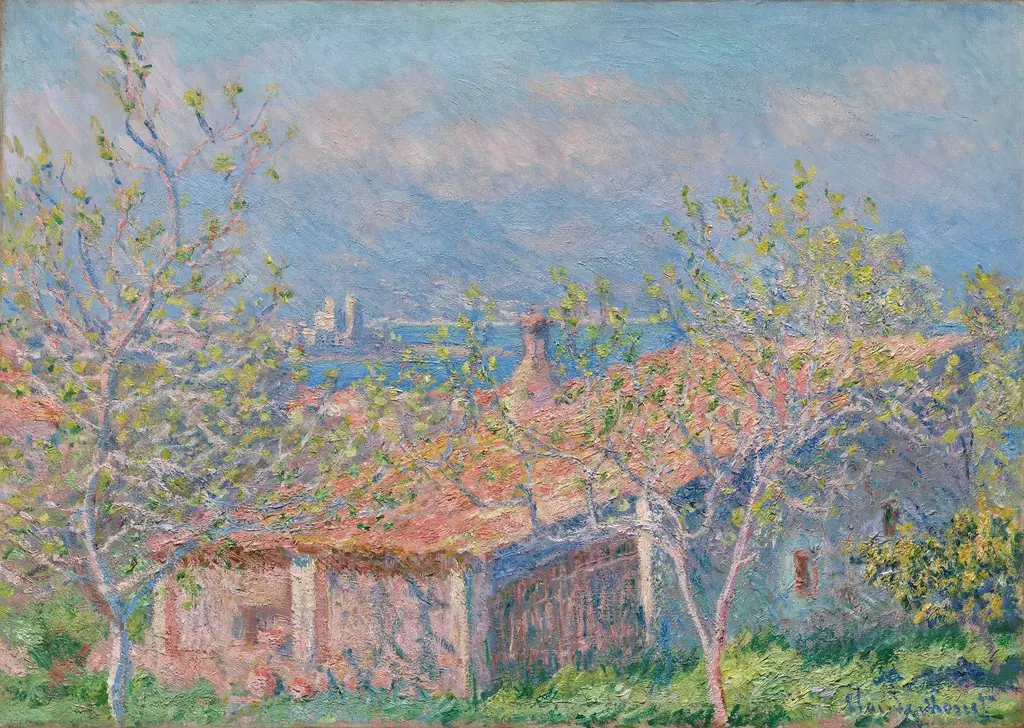 Gardener's House at Antibes
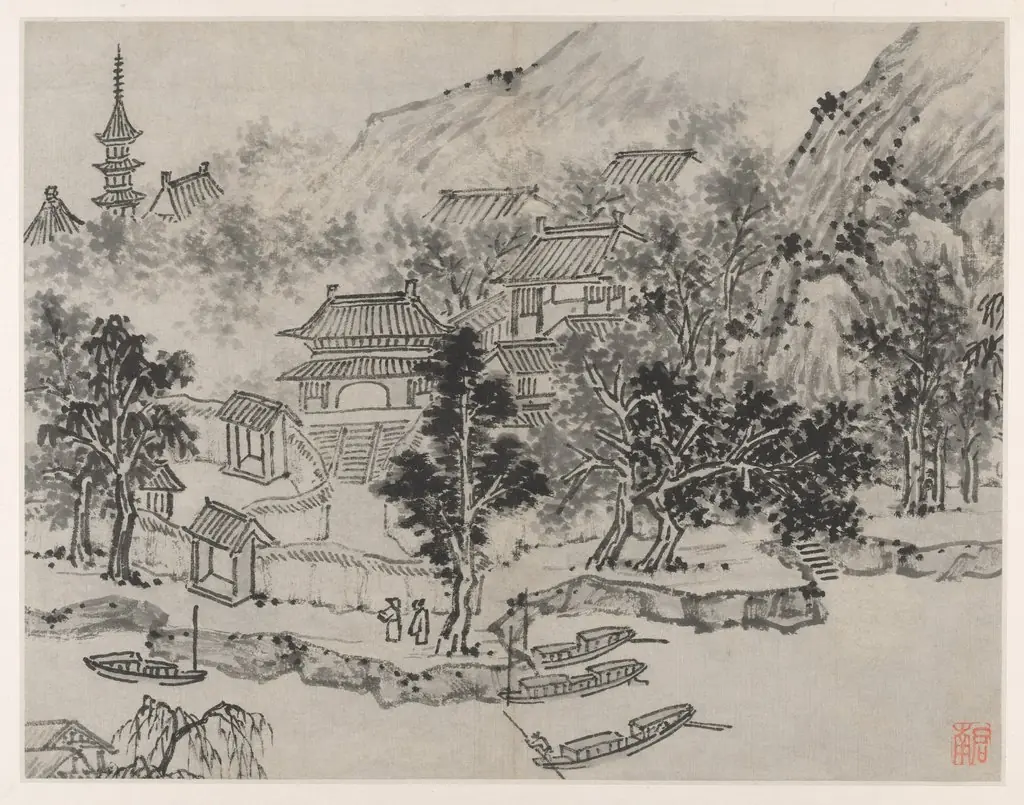 Distant View of Tiger Hill from the Canal Mooring, from Twelve Views of Tiger Hill, Suzhou
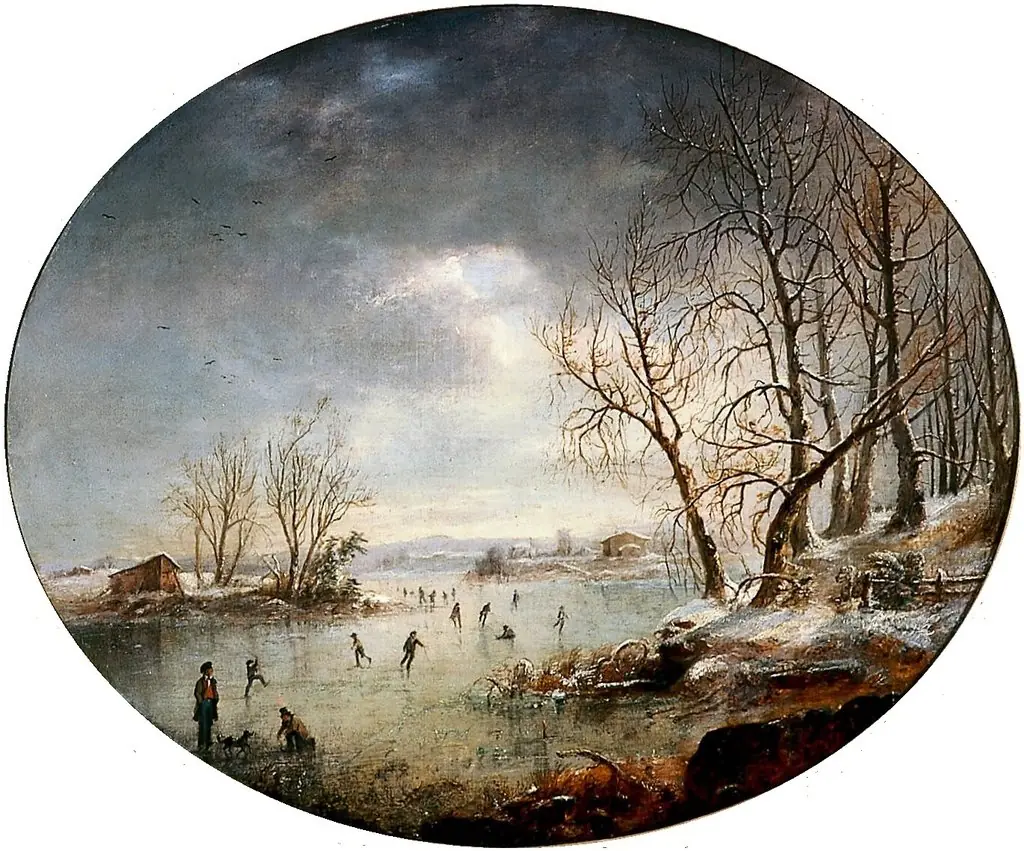 Winter Scene in New Jersey
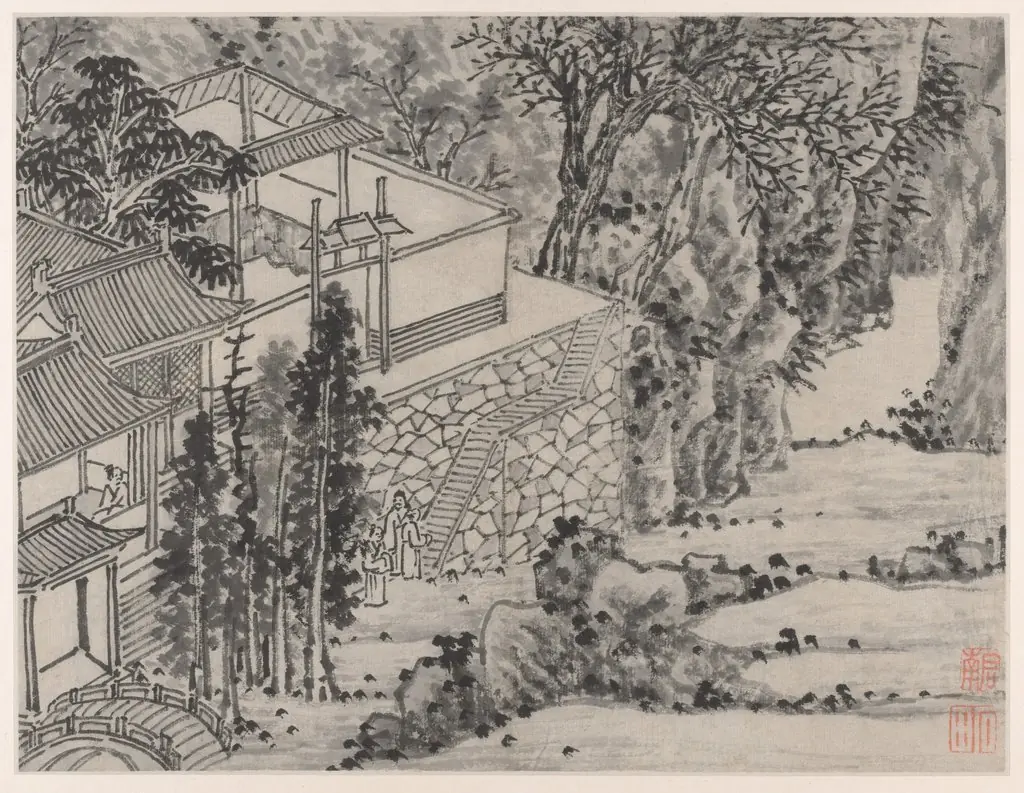 The Enlightened Stone Retreat, from Twelve Views of Tiger Hill, Suzhou
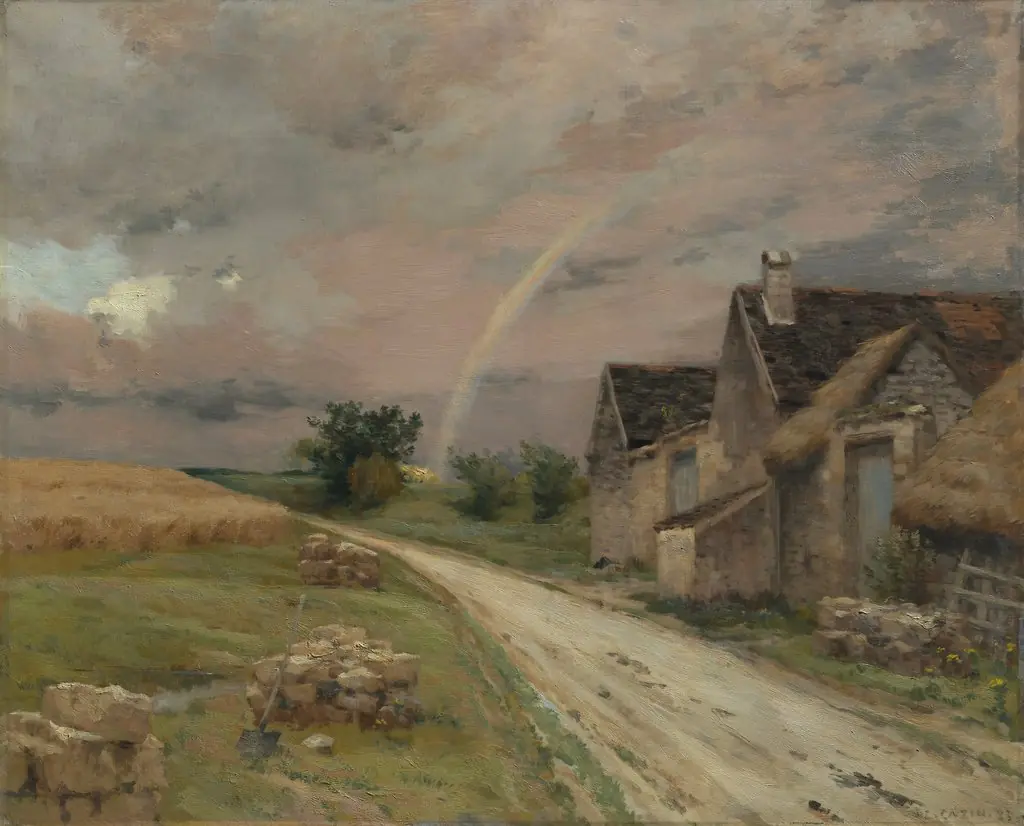 The Rainbow, Achères la Forêt
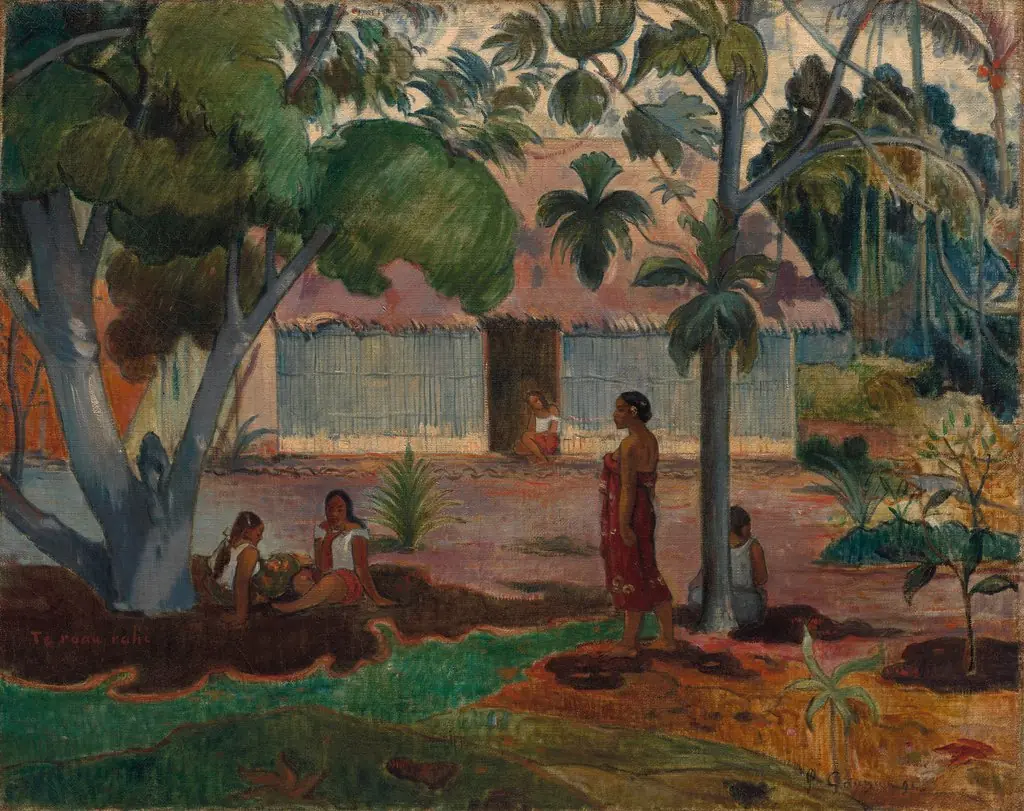 The Large Tree
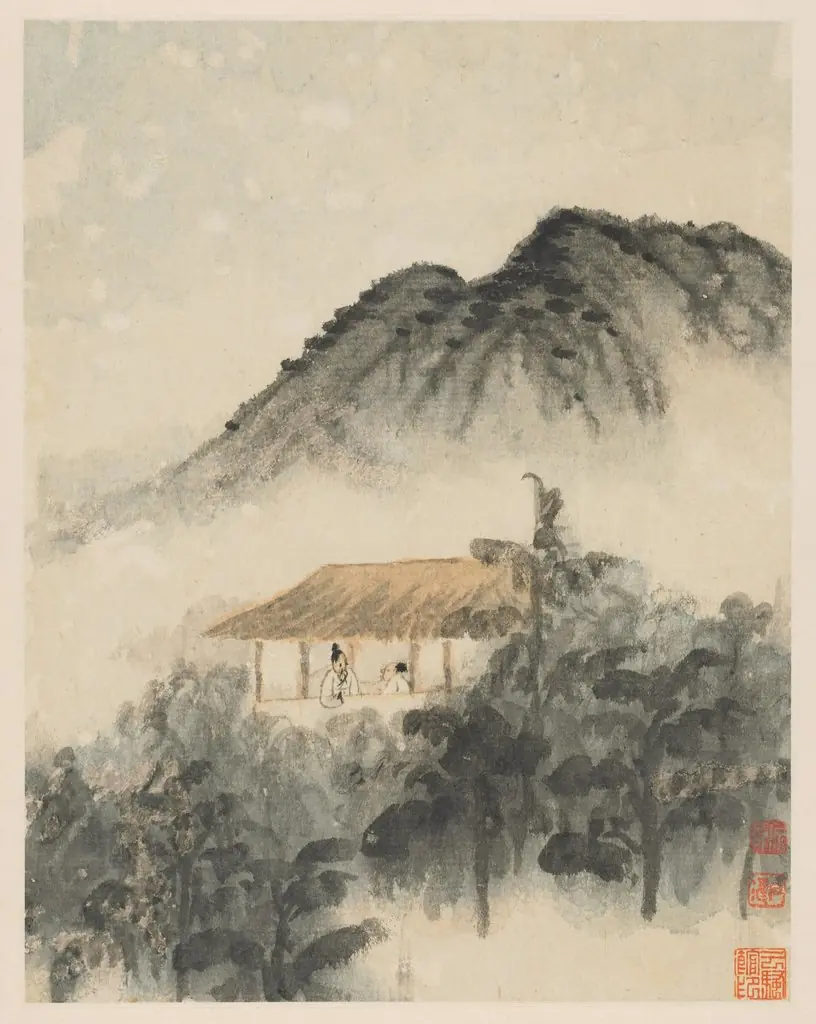 Reminiscences of Qinhuai River
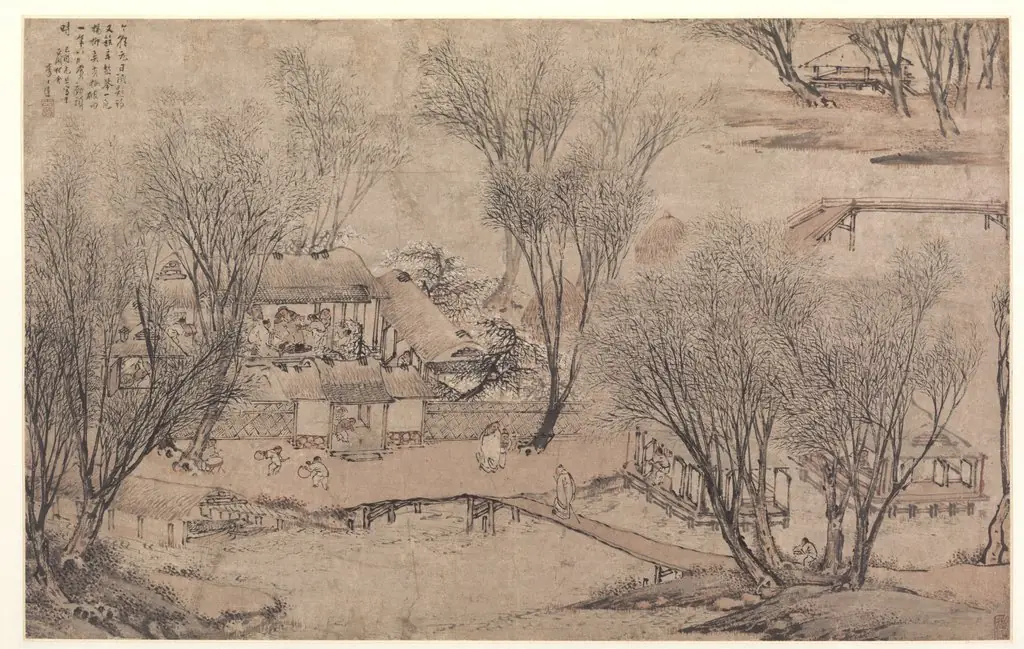 New Year's Day in a Village at Stone Lake
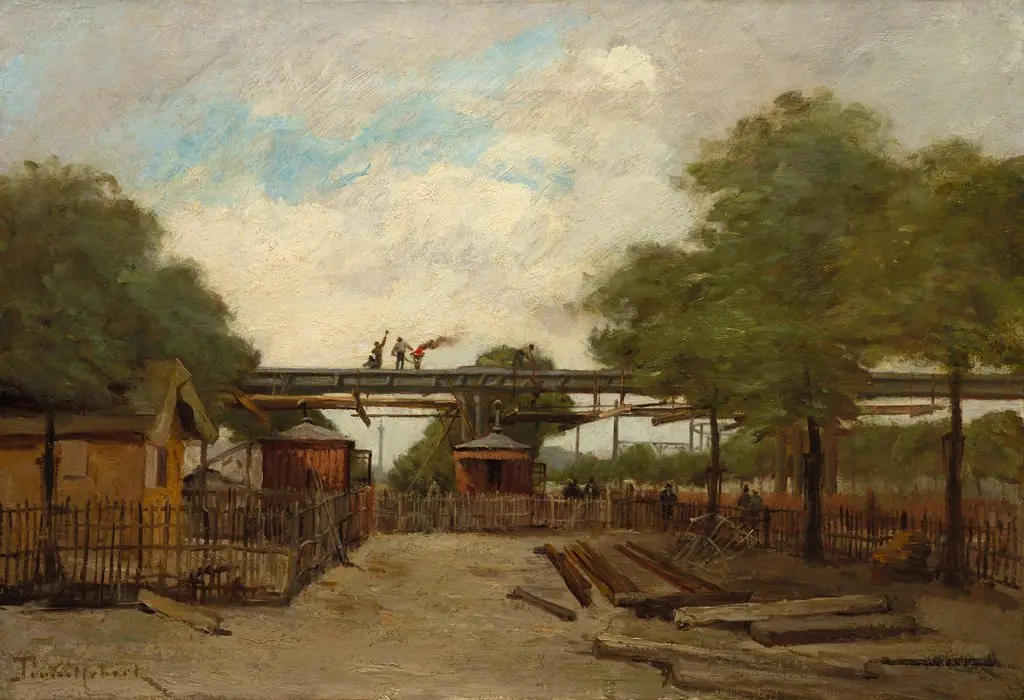 Construction of an Elevated Railway: Bridge over the Cours de Vincennes
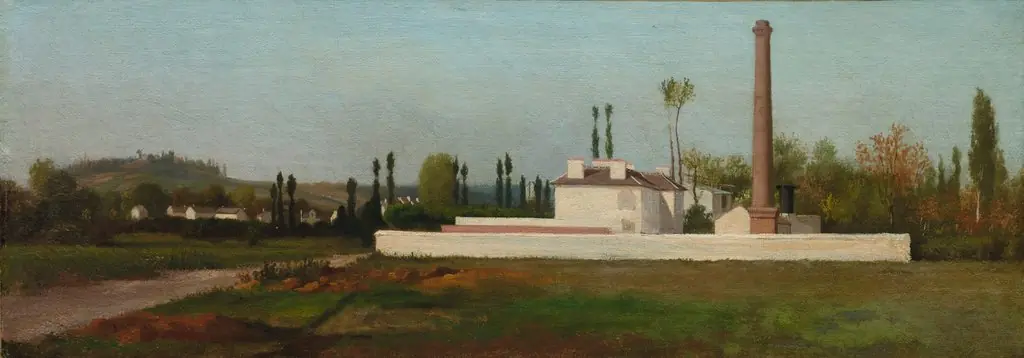 Industrial Plant
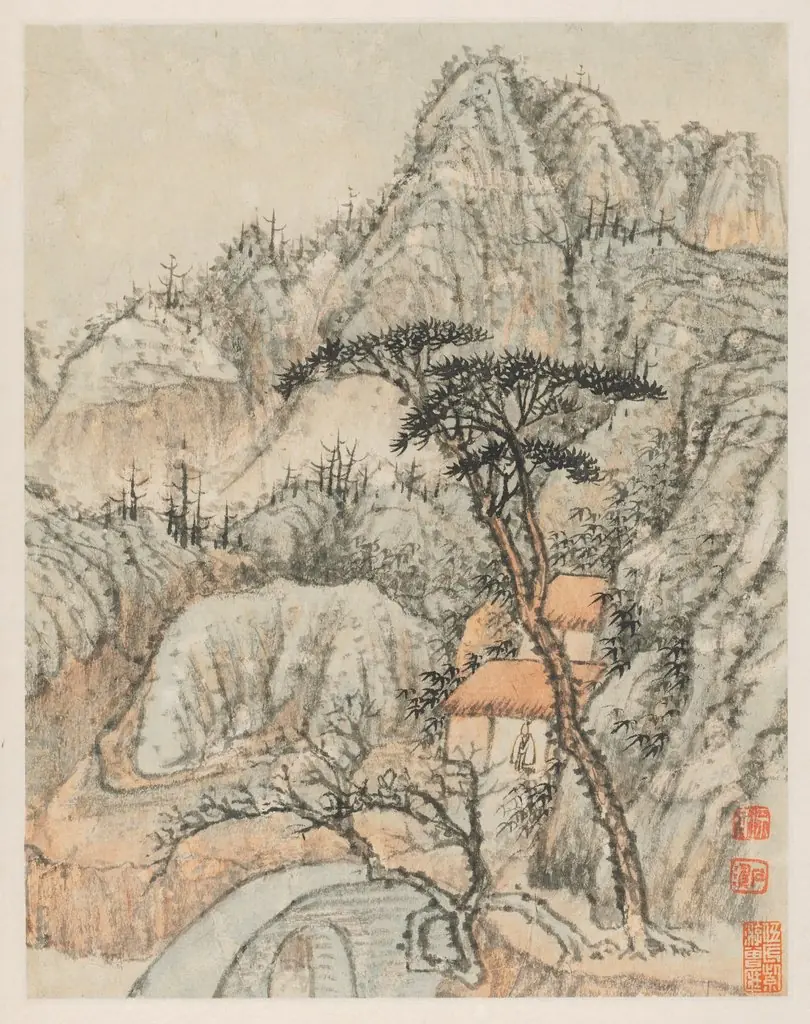 Reminiscences of Qinhuai River
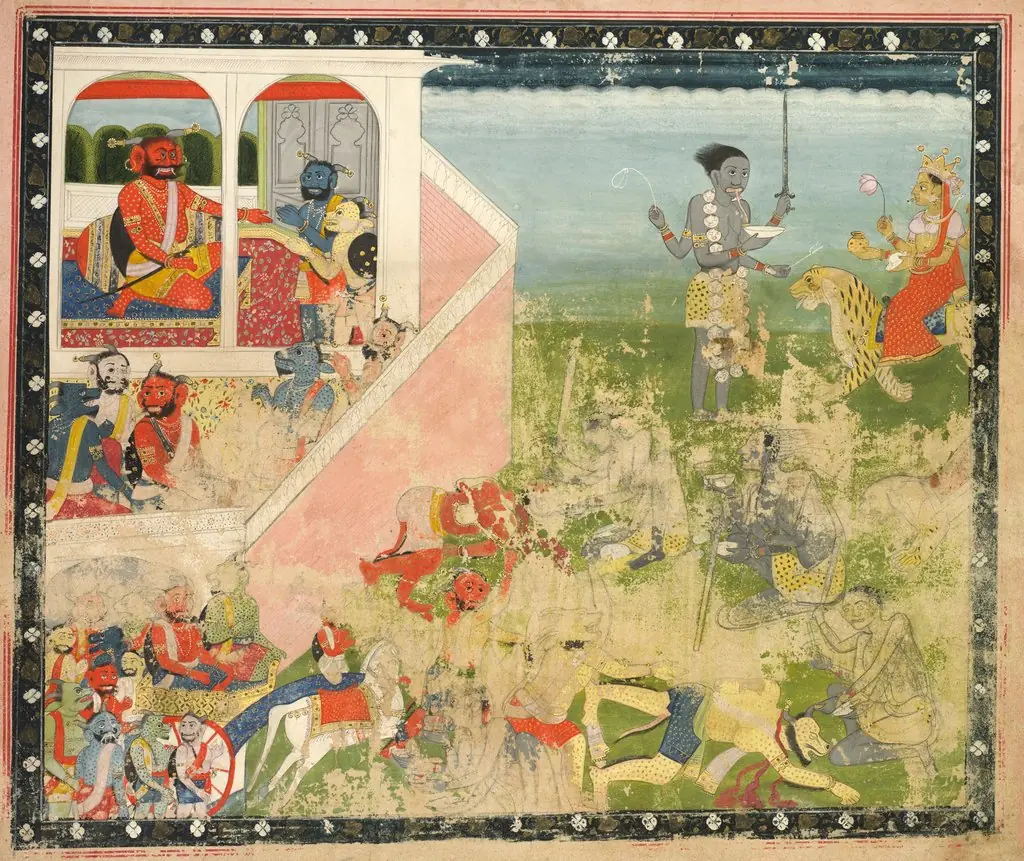 Kali and Devi Attack: Leaf from a Devi Mahatmya
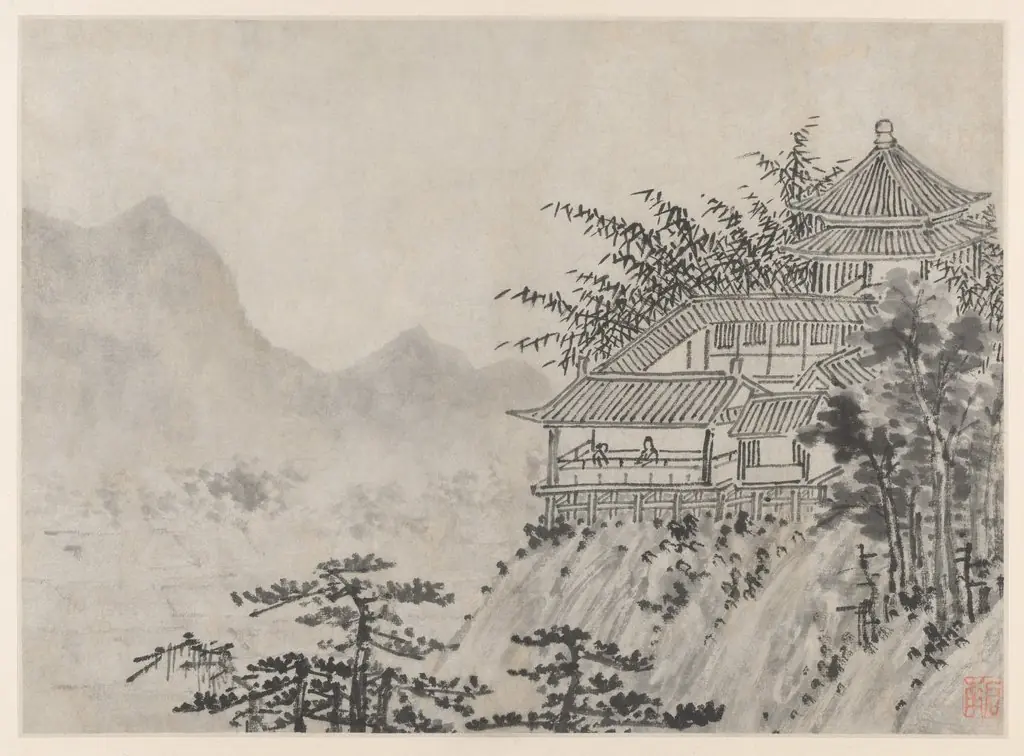 The Thousand Acres of Clouds, from Twelve Views of Tiger Hill, Suzhou
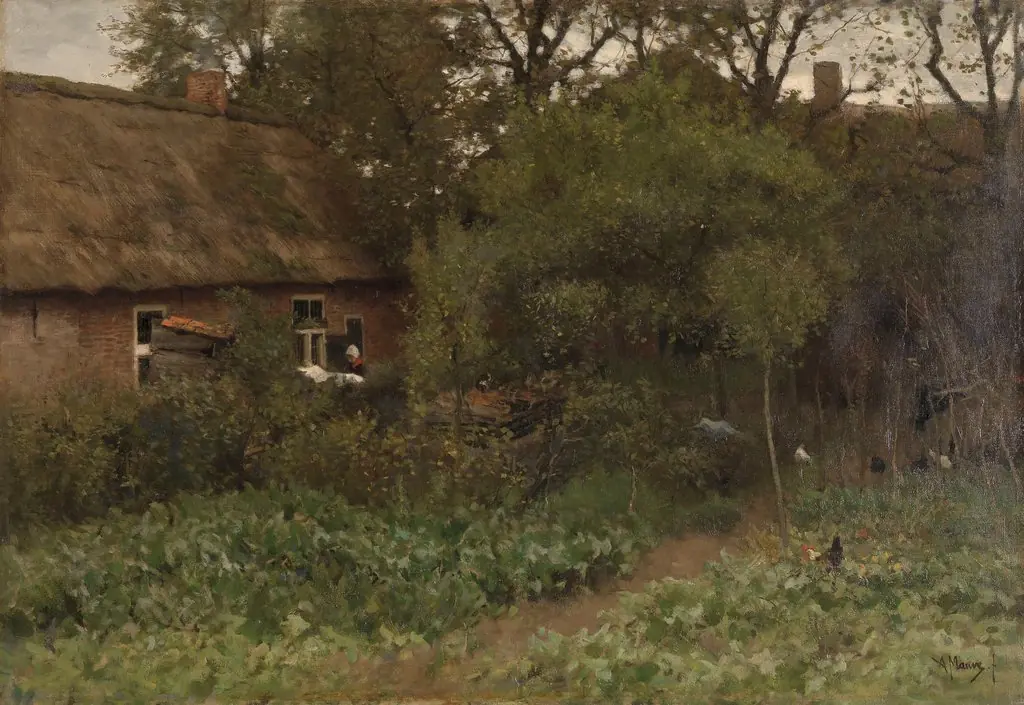 The Vegetable Garden
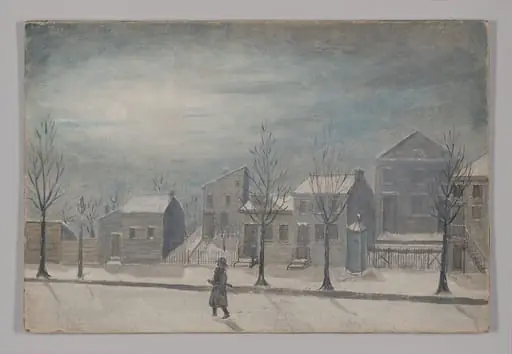 City Watchman
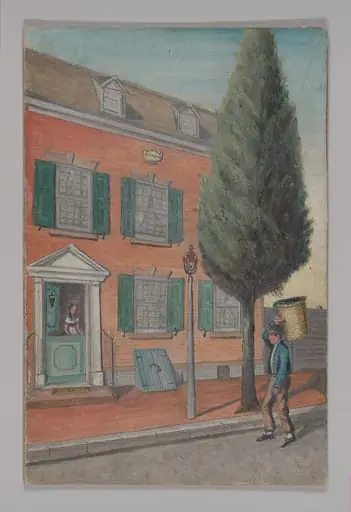 Tea Rusk and Brick House
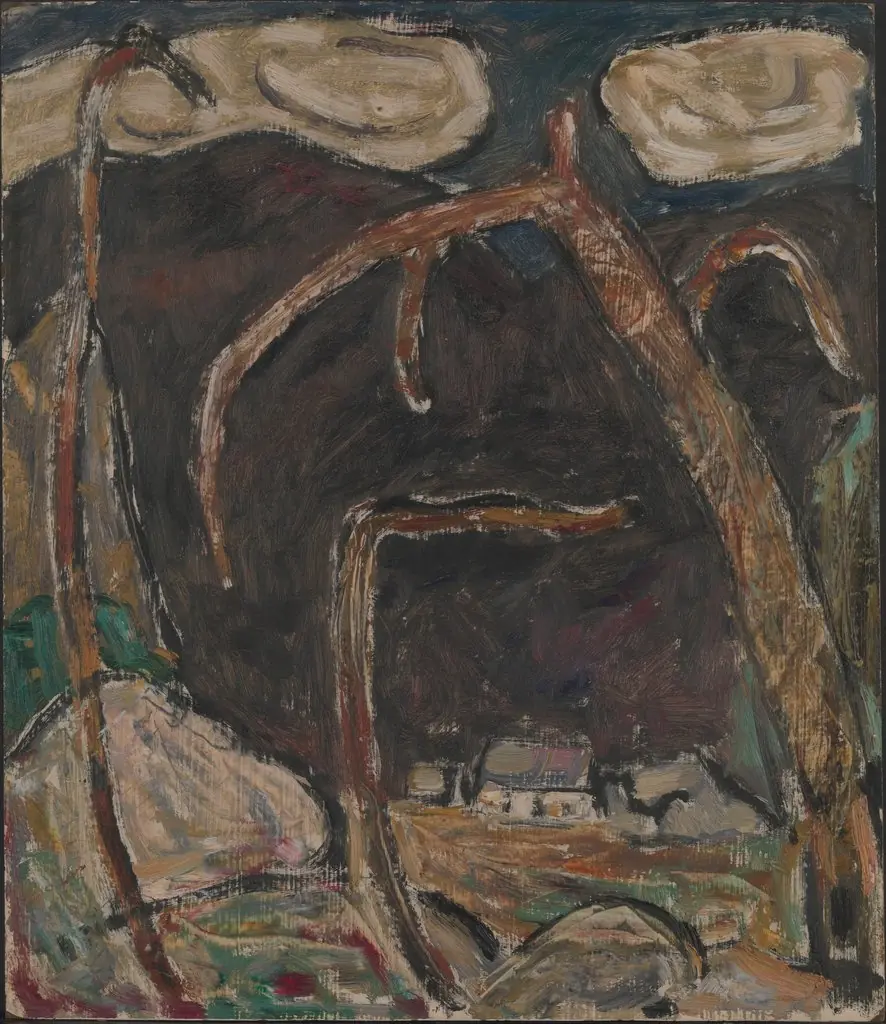 The Dark Mountain, No. 1
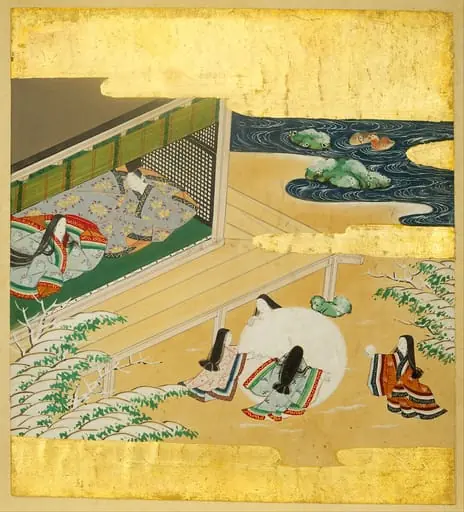 源氏物語画帖|The Tale of Genji (Genji Monogatari)
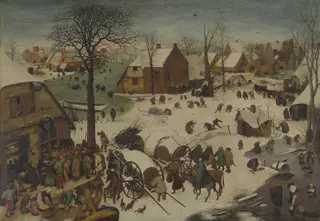 The People's Census at Bethlehem
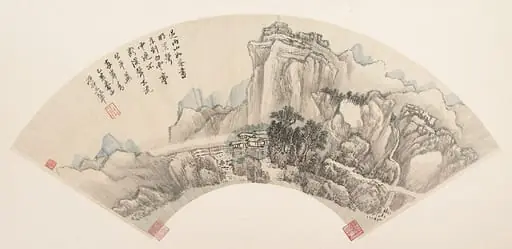 清 王翬 雨後晴巒圖 扇頁|Mountains after Rain
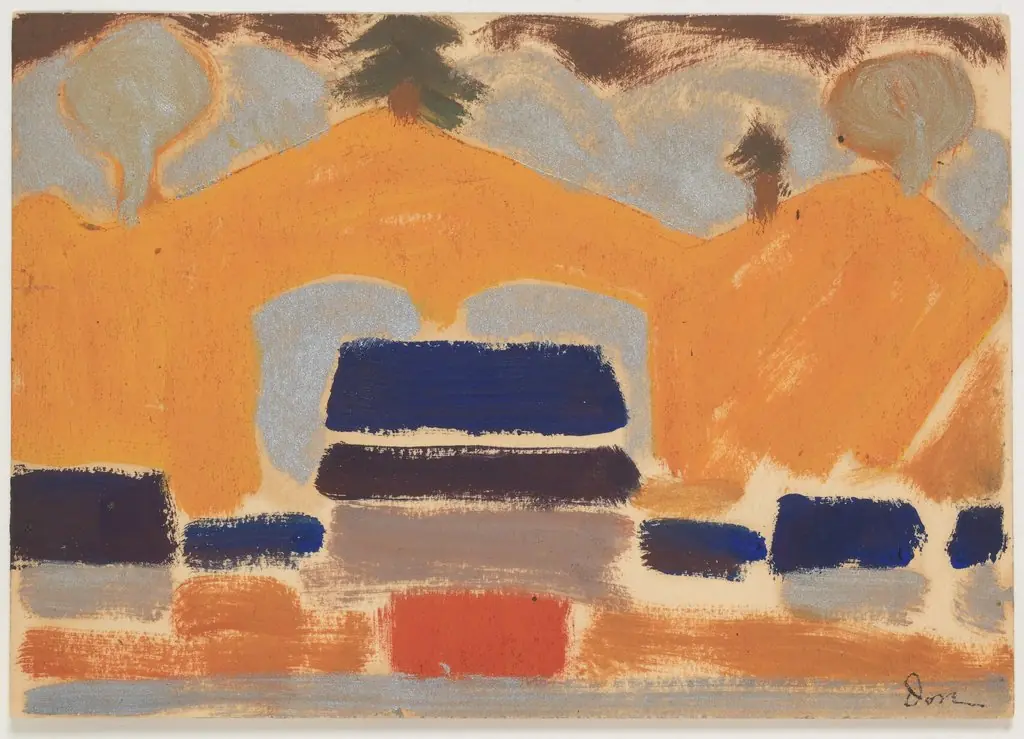 Landscape with Houses
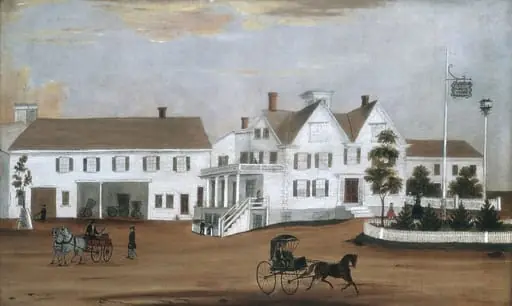 Hudson House
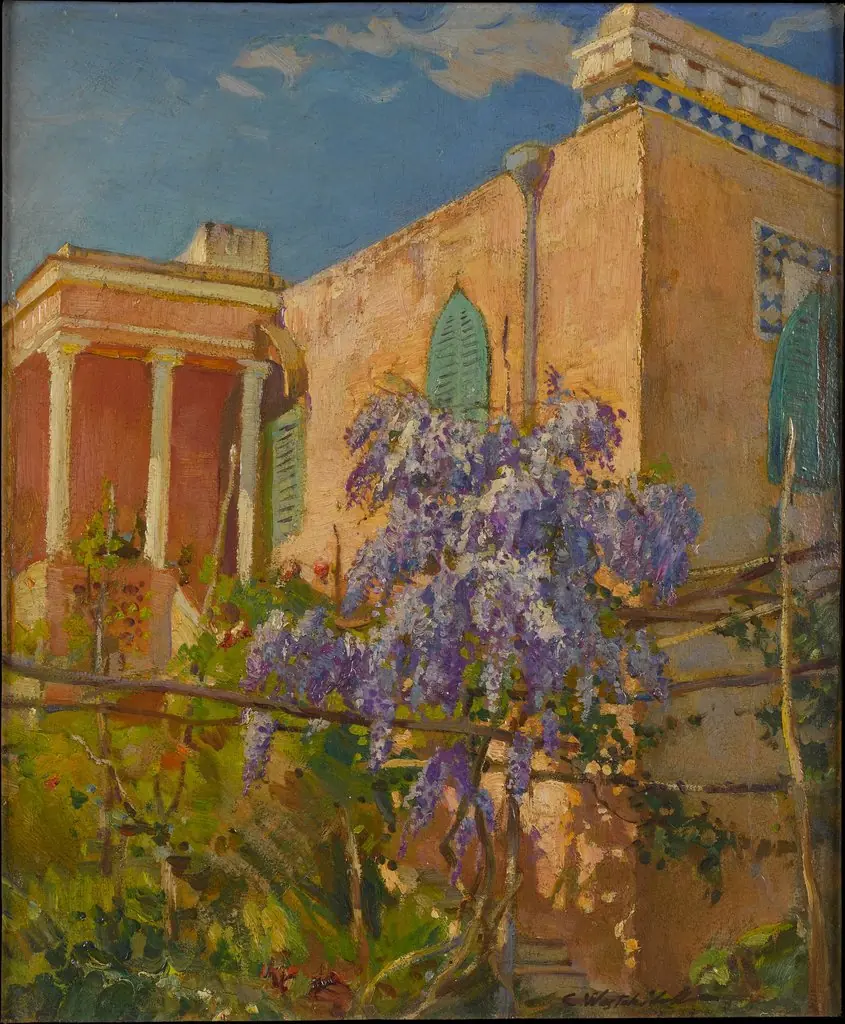 A House with Flowering Trees along the Amalfi Coast of Italy
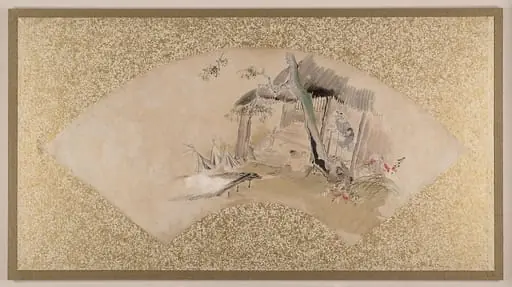 Untitled
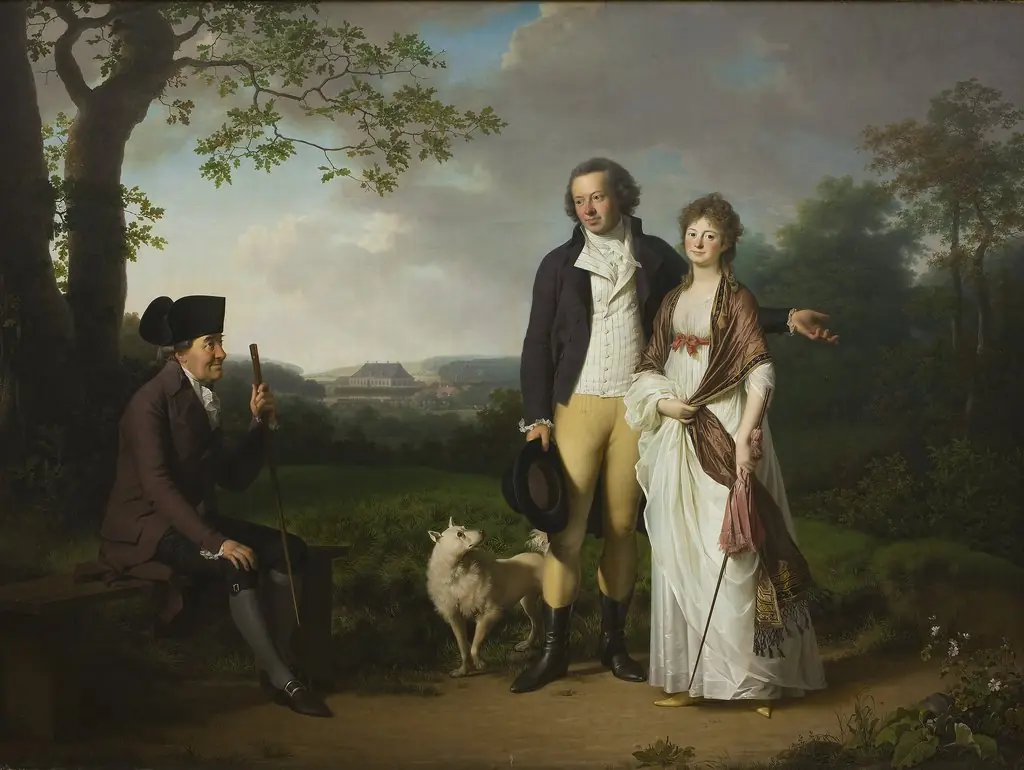 Niels Ryberg with his Son Johan Christian and his Daughter-in-Law Engelke, née Falbe
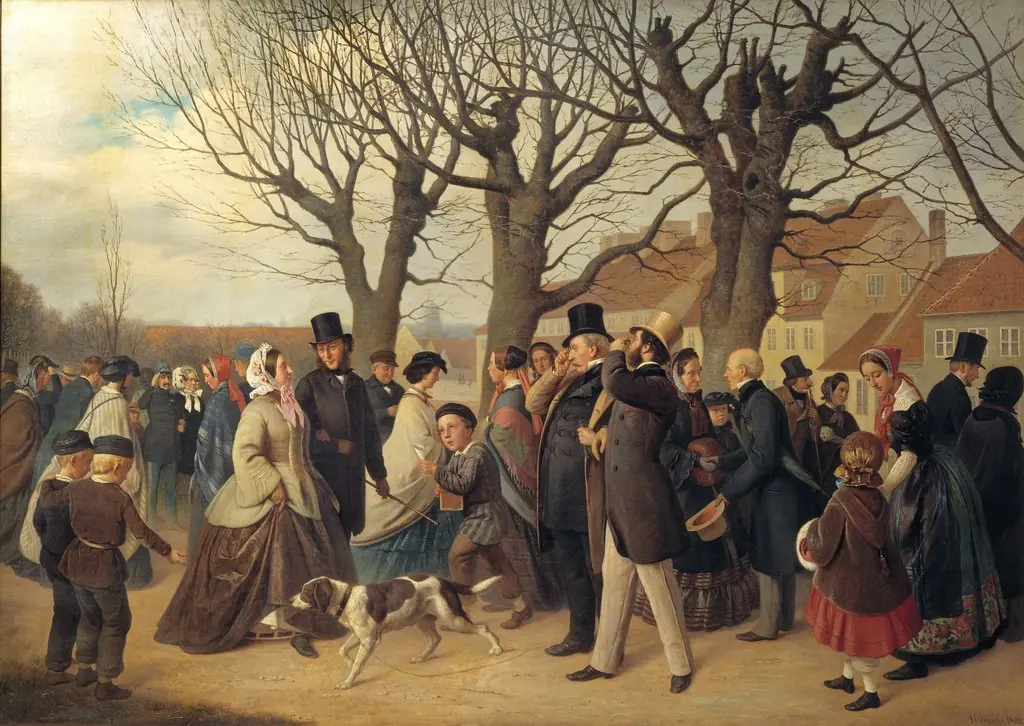 Promenading on the Ramparts of Copenhagen on the Evening of a Public Holiday in Spring
Frequently asked questions
What is House?
House is a subject in art. A house is a single-unit residential building.
How many House works does Artifact World Gallery have?
Artifact World Gallery holds 200 public-domain House works, all free to view and download.
Who are the key House artists?
Key House artists in the collection include Thomas Eakins, Jean Baptiste Camille Corot and Thomas Cole.
Where can I see House works?
House works in the collection are held by Metropolitan Museum of Art, Rijksmuseum and Gavrila Simion Eco-Museum Research Institute Tulcea.