Artwork
Donor Henri de Werl, protected by St. John the Baptist
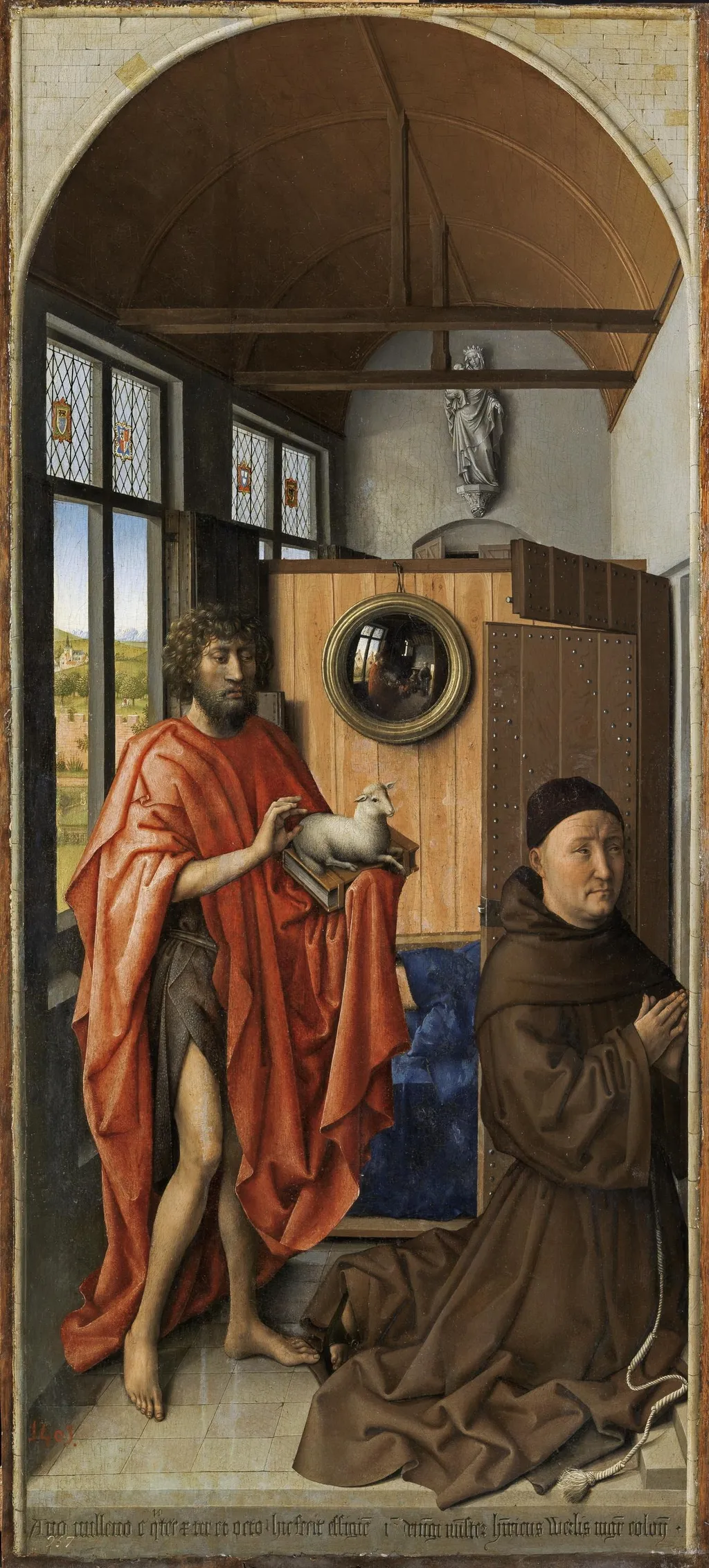
Donor Henri de Werl, protected by St. John the Baptist is an oil painting by the Northern Renaissance artist Robert Campin. It dates from 1438 and is held in the collection of the Museo del Prado.
About this work
Subject & Meaning
John the Baptist, a composition that frames the act of personal devotion around an intercessory saint.
The panel portrays the donor Henri de Werl kneeling beneath the protection of St. John the Baptist, a composition that frames the act of personal devotion around an intercessory saint. St. John the Baptist, traditionally a patron of donors and a witness to divine revelation, shields the kneeling figure, signaling the saint's role as spiritual advocate before the divine.
The work's iconography is enriched by the attributes recorded for the painting: a mirror and a book. In Early Netherlandish devotional imagery, these objects carry layered symbolism, the mirror often alluding to self-knowledge, purity, or the Immaculate Conception, while the book points to scripture, prophecy, or the saint's testimony to the Word. Together they reinforce the painting's function as a vehicle of pious contemplation.
As a wing of a larger altarpiece, the panel situates the donor within a sacred hierarchy, presenting his patronage and faith through the visual language of saintly intercession and contemplative symbolism characteristic of the Early Netherlandish tradition.
Technique & Style
The panel is executed in oil on oak panel, a standard support for Early Netherlandish panel painting of the 1430s. Robert Campin’s handling combines fine, translucent glazes with delicate linear definition to articulate textures and drapery, typical of the Tournai workshop’s precision. The composition employs a shallow, stage-like space with carefully calibrated lighting that models the donor’s face and the saint’s voluminous mantle, emphasizing volumetric form through subtle chiaroscuro. The palette is restrained, relying on earth tones and muted crimsons to heighten the devotional mood.
The condition is documented as stable, with the original oak support intact and only minor abrasion in the thinly painted passages of the landscape reflection in the mirror.
History & Provenance
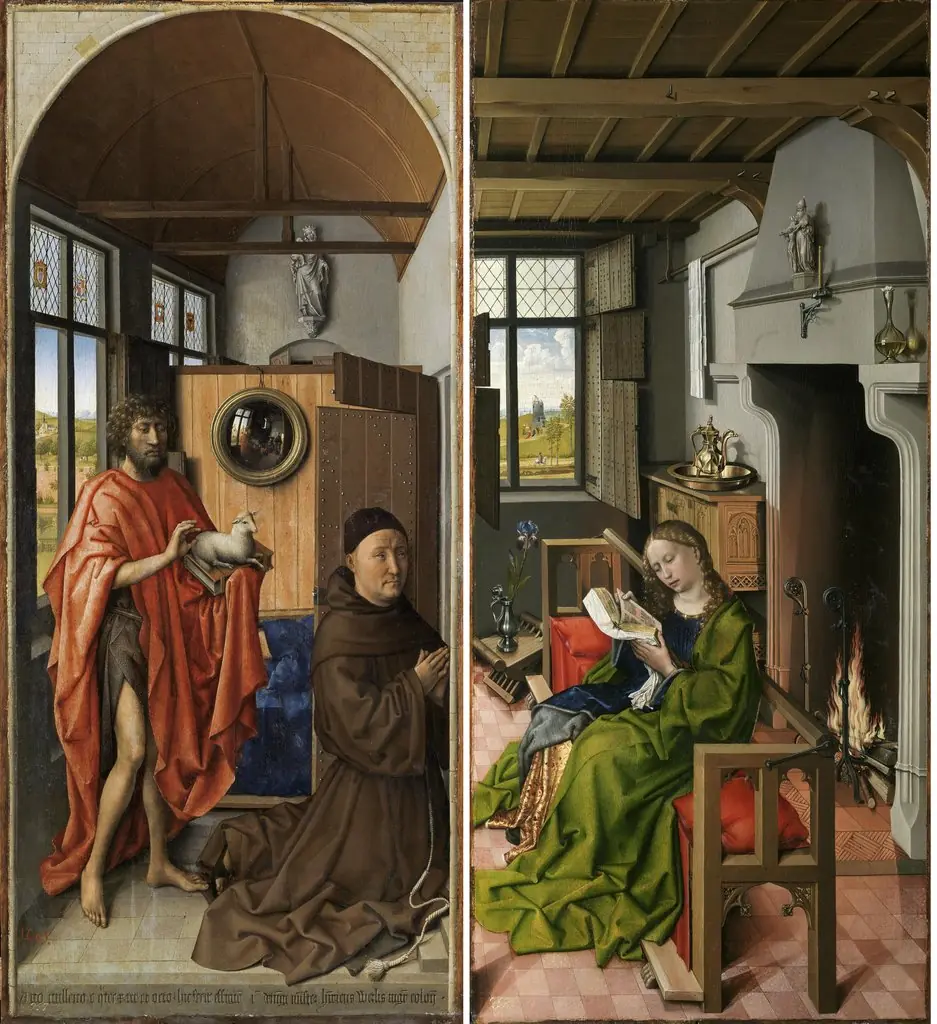
Robert Campin painted the work in 1438, commissioned by the donor Henri de Werl, who is depicted in the composition as a donor figure protected by St. John the Baptist. The painting forms part of a triptych and was created as an oil work on panel, reflecting Early Netherlandish artistic practice. It entered the collection of the Museo del Prado, where it remains today.
Donor Henri de Werl, protected by St. John the Baptist is held in the collection of the Museo del Prado in Madrid. The work is catalogued there as part of the museum's holdings of Early Netherlandish painting.
No specific inventory or accession number is recorded in the available sources, and no exhibition history beyond its presence in the Museo del Prado's collection is documented.
Legacy
The work shaped Early Netherlandish painting through its treatment of donor figures and devotional imagery. Its emphasis on donor portraits and symbolic objects influenced later religious compositions across the Netherlands and Germany. The painting's compositional strategies for integrating donor saints into sacred narratives became a model for altarpieces in the 15th century. Its legacy persists in scholarly interpretations of devotional practices in Early Netherlandish art.
The piece is housed in the Museo del Prado collection and remains a key example of Robert Campin's innovation in donor depictions.
Overview
Created in 1438 by Robert Campin, a prominent early Netherlandish painter, this oil on panel presents a devotional scene that pairs a patron with Saint John the Baptist. The work is part of the Prado Museum’s collection in Madrid and exemplifies the detailed, naturalistic approach characteristic of the Northern Renaissance.
Context
Executed during a period when Netherlandish painters such as Jan van Eyck were redefining religious imagery, the work illustrates the growing trend of integrating donors directly into sacred narratives, thereby personalizing devotion and showcasing patronage.
Artist & collection
Artist
Robert Campin (Valenciennes (France) c. 1375 - Tournai (Belgium) 26 April 1444) now usually identified with the Master of Flémalle (earlier the Master of the Merode Triptych, before the discovery of three other similar…

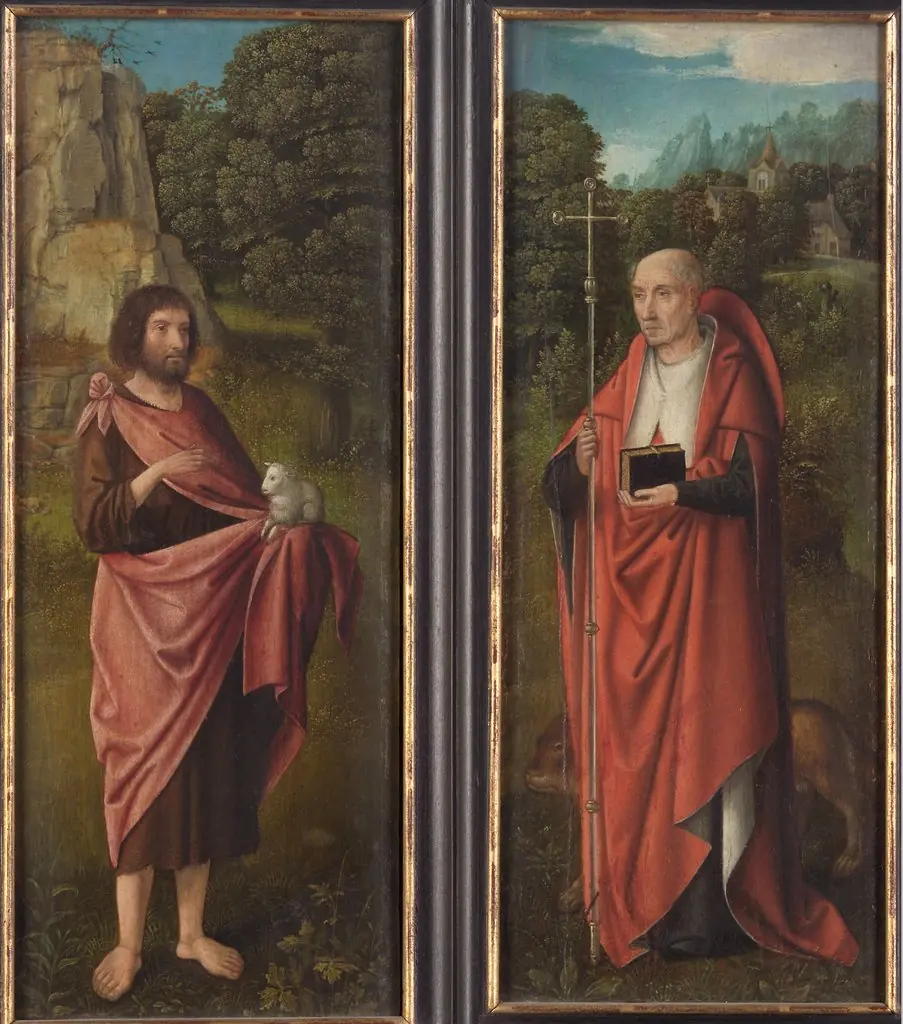 Saint John the Baptist and Saint Jerome
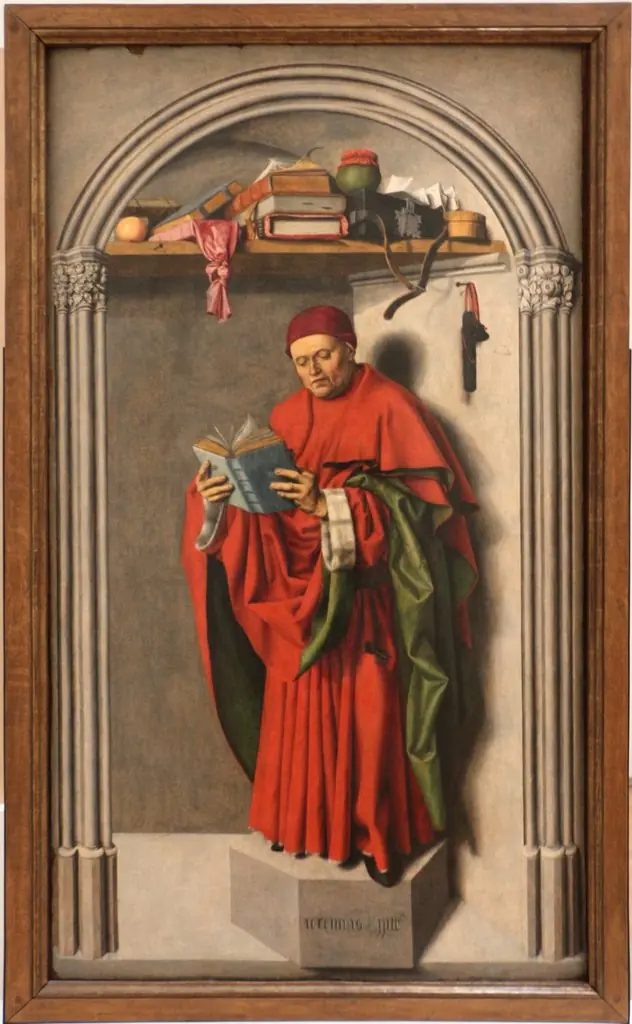 The prophet Jeremiah
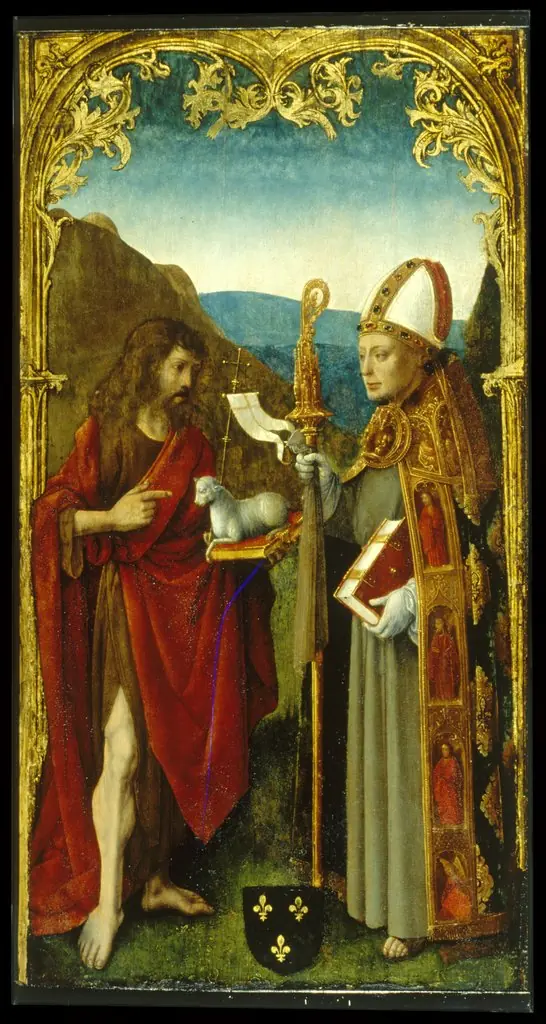 Saint John the Baptist and a Bishop Saint
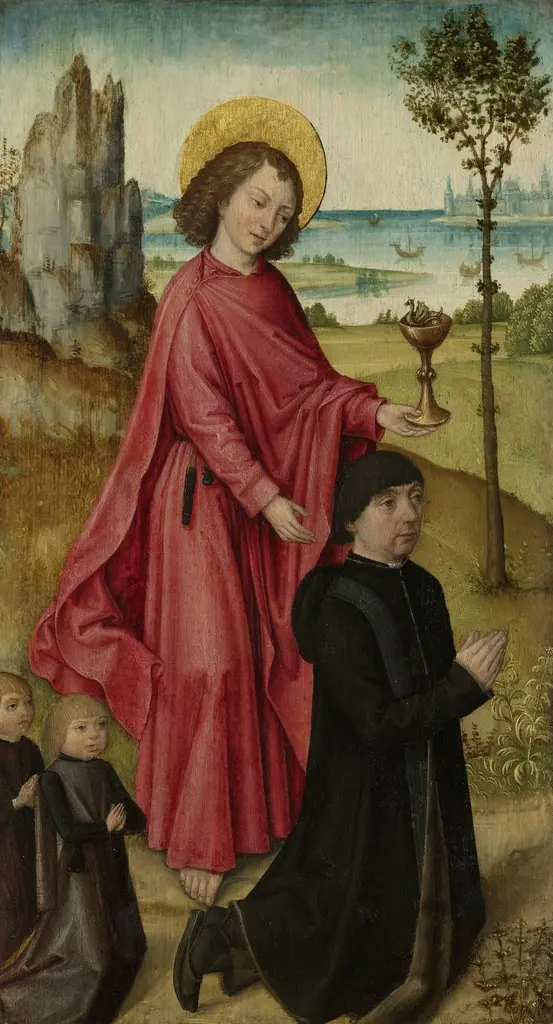 Inner left wing of a triptych with the donor, his two sons and St John the Evangelist
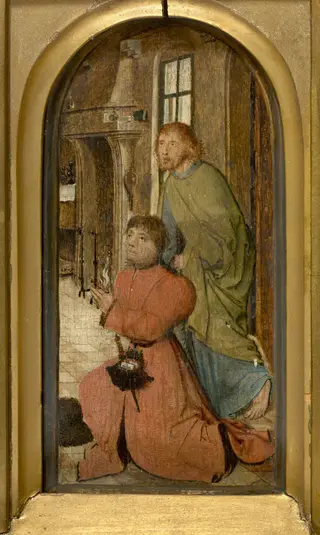 Donor and his Patron, Saint Simon Zelotes
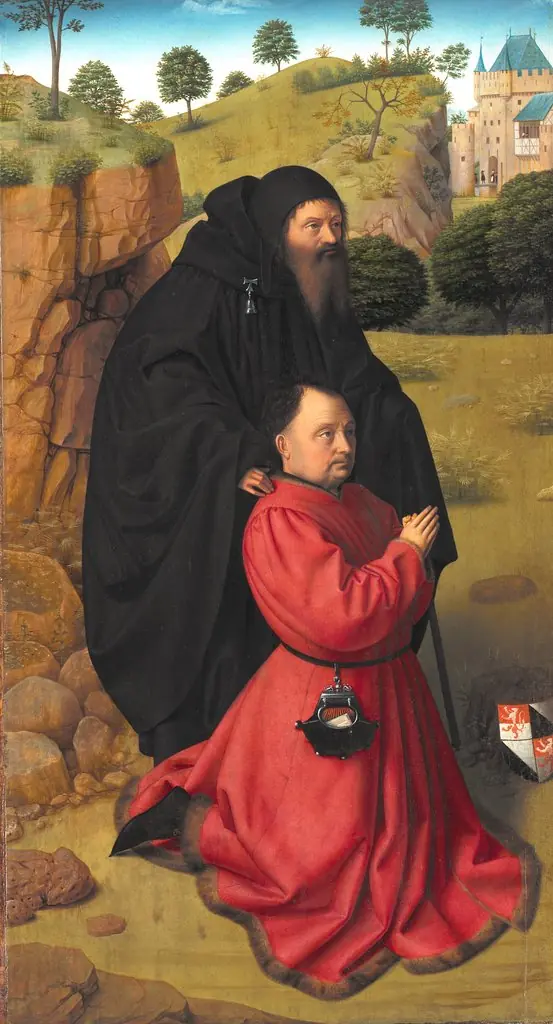 Altar Panel with a Portrait of a Donor in Scarlet under the Protection of St Anthony
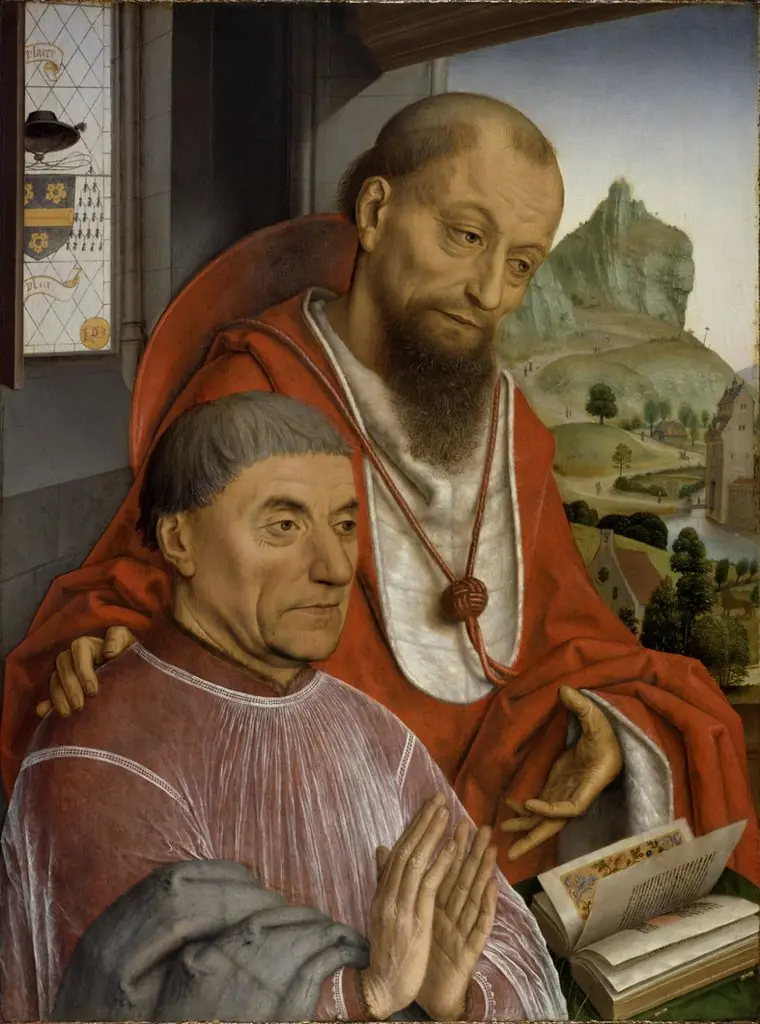 Saint Jerome and a Canon Praying
 Saint Leonard Liberating Captives
 Saint Bernardino of Siena