Artwork
Princess Elizabeth (1596–1662), Later Queen of Bohemia
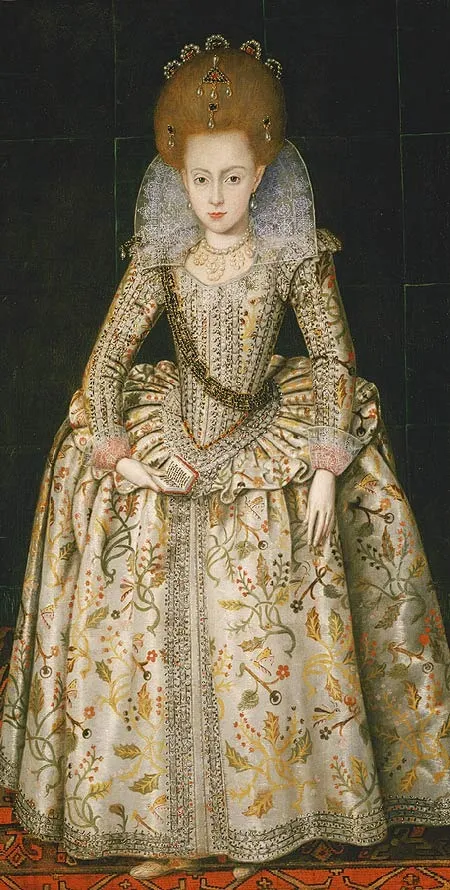
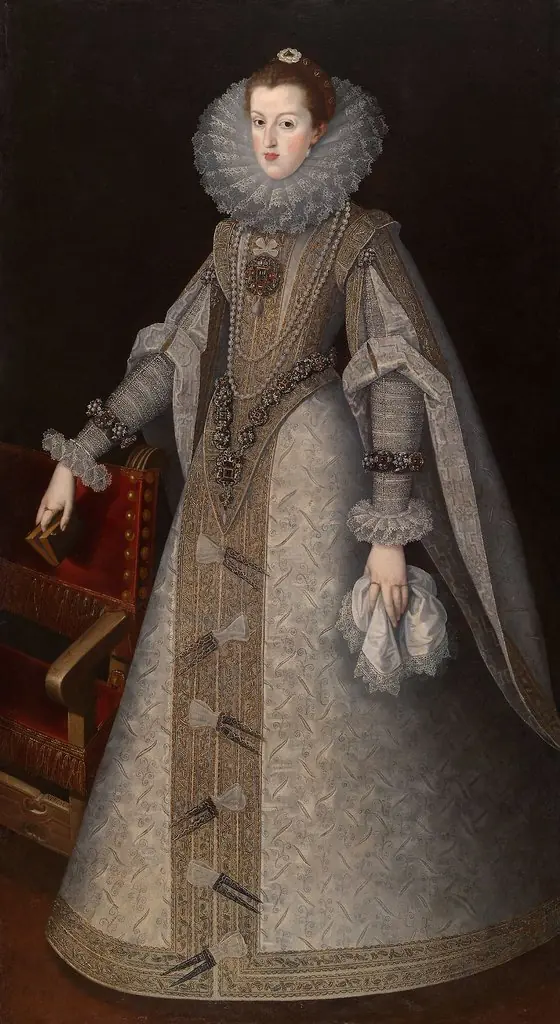
Princess Elizabeth (1596–1662), Later Queen of Bohemia is an oil painting by Robert Peake the elder. It dates from 1606 and is held in the collection of the Metropolitan Museum of Art.
About this work
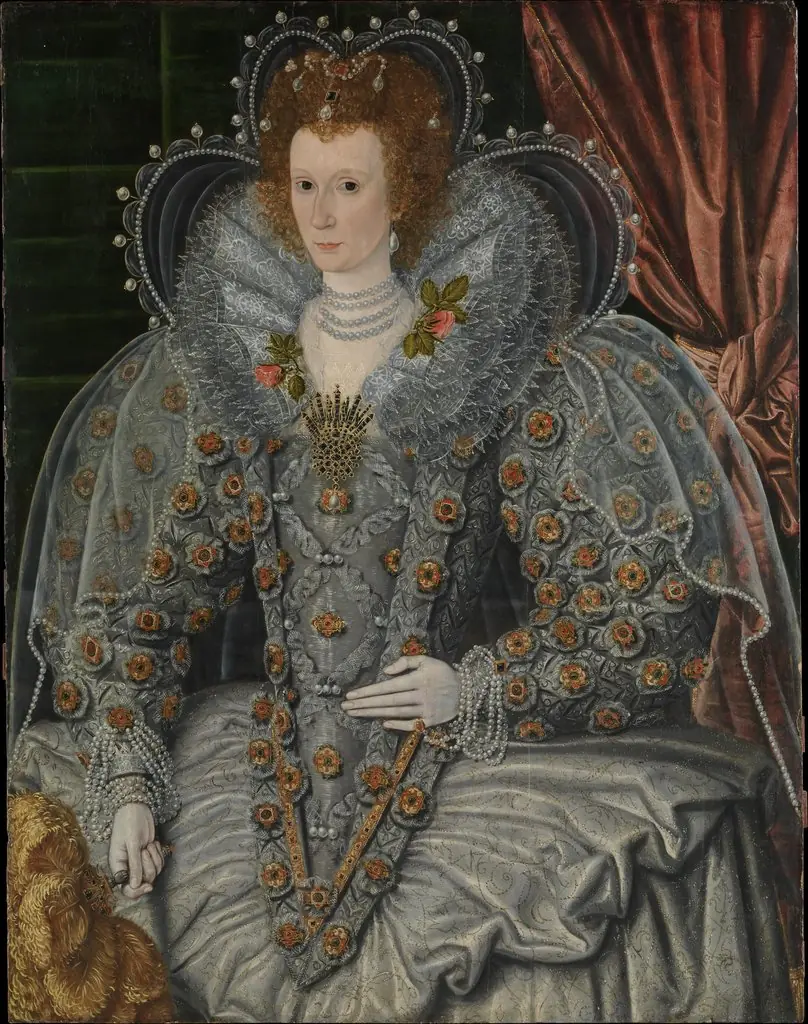
At about ten, Elizabeth Stuart stands in dark silhouette against a muted ground, a book in her hand, her pale skin and reddish hair recalling her namesake Elizabeth I. Robert Peake the Elder, then picture maker to her brother Prince Henry, painted the full-length canvas around 1606. The Metropolitan Museum of Art acquired it in 1951 as a gift from Kate T. Davison.
Subject & Meaning
She is depicted as a princess adorned with royal signifiers: a tiara, pearl necklace, and ornate lace and embroidery.
The subject is Elizabeth Stuart (later Queen of Bohemia), portrayed at age ten in 1606. She is depicted as a princess adorned with royal signifiers: a tiara, pearl necklace, and ornate lace and embroidery. The inclusion of a book may symbolize education and virtue, while the sumptuous attire asserts her noble status.
As a portrait, the work functions to document and idealize the sitter’s royal identity, presenting her as a refined figure prepared for her future dynastic role.
Technique & Style
This portrait by Robert Peake the Elder, dated 1606, is executed in oil on canvas, typical of early 17th-century English court portraiture. The support, a canvas measuring approximately 154.3 by 79.4 cm, allowed for a full-length format that emphasizes the sitter's stature as a princess. Peake's handling of the medium is precise, with careful attention to the textures of lace, embroidery, and the pearl necklace, as well as the metallic sheen of the tiara and the book held by the sitter.
The formal composition presents Elizabeth Stuart in an elegant, static pose, characteristic of Jacobean portraiture. While details on condition are absent from available sources, the painting's survival in the Metropolitan Museum of Art suggests it has undergone conservation. Stylistically, the work balances naturalistic observation of costume with the formal conventions of royal representation.
Overview
This oil painting by Robert Peake the Elder, created around 1606, presents Princess Elizabeth, then approximately ten years old. The full-length portrait captures the daughter of James VI and I and Anne of Denmark, who would later become Queen of Bohemia. She is depicted in the ornate court fashion of her era, holding a book, against a subdued backdrop.
Context
Robert Peake the Elder, the artist, held the position of picture maker to Princess Elizabeth's brother, Prince Henry, at the time this work was created. He would soon be appointed serjeant-painter to King James I in 1607, sharing the esteemed role. This portrait also engages in a visual dialogue with an earlier work by Peake from around 1603, suggesting a continuity in his artistic approach to royal sitters.
Legacy
Although painted during her childhood, this portrait foreshadows Princess Elizabeth's significant future. She would eventually marry Frederick V, Elector Palatine, and briefly reign as Queen of Bohemia from 1619 to 1620. This short period earned her the enduring historical moniker, "the Winter Queen," a title that cemented her place in European history.
History & Provenance
The Metropolitan Museum of Art acquired this painting in 1951. It was a gift from Kate T. Davison, presented in memory of her husband, Henry Pomeroy Davison. The artwork is catalogued under the object number 51.194.1, marking its inclusion in the museum's permanent collection.
Artist & collection
Artist
Robert Peake the Elder (c. 1551–1619) was an English painter active in the later part of Elizabeth I's reign and for most of the reign of James I. In 1604, he was appointed picture maker to the heir to the throne,…

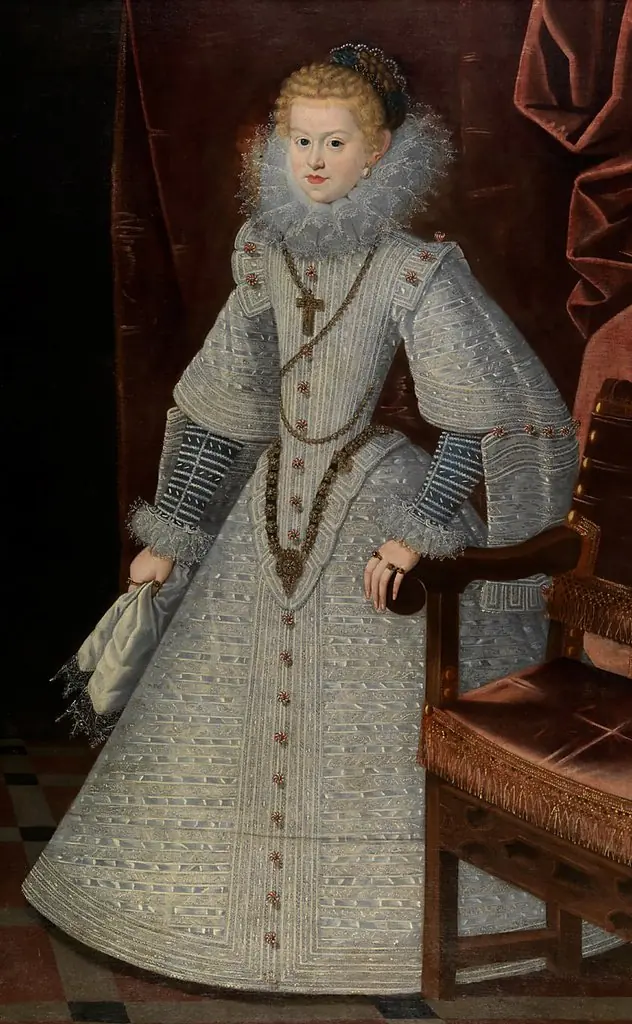
- Infantin Maria Anna (1606-1646), Kaiserin, in ganzer Figur
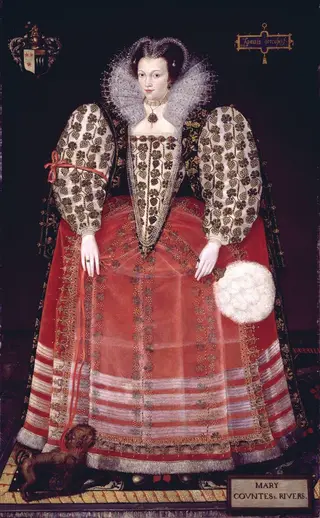 Portrait of Mary Kytson, Lady Darcy of Chiche, later Lady Rivers
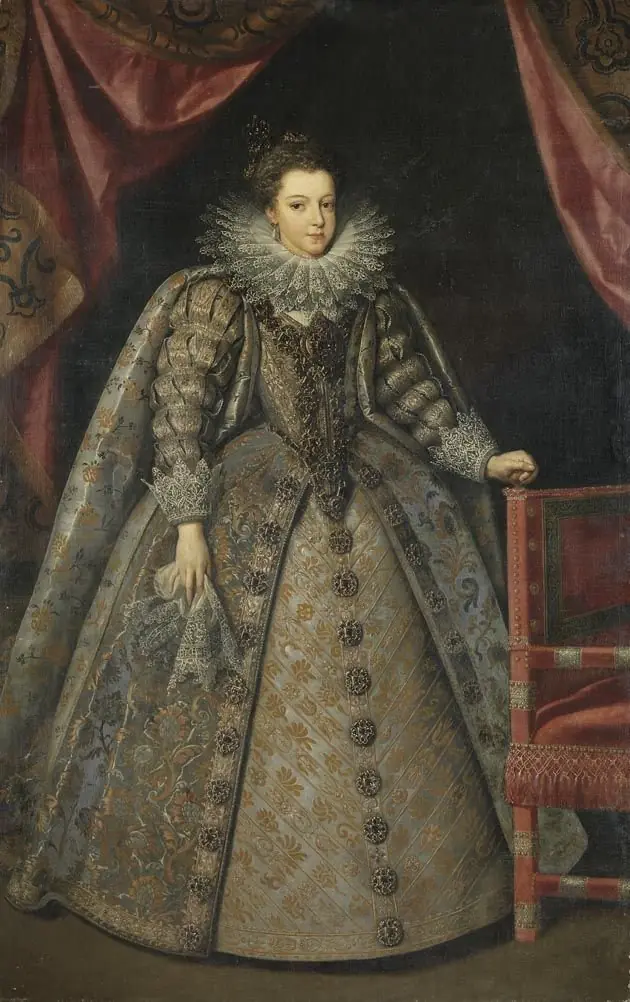 Elisabeth von Bourbon (1602-1644)
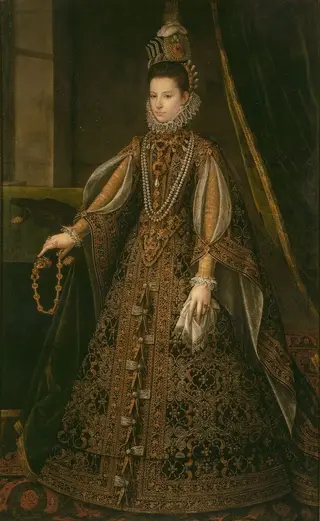 Possible portrait of archduchess Isabella Clara Eugenia
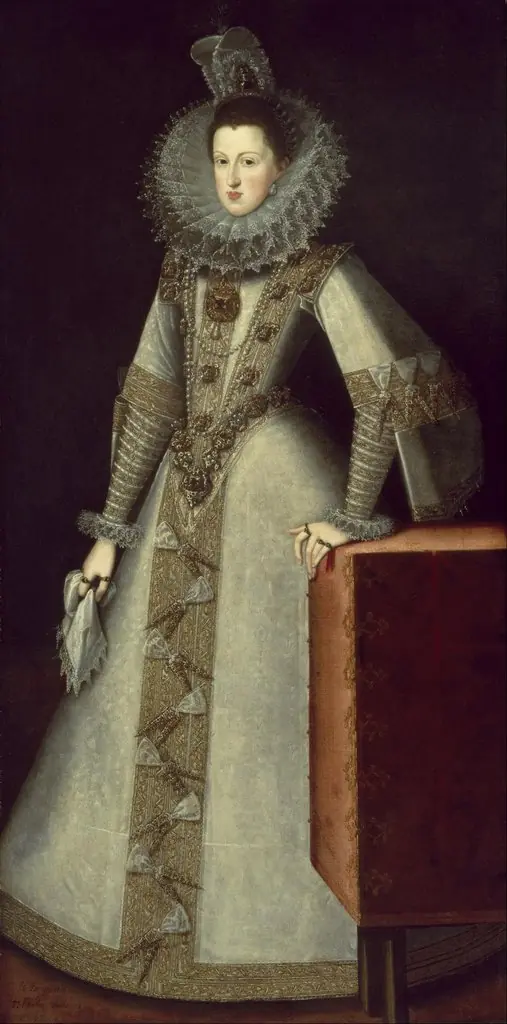 Margaret of Austria, Queen of Spain
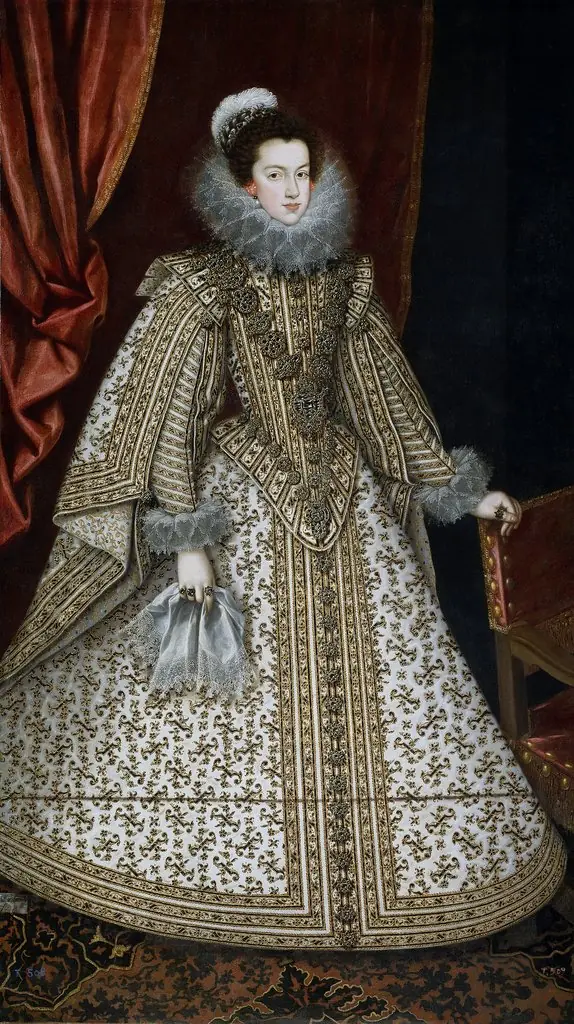 Isabel de Borbón, Wife of Philip IV
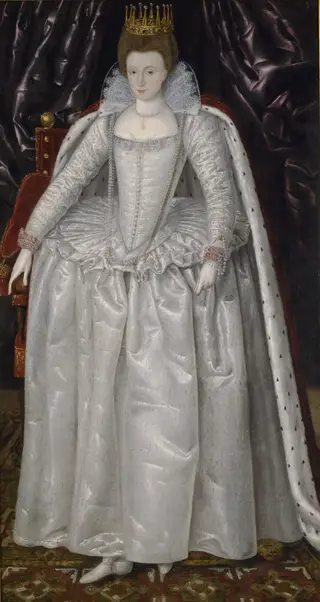 Elizabeth Vernon, Countess of Southampton
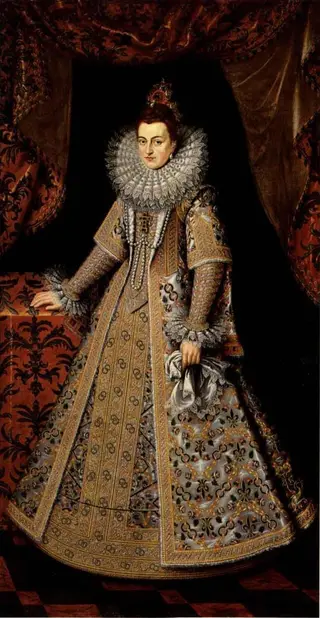 Porträt der Isabella Clara Eugenia (1566-1633)
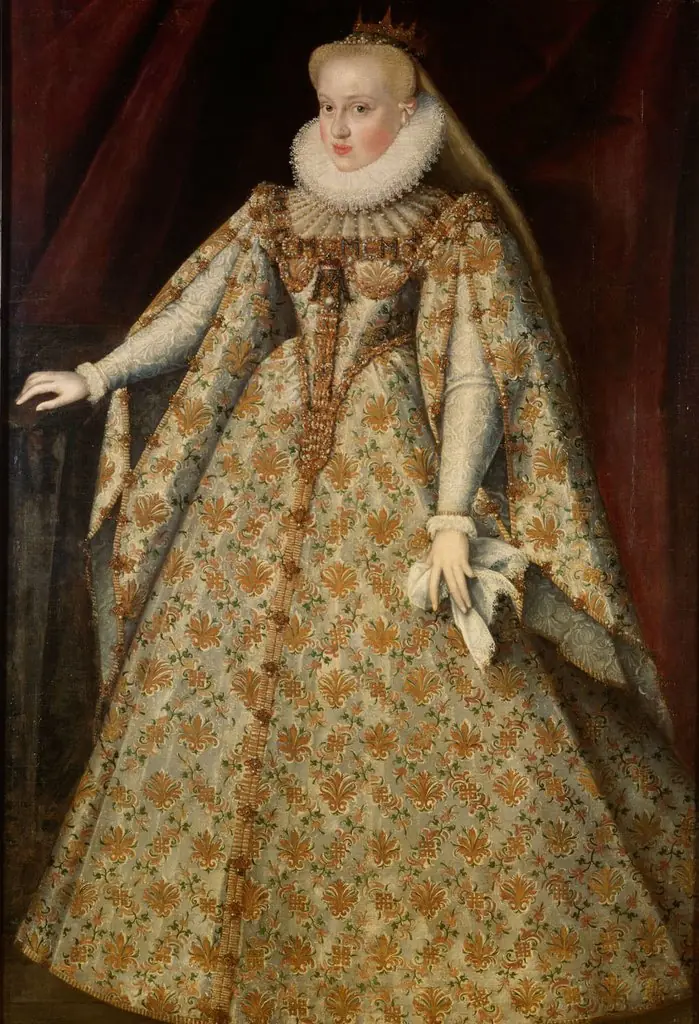 Portrait of Archduchess Maria Christina of Austria (1574–1621)
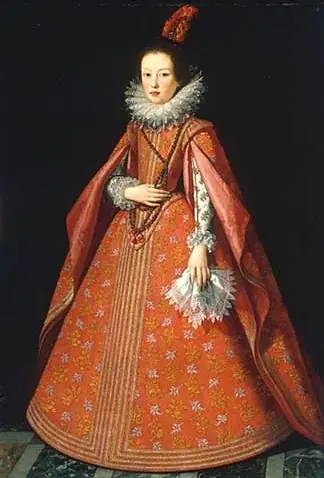 Portrait of Margherita de' Medici
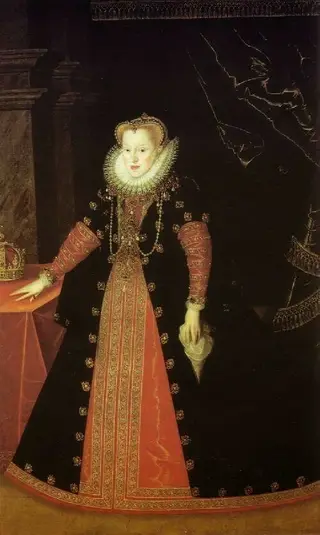 Full-length portrait of Anne of Austria (1573-1598).
 Queen Margaret of Spain