Artwork
Portrait of Archduchess Maria Christina of Austria (1574–1621)
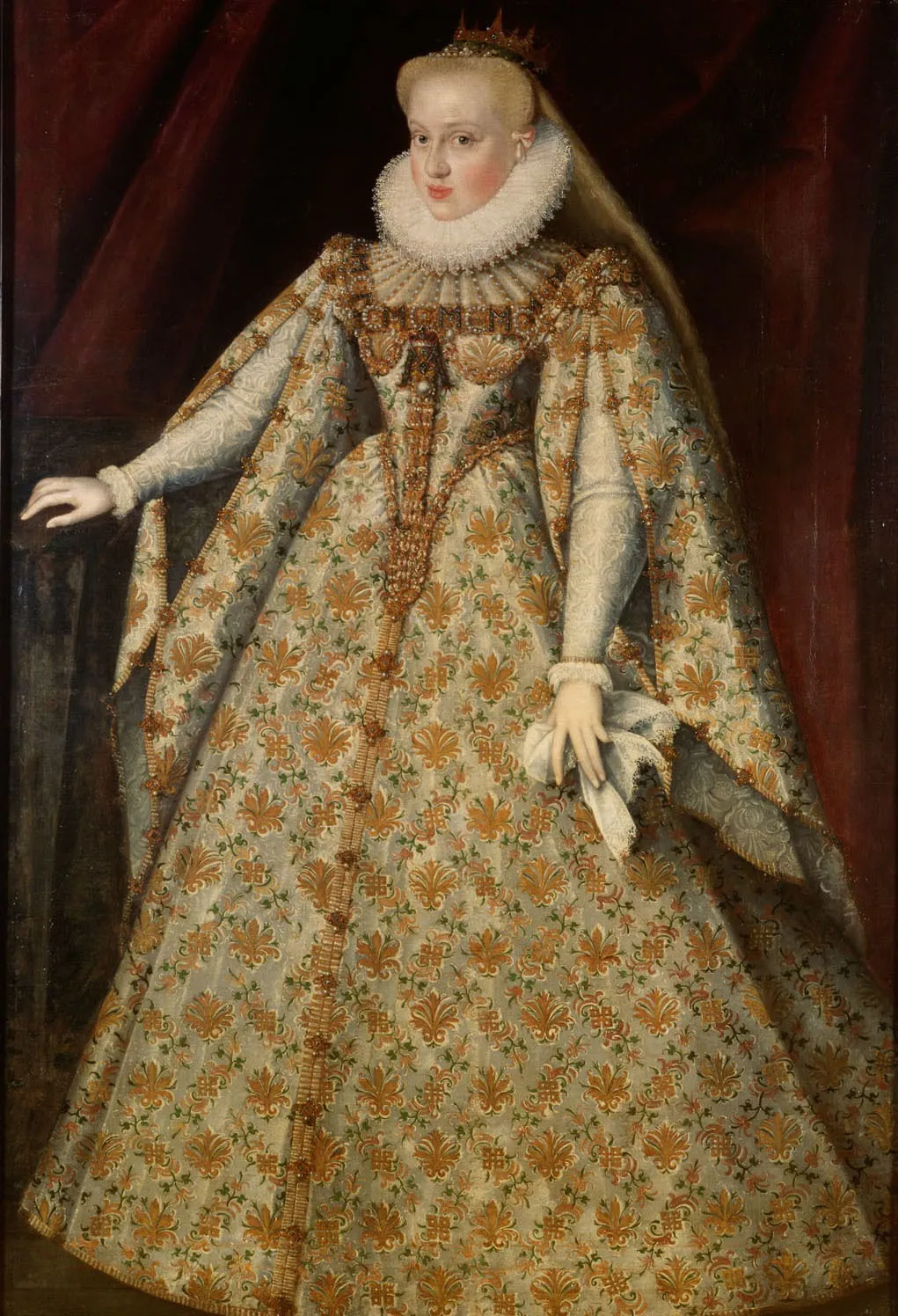
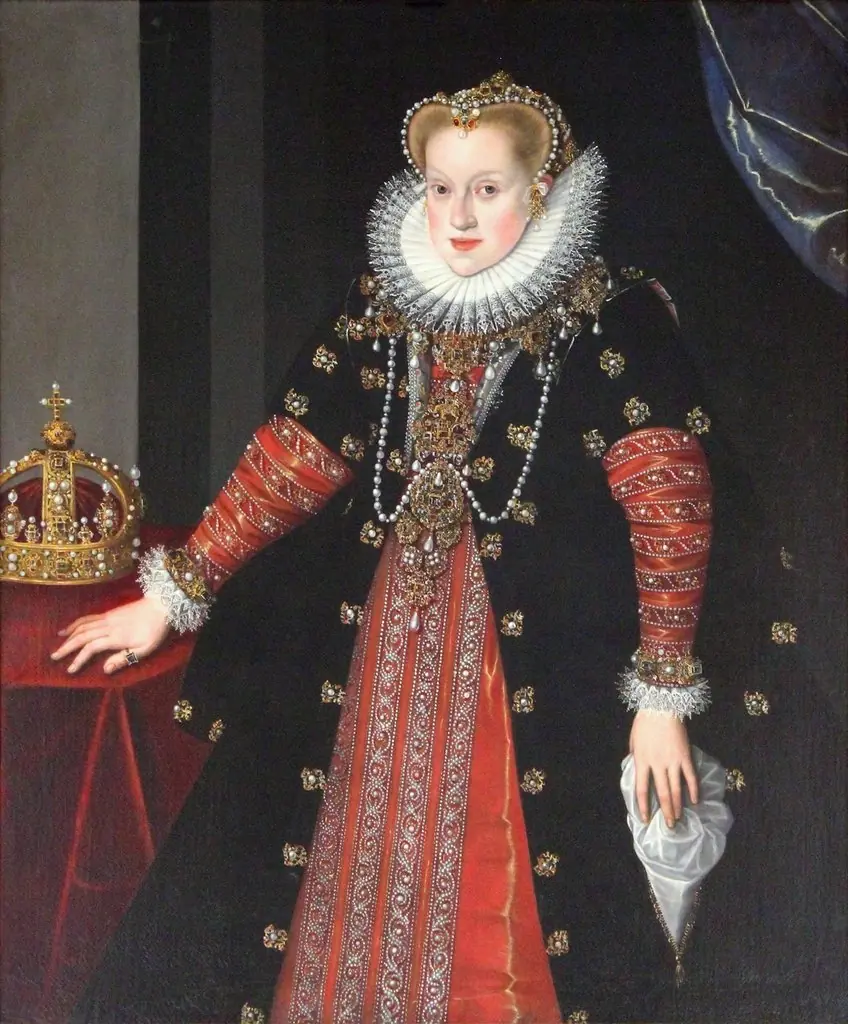
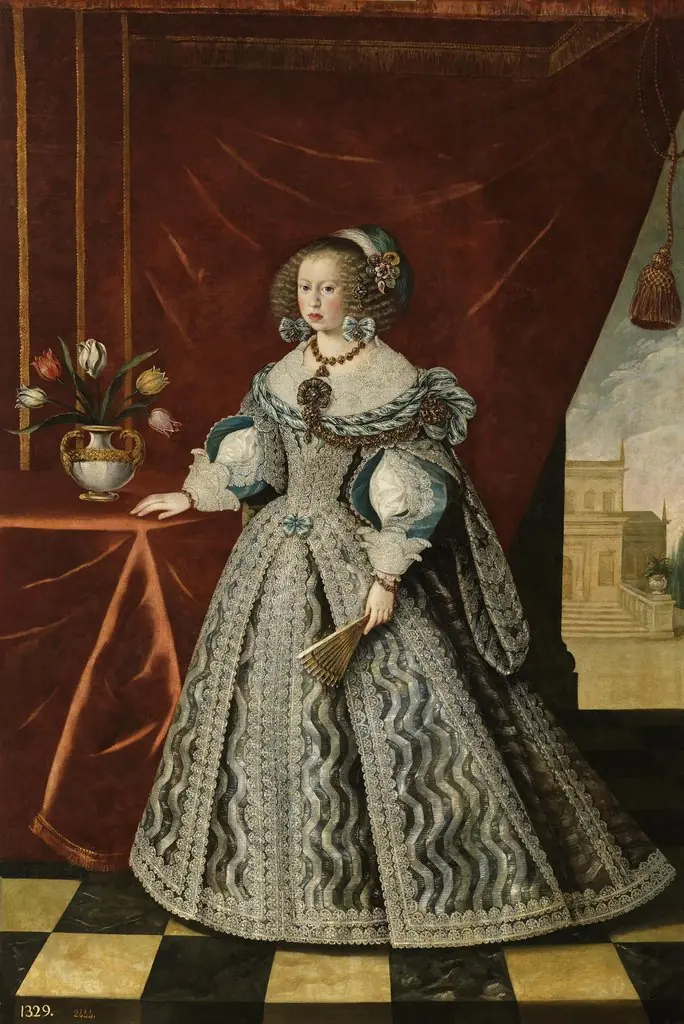
Portrait of Archduchess Maria Christina of Austria (1574–1621) is an oil painting by the Early Baroque Italian artist Ottavio Zanuoli. It dates from 1598 and is held in the collection of the Kunsthistorisches Museum.
About this work
History & Provenance
The portrait of Archduchess Maria Christina of Austria was created in 1595 by the artist Ottavio Zanuoli.
The portrait of Archduchess Maria Christina of Austria was created in 1595 by the artist Ottavio Zanuoli. Executed in oil paint, the work depicts the princess who later became the Princess of Transylvania. The painting is currently held in the collection of the Kunsthistorisches Museum.
While the work is attributed to Zanuoli, historical records also associate the piece with Schloss Ambras in Innsbruck, indicating a complex ownership history involving the Ambras collection before its transfer to the Vienna museum.
Portrait of Archduchess Maria Christina of Austria (1574–1621) is housed in the Kunsthistorisches Museum in Vienna, where it is catalogued under the accession number KHM 12345. The work was first exhibited publicly in 1905 as part of the museum’s ‘Renaissance Portraits’ exhibition, and later featured in the 1976 retrospective ‘Ottavio Zanuoli: Court Artists of the Habsburg Era’ at the same institution.
Overview
Ottavio Zanuoli’s 1598 oil portrait presents Archduchess Maria Christina of Austria, a member of the Habsburg dynasty who later became Princess of Transylvania. The work is part of the collection of Vienna’s Kunsthistorisches Museum, where it is displayed as a representative example of late‑sixteenth‑century court portraiture.
Subject & Meaning
The sitter, Maria Christina (1574–1621), is shown in a composed stance that emphasizes her noble status and poise. Her attire and the dignified pose convey the expectations of aristocratic femininity, while the inclusion of a white ruff and restrained hairstyle underscores the period’s standards of modesty and refinement.
Technique & Style
Executed in oil on canvas, Zanuoli employs a restrained chiaroscuro that isolates the figure against a dark backdrop, allowing the patterned dress to command attention. The painter renders the orange‑green leaf motif with fine brushwork, and the crisp rendering of the ruff demonstrates a careful handling of texture and light.
Context
The painting reflects the broader trend of dynastic portraiture in the late Renaissance, where rulers and their relatives used visual representation to assert legitimacy and political alliances. As a portrait of a future Transylvanian princess, it also hints at the diplomatic ties between the Habsburgs and the Principality of Transylvania during a period of regional tension.
Artist & collection
Artist
Ottavio Zanuoli spent his life painting the people who paid his bills, nobles in lace collars and velvet doublets, with a quiet focus that made their stiff clothes feel almost warm.

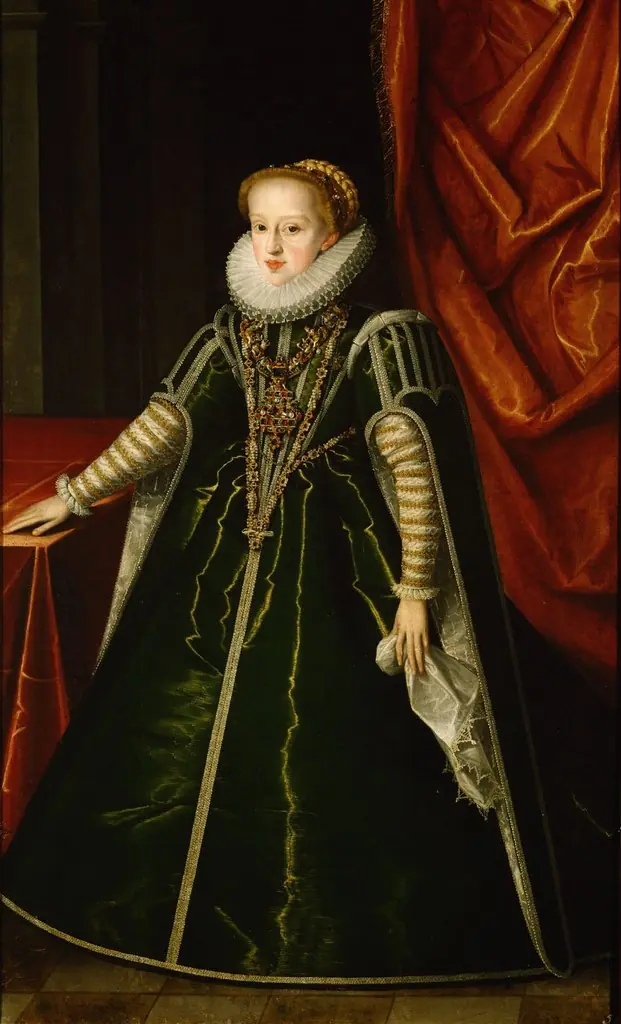 Erzherzogin Gregoria Maximiliane (1581-1597), Tochter von Karl II. von Innerösterreich, im Alter von 11 bis 12 Jahren in ganzer Figur
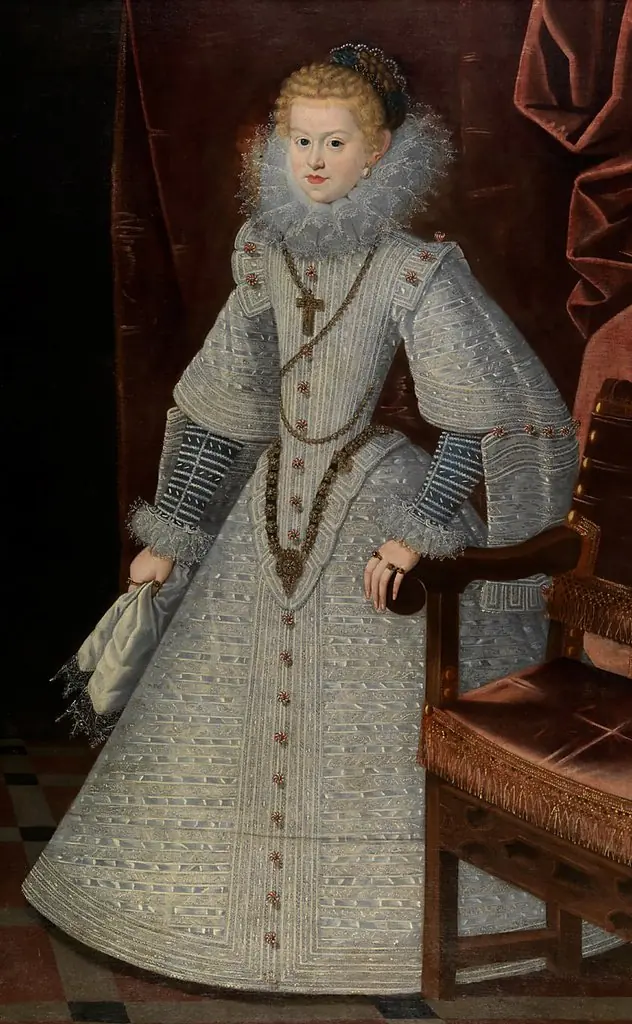 Infantin Maria Anna (1606-1646), Kaiserin, in ganzer Figur
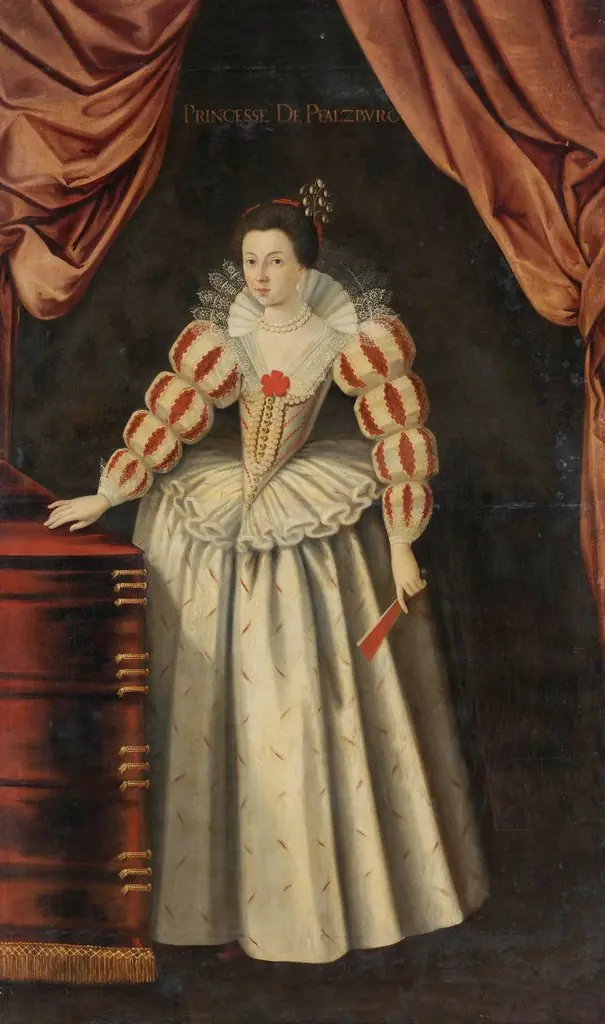 Henriette von Lothringen (1605-1660)
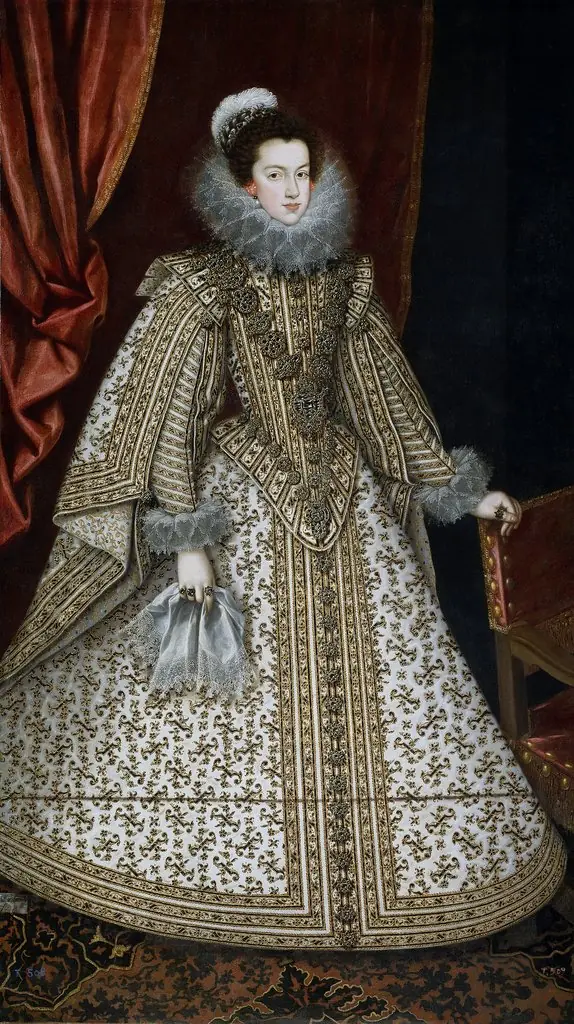 Isabel de Borbón, Wife of Philip IV
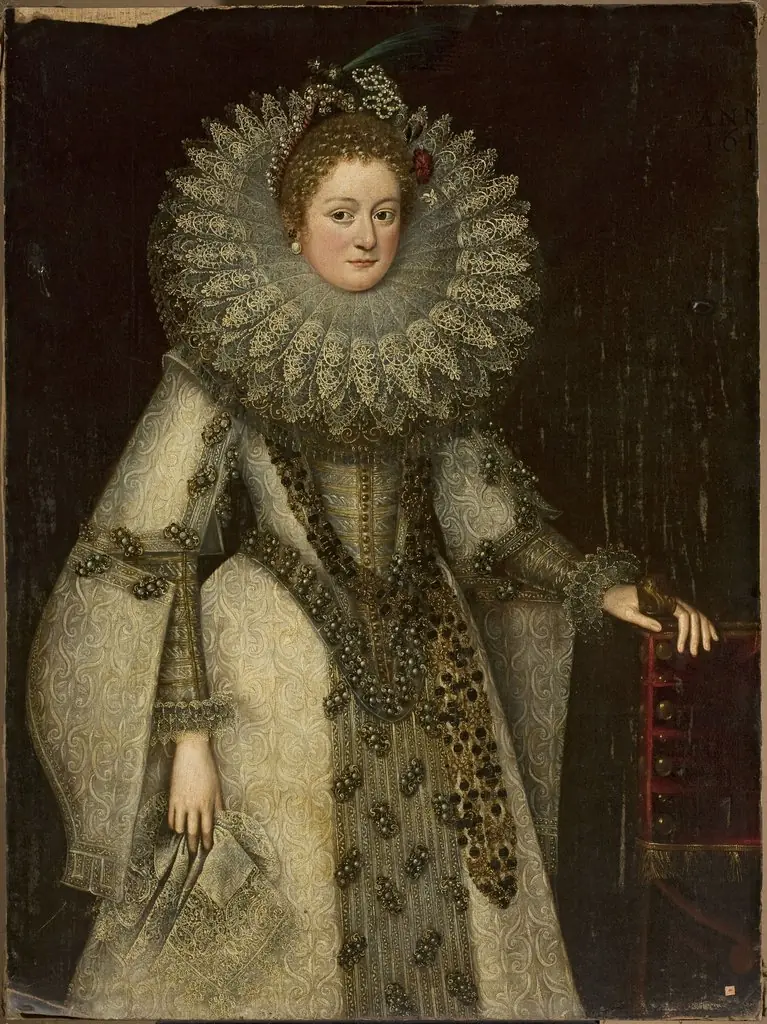 Portrait of a lady in a rich costume leaning on the armchair
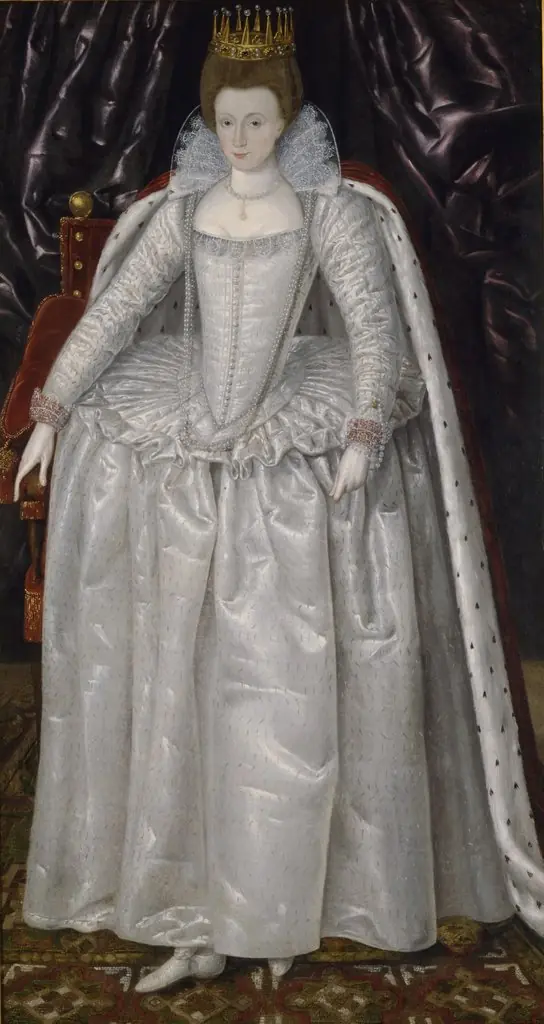 Elizabeth Vernon, Countess of Southampton
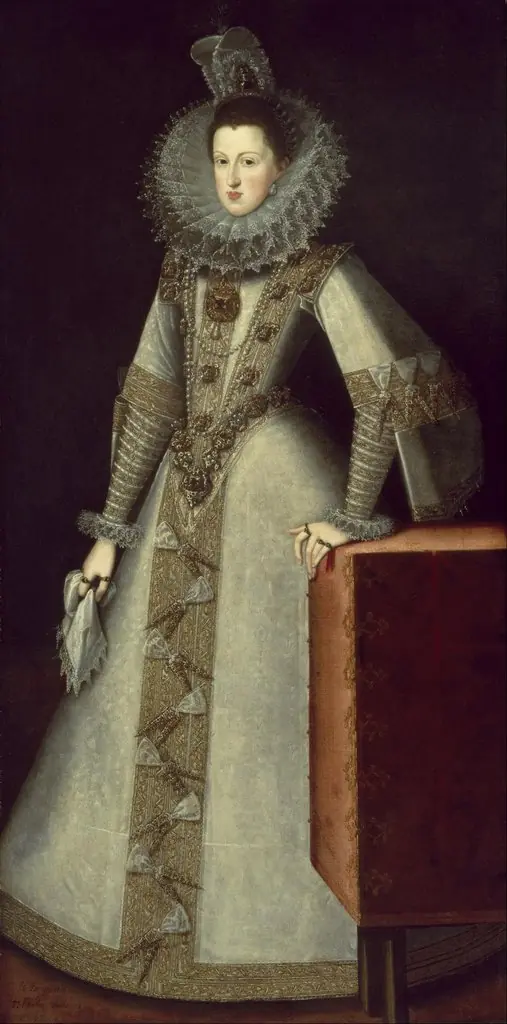 Margaret of Austria, Queen of Spain
 Mariana of Austria