Artwork
Lady Williams and Child
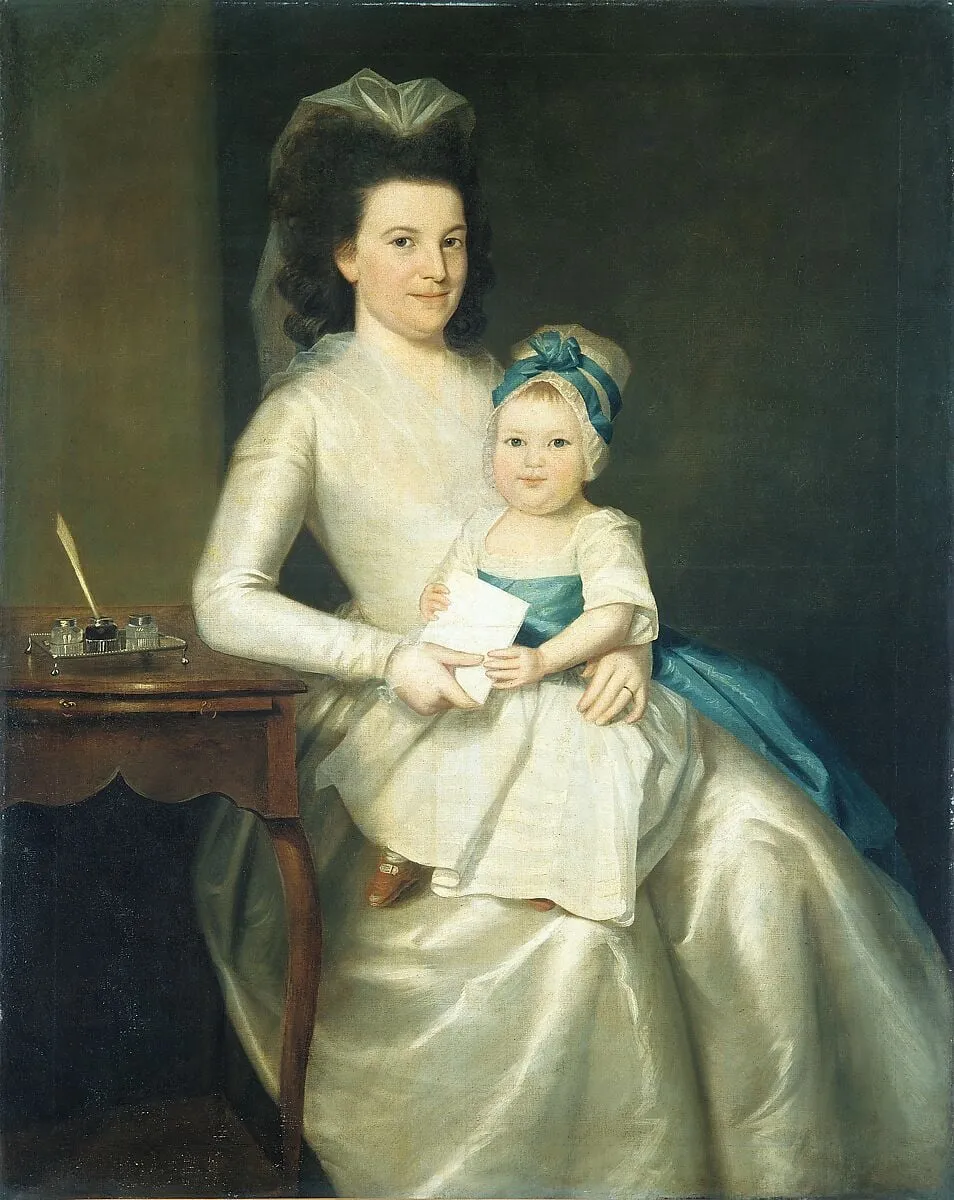
Lady Williams and Child is an oil painting by the Neoclassicist artist Ralph Earl. It dates from 1783 and is held in the collection of the Metropolitan Museum of Art.
About this work
Light catches the leg of an inkstand beside a seated woman and her child. Ralph Earl painted the canvas in London in 1783 and signed it "R. Earl Pinxit 1783" at lower left. Long called Lady Williams and Child, it shows two sitters who remain unidentified. The Metropolitan Museum of Art acquired it in 1906 through the Rogers Fund.
Overview
This oil on canvas, painted by Ralph Earl in 1783, depicts a woman and child within a detailed domestic interior.
This oil on canvas, painted by Ralph Earl in 1783, depicts a woman and child within a detailed domestic interior. Although the sitters' identities remain unknown, the work exemplifies Earl's distinctive approach to portraiture. Executed during his time in London, the painting combines the refined techniques of British art with the precise rendering of material objects characteristic of American colonial painting. It is now part of the Metropolitan Museum of Art's collection.
Subject & Meaning
The painting presents a woman seated with a child, likely her offspring, within a well-appointed domestic setting. Earl meticulously renders the surrounding environment, from the textures of the fabrics to the details of the furniture. Despite its long-standing title, "Lady Williams and Child," no specific biographical information has ever been discovered regarding the individuals portrayed, leaving their identities a subject of historical ambiguity.
Technique & Style
Earl's artistic approach in this work demonstrates a synthesis of influences. While in London, he adopted the formal conventions prevalent in British portraiture of the era. However, he maintained a distinct American sensibility, evident in the directness of his characterizations and his meticulous depiction of objects.
The illusionistic detail, such as the reflection of an inkstand leg on the tabletop, showcases his skill in rendering material reality, a trait often associated with earlier colonial American artists like John Singleton Copley.
Context
Ralph Earl created this portrait during a period of exile in London, having fled Connecticut in 1778 as a Loyalist following the American Revolution. While abroad, he immersed himself in the artistic environment of the British capital, joining the circle of American artists gathered around Benjamin West. This experience allowed Earl to integrate the polished techniques of British portraiture with the keen observational detail characteristic of his earlier American work, forging a unique transatlantic style.
History & Provenance
This canvas, signed and dated "R. Earl Pinxit 1783" in the lower left, was rediscovered in England during the early twentieth century. Initially, its authorship was misattributed to George Romney. After passing through Ehrich Galleries in New York, the Metropolitan Museum of Art acquired the painting in 1906 through the Rogers Fund.
Since its acquisition, it has been featured in several significant loan exhibitions, including those at the Whitney Museum of American Art and the Worcester Art Museum.
Artist & collection
Artist
Ralph Earl (May 11, 1751 – August 16, 1801) was an American artist known for his landscape paintings and numerous portraits.

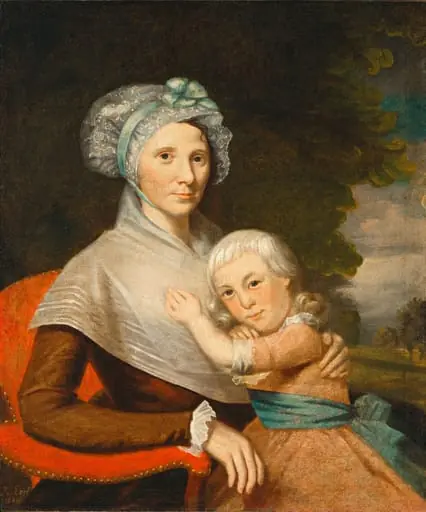
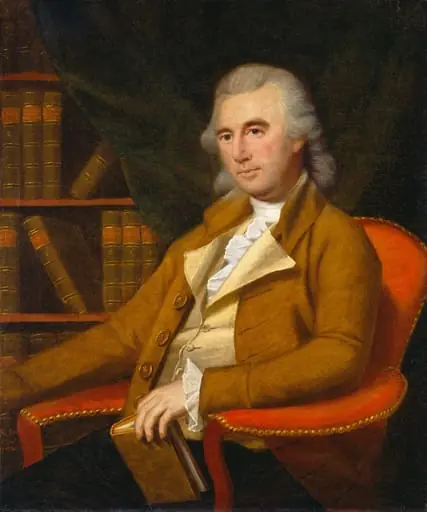
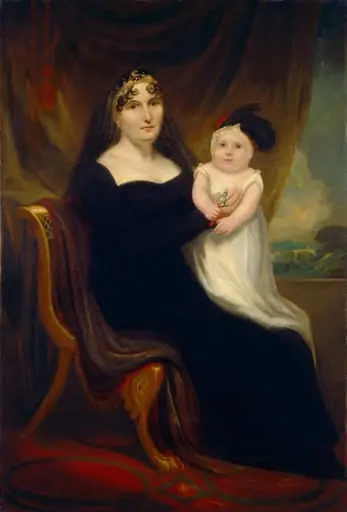 Mother and Child
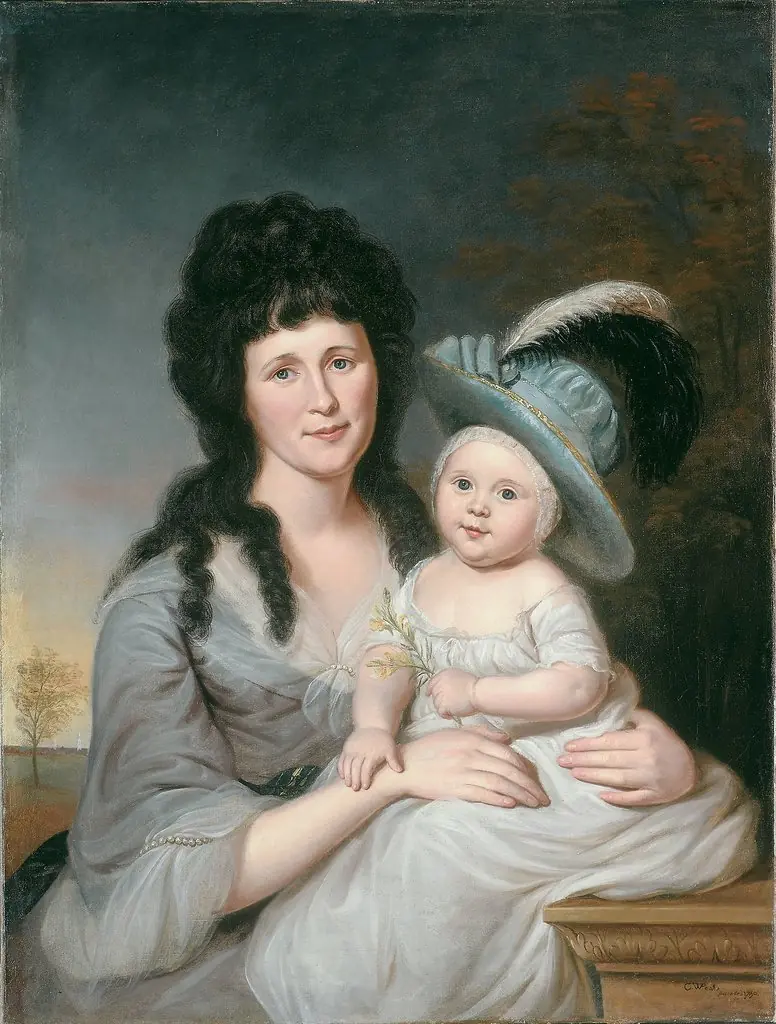 Mrs. John Nicholson (Hannah Duncan) and John Nicholson, Jr.
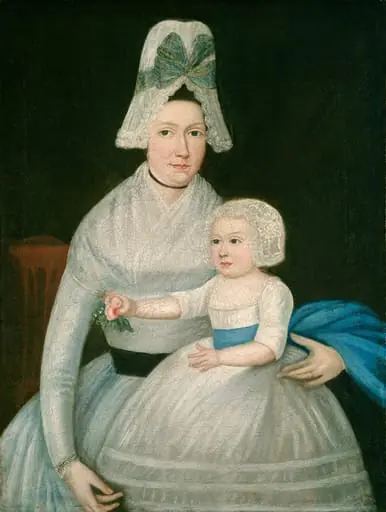 Mother and Child in White
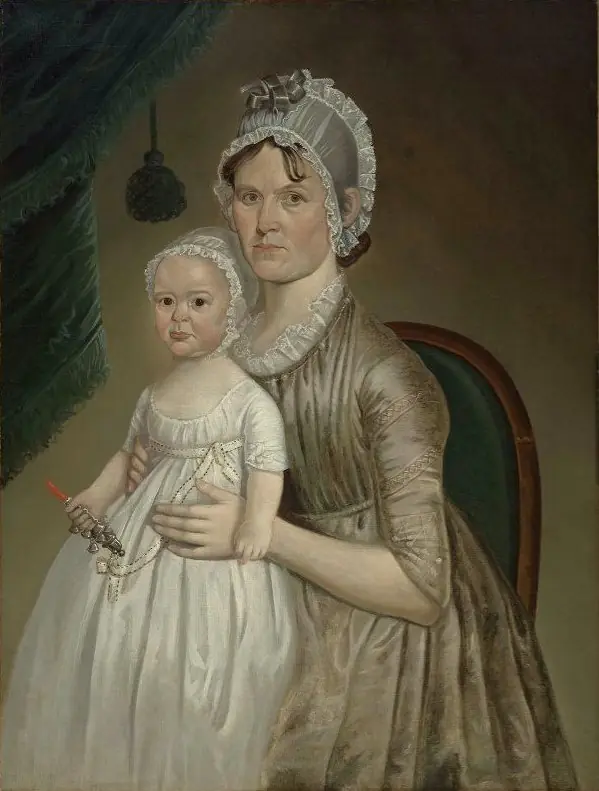 Mrs. Cephas Smith, Jr. (Mary Gove) and Child
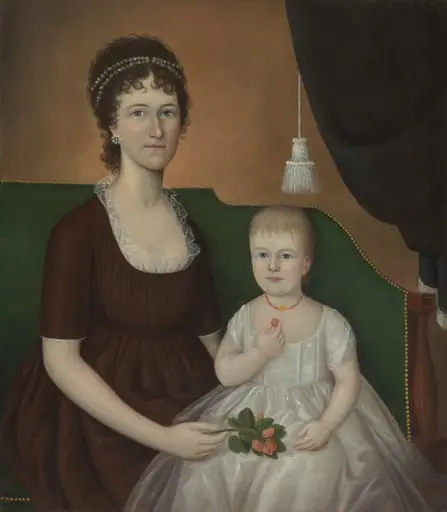 Elizabeth Grant Bankson Beatty (Mrs. James Beatty) and Her Daughter Susan
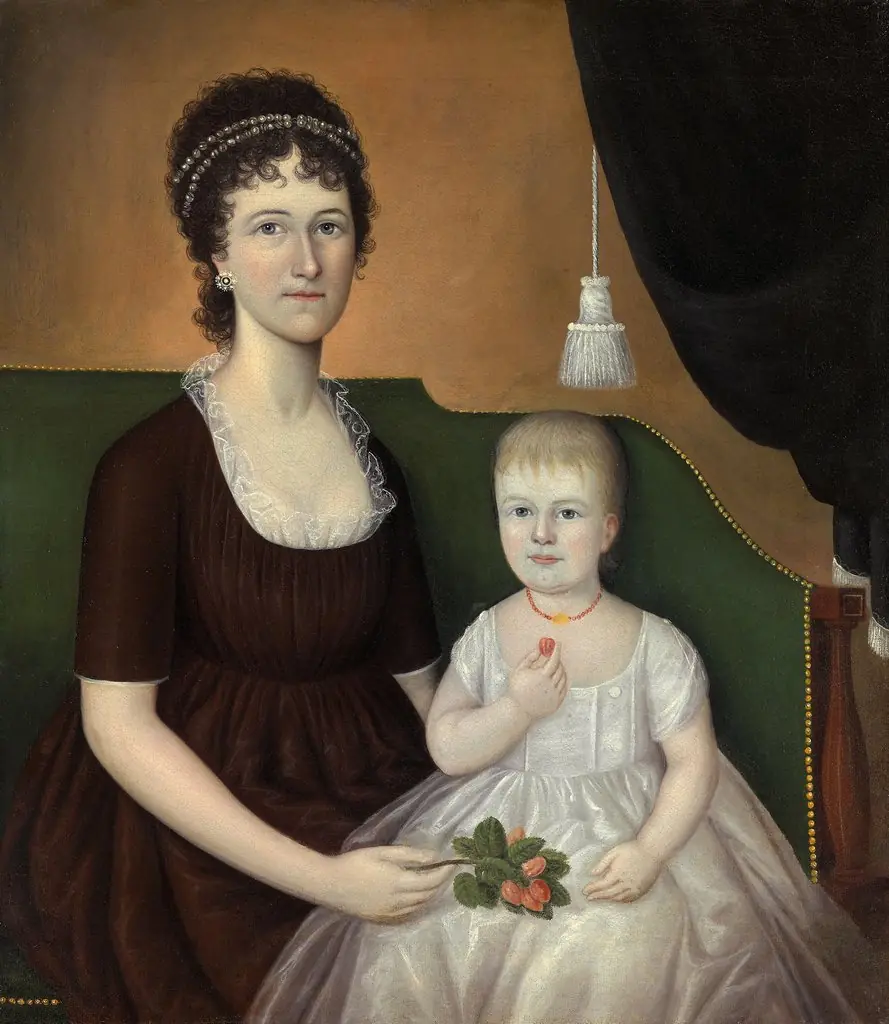 Mrs. Andrew Bedford Bankson and Son, Gunning Bedford Bankson
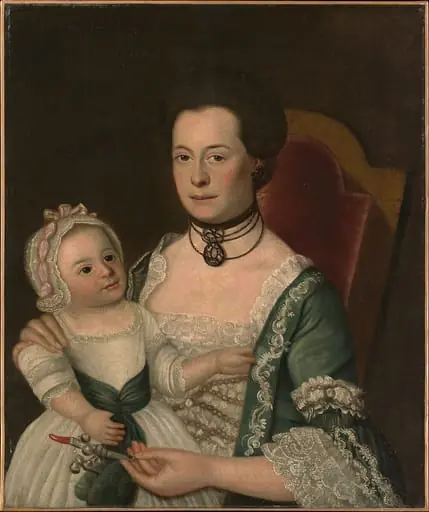 Mrs. Jacob Hurd and Child
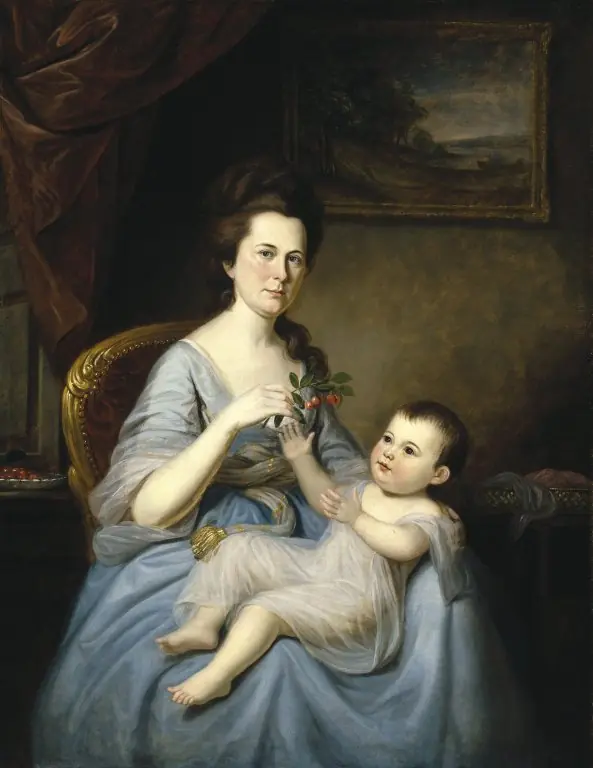 Mrs. David Forman and Child
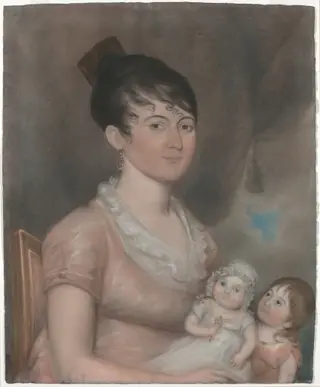 Anna Margaret Blake and Her Two Children
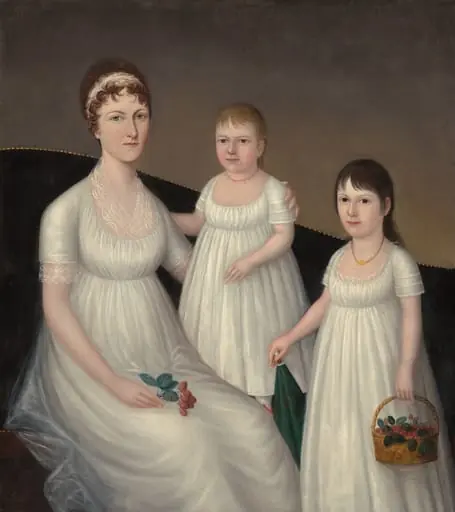 Grace Allison McCurdy (Mrs. Hugh McCurdy) and Her Daughters, Mary Jane and Letitia Grace
- Lady and Child