Artwork
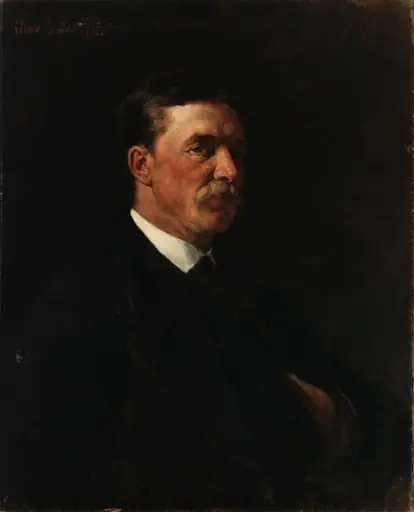
Werner Holmbergin muotokuva
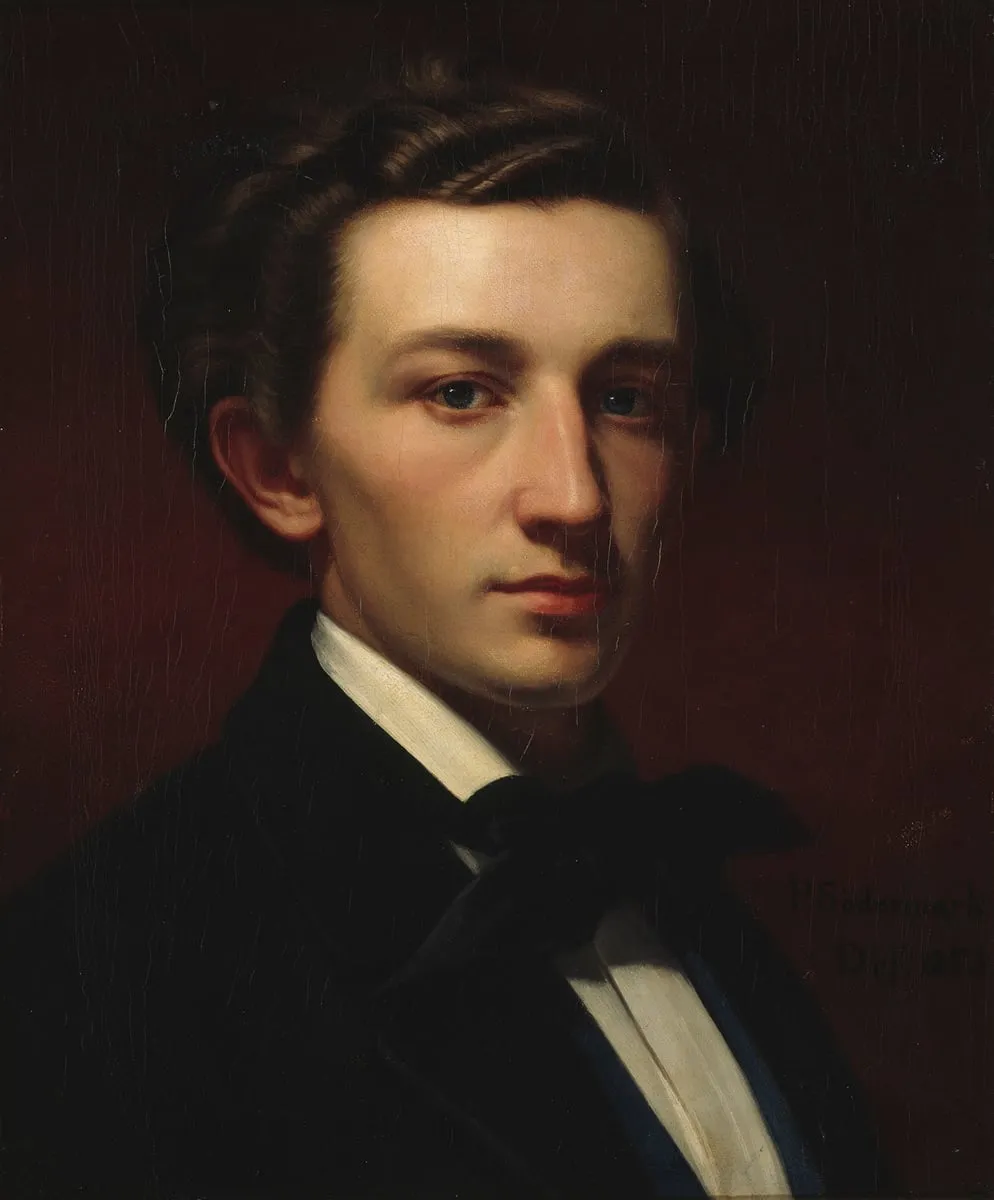
Werner Holmbergin muotokuva is an unspecified painting by Johan Per Södermark. It is held in the collection of the Finnish National Gallery.
About this work
Overview
This portrait depicts Werner Holmberg, a Finnish cultural figure, painted by Swedish artist Johan Per Södermark. Rendered in oil on canvas, the composition emphasizes formal stillness and quiet dignity. The subject is shown in three-quarter view, illuminated against a dark brown background that enhances the sculptural quality of his figure through subtle contrasts of light and shadow.
Subject & Meaning
Werner Holmberg, a noted writer and critic, is portrayed with a composed, introspective demeanor.
Werner Holmberg, a noted writer and critic, is portrayed with a composed, introspective demeanor. His direct gaze to the right suggests contemplation rather than engagement with the viewer. The somber attire, black jacket, white shirt, and bow tie, signals professional gravitas, aligning the image with 19th-century norms of intellectual portraiture, where restraint conveyed moral and intellectual seriousness.
Technique & Style
Södermark employs chiaroscuro to model Holmberg’s face and hands with precision, giving volume without overt drama. Brushwork is controlled, favoring smooth transitions over visible strokes. The dark background isolates the figure, focusing attention on texture: the sheen of fabric, the softness of skin, and the crispness of the collar. These choices reflect academic training and a preference for psychological realism over theatricality.
History & Provenance
The portrait was likely commissioned during Holmberg’s active years in Finnish cultural circles, around the mid-19th century. It remained in private Finnish collections before entering institutional care. Södermark, known for his portraits of Nordic intellectuals, painted Holmberg during a period of cross-border artistic exchange between Sweden and Finland, then under shared cultural influence.
Context
Created during a time when national identity was being shaped in Finland, portraits like this served as visual records of emerging cultural leaders. Holmberg’s role as a literary figure made him a fitting subject for such a depiction. Södermark’s style, rooted in Swedish academic traditions, was increasingly adopted by Finnish patrons seeking to align their cultural aspirations with broader European norms of refinement and seriousness.
Legacy
The portrait endures as a representative example of Nordic 19th-century portraiture, valued for its restraint and psychological nuance. It contributes to the visual archive of Finland’s intellectual history and reflects Södermark’s role in bridging Swedish and Finnish artistic practices. Though not widely exhibited, it remains a key reference in studies of regional portraiture and cultural identity formation.
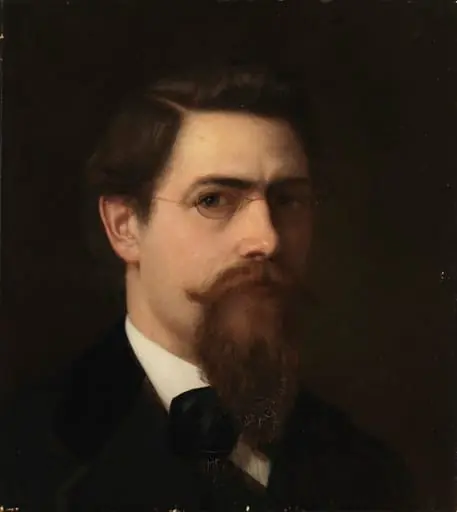
Artist & collection
Artist
Johan Per Södermark kept a studio so cold his models’ breath fogged the air, he said chill made the colors sharper.

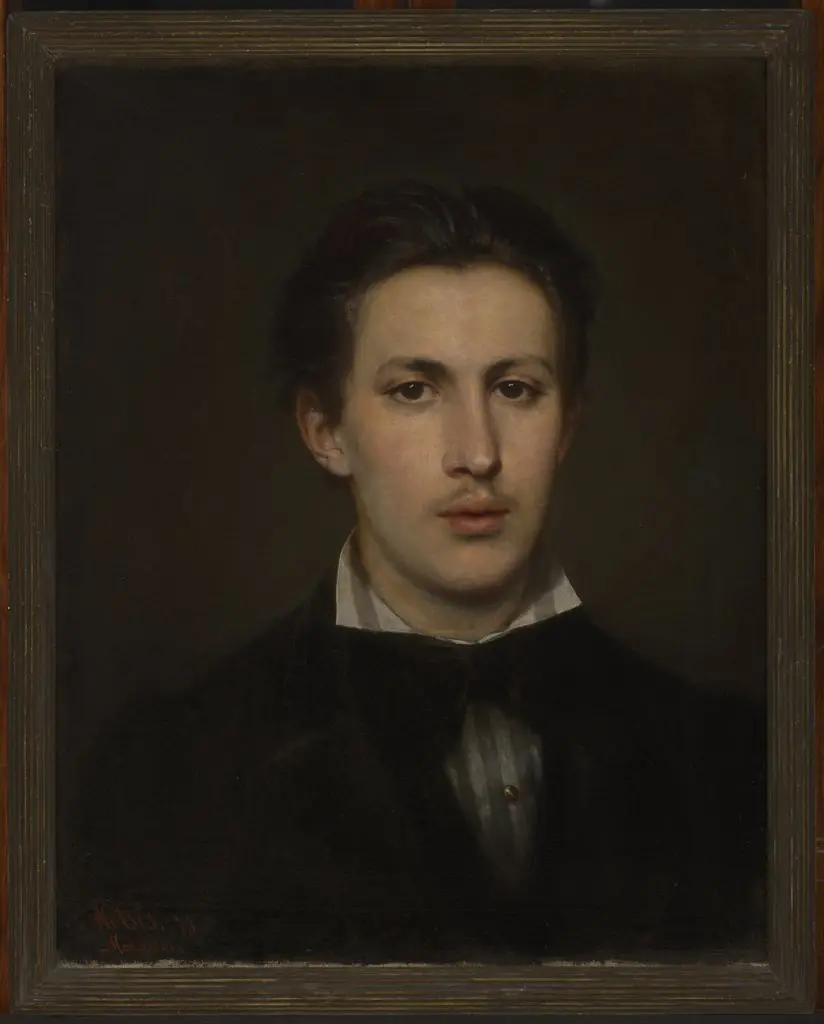 Portrait of Jan Zawiejski
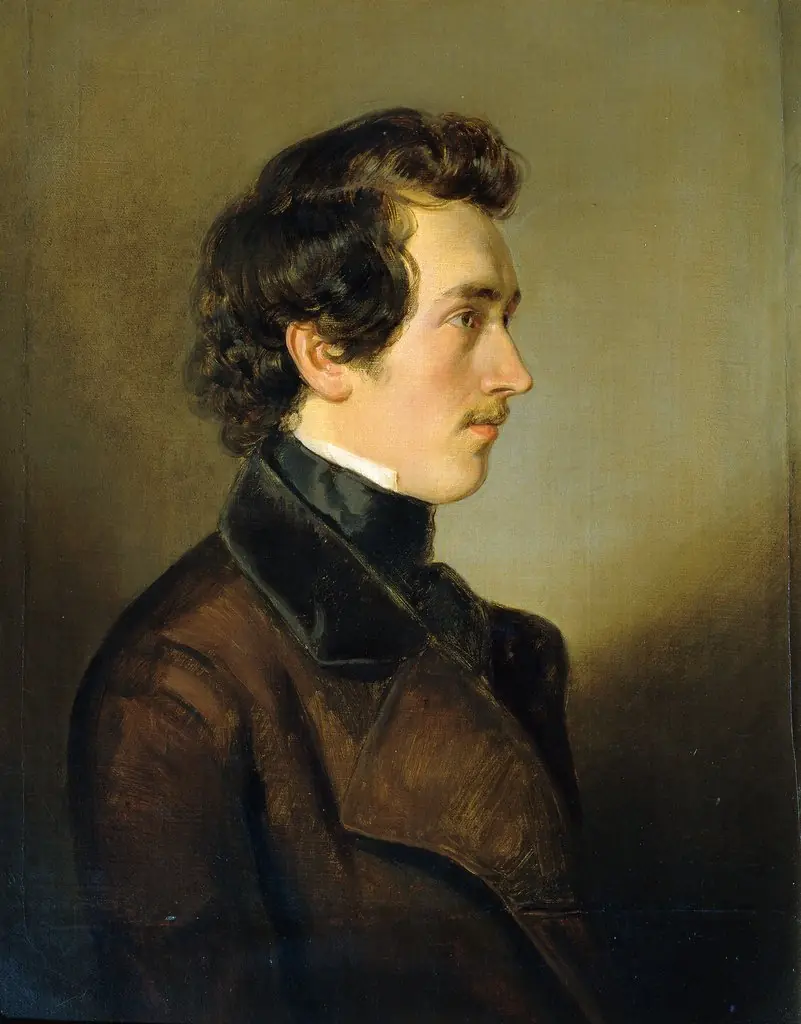 The painter Leopold Brunner the Younger
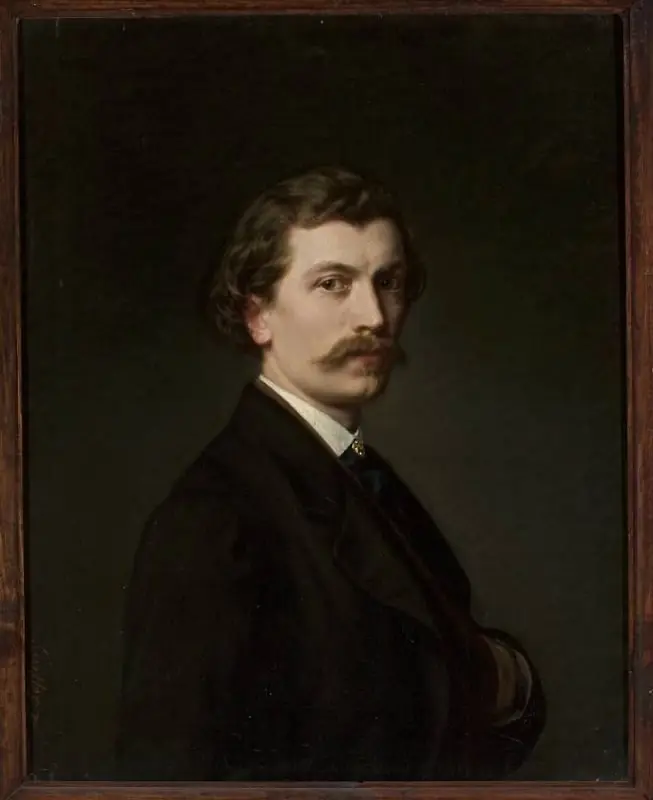 Self-portrait
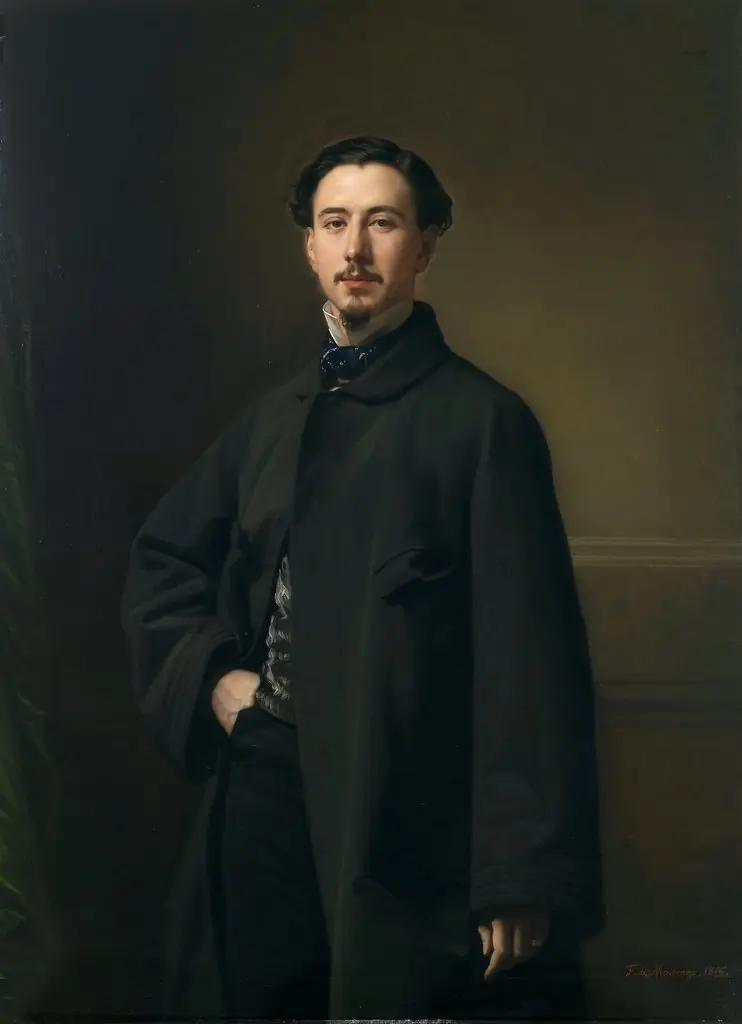 Jaime Girona y Agrafel
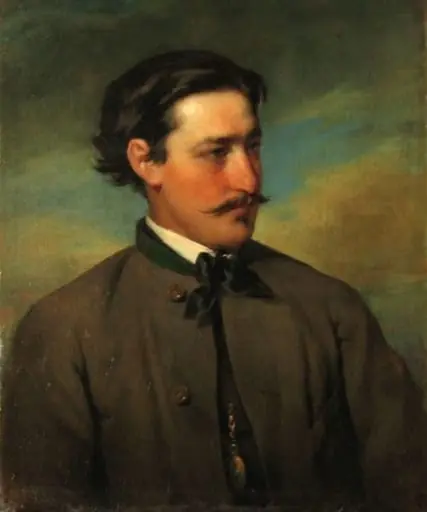 Baronul Hermann von Brukenthal
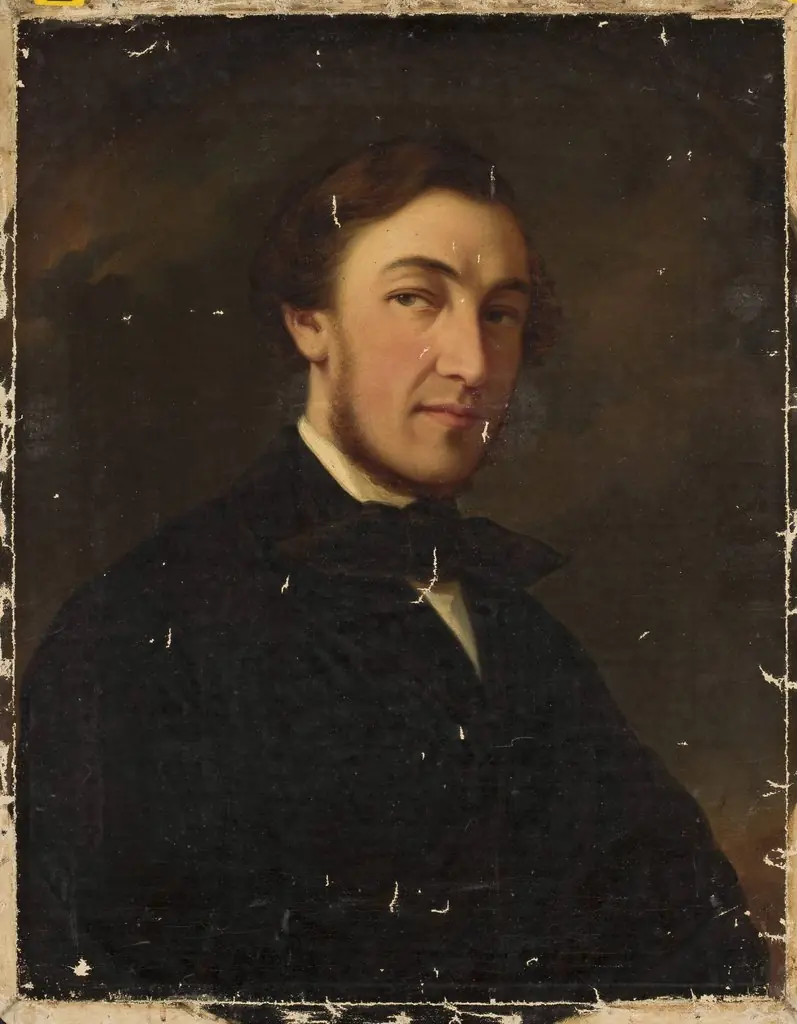 Portrait of a man
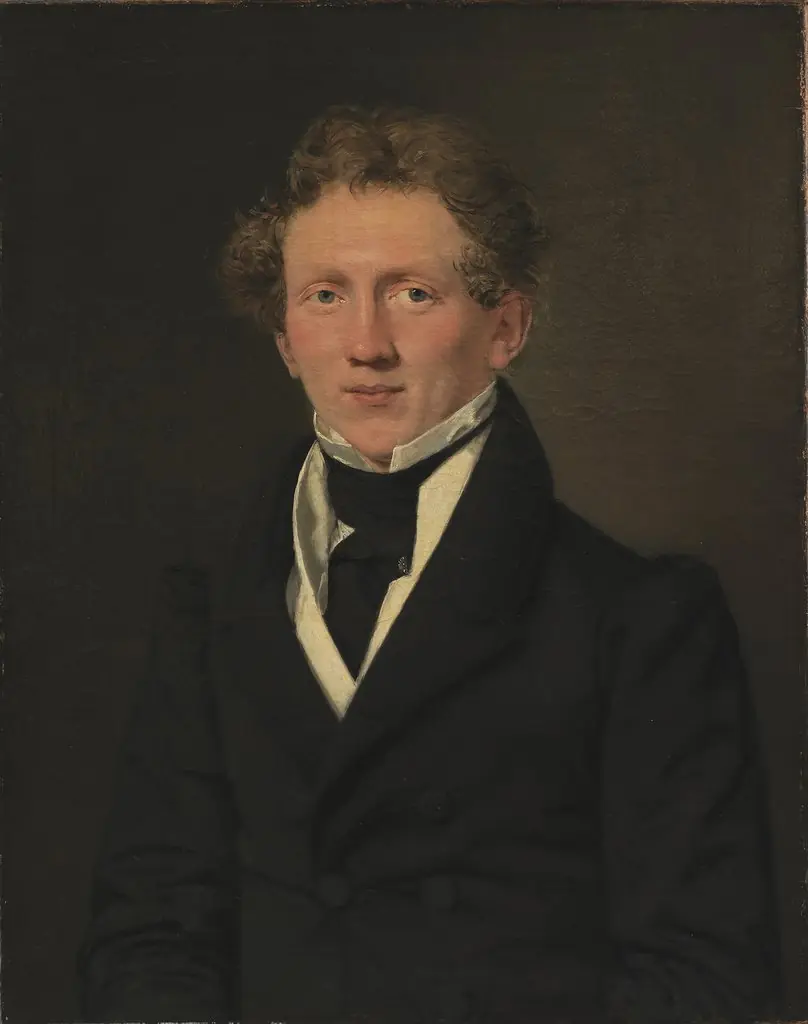 Skibsintendant Theodor Emil Ludvigsen
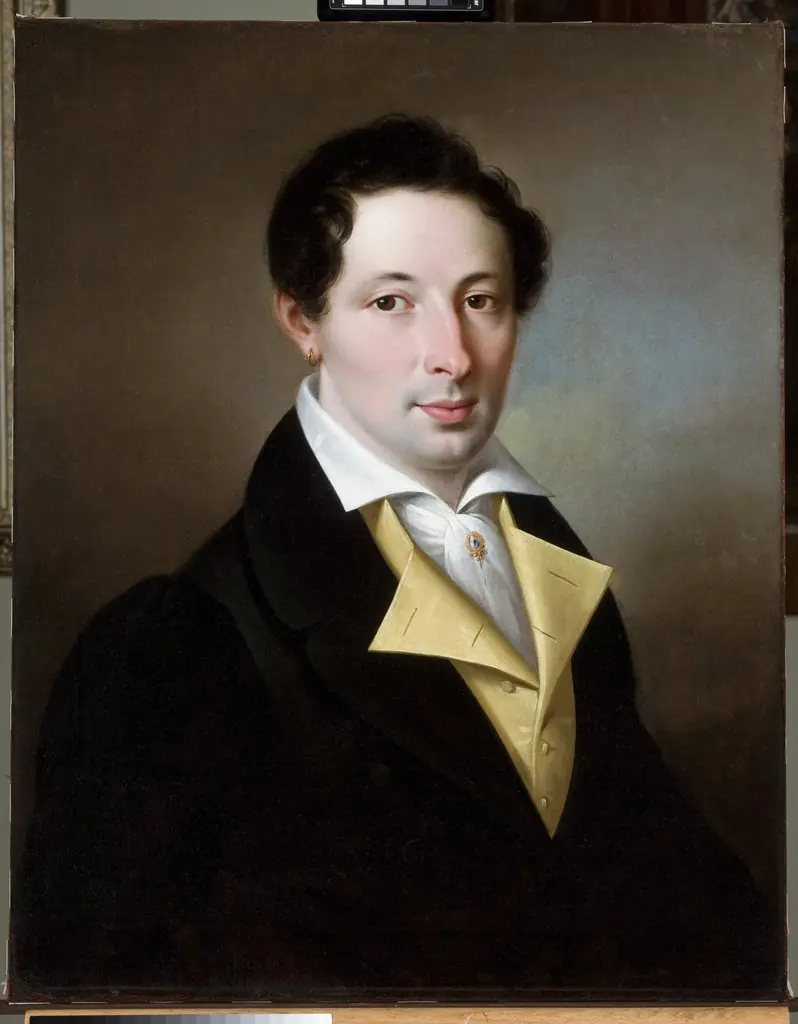 Portrait of Karol Kollarzowski
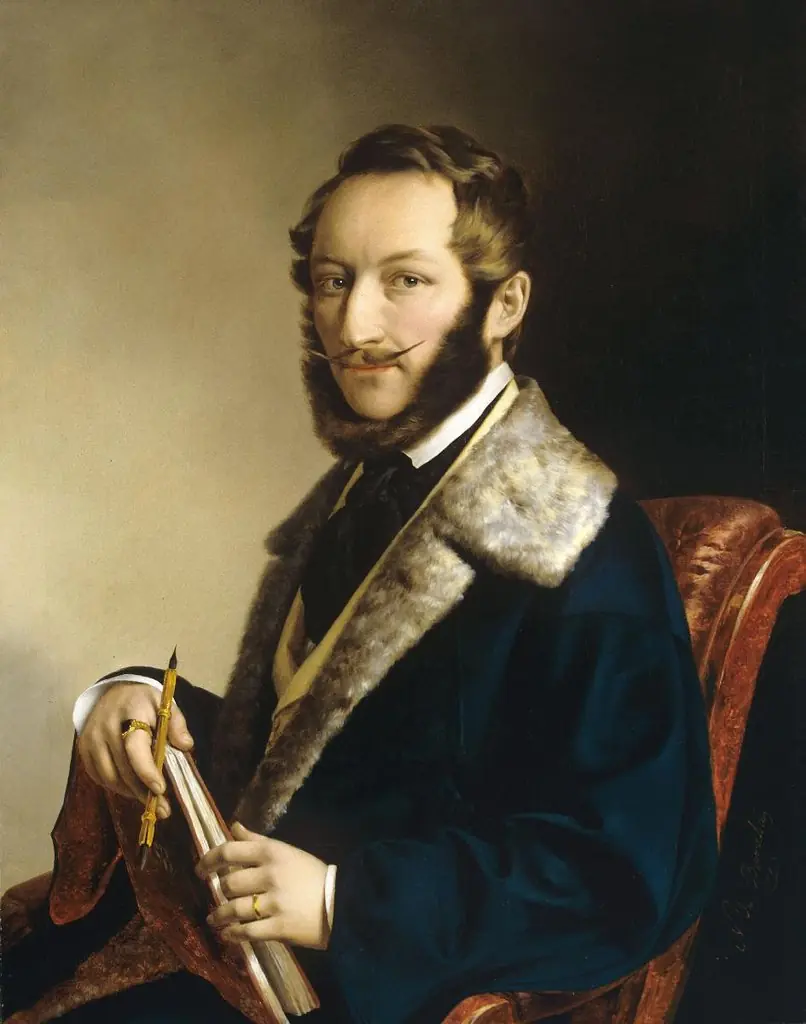 Self-portrait
 The Paymaster Theodor Emil Ludvigsen
 Hjalmar Munsterhjelmin muotokuva
- Omakuva