Artwork
Portrait of a man
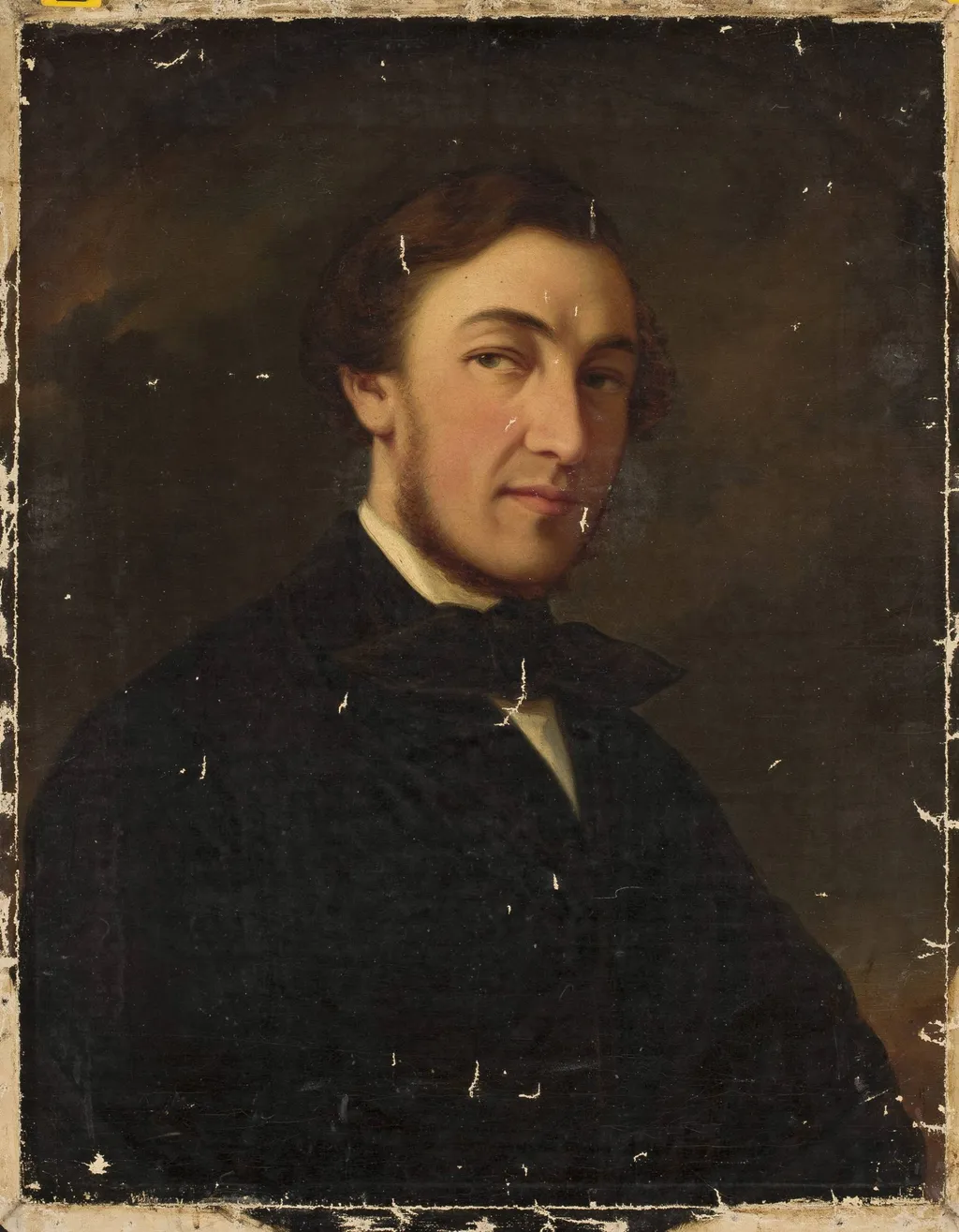
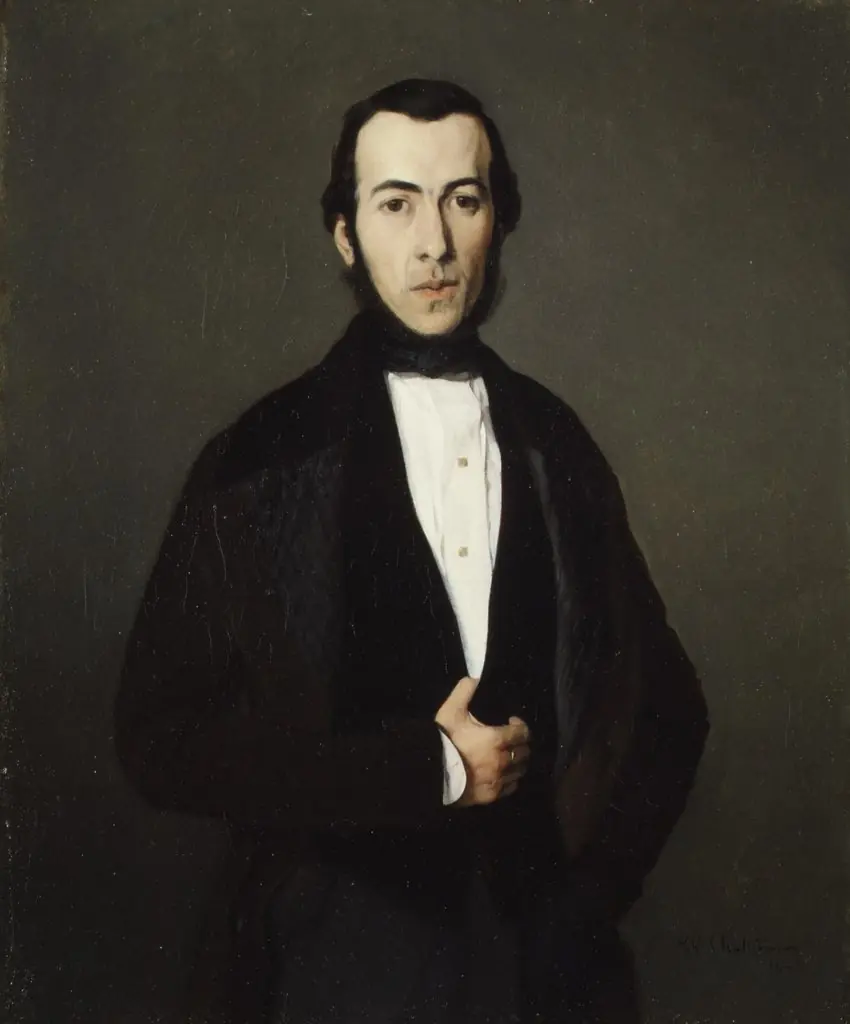
Portrait of a man is an oil painting by the Realist artist Władysław Majeranowski. It dates from 1856 and is held in the collection of the National Museum in Warsaw.
About this work
Overview
Portrait of a Man is an oil-on-canvas painting by the Polish artist Władysław Konstanty Majeranowski, dated 1856.
Portrait of a Man is an oil-on-canvas painting by the Polish artist Władysław Konstanty Majeranowski, dated 1856. The work measures 63.5 by 49.5 centimetres and is held in the collection of the National Museum in Warsaw. It represents a characteristic example of mid-nineteenth-century Polish portraiture by an artist whose training in Munich positioned him within the broader Central European academic tradition. The painting's presence in a major Polish national collection underscores its significance as a document of both artistic practice and social identity during the period of the partitions.
Technique & Style
Majeranowski executed the portrait in oil paint on canvas. Light falls from the left, illuminating the left side of the face while the right side recedes into shadow, a conventional chiaroscuro that models the features with sculptural clarity. The brushwork is smooth and blended in the face, suggesting careful finish and attention to likeness, while broader handling characterises the clothing and background. This differentiation between the treatment of flesh and fabric is consistent with academic training of the period. The surface shows significant wear, including scratches, paint losses, and abrasions throughout, especially along the edges; the canvas edges are visible and frayed. These condition issues indicate a history of handling and exposure that has affected the painting's original appearance.
History & Provenance
The painting is dated 1856, placing it in the mature phase of Majeranowski's career, after his marriage in 1845 to the singer Honorata Anna Hoffman and following his studies at the Academy of Fine Arts in Munich, which he entered in December 1841. The work is now in the National Museum in Warsaw, though the precise date and circumstances of its acquisition remain unspecified in the available sources. No exhibition history is recorded.
Context
Władysław Konstanty Majeranowski was born on 28 September 1817 in Kraków and died in 1874; he is buried at the Powązki Cemetery in Warsaw. His training in Munich connected him to one of the most important centres of European academic painting in the nineteenth century, a pathway taken by numerous Polish artists during the period of the partitions when domestic academies were either non-existent or limited in scope. His known works include the historical painting Konrad Wallenrod (1844), Scena po bitwie (1846), and several portraits of family members and nobility, such as the Portret Honoraty Hoffman-Majeranowskiej (1851) and the Portret Piotra hr. Moszyńskiego (1840). The National Museum in Kraków holds works by him. The relative scarcity of his paintings in museum collections, with most concentrated in Polish institutions or churches in the eastern borderlands (Kresy), has limited scholarly attention to his oeuvre.
Legacy
Majeranowski's reputation remains that of a secondary figure in Polish nineteenth-century painting, known primarily to specialists in the period. The appearance of works attributed to him on the art market, such as a portrait of his wife offered at Dorotheum in 2025, indicates continued collector interest in his portraiture, though such opportunities are rare. The National Museum in Warsaw's holding of Portrait of a Man ensures the work's preservation and accessibility for study, even as broader public recognition of the artist remains limited. The painting stands as a representative instance of the dispersed but significant body of portraiture produced by Polish artists trained abroad during an era of constrained national institutions.
Own this work as a print
Artist & collection

- Portrait of a Man
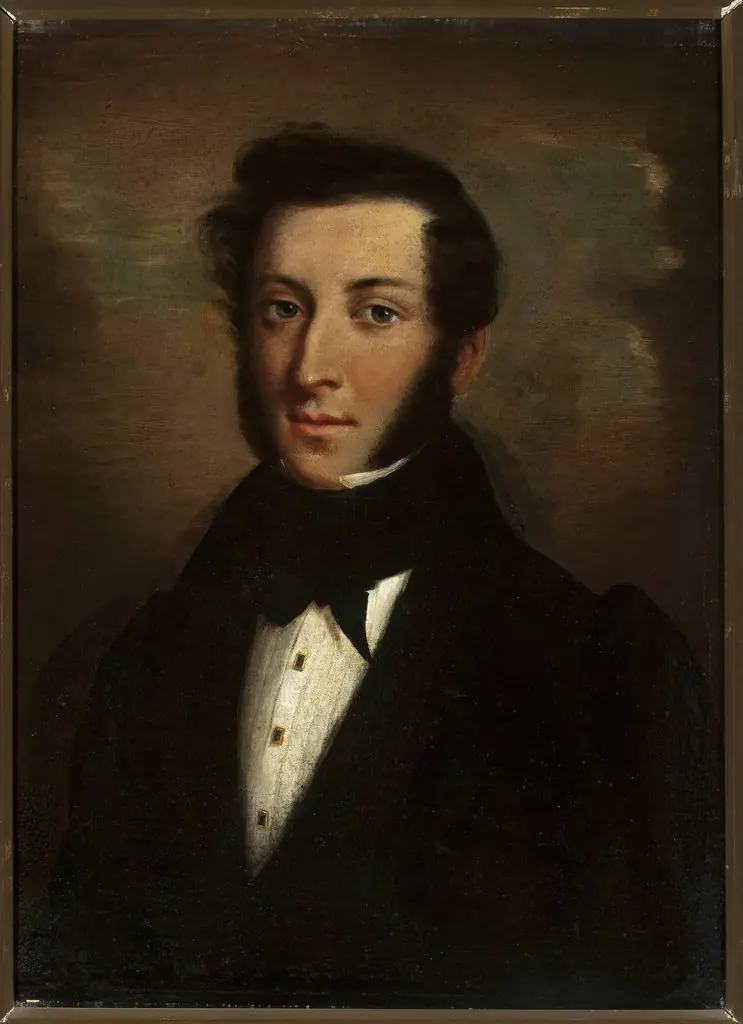 Portrait of Józef Węgleński
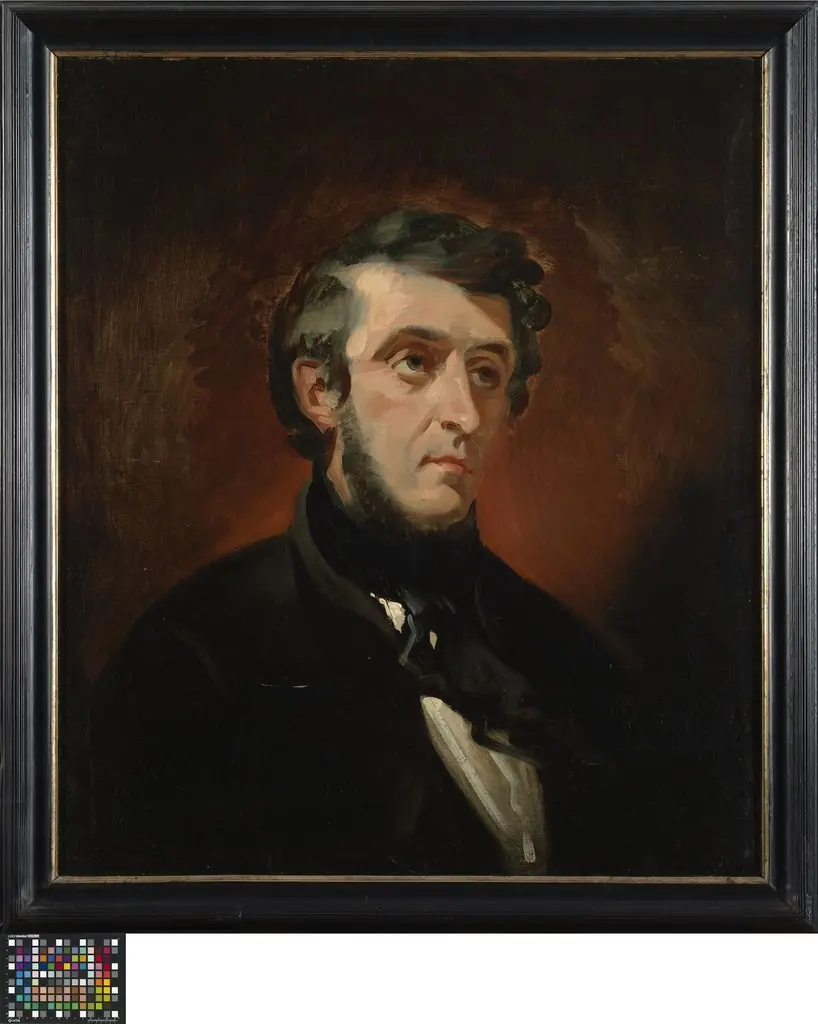 Portret van John Steinmetz
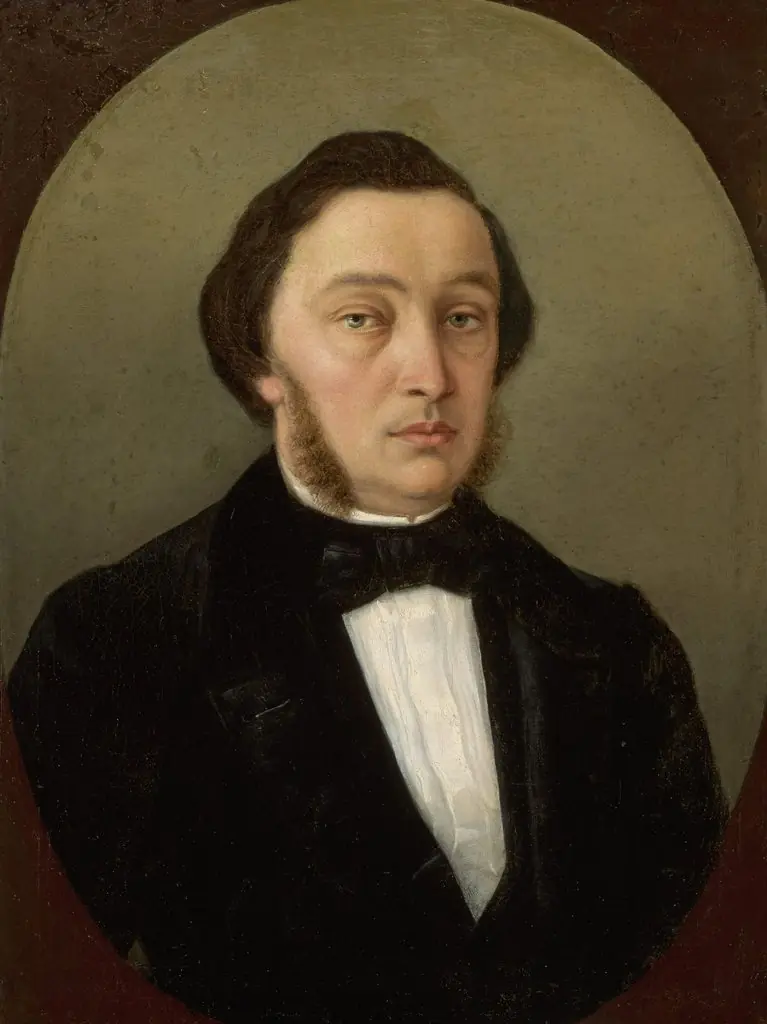 Portrait of a man with side-whiskers
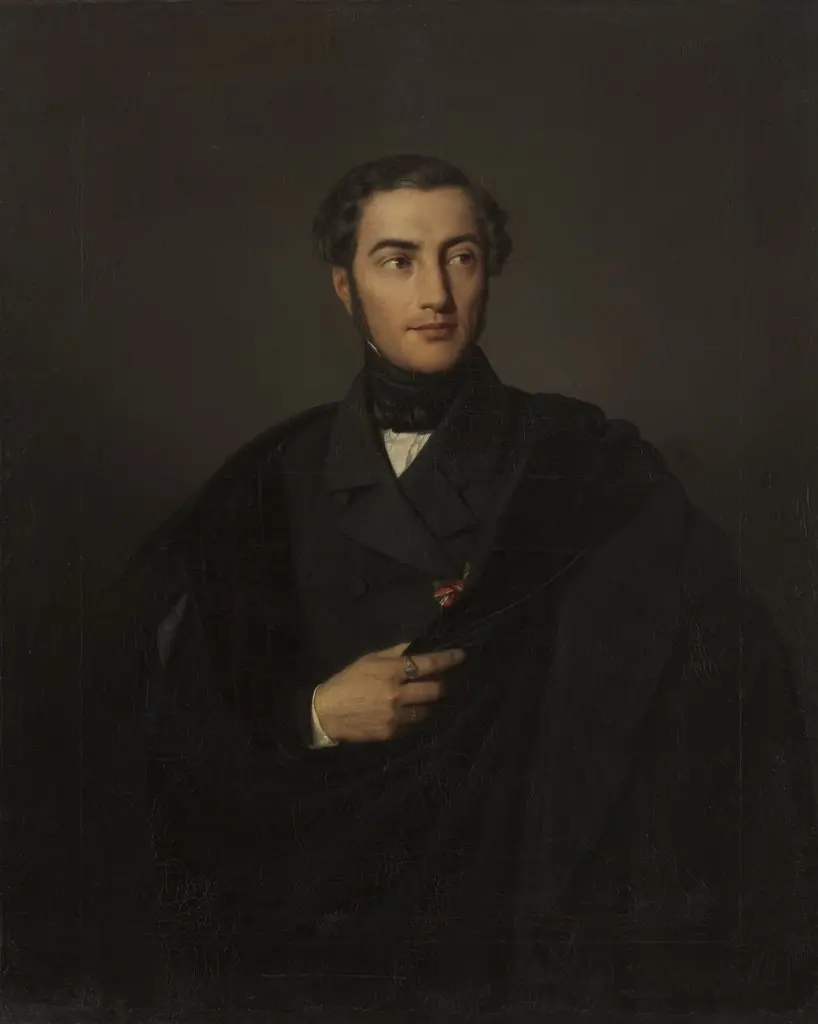 Alberto Cavos
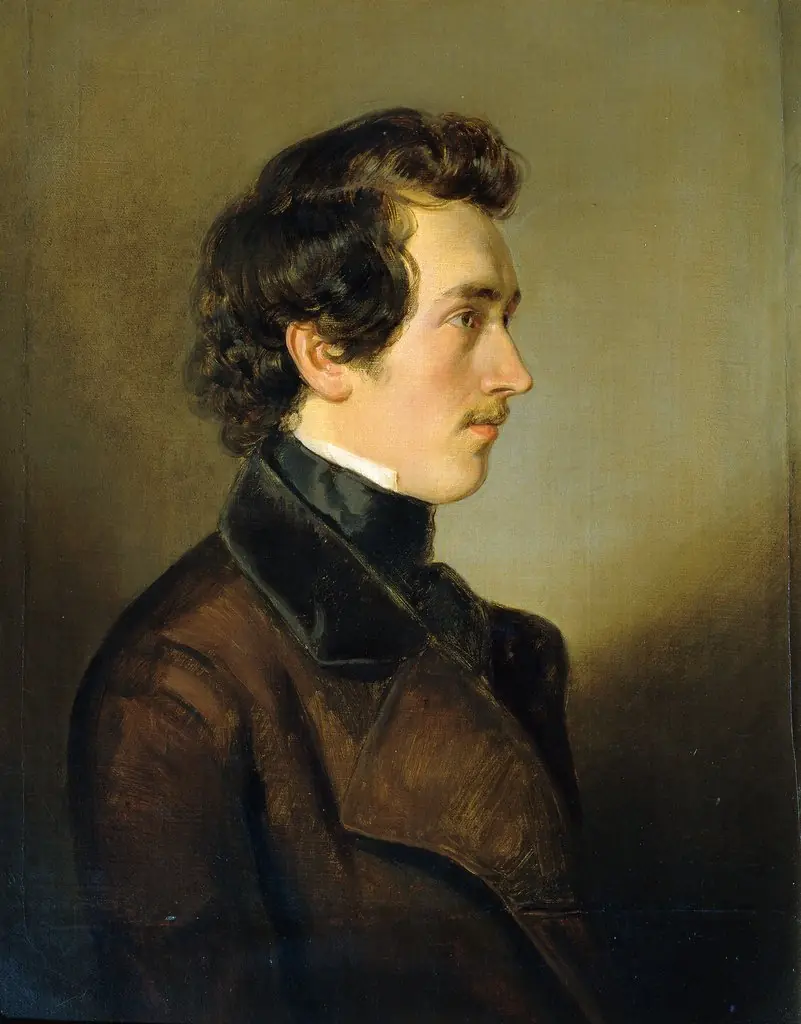 The painter Leopold Brunner the Younger
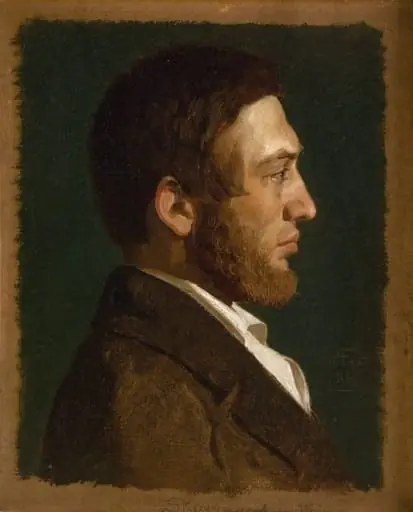 Portrait of the Painter P.C. Skovgaard
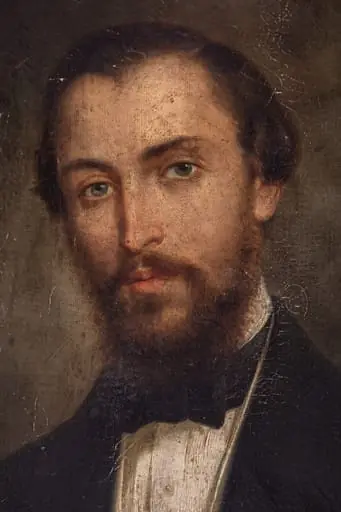 Portret de bărbat
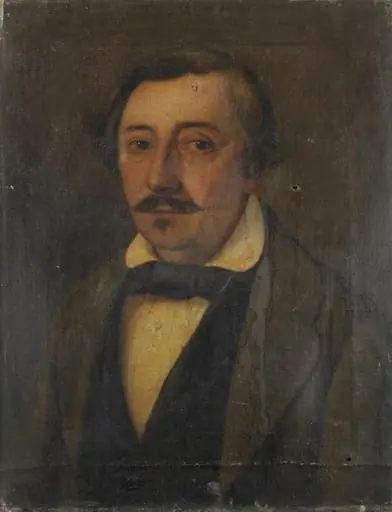 Προσωπογραφία του Ανδρέα Νικ. Λόντου
 Portrait of the Painter Fritz Melbye (1826-69)
 Portrait of a Man
 Portrait of the Painter Fritz Melbye (1826-69)