Artwork
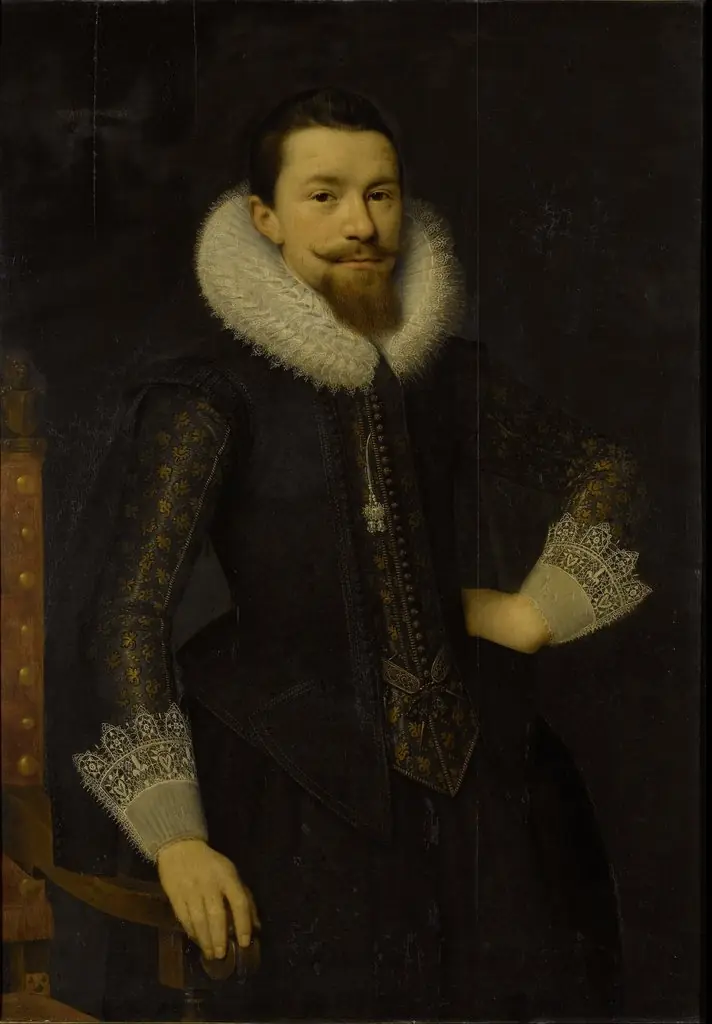
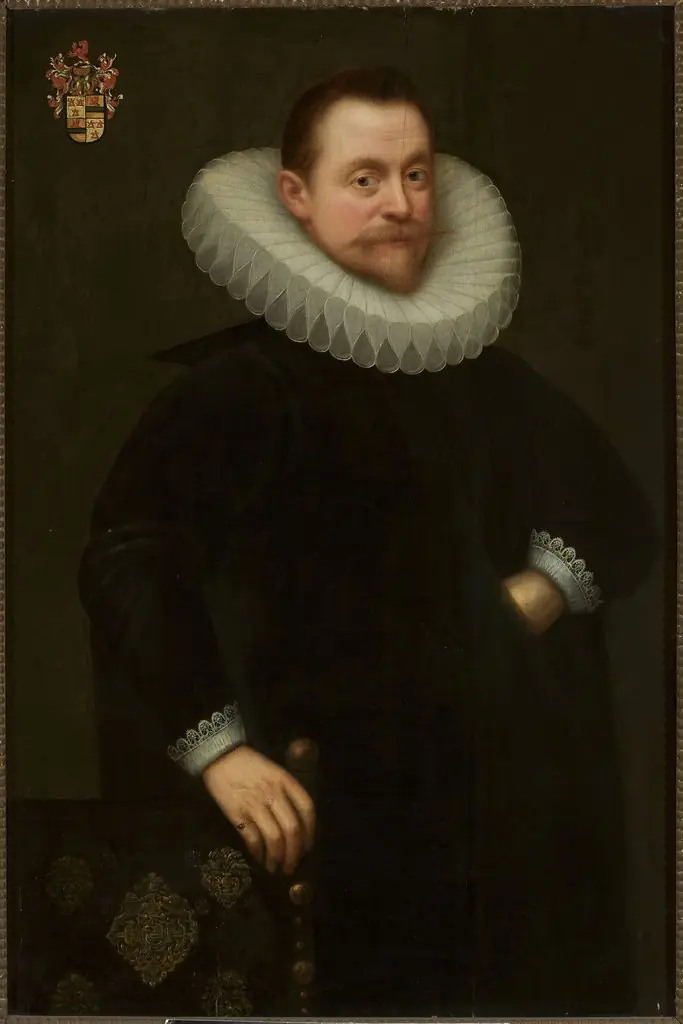
Portrait of a man, possibly Walterus Fourmenois (1596-1653)
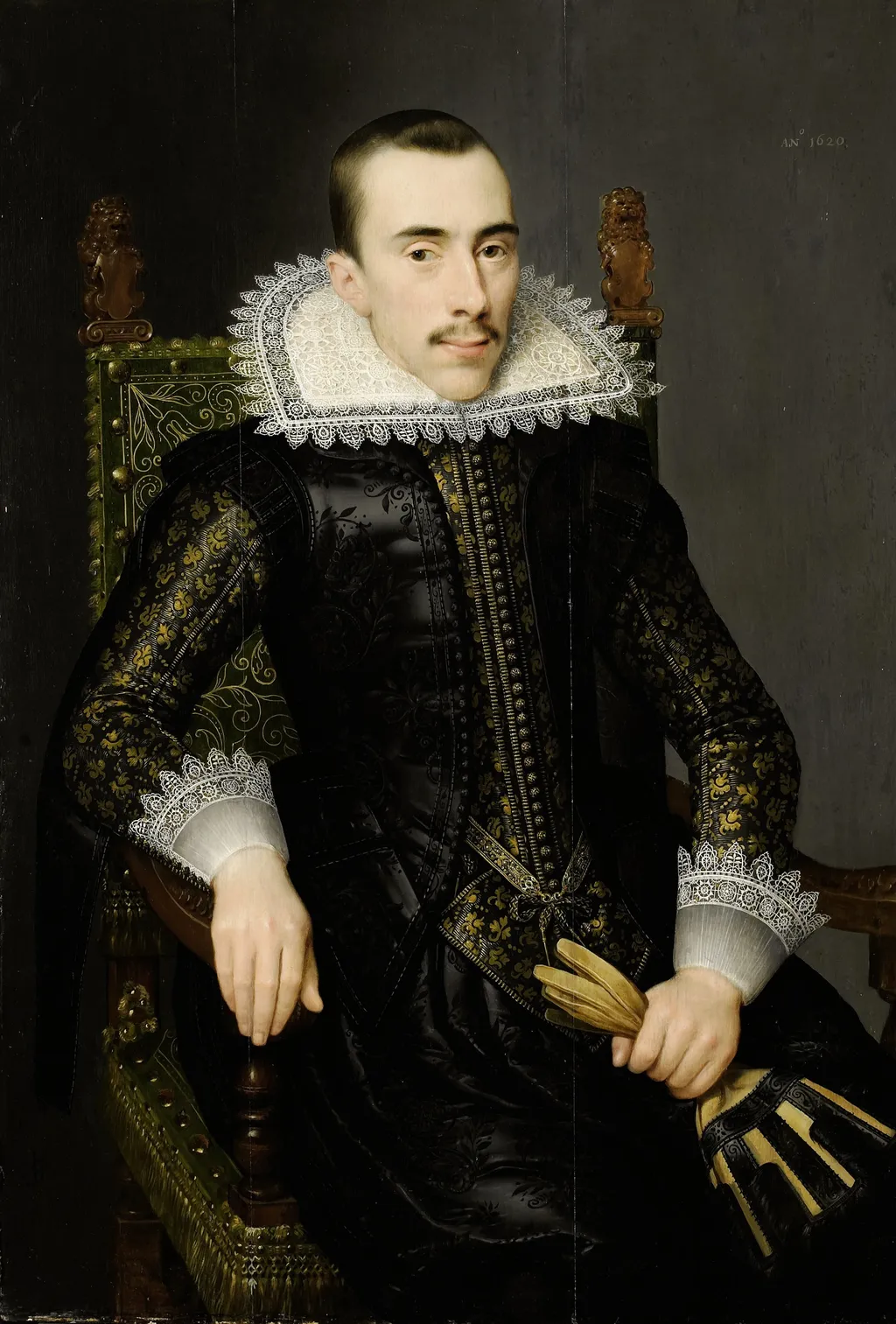
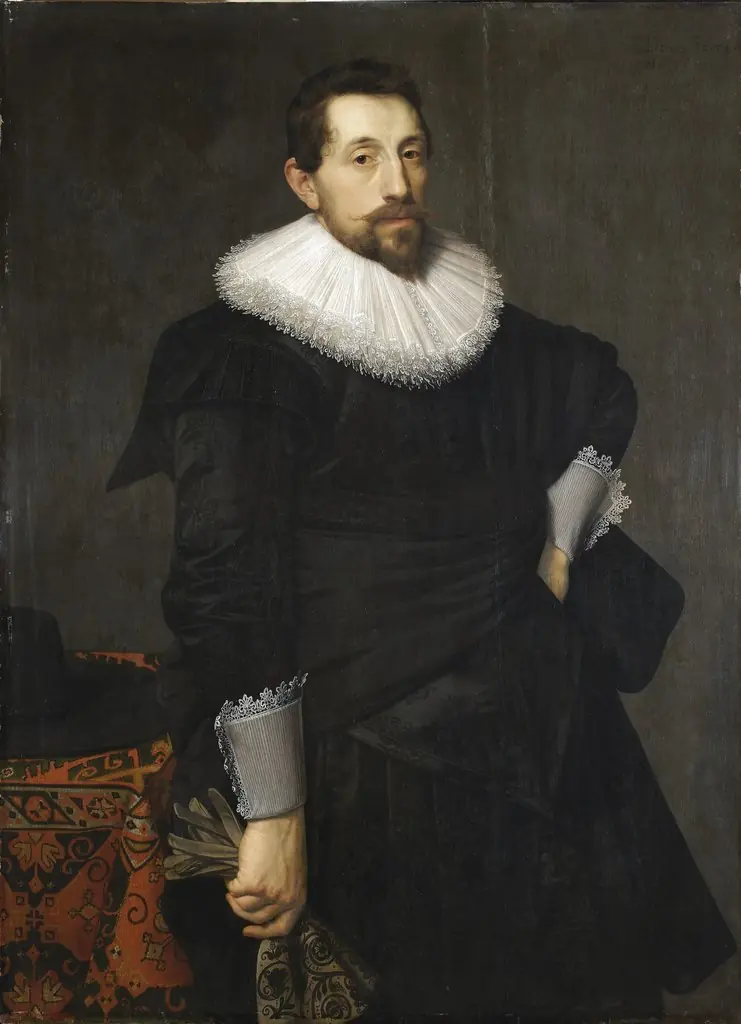
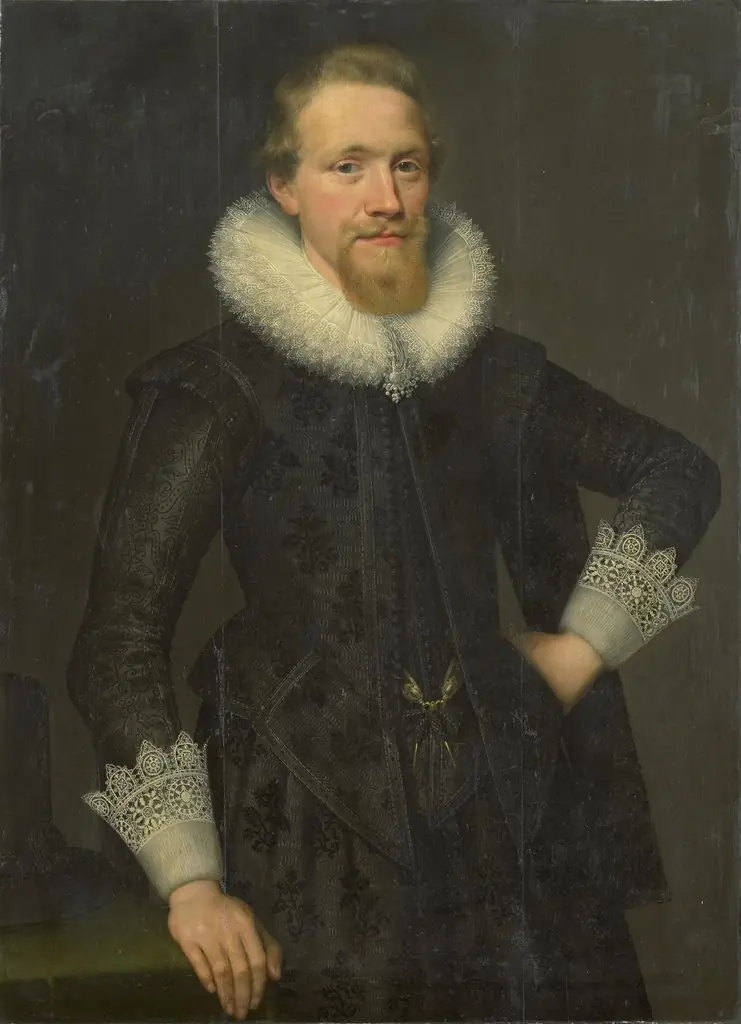
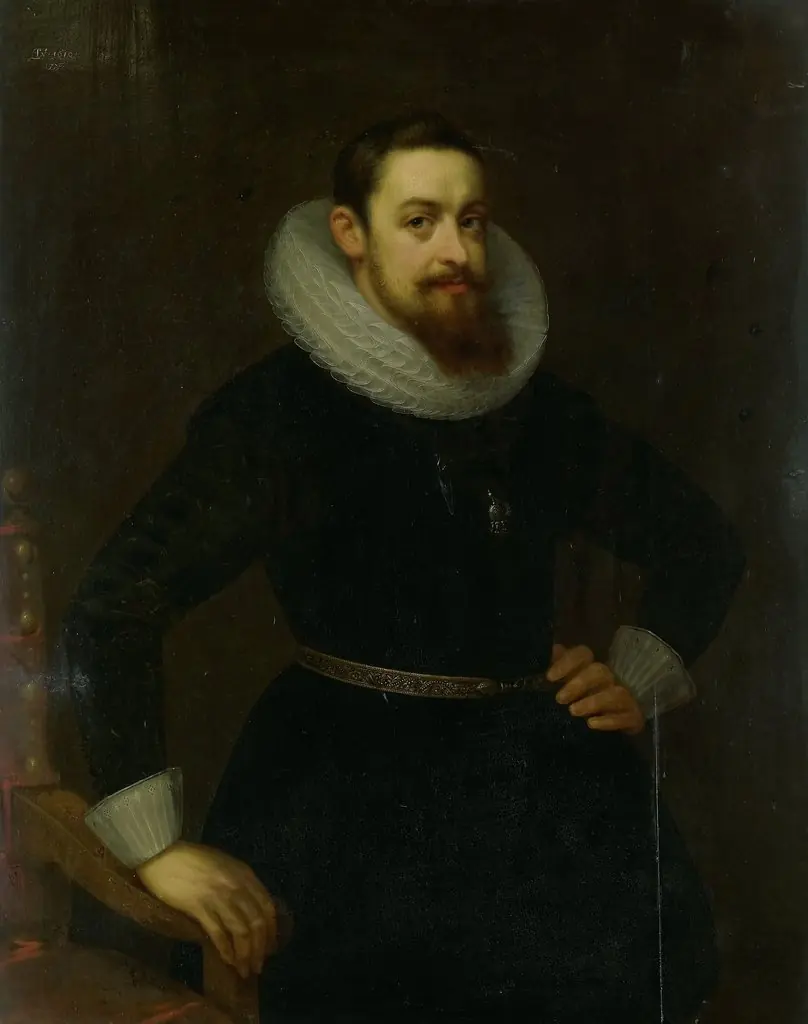
Portrait of a man, possibly Walterus Fourmenois (1596-1653) is an oil painting by the Dutch Golden Age artist Salomon Mesdach. It dates from 1620 and is held in the collection of the Rijksmuseum.
About this work
Technique & Style
Executed in 1620 by Salomon Mesdach, this portrait is an oil painting on a wooden panel. The work measures 104 cm in height and 72.1 cm in width. As a formal portrait, the composition focuses on the depiction of a male subject, rendered through the artist's application of oil pigments to the rigid support. The piece is currently held in the collection of the Rijksmuseum.
History & Provenance
The Portrait of a man, possibly Walterus Fourmenois (1596-1653) is held in the Rijksmuseum collection, where it is cataloged under inventory number SK-C-566.
The work titled Portrait of a man, possibly Walterus Fourmenois (1596-1653), was created by Salomon Mesdach in 1620 using oil paint on panel. It measures 104 by 72.1 centimeters and depicts a man. The painting entered the collection of Jacob de Witte van Citters before being acquired by the Rijksmuseum, where it remains on display.
The work was likely commissioned as a portrait and reflects the artistic practice of the Dutch Golden Age, with its formal composition and restrained palette characteristic of early 17th-century portraiture. Its attribution to Mesdach is based on stylistic analysis and documentary evidence linking the subject to the sitter identified in contemporary records.
The Portrait of a man, possibly Walterus Fourmenois (1596-1653) is held in the Rijksmuseum collection, where it is cataloged under inventory number SK-C-566. The work entered the museum through the bequest of Jacob de Witte van Citters, who owned the piece prior to its acquisition. It has been displayed in the Rijksmuseum's Dutch Golden Age exhibition, which highlighted portraiture from the early 17th century.
Overview
Created in 1620, this oil on canvas portrait is attributed to the Dutch painter Salomon Mesdach. It shows a seated gentleman dressed in a dark jacket with gold embroidery, a crisp white lace collar, and a ruffled cuff. The figure rests his left hand on the chair’s arm and holds a small object in his right hand, his expression solemn and composed. The work is part of the Rijksmuseum’s collection.
Subject & Meaning
The sitter is thought to be Walterus Fourmenois (1596‑1653), a figure whose identity remains uncertain but is suggested by historical records linking the name to the period. The formal attire and poised demeanor convey status and confidence, typical of early‑17th‑century portraiture intended to affirm the subject’s social standing and personal virtues.
Context
In the Dutch Golden Age, portraiture served both personal commemoration and public display of wealth. Mesdach’s work reflects contemporary fashions, gold‑patterned jackets, lace collars, and ruffled cuffs, while adhering to the period’s preference for restrained backgrounds that focus attention on the sitter’s visage.
Own this work as a print
Artist & collection