Artwork
Portrait of Jacob Pergens (?-1681)
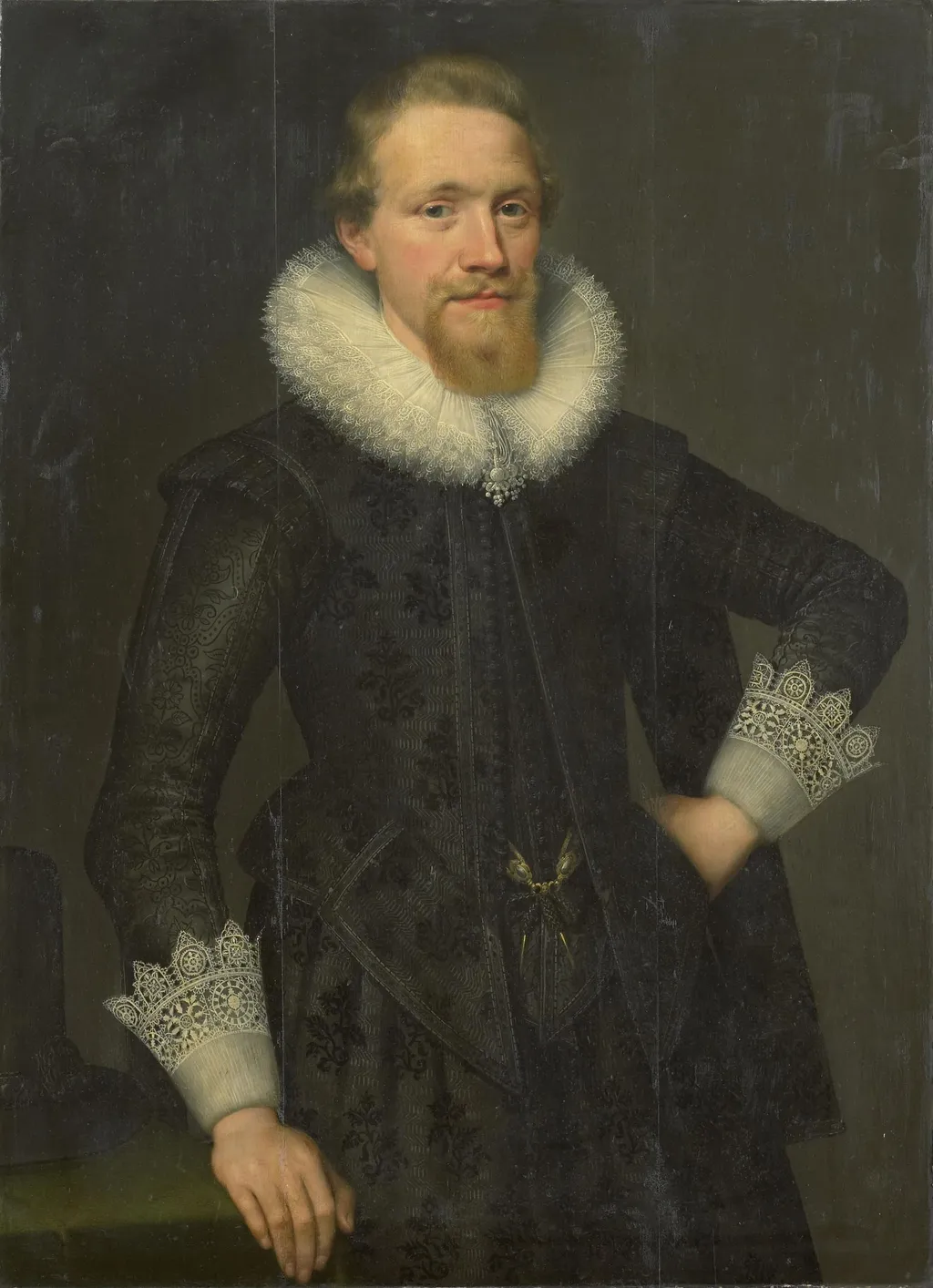
Portrait of Jacob Pergens (?-1681) is an oil painting by the Dutch Golden Age artist Salomon Mesdach. It dates from 1619 and is held in the collection of the Rijksmuseum.
About this work
Technique & Style
Executed in 1619, this portrait is an oil painting on panel. The work measures 94.7 cm in height and 69.1 cm in width. As a formal portrait, it adheres to the conventions of early 17th-century Netherlandish portraiture through its use of durable materials and specific dimensional proportions. The piece is currently held in the collection of the Rijksmuseum.
History & Provenance
The sitter’s later ownership connection to Jacob de Witte van Citters suggests the painting remained within Dutch patrician circles after Mesdach’s death.
The work is dated 1619 and attributed to Salomon Mesdach, placing its creation in the early 17th century. It depicts Jacob Pergens, who died in 1681, indicating the portrait was painted during his lifetime rather than posthumously.
The sitter’s later ownership connection to Jacob de Witte van Citters suggests the painting remained within Dutch patrician circles after Mesdach’s death. The canvas entered the collection of the Rijksmuseum, where it is currently held.
The painting is held by the Rijksmuseum in Amsterdam.
Its inventory number is SK-C-1938.
It was included in the exhibition "Salomon Mesdach (ca. 1575–1632): Portretten van een Hollandse schilder" held at the Frans Hals Museum, Haarlem, from 15 December 2012 to 17 March 2013.
Overview
The work is an oil portrait executed in 1619 by Dutch painter Salomon Mesdach. It depicts Jacob Pergens, whose death is recorded in 1681, and is part of the collection of the Rijksmuseum. The composition presents the sitter in a three‑quarter view against an unadorned, dark backdrop, emphasizing his attire and expression.
Subject & Meaning
Jacob Pergens is shown wearing a dark, patterned doublet trimmed with light lace at the collar and cuffs, a small ornamental brooch fastened to his chest, and a neatly trimmed beard. His posture and solemn gaze suggest a dignified, perhaps civic, standing, typical of early‑17th‑century portraiture that aimed to convey personal status and moral seriousness.
Context
The portrait belongs to a broader tradition of Dutch civic portraiture in which merchants and officials commissioned likenesses to affirm their social rank. In 1619, the Netherlands was experiencing economic growth, and the use of luxurious fabrics and lace in the sitter’s dress reflects contemporary fashions among the prosperous middle class.
Own this work as a print
Artist & collection

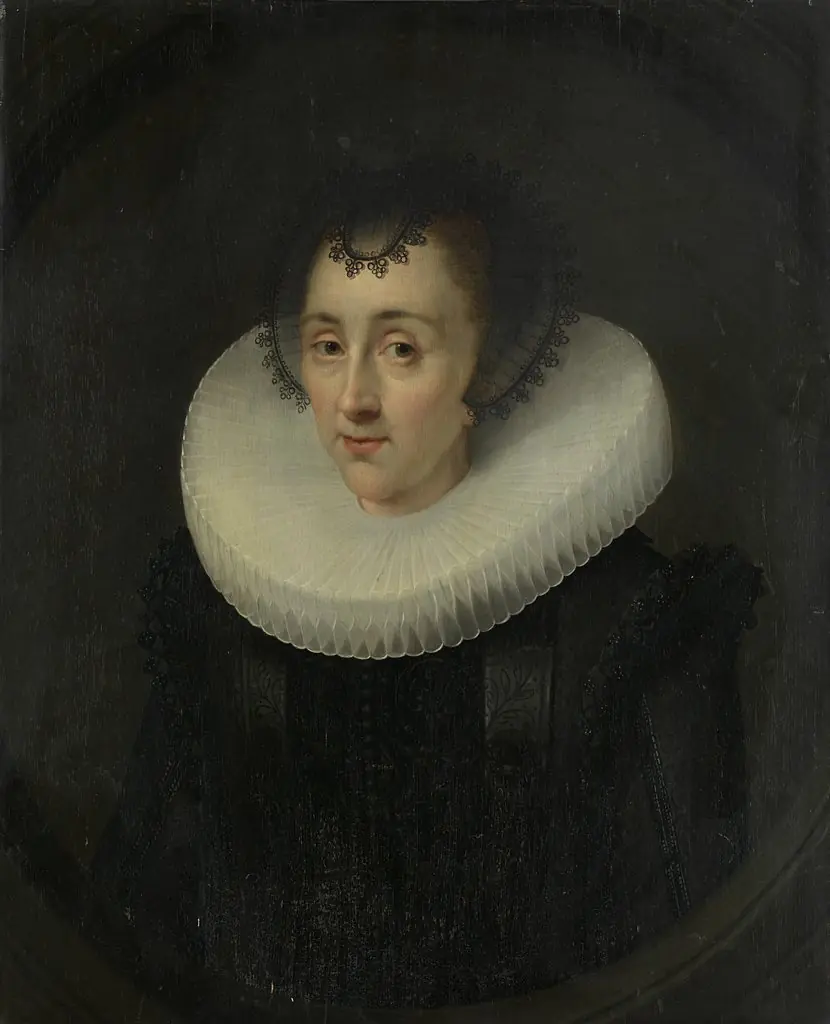 Portrait of Hortensia del Prado (?-1627)
- Portrait of Pieter Boudaen Courten (1594-1668)
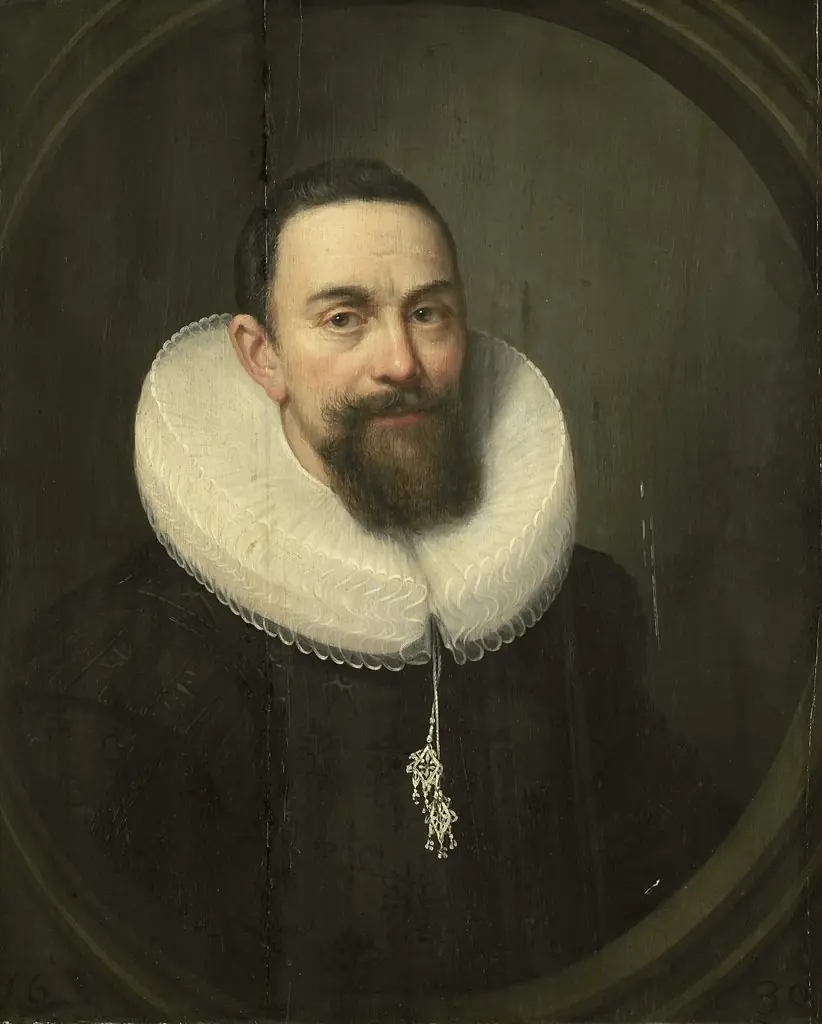 Portrait of Sir Pieter Courten (1581-1630)
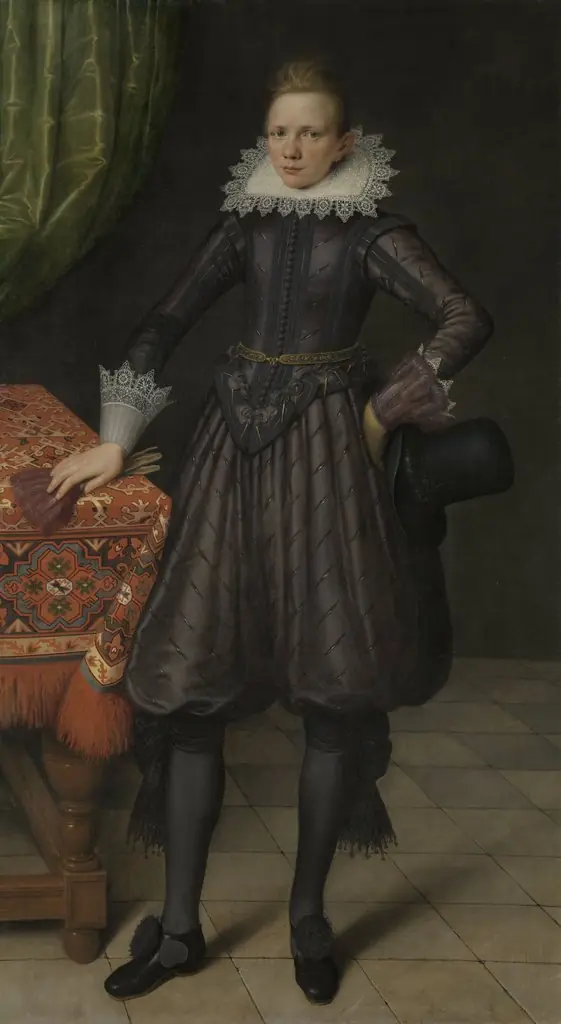 Portrait of Peter Courten
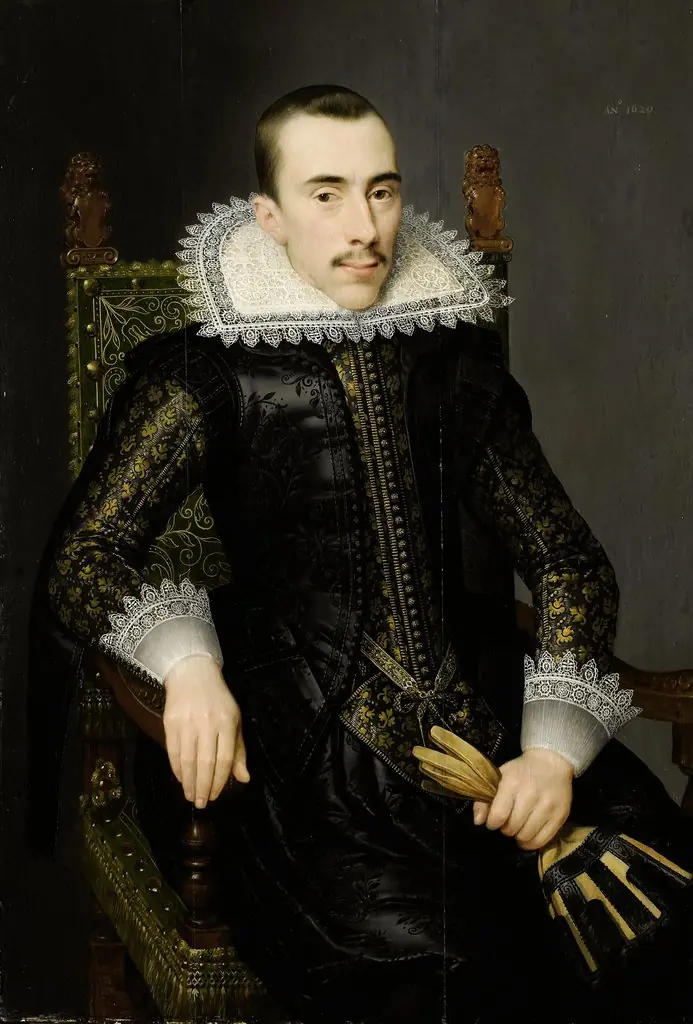 Portrait of a man, possibly Walterus Fourmenois (1596-1653)
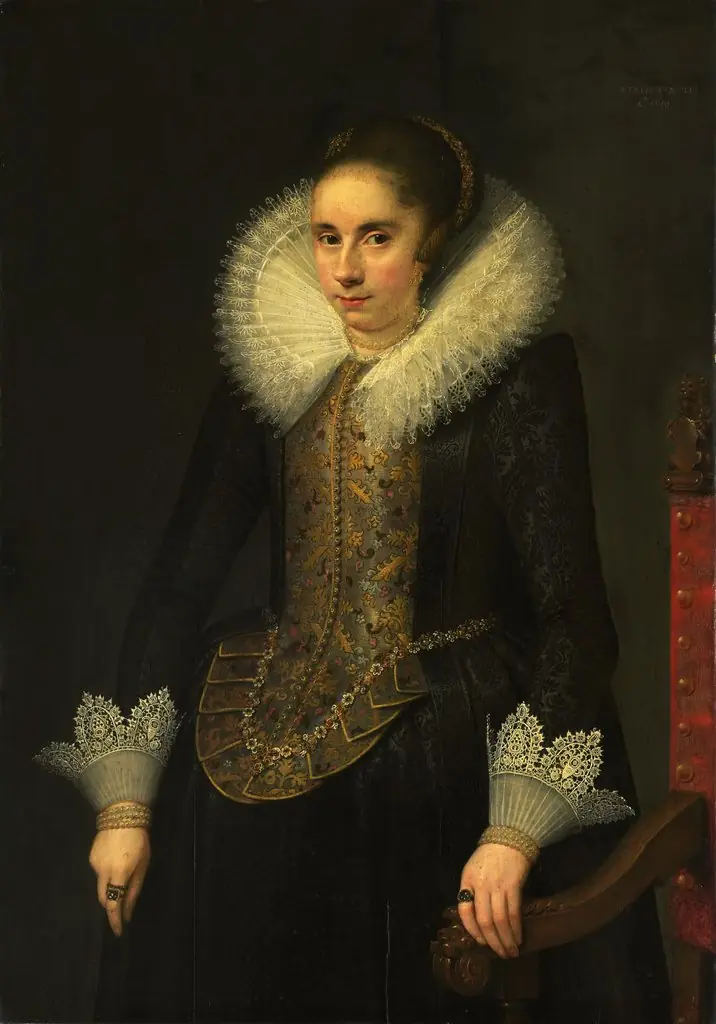 Portrait of Catharina Fourmenois (1598-1665)
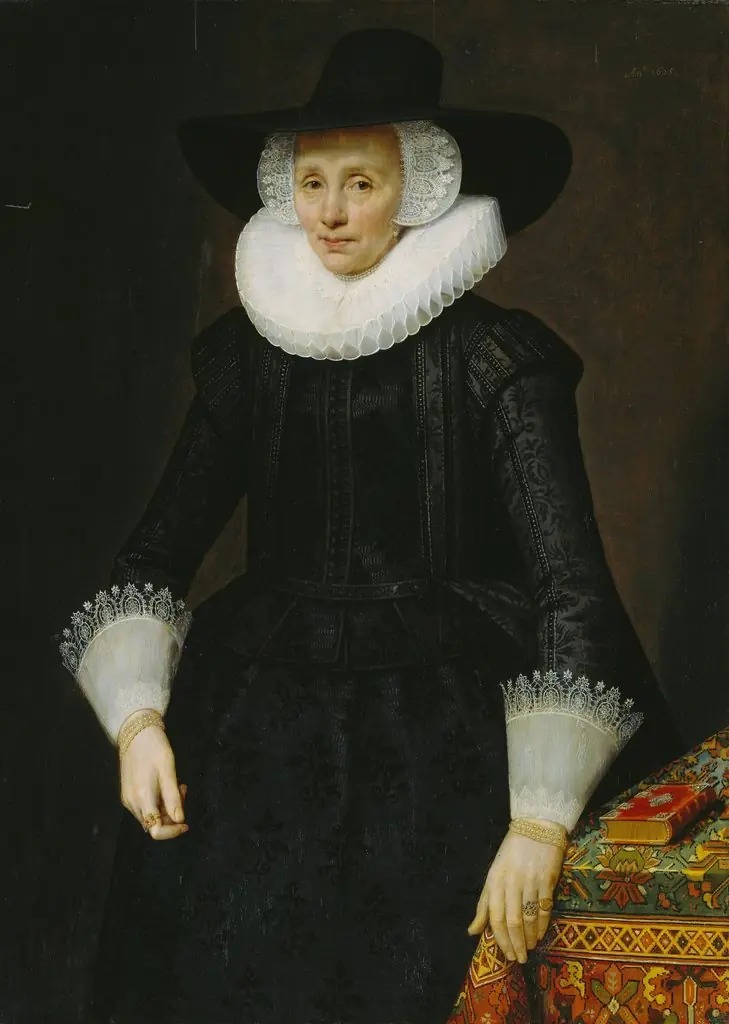 Portrait of Margarita Courten (1564-1640)
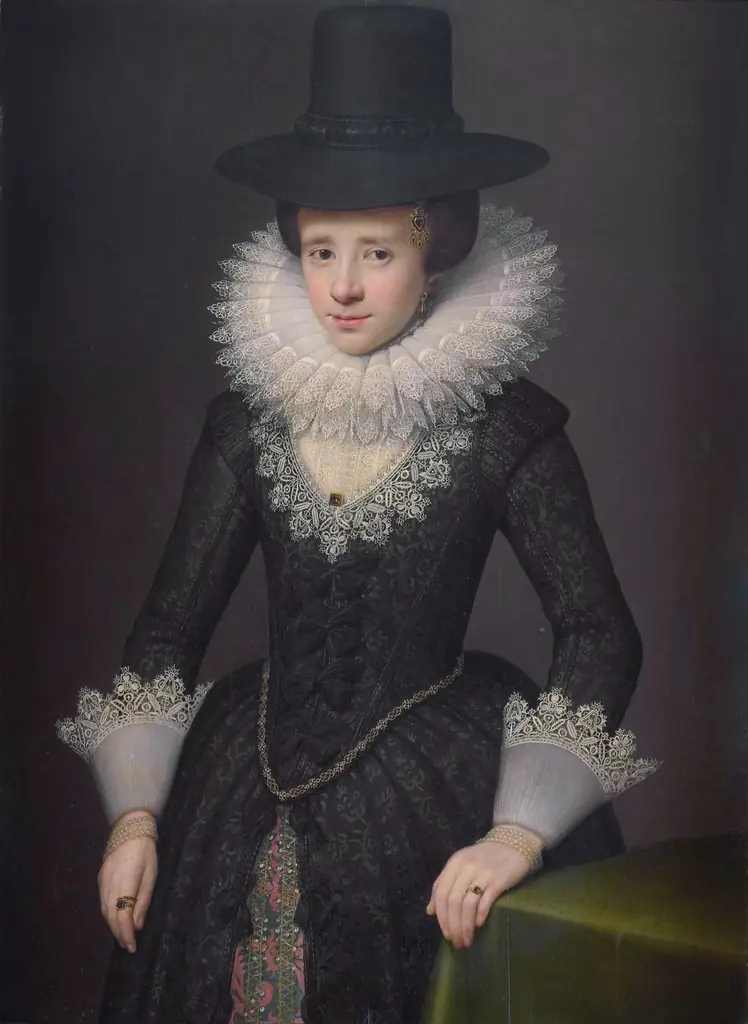 Portrait of Anna Boudaen Courten (1599-1622)
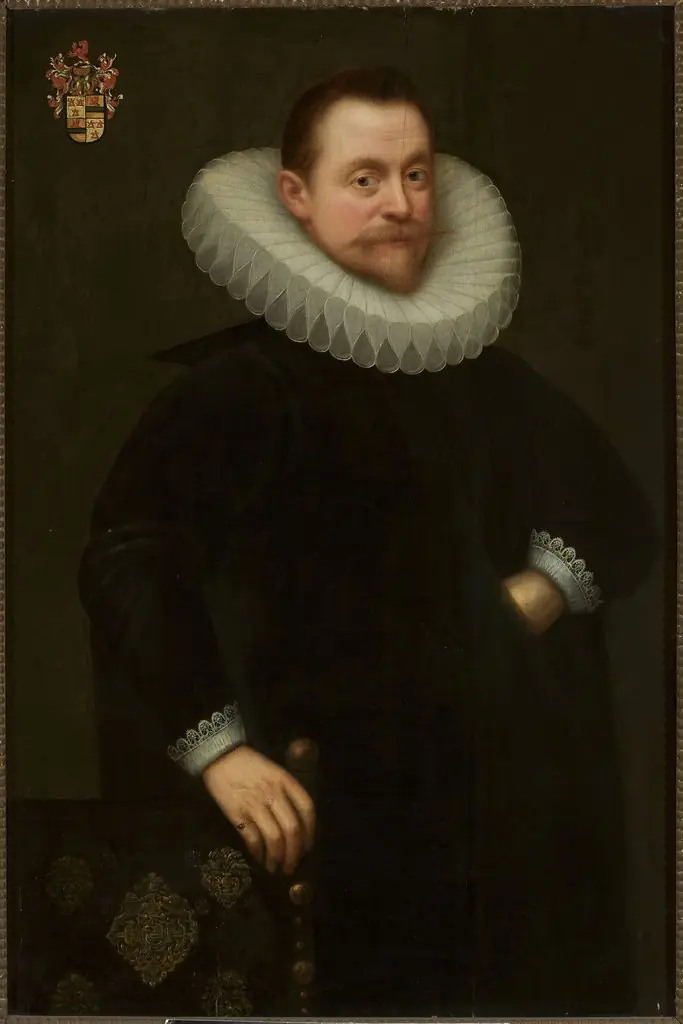 Portrait of Jacques du Mont
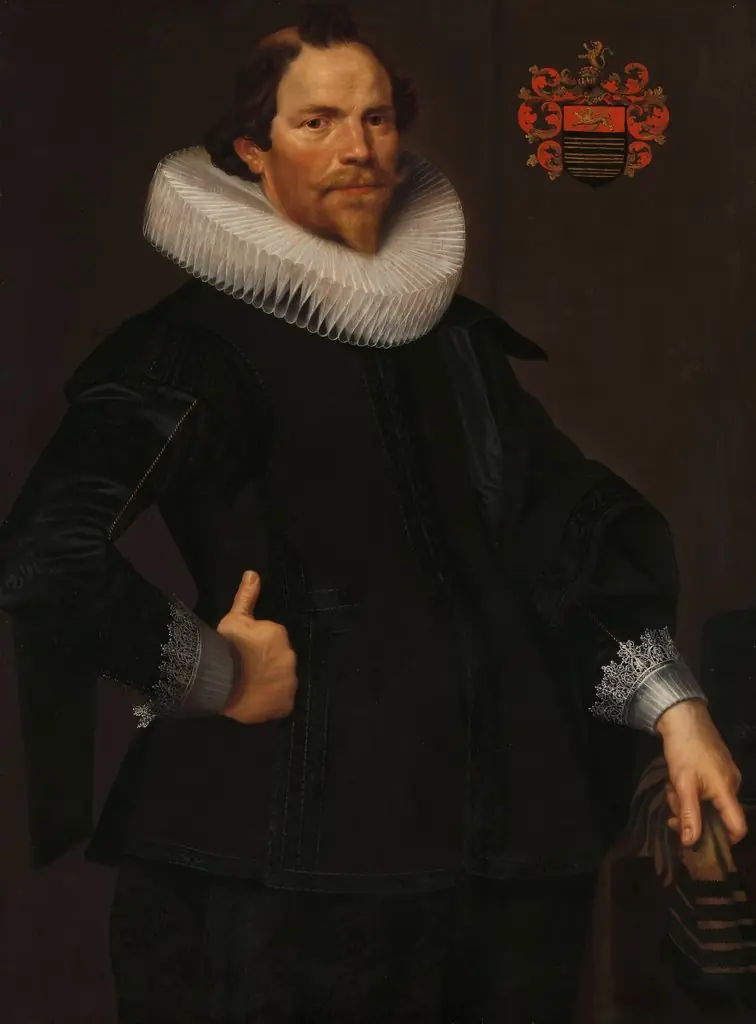 Portrait of Pieter van Son (c. 1590-1654)
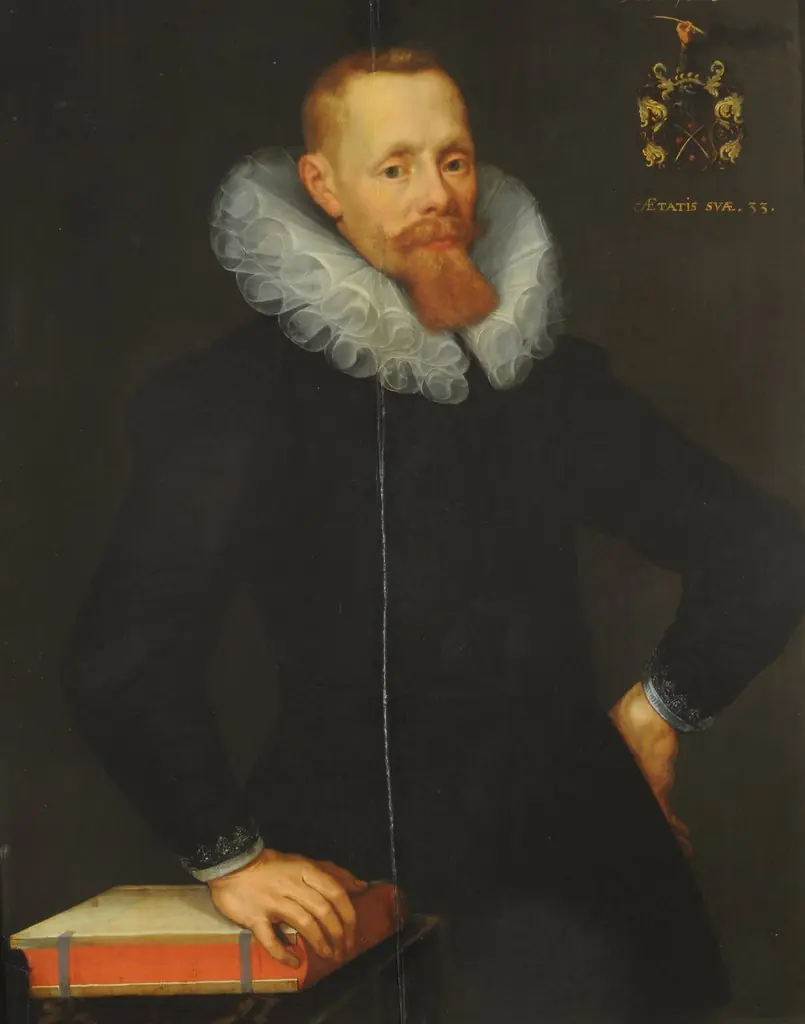 Male portrait
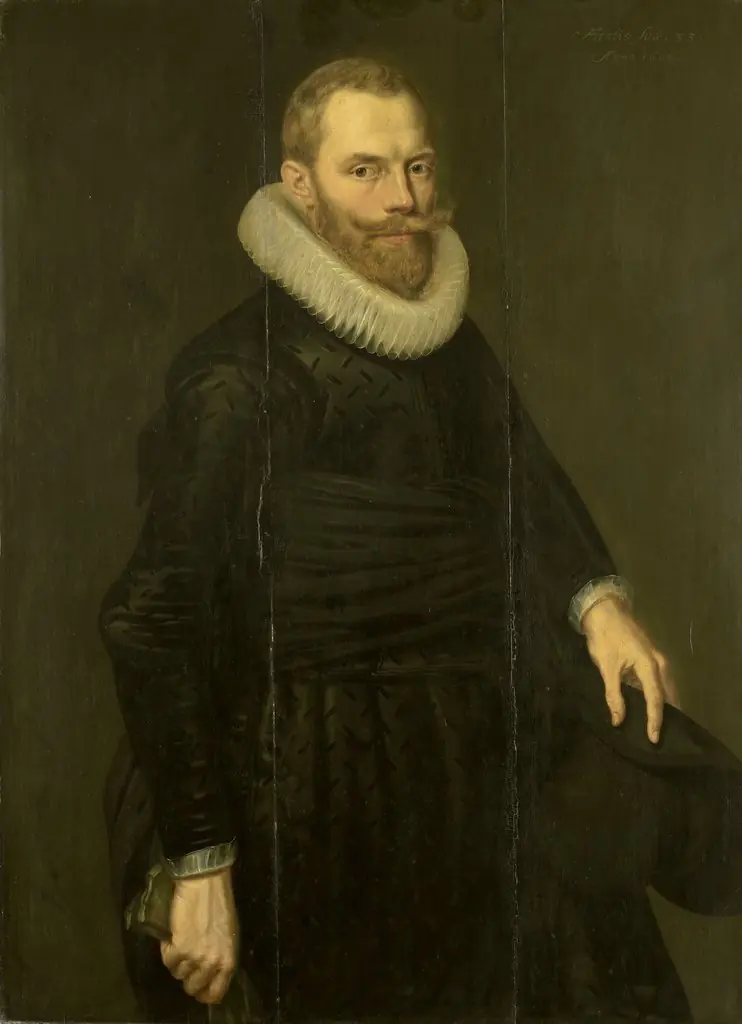 Portrait of Dirck Hasselaer (1581-1645)
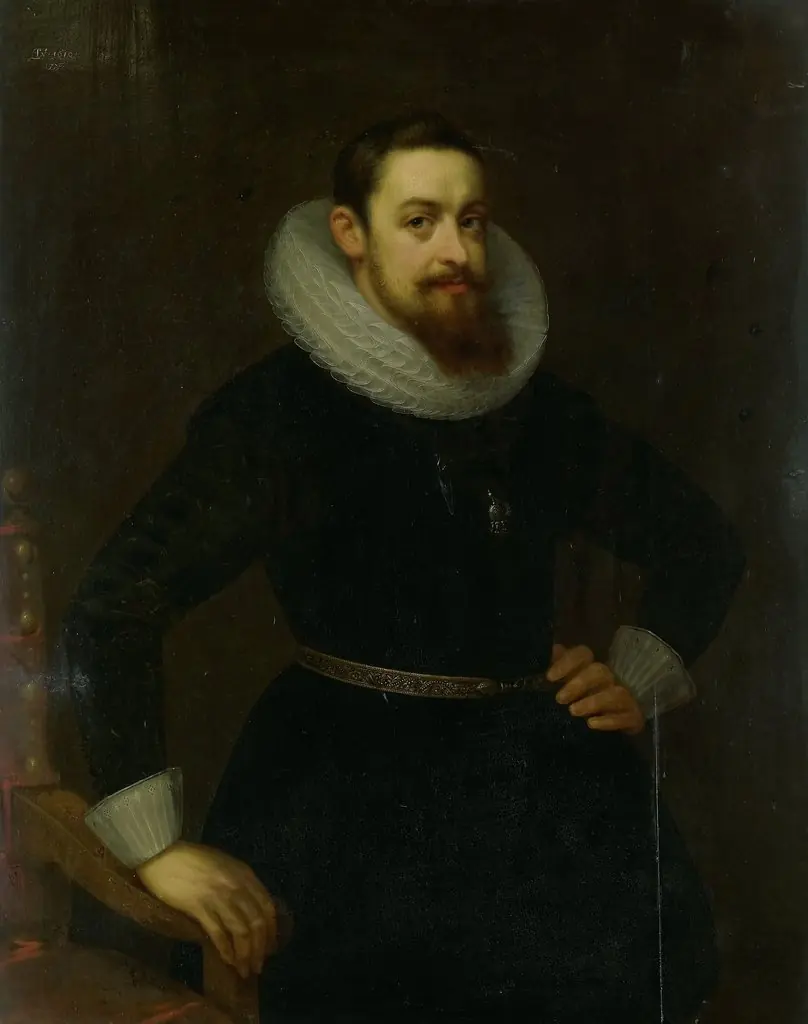 Portrait of Jeremias Boudinois
 Self-Portrait
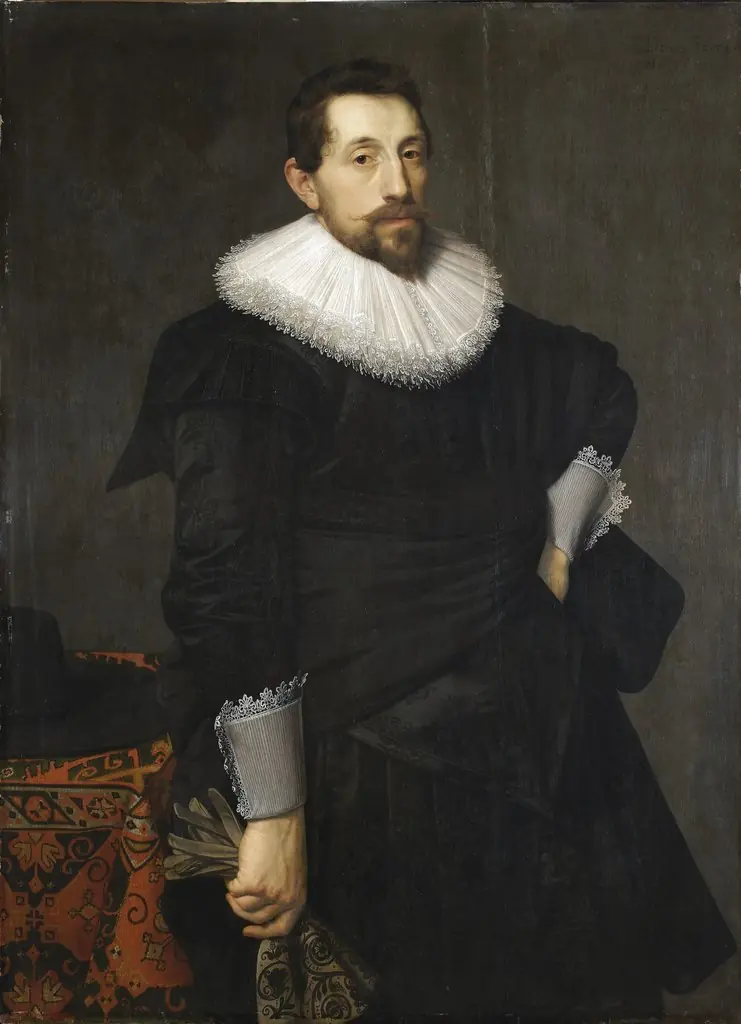 Portrait of a Man with Gloves
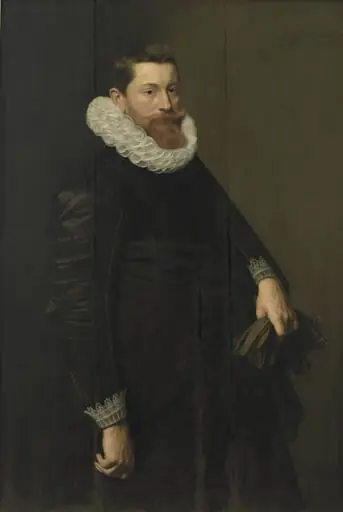 Portrait of a Gentleman
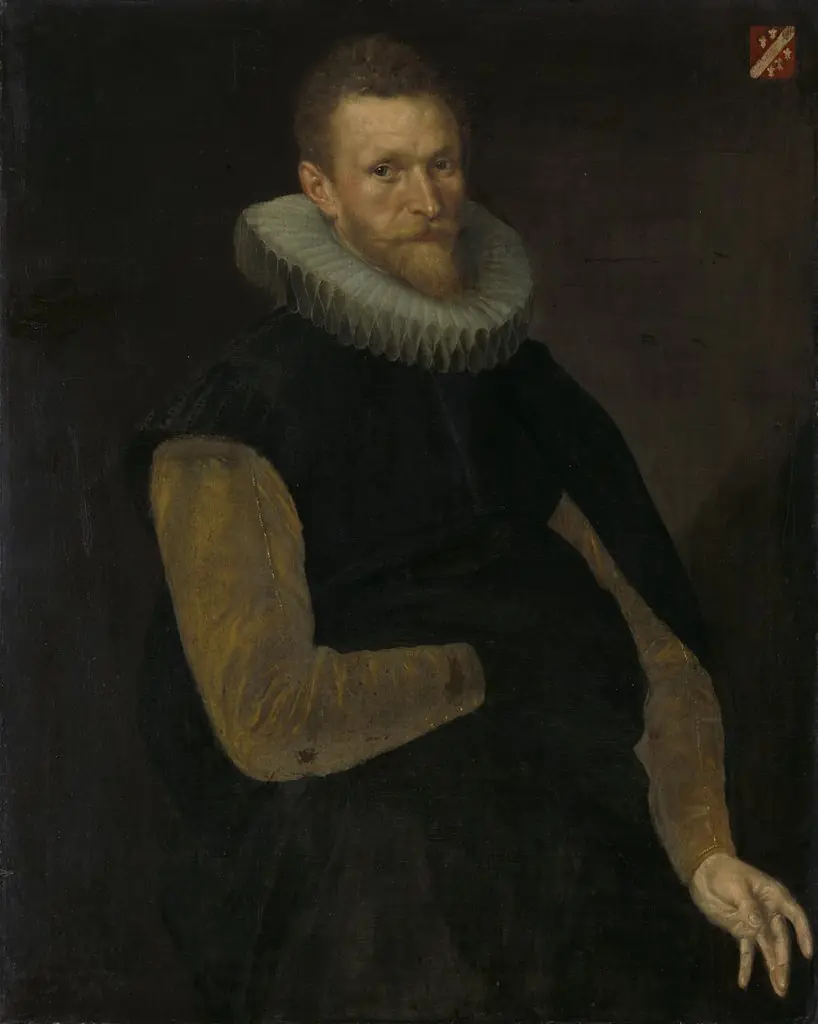 Portrait of Jacob Cornelisz Banjaert, called van Neck (1564-1638). Admiral & mayor of Amsterdam
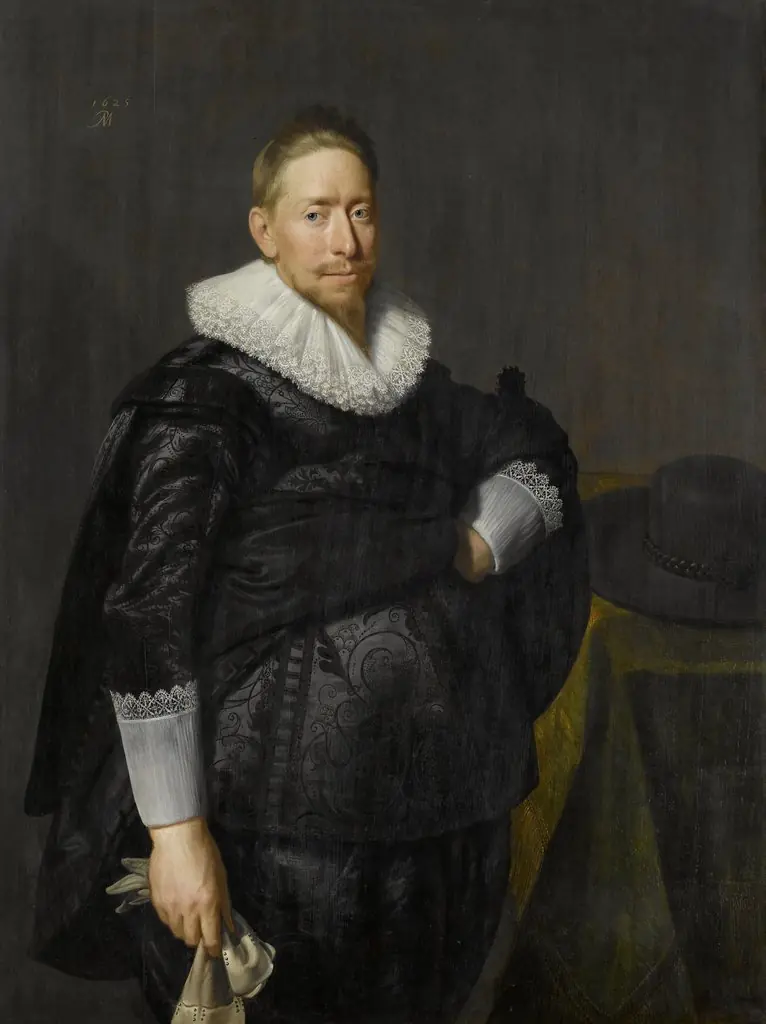 Portrait of a Man, Probably from the Pauw Family
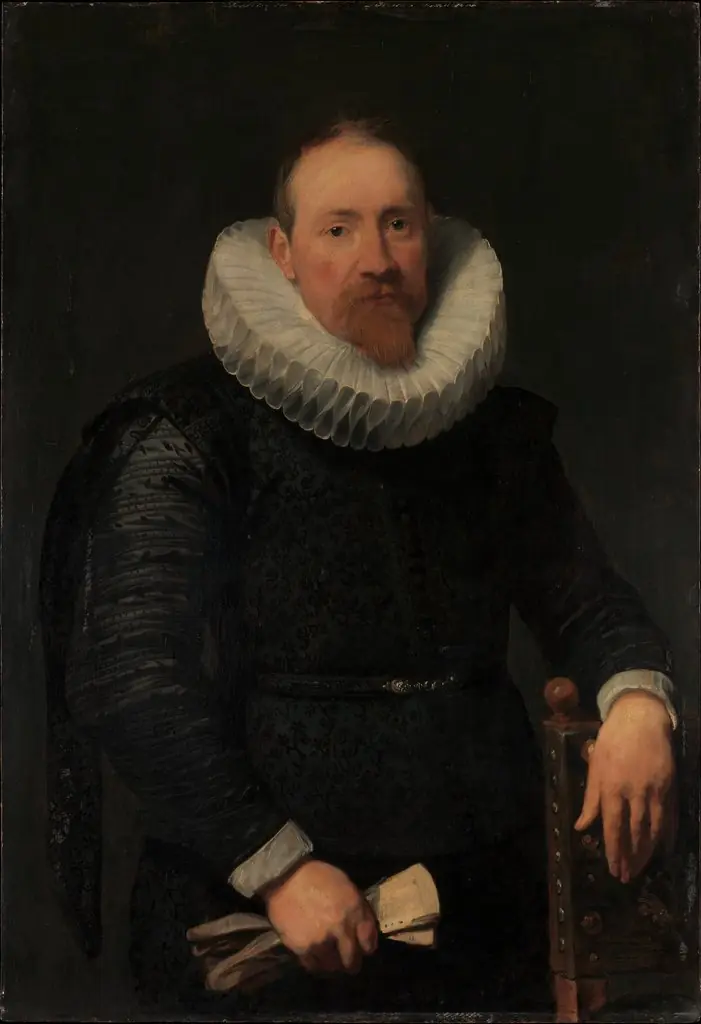 Portrait of a Man