Artwork
Charles Kean (1811–1868), as Hamlet in 'Hamlet' by William Shakespeare
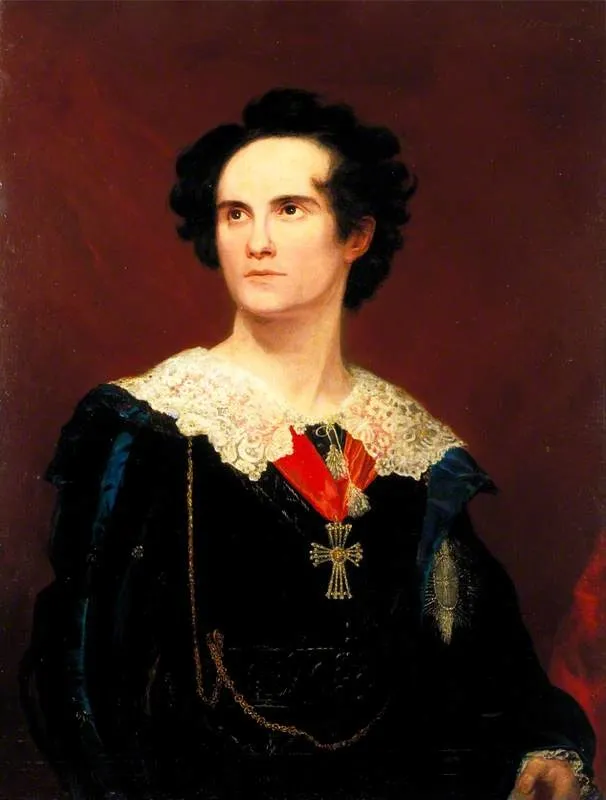
Charles Kean (1811–1868), as Hamlet in 'Hamlet' by William Shakespeare is an oil painting by Samuel John Stump. It dates from 1838 and is held in the collection of the Victoria and Albert Museum.
About this work
Overview
The work resides in the Victoria and Albert Museum, reflecting the 19th-century interest in documenting stage personalities as cultural figures.
An 1838 oil painting by Samuel John Stump captures the English actor Charles Kean in character as Hamlet. Stump, known for his miniature portraits and ties to the theater, rendered Kean not as himself but as the Shakespearean prince, blending theatrical performance with formal portraiture. The work resides in the Victoria and Albert Museum, reflecting the 19th-century interest in documenting stage personalities as cultural figures.
Subject & Meaning
Kean portrays Hamlet in a moment of introspection, his gaze directed beyond the frame, suggesting inner turmoil. The costume, black velvet robe, white lace collar, red sash, and blue cape, evokes the prince’s royal status and melancholy, while the gold cross hints at spiritual conflict. The painting does not depict a specific scene but synthesizes the character’s psychological depth through costume and expression, aligning with Kean’s reputation for psychologically nuanced performances.
Technique & Style
Stump employed a controlled, detailed brushwork typical of his miniature training, translating fine textures into the larger format: the velvet’s sheen, the lace’s delicacy, and the cape’s drapery are rendered with precision. The deep red-brown background isolates the figure, focusing attention on costume and expression. Lighting is even, avoiding dramatic chiaroscuro, reinforcing the portrait’s documentary intent rather than theatrical intensity.
History & Provenance
Commissioned during Kean’s rise as a leading Shakespearean actor, the portrait was likely intended for a theatrical patron or collector. Stump, who frequently painted actors and stage figures, maintained close ties with London’s theater community. The painting entered the Victoria and Albert Museum’s collection in the late 19th century, where it now serves as a record of Victorian theatrical culture and the intersection of performance and visual art.
Context
In the 1830s, British theater saw a shift toward historically accurate staging and psychological realism, led by actors like Kean. Portraits of performers in character became popular, bridging the gap between stage and gallery. Stump’s work reflects this trend, positioning the actor not merely as an entertainer but as an interpreter of literary and moral complexity, aligning theater with high cultural aspiration.
Legacy
The portrait endures as a visual document of 19th-century acting practice and the Victorian fascination with Shakespearean roles. It illustrates how performance was preserved and elevated through painting, contributing to the canonization of actors as cultural figures. While not widely exhibited today, it remains a key reference for scholars studying the material culture of the British stage.
Artist & collection
Artist
Samuel John Stump (c. 1779 – 1863) was an English painter, who was born at Corsham, Wiltshire, and baptised there on 2 September 1779, the youngest son of John and Betty Stump of Corsham, Wiltshire. He studied in the…

- Portrait of the Dame of the Order of St. Catherine
 Mary Ann Sandys, née Brown (d.1883), the Artist's Mother
 Mrs Sandys, the artist's mother
 Portrait of a Young Lady
 Portrait of Mrs Clementson
 Mrs. Robert Donaldson (Susan Jane Gaston)
 Christina Mitchell McNeil, the Mother of Ina, Dowager Duchess of Argyll
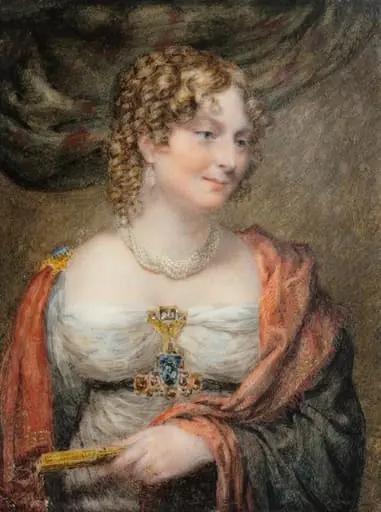 Portrait of Anne Law (née Towry), 1st Lady Ellenborough
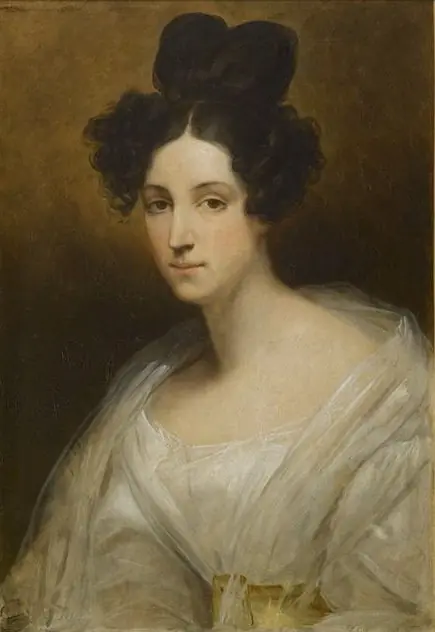 Césarine de Houdetot, Baronne de Barante (1794-1877)
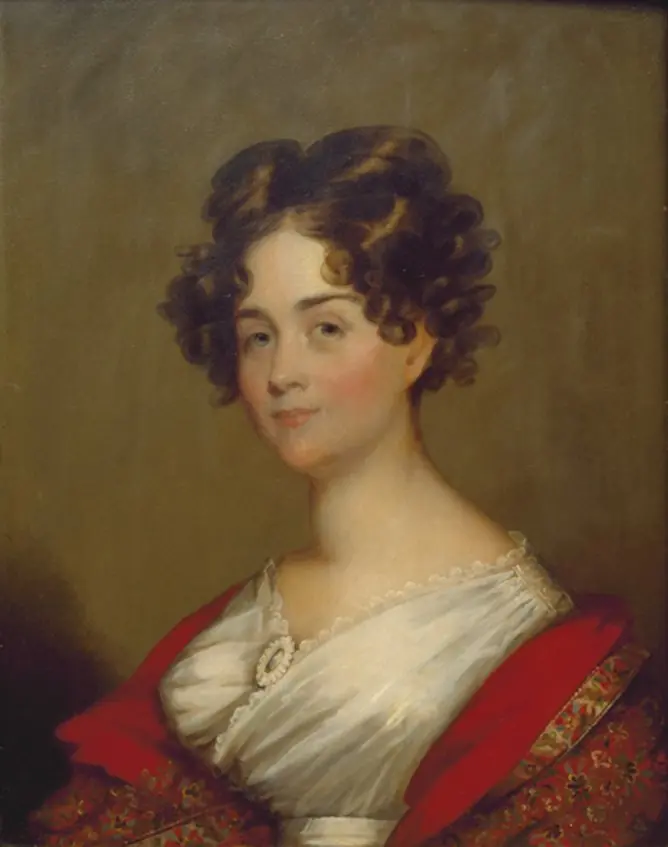 Portrait of Charlotte Story Forrester
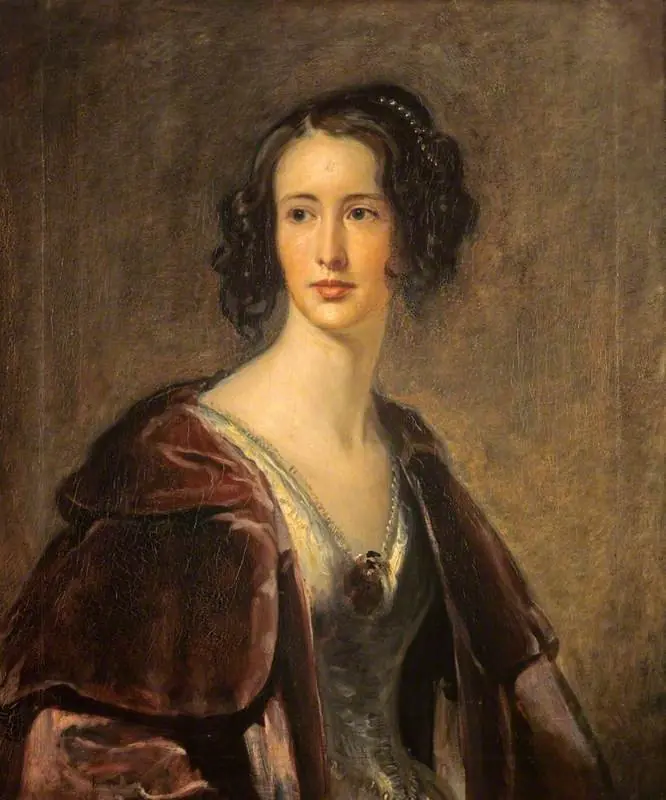 Katherine Monro, Lady Steuart of Allanbank, d. 1868
 Sarah McCall, Mrs Alexander Bonar