Artwork
Market day in a Flemish town
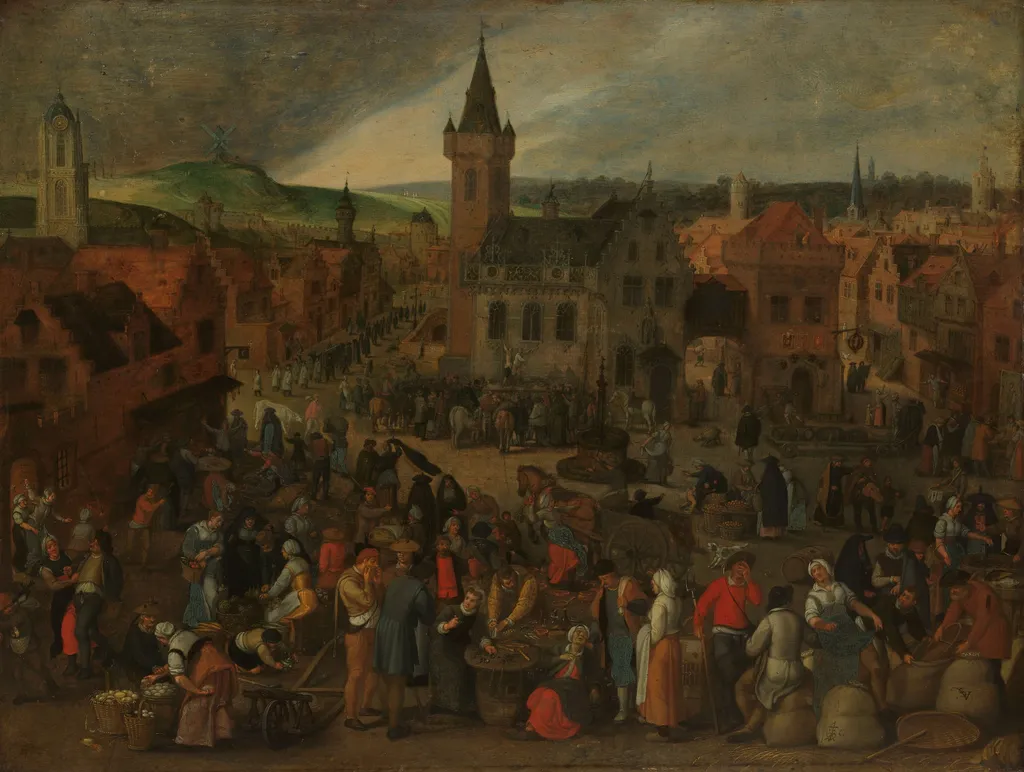
Market day in a Flemish town is an oil painting by the Flemish Baroque painting artist Sebastiaen Vrancx. It dates from 1623 and is held in the collection of the Royal Dutch Antiquarian Society.
About this work
Subject & Meaning
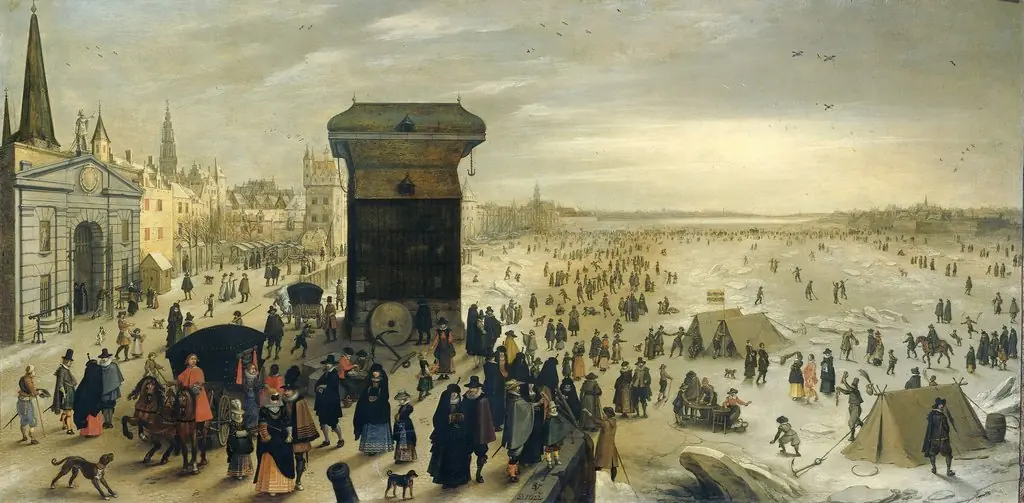
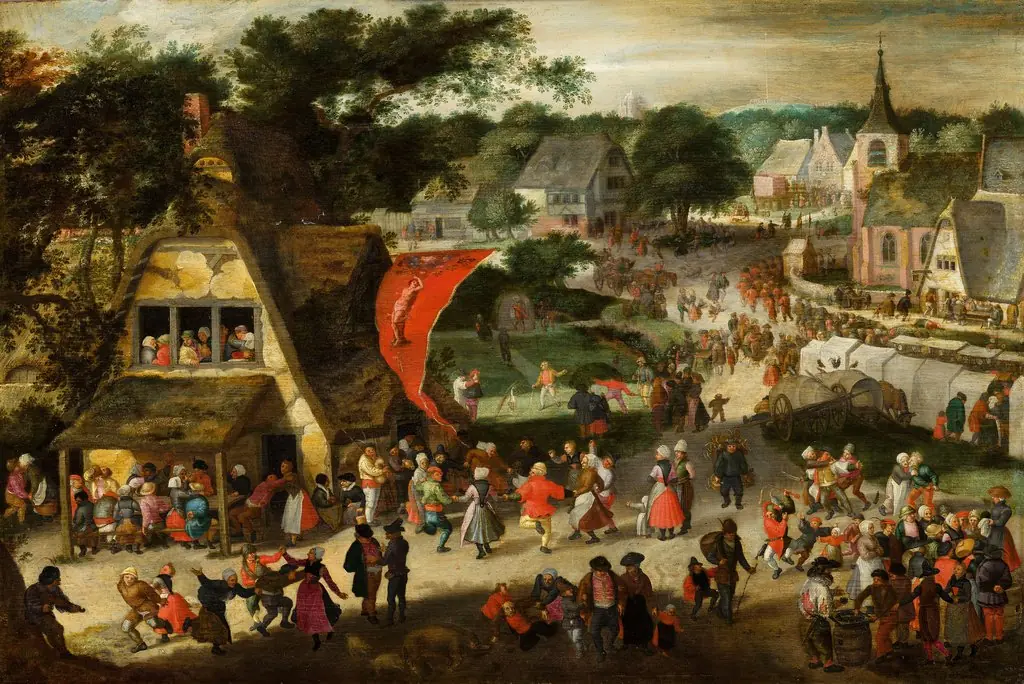
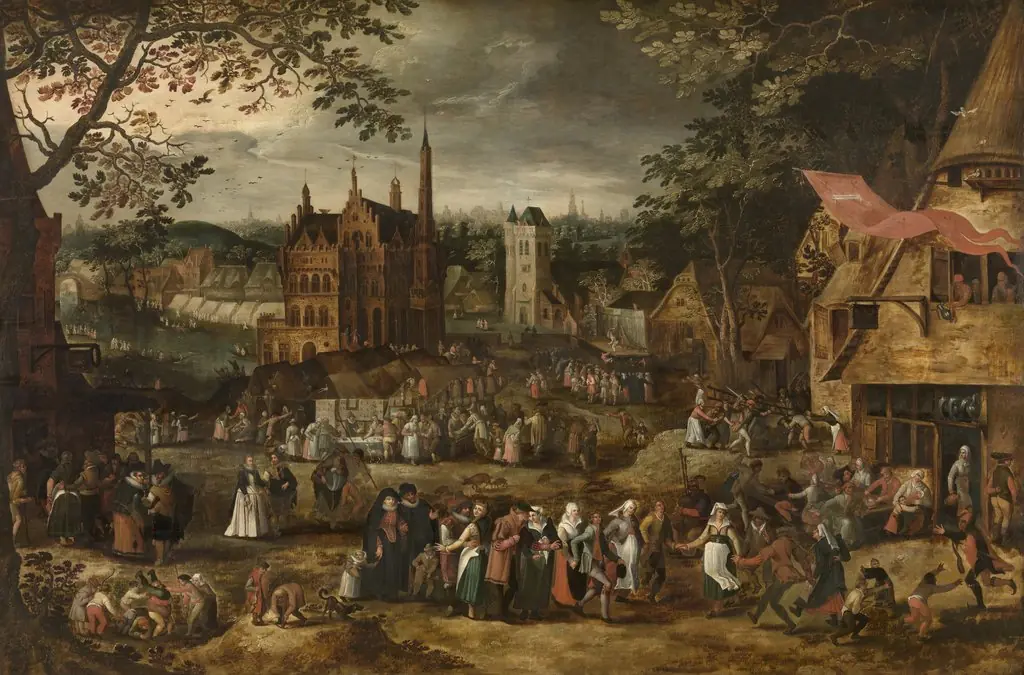
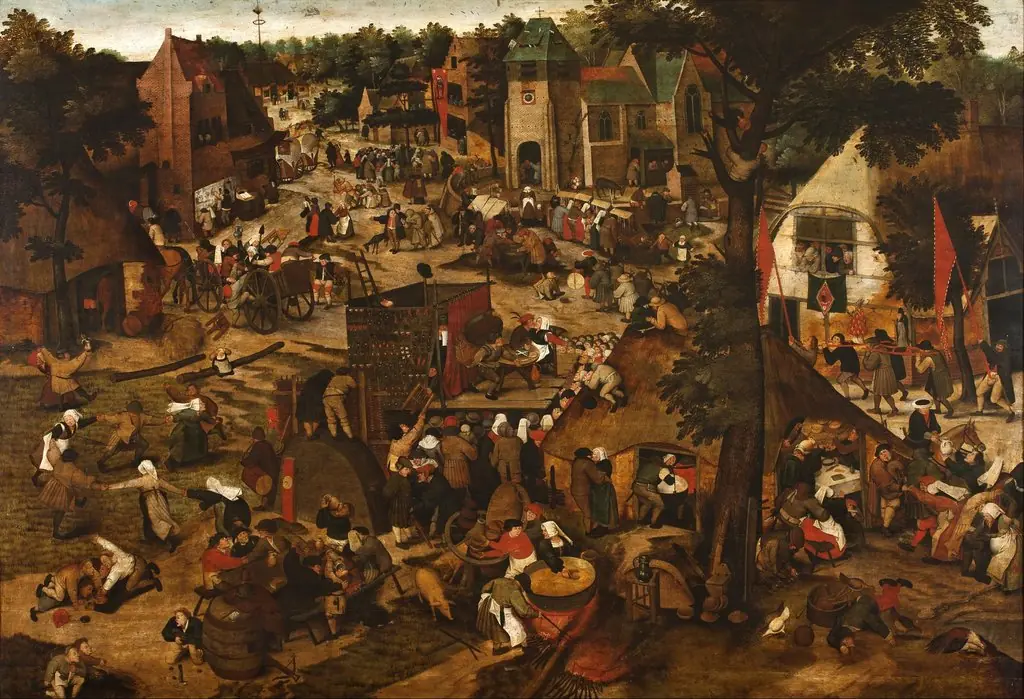
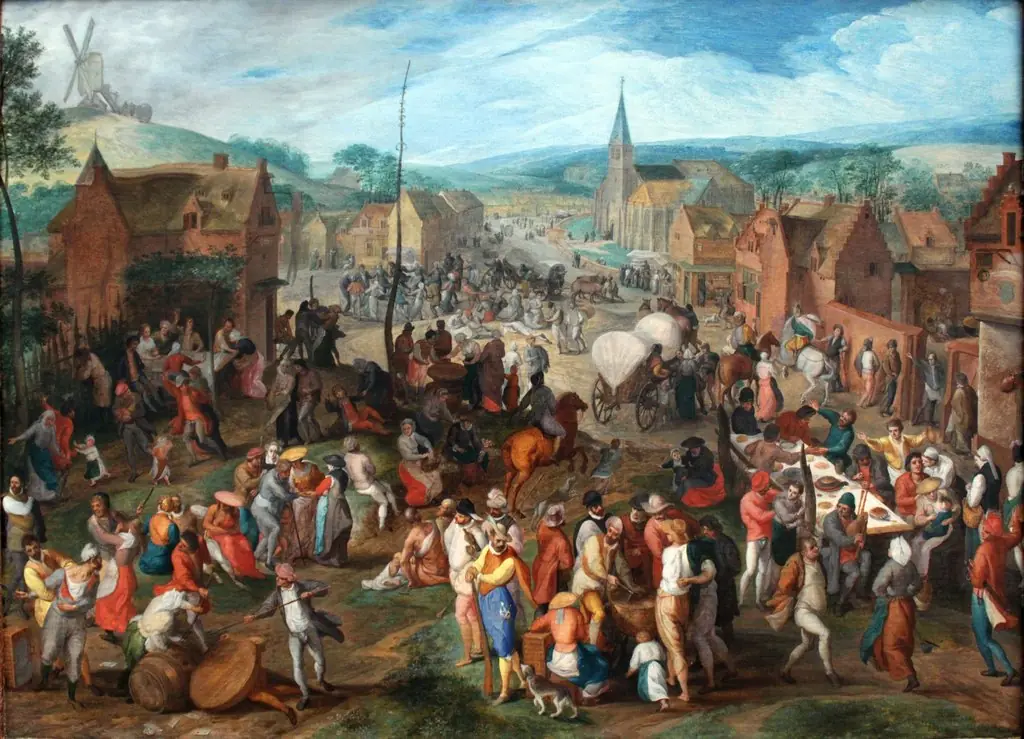
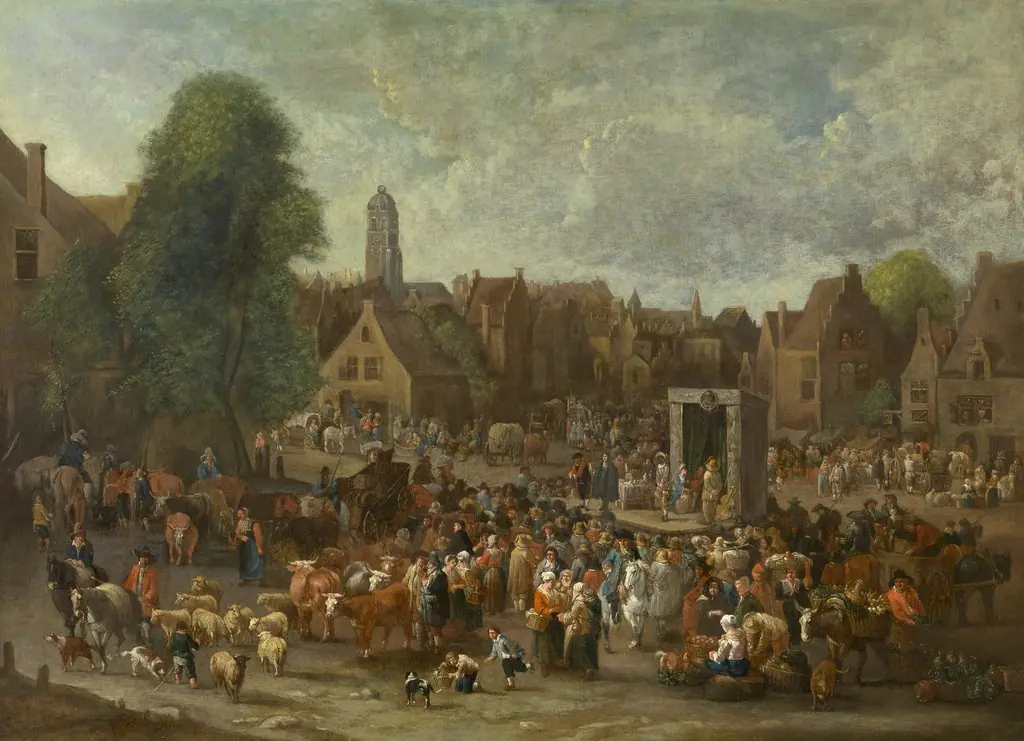
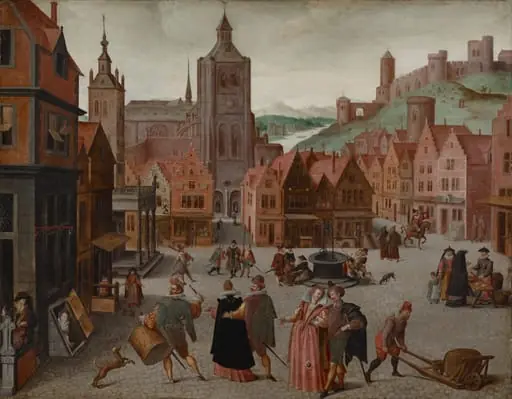
Market day in a Flemish town depicts a bustling market scene set within a Flemish town, combining everyday commerce with civic and ceremonial elements.
Market day in a Flemish town depicts a bustling market scene set within a Flemish town, combining everyday commerce with civic and ceremonial elements. The composition brings together a market, a horse-drawn wagon, houses, and trees, anchoring the scene in a recognizable urban environment. A Rathaus (town hall) signals civic authority, while a whipping post introduces a note of public justice and discipline.
The presence of a funeral procession alongside the lively market creates a deliberate juxtaposition of life and death, joy and solemnity, characteristic of Flemish genre painting's moralizing tendencies. A facepalm gesture among the figures may convey despair, grief, or lamentation, reinforcing the painting's contemplative undertone. By merging these disparate activities within a single townscape, Vrancx presents the market day as a microcosm of human society, where trade, governance, punishment, and mourning coexist.
The work thus operates both as a documentary record of seventeenth-century Flemish urban life and as a meditation on the varied fortunes and behaviors of its inhabitants.
Technique & Style
Market day in a Flemish town is executed in oil paint on panel, a support typical of small-scale seventeenth-century Flemish cabinet pictures. The composition occupies a modest format of 42 by 55 centimeters, allowing for the densely packed figural and architectural detail characteristic of Sebastiaen Vrancx's genre scenes. The painted surface integrates multiple narrative elements within a single townscape, including a market, a horse-drawn wagon, a whipping post, a Rathaus, and a funeral procession, suggesting a layered handling of staffage against carefully described architecture and trees.
The combination of oil's tonal flexibility with a rigid wooden panel would have supported the fine brushwork needed to render such varied activities concurrently, while the small dimensions invite close, detailed viewing of the bustling civic scene.
History & Provenance
The painting Market day in a Flemish town was created in 1623 by Sebastiaen Vrancx using oil on panel, measuring 42 cm in height and 55 cm in width. Its early ownership is recorded as belonging to Abraham Willet, who later transferred the work to the Rijksmuseum, the Amsterdam Museum, and the Royal Dutch Antiquarian Society, institutions that now hold the piece. No specific commissioning details are documented; the work is classified as a genre scene depicting a bustling market with assorted figures and architectural elements.
The dating of 1623 is confirmed by the inception field in the source records, establishing the creation period of the artwork.
The work titled Market day in a Flemish town, painted by Sebastiaen Vrancx in 1623, is recorded in the collections of the Rijksmuseum and the Amsterdam Museum, as noted in the Wikidata entry. Its provenance includes ownership by Abraham Willet before entering these institutional holdings. The painting is classified as an oil on panel genre scene, measuring 42 × 55 cm. No exhibition history is documented in the provided sources, and the specific accession or inventory number assigned by either museum is not disclosed in the available records.
Overview
Sebastiaen Vrancx's 1623 oil painting, "Market day in a Flemish town," captures a lively genre scene within a European urban setting. The canvas depicts a bustling public square, filled with numerous figures engaged in daily activities. This work exemplifies the Flemish Baroque tradition, showcasing Vrancx's skill in rendering detailed narratives of civic life. It is currently housed in the Rijksmuseum collection.
Context
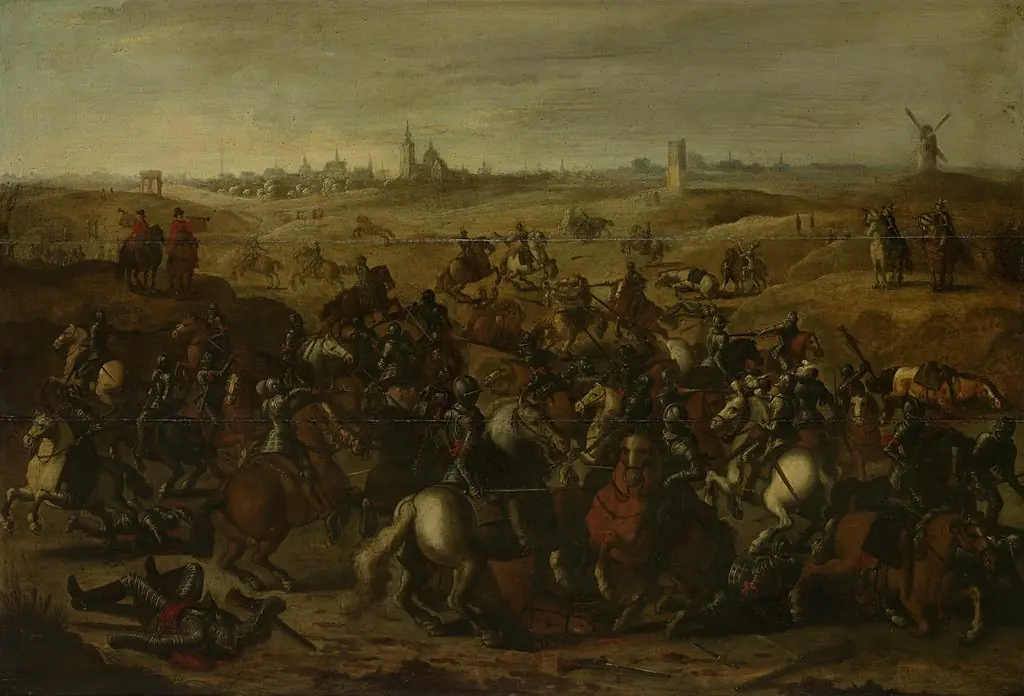
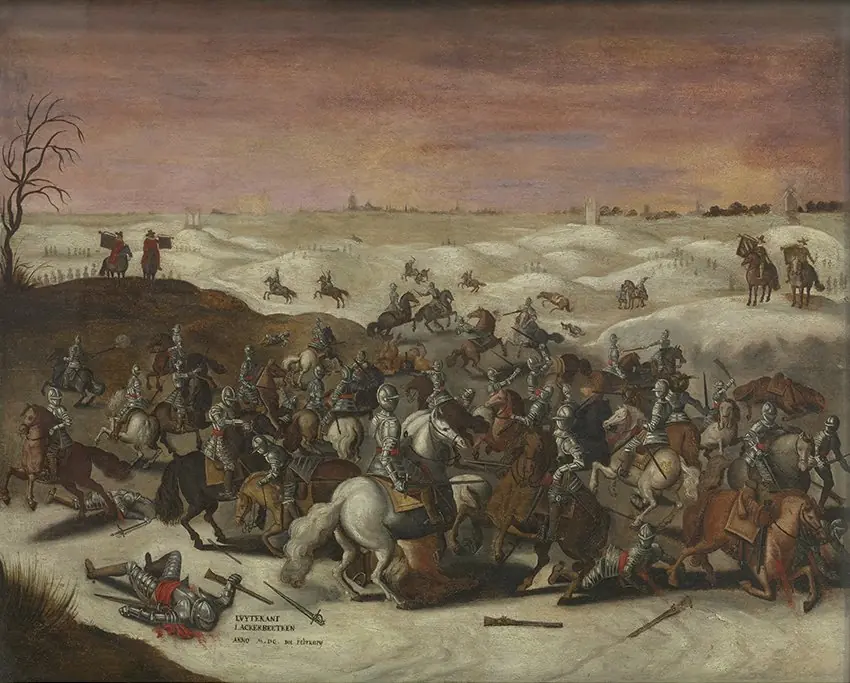
Sebastiaen Vrancx was a significant figure in Flemish Baroque art, recognized for his contributions to Netherlandish painting. While known for pioneering battle scenes and designing prints, this work showcases his proficiency in genre painting and city celebrations. His practice often involved incorporating "staffage", figures, into other artists' landscapes, highlighting his skill in populating scenes with dynamic human elements, a talent evident in this bustling market depiction.
Own this work as a print
Artist & collection
Artist
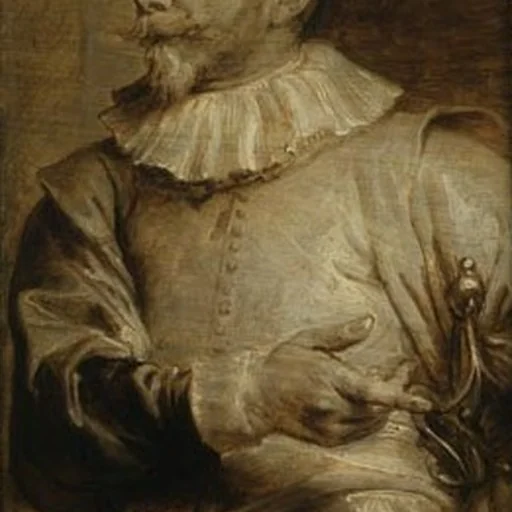
Sebastiaen Vrancx (pronounced; before 22 January 1573 – 19 May 1647) was a Flemish Baroque painter, draughtsman and designer of prints who is mainly known for his battle scenes, a genre that he pioneered in Netherlandish painting.