Artwork
The Kranenhoofd on the Schelde, Antwerp
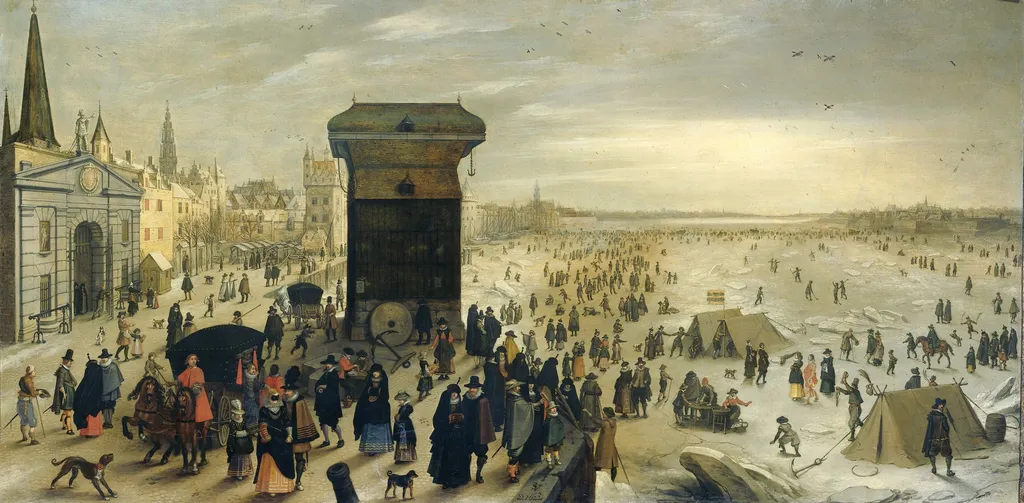
The Kranenhoofd on the Schelde, Antwerp is an oil painting by the Flemish Baroque painting artist Sebastiaen Vrancx. It dates from 1622 and is held in the collection of the Rijksmuseum.
About this work
Subject & Meaning
Beyond the sporting activity, the composition includes architectural and social elements such as a tent and a coach, populated by various figures.
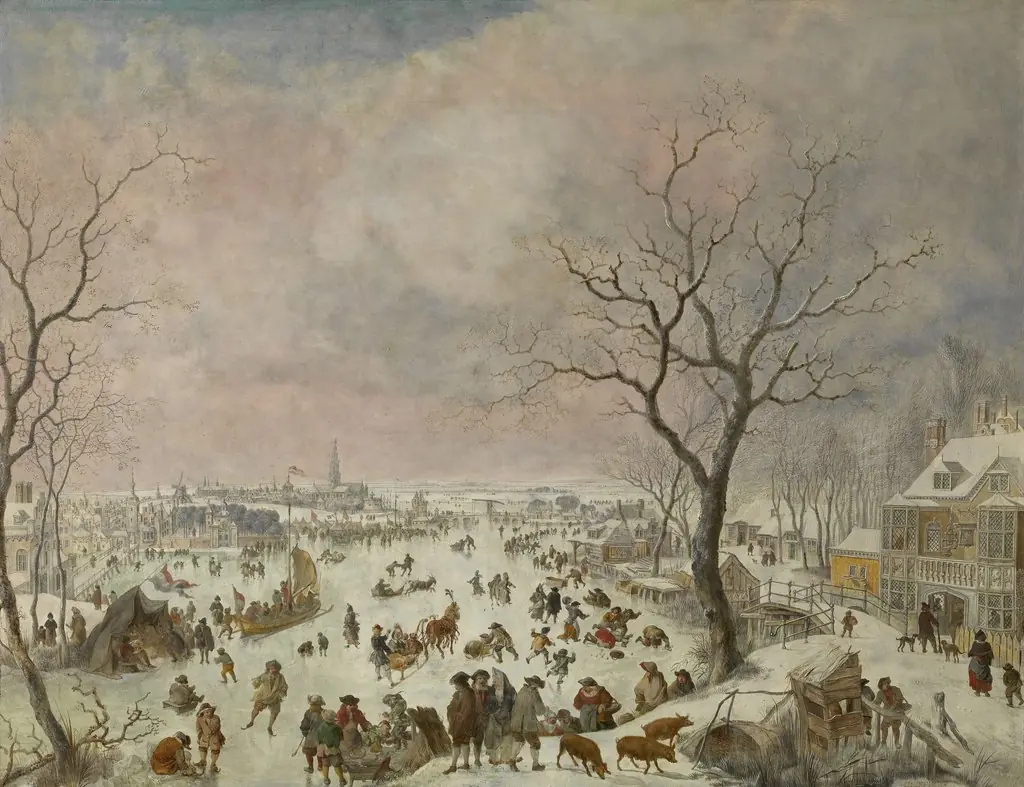
Sebastiaen Vrancx's 1622 oil painting depicts the Kranenhoofd district along the Schelde River in Antwerp during winter. The scene captures a lively urban atmosphere where residents engage in recreational ice skating on the frozen river. Beyond the sporting activity, the composition includes architectural and social elements such as a tent and a coach, populated by various figures.
As an architectural cityscape, the work represents daily life and winter leisure in early 17th-century Antwerp, documenting the specific topography of the riverbank and the community's interaction with the frozen landscape.
Technique & Style
Sebastiaen Vrancx's The Kranenhoofd on the Schelde, Antwerp is executed in oil paint on a panel support. Created in 1622, the work measures 58.5 cm in height and 113 cm in width. Classified as an architectural painting and cityscape, the composition depicts the Antwerp waterfront featuring ice skating, a tent, a coach, and various figures.
The formal qualities focus on the built environment and the activity along the Schelde river, characteristic of the genre.
History & Provenance
The work titled "The Kranenhoofd on the Schelde, Antwerp" is an oil painting on panel executed in 1622 in Antwerp by the Flemish artist Sebastiaen Vrancx. It measures 58.5 cm by 113 cm and depicts an ice‑skating scene with a tent, coach and figures on the Schelde River.
The painting is classified as an architectural cityscape and belongs to the Rijksmuseum collection, where it is exhibited in Amsterdam. The work is an oil painting on panel, as indicated in its cataloguing.
Overview
Sebastiaen Vrancx created The Kranenhoofd on the Schelde, Antwerp in 1622, an oil painting that captures a lively winter scene in the city. This work exemplifies the Flemish Baroque style, showcasing a bustling urban environment on the frozen Schelde river. It features numerous figures engaged in various activities, including ice skating and gathering around a coach, set against the backdrop of Antwerp's architecture. The painting is part of the Rijksmuseum's collection.
Context
Sebastiaen Vrancx was a significant figure in the Flemish Baroque tradition of the early 17th century. While he is often credited with developing battle scenes within Netherlandish art, his artistic range extended considerably beyond this genre. Vrancx was highly versatile, producing a diverse body of work that included landscapes, mythological narratives, and depictions of urban festivities.
His skill in rendering figures also led him to frequently add "staffage", small figures, to the paintings of his contemporaries.
Artist & collection
Artist
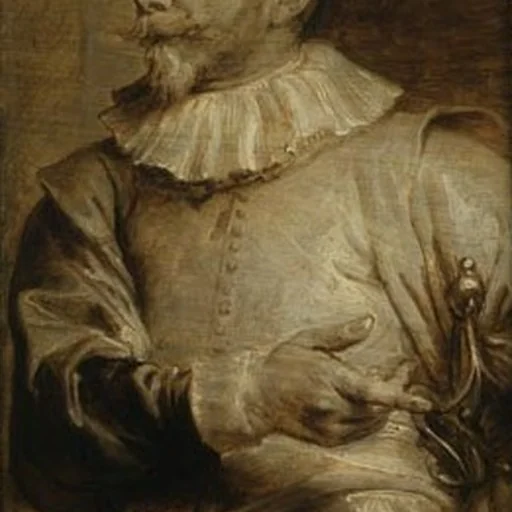
Sebastiaen Vrancx (pronounced; before 22 January 1573 – 19 May 1647) was a Flemish Baroque painter, draughtsman and designer of prints who is mainly known for his battle scenes, a genre that he pioneered in Netherlandish painting.

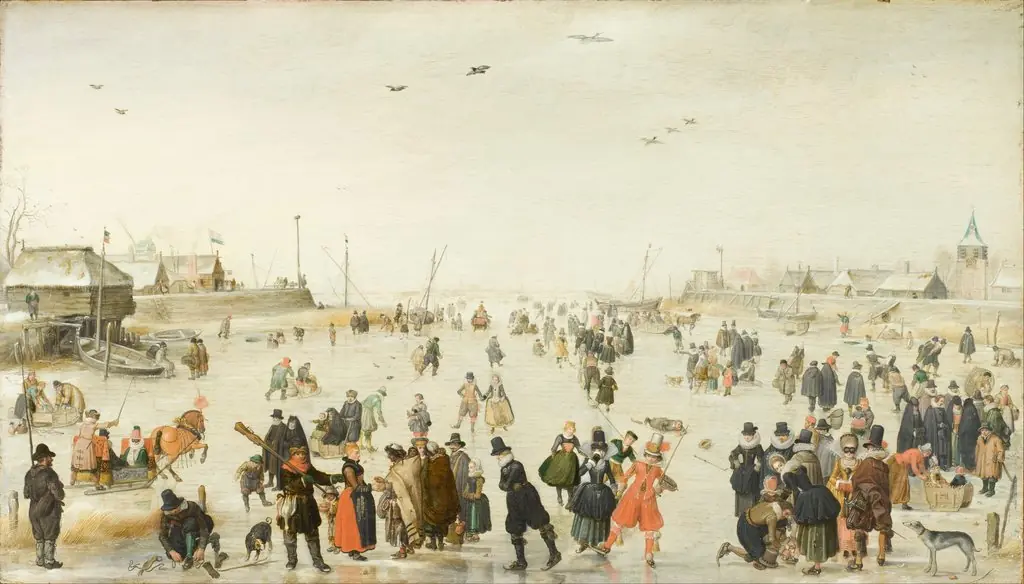 Winter Scene on a Frozen Canal
 A Scene on the Ice
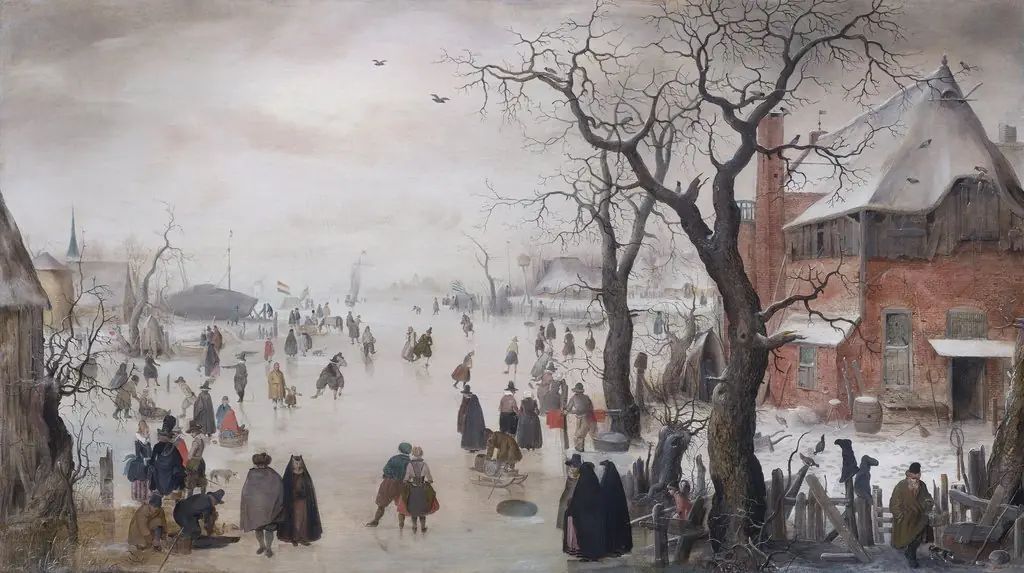 Winter Landscape with Skaters near a Village
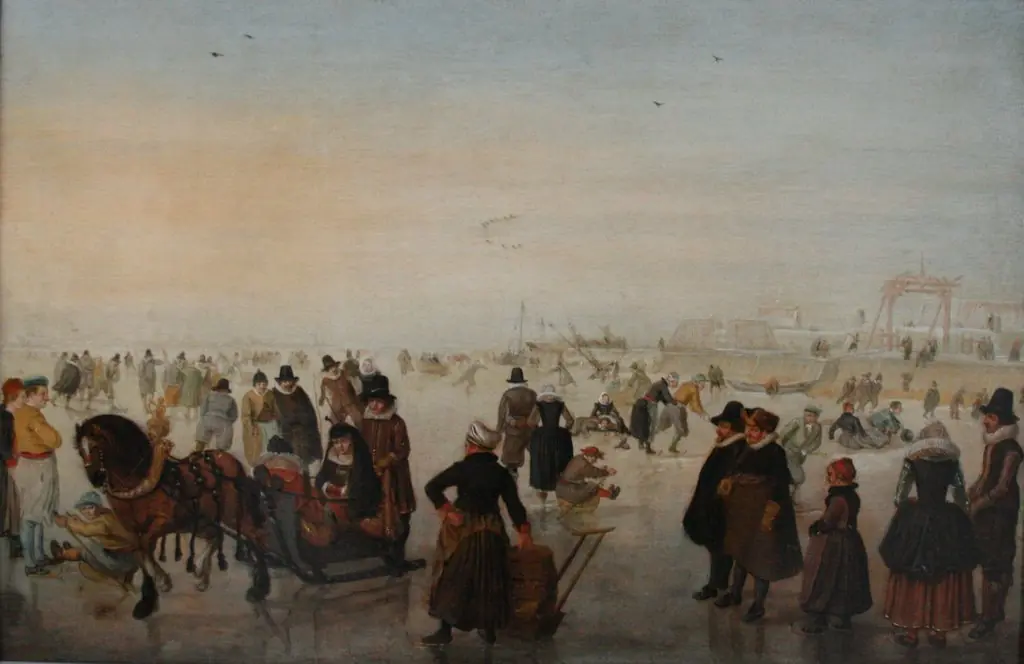 Ice Scene
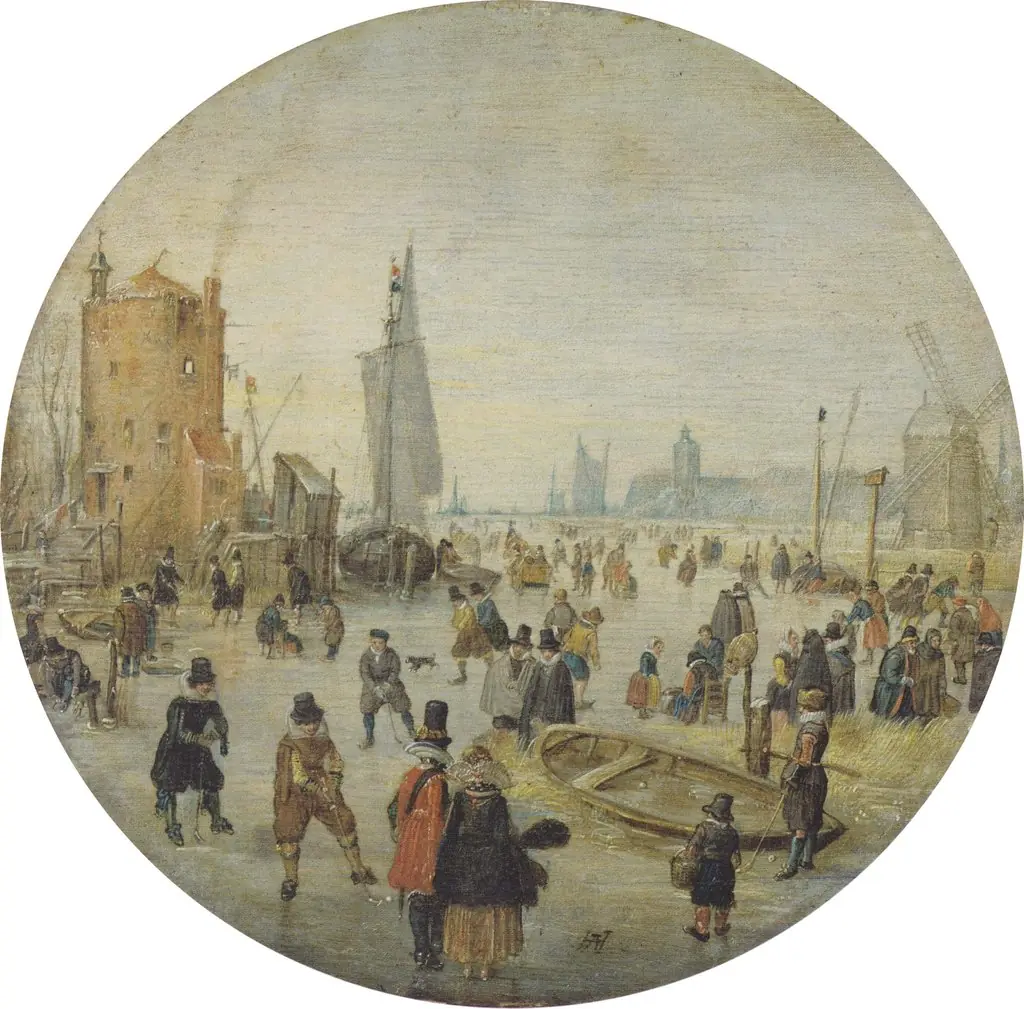 Winter landscape
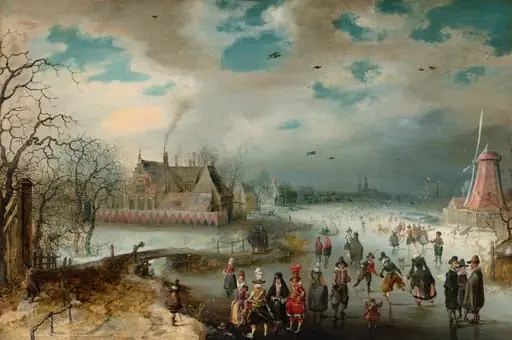 Skating on the Frozen Amstel River
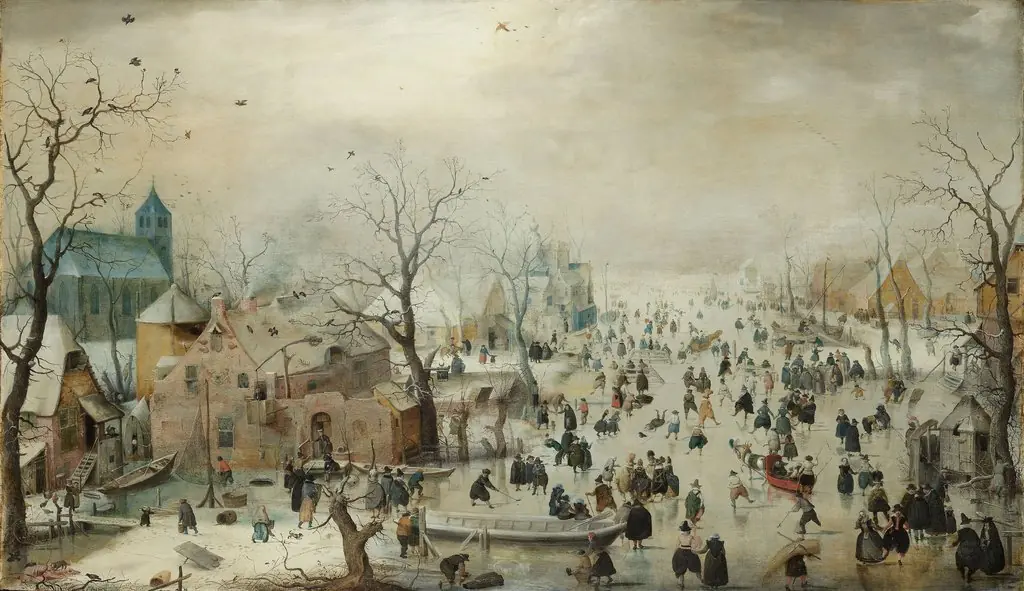 Winter landscape with skaters
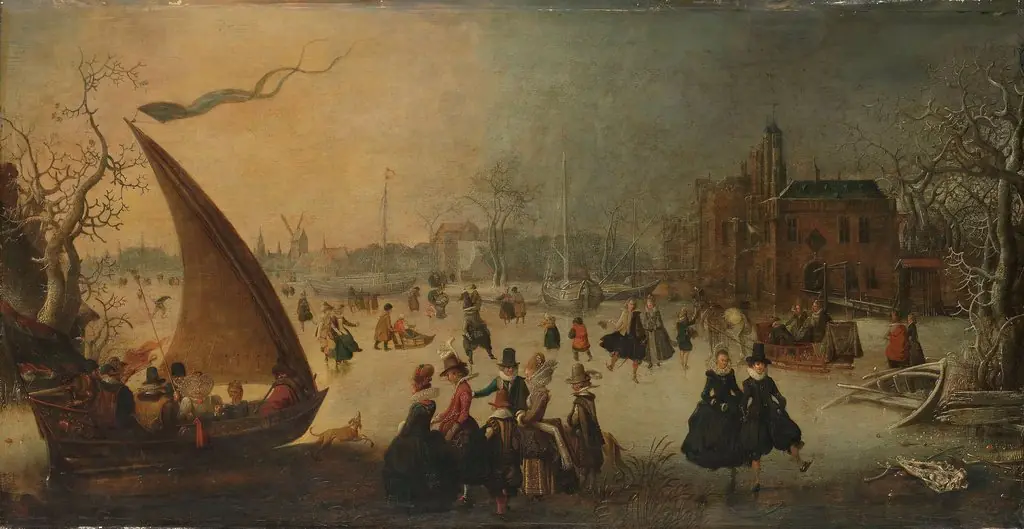 Landscape with frozen canal, skaters and an ice-boat
 Winter Pleasures on the Ice
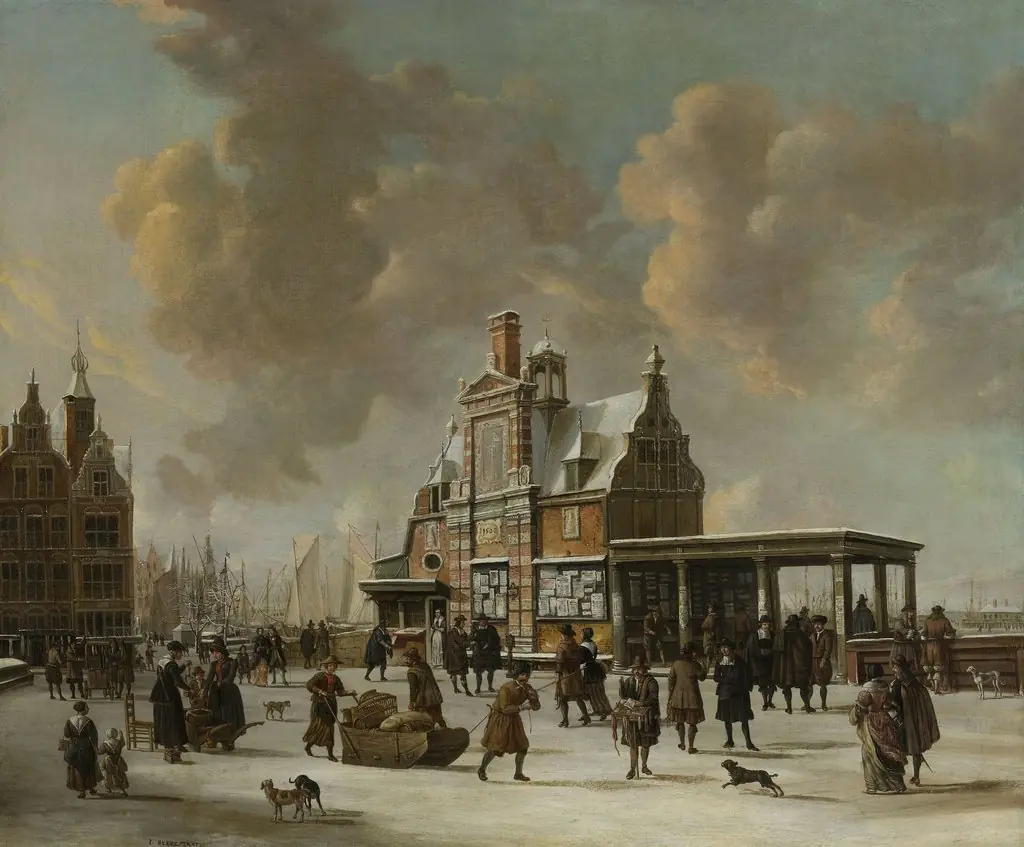 The Paalhuis and the Nieuwe Brug, Amsterdam, in the winter