Artwork
Untitled
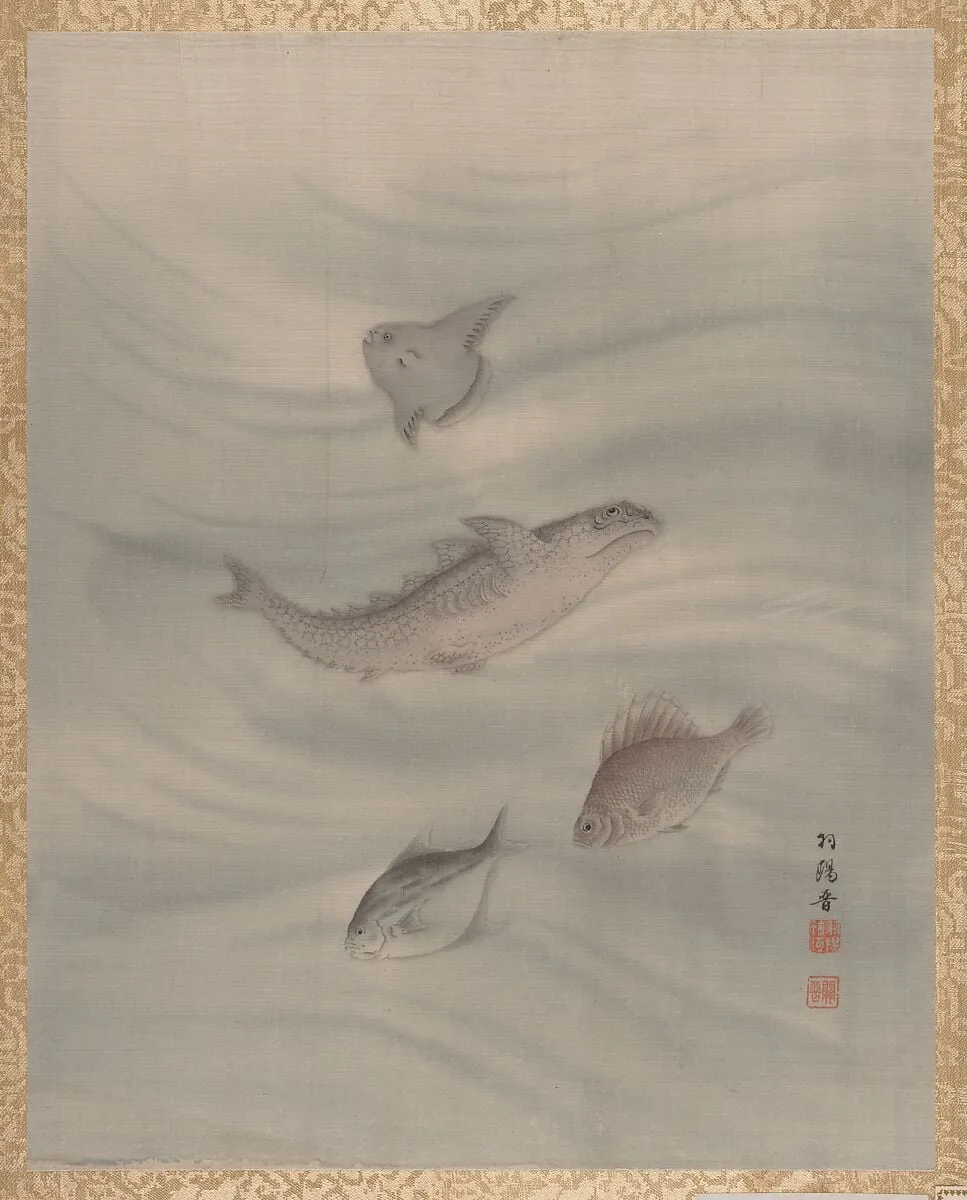
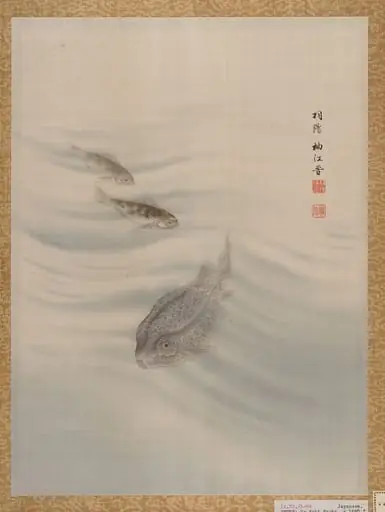
Untitled is an unspecified painting by the Impressionist artist Seki Shūkō. It dates from 1891 and is held in the collection of the Metropolitan Museum of Art.
- Accession no.
- 14.76.61.96
- Credit line
- Charles Stewart Smith Collection, Gift of Mrs. Charles Stewart Smith, Charles Stewart Smith Jr., and Howard Caswell Smith, in memory of Charles Stewart Smith, 1914
About this work
Subject & Meaning
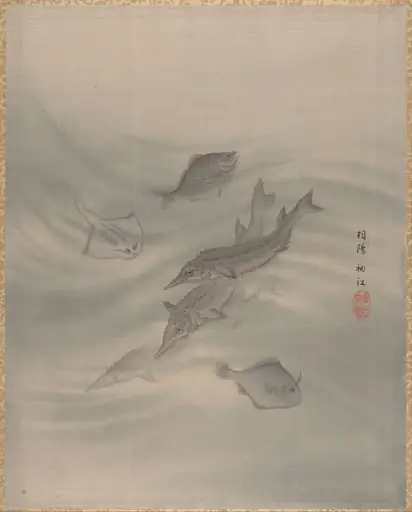
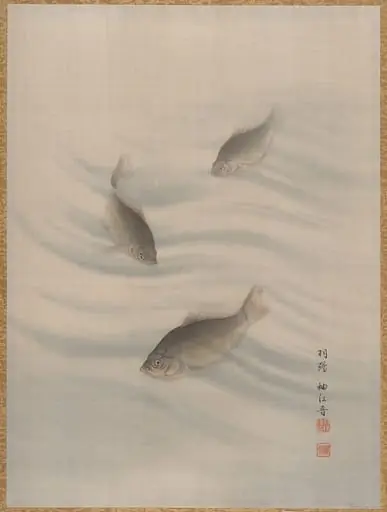
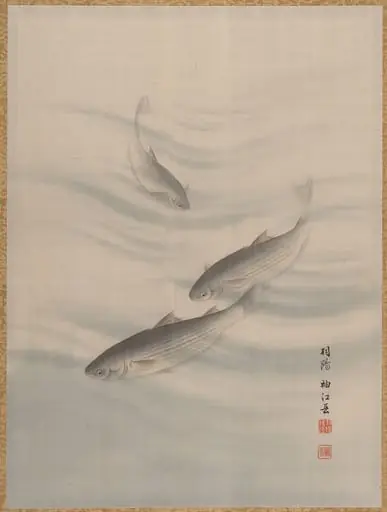
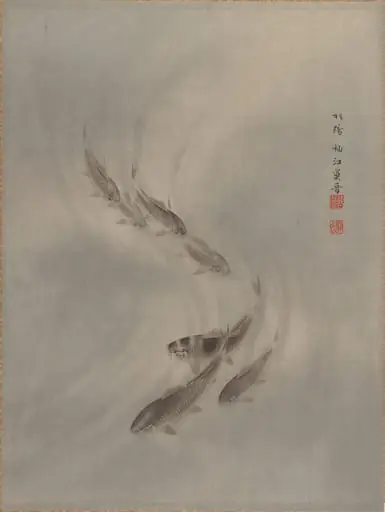
Created by Seki Shūkō in 1891, the piece focuses on the naturalistic representation of these aquatic subjects within the album leaf format.
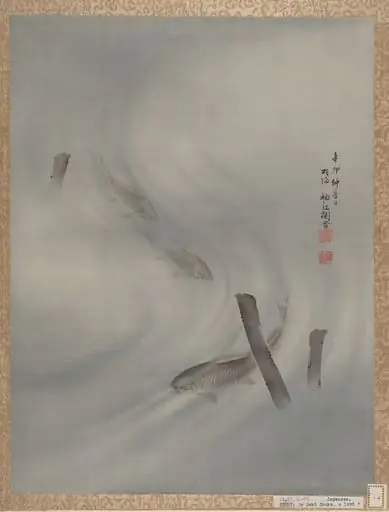
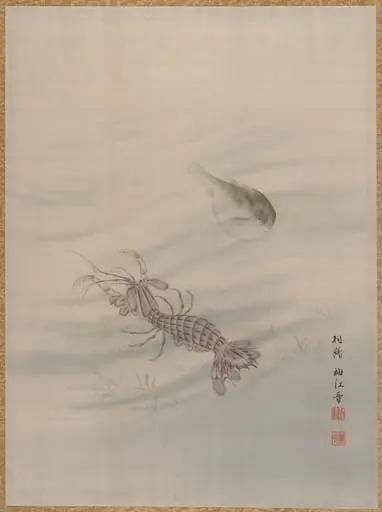
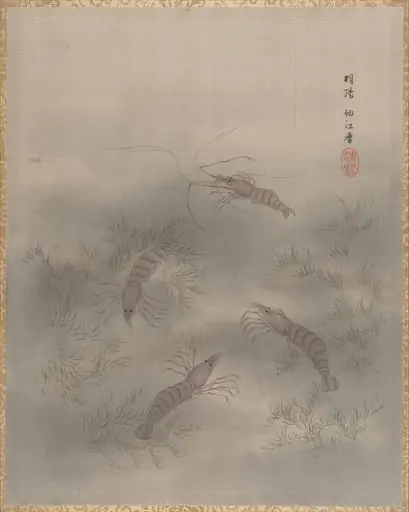
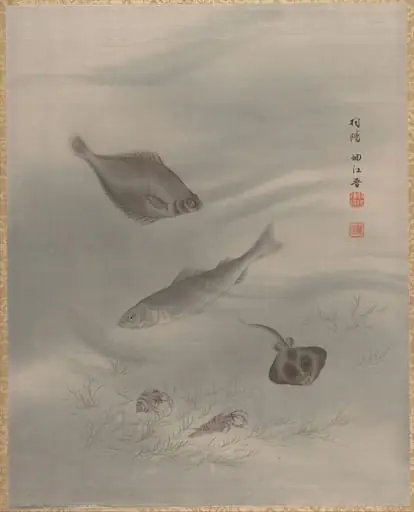
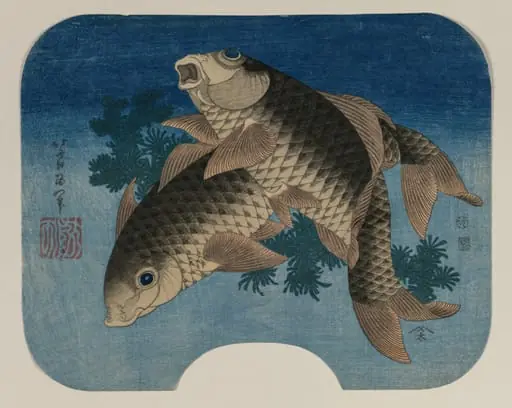
The work depicts fish, executed as a still-life composition on silk. Created by Seki Shūkō in 1891, the piece focuses on the naturalistic representation of these aquatic subjects within the album leaf format. As a painting of fish, the subject matter anchors the work in the tradition of still-life art, presenting the organisms as the primary visual and thematic element without additional narrative context provided by the available records.
Technique & Style
Created in 1891 by Seki Shūkō, this work is an album leaf painted on silk. The piece measures 34.6 cm in height and 27.6 cm in width. Stylistically, it functions as a still life, with the composition focused entirely on the depiction of fish.
The application of pigment on the delicate silk support reflects traditional Japanese painting methods associated with the late nineteenth century.
History & Provenance
Untitled by Seki Shūkō was created in 1891 in Japan, taking the form of an album leaf painted on silk depicting fish. The work subsequently entered the collection of the Metropolitan Museum of Art, where it is catalogued under the accession reference MET 14.76.61.96. No further details of commission, intermediate ownership, or acquisition circumstances are documented in the available sources.
Overview
Created around 1891, this small album leaf by Seki Shūkō presents a solitary fish rendered on silk. The composition is minimal, with the creature positioned against an unadorned background, allowing the delicate brushwork to dominate the visual experience.
Context
During the late nineteenth century, Japanese artists often explored natural subjects in small-format works for personal albums. This piece aligns with that practice, offering a quiet study of a common aquatic creature within the broader trend of domestic still‑life painting.
Artist & collection