Artwork
Untitled
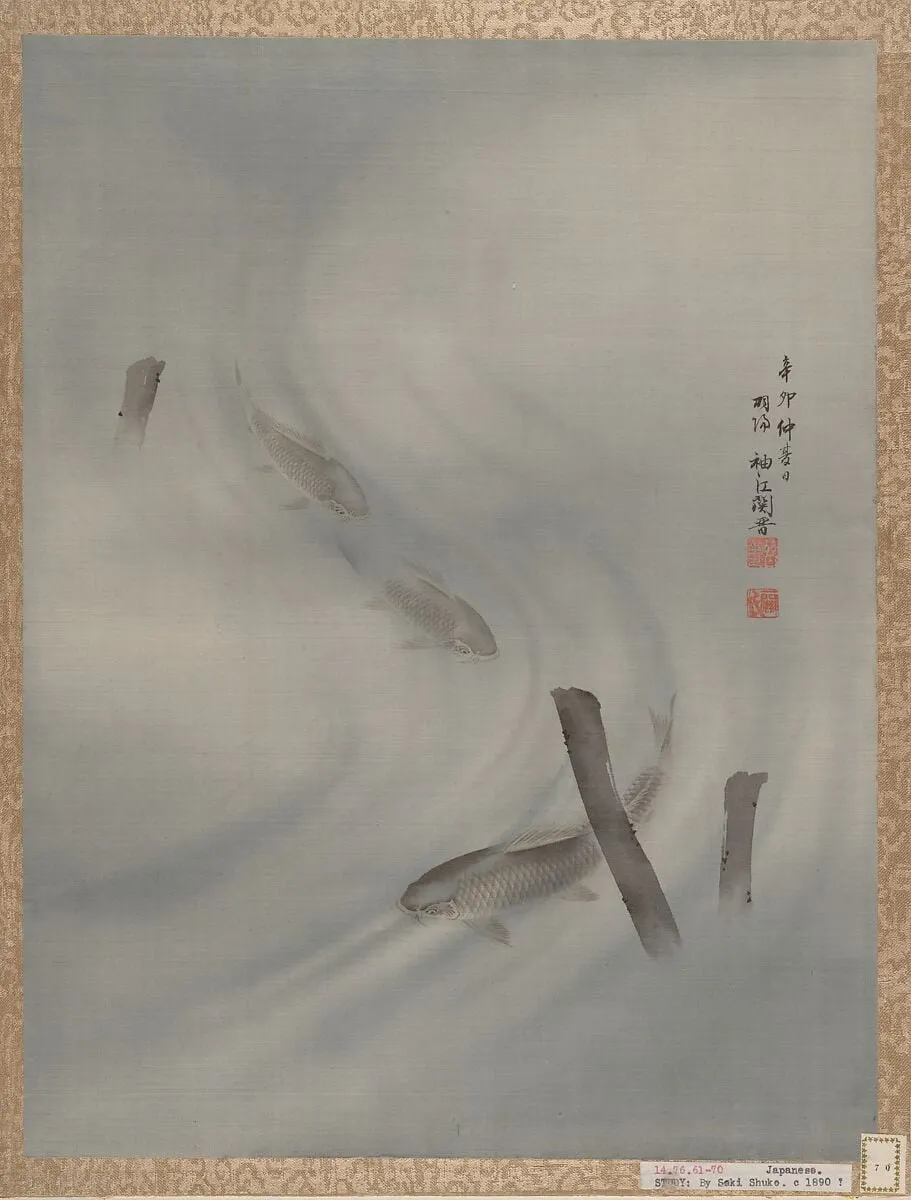
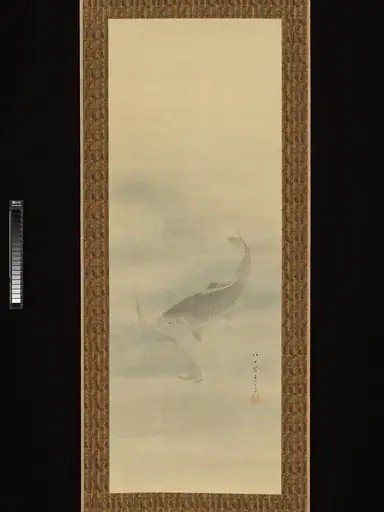
Untitled is an ink painting by the Impressionist artist Seki Shūkō. It dates from 1891 and is held in the collection of the Metropolitan Museum of Art.
About this work
The artist used tiny brushstrokes to make the scales catch the light, even though there’s no sun in the picture.
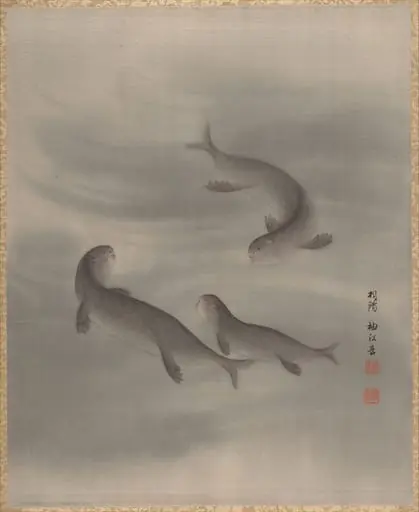
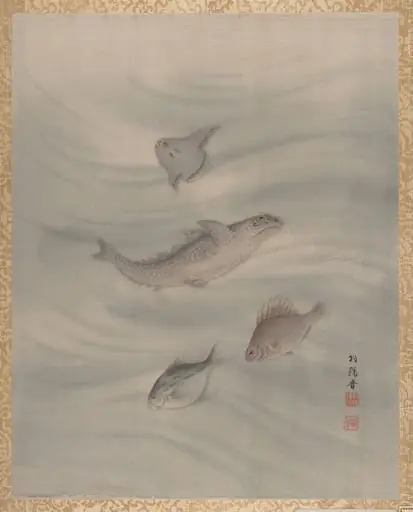
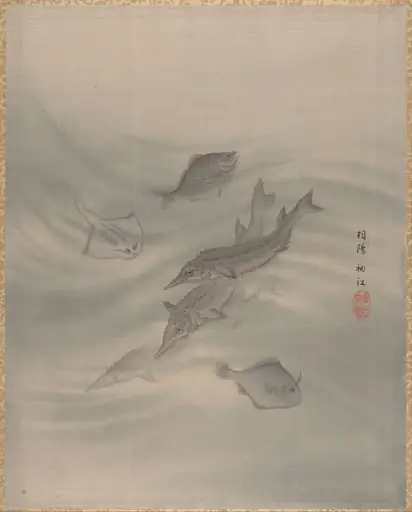
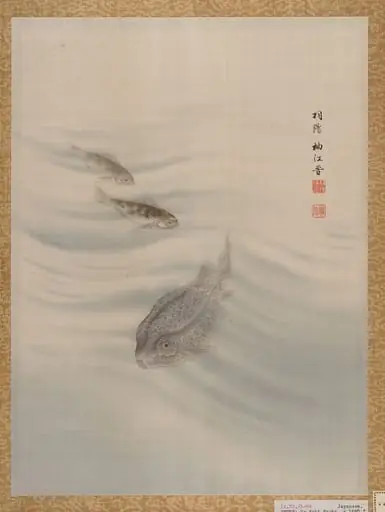
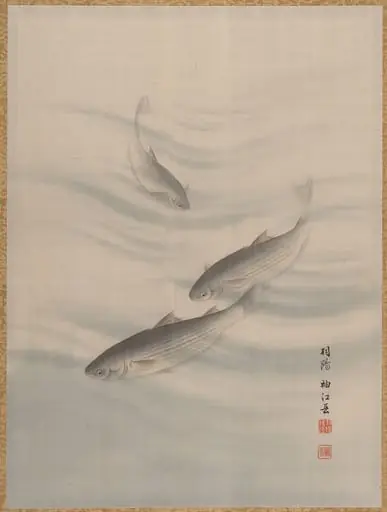
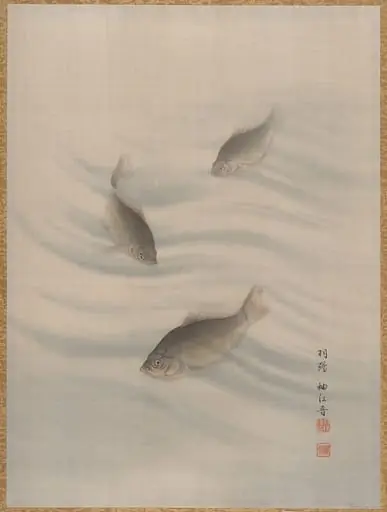
A single fish glides across soft gray silk. Its scales shimmer in pale blue and silver, fins spread like delicate lace.
Seki Shūkō painted this in one summer day in 1891. The fish isn’t swimming, it’s almost floating in space, as if the water around it has vanished. The artist used tiny brushstrokes to make the scales catch the light, even though there’s no sun in the picture.
To see how other Japanese artists painted fish, look up the subject fish, japan.
Subject & Meaning
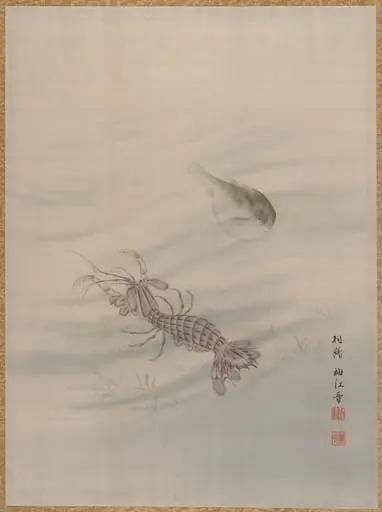
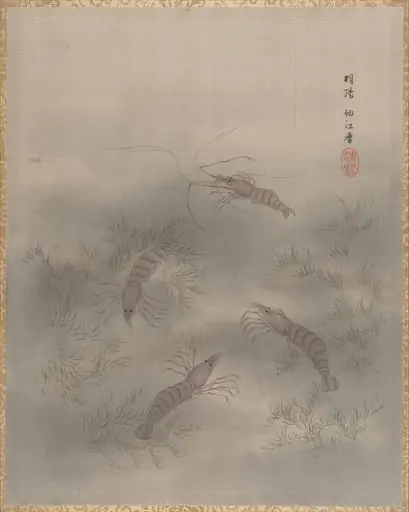
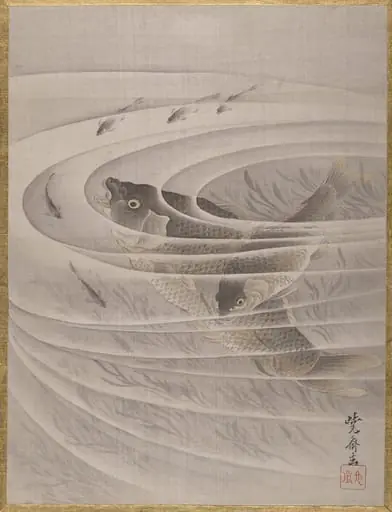
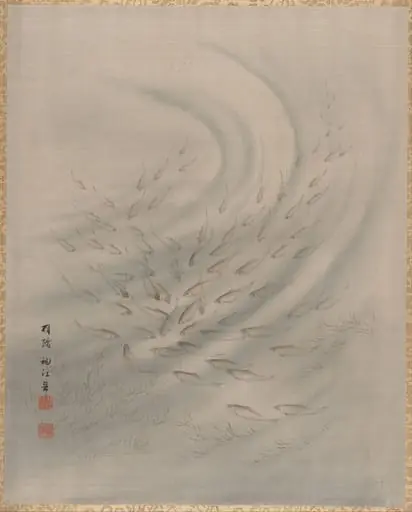
The album leaf by Seki Shūkō depicts fish as its central subject, rendered in ink and color on silk. As a still life, the composition focuses on the aquatic creatures themselves, a traditional East Asian pictorial theme in which fish carry layered symbolic associations. In Japanese visual culture, fish imagery commonly evokes abundance and prosperity, owing to linguistic and visual puns linking fish to plenty, and the motif is also associated with perseverance and good fortune.
By isolating the fish as the sole subject on a silk album leaf, Shūkō invites contemplation of these auspicious meanings through a refined, intimate format suited to close viewing.
The pairing of the subject with the album-leaf format reflects the late Edo and Meiji-era practice of producing small, collectible paintings that distilled auspicious themes into portable forms. In this sense, the work functions both as a depiction of fish and as a visual emblem of wealth and renewal.
Technique & Style
The work is an ink and colored painting executed on a silk support in the form of an album leaf, measuring roughly 37.5 × 28.6 cm, produced in Japan in 1891. It is classified as a painting within the still‑life genre and depicts a fish. The piece belongs to the collection of the Metropolitan Museum of Art, where it is catalogued under accession number MET 14.76.61.70.
The material combination of ink and pigment on silk contributes to a delicate surface texture, while the composition’s restrained lines and muted palette reflect the artist’s disciplined approach to the subject.
History & Provenance
Untitled is an 1891 album leaf painted in ink and color on silk by Seki Shūkō. The work portrays a fish and was produced in Japan as a still‑life piece.
It entered the collection of the Metropolitan Museum of Art, where it is catalogued under accession number 14.76.61.70 and displayed in the museum’s Japanese art galleries. The painting’s creation history is documented through its date, medium, and the museum’s provenance records, which trace its presence in the museum’s holdings.
Overview
Untitled, executed in 1891 by Seki Shūkō, is a small album‑leaf painting rendered in ink and color on silk. The work presents a solitary fish positioned against a muted gray background, its body rendered with delicate brushwork that emphasizes the translucence of its scales.
Artist & collection