Artwork
Untitled
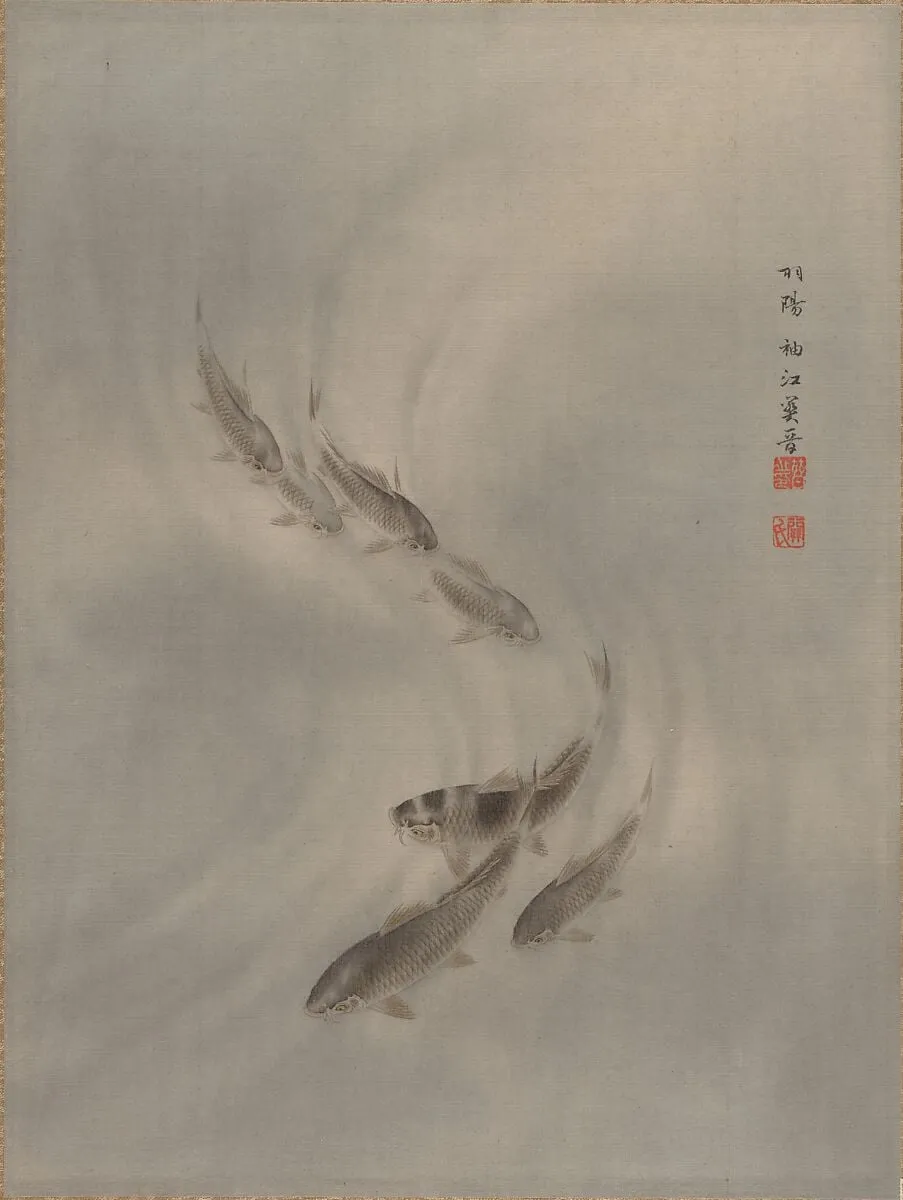
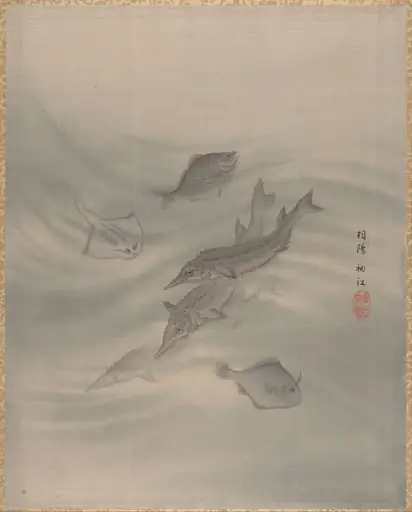
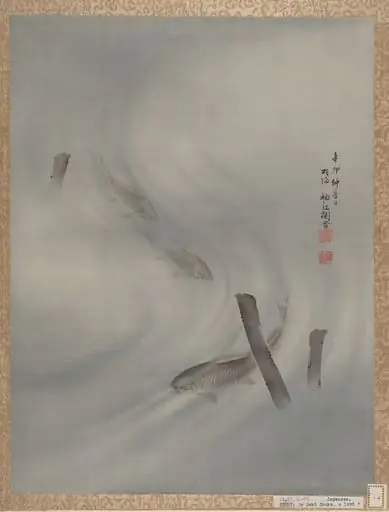
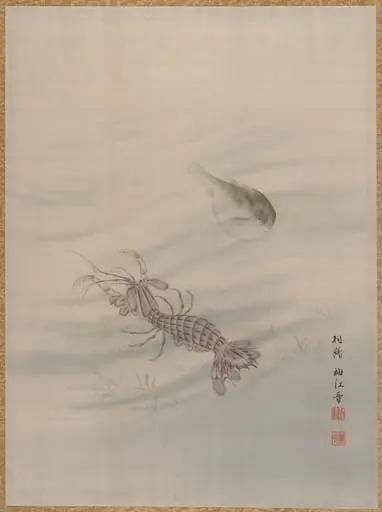
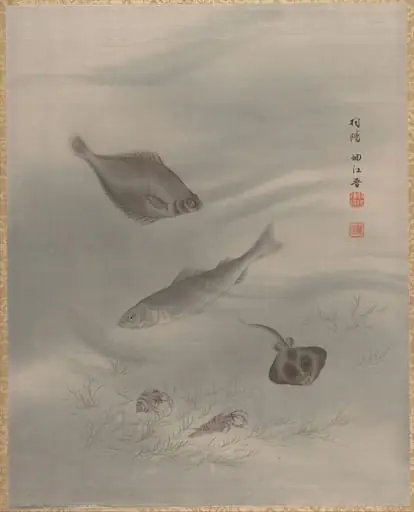
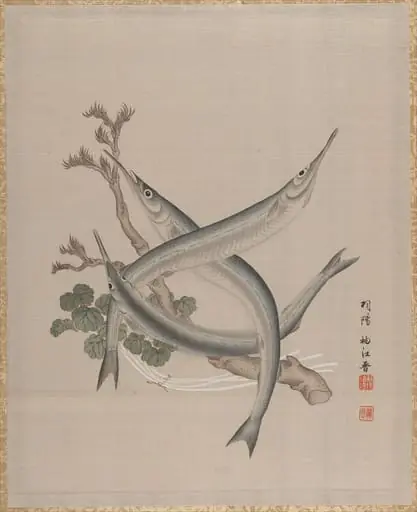
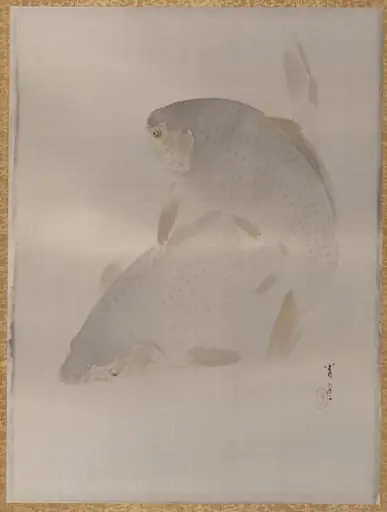
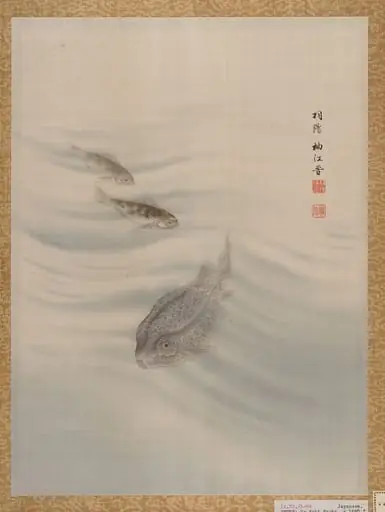
Untitled is an ink painting by the Impressionist artist Seki Shūkō. It dates from 1891 and is held in the collection of the Metropolitan Museum of Art.
About this work
Subject & Meaning
The artwork functions as a focused study of the creature, characteristic of the still life classification assigned to the piece.
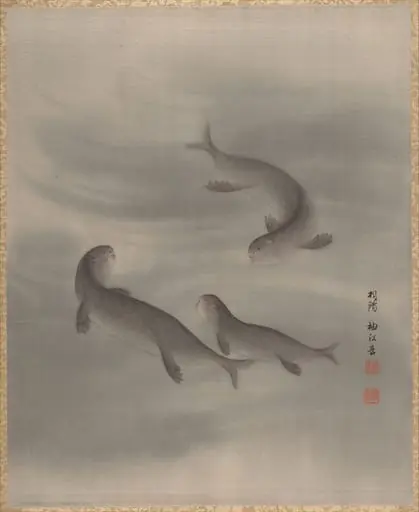
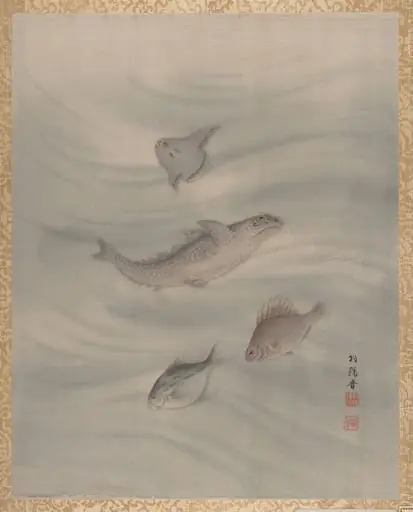
Created in 1891 by Seki Shūkō, this album leaf presents a still life composition centered on a fish. Executed in ink and color on silk, the work isolates the aquatic subject as its primary iconographic element. The depiction aligns with traditional Japanese painting genres that often utilize fish to symbolize abundance or specific seasonal associations, though the specific symbolic intent of this particular leaf is not explicitly detailed in available records.
The artwork functions as a focused study of the creature, characteristic of the still life classification assigned to the piece.
Technique & Style
Created in 1891, this album leaf by Seki Shūkō is executed in ink and color on silk. The work is classified as a painting within the still-life genre, specifically depicting fish. Measuring 37.5 cm in height and 27.9 cm in width, the piece originates from Japan.
The artist utilized traditional materials and handling suited for silk support, resulting in a compact, detailed composition characteristic of the medium.
History & Provenance
The work was created in 1891 by Seki Shūkō as an album leaf in ink and color on silk, depicting fish. The painting entered the collection of the Metropolitan Museum of Art, where it is currently held. Its dimensions are 37.5 cm in height and 27.9 cm in width, and it was produced in Japan.
The available sources do not list a specific inventory or accession number for the work, nor do they document any exhibition history.
Overview
Created around 1891, this small album leaf by Seki Shūkō presents a solitary fish rendered on silk with ink and subtle color. The composition is minimal, occupying the narrow surface with the fish as the sole subject, while the surrounding space remains largely unfilled, emphasizing the creature’s form.
Context
During the Meiji era, Japanese art was undergoing rapid transformation under Western influence. Seki Shūkō’s decision to retain a purely Japanese aesthetic, absence of background, emphasis on line and surface, positions this work as a quiet affirmation of native visual culture amid broader artistic shifts.
Artist & collection