Artwork
Monk Riding Backward on an Ox
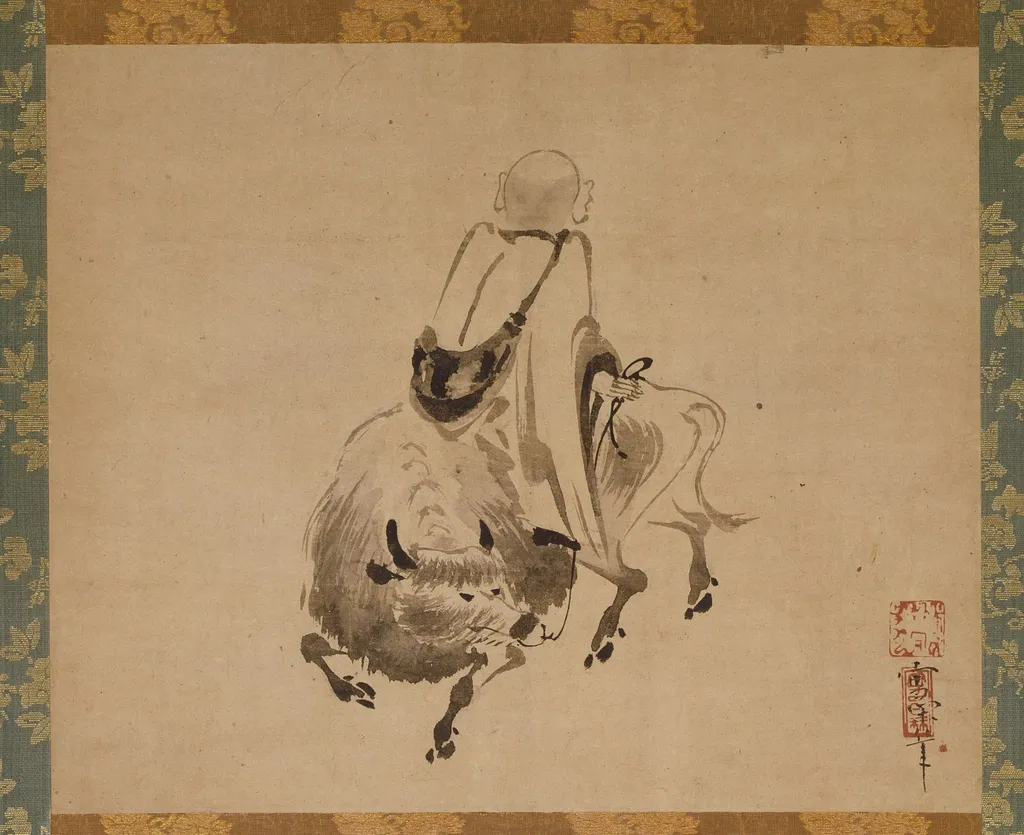
Monk Riding Backward on an Ox is an unspecified painting by the Joseon dynasty painting artist Sekkan. It dates from 1550 and is held in the collection of the Los Angeles County Museum of Art.
About this work
Overview
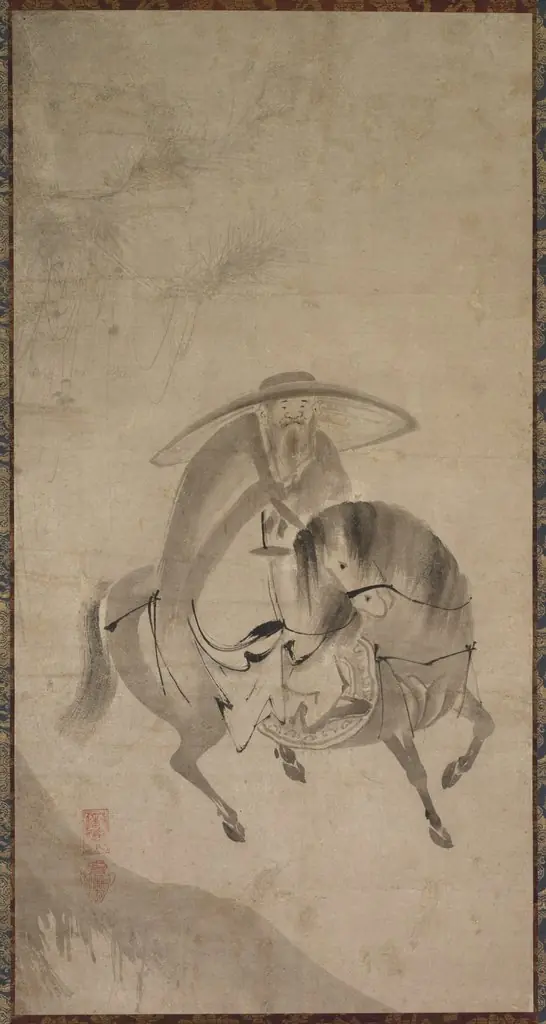
Created around 1550 by the Japanese artist Sekkan, this ink painting portrays a monk seated backward on an ox. Executed in restrained monochrome tones, the composition emphasizes stillness and simplicity. The work is part of the collection at the Los Angeles County Museum of Art, where it is recognized for its quiet contemplative quality and minimalistic approach to form and space.
Subject & Meaning
The backward posture suggests detachment from worldly direction, while the ox represents the untamed mind being gently guided.
The image references a Zen Buddhist parable in which the monk, riding the ox backward, symbolizes the reversal of conventional understanding, turning inward to seek enlightenment rather than pursuing external goals. The backward posture suggests detachment from worldly direction, while the ox represents the untamed mind being gently guided. Together, they convey a theme of inner harmony achieved through surrender and stillness.
Technique & Style
Sekkan employs delicate ink washes and sparse, fluid brushwork to define the figures. The ox’s form is rendered with subtle tonal gradations, suggesting volume without heavy outline. The monk’s robe and the landscape background are rendered in muted grays and browns, eliminating distraction.
The absence of detail in the setting focuses attention on the relationship between human and animal, reinforcing the painting’s meditative intent.
History & Provenance
The painting is attributed to Sekkan, a lesser-known artist active in the mid-16th century during Japan’s Muromachi period. Its early provenance is undocumented, but it entered the Los Angeles County Museum of Art’s collection in the 20th century as part of a broader acquisition of Japanese ink paintings. Its preservation reflects its value as an example of Zen-inspired visual culture from the era.
Context
This work emerged during a time when Zen Buddhism deeply influenced Japanese art, encouraging simplicity, spontaneity, and the expression of spiritual insight through minimal means. Artists like Sekkan drew from Chinese Chan Buddhist traditions, adapting them into uniquely Japanese forms. Such images were often used in monastic settings to aid meditation, not as decorative objects but as tools for reflection.
Legacy
Though Sekkan’s oeuvre is limited, this painting endures as a representative example of Zen ink painting’s capacity to distill complex philosophy into a single, quiet image. Its influence can be seen in later Japanese artists who embraced austerity and symbolic gesture. The work continues to be studied for its ability to communicate spiritual concepts without narrative elaboration.
Own this work as a print
Artist & collection
Artist
Sekkan’s paintings feel like a quiet rebellion: the monk rides backward on his ox, defying every rule of perspective and decorum.

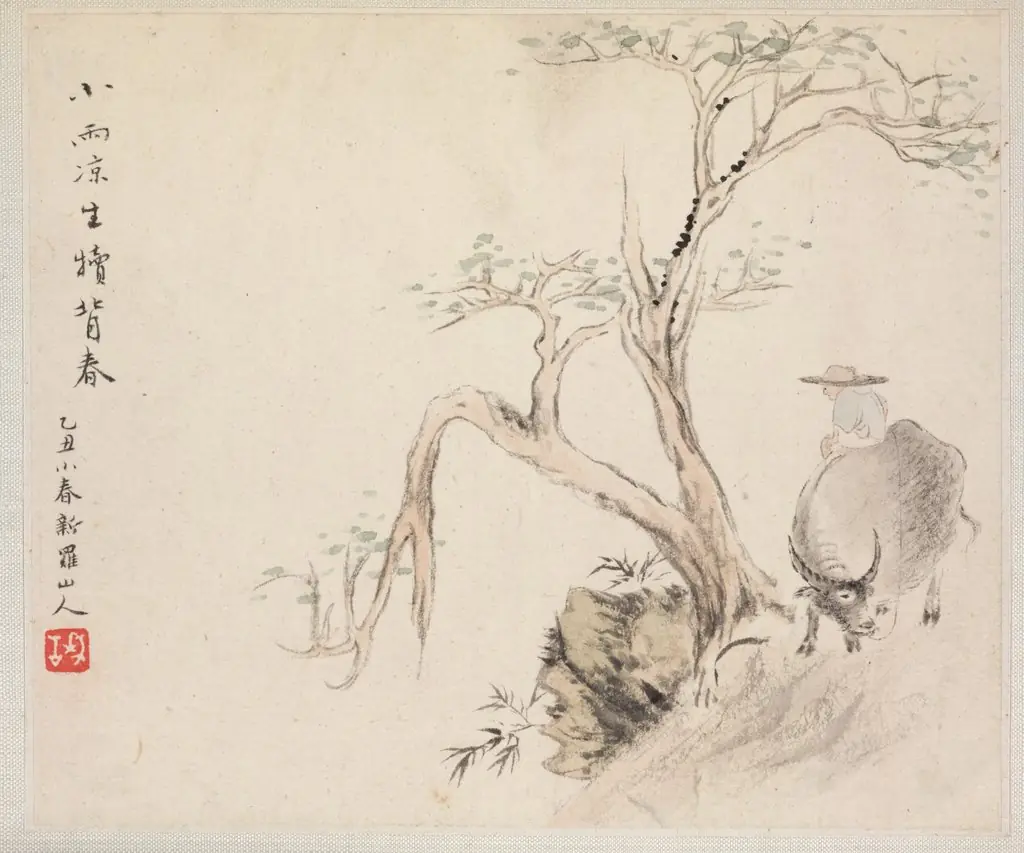
- Album of Landscape Paintings Illustrating Old Poems: Boy Tending a Water Buffalo
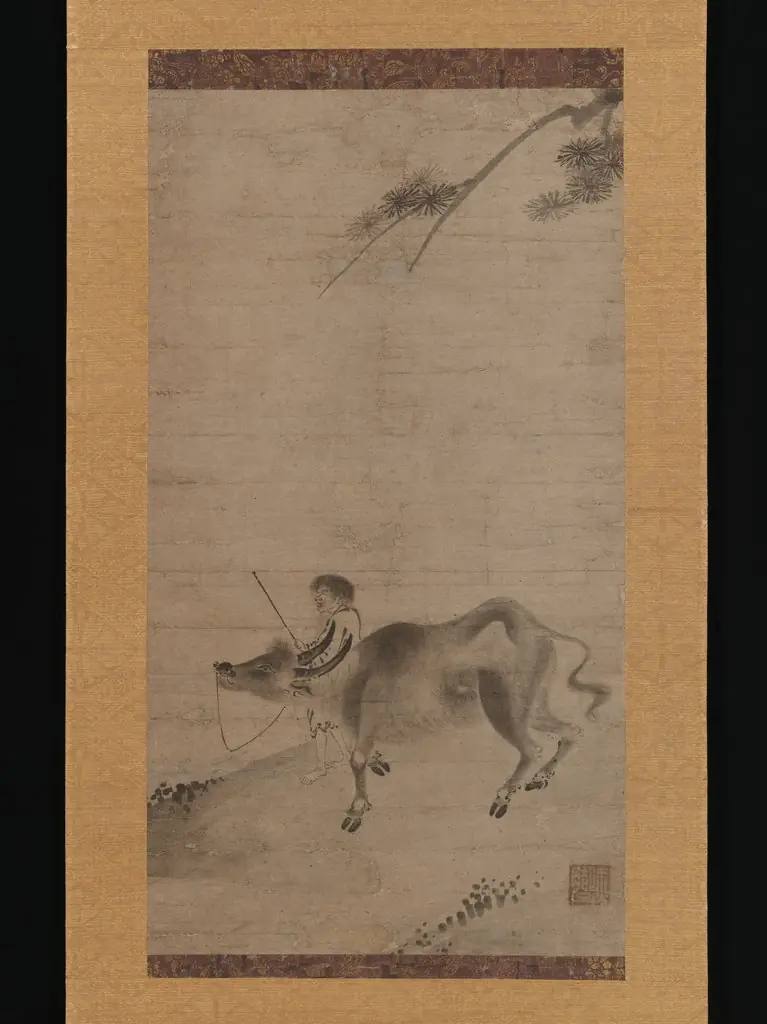 Oxherding
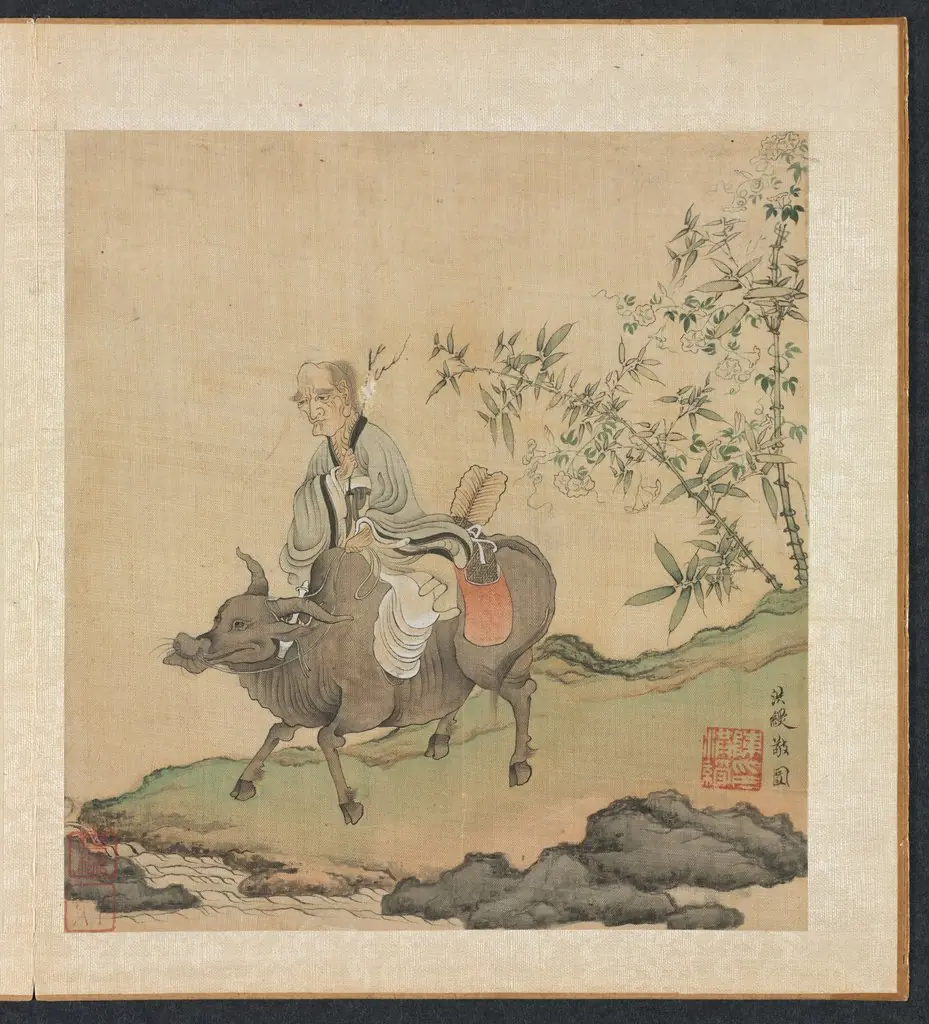 Paintings after Ancient Masters: Laozi Riding an Ox
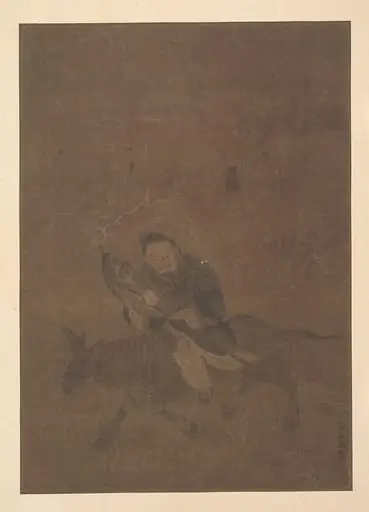 Untitled
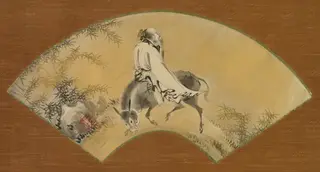 Pan Lang (Han Rō)
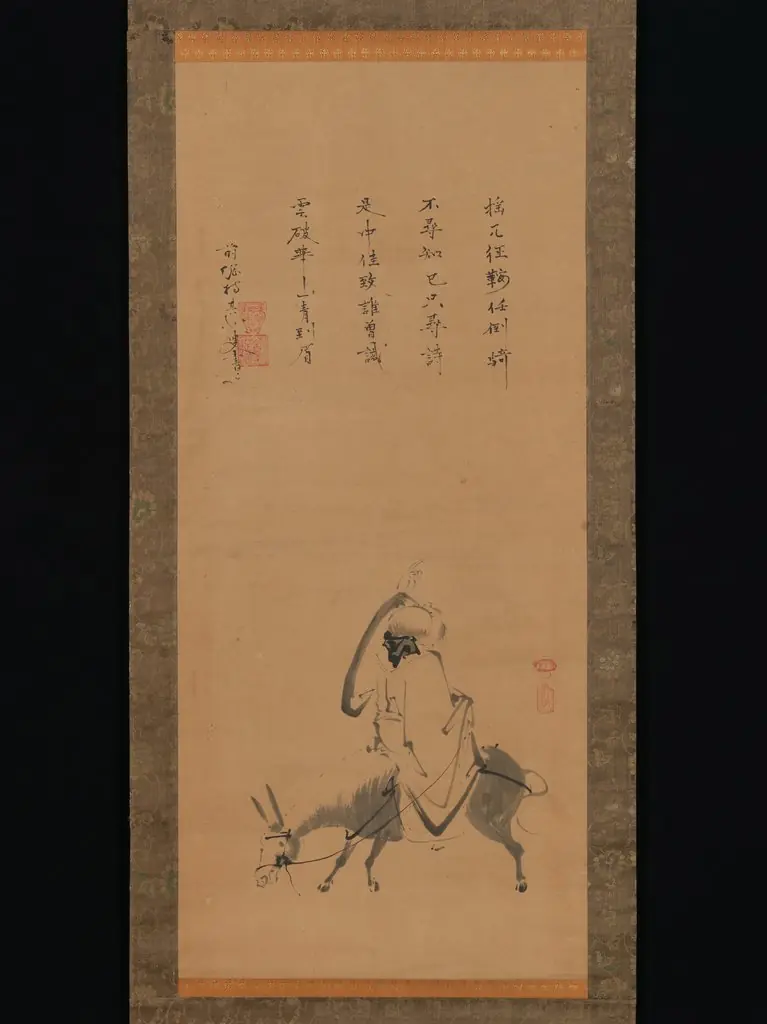 The Chinese Poet Pan Lang on a Donkey
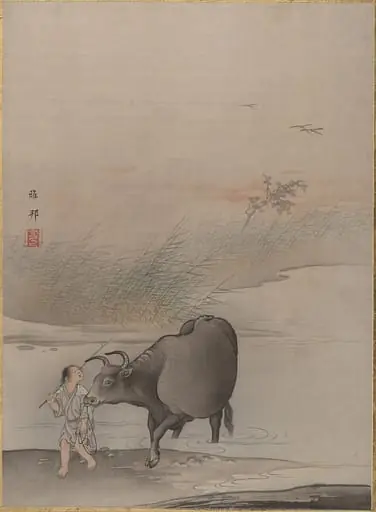 Untitled
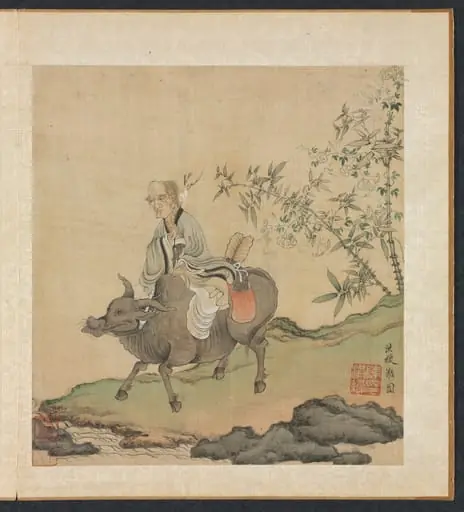 Paintings after Ancient Masters: Laozi Riding an Ox
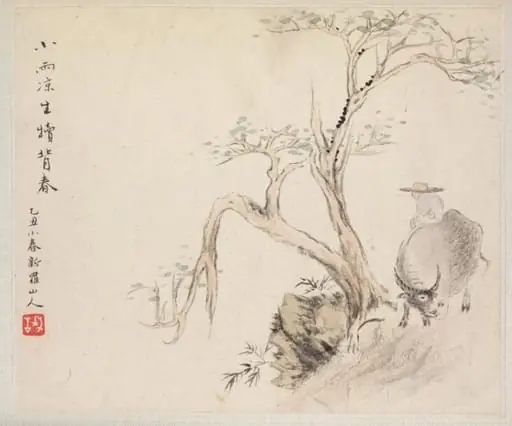 Album of Landscape Paintings Illustrating Old Poems: Boy Tending a Water Buffalo
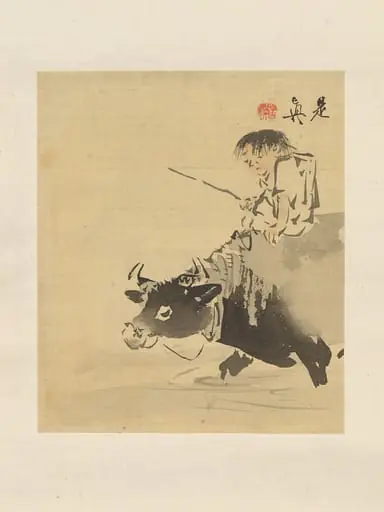 Untitled
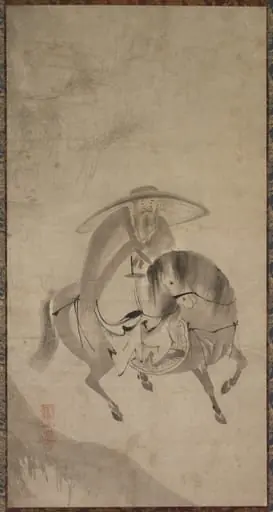 Su Dongpo Riding a Donkey
 Su Dongpo Riding a Donkey