Movement
Joseon dynasty painting
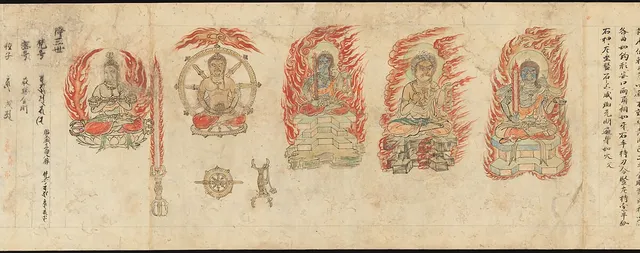
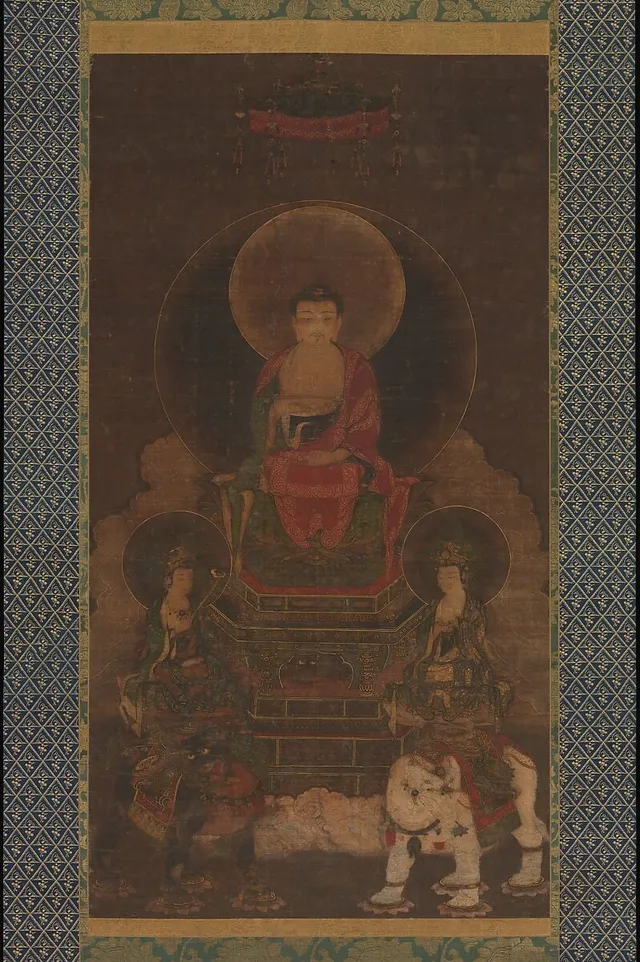
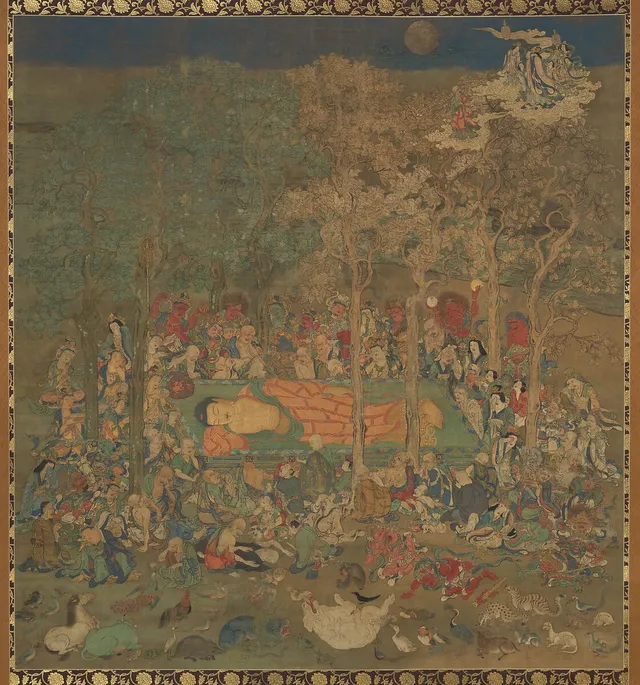
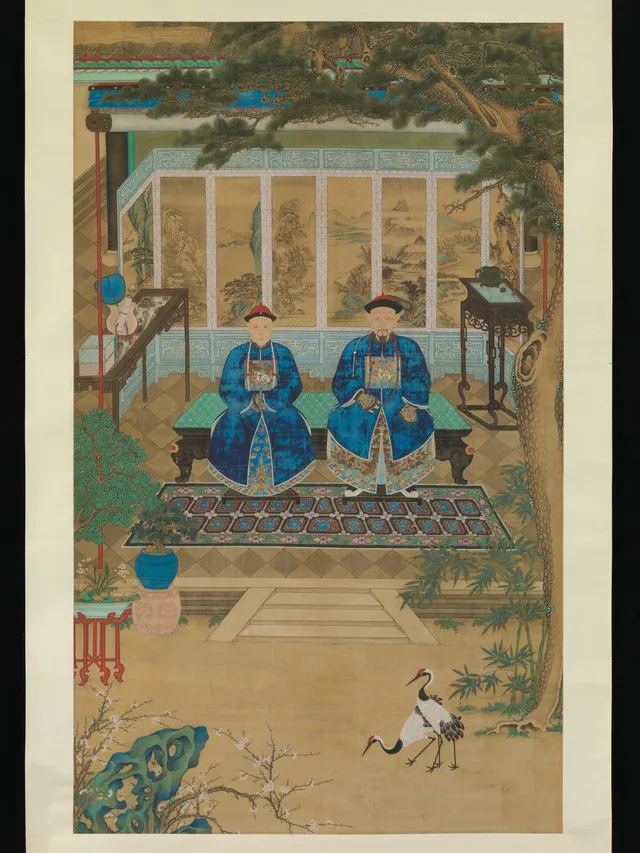
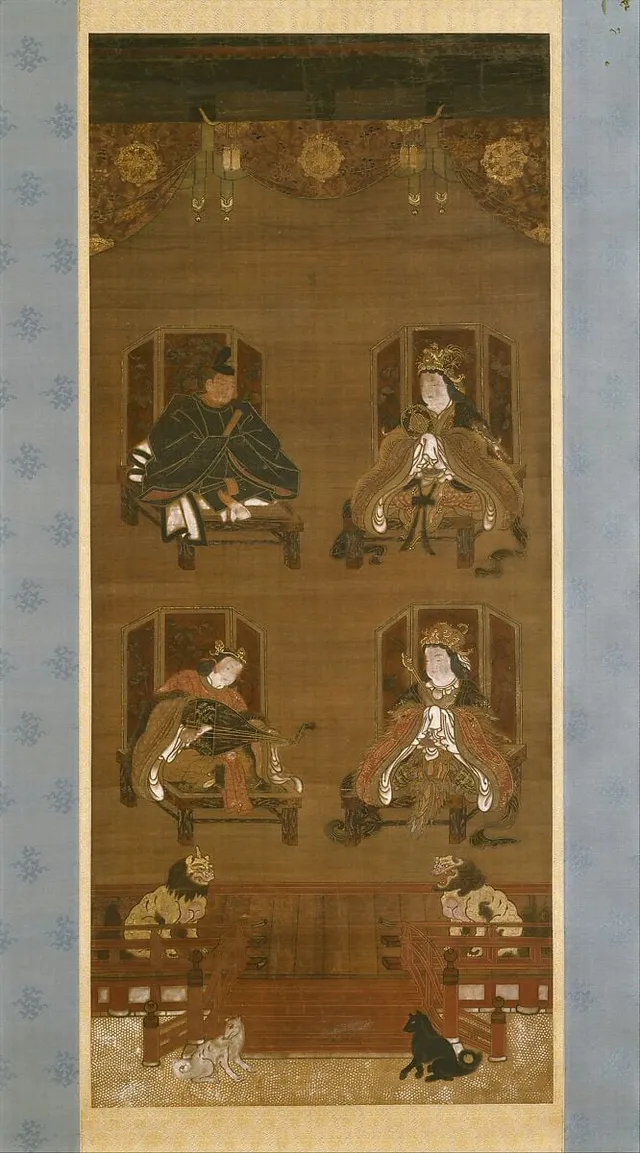
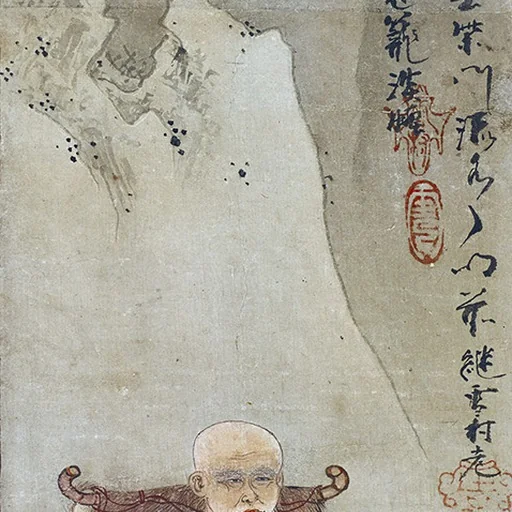
Joseon dynasty painting is an art movement of the 1390–1910 period. The gallery holds 202 works in this movement, including works by Sesson Shūkei, Soga Shōhaku and Nagano Yasunosuke. Browse Joseon dynasty painting paintings, portraits, pictures and artworks from the world's public-domain museum collections.
Painting of Korea's long Joseon dynasty (1392-1910) developed under a state that made Neo-Confucianism its governing creed, and that ethic of restraint, moral seriousness, and reverence for nature shaped its art for five centuries. The court maintained a royal painting bureau, the Dohwaseo, which trained professional painters and produced portraits, documentary records of state rituals, and decorative screens, while scholar-officials cultivated ink painting as a gentlemanly accomplishment. Early Joseon taste leaned on Chinese models, especially the monumental landscape idioms inherited from Song and Ming China, but over time Korean painters turned increasingly toward their own land and people.
The defining technical vocabulary was ink and light color on silk or paper: calligraphic brushwork, atmospheric washes, generous empty space, and inscriptions that bound poetry, painting, and calligraphy into a single literati ideal. The supreme early masterpiece is An Gyeon's "Dream Journey to the Peach Blossom Land" (Mongyu dowondo, 1447), a handscroll painted for Grand Prince Anpyeong and now held at Tenri University in Japan, its fog-wrapped cliffs and luminous blossoms among the finest landscapes of the period.
The 18th century is widely regarded as the golden age. Jeong Seon (1676-1759) founded "true-view" landscape painting (jingyeong sansu), abandoning imagined Chinese scenery to depict real Korean sites such as Mount Geumgang from direct observation. Alongside him, genre painting (pungsokhwa) flourished: Kim Hong-do (1745-after 1806) rendered farmers, wrestlers, and laborers with wit and economy, while Sin Yun-bok painted elegant, faintly erotic scenes of courtesans and urban leisure. Gang Se-hwang (1713-1791), a scholar-painter and critic, helped advance both the true-view style and literati ink painting, and taught Kim Hong-do.
Literati painting reached a late apex with Kim Jeong-hui (1786-1856), whose austere "Sehando" (Winter Scene, 1844), painted in exile on Jeju Island, distills the genre's spare moral force. Earlier, Yun Du-seo (1668-1715) had produced a startlingly intense self-portrait that ranks among Korea's masterpieces of portraiture. Below the elite tradition, anonymous artisans created minhwa, vivid folk paintings of tigers, magpies, flowers, fish, and books, charged with auspicious meaning and hung in ordinary homes. Together these strands gave Joseon painting a distinctly Korean character, parallel to but increasingly independent of Chinese and Japanese art, and they remain the foundation of Korea's later national-painting traditions.
Key artists

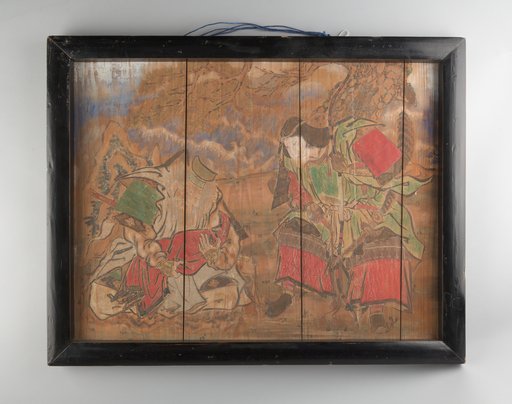
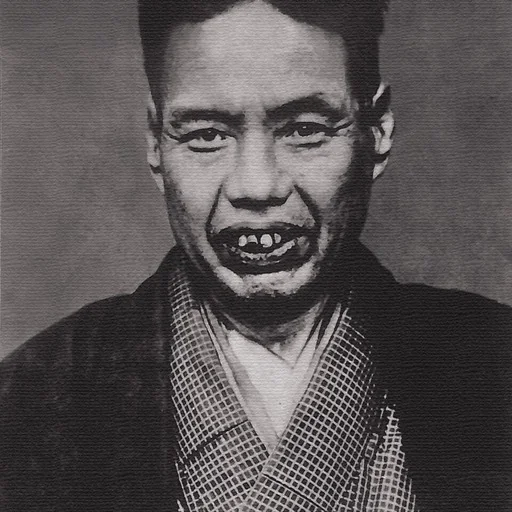
Works
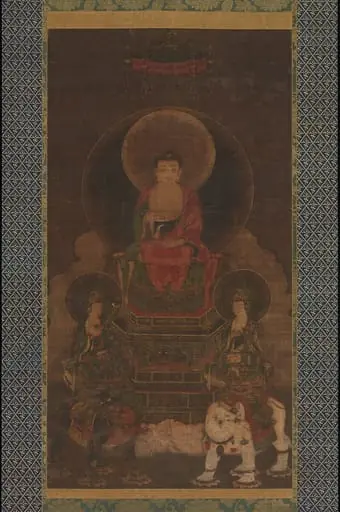 釈迦三尊像|Shaka (Shakyamuni) Triad
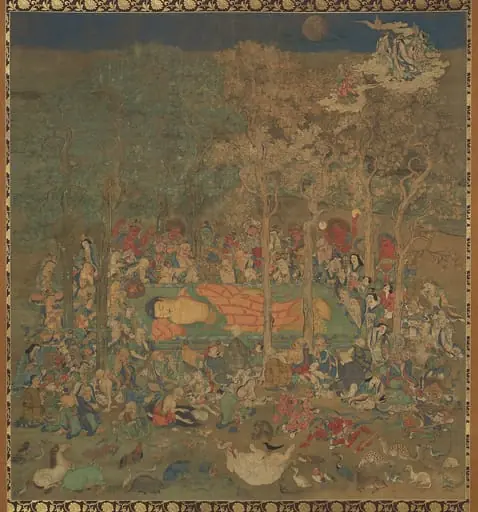 涅槃図|Death of the Historical Buddha (Nehan-zu)
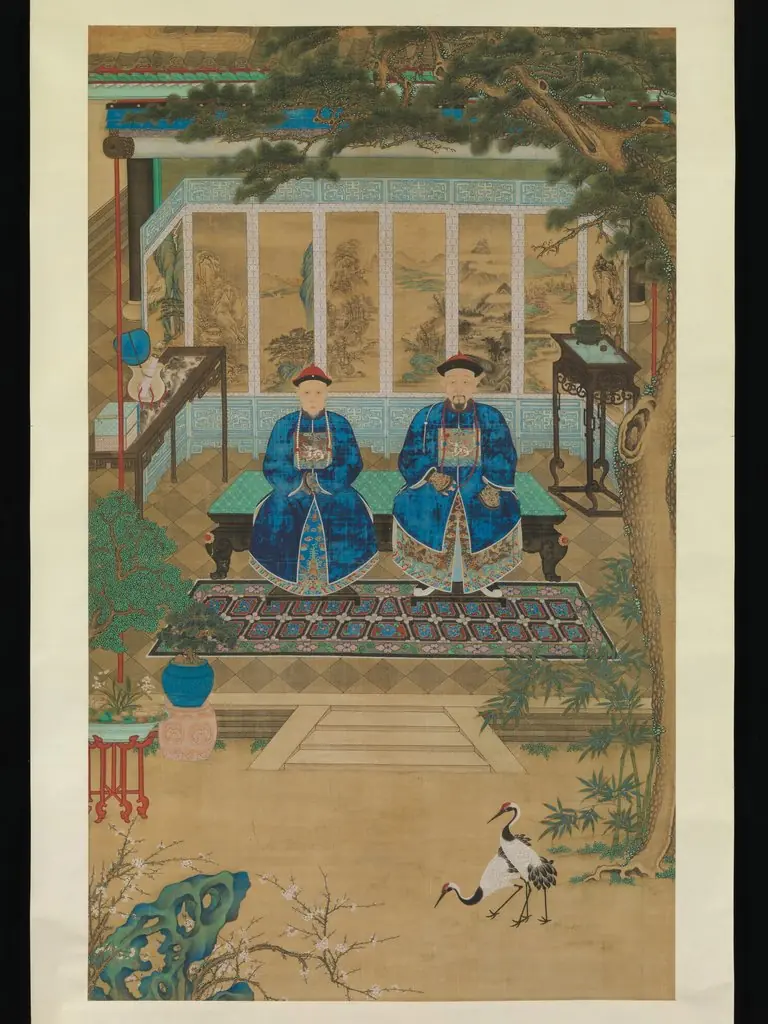 Portrait of an imperial censor and his wife
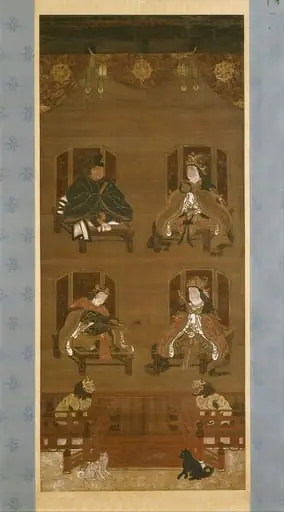 高野四所明神像|The Four Deities of Mount Kōya
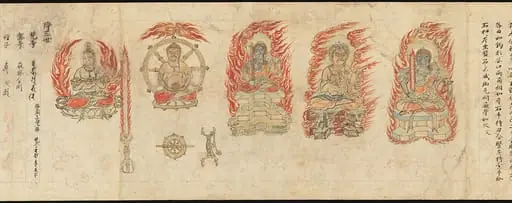 『図像抄』〈十巻抄〉明王部諸尊|Iconographic Drawings of the Five Kings of Wisdom (Myōō-bu shoson)
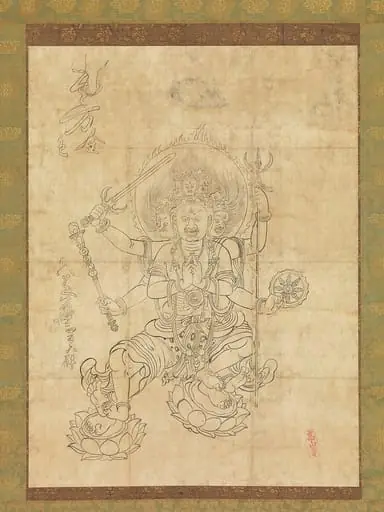 大威徳明王|Daiitoku Myōō
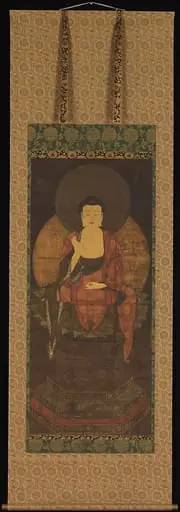 釈迦如来像|Shaka Nyorai
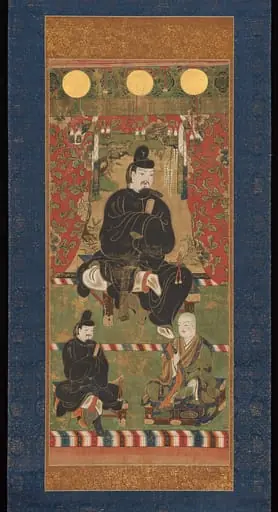 藤原鎌足像|Fujiwara no Kamatari as a Shinto Deity
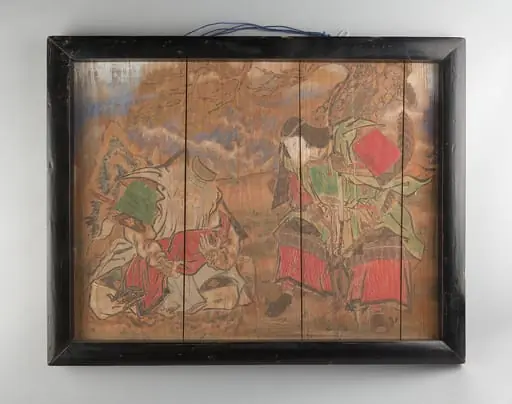 Untitled
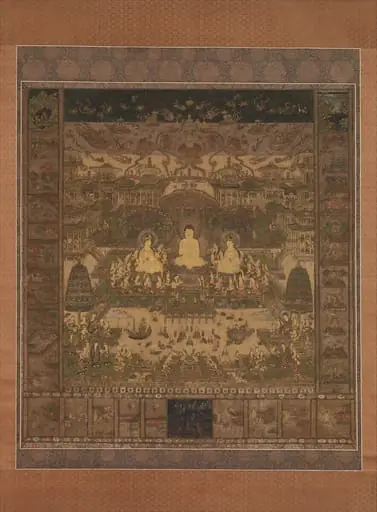 當麻曼荼羅図 |Taima Mandala
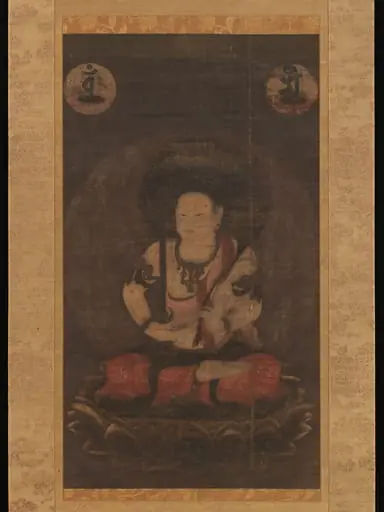 五髻文殊菩薩像|The Bodhisattva Monju (Manjushri) with Five Topknots
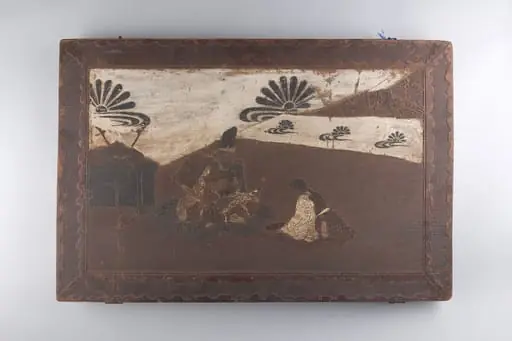 Untitled
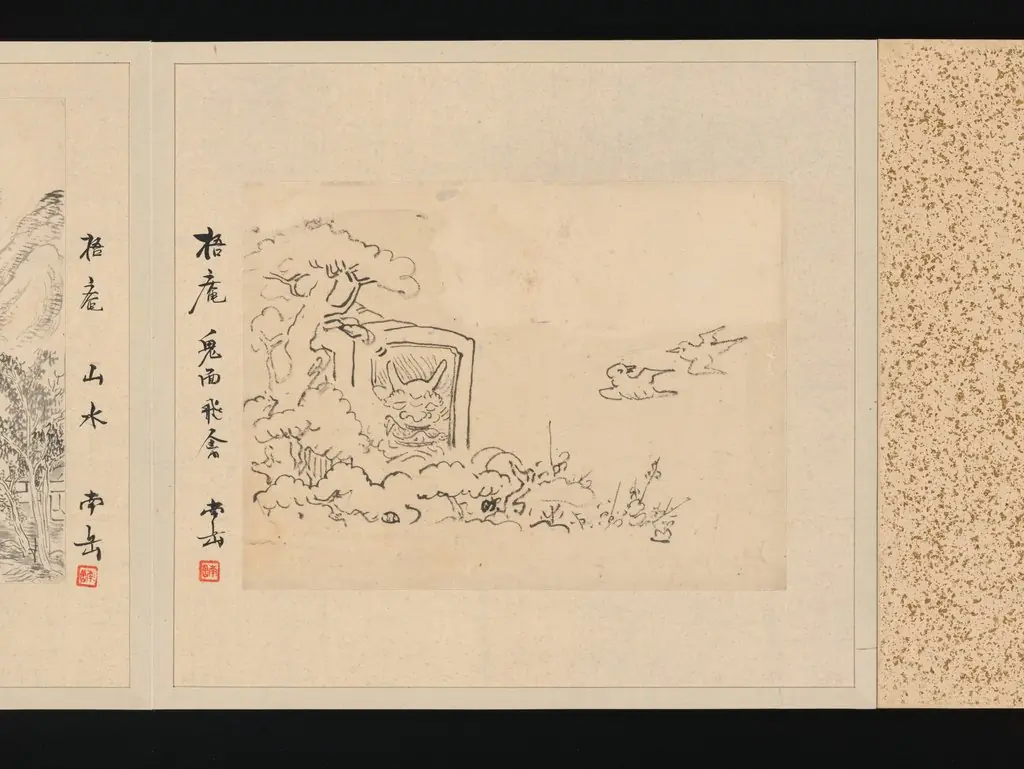 Album of Fifty-four Sketches
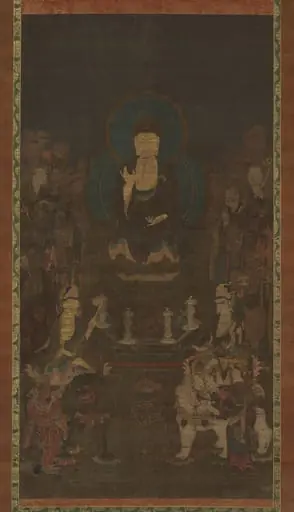 釈迦三尊十大弟子像|Shaka (Shakyamuni), the Historical Buddha, with Two Attendant Bodhisattvas and the Ten Great Disciples
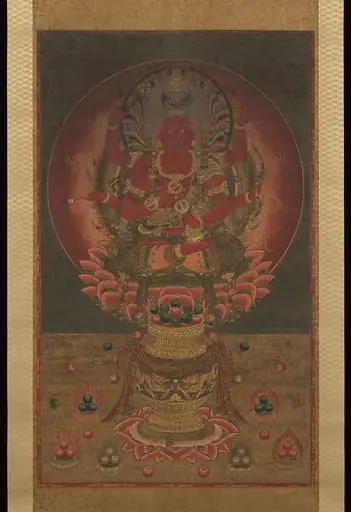 愛染明王像|Aizen Myōō
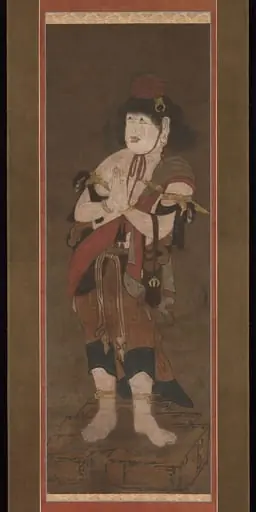 龍湫周沢写 不動明王二童子像|Fudō Myōō and Two Attendants
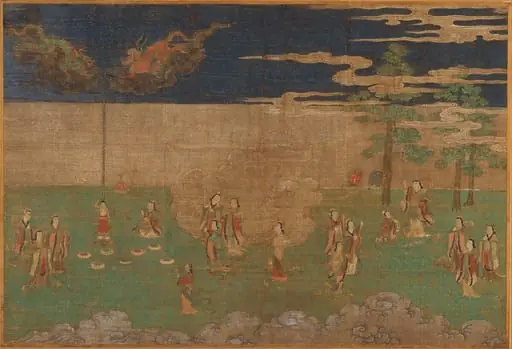 仏伝図|Scene from the Life of the Buddha
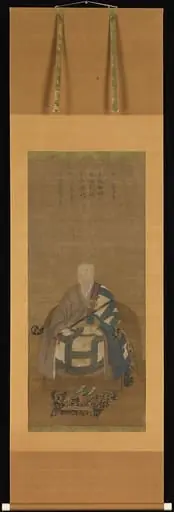 旧山宗英像|Portrait of Kyūzan Sōei
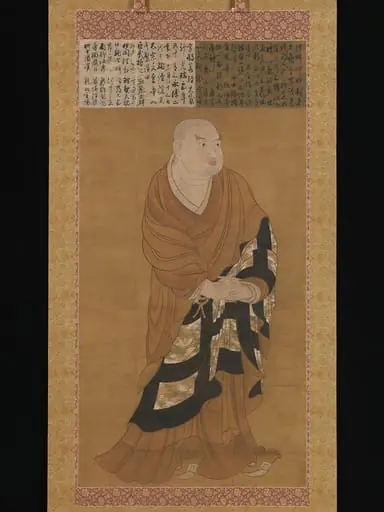 慈恩大師像|Portrait of Jion Daishi (Guiji)
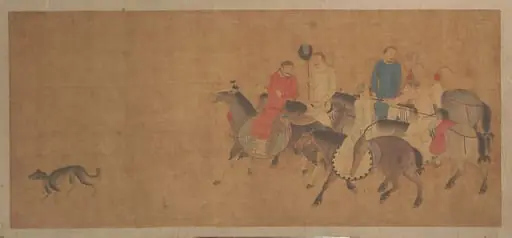 Untitled
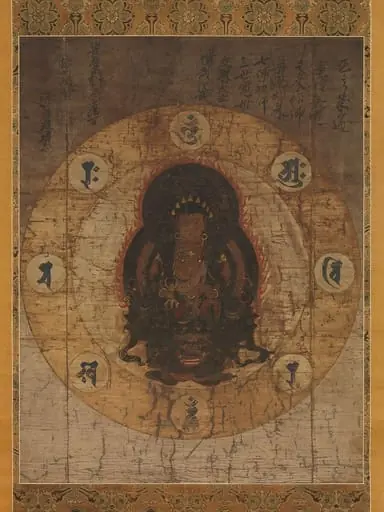 八字文殊菩薩像|Monju Bosatsu with Eight Sacred Sanskrit Syllables
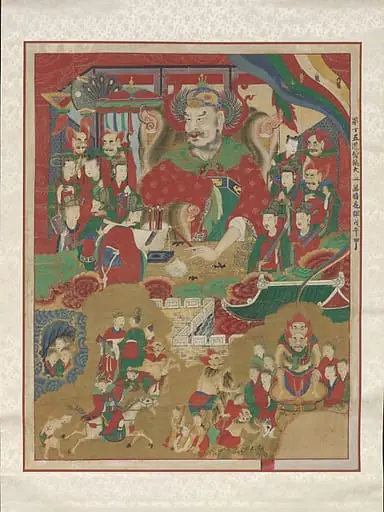 Untitled
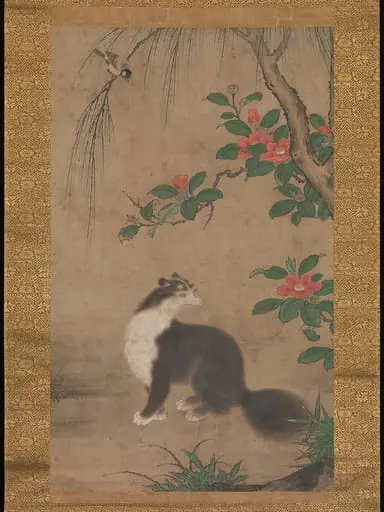 右都御史筆 麝香猫図|Musk Cat
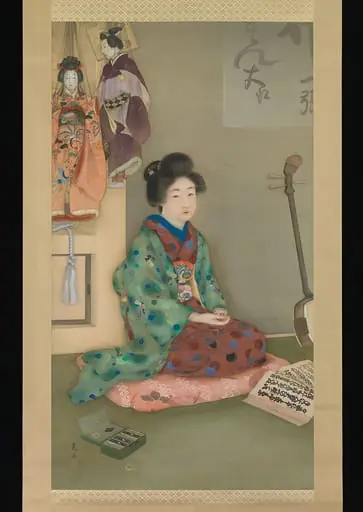 娘義太夫|Female Chanter for Jōruri Puppet Theater
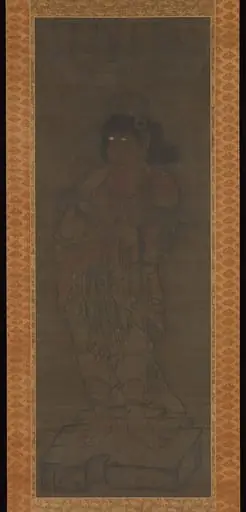 衿羯羅童子像 |Kongara-doji
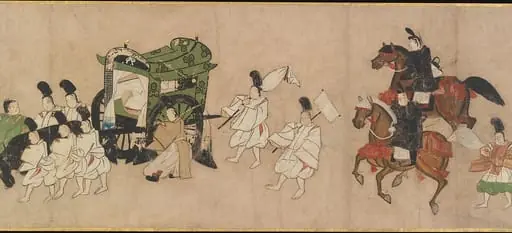 源氏物語絵巻 「澪標」|“Channel Markers” (Miotsukushi)
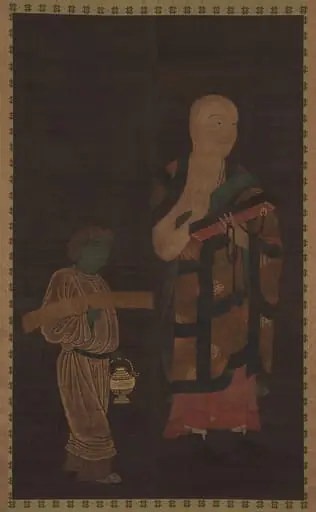 伝春日基光筆 玄奘三蔵像|Portrait of Xuanzang (Genjō) with Attendant
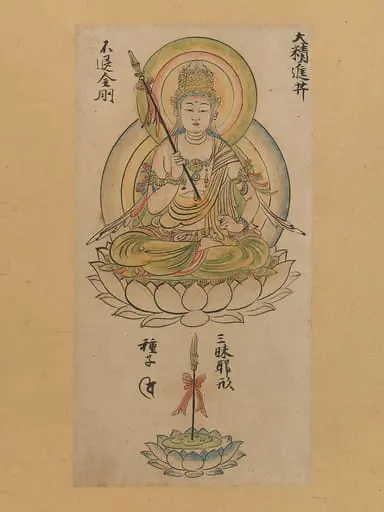 大精進菩薩図像 (「金胎仏画帖」より)|Daishōjin Bosatsu, from “Album of Buddhist Deities from the Diamond World and Womb World Mandalas”
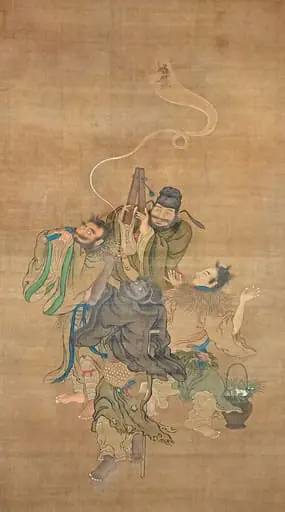 八仙図|Eight Daoist Immortals Welcoming Jurōjin
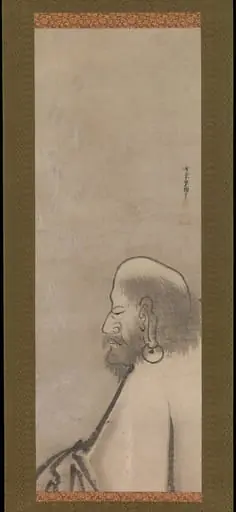 Untitled
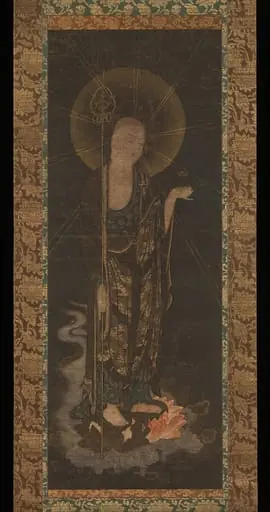 地蔵来迎図|Welcoming Descent of Jizō
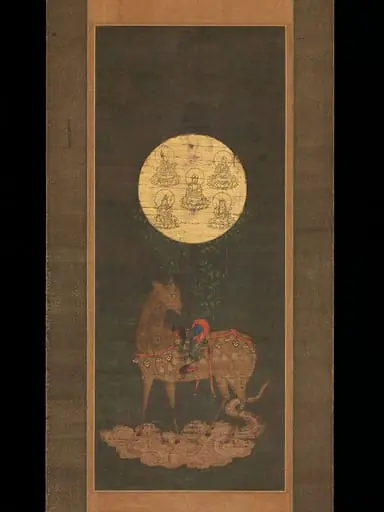 春日鹿曼荼羅 (Kasuga shika mandara)|Deer Mandala of Kasuga Shrine
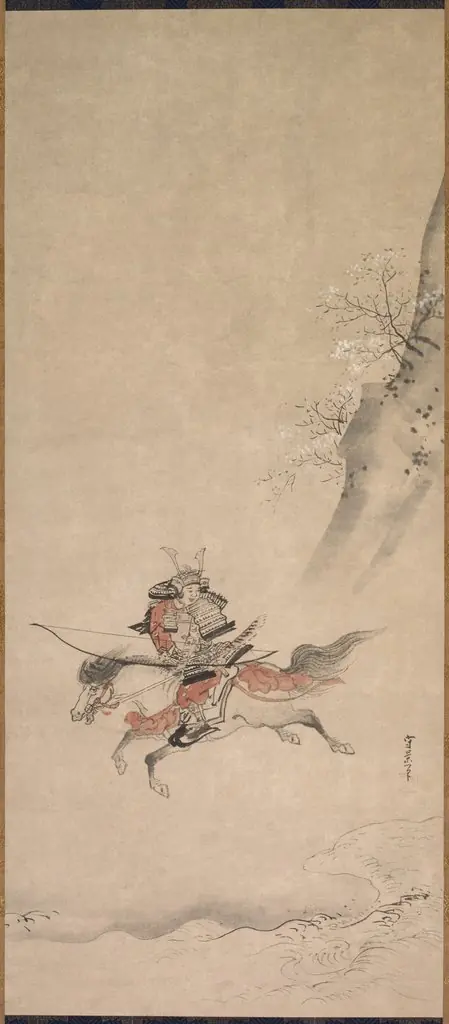 A Samurai on Horseback
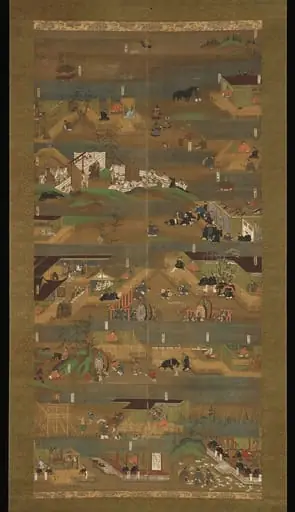 聖徳太子絵伝図|Illustrated Biography of Prince Shōtoku (Shōtoku Taishi e-den)
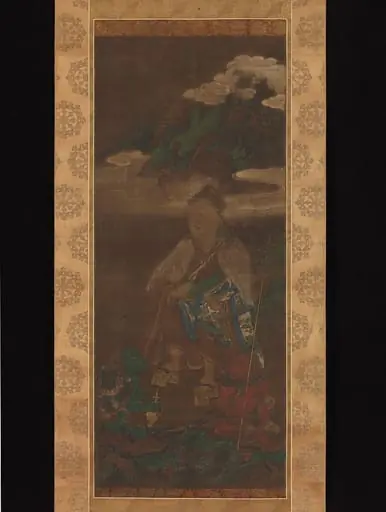 Untitled
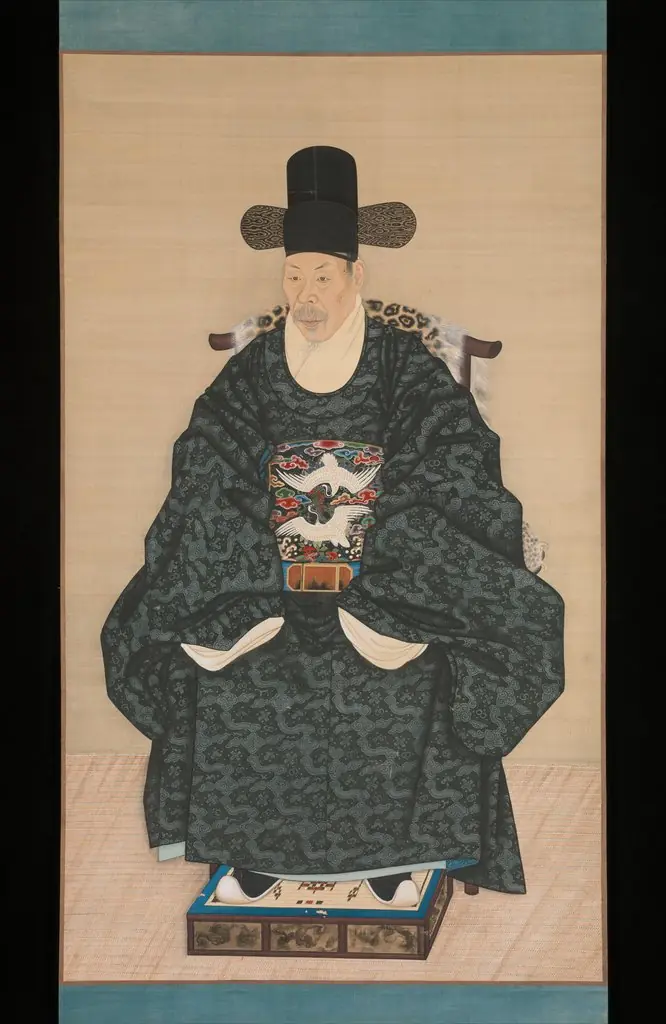 Portrait of Yun Dongseom (1710–1795)
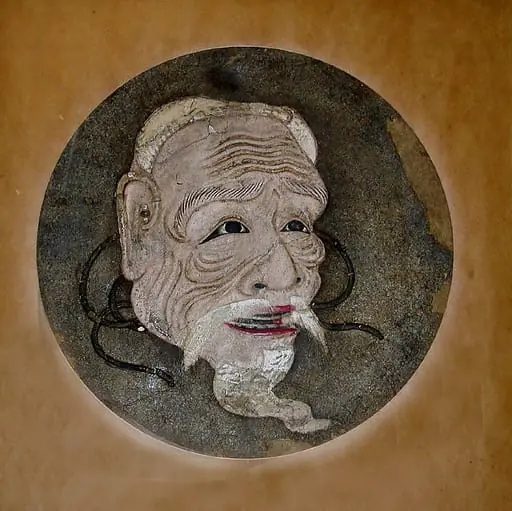 能面図・朝倉尉|Noh Mask of an Old Man (Asakurajō)
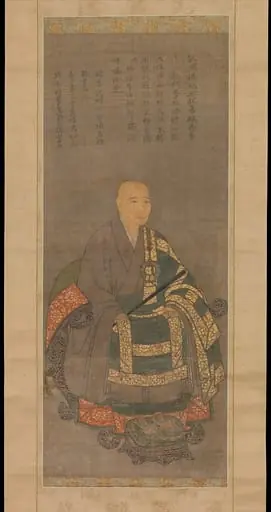 景南英文像|Portrait of Keinan Eibun
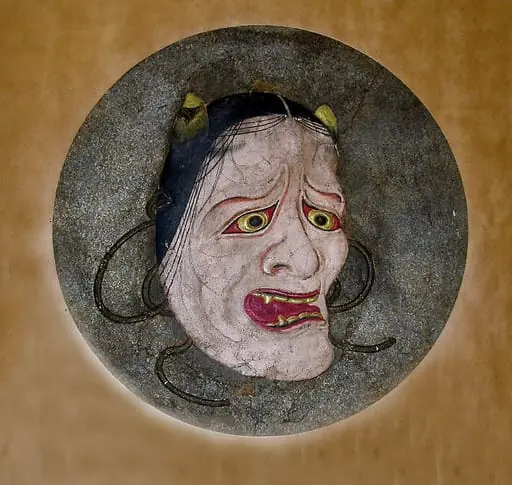 能面図・般若|Noh Mask of a Demoness (Hannya)
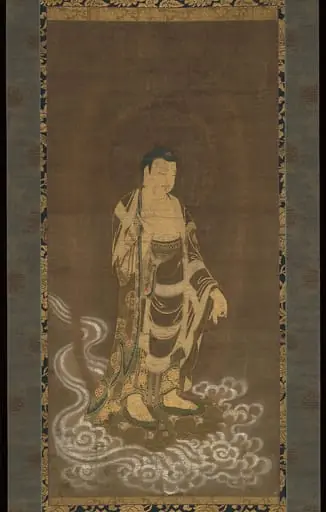 阿弥陀如来像|Welcoming Descent of Amida Buddha
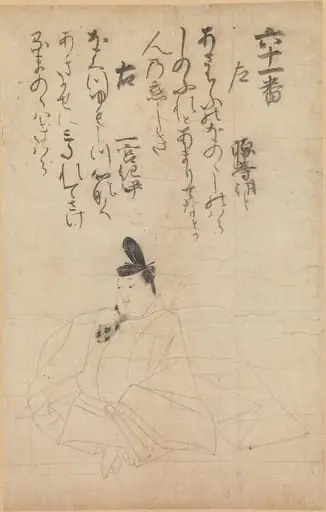 Untitled
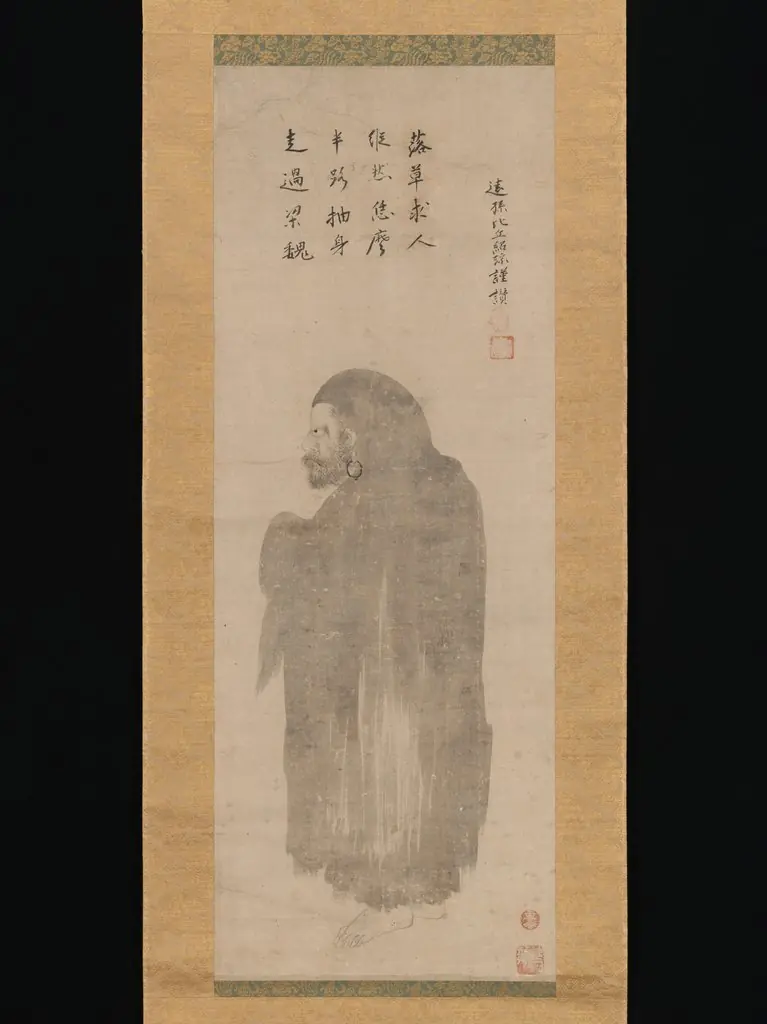 Bodhidharma
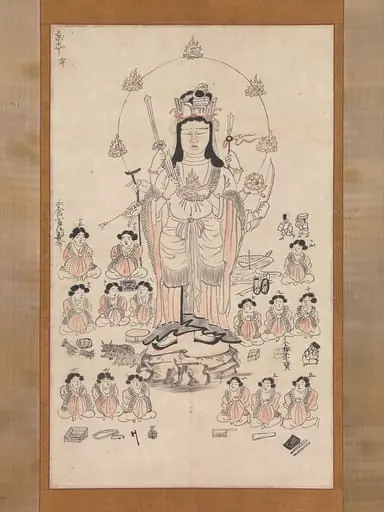 弁財天十五童子像|Benzaiten and Fifteen Attendants
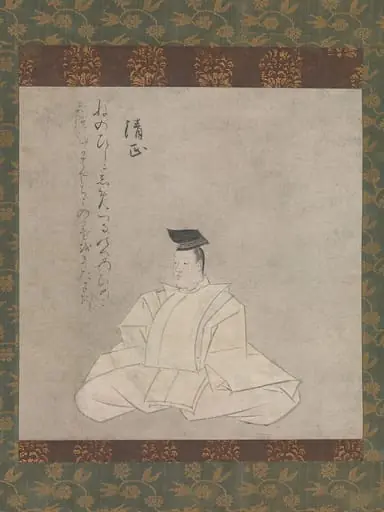 藤原清忠 「業兼本 時代不同歌合絵巻」 断簡|The Poet Fujiwara Kiyotada, from the “Narikane Version” of Thirty-six Poetic Immortals
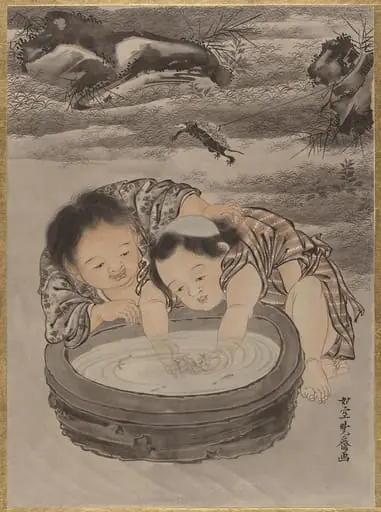 Untitled
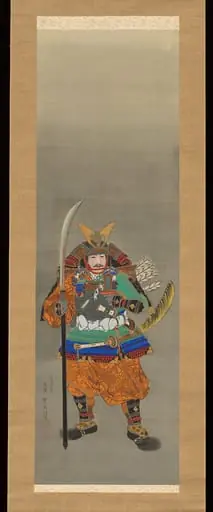 Untitled
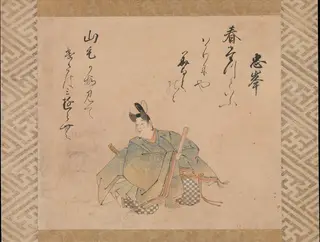 Untitled
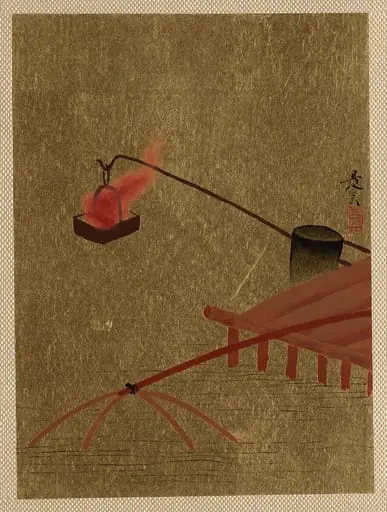 Untitled
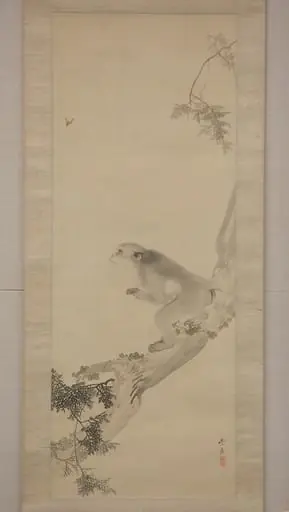 Untitled
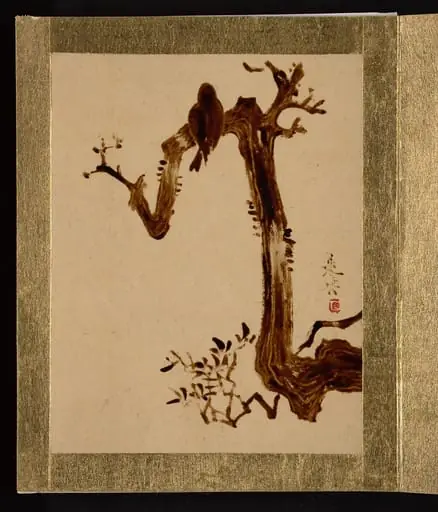 Untitled
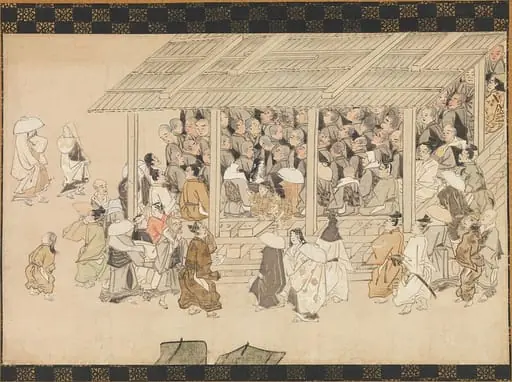 一遍上人絵伝「遊行上人縁起絵」 断簡|A Nenbutsu Gathering at Ichiya, Kyoto, from the Illustrated Biography of the Monk Ippen and His Disciple Ta'a (Yugyō Shōnin engi-e)
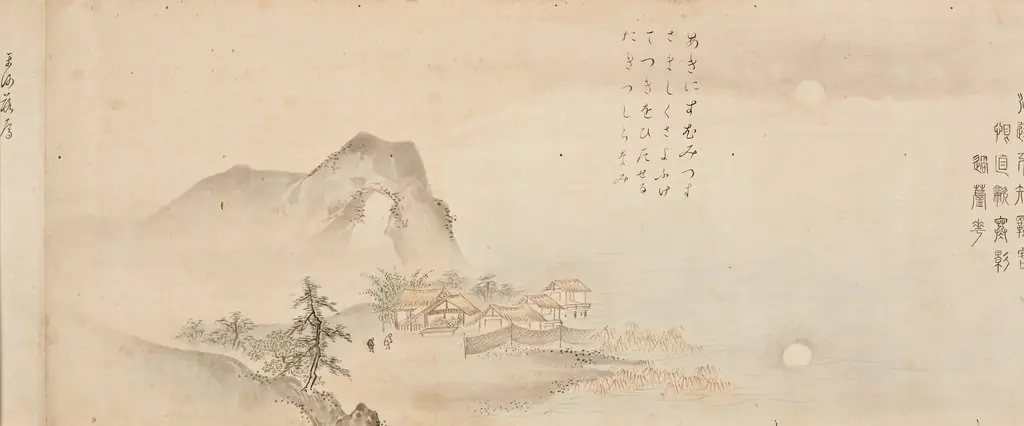 Eight Views of the Xiao and Xiang Rivers
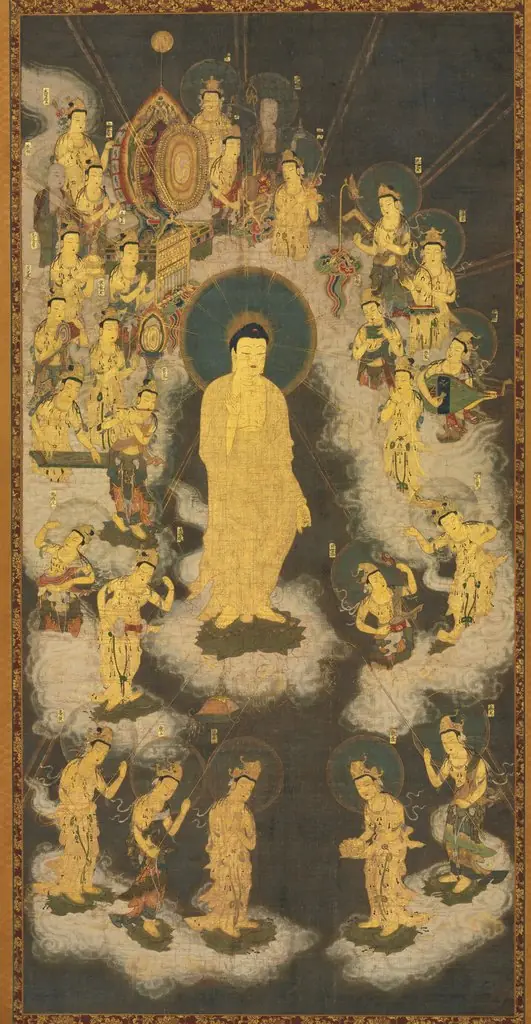 Welcoming Descent of Amida (Amida Raigō)
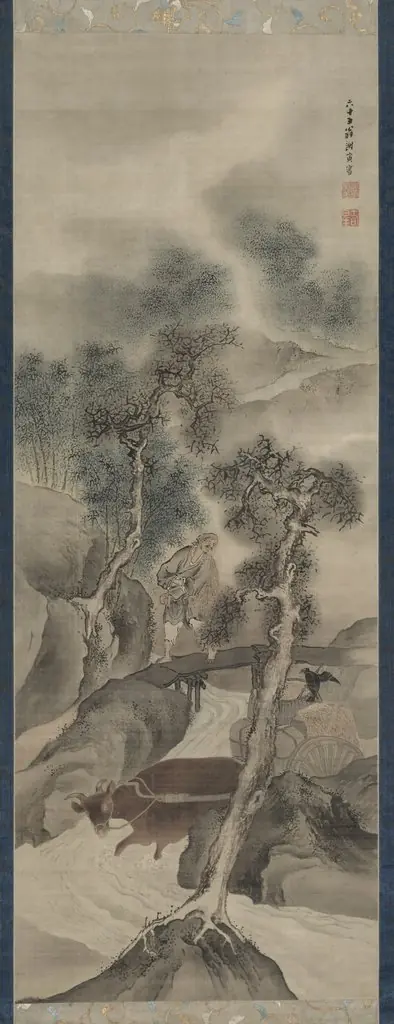 Water Buffalo Returning Home
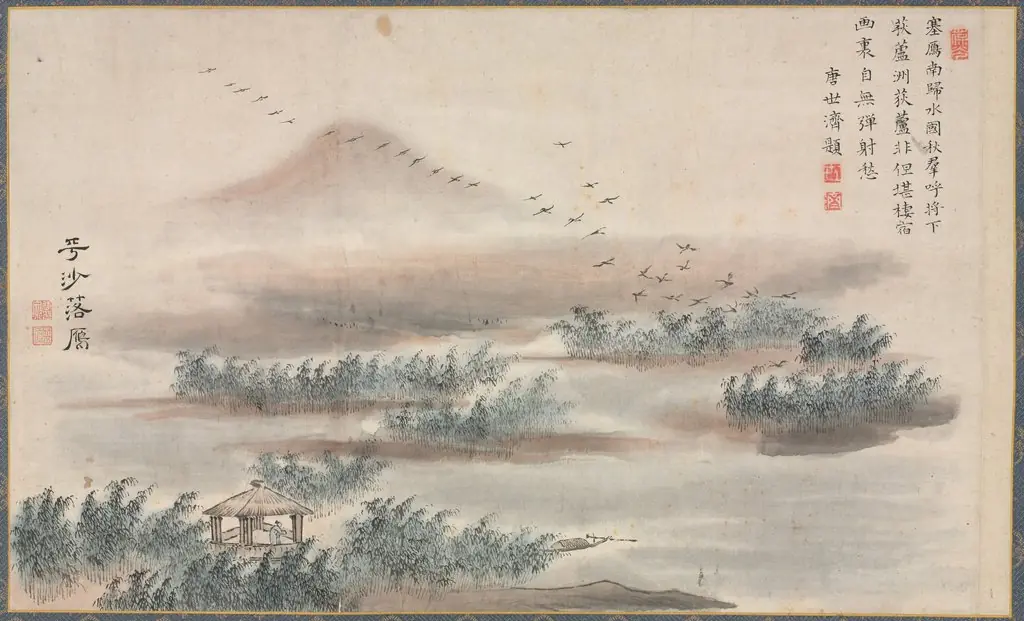 Wild Geese Descending on a Sandbar, from Eight Views of Xiao-Xiang
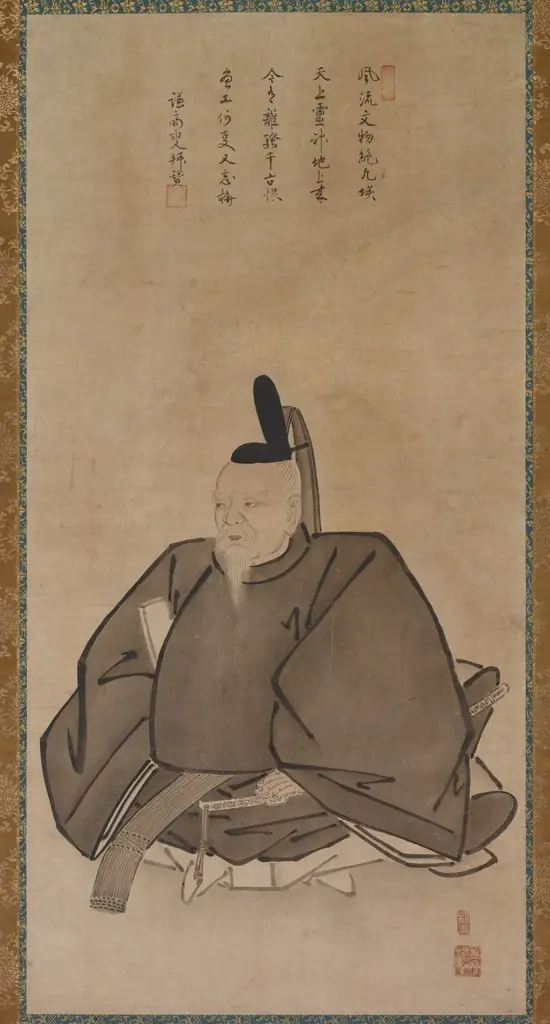 Portrait of Sugawara Michizane
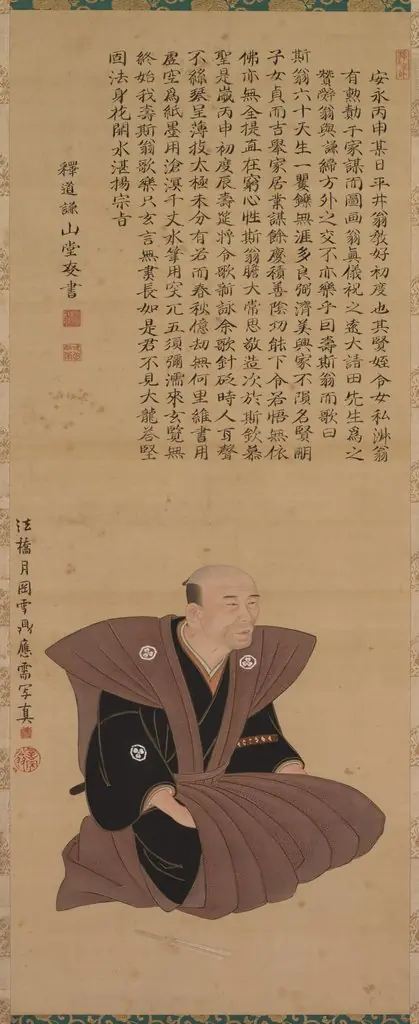 Portrait of Samurai-Official: Hirai KyoseiHirai Kyosei
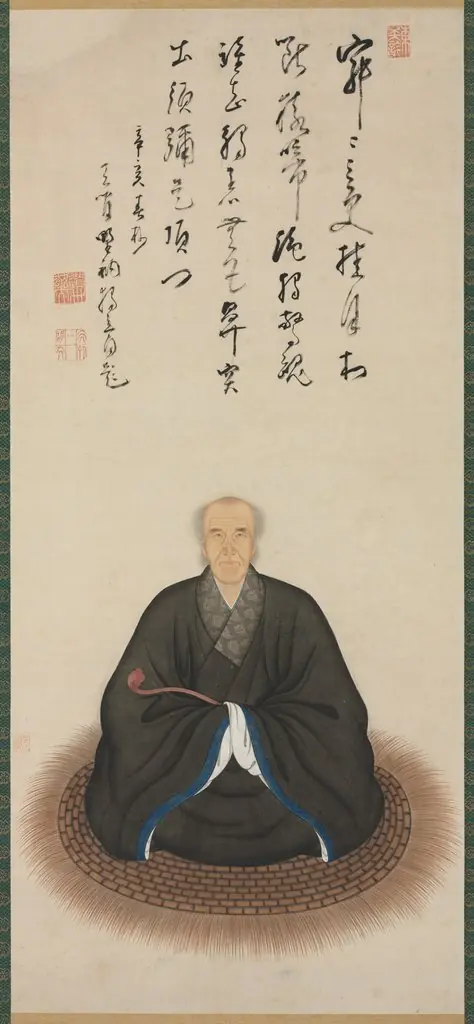 Portrait of Duli Xingyi
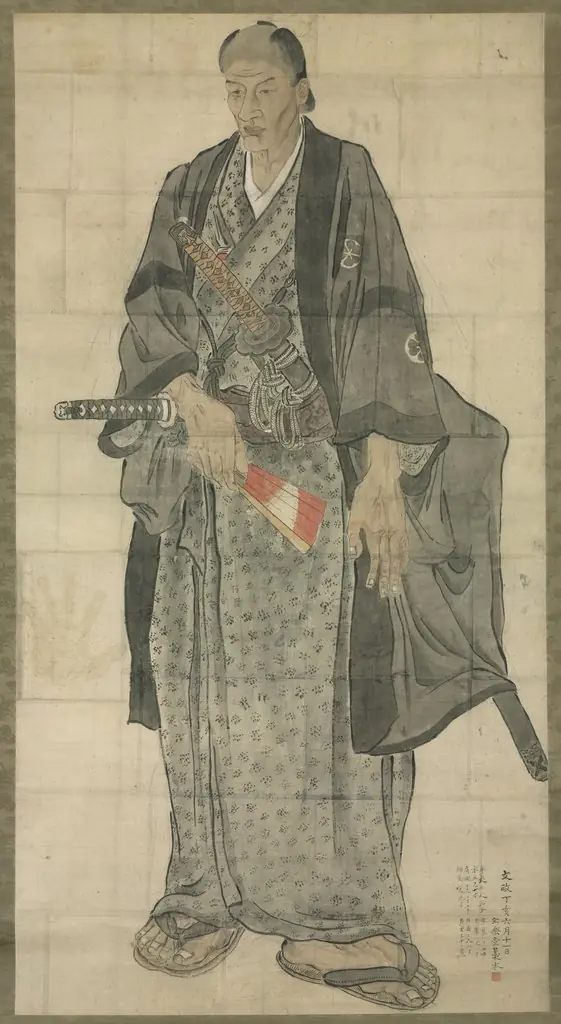 Portrait of Ōzora Buzaemon
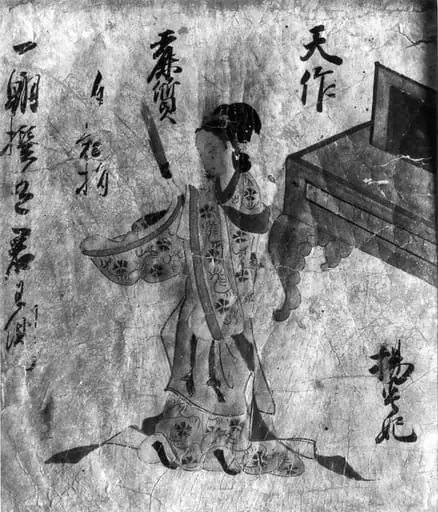 楊貴妃図 (Yō Kihi zu)|Yang Guifei
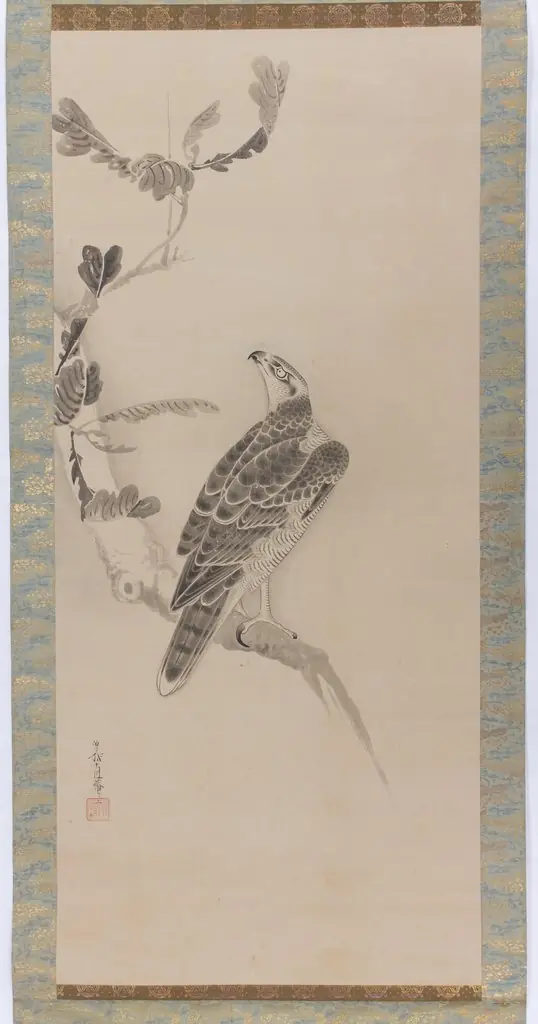 Hawks (Taka zu)
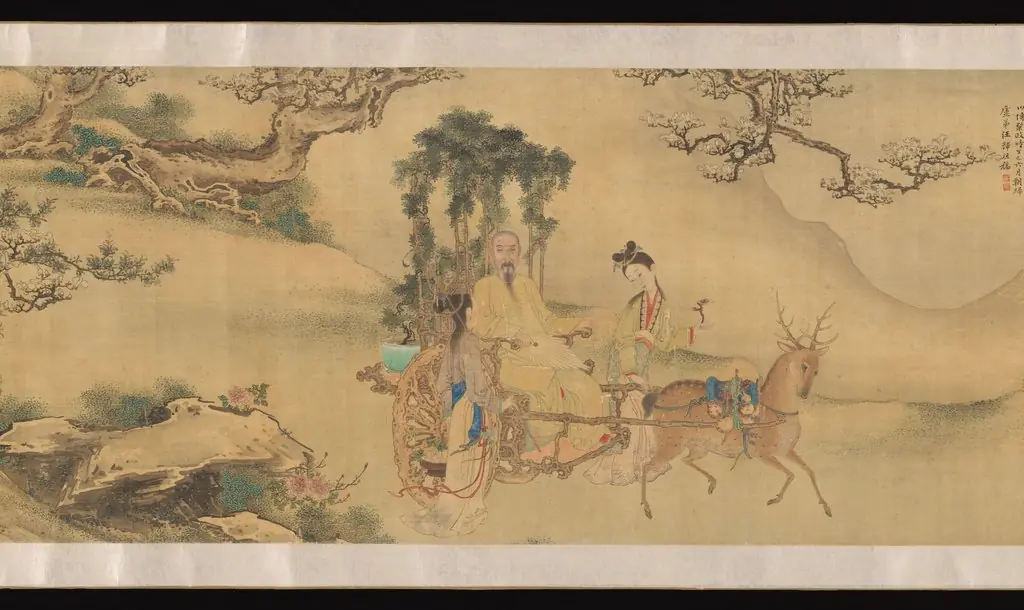 Portrait of Shaoyu in the guise of Liu Ling
 宗観筆 九曜秘暦図像 |Iconographic Drawings of the Secrets of the Nine Luminaries
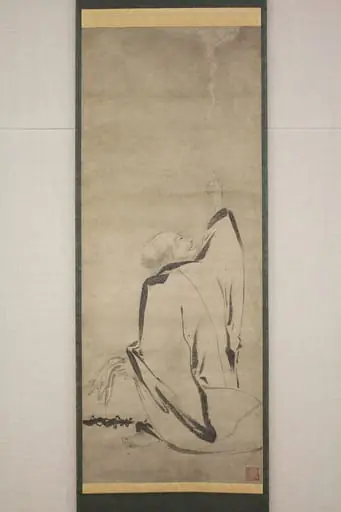 Untitled
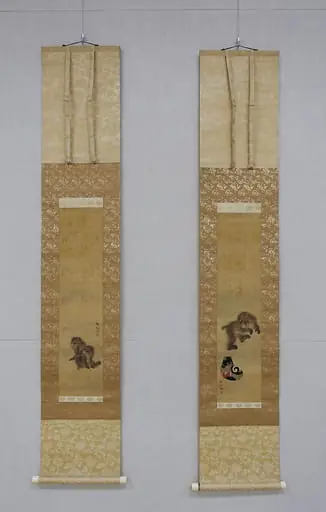 Untitled
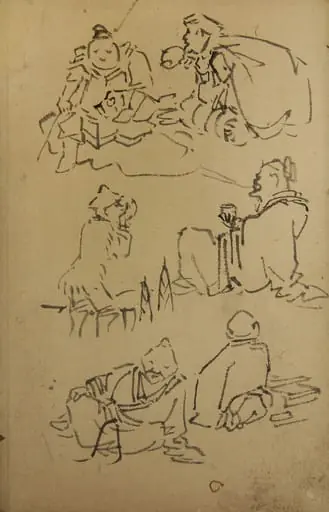 Untitled
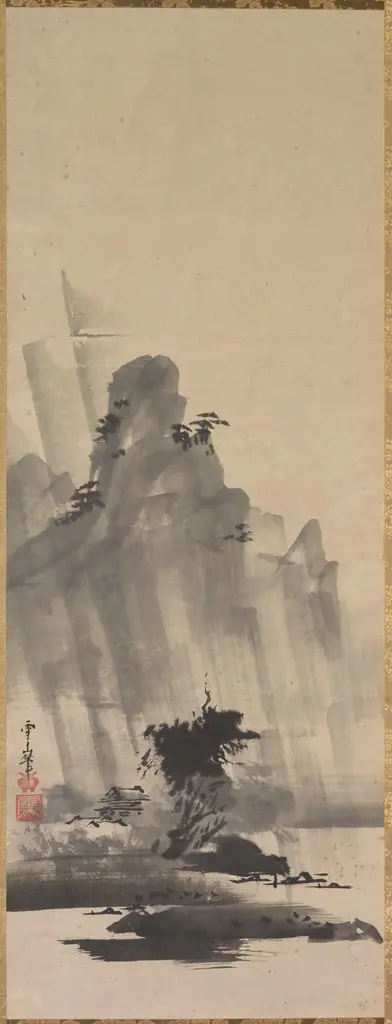 Mountain and River in Storm
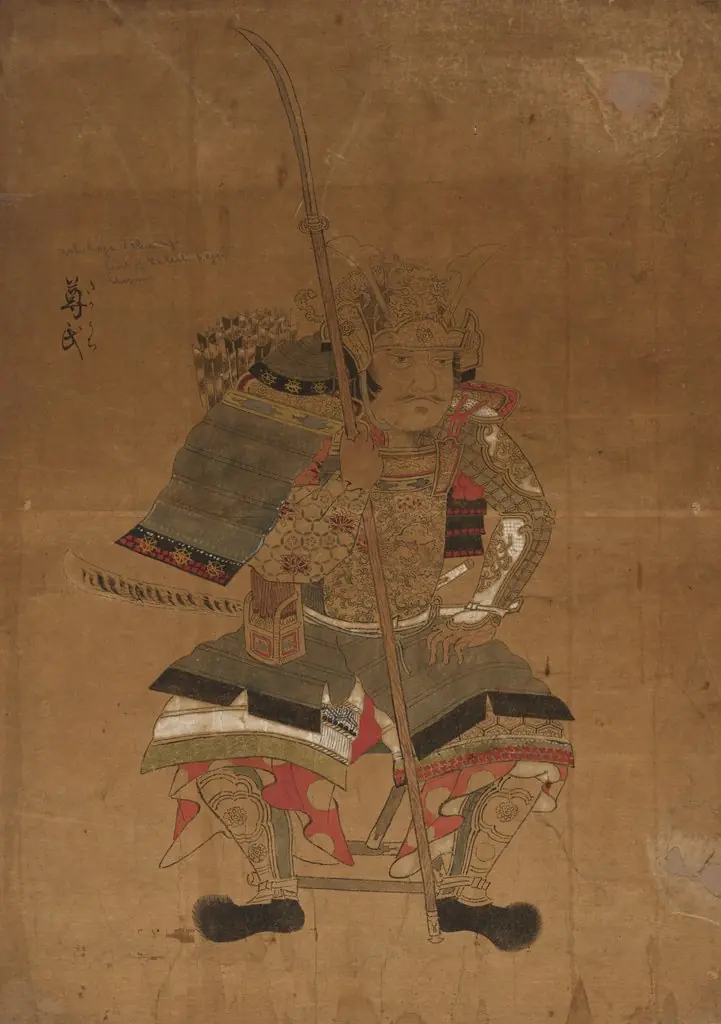 Sketch Model for Portraits of Ashikaga Takauji
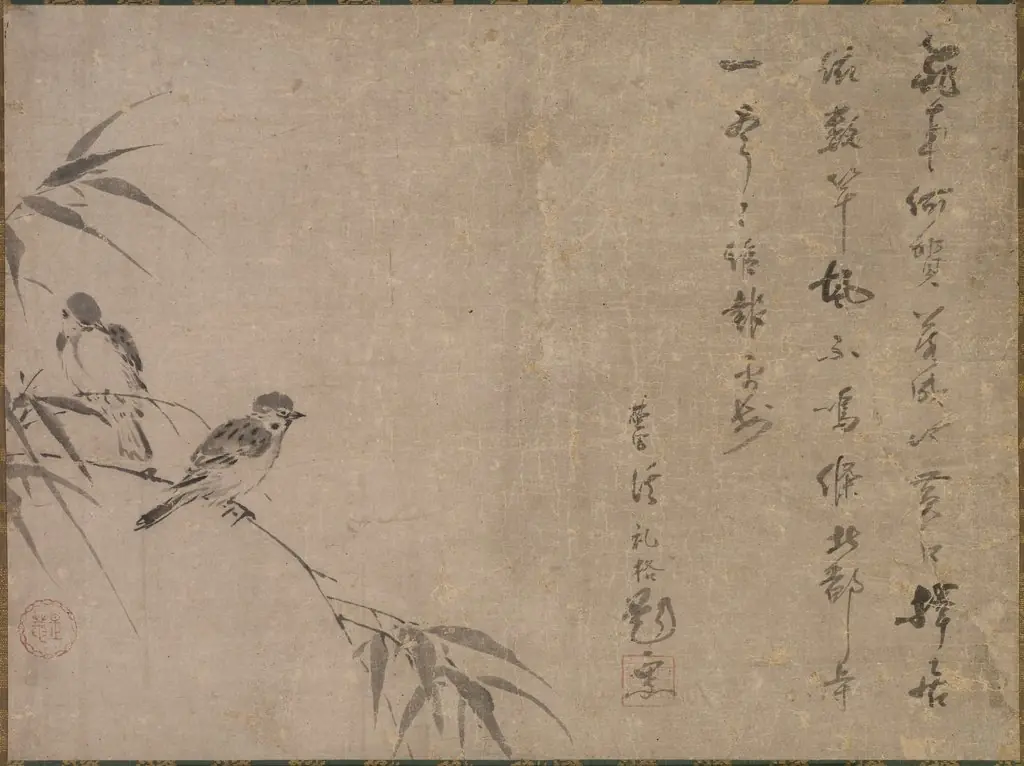 Sparrows and Bamboo
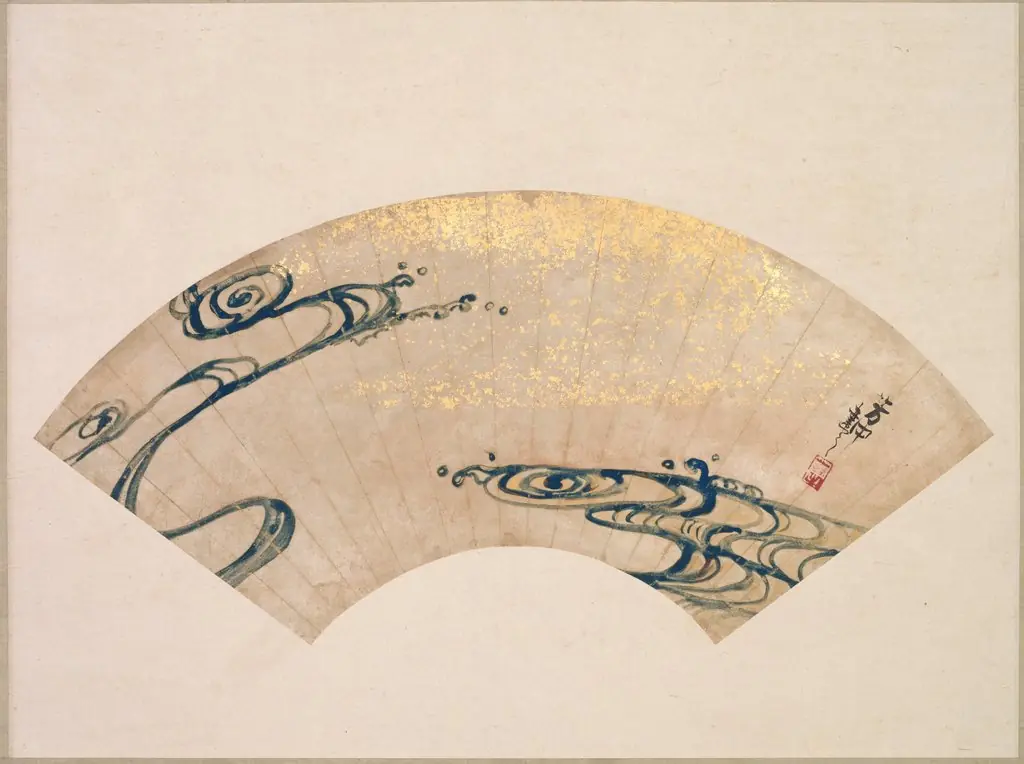 Waves
Waves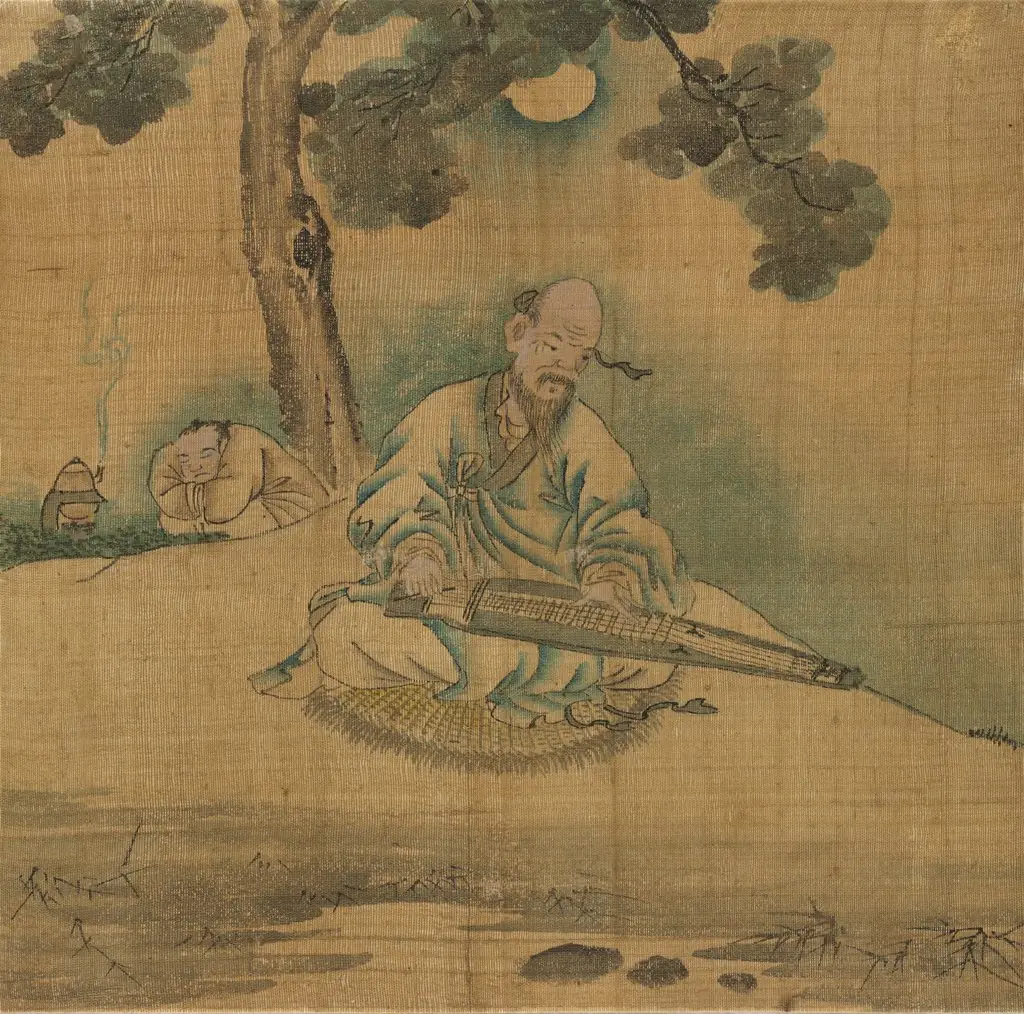 Scholar Playing a Qin
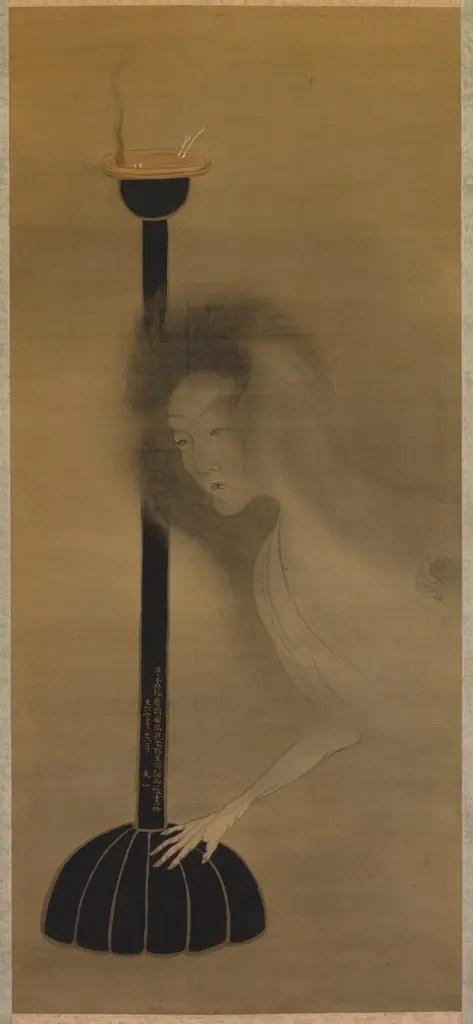 Ghost and Oil Lamp
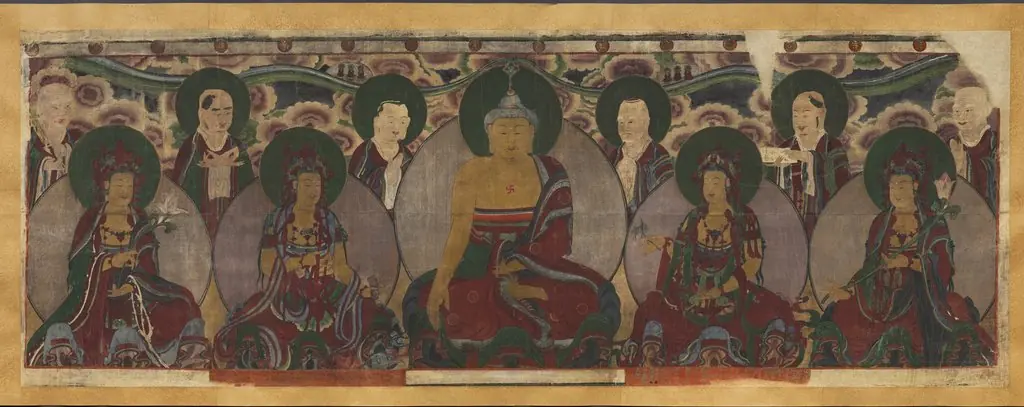 Assembly of Buddhist Deities
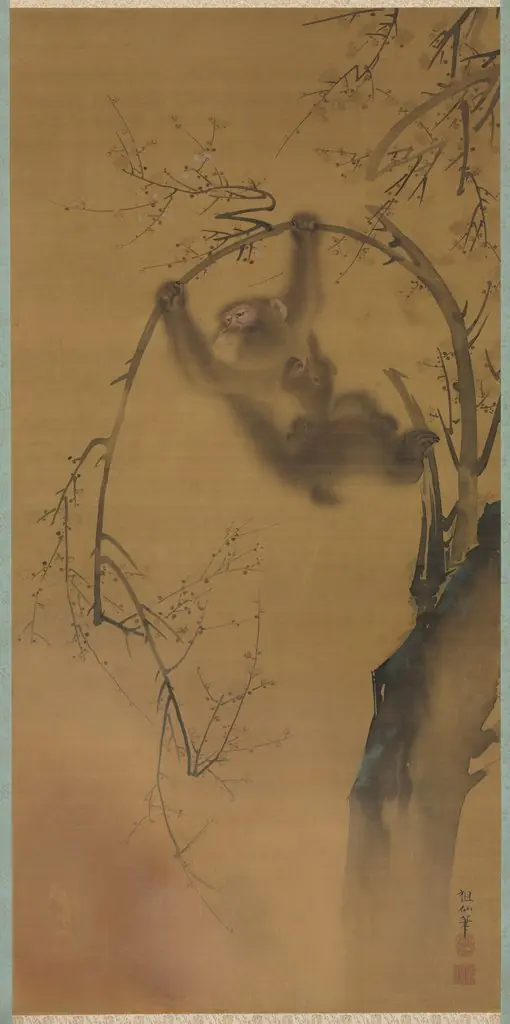 Monkeys in a Cherry Tree; Monkeys on a Rock Ledge
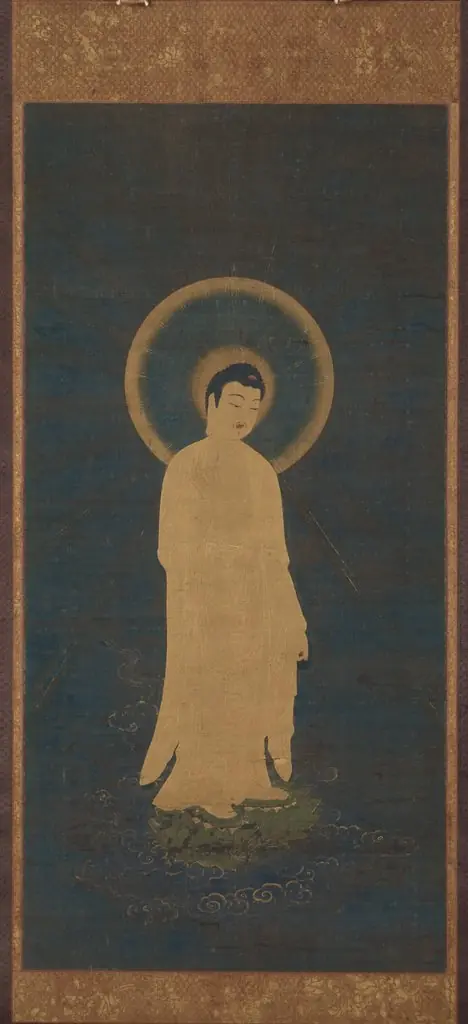 Welcoming Descent of Amida Buddha (Raigō)
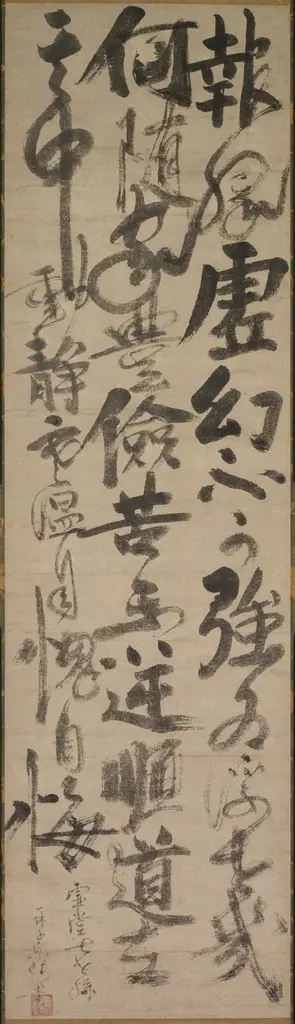 Reflections of Priest Foyen
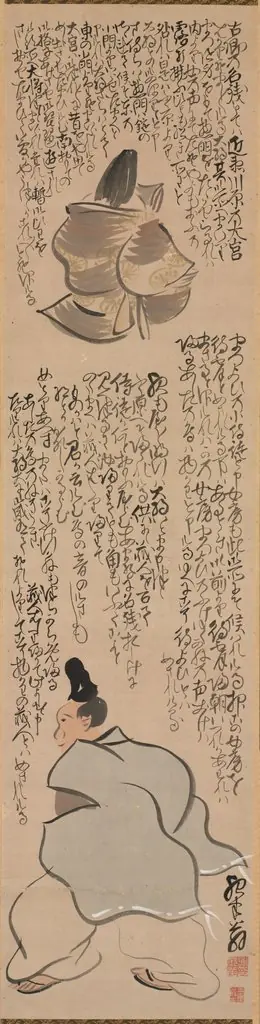 Figures with Calligraphy of a Passage from the "Heike Monogatari" ("The Tales of Heike")
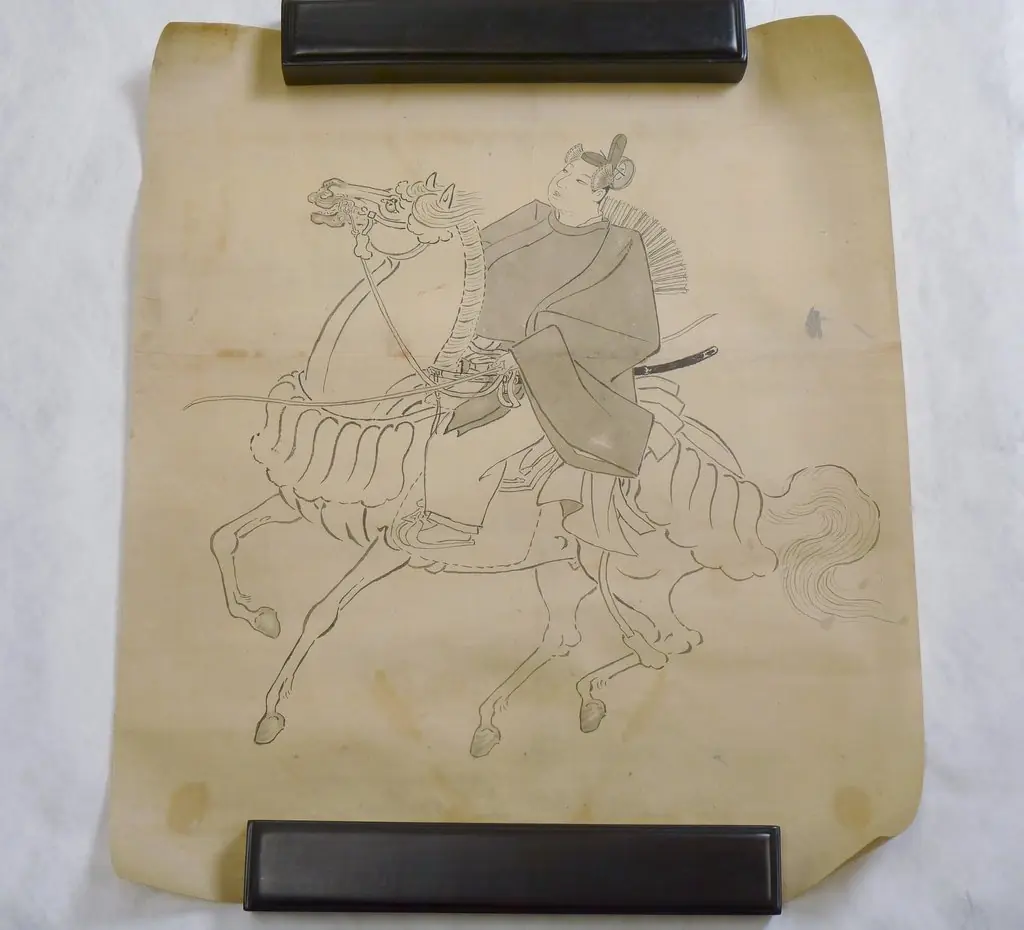 Japanese Drawing
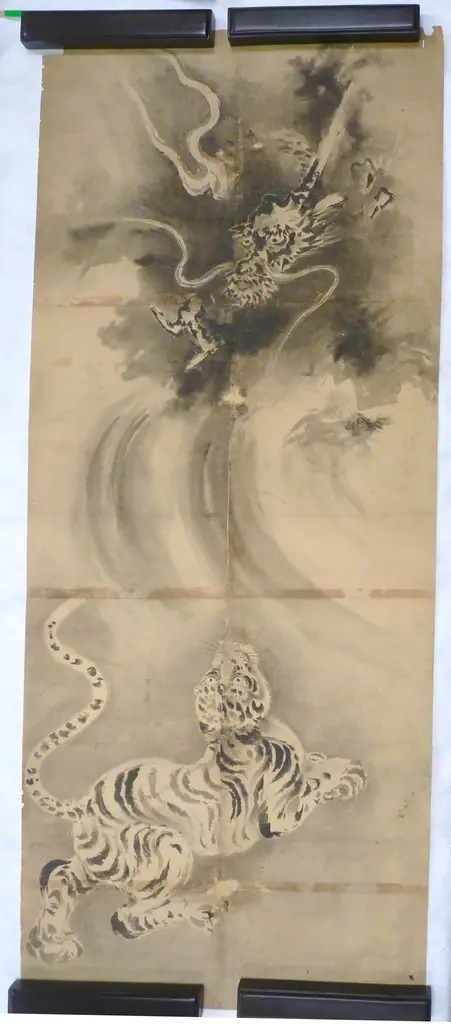 Japanese Drawing
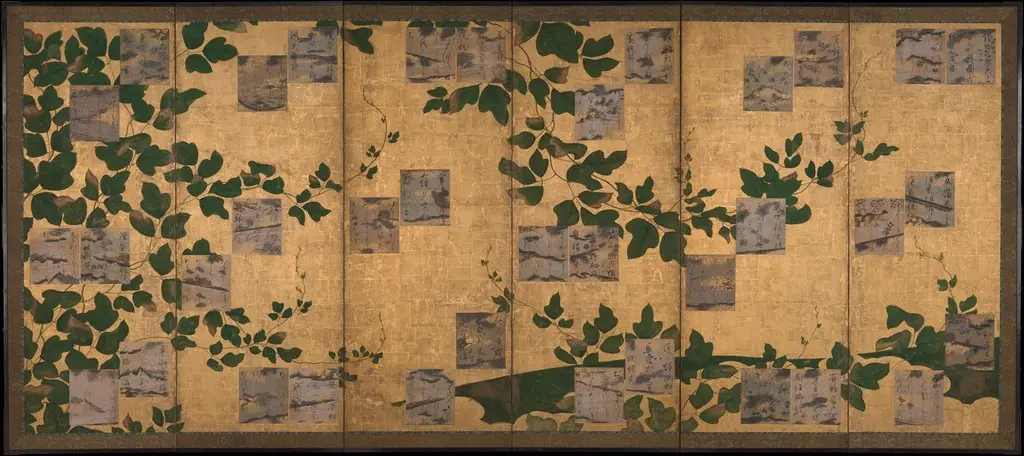 Anthology of Japanese and Chinese Poems (Wakan rōeishū) with Underpainting of Arrowroot Vines
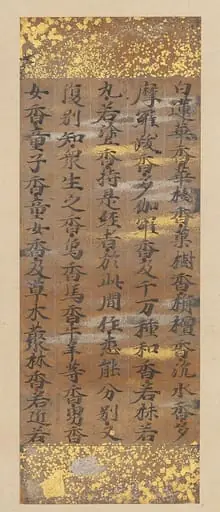 伝九条兼実書 『法華経』 の内|Segment of the Lotus Sutra (Hoke-kyō)
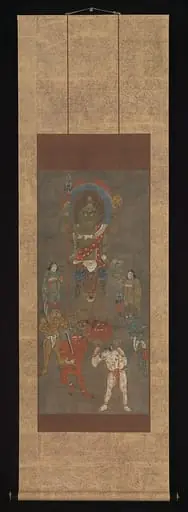 青面金剛夜叉図大津絵|Ōtsu-e of Shōmen Kongōyasha (Vajrayaksha)
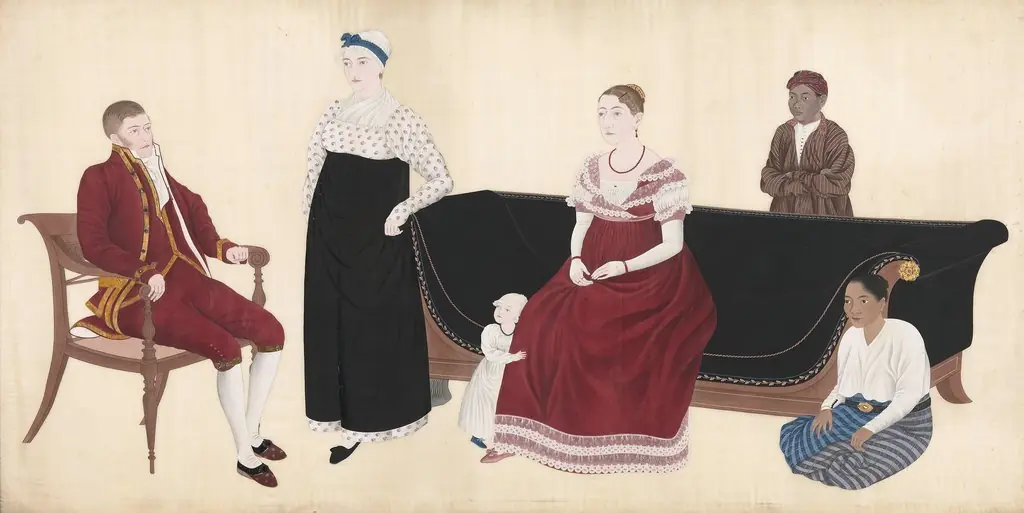 Portrait of the Cock Blomhoff Family
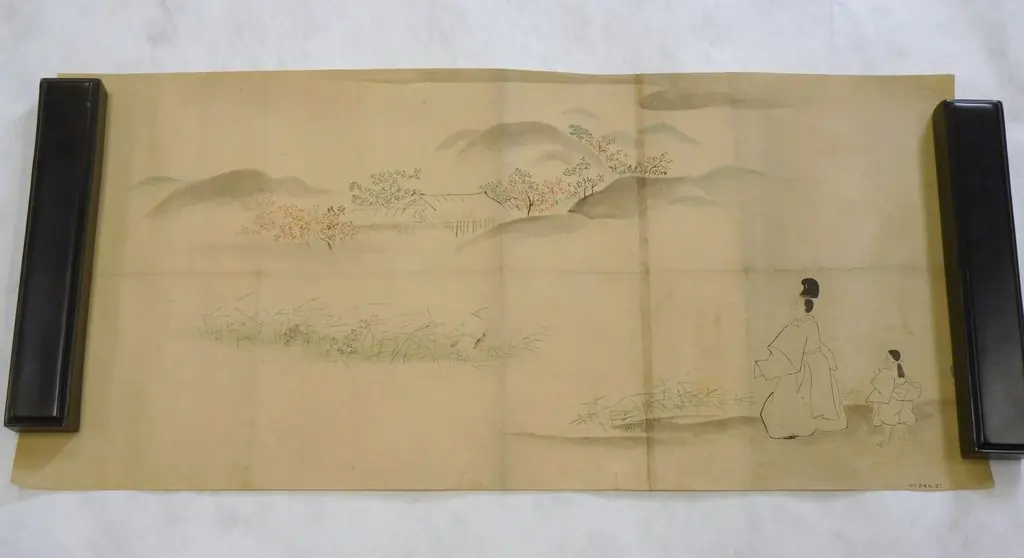 Japanese Drawing
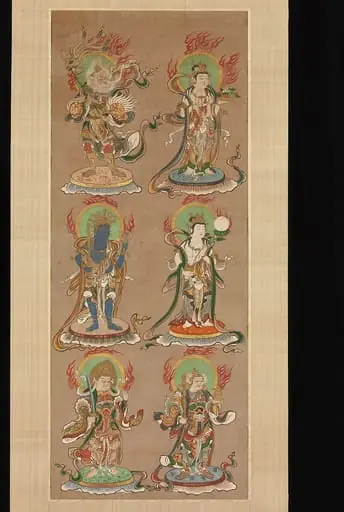 十二天像|Twelve Deva Kings (Jūniten)
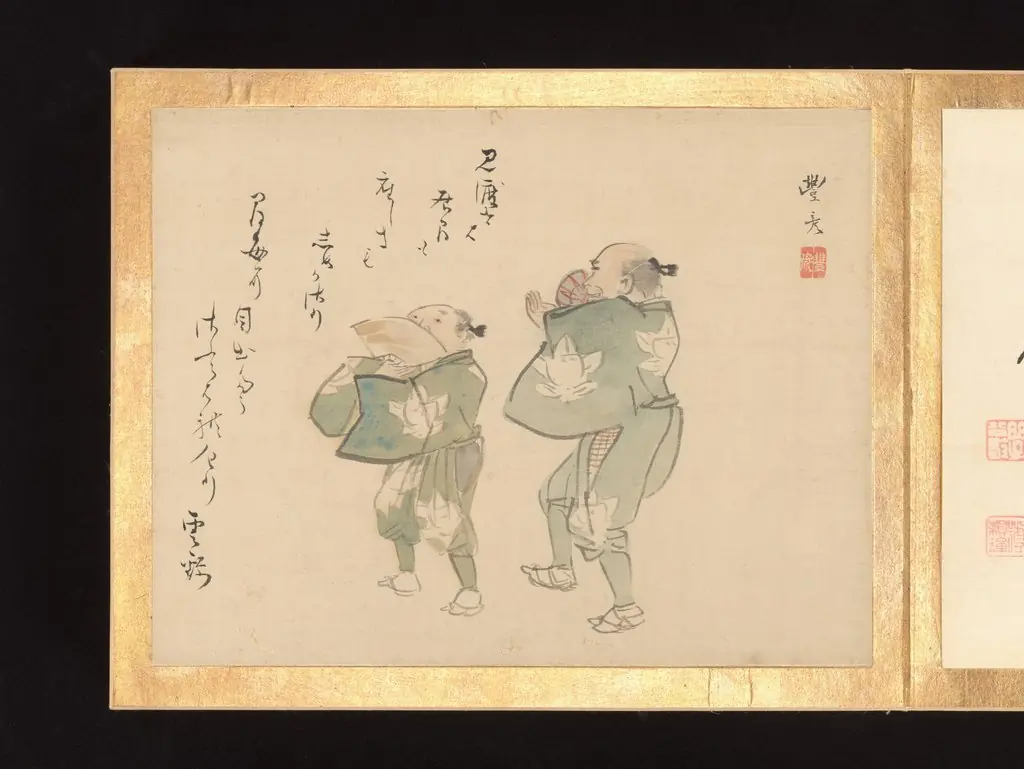 “Painting Album of Sublime Talent” (Shinmyō gajō)
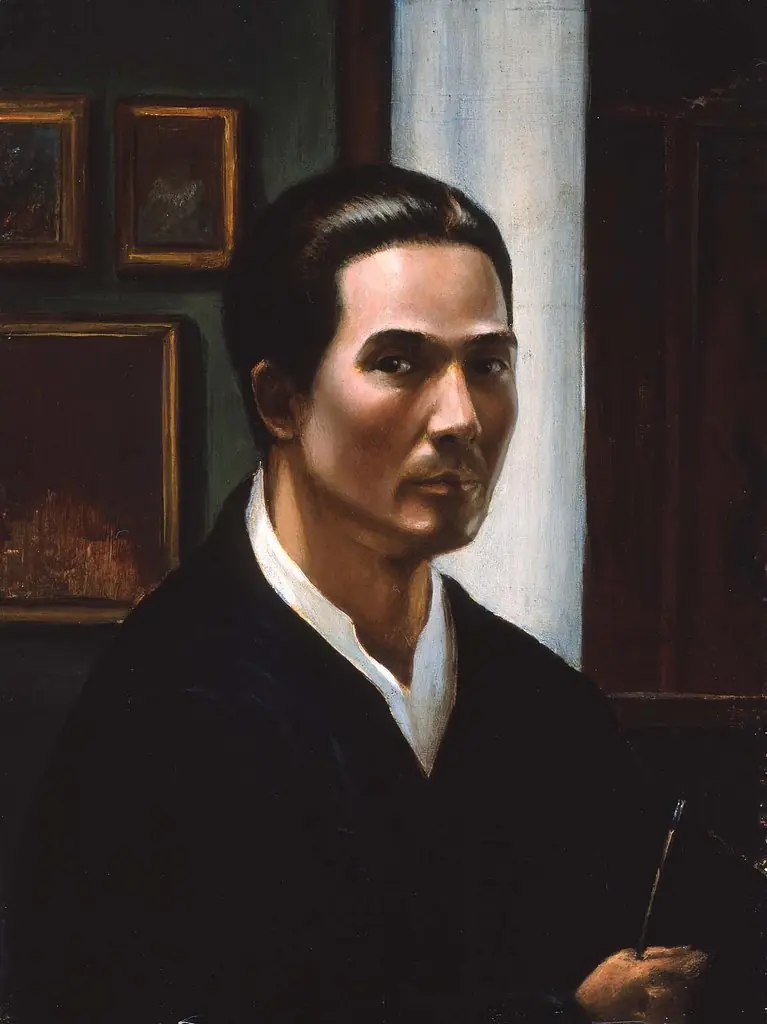 Self Portrait
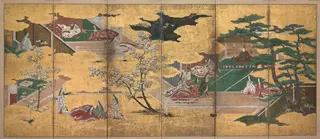 The Tale of Genji
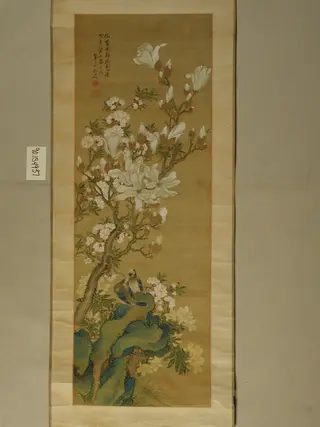 Kakemono
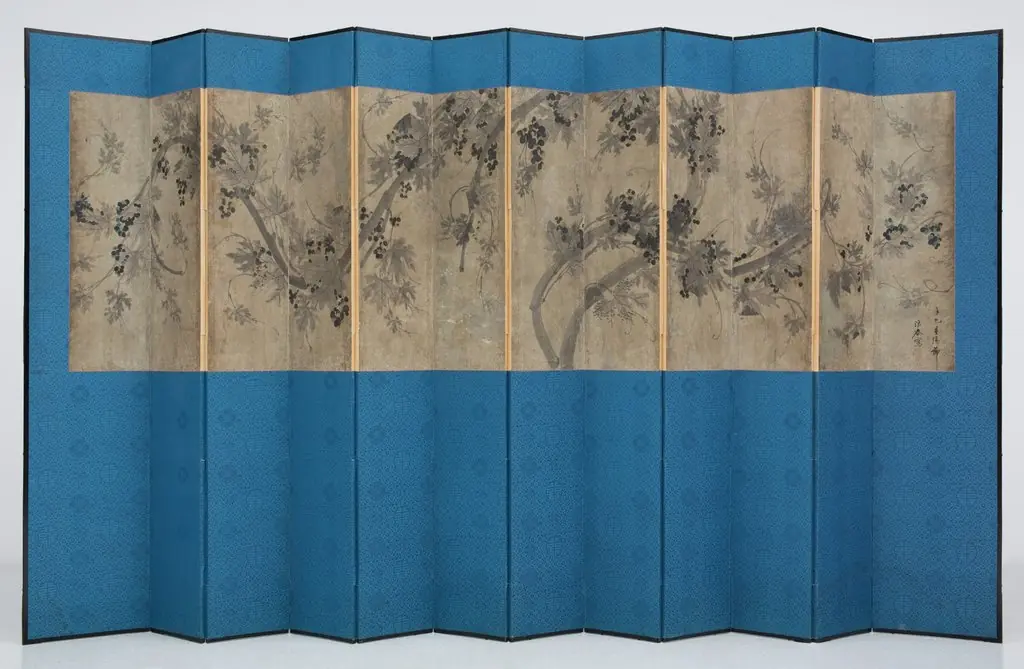 Grapevine
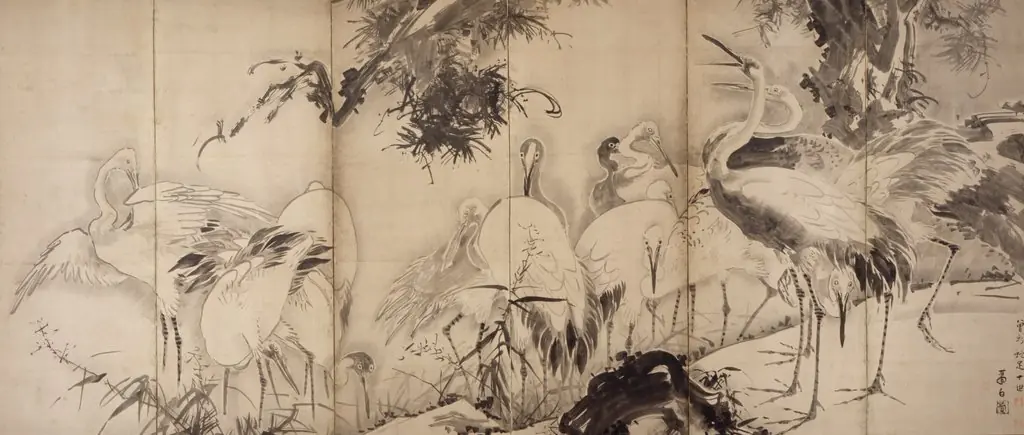 Horses and Cranes
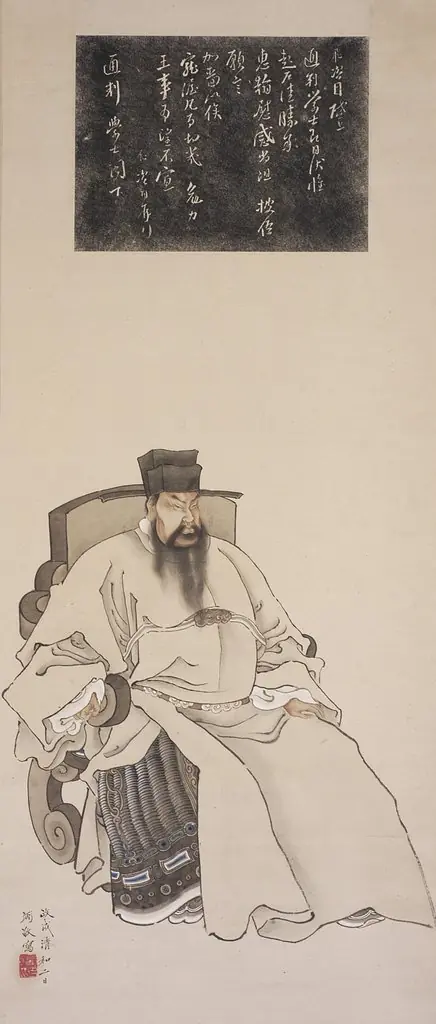 Portrait of Yue Fei
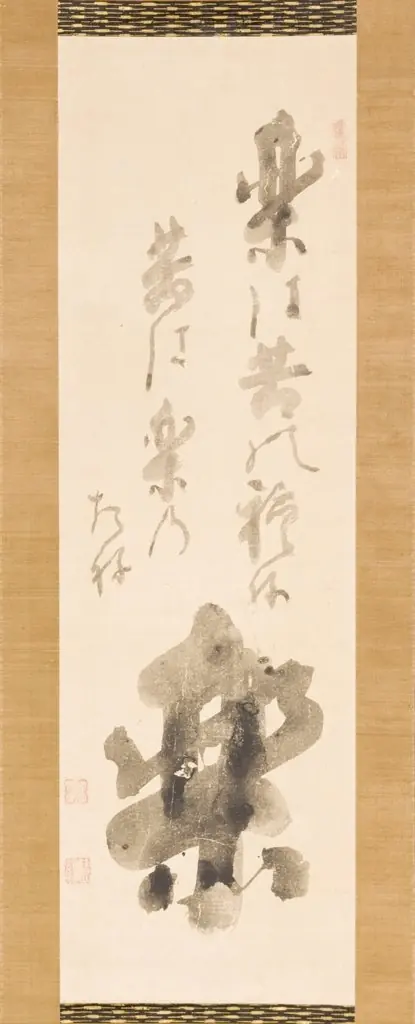 'JOY: In joy lie the seeds of sufferings; in sufferings lie the seeds of joy (RAKU: Raku wa kū no tane; Kū wa raku no tane)'
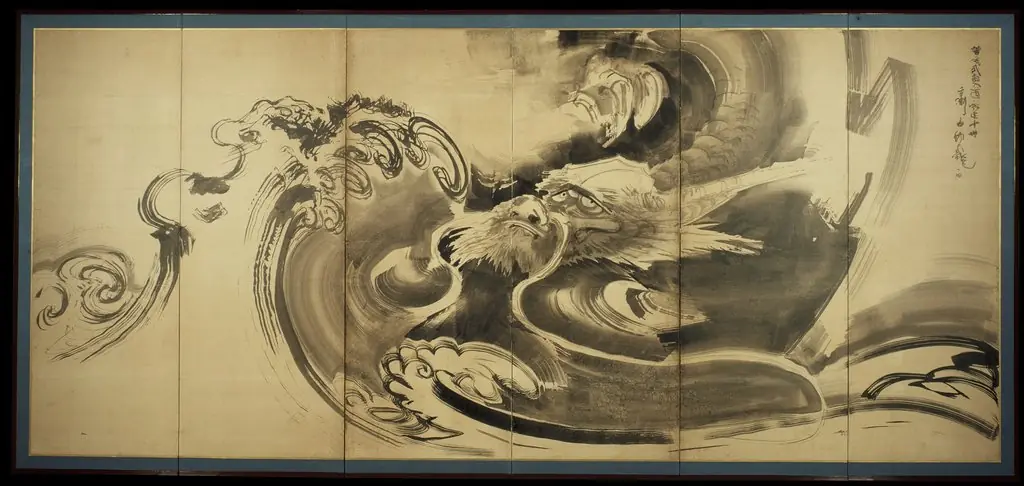 Dragon Amid Waves
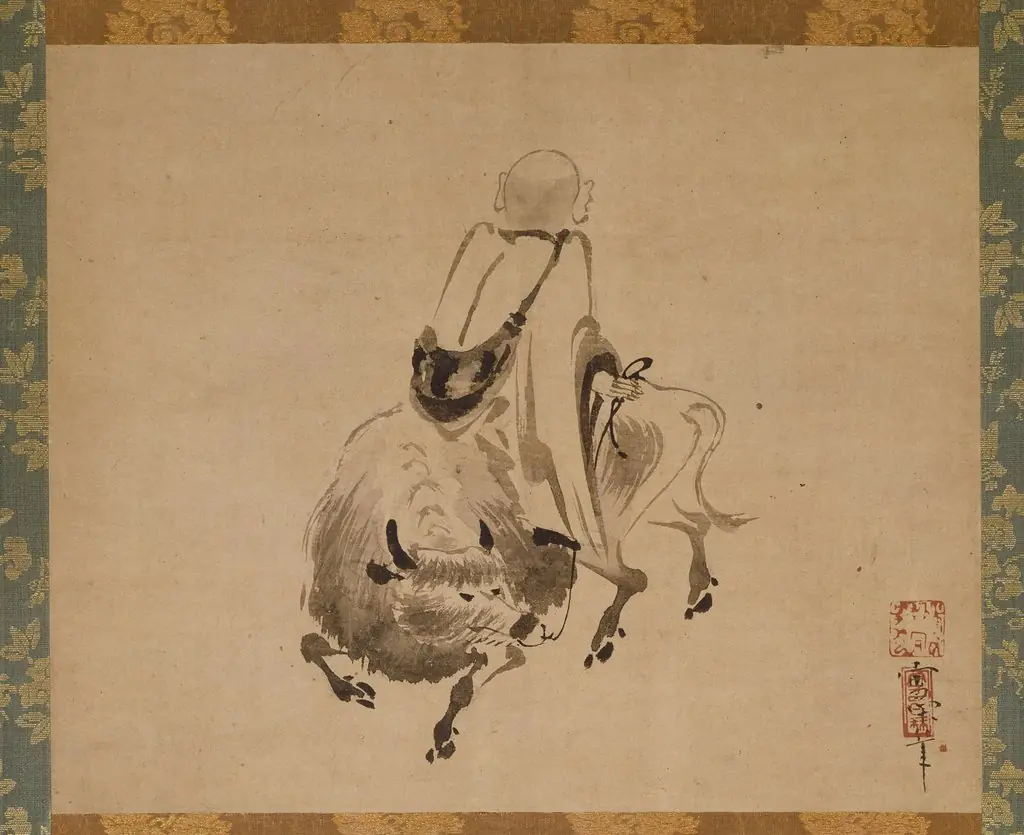 Monk Riding Backward on an Ox
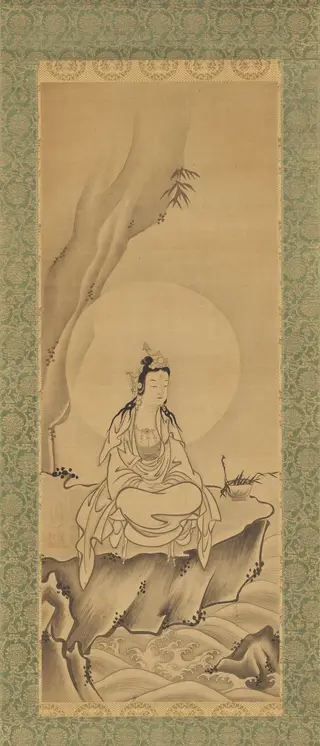 Kannon Bosatsu (Princess Teruko)
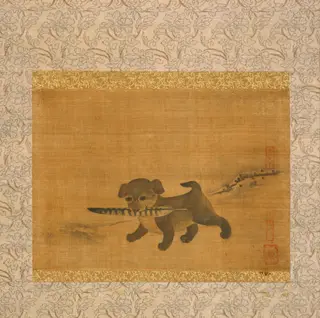 Puppy Playing with a Pheasant Feather
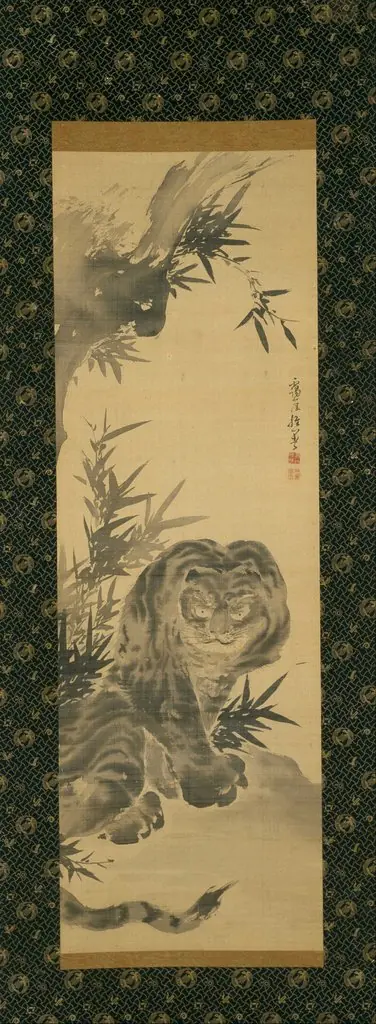 Tiger and Bamboo
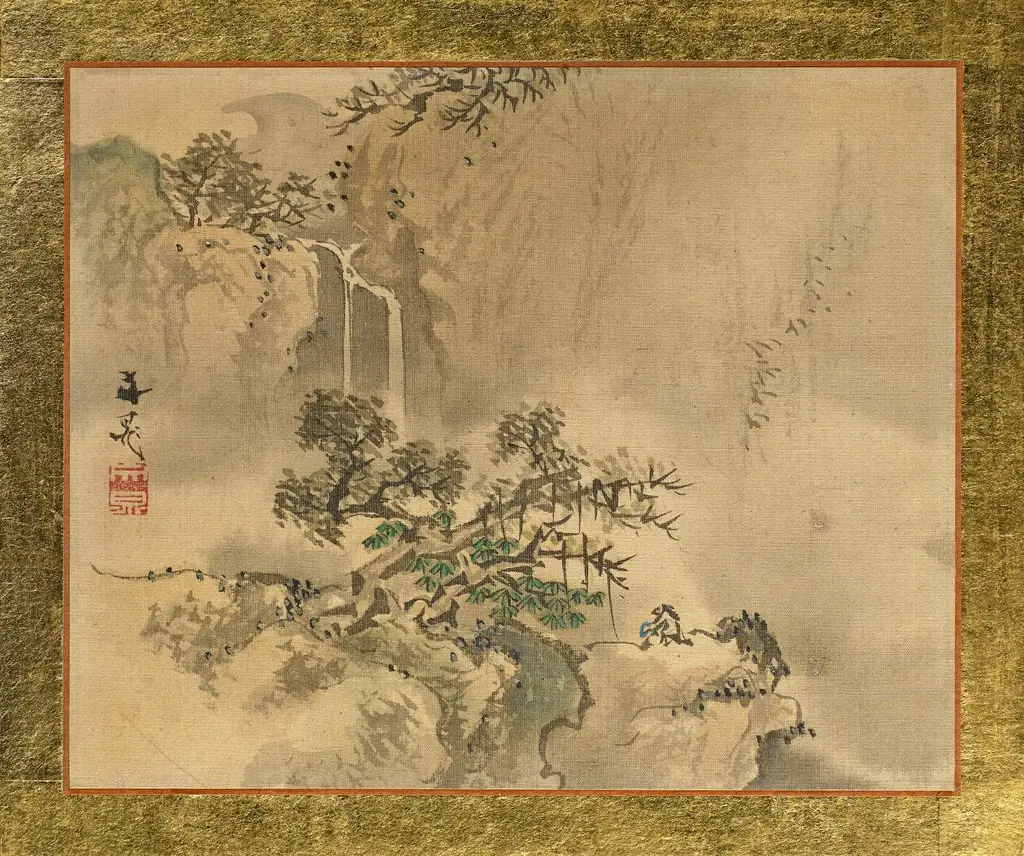 A Man taking a Rest under a Big Pine Tree
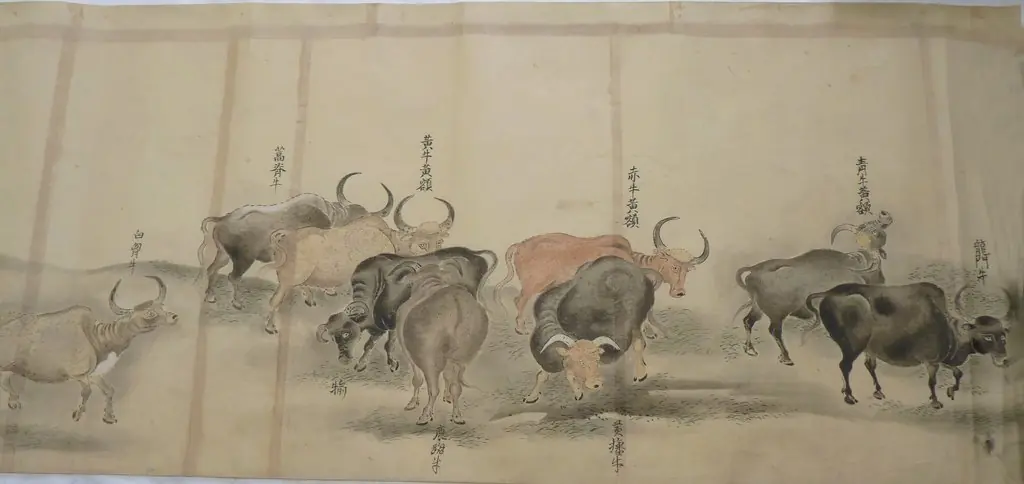 Japanese Drawing
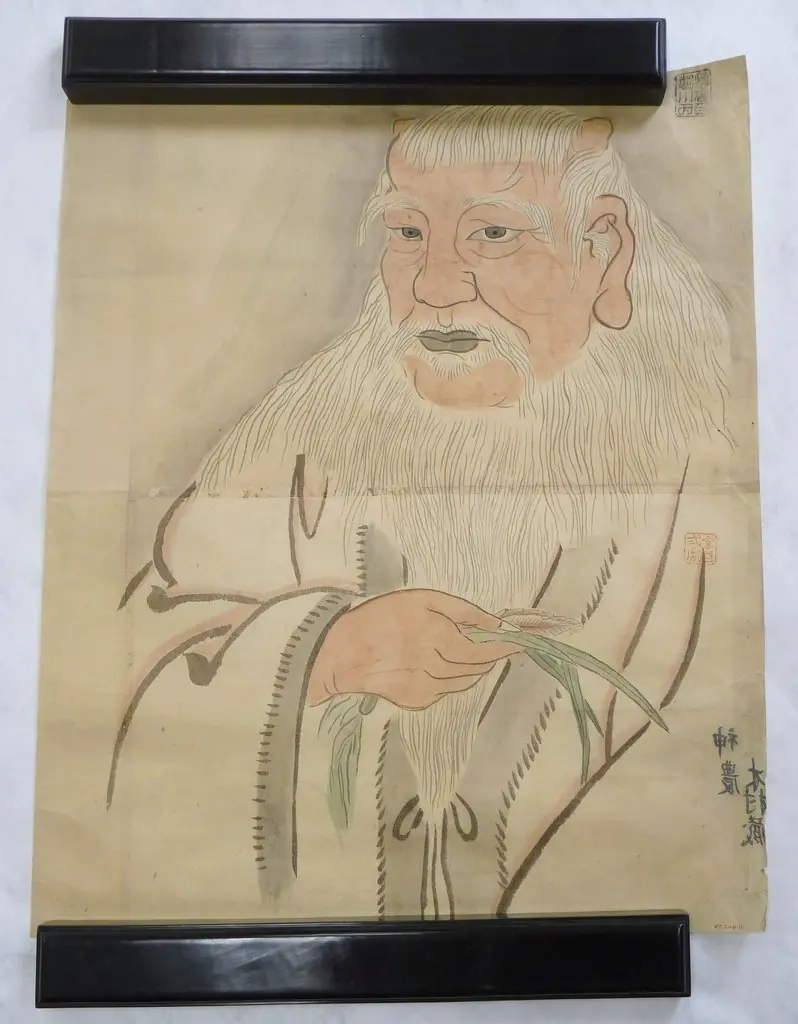 Japanese Drawing
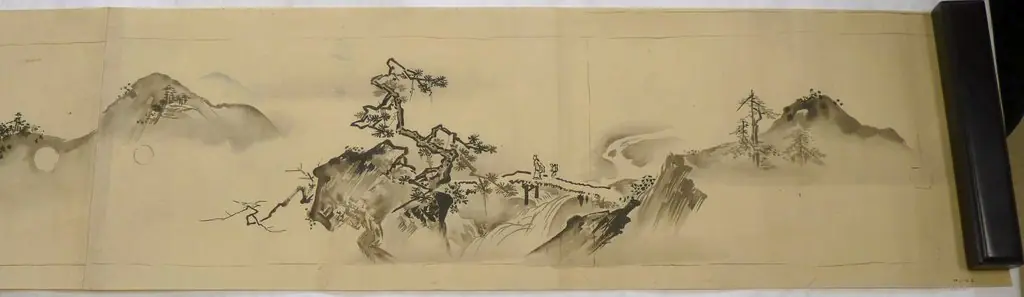 Japanese Drawing
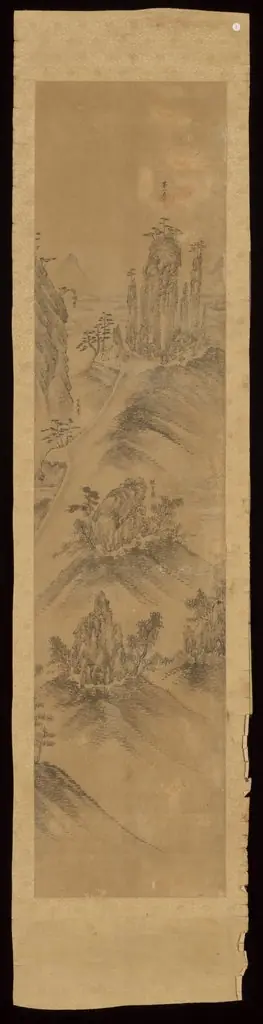 Chilbosan (Seven Jeweled Mountain)
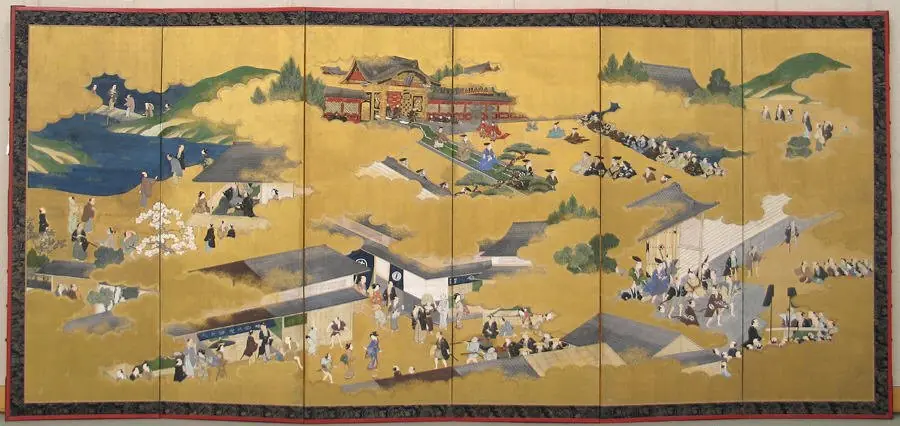 Daimyo Procession from Yūshō-in
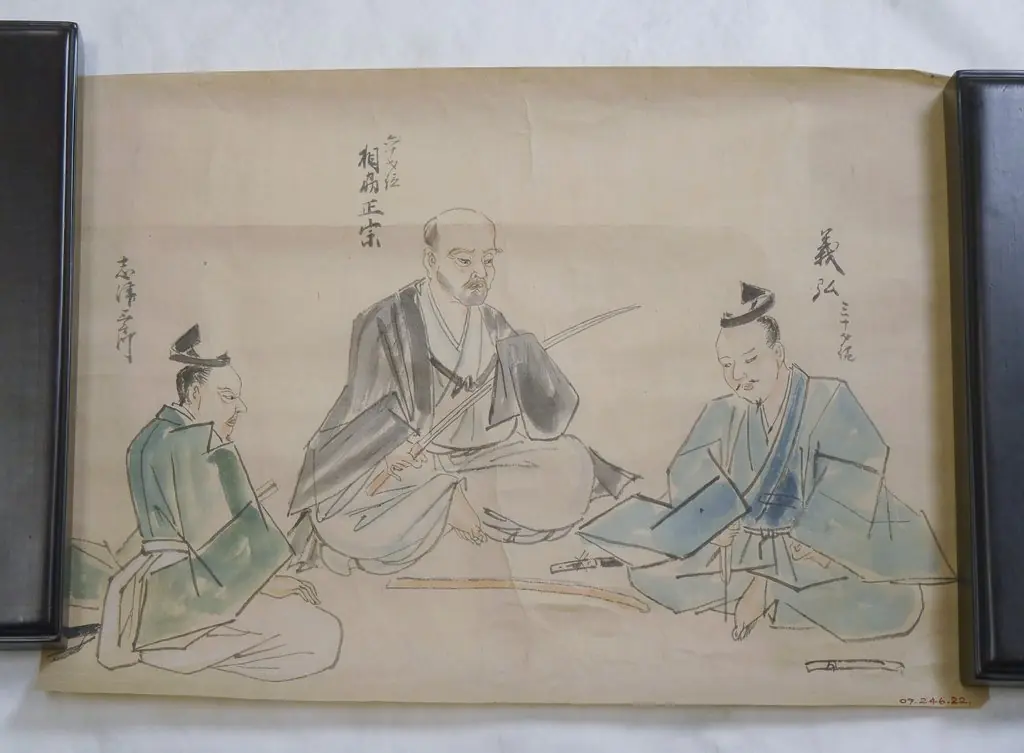 Japanese Drawing
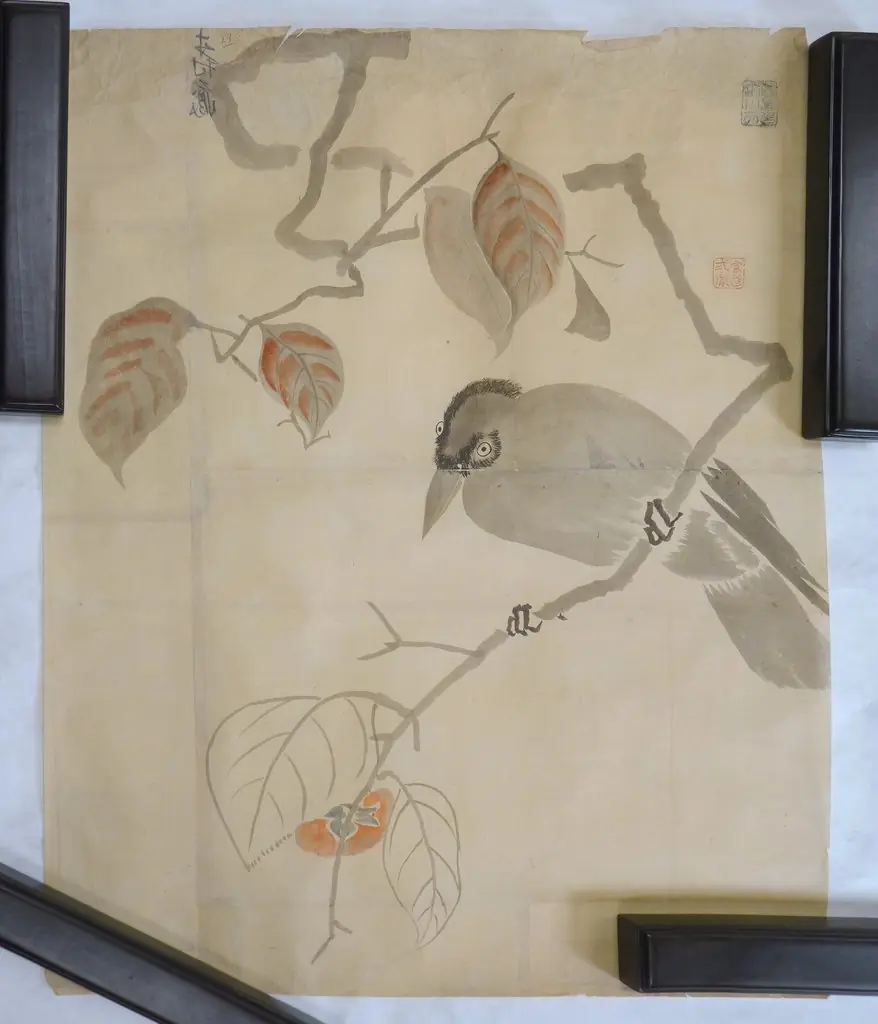 Japanese Drawing
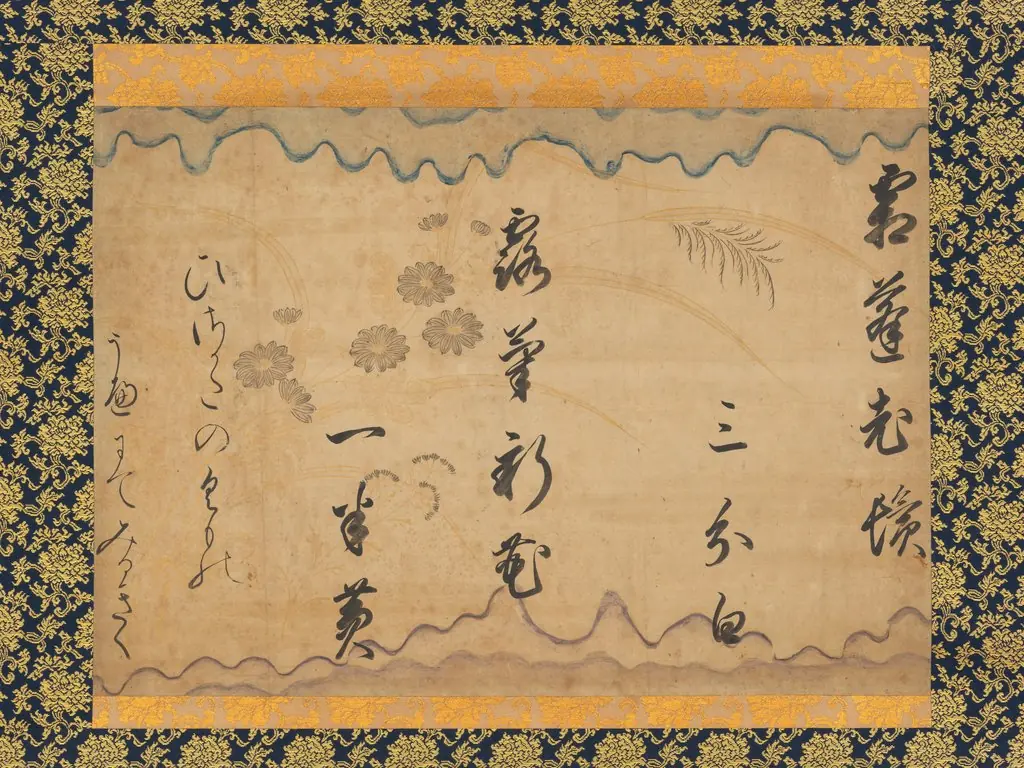 Chinese Couplet by Bai Juyi and Waka by Fujiwara no Toshiyuki (partial) from “Japanese and Chinese Poems to Sing” (Wakan rōeishū)
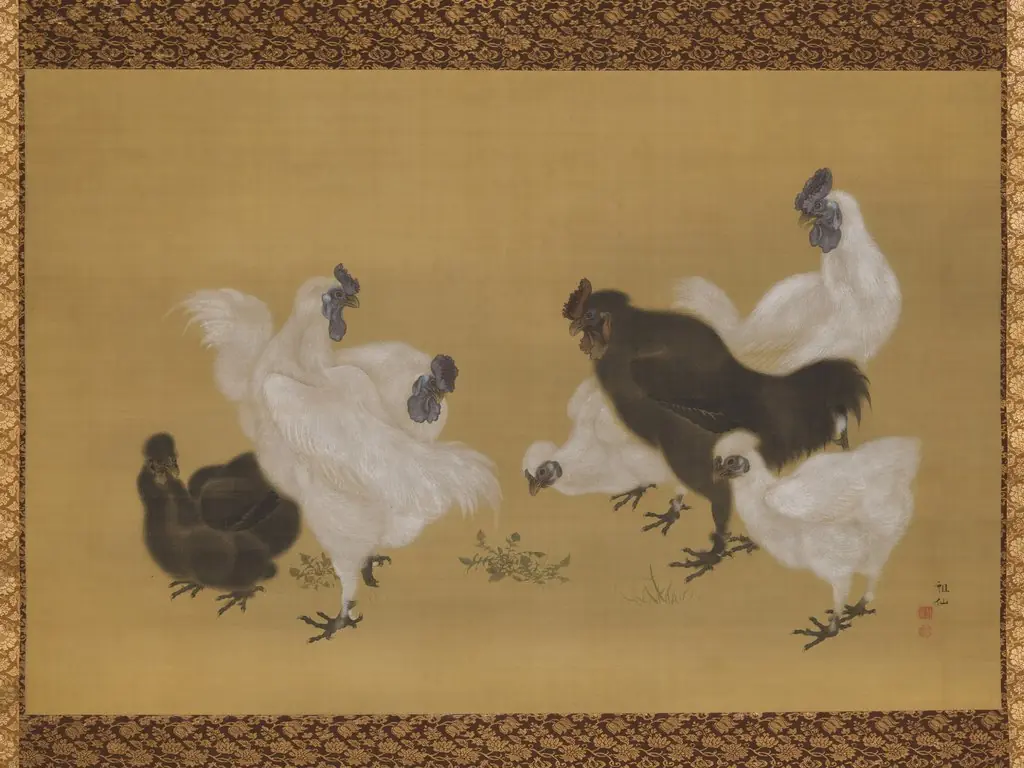 Silkies
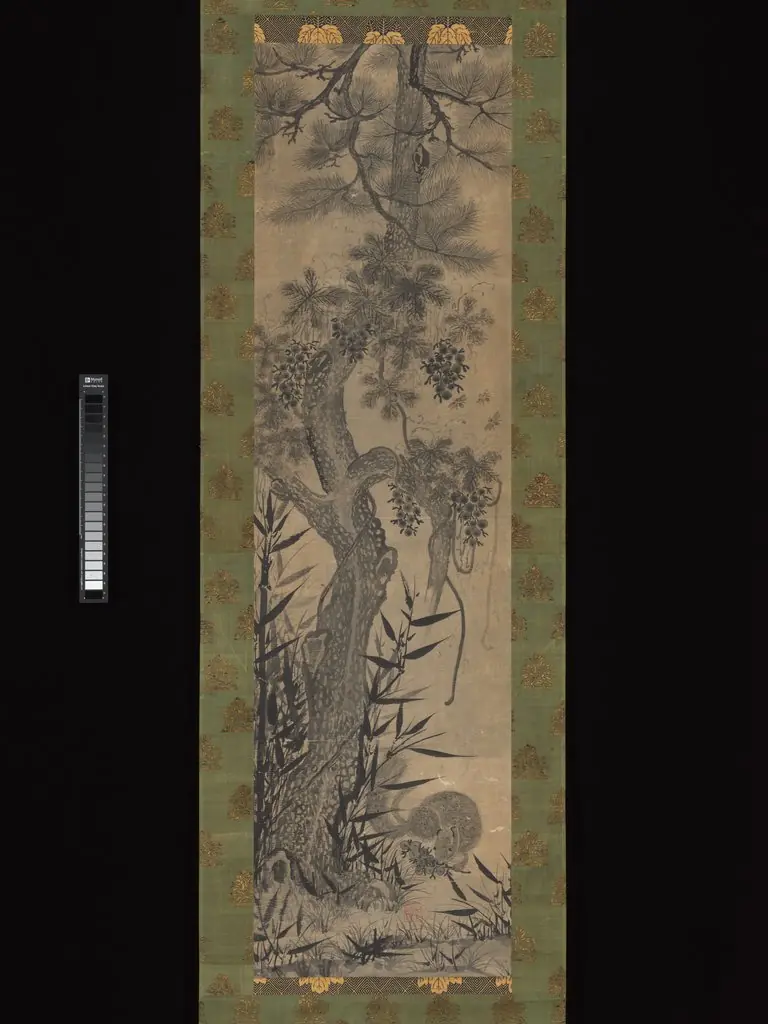 Pine, Bamboo, Grape, and Squirrel
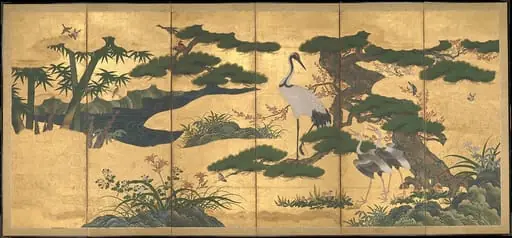 四季花鳥図屏風|Birds and Flowers of the Four Seasons
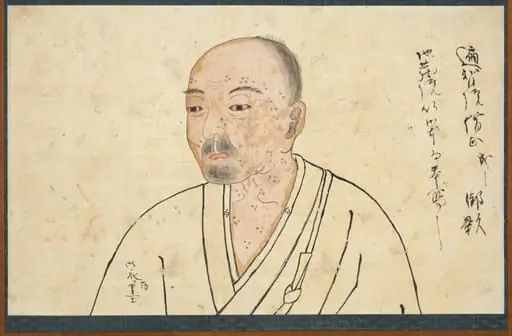 Portrait Study of Seigen
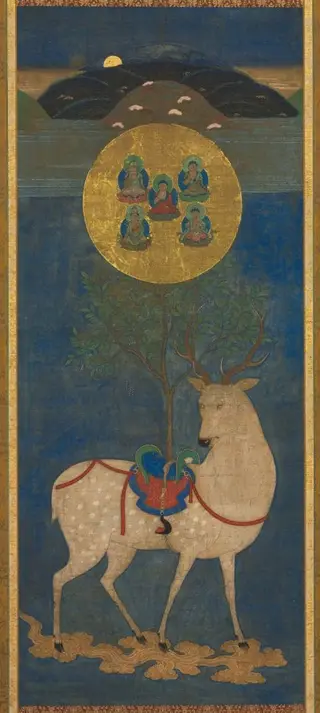 Kasuga Deer Mandala
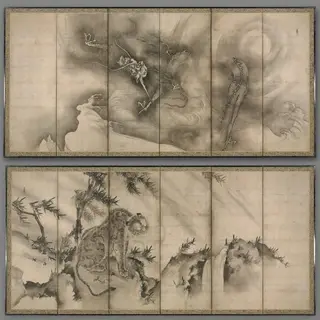 Dragon and Tiger
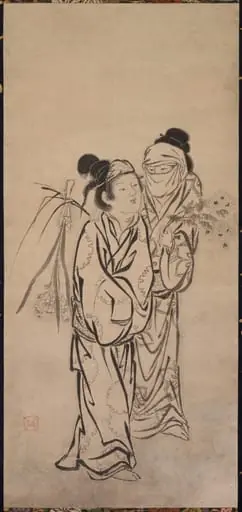 A Couple
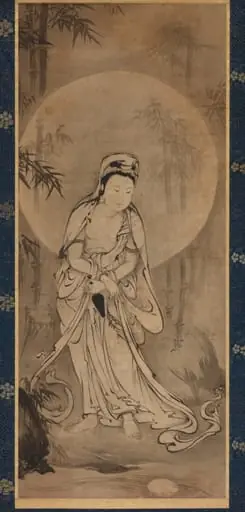 Willow-and-Moon Kannon (Yōryū Kannon)
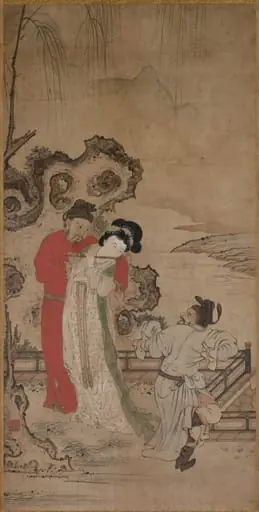 Emperor Minghuang Teaching Yang Gueifei to Play the Flute
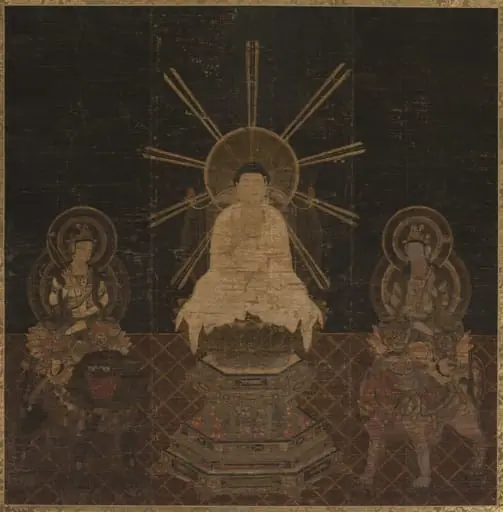 Shakyamuni Triad
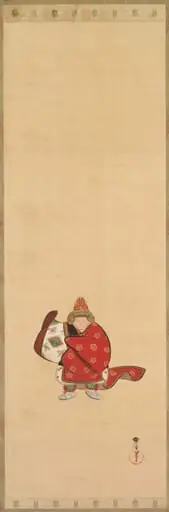 Bugaku Dancer
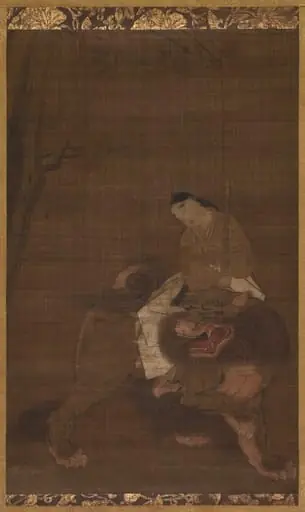 Monju as a Child
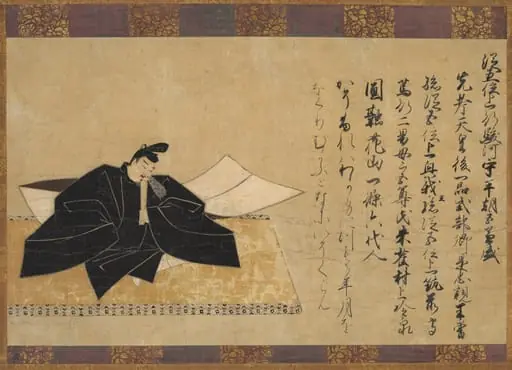 Taira no Kanemori of the Thirty-Six Poetic Immortals
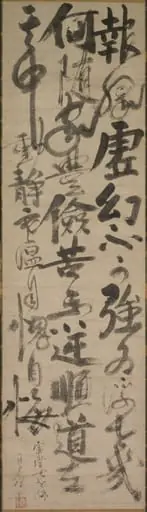 Reflections of Priest Foyen
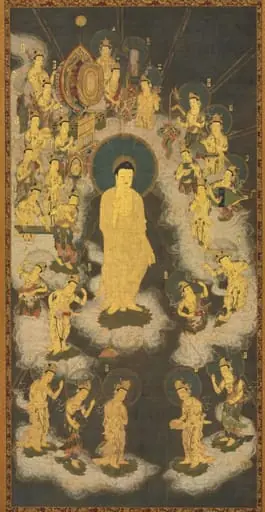 Welcoming Descent of Amida (Amida Raigō)
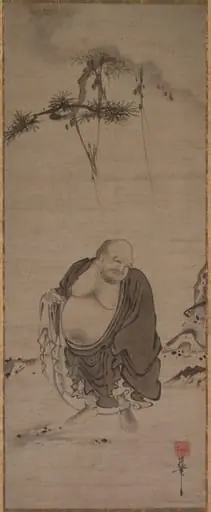 Hotei
Hotei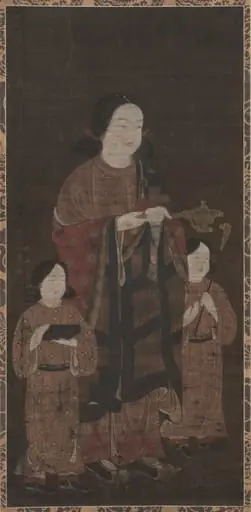 Shōtoku Taishi at Sixteen
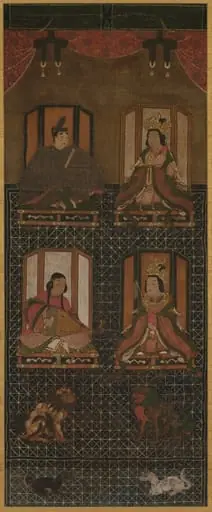 Mandala of the Four Deities of Mt. Kōya
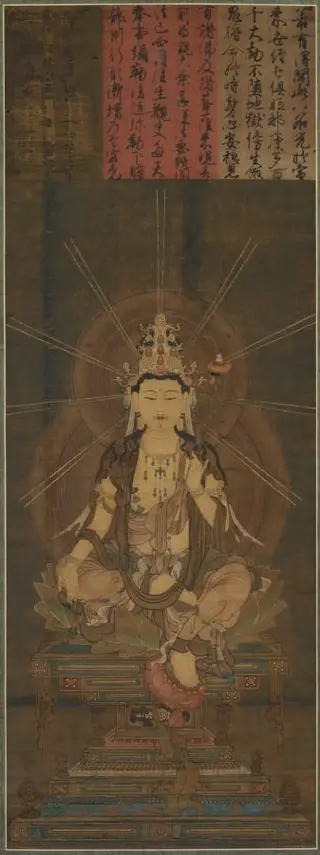 Miroku (Maitreya)
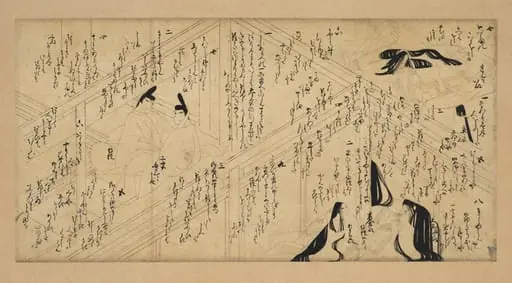 Scene from the Tale of the Wisteria Robe
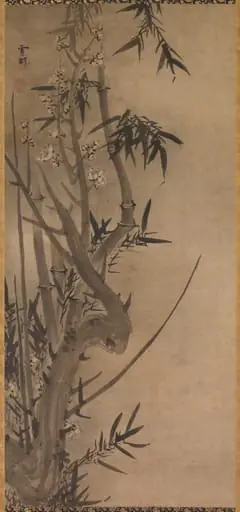 Bamboo and Plum
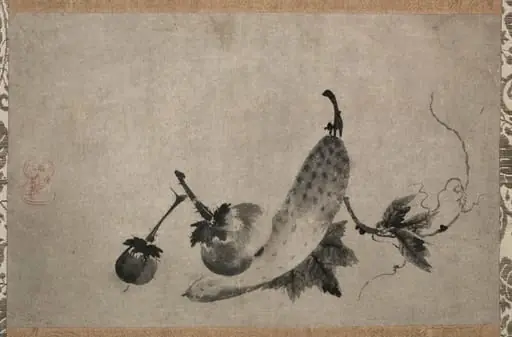 Cucumber and Eggplants
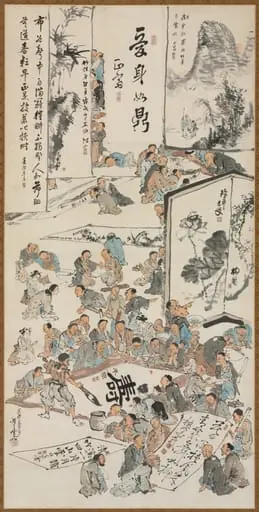 Painting Party
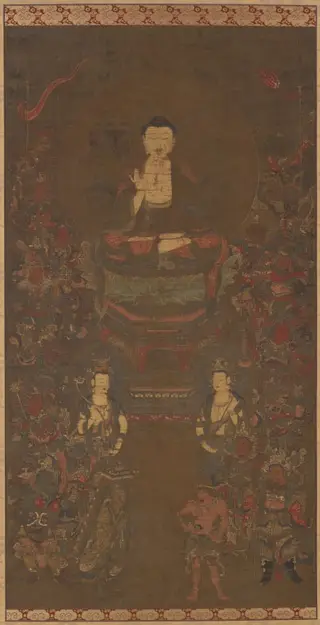 Shakyamuni with the Sixteen Benevolent Deities
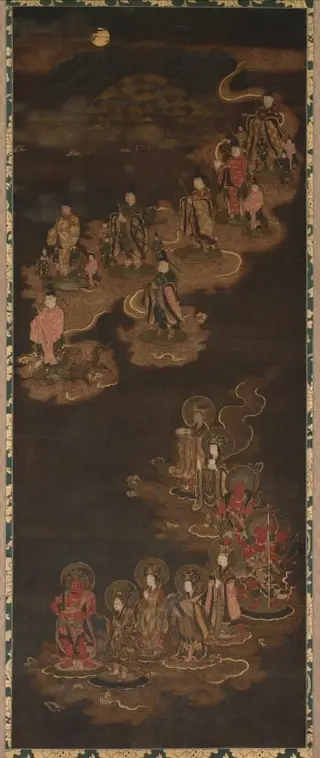 Descent of the Nine Luminaries and the Seven Stars at Kasuga
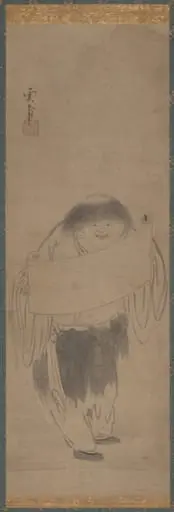 Kanzan Holding a Scroll
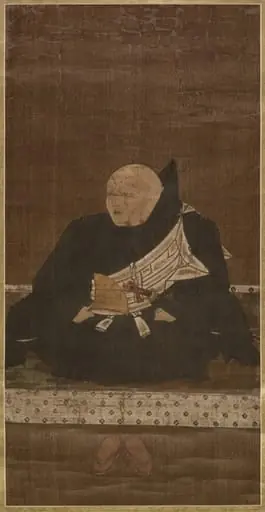 A High-ranking Noble in Priest's Robe
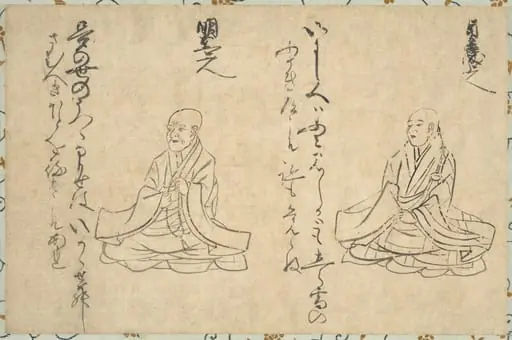 Thirty-Six Poetic Immortals of the Buddhist Clergy
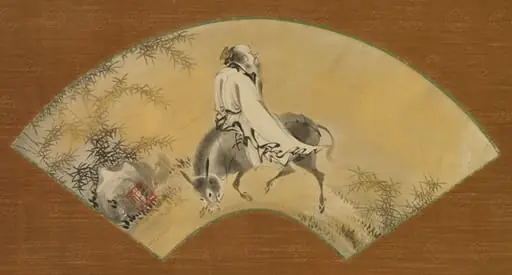 Pan Lang (Han Rō)
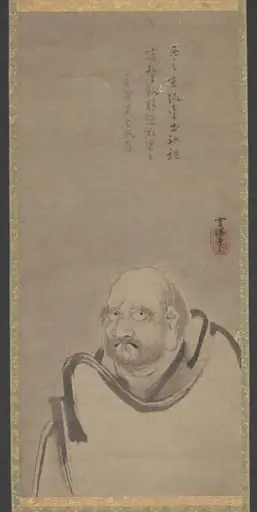 Bodhidharma
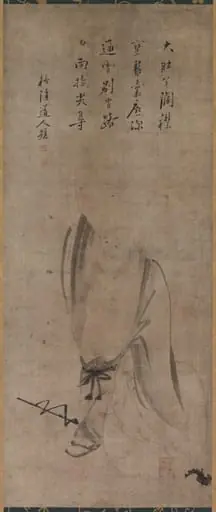 Hotei
Hotei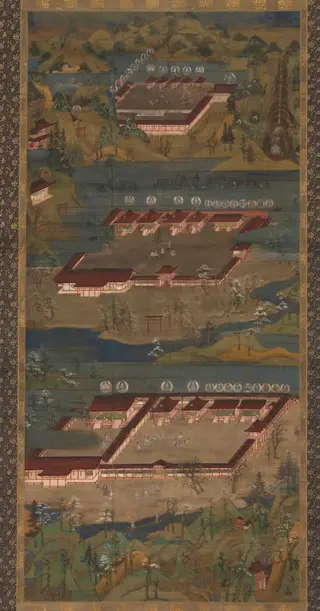 Mandala of the Three Shrines at Kumano
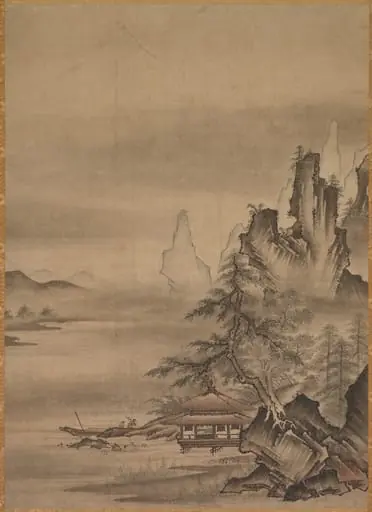 Returning Home
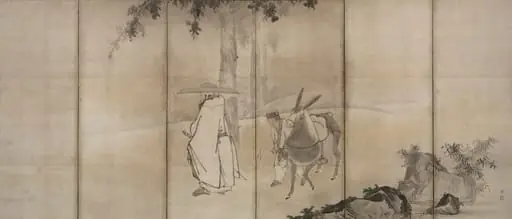 Su Shi (So Shoku)
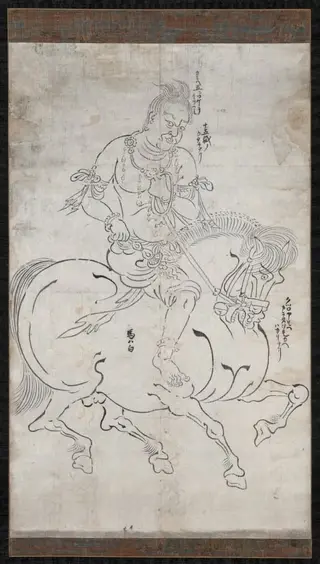 The Youth Seitaka (Seitaka Dōji)
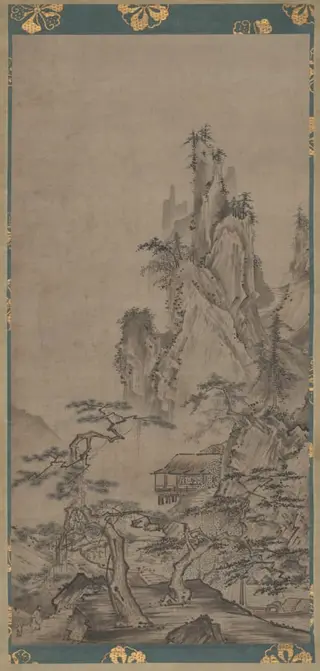 Scholar's Visit
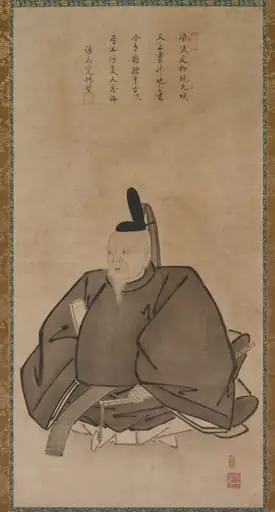 Portrait of Sugawara Michizane
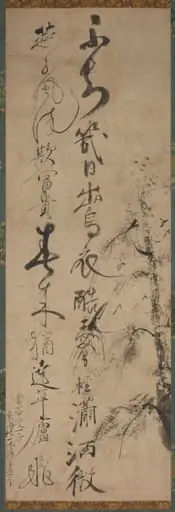 Calligraphy with Willow and Swallows
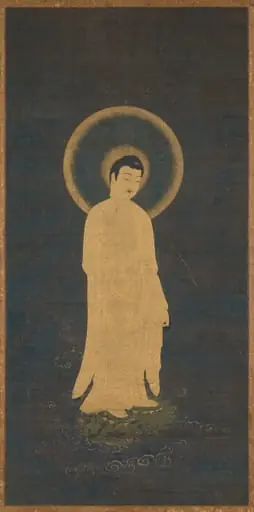 Welcoming Descent of Amida Buddha (Raigō)
 The Story of Fukutomi
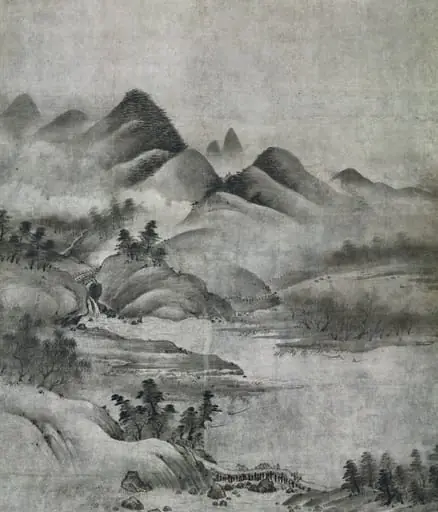 Landscape
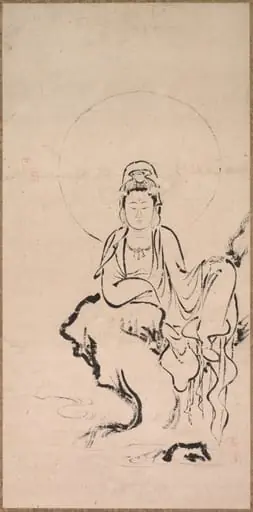 White-Robed Kannon (Byakue Kannon)
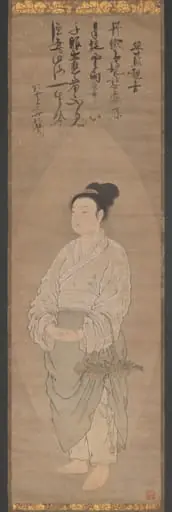 Fish Basket Kannon (Gyoran Kannon)
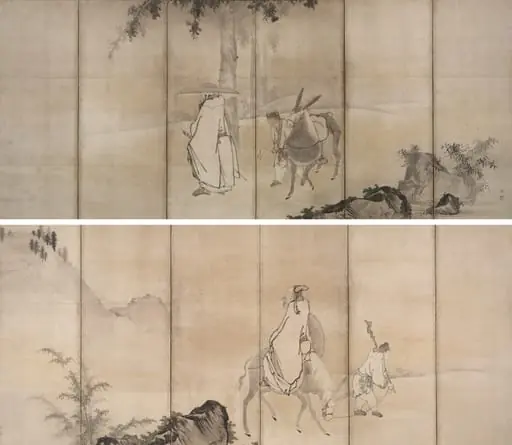 Su Shi (So Shoku) and Pan Lang (Han Rō)
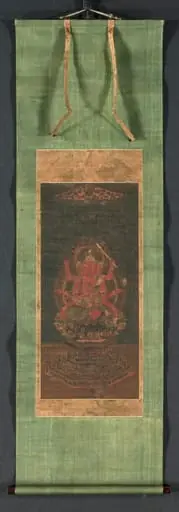 Wisdom King of Passion (Aizen Myōō)
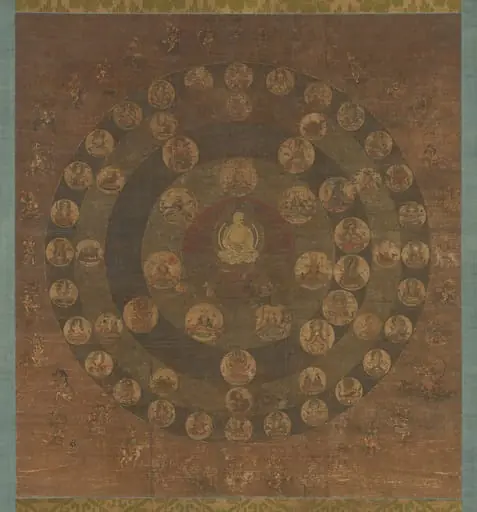 星曼荼羅図 (Hoshi mandara zu)|Star Mandala
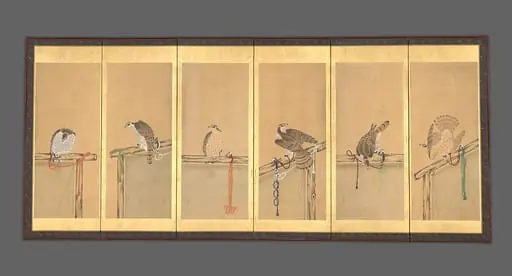 Untitled
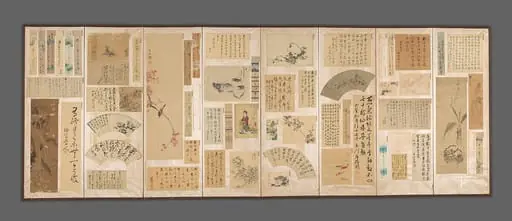 伊賀上野文人達の貼り混ぜ屏風|Paintings and Calligraphy by Literati of Iga Ueno
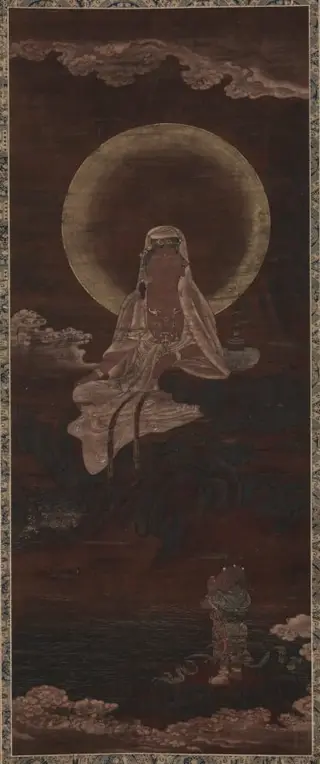 Water-Moon Kannon (Suigetsu Kannon)
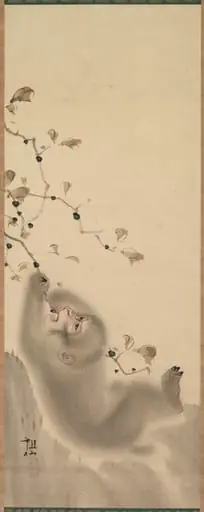 Monkey Hanging on to a Branch
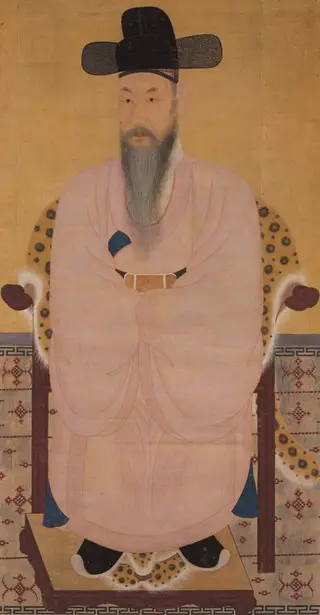 Portrait of an Official
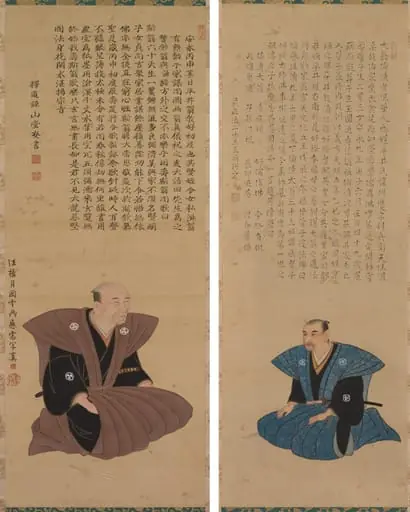 Pair of Portraits of Samurai-Officials: Hirai Kyosei and Hirai Rinsei
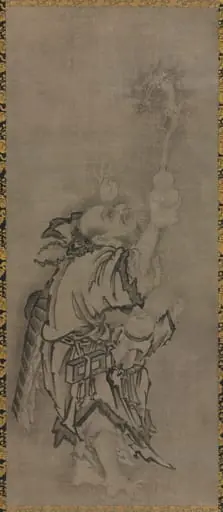 Hotei with Daoist Immortals: Immortal with Gourd and Dragon
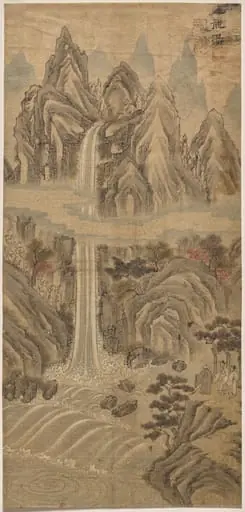 Nine-Dragon Falls
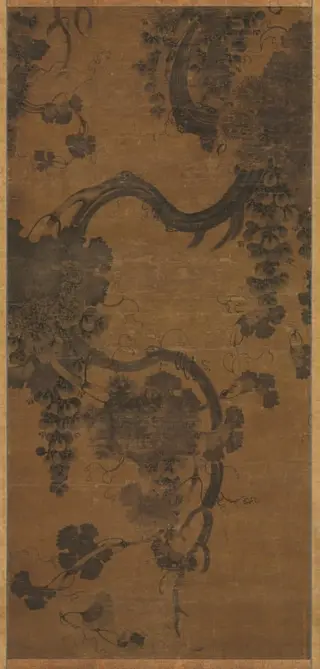 Grapes
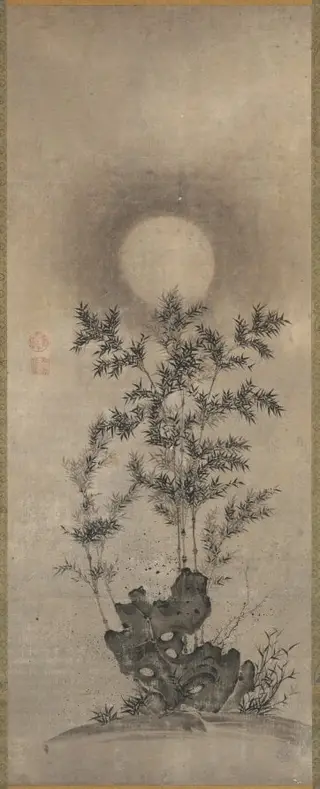 Bamboo in Moonlight
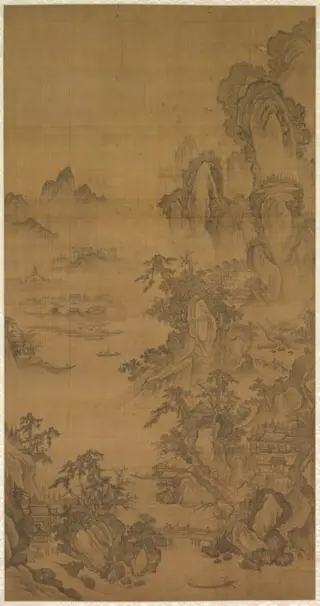 Mountain Market, Clear with Rising Mist
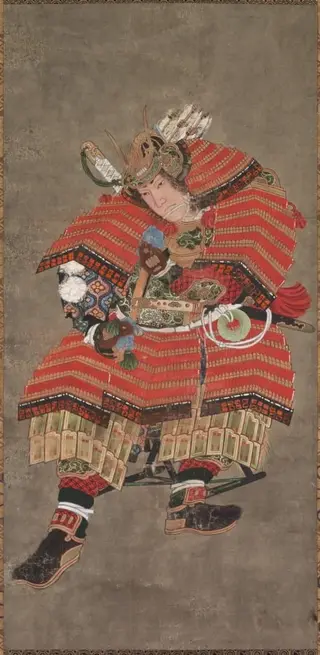 Minamoto no Yoshitsune
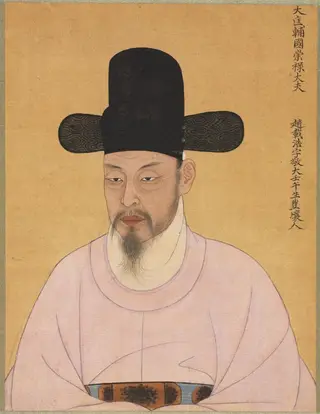 Cho Jae-ho from Punhyang Cho Family
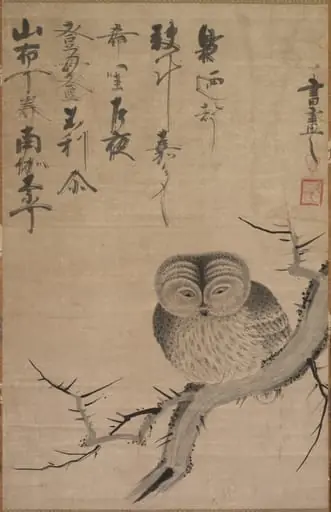 Owl
Owl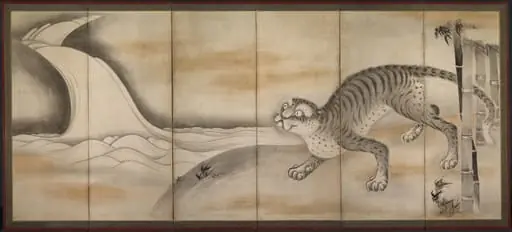 Tiger
Tiger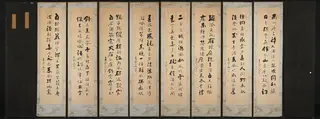 Calligraphy (reverse)
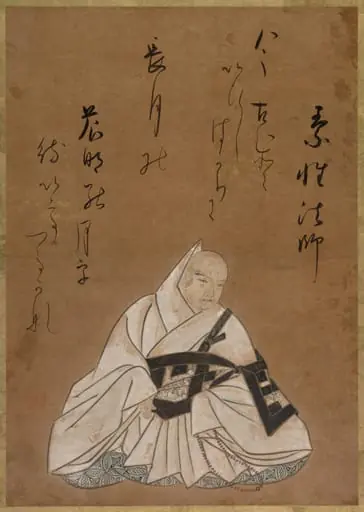 The Poet Sōsei
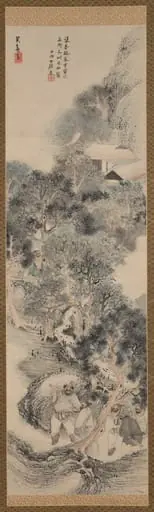 Happy Forest, from Water Margin
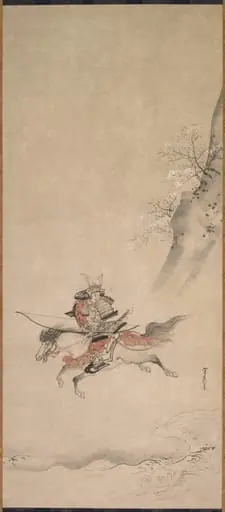 A Samurai on Horseback
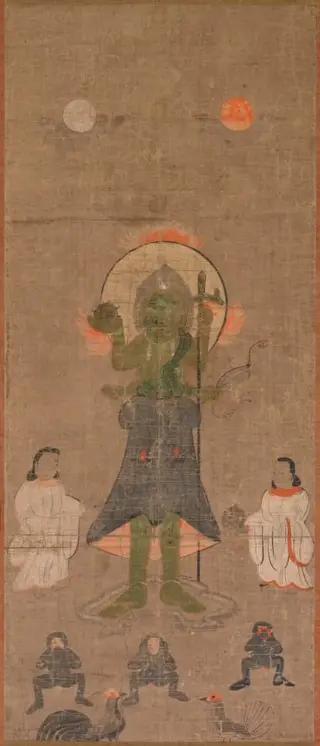 Shomen Kongo: The Blue-Faced Kongo
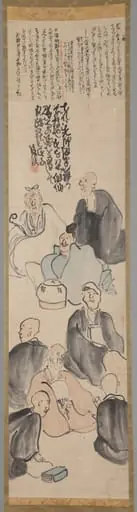 Gathering of Poetic Immortals with Poem Drafts
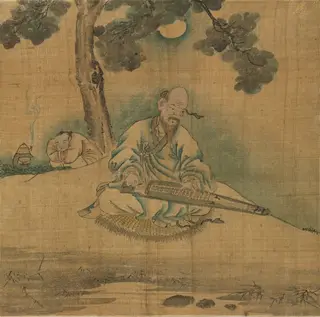 Scholar Playing a Qin
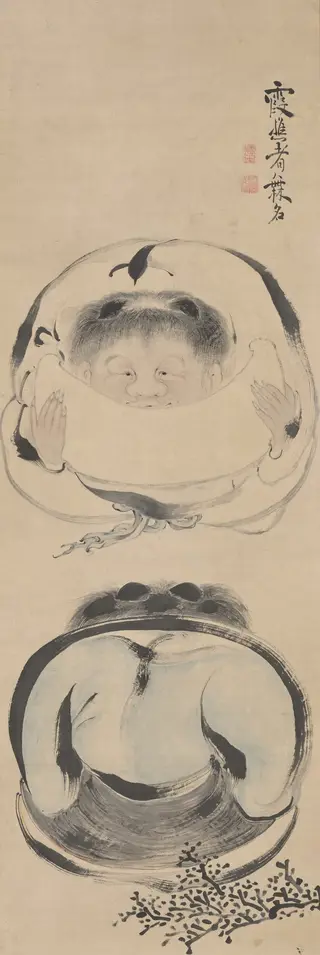 Hanshan and Shide
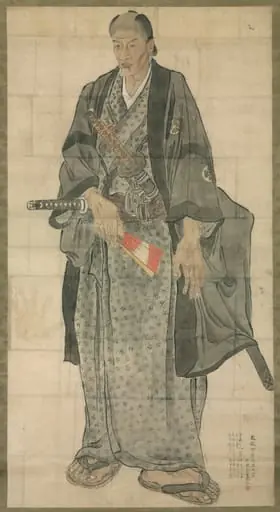 Portrait of Ōzora Buzaemon
 The Saltmaker's Story
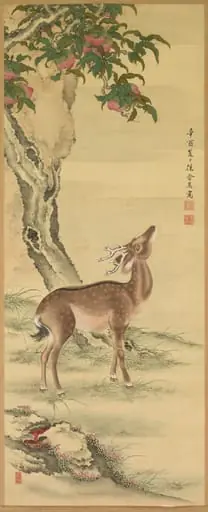 Symbols of Longevity: Deer under Peach and Pine (Pine) (right)
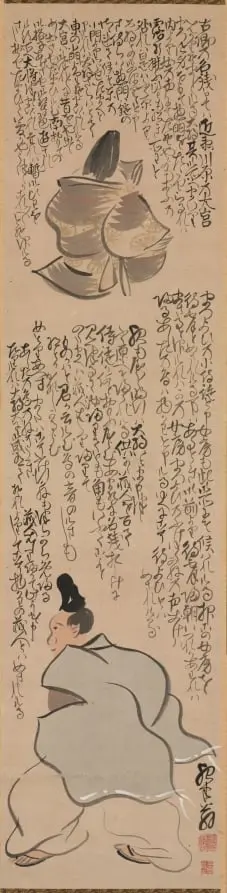 Moon Viewing, from The Tale of Heike
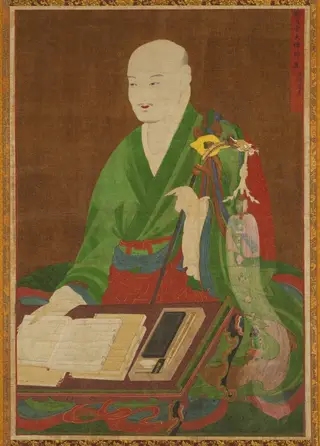 Portrait of the Great Master Yeongwoldang Eungjin
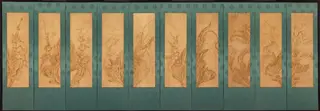 Birds and Flowers
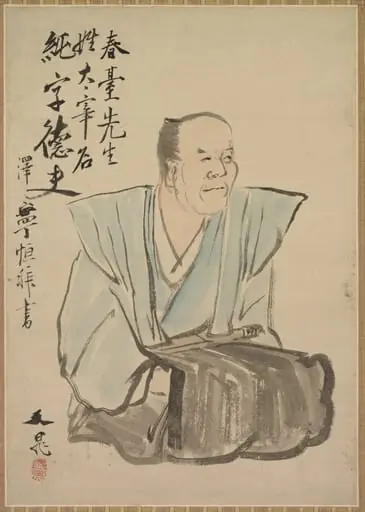 Imaginary Portrait of Shundai Dazai
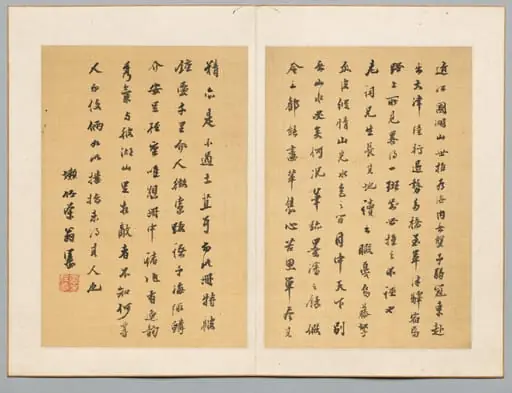 Calligraphy
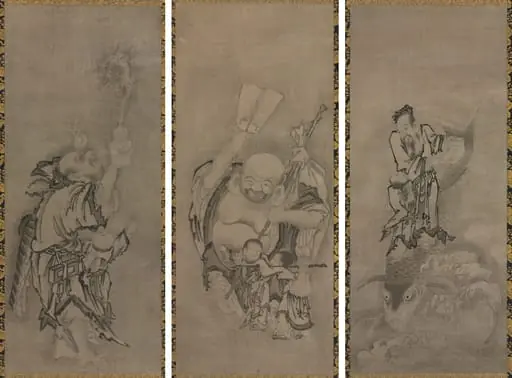 Hotei with Daoist Immortals
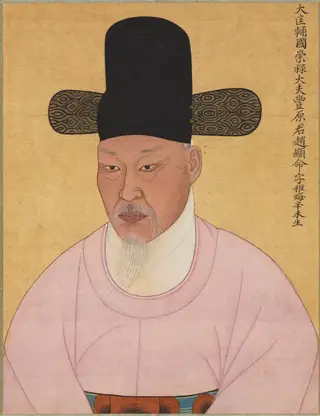 Cho Hyun-myeong from Punhyang Cho Family
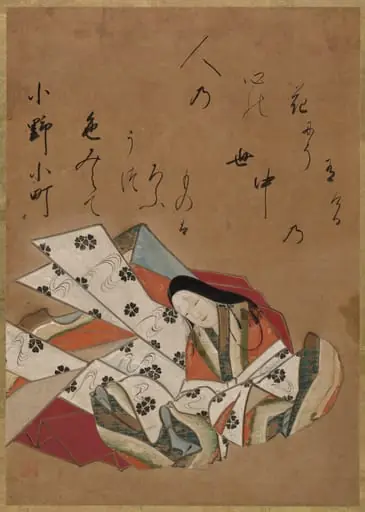 The Poet Ono no Komachi
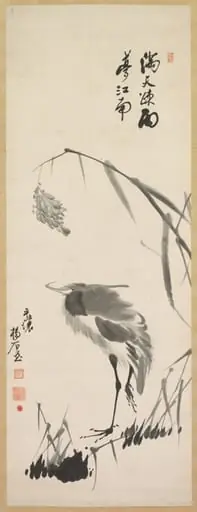 Egret and Reeds
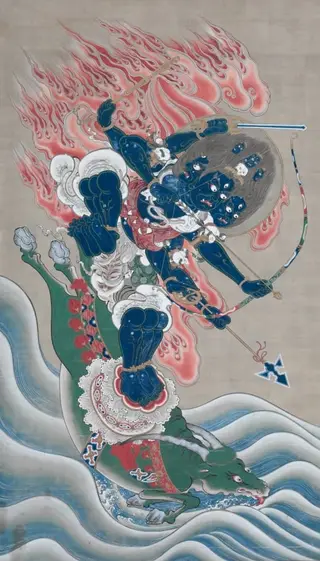 Wisdom King of Great Awe-inspiring Power (Daiitoku Myōō)
 Seventy-Two Peaks Under the Blue Sky with Mount Furong
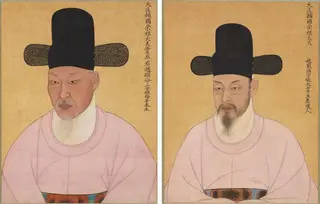 Portraits of Cho Hyun-myeong and Cho Jae-ho
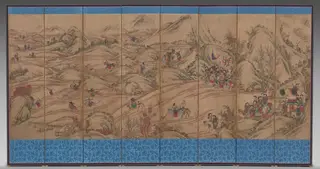 Hunting Scene
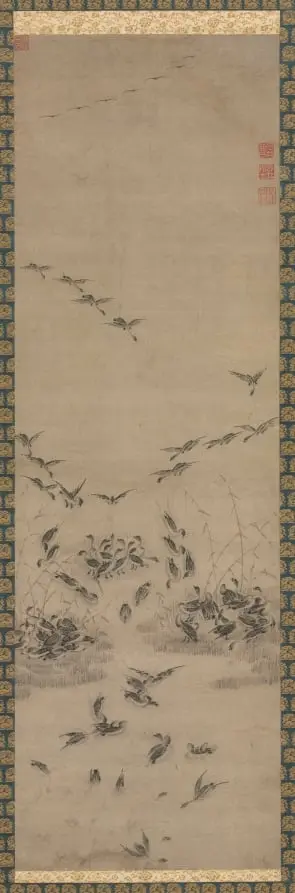 Geese Returning Home
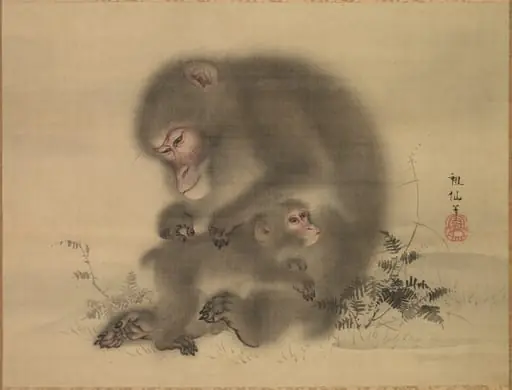 Monkeys
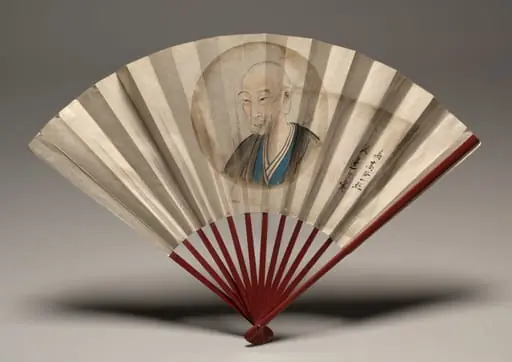 Portrait of Kō Sūkoku
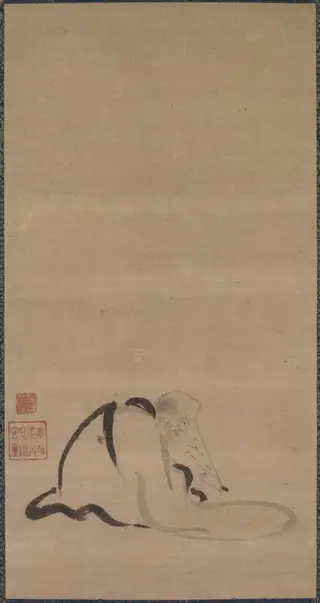 Seated Priest
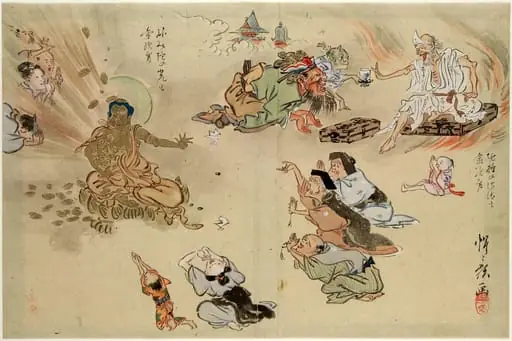 Buddha
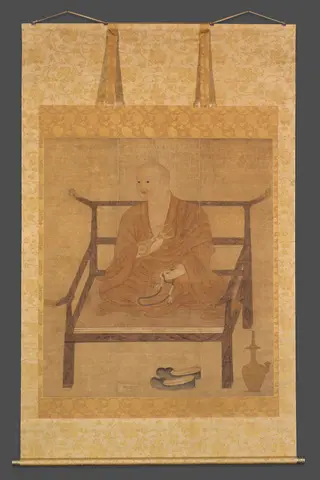 Portrait of Kobo Daishi (Kukai)
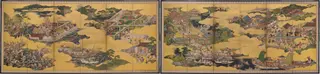 The Tale of Taishokan
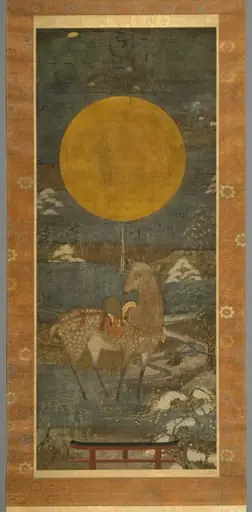 Kasuga Deer Mandala
Frequently asked questions
What is Joseon dynasty painting?
Joseon dynasty painting is an art movement. Painting of Korea's long Joseon dynasty (1392-1910), shaped by Confucian restraint.
How many Joseon dynasty painting works does Artifact World Gallery have?
Artifact World Gallery holds 202 public-domain Joseon dynasty painting works, all free to view and download.
Who are the key Joseon dynasty painting artists?
Key Joseon dynasty painting artists in the collection include Sesson Shūkei, Soga Shōhaku and Nagano Yasunosuke.
When did Joseon dynasty painting take place?
Joseon dynasty painting dates from 1390–1910.
Where can I see Joseon dynasty painting works?
Joseon dynasty painting works in the collection are held by Cleveland Museum of Art, Metropolitan Museum of Art and Los Angeles County Museum of Art.