Artwork
H Beard Print Collection
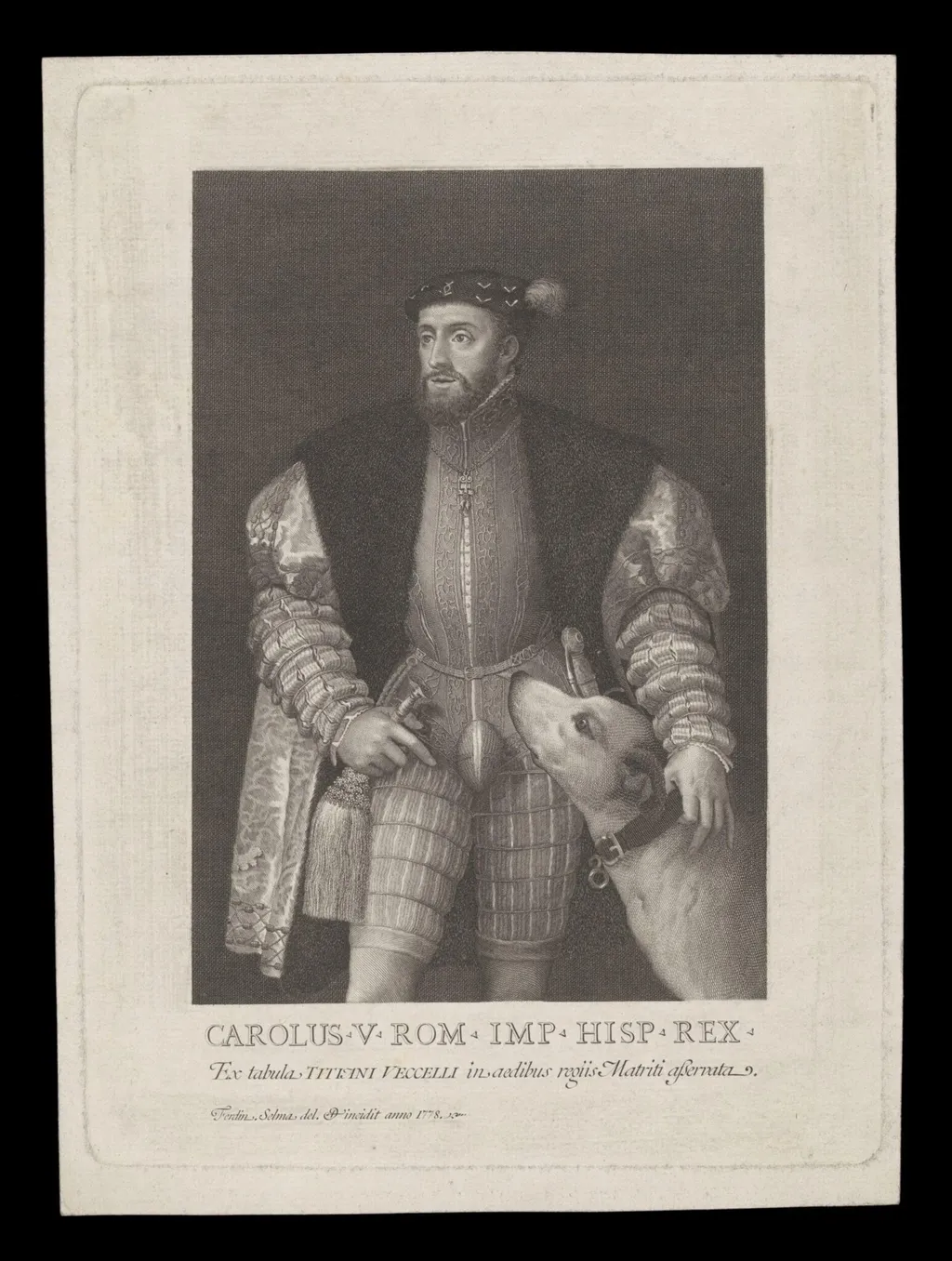
H Beard Print Collection is a print by the Romanticist artist Ferdin Selma. It dates from 1778 and is held in the collection of the Victoria and Albert Museum.
About this work
Overview
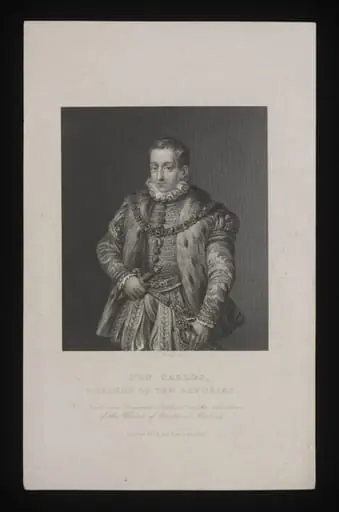
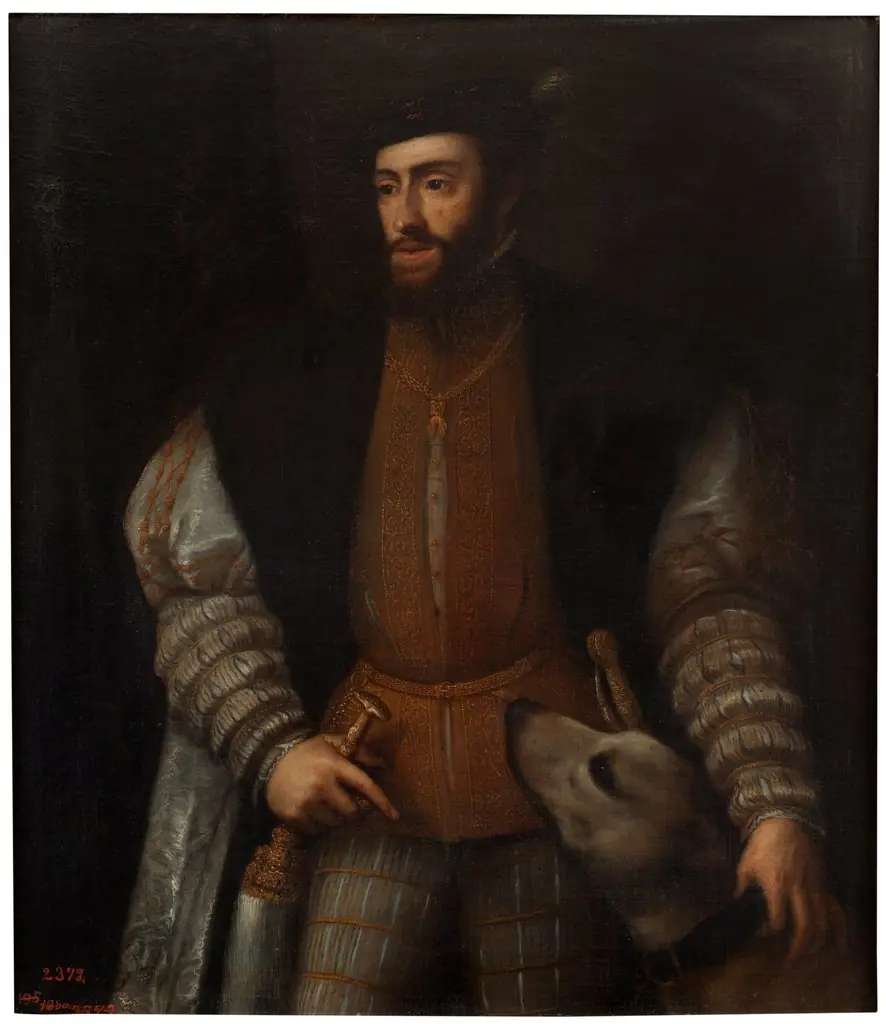
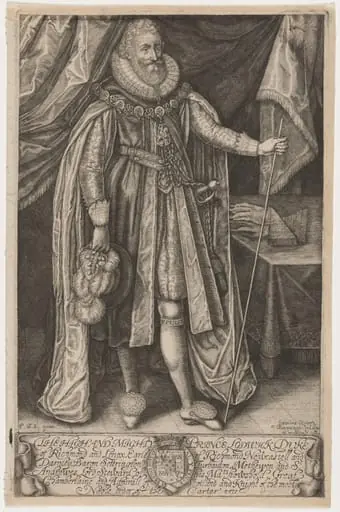
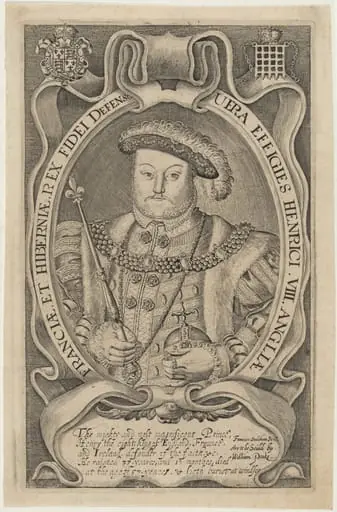
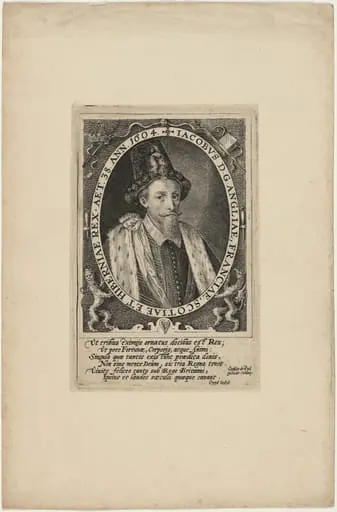
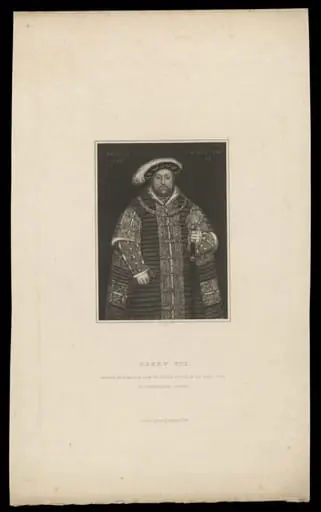
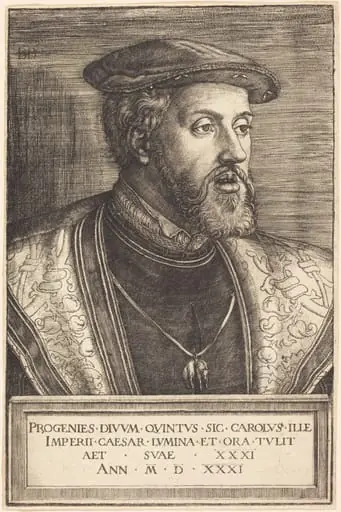
This print depicts Charles V, ruler of the Holy Roman Empire and Spanish kingdoms, rendered in engraved form after a painted portrait by Titian. Created by Ferdin Selma, it belongs to the H. Beard Print Collection and reflects the 16th-century practice of disseminating imperial imagery through reproductive prints.
Subject & Meaning
Charles V appears as a sovereign figure of considerable political weight, his presence shaped by the visual language of Habsburg authority. The portrait, originally by Titian, was intended to project legitimacy and gravitas, and Selma’s engraving extended this image across Europe, reinforcing the emperor’s public persona beyond court circles.
Technique & Style
Ferdin Selma employed fine-line engraving to translate Titian’s oil portrait into a monochromatic medium. The rendering emphasizes texture in fabric and subtle modeling of the face, preserving the dignity of the original while adapting it to the precision and reproducibility of printmaking techniques of the period.
History & Provenance
The print was produced during the mid-to-late 16th century, likely for distribution among nobility and institutions loyal to the Habsburgs. It entered the H. Beard Print Collection in the 19th or early 20th century, where it remains as part of a broader archive of early modern portraiture.
Context
Reproductive engravings after Titian’s portraits were common tools for political communication in Renaissance Europe. Charles V’s image, widely circulated, served to unify diverse territories under a shared visual identity, bridging linguistic and geographic divides through standardized iconography.
Legacy
Selma’s engraving contributes to the enduring visual record of Charles V, preserving Titian’s composition for later generations. It exemplifies how print culture amplified the reach of court portraiture, influencing how rulers were perceived beyond their immediate courts.
Own this work as a print
Artist & collection
Artist
Ferdin Selma made prints in the late 1700s, leaving behind crisp, detailed images that feel like windows into another century.