Artwork
H Beard Print Collection
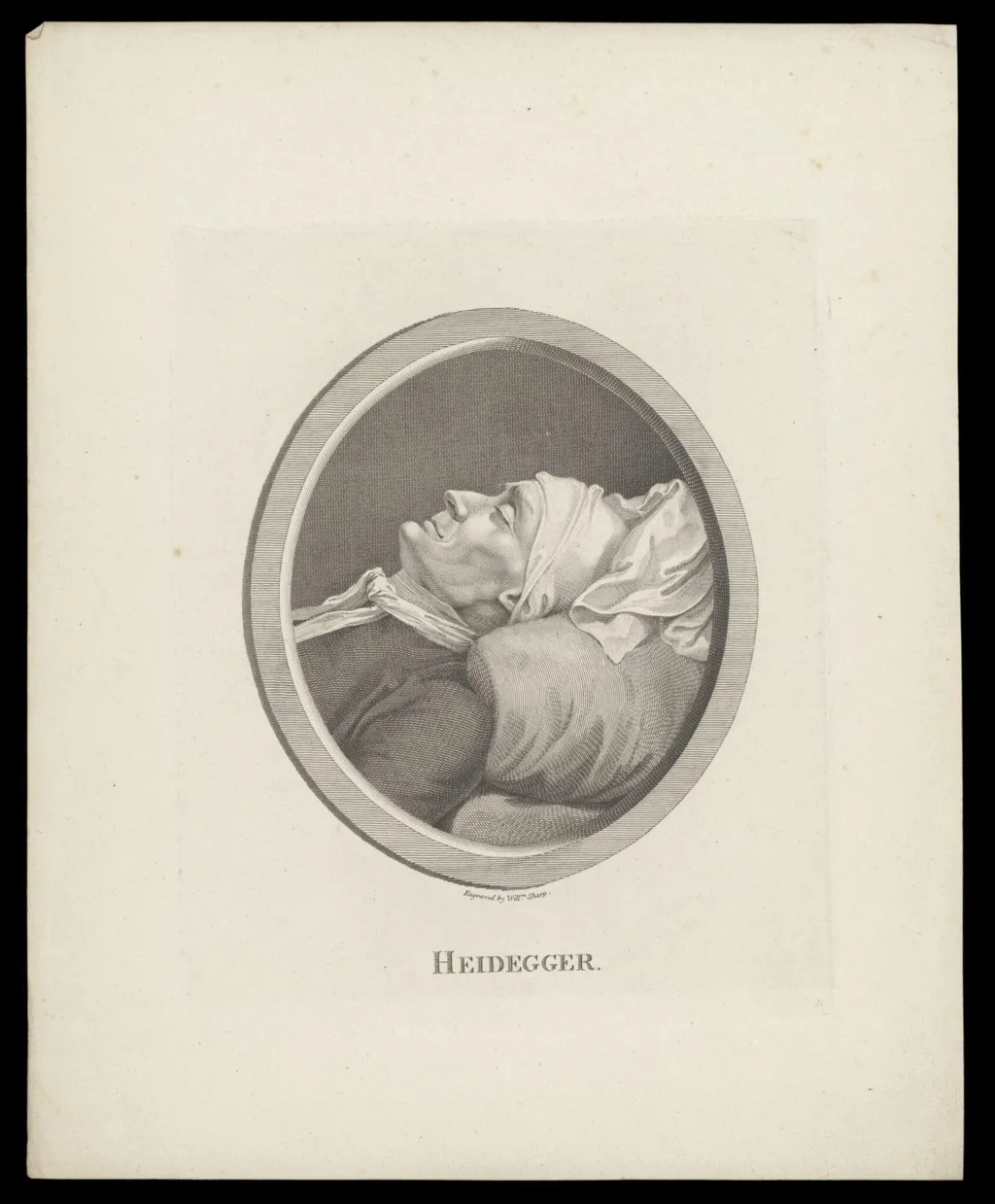
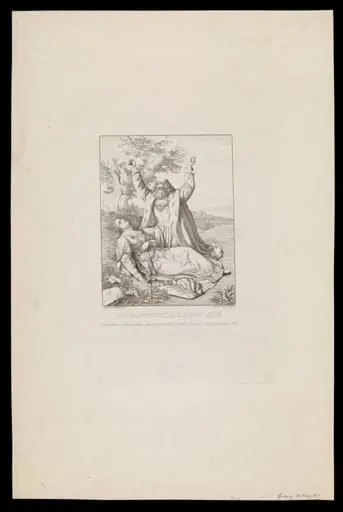
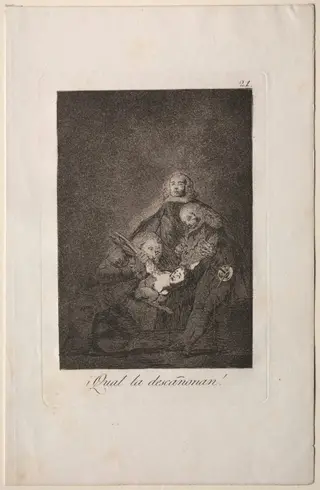
H Beard Print Collection is a print by William Sharp. It dates from 1750 and is held in the collection of the Victoria and Albert Museum. This print depicts Martin Heidegger in his final moments, rendered in a somber, intimate composition.
About this work
Overview
The artist’s identity remains unconfirmed, though familiarity with the subject is implied by the tender detail.
This print depicts Martin Heidegger in his final moments, rendered in a somber, intimate composition. Unlike formal portraits, it captures a private scene rarely documented in visual form. The medium suggests it was produced for limited circulation, possibly as a memorial or personal keepsake. The artist’s identity remains unconfirmed, though familiarity with the subject is implied by the tender detail.
Subject & Meaning
The image presents Heidegger not as a philosopher or public figure, but as a vulnerable human being nearing death. Its emotional weight lies in its quietness, no symbols of achievement or ideology are present. The choice to portray him in this state may reflect a personal tribute, challenging the typical monumentalization of intellectual figures. The absence of context invites contemplation on mortality and legacy.
Technique & Style
The print employs tonal contrasts to model form and depth, suggesting the influence of chiaroscuro traditions. Soft gradations of shadow and light emphasize the stillness of the figure, enhancing the sense of quietude. The linework is restrained, avoiding dramatic flourishes, which aligns with the subject’s subdued presence.
The medium’s reproducibility allowed the image to be shared among a small circle, preserving its intimacy despite wider distribution.
History & Provenance
The print entered the H. Beard Collection as part of a group of biographical and memorial prints. Its origins are undocumented, with no record of the artist, date of creation, or initial commission. It likely circulated privately after Heidegger’s death in 1976, possibly produced by someone close to him.
Its survival in a print collection suggests it was valued as a historical artifact rather than an artistic statement.
Context
In the mid-20th century, photographic portraiture dominated depictions of public figures, making printed images of private moments unusual. This print stands apart from official representations of Heidegger, which typically showed him in academic or rural settings. Its existence hints at informal networks among those who knew him personally, preserving a glimpse beyond his public persona.
Legacy
The print remains an enigmatic artifact, offering no clear narrative beyond its visual presence. It contributes to the broader understanding of how personal grief and intellectual legacy intersect in visual culture. Though not widely known, it serves as a quiet counterpoint to the monumentalized image of Heidegger, reminding viewers of the human presence behind philosophical influence.
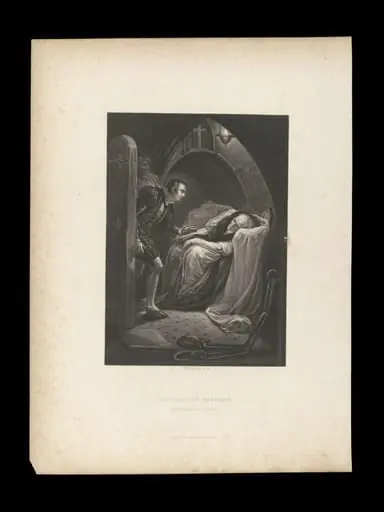
Own this work as a print
Artist & collection

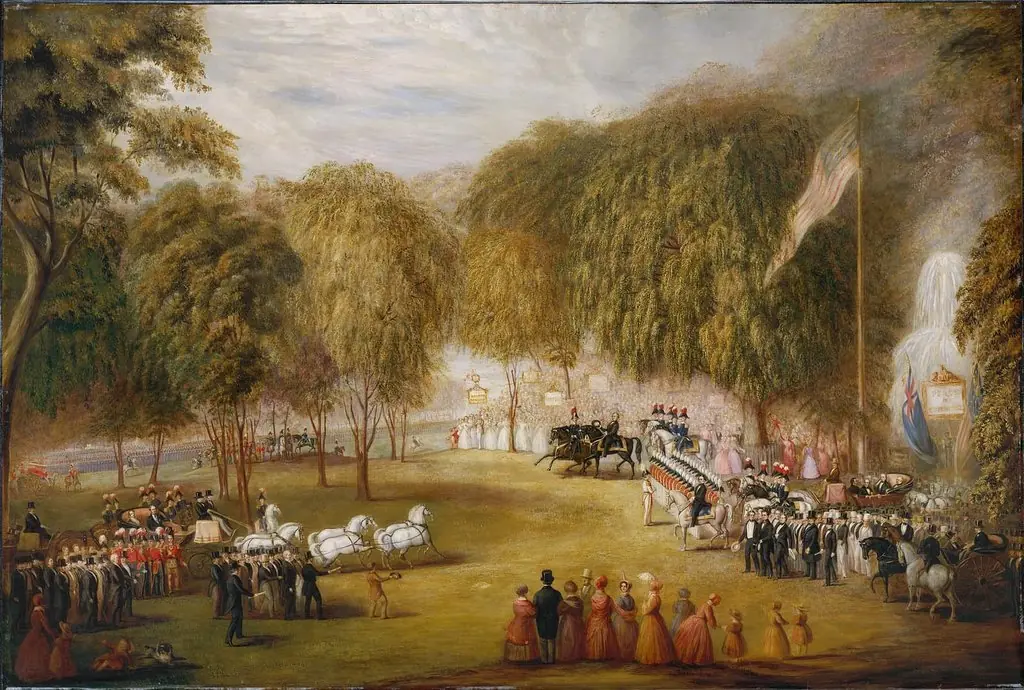
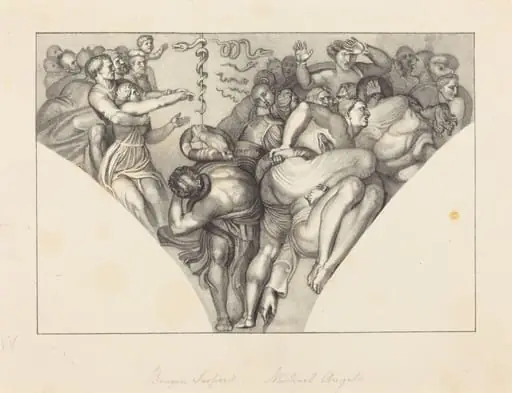
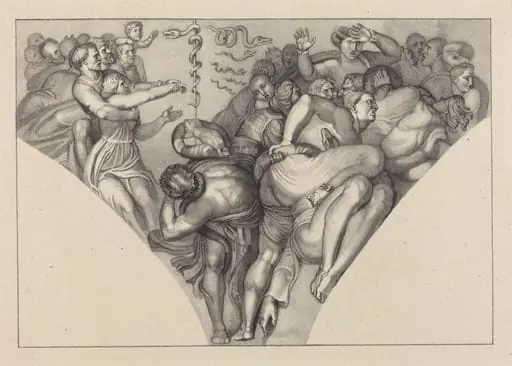
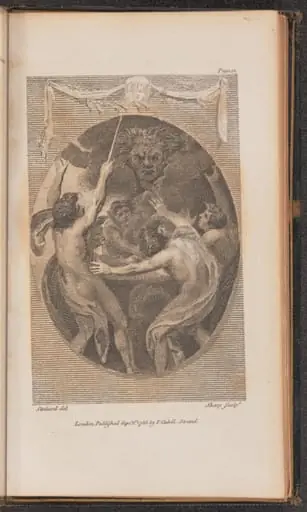
 H Beard Print Collection
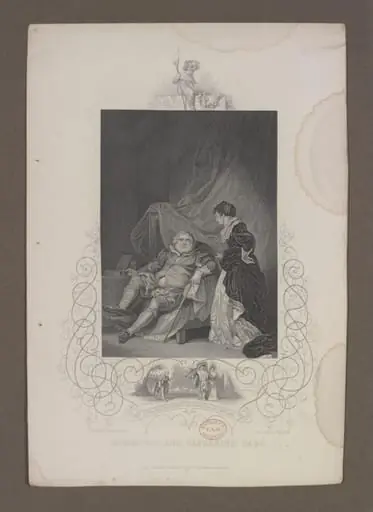 Catherine Parr outwits the Chancellor and Gardiner
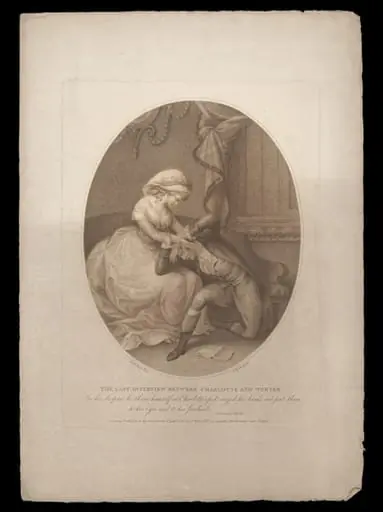 H Beard Print Collection
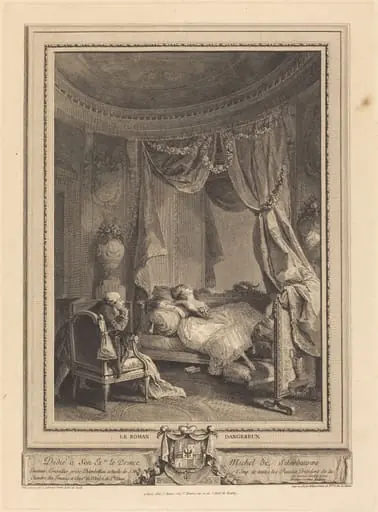 Le roman dangereux
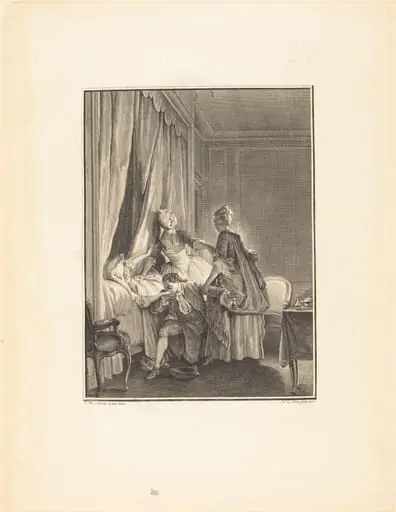 L'inoculation de l'amour
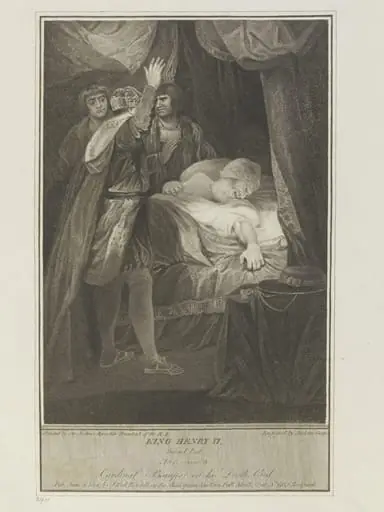 Cardinal Beaufort's Bedchamber
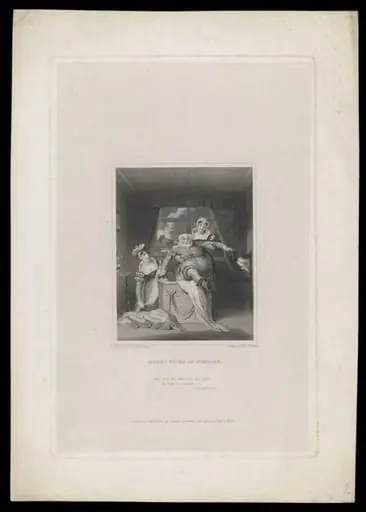 H Beard Print Collection
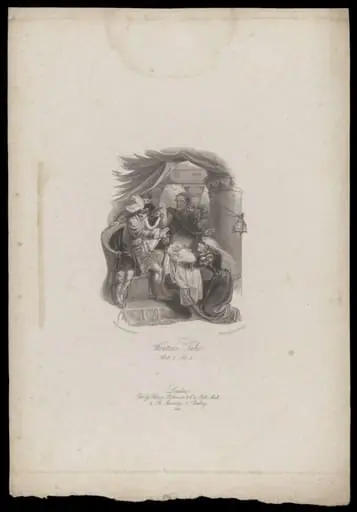 H Beard Print Collection
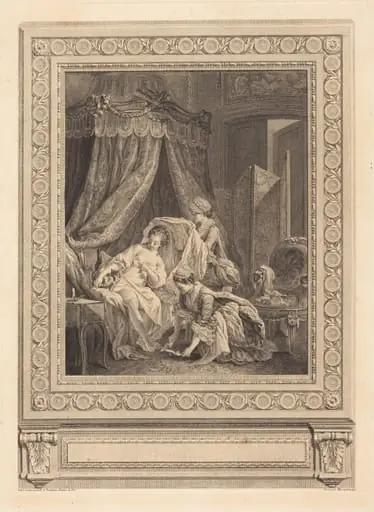 Le lever
 How They Pluck Her!, Plate 21
- H Beard Print Collection
 H Beard Print Collection