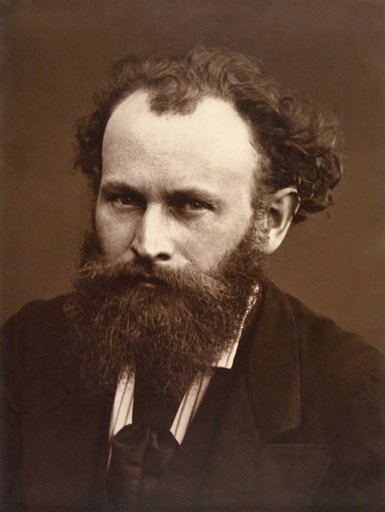
Artist
Subject
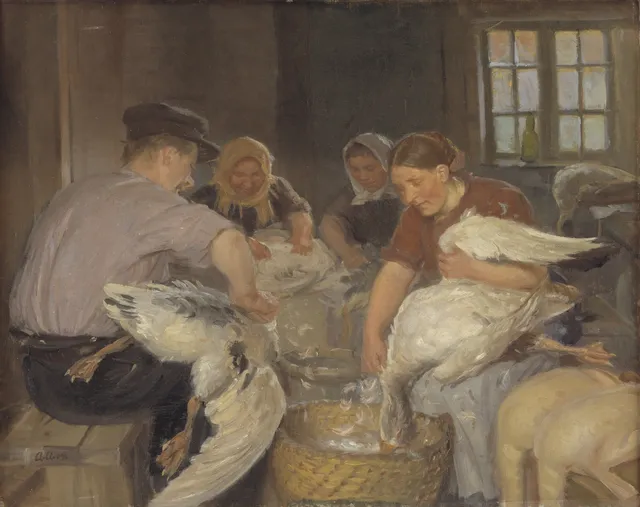
Headscarf is a subject in art. The gallery holds 71 works in this subject in art, including works by Édouard Manet, Jean Léon Gérôme and Johannes Vermeer.
A headscarf is a scarf covering most or all of the top of a person's, usually women's, hair and head, leaving the face uncovered. A headscarf is formed of a triangular cloth or a square cloth folded into a triangle, with which the head is covered.
Artist

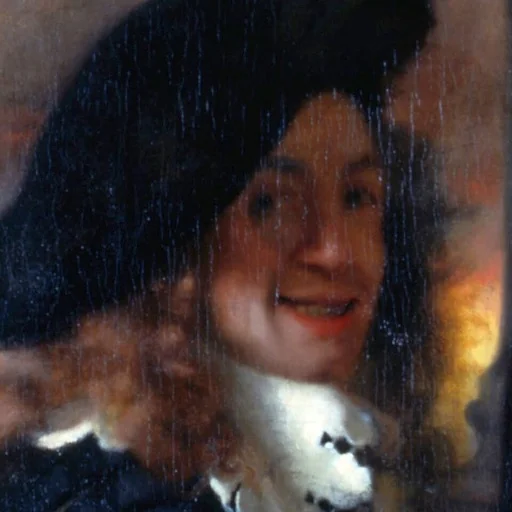
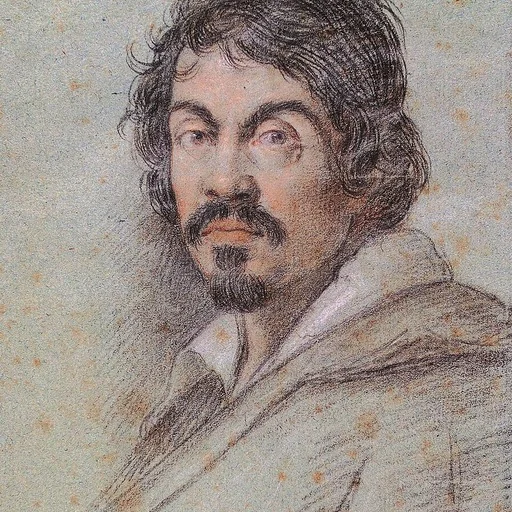
The headscarf carries multilayered meanings depending on context. In religious traditions, it signals modesty, piety, and marital status. In Christianity, 1 Corinthians 11:4-13 enjoins women to cover their heads, a practice maintained by Eastern Orthodox, Anabaptist, and some Roman Catholic communities; the veil also became a symbol of chastity in Christian iconography. In Judaism, married Orthodox women cover their hair with a mitpahat or tichel, a custom rooted in Torah and Talmudic sources. In Islam, the khimar and related forms derive from Quranic interpretation and regional tradition, expressing modesty and religious identity. Beyond religion, the headscarf denotes social distinction, regional identity, and political conviction, as with the white headscarves of Argentina's Madres de Plaza de Mayo. In Ukrainian tradition, the hustka indicates marital status: unmarried girls leave more hair visible, while married women cover their hair completely, with color and fabric quality signaling age, widowhood, or family prosperity. Practical functions, protection from weather and dirt, and fashion have also shaped its use.
The treatment of the headscarf in art tracks broader shifts in dress, ideology, and representation. In European painting through the mid-20th century, it marked rural and working-class identity, as seen in depictions of shepherdesses, milkmaids, and trummerfrauen. Its religious significance persisted in depictions of Eastern Orthodox, Jewish, and Anabaptist communities, where specific forms, such as the Hutterite white polka dots on black, carried denominational markers. The 1950s and 1960s saw a fashion revival in cinema, associated with Audrey Hepburn and Grace Kelly, whose names became linked to specific tying methods. In Western art, the decline of everyday head covering after about 1960 paralleled its retreat from urban and then rural life, though it remained common in Eastern and Southern Europe and in religious contexts. Ukrainian examples show industrial mass production of plain white hustkas under Soviet rule, followed by renewed regional patterning in the late 20th century.
The headscarf's representation in art continues to resonate as cultural practice evolves. Its decline as everyday Western wear has made it a stronger marker of religious, ethnic, or political identity when it does appear. The Ukrainian hustka has become a national symbol, its traditional patterns and meanings persisting despite Soviet-era homogenization. In contemporary contexts, the headscarf remains contested: mandated in some jurisdictions, banned in others, claimed as feminist expression or patriarchal imposition. Its persistence across the collection, from pastoral idylls to historical drama, testifies to its enduring role as a visual signifier of identity, labor, belief, and social position.
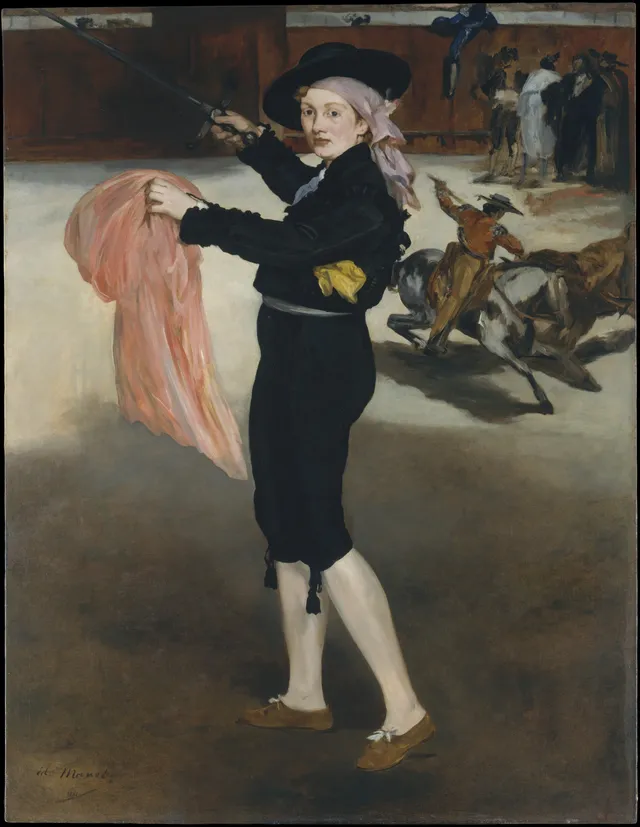
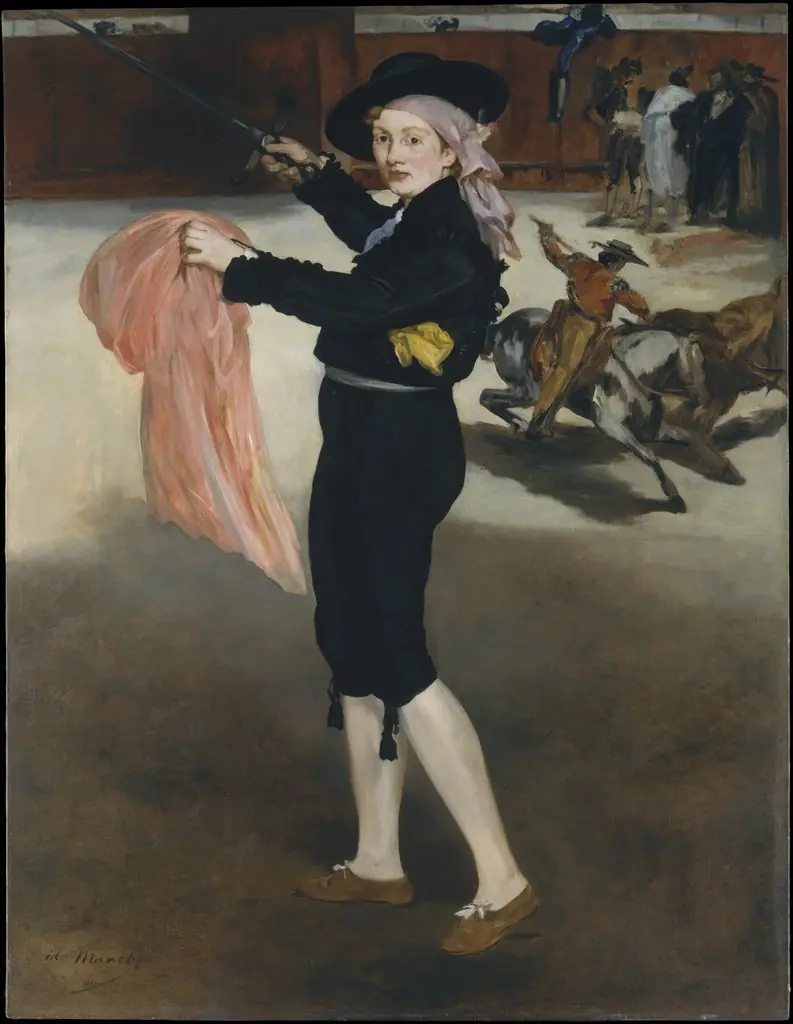 Mademoiselle V. . . in the Costume of an Espada
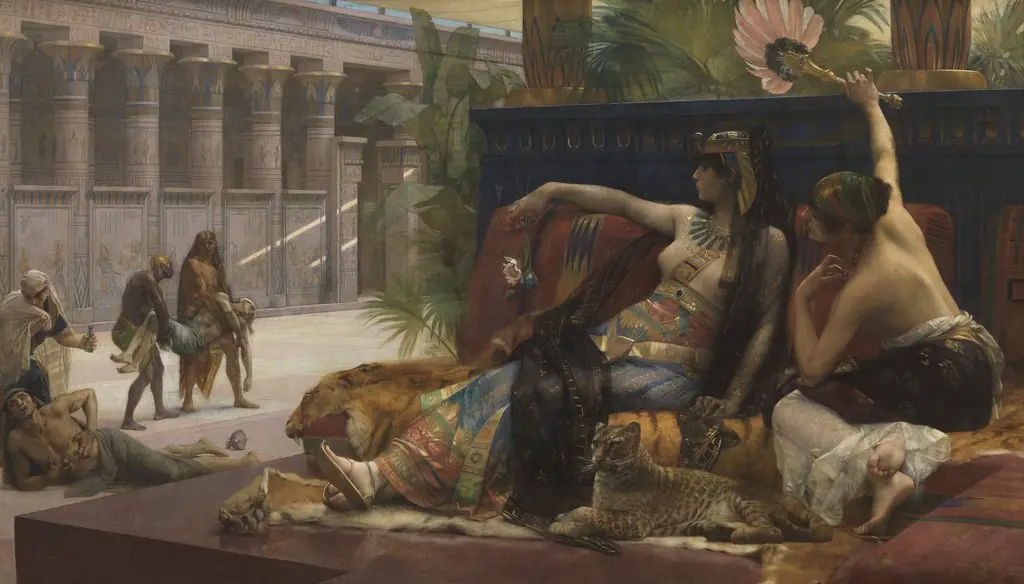 Cleopatra Testing Poisons on Condemned Prisoners
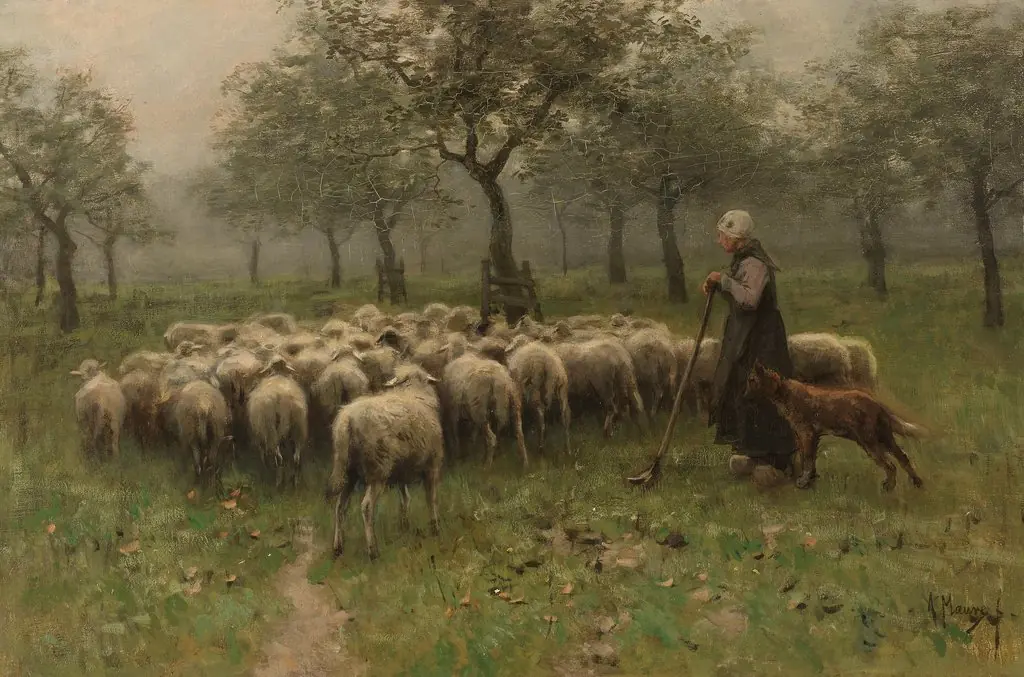 Shepherdess with a Flock of Sheep
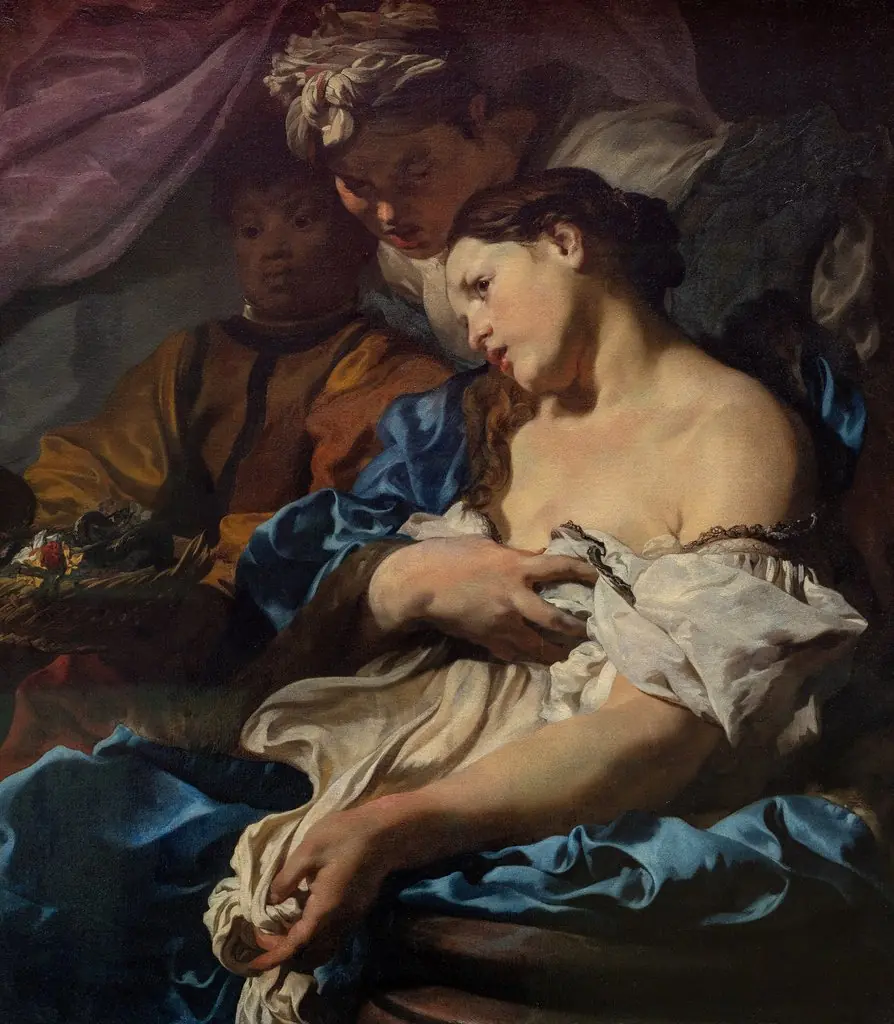 The Death of Cleopatra
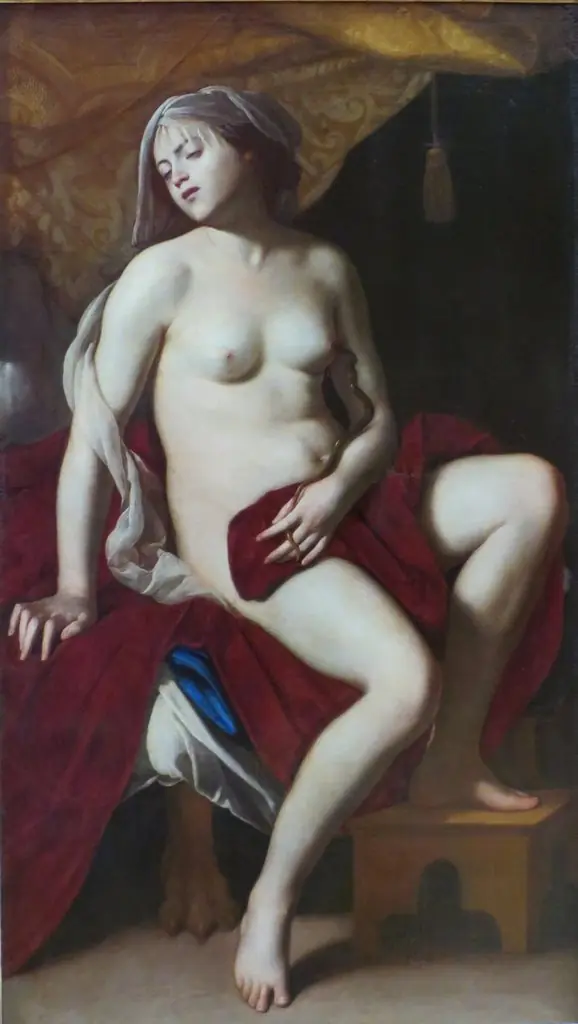 The Death of Cleopatra
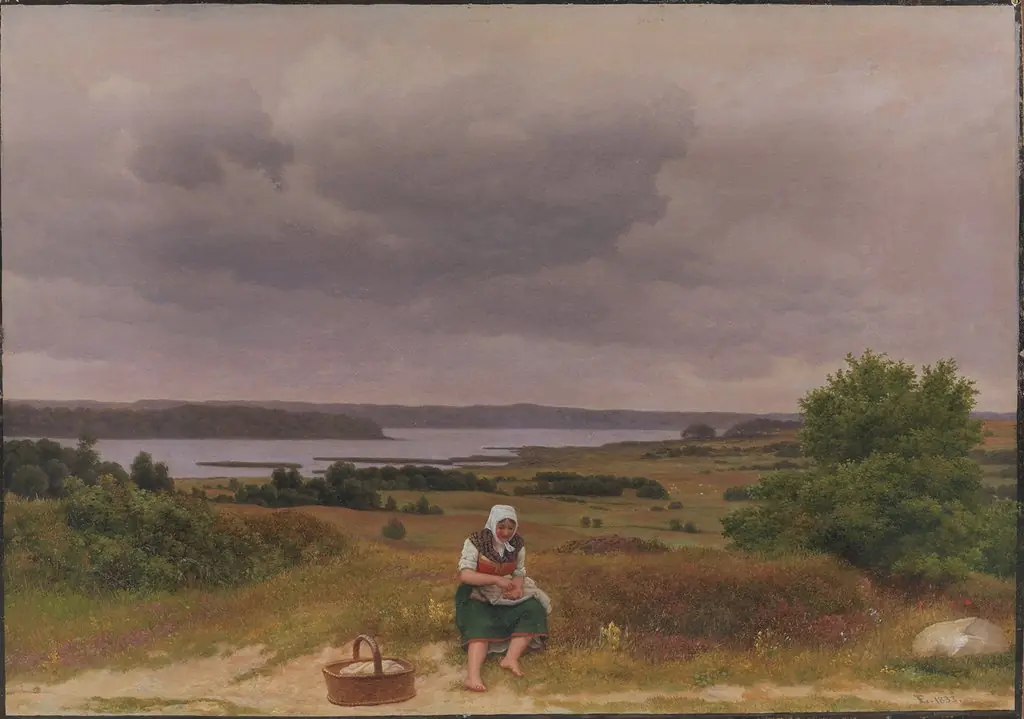 View of Lake Fure near Rudersdal, North Sealand.
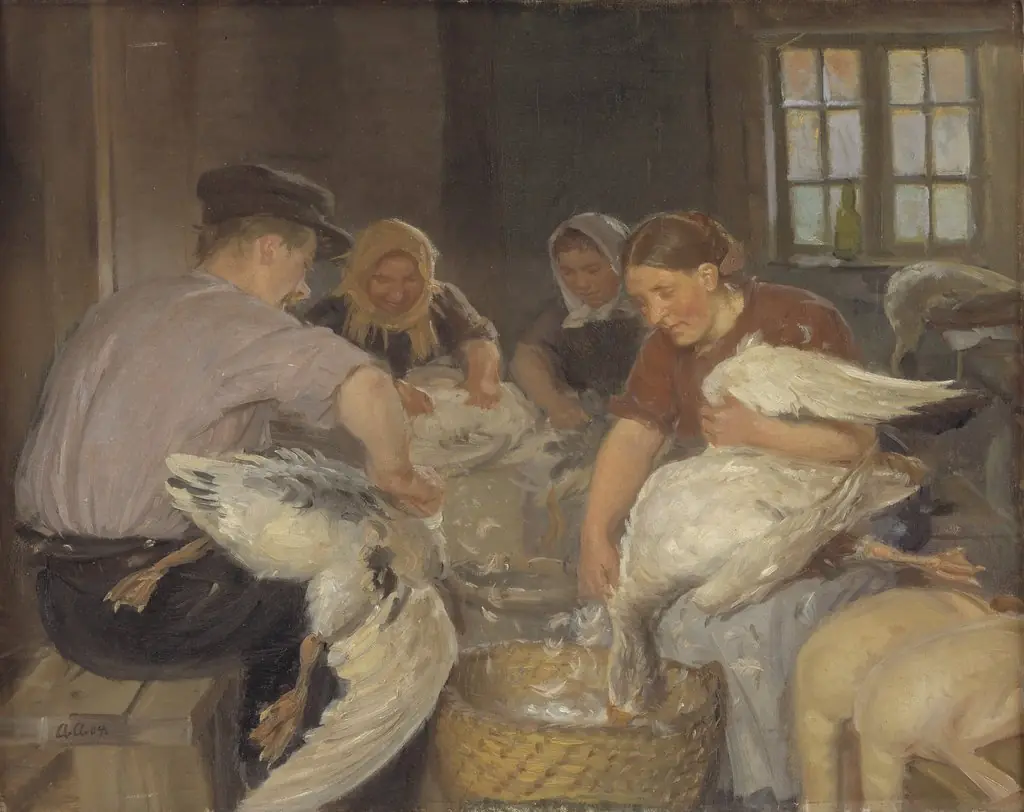 Plucking the Geese
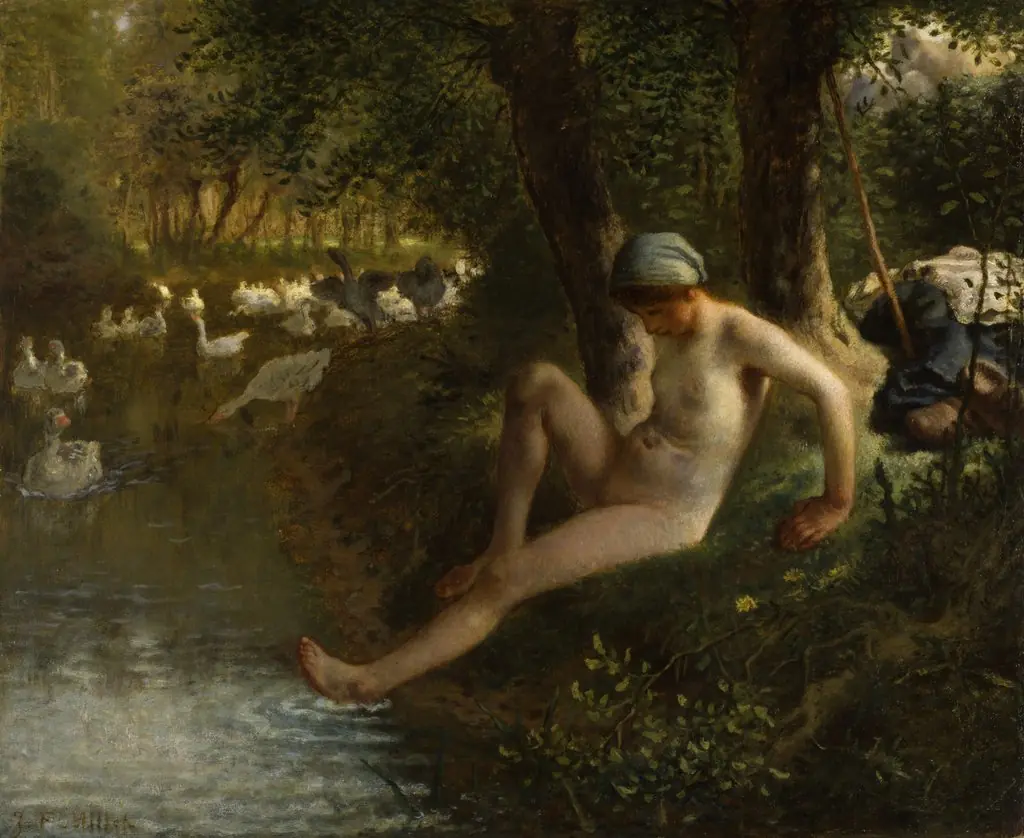 The Goose Girl
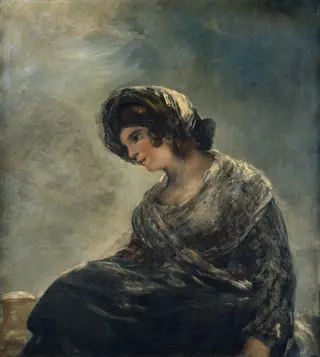 The Milkmaid of Bordeaux
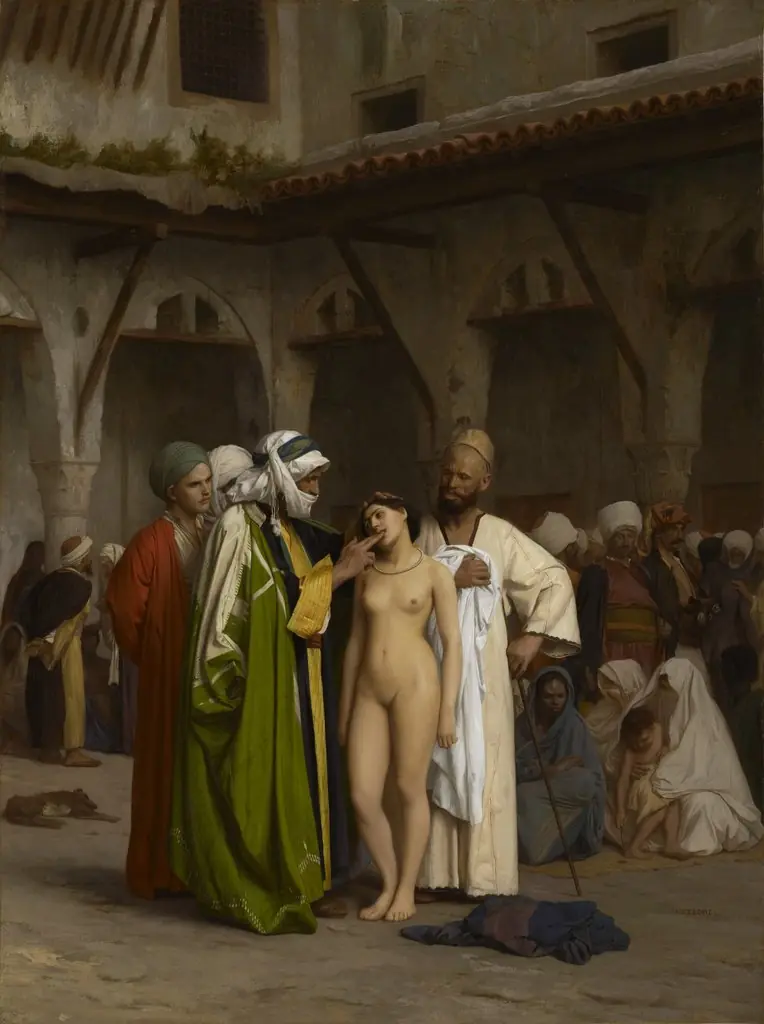 The Slave Market
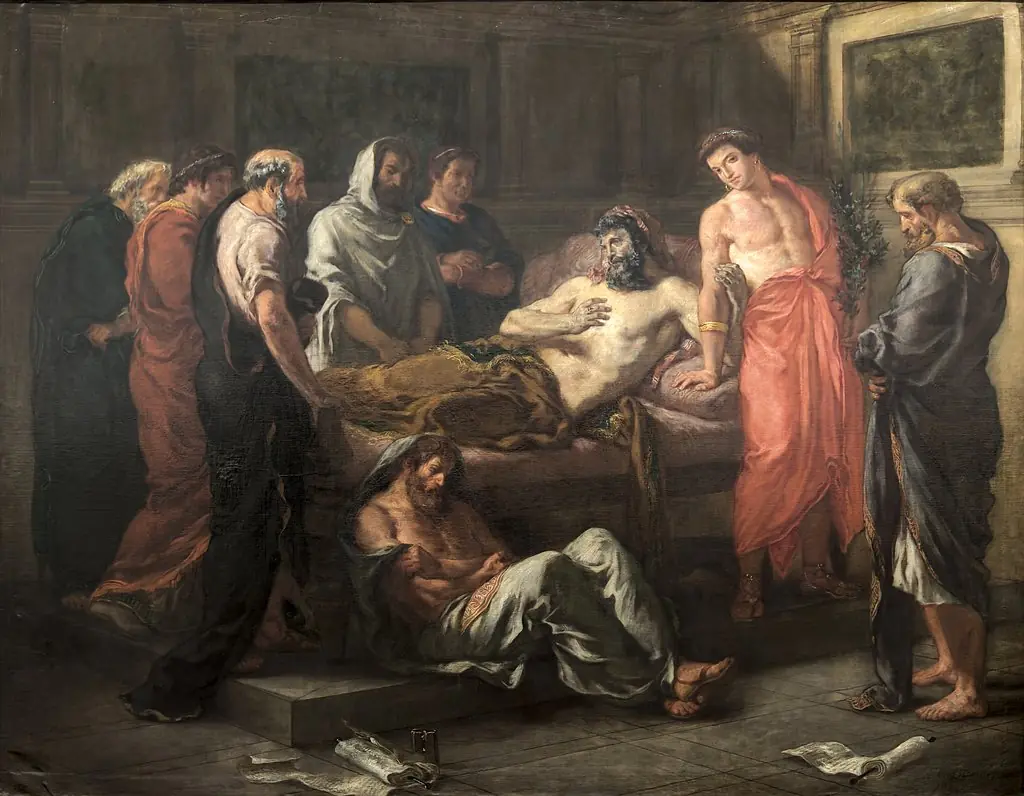 Last Words of the Emperor Marcus Aurelius
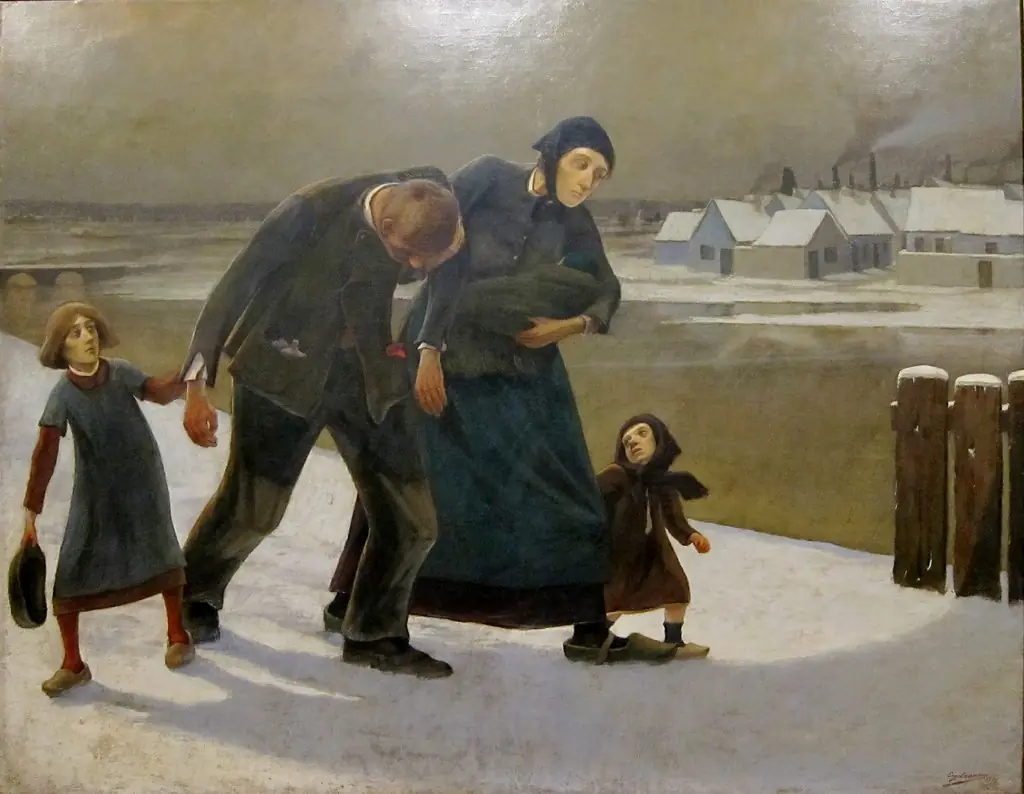 The Drunkard
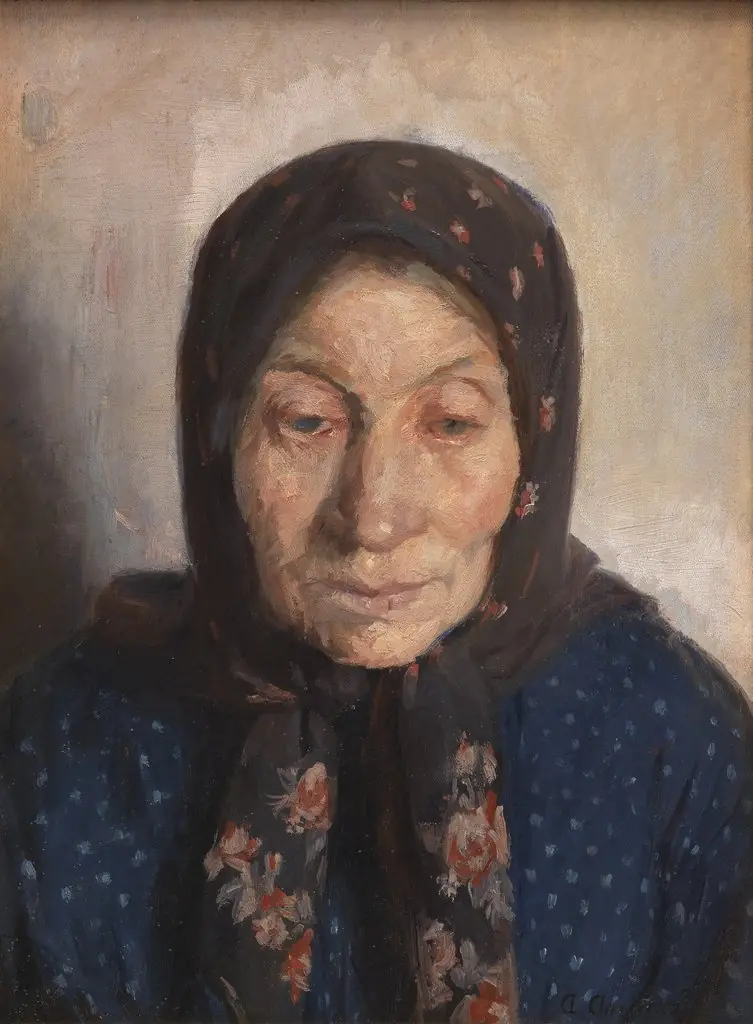 An Old Fisherman's Wife
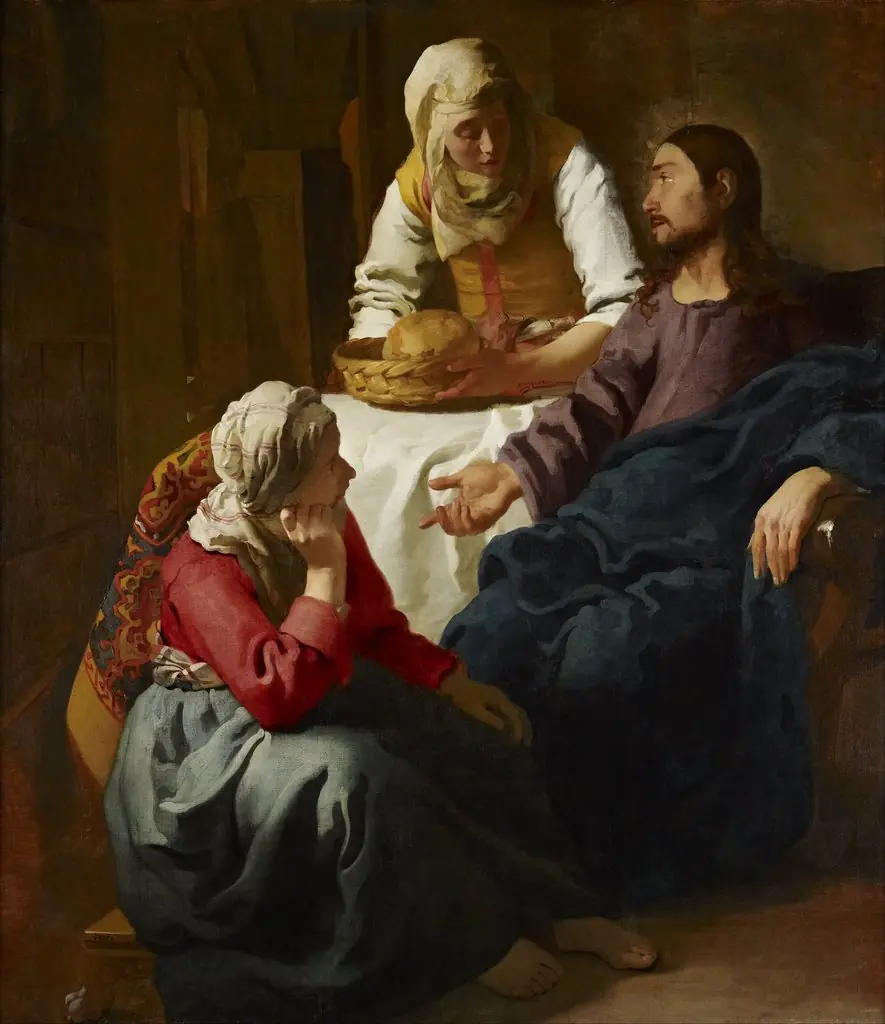 Christ in the House of Martha and Mary
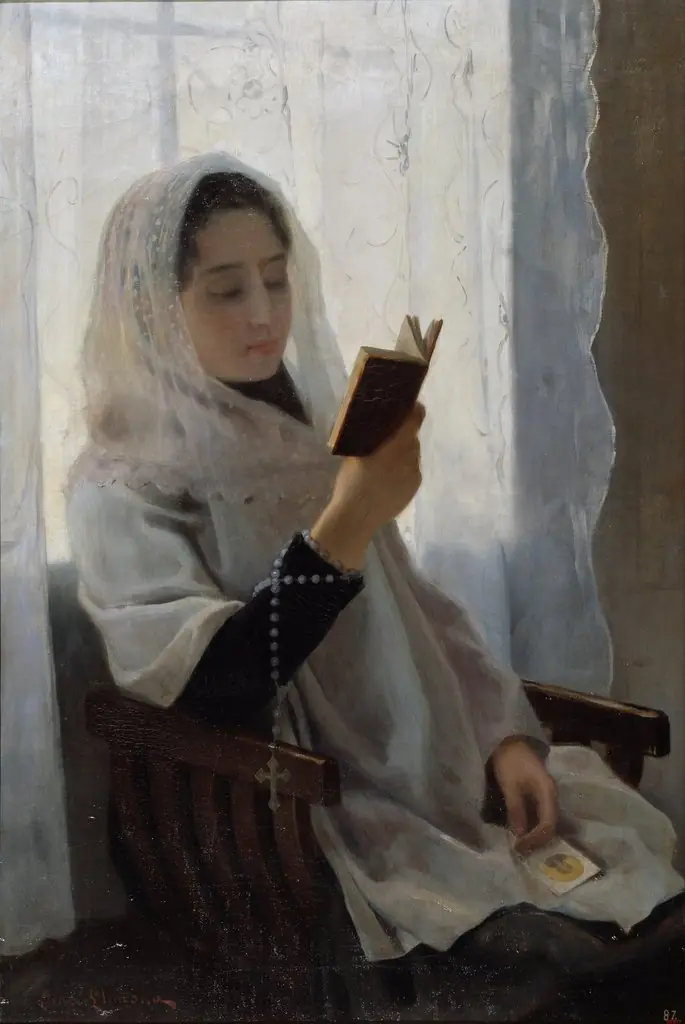 Reading
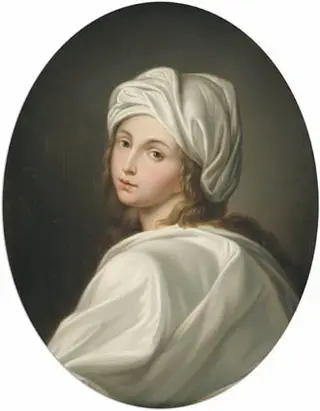 Portrait of Beatrice Cenci
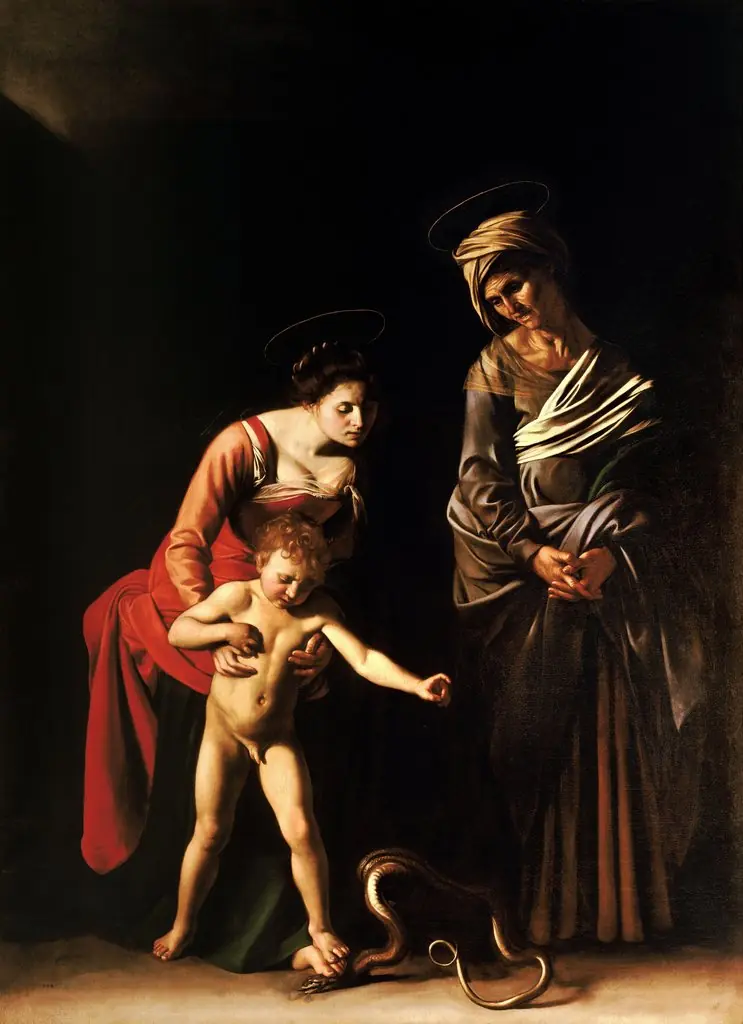 Madonna and Child with Saint Anne
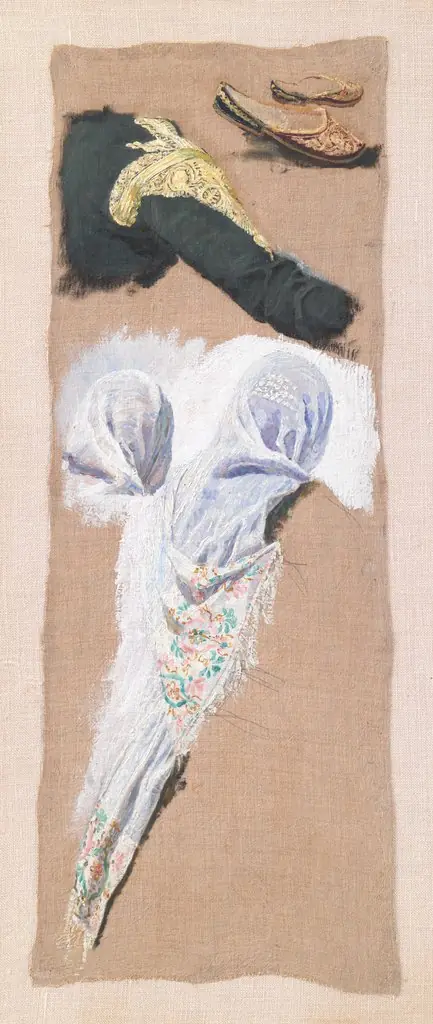 Dragtstudier. Megara
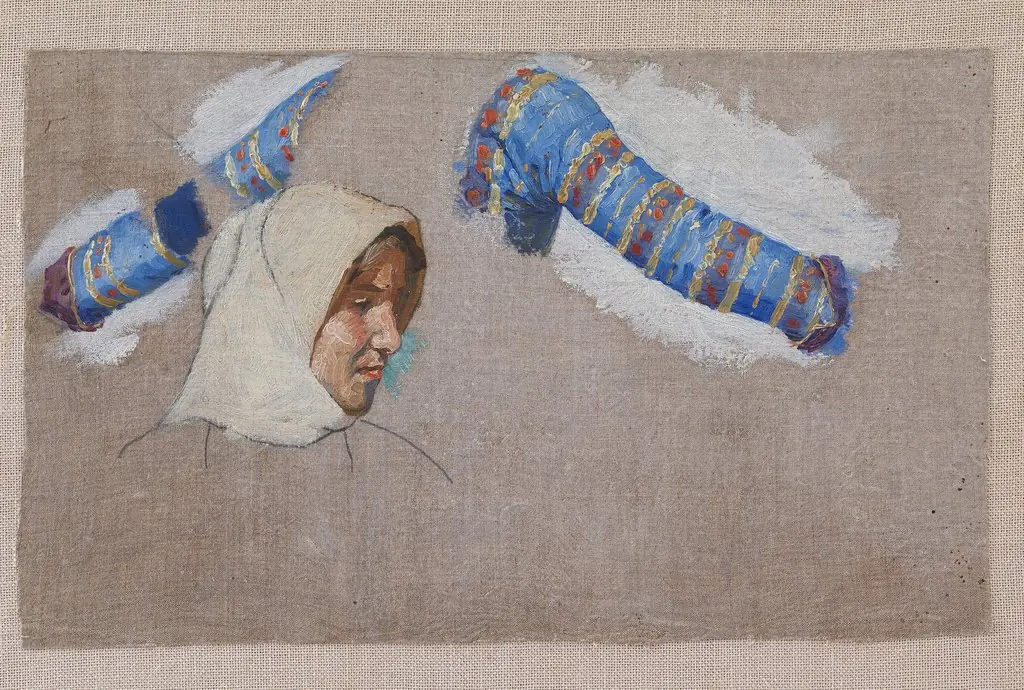 Dragtstudier og studie af et kvindehovede. Megara
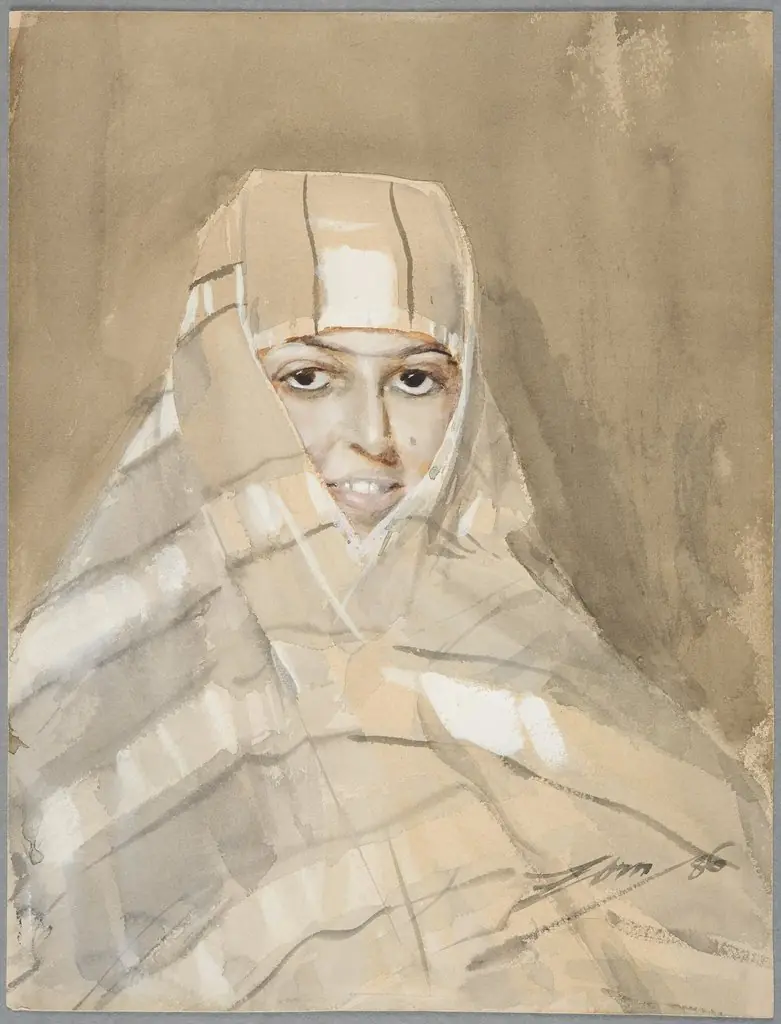 Bedouin Girl
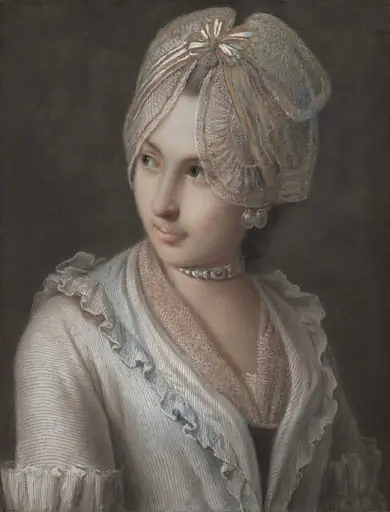 An Elegant Young Lady with a Lace Cap
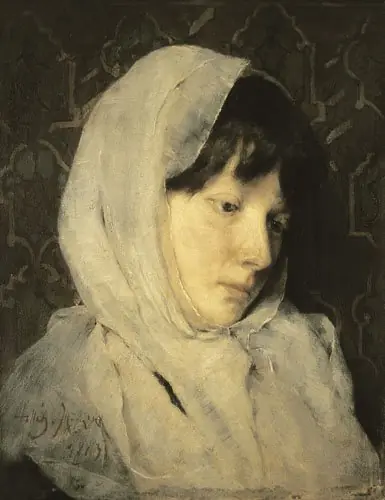 Head of a Girl in Kerchief
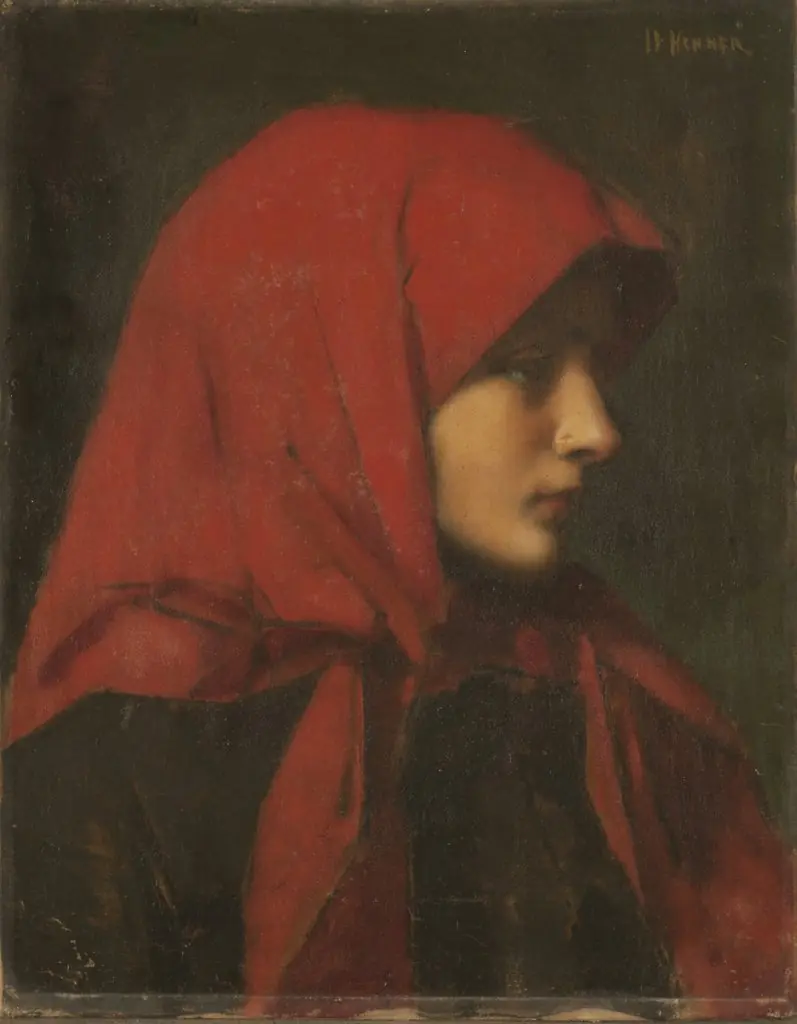 Paisana
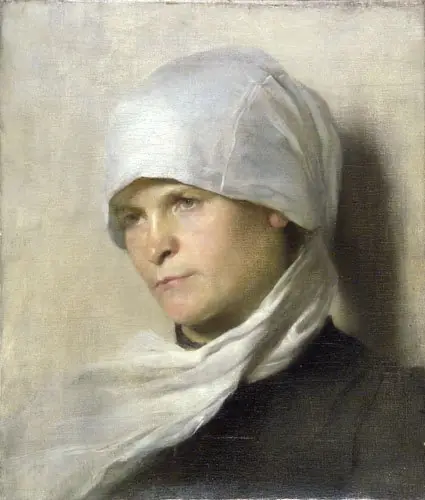 Head of a Woman with Kerchief
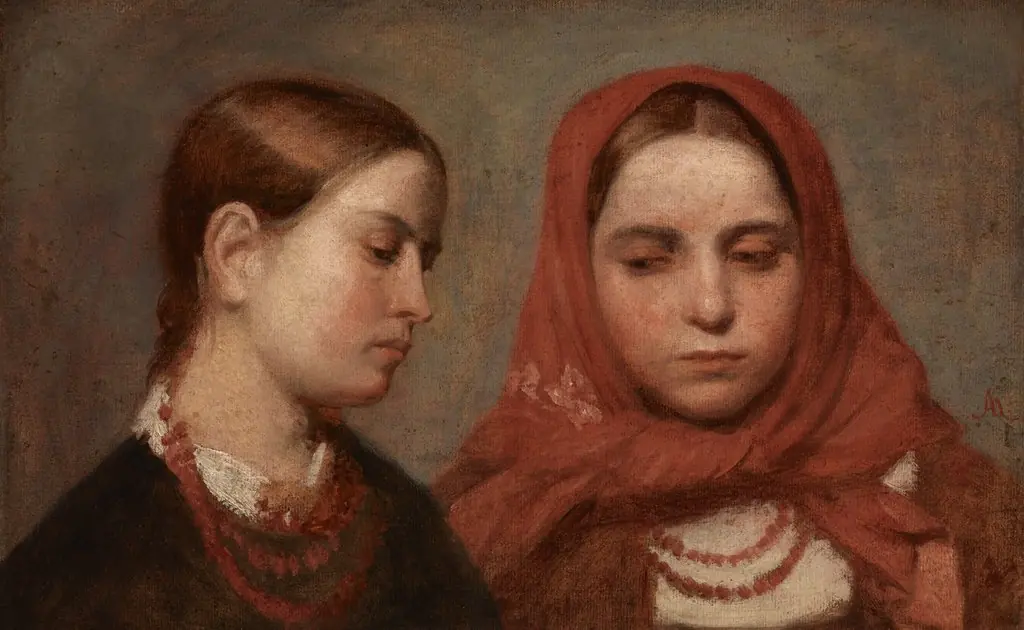 Heads of Two Young Girls
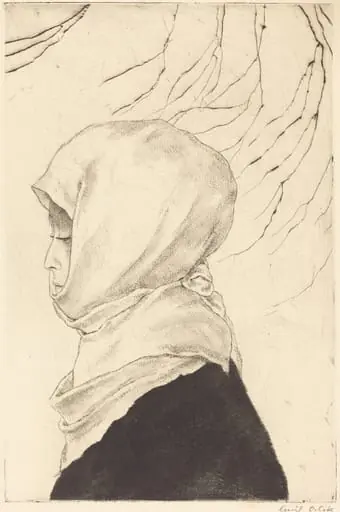 Japanerin im Winterkleid (Japanese Woman in Winter Dress)
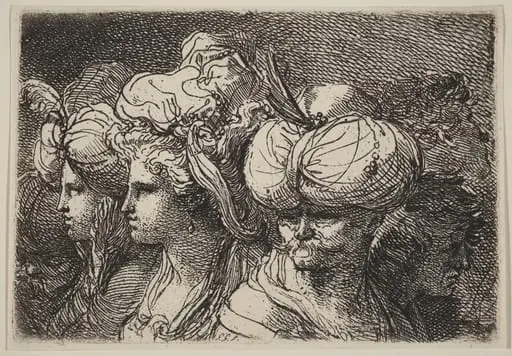 Six Heads, a Turk in Front
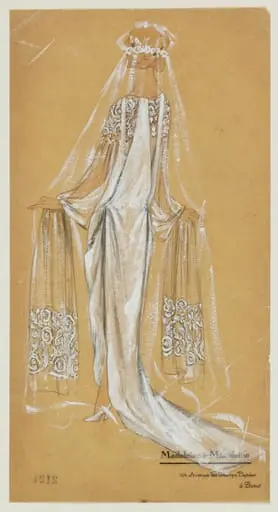 Figure vue de dos en robe de mariée et voile brodés, Madeleine & Madeleine, vers 1924
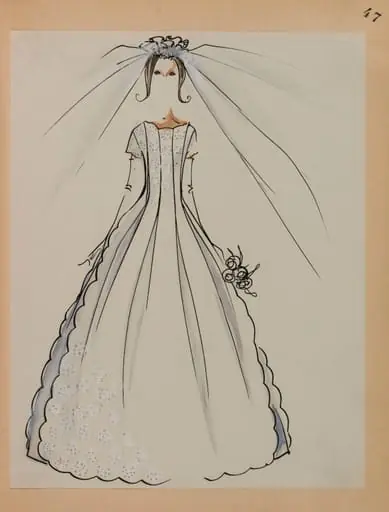 Robe de mariée festonnée et son voile
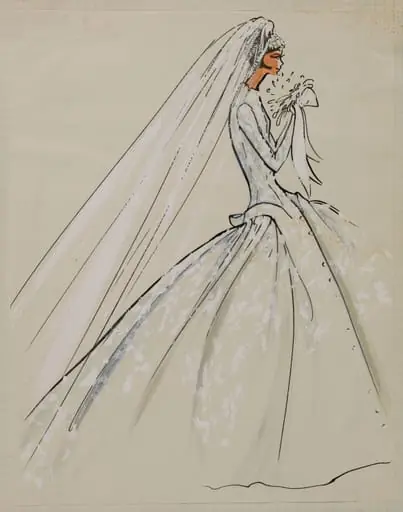 Robe de mariée à longue jupe évasée à fin boutonnage sur le devant et long voile
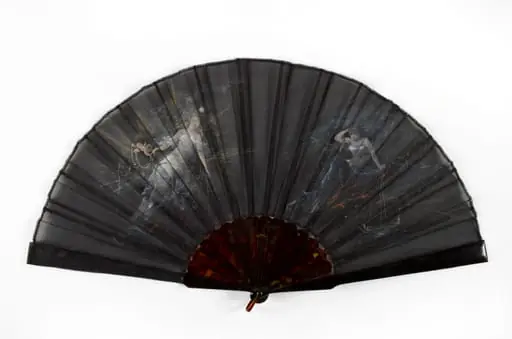 Eventail plié
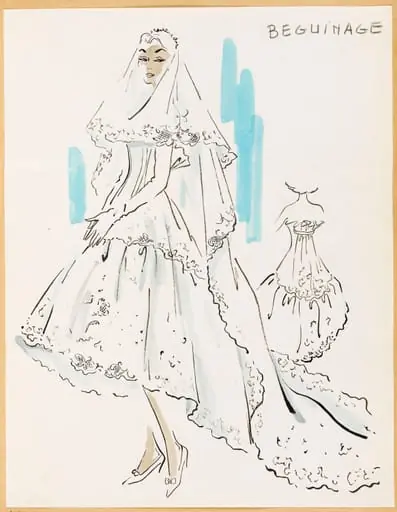 Béguinage
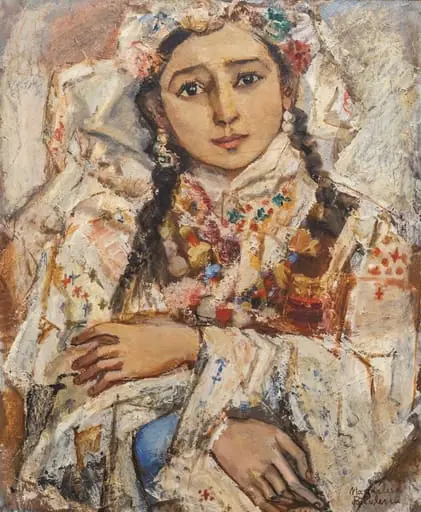 Orientală
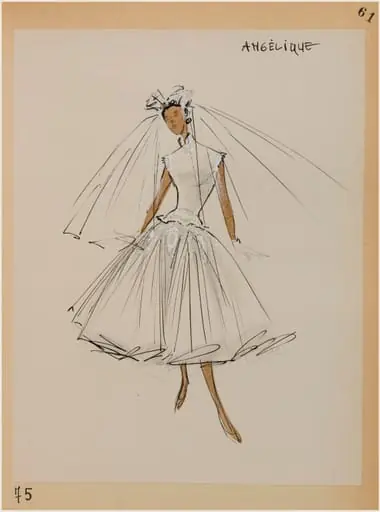 Angélique
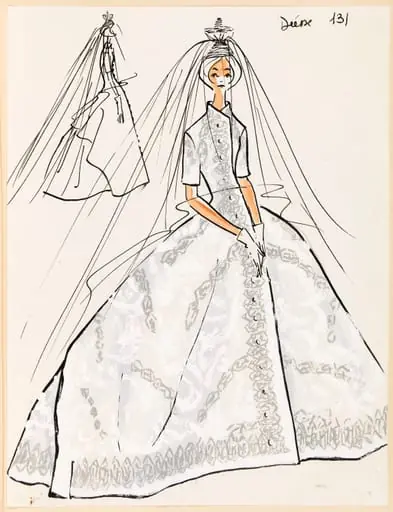 Déesse
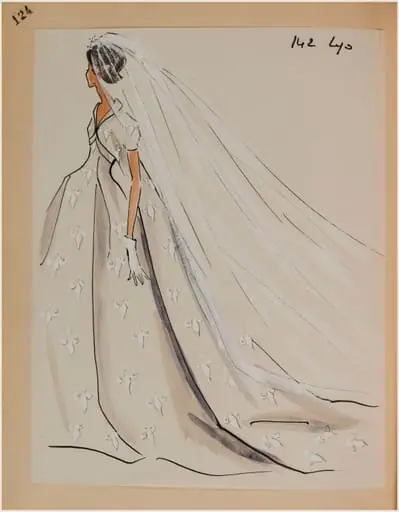 Lys
Lys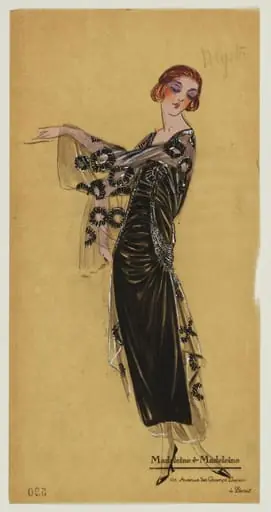 Mystere
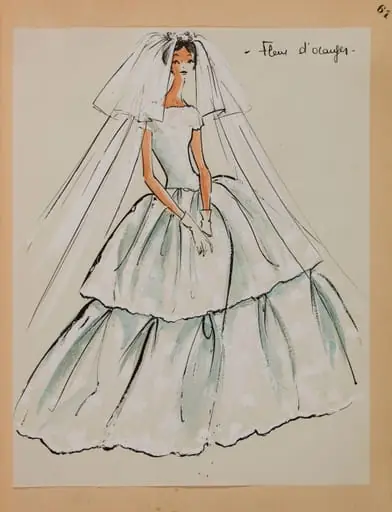 Fleur d'oranger
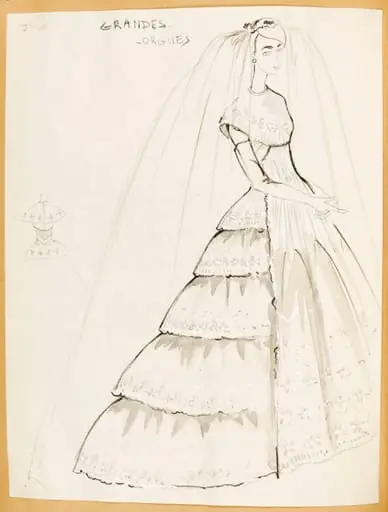 Grandes orgues
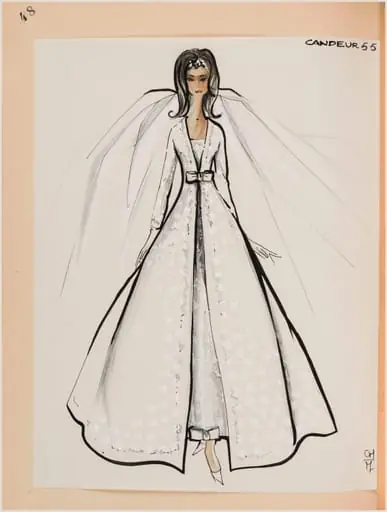 Candeur
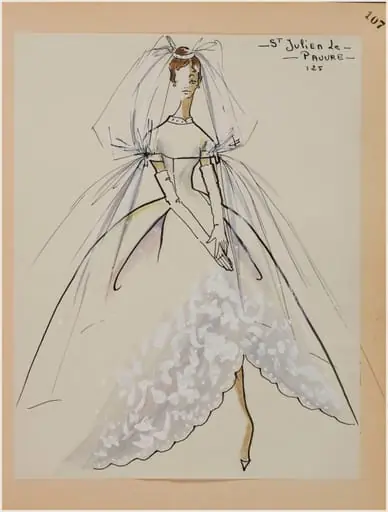 St Julien le Pauvre
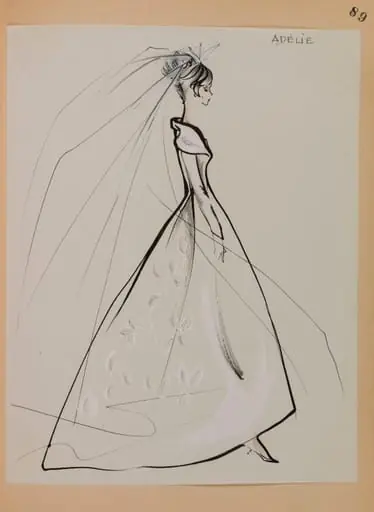 Adélie
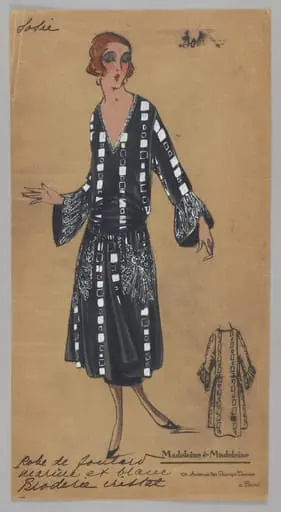 Sosie
Sosie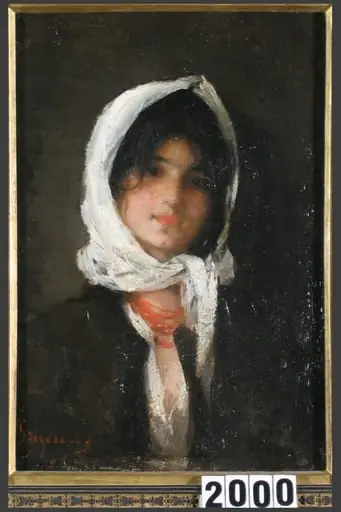 Cap de țigancă
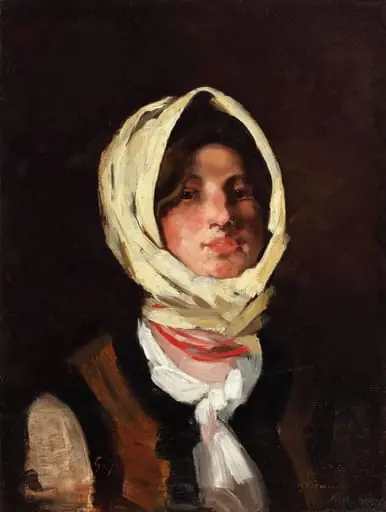 Țărăncuță din Rucăr
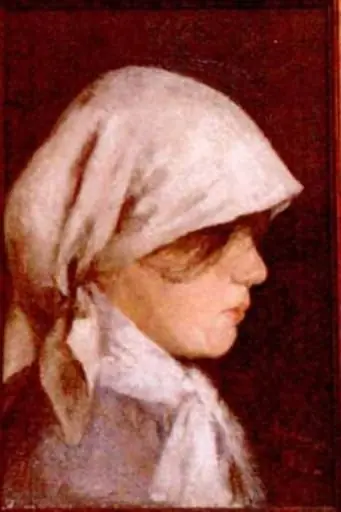 Profil de fată
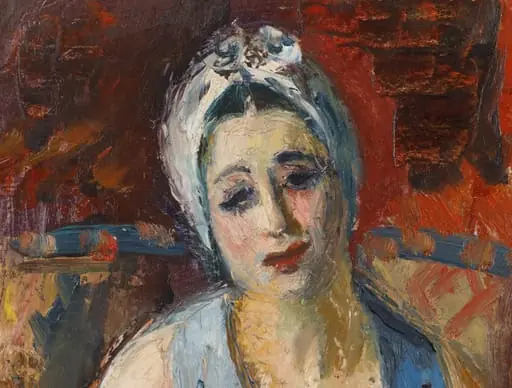 Turcoaică cântând la cobză
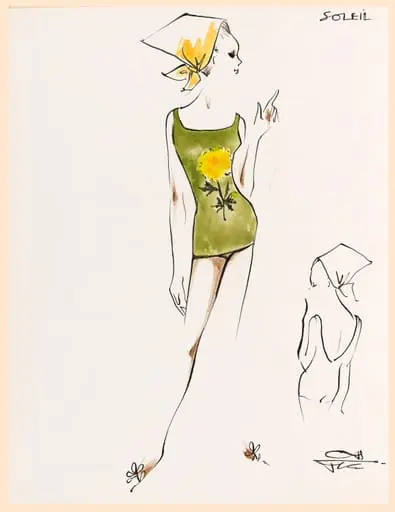 Soleil
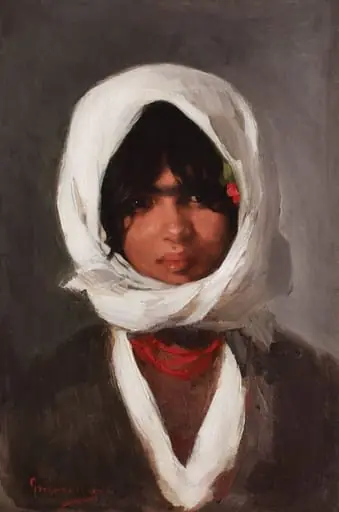 Țărăncuță cu basma albă (Cap de țigancă)
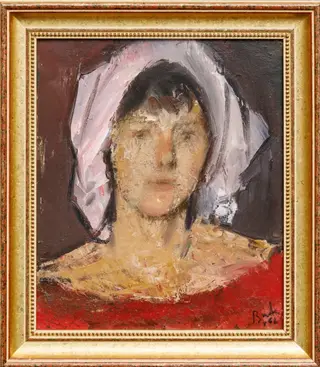 Cap de fată cu basma roz
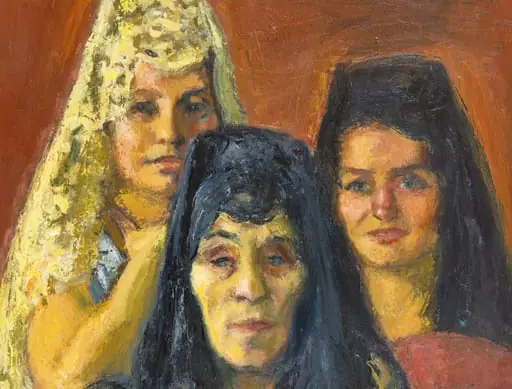 Spaniole
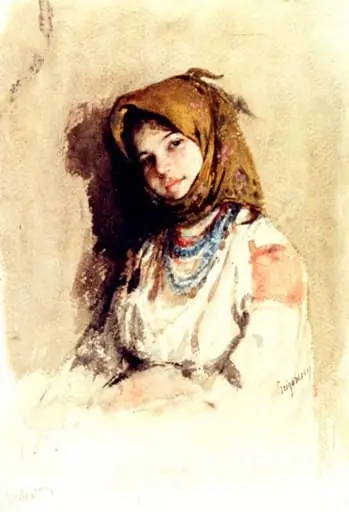 Portret de țărăncuță
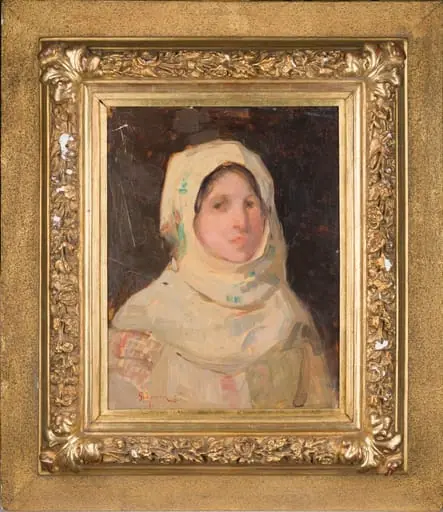 Portret de țărancă
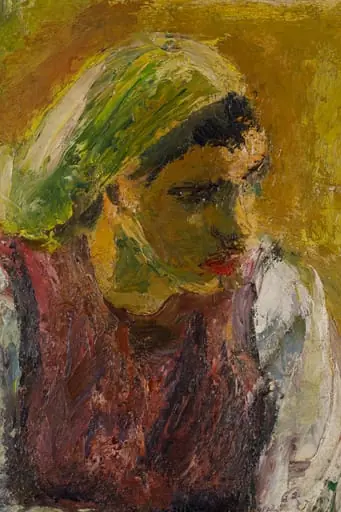 Turcoaică așezată
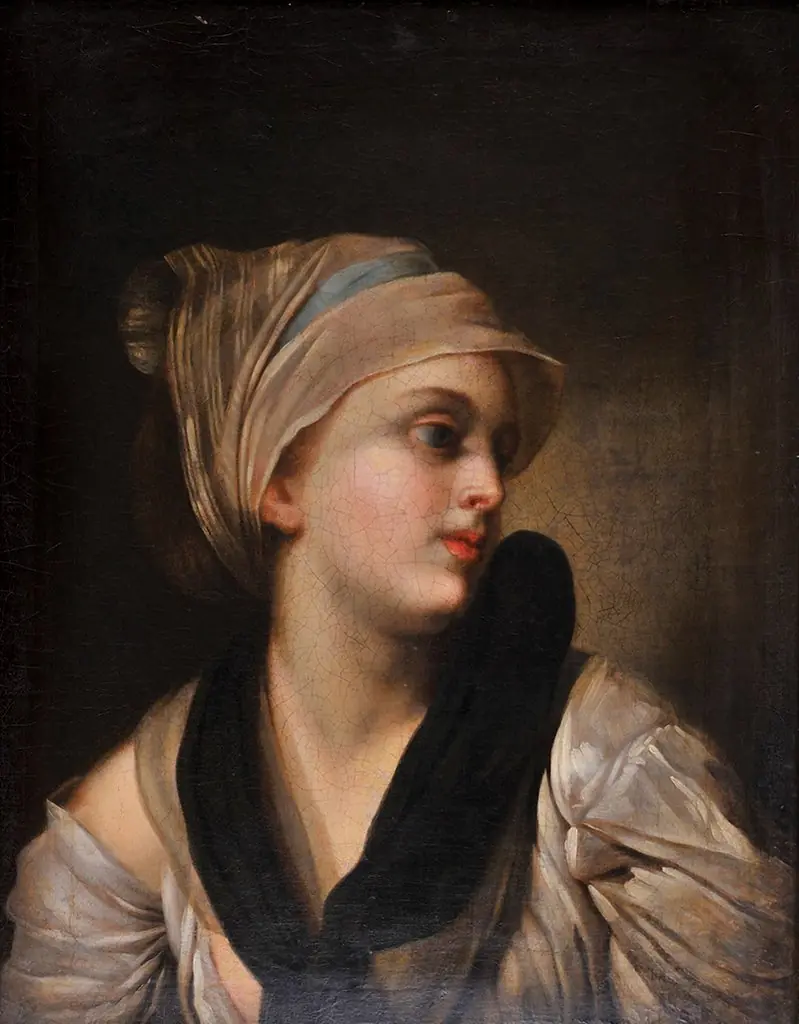 Portrait of a young woman
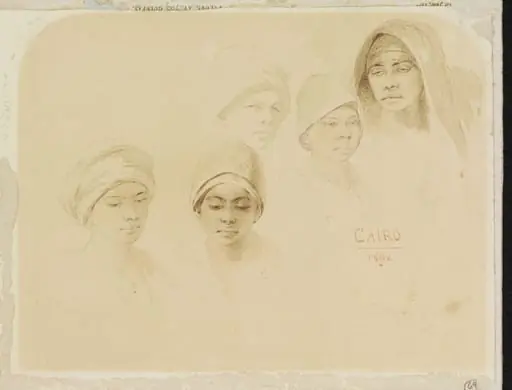 Heads of Egyptian Children, Cairo
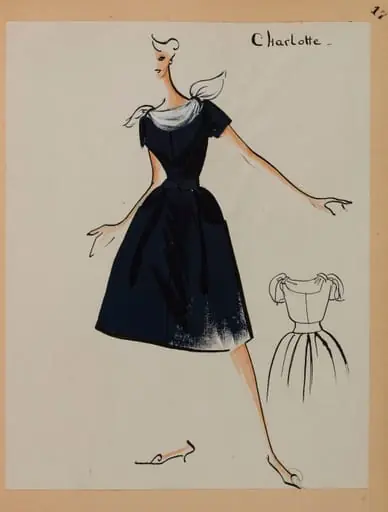 Charlotte
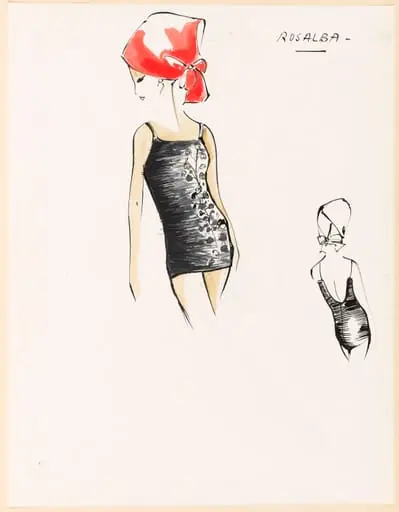 Rosalba
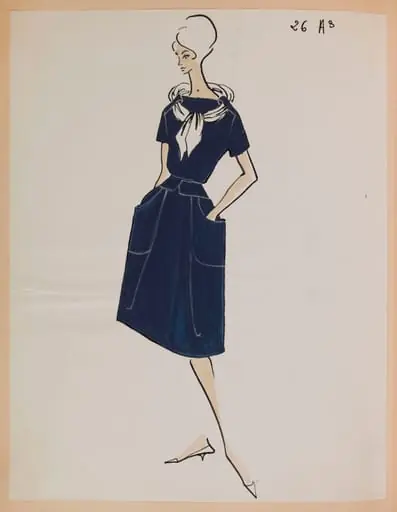 Robe bleu marine avec foulard tenu dans des passants
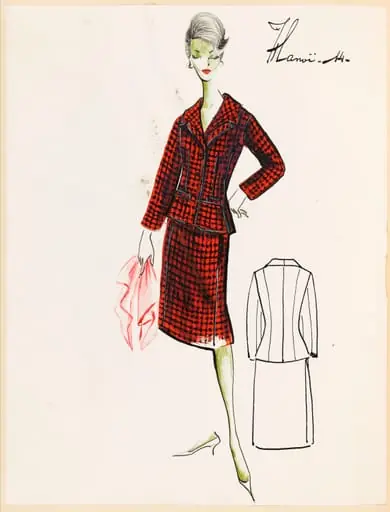 Hanoï
Hanoï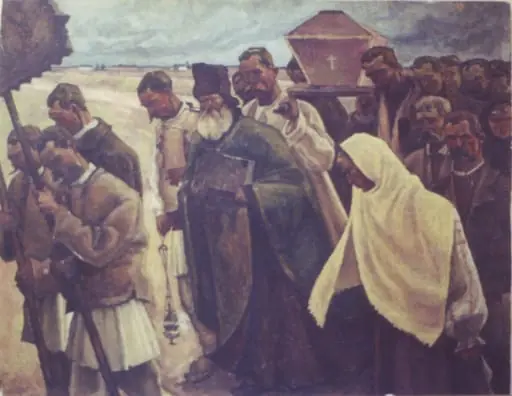 Inmormantare la tara
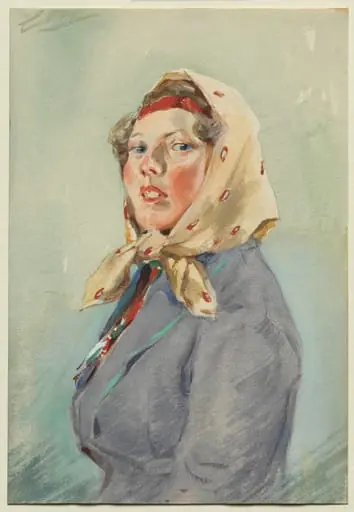 Skerikulla
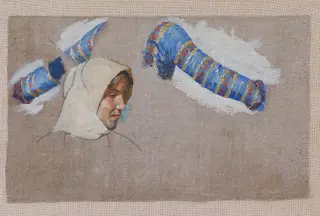 Dragtstudier og studie af et kvindehovede. Megara
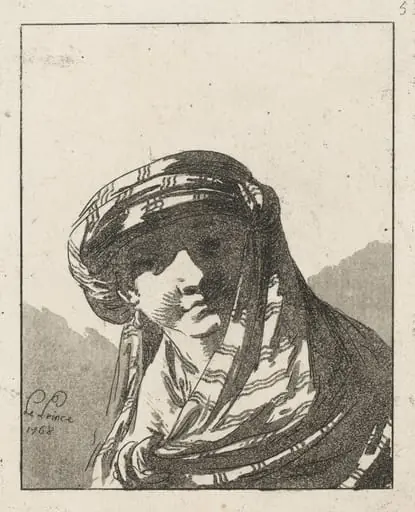 Head of a Young Woman
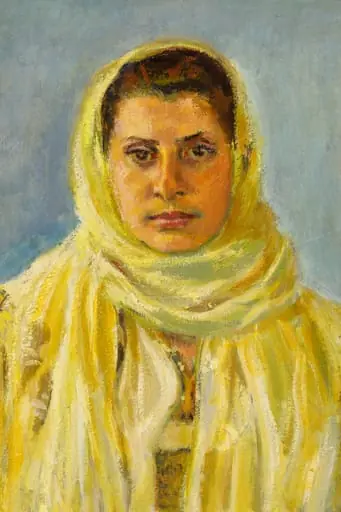 Țărancă (Dna Gavrilescu)
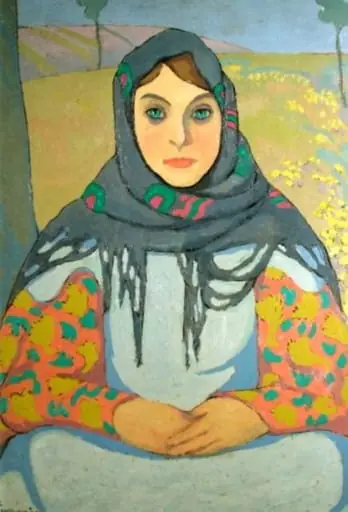 Portret de lipoveancă
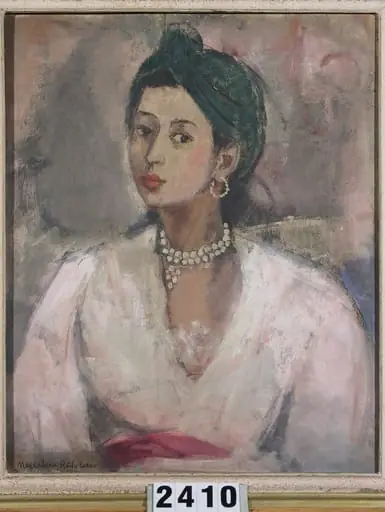 Portret de balerină
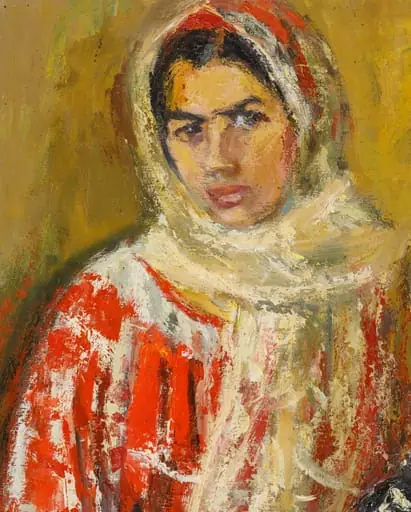 Două țărănci (Brabescu și Hilda)
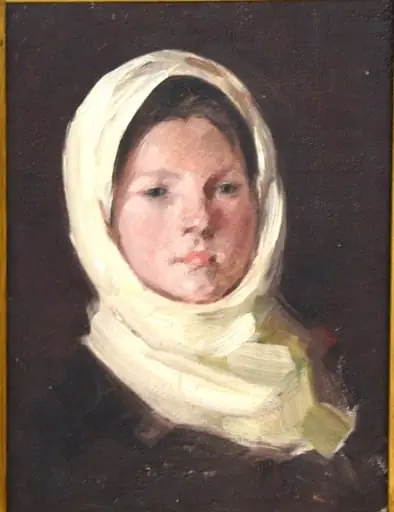 Cap de țărăncuță
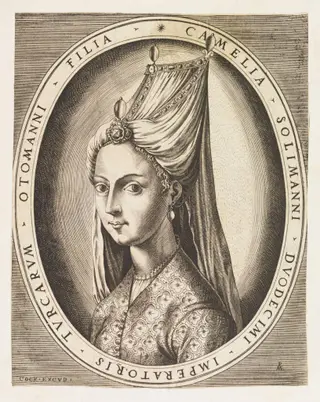 Turkish sultans, sultanas and other historical figures
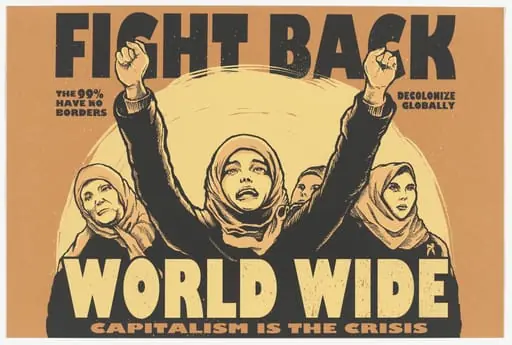 Untitled
Headscarf is a subject in art. A headscarf is a scarf covering most or all of the top of a person's, usually women's, hair and head, leaving the face uncovered.
Artifact World Gallery holds 71 public-domain Headscarf works, all free to view and download.
Key Headscarf artists in the collection include Édouard Manet, Jean Léon Gérôme and Johannes Vermeer.
Headscarf works in the collection are held by Palais Galliera - Musée de la Mode de la Ville de Paris, National Museum of Art of Romania and Statens Museum for Kunst.
Your cart is empty
Browse artworks →