Artwork
Zenobia
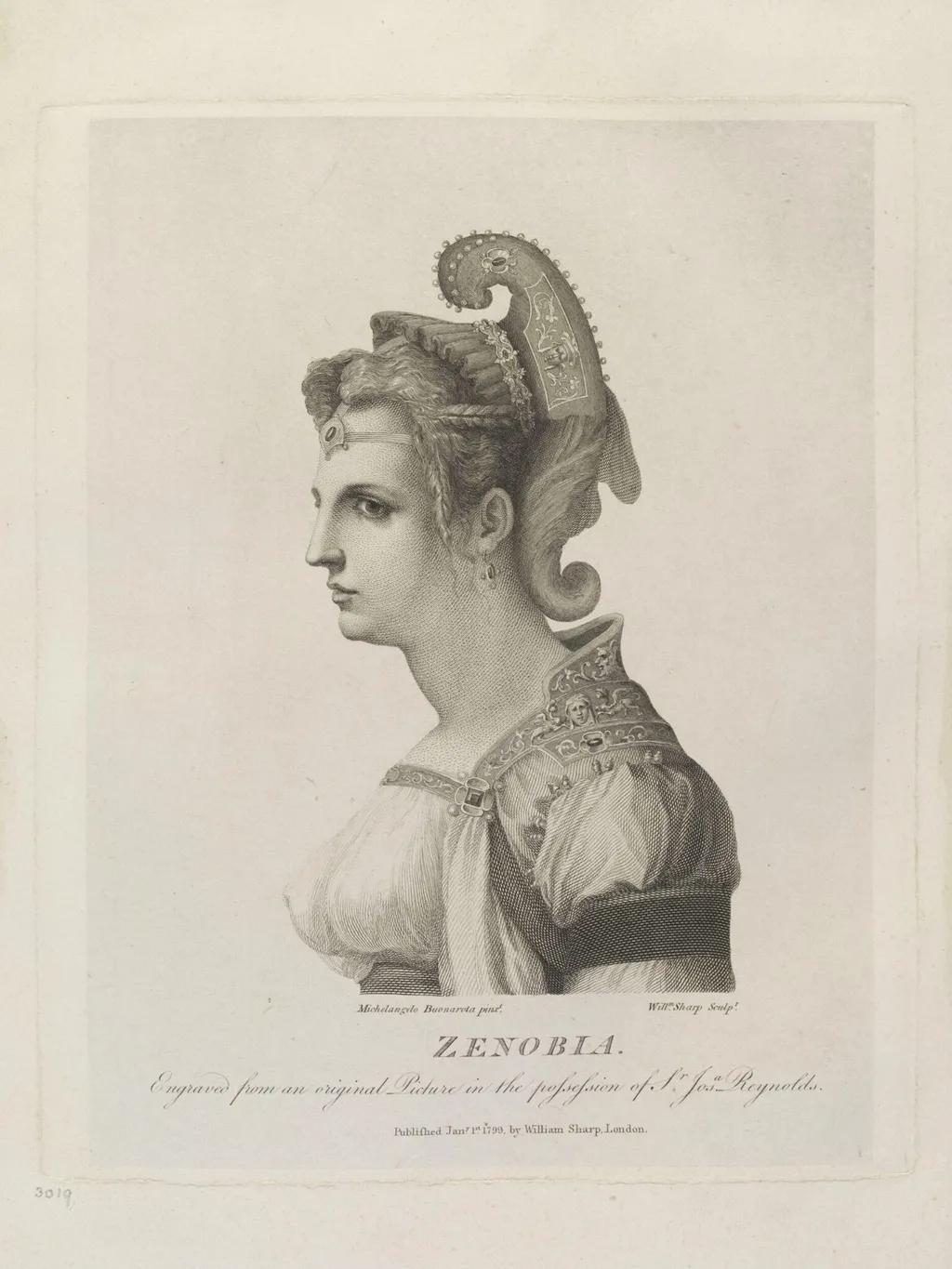
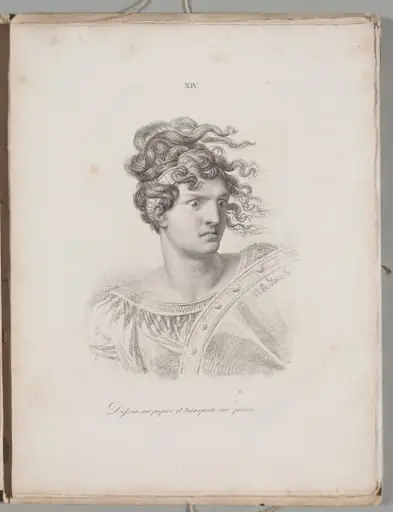
Zenobia is a print by the Romanticist artist William Sharp. It dates from 1799 and is held in the collection of the Victoria and Albert Museum.
About this work
Overview
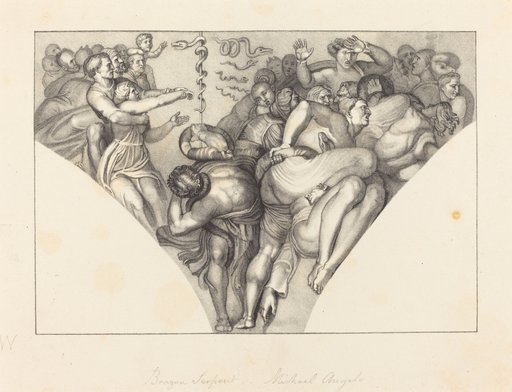
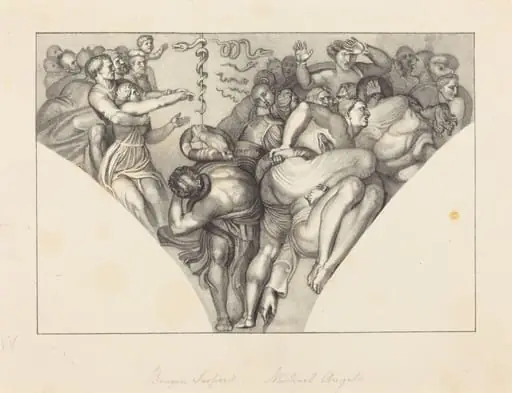
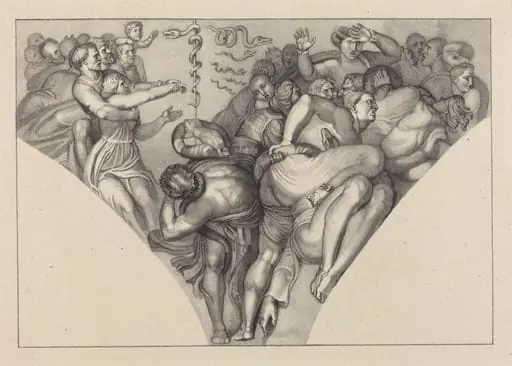
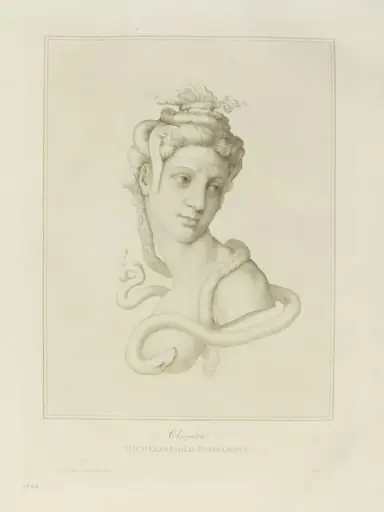
William Sharp’s 1799 print titled Zenobia is a second‑state impression taken from a plate originally used for a work by Michelangelo. The image presents a solitary female figure, rendered in a restrained palette that emphasizes her dignified bearing.
Subject & Meaning
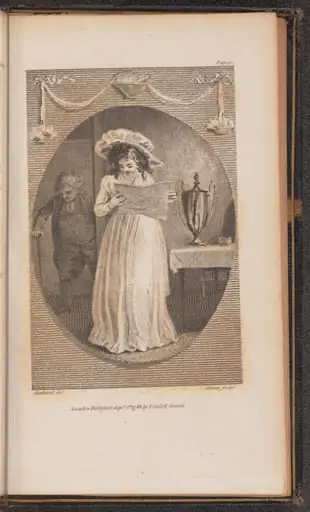
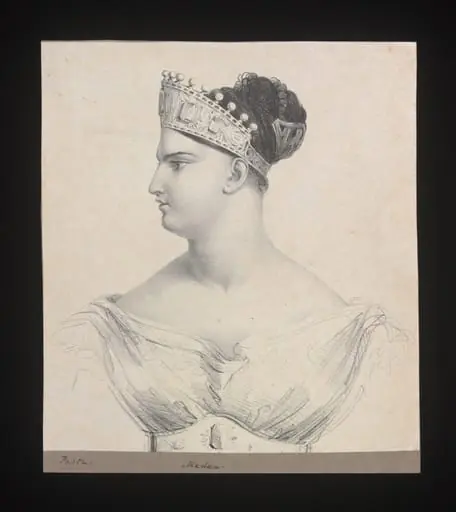
The portrait depicts a woman turned slightly left, her hair gathered and adorned with a headpiece that extends into a curved tail. She wears a white dress trimmed with a dark belt and a decorative collar, her expression serious and her gaze directed forward, suggesting composure and poise.
Technique & Style
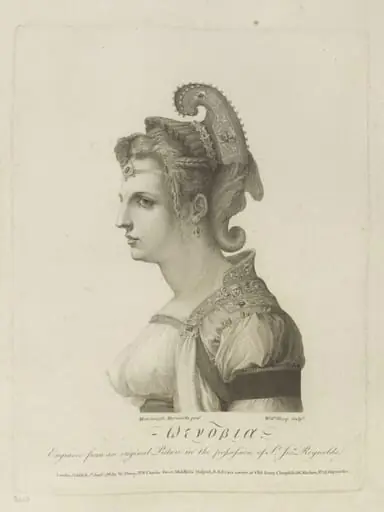
Sharp employed traditional intaglio printing methods, reworking the plate to replace the original title and date with Greek characters spelling “Zenobia.” The alteration of the plate’s inscription reflects a common practice of reusing copper plates, while the light background enhances the figure’s prominence through contrast.
History & Provenance
The print emerged as a second‑state impression, meaning it was produced after the plate had been modified from its earlier Michelangelo‑related use. The change of title and date indicates a deliberate re‑attribution to the historical queen Zenobia, aligning the image with contemporary tastes for classical subjects.
Context
Created at the close of the eighteenth century, the work aligns with the period’s fascination with antiquity and the romanticized portrayal of historic heroines. The use of Greek lettering and the classical costume echo the neoclassical revival that was prevalent in European art circles of the time.
Own this work as a print
Artist & collection