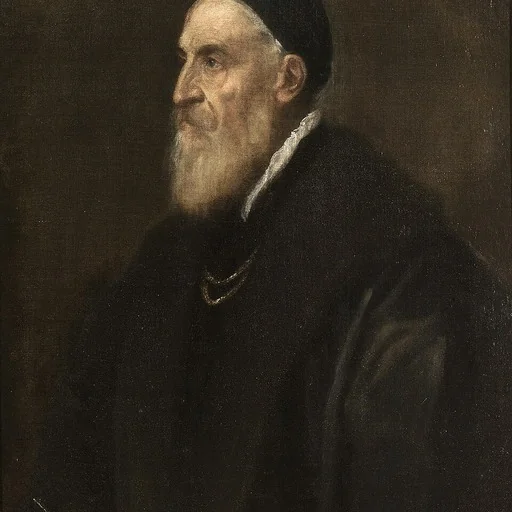
Subject
Helmet
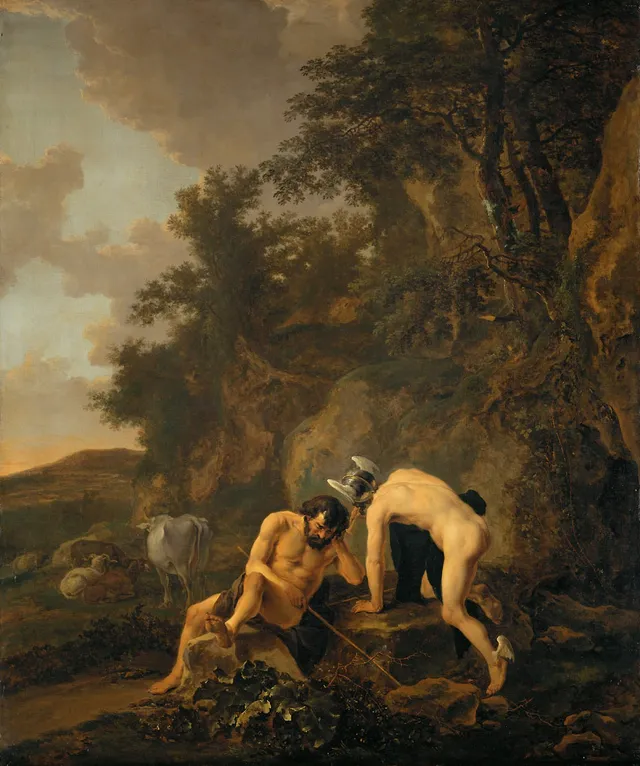
Helmet is a subject in art. The gallery holds 40 works in this subject in art, including works by Titian, Rembrandt van Rijn and Anthony van Dyck.
A helmet is a form of protective gear worn to protect the head. More specifically, a helmet complements the skull in protecting the human brain.
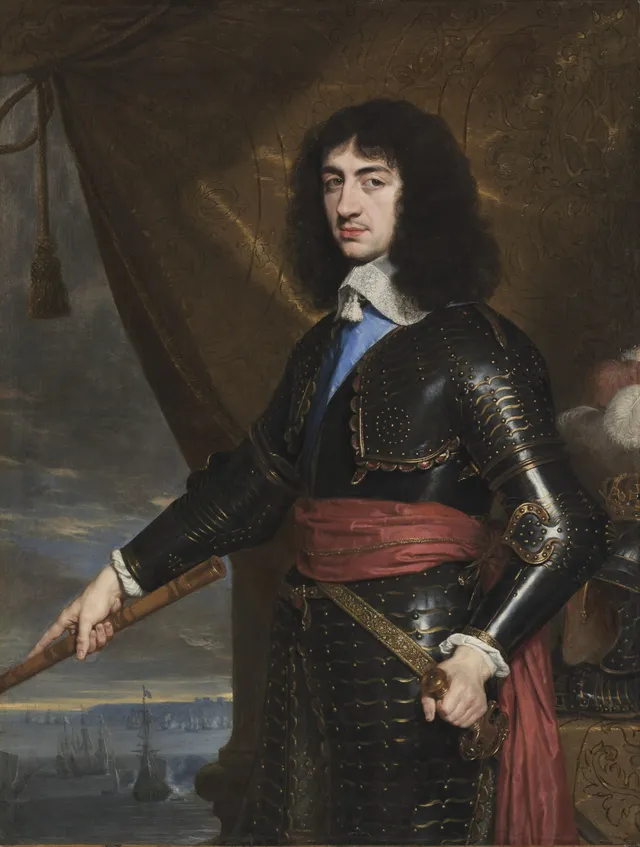
Key artists

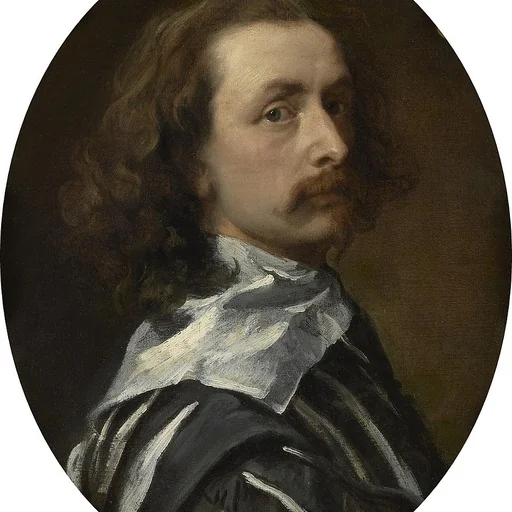
Overview
A helmet is a form of protective headwear designed to shield the human skull and brain from mechanical impact. In art, the helmet recurs as a multivalent motif: it signals military identity, social rank, divine or heroic status, and ceremonial function. Its appearance across paintings, sculptures, and decorative objects reflects both the practical evolution of armor and the symbolic weight accorded to head protection in societies from antiquity to the early modern period. The motif appears in at least sixty-four works in the collection under discussion, ranging from royal portraiture and mythological scenes to historical narratives and allegorical compositions.
Iconography & meaning
The helmet carries layered meanings in visual culture. In heraldry, it became a formal device for denoting social rank: sovereigns were depicted with gold barred-face helms placed affronté, peers with silver barred-face helms in profile, knights and baronets with steel helms with open visor, and esquires with steel helms in profile with closed visor, conventions that crystallized between 1587 and the Stuart period. Earlier heraldic rolls had shown helmets faithful to contemporary military or tournament styles. Beyond heraldry, the helmet distinguishes warriors, rulers, and deities. In mythological contexts, it marks figures such as Minerva, whose helmet signifies wisdom and martial prowess, or Perseus, whose headgear accompanies the triumph over Medusa. In historical and religious scenes, helmets identify Roman soldiers, inquisitorial guards, or classical heroes, often serving to anchor the narrative in a specific time or to elevate the subject through association with antique virtue. The material and form of the depicted helmet, whether Corinthian, Roman galea, or Renaissance burgonet, further refine its iconographic message.
Across movements & periods
The treatment of the helmet in art tracks broader shifts in material culture and representational priorities. In antiquity, Greek artists developed the Corinthian helmet, with its close-fitting bronze form and horsehair crest, alongside the more open Chalcidian and Attic variants that allowed greater visibility; the Boeotian type, emerging in the mid-fourth century BCE, favored an unobstructed field of view suited to cavalry. Roman helmets, known as cassis, initially drew from Etruscan, Celtic, and Greek models before standardizing production in Gaul from the first century BCE, transitioning from bronze to iron and eventually to more elaborate Imperial types. Medieval art retained the helmet as a marker of knightly identity, with the great helm, bascinet, and armet succeeding one another in both warfare and tomb effigy. The Renaissance and Baroque periods saw the helmet flourish in allegorical and historical painting, where artists could display antiquarian knowledge or flatter patrons through classical allusion. By the nineteenth century, the proliferation of pith helmets, pickelhaubes, and later industrial and military designs expanded the motif's reference but diminished its role in fine art, as modern warfare rendered the decorative helmet increasingly anachronistic.
Legacy
The helmet's afterlife in visual culture extends beyond its functional obsolescence on the battlefield. In heraldry, the conventions established around 1587-1615 for depicting helmets of rank remain active in British and European armorial practice, preserving a codified language of social distinction. The modern development of synthetic helmets, from Kevlar-reinforced military designs to specialized sporting and professional headgear, has generated new visual forms but has not significantly penetrated fine art iconography. Where the helmet persists most vigorously in contemporary visual culture is in its symbolic register: as shorthand for martial virtue, protective authority, or historical distance. The collection's sustained engagement with the motif across sixty-four works, from royal allegory to mythological narrative, testifies to its enduring utility as a signifier rather than its disappearance with the decline of armored combat.
Works
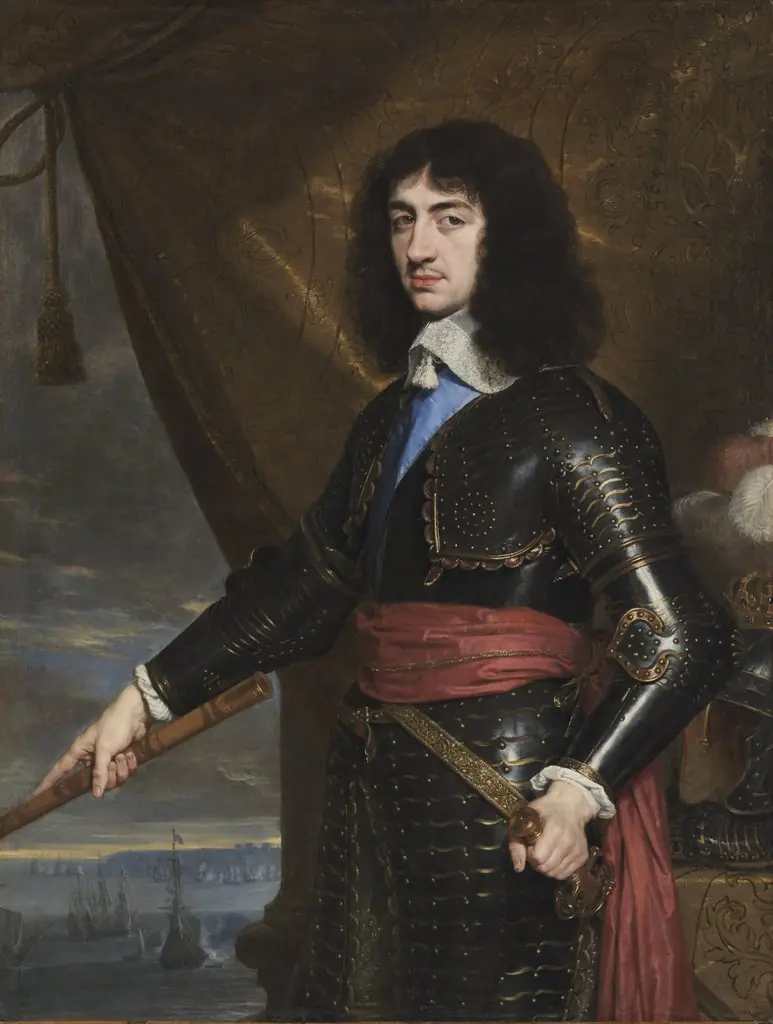 Portrait of King Charles II of England
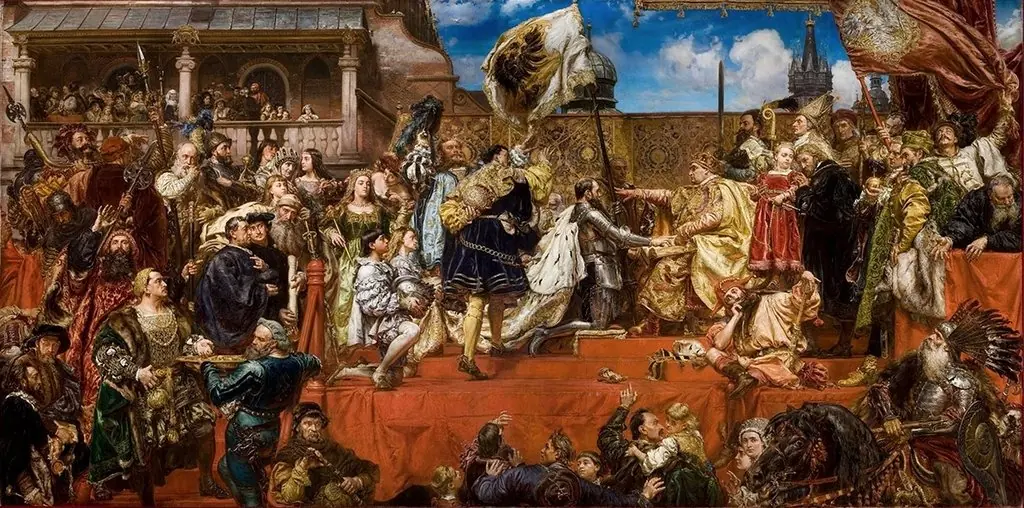 Prussian Homage
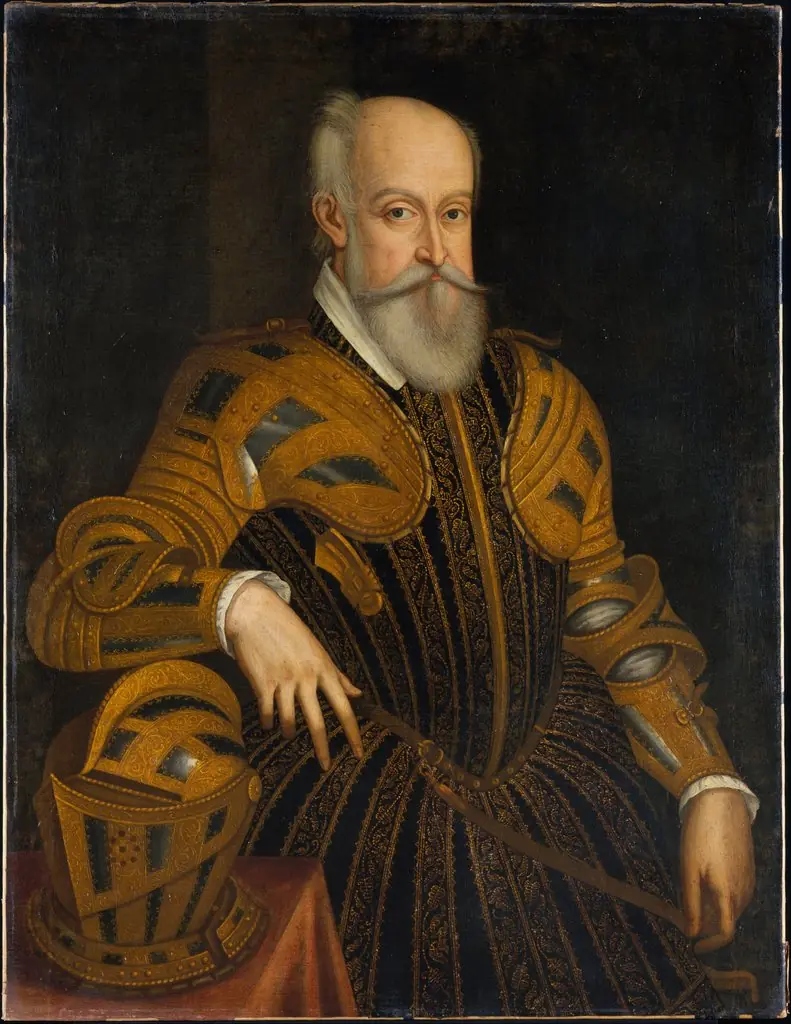 Alfonso II d'Este (1533–1597), Duke of Ferrara
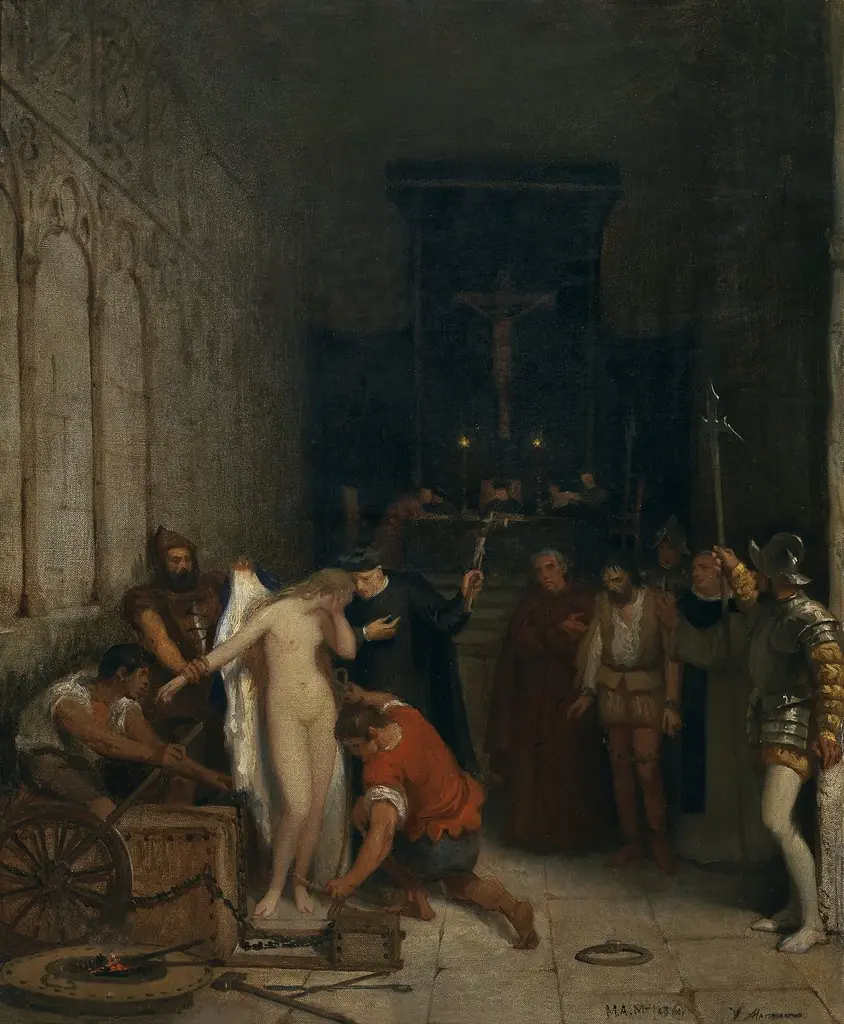 Una escena de la Inquisición
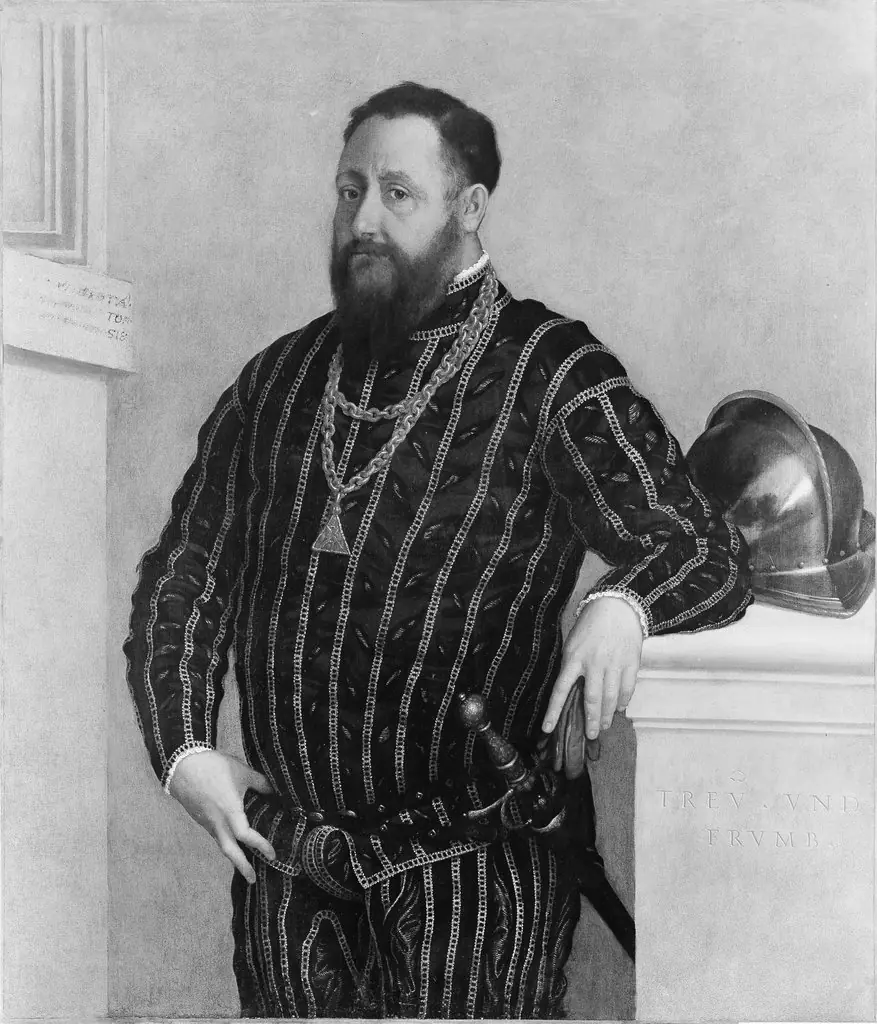 Portrait of a Man
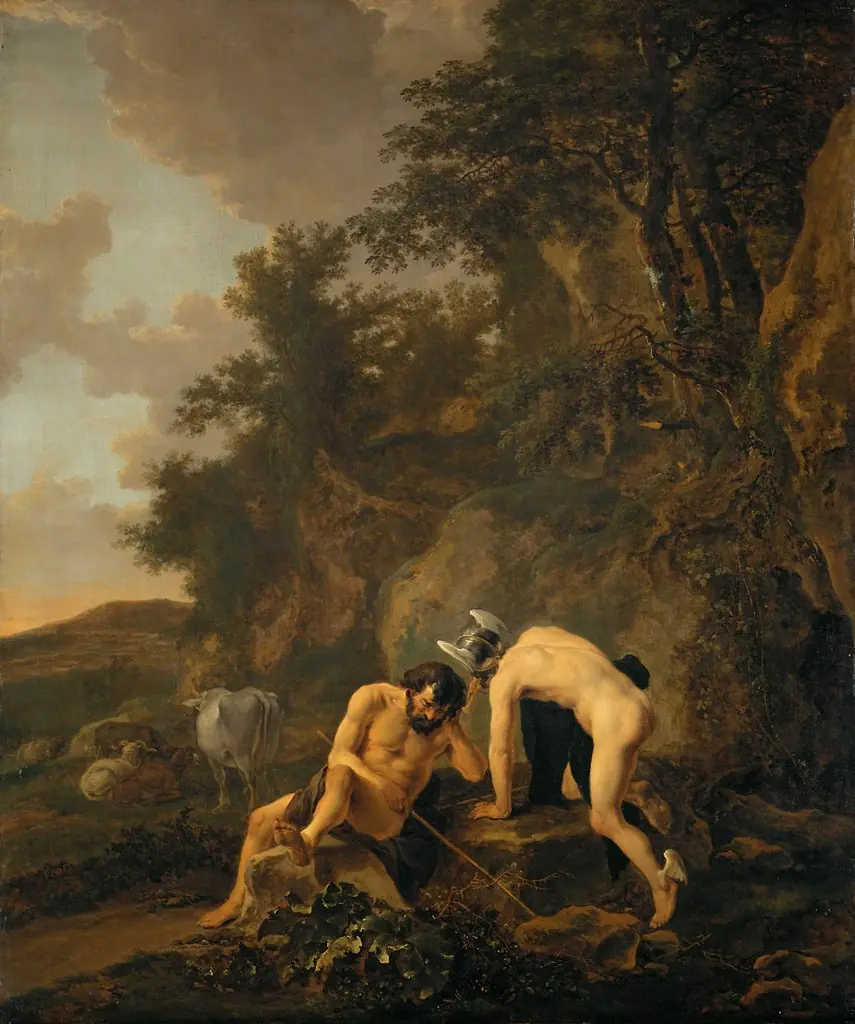 Southern rocky landscape with Mercury and Argus
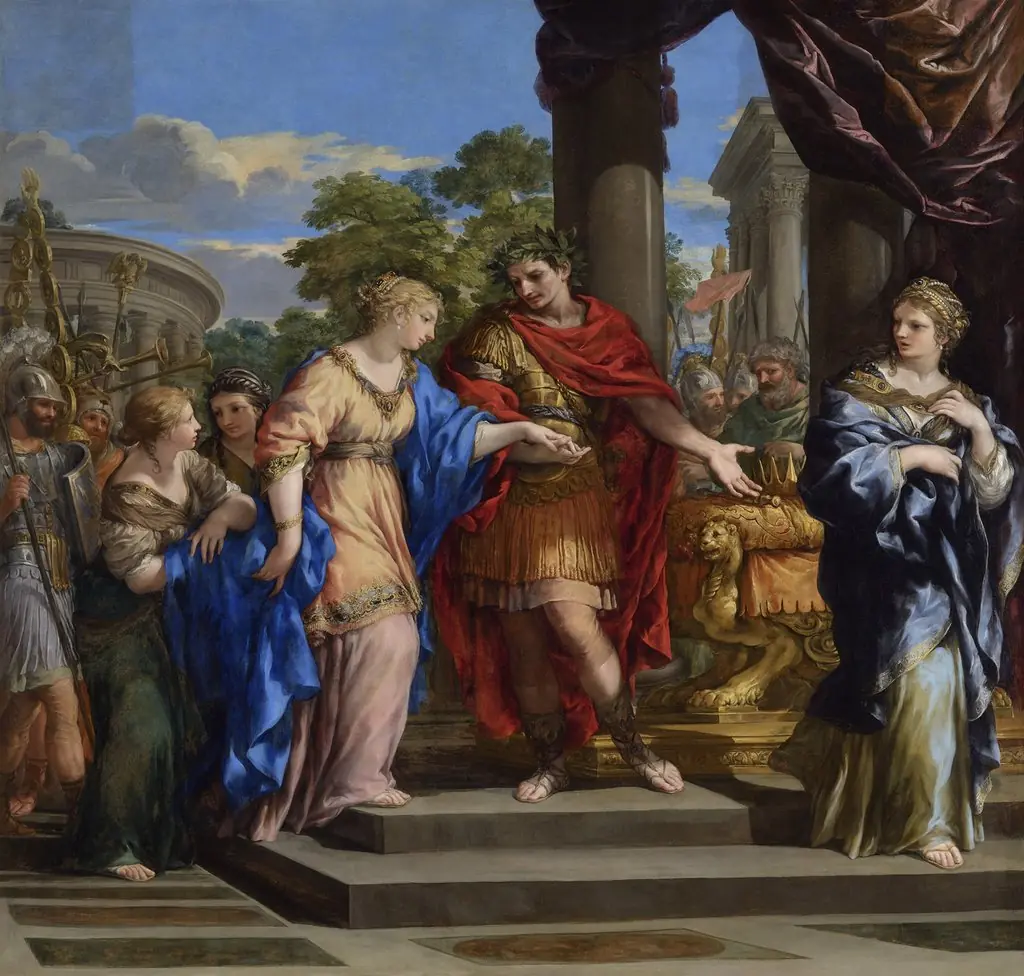 Caesar Giving Cleopatra the Throne of Egypt
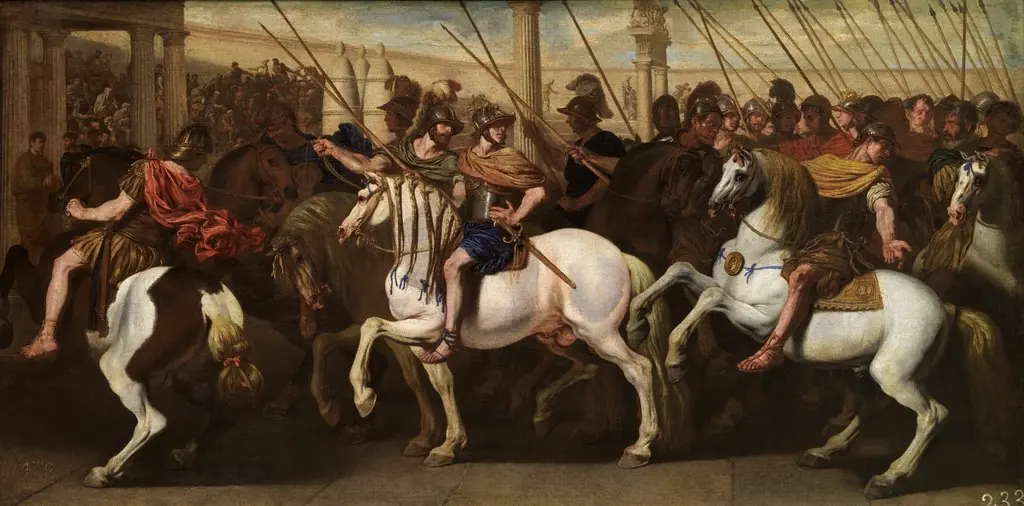 Roman Soldiers in the Circus
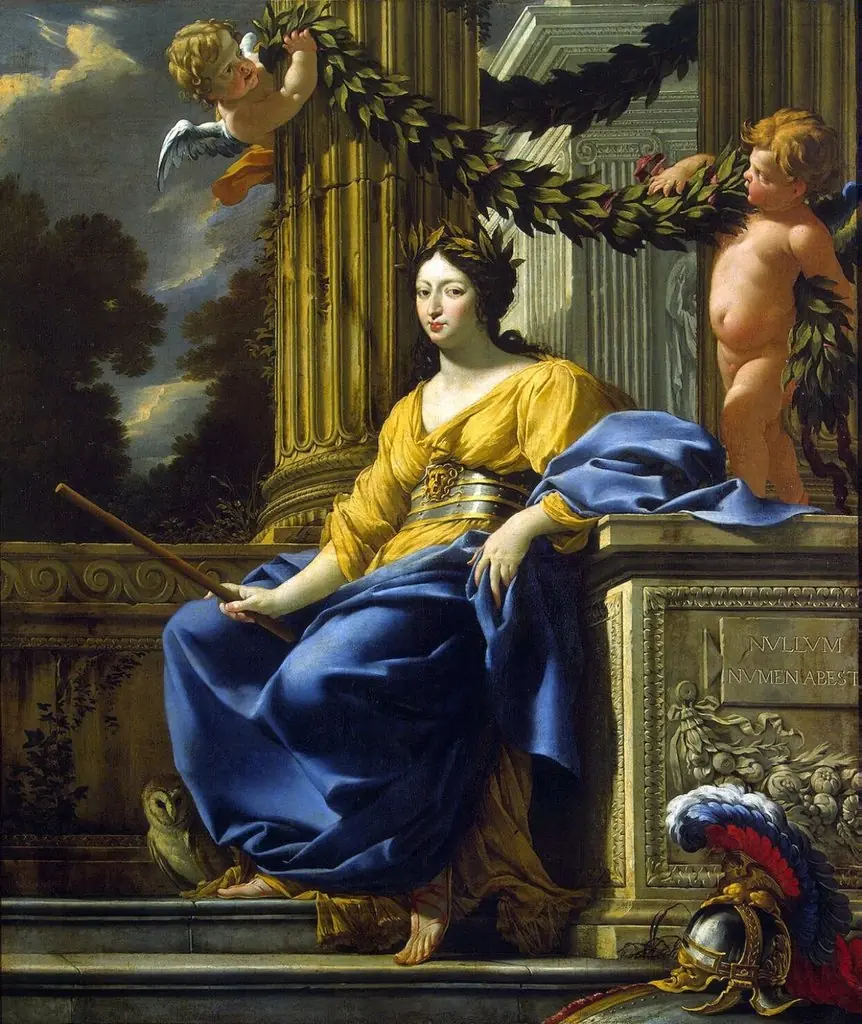 Allegorical Portrait of Anna of Austria as Minerva
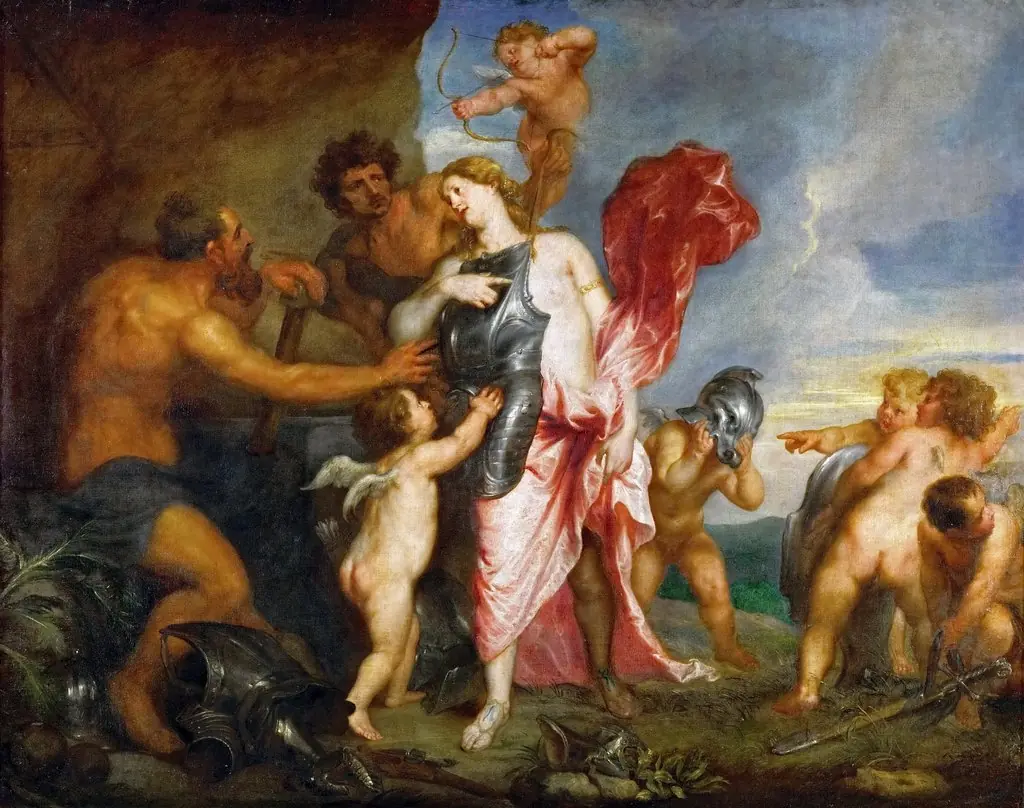 Thetis Receiving the Weapons of Achilles from Hephaestus
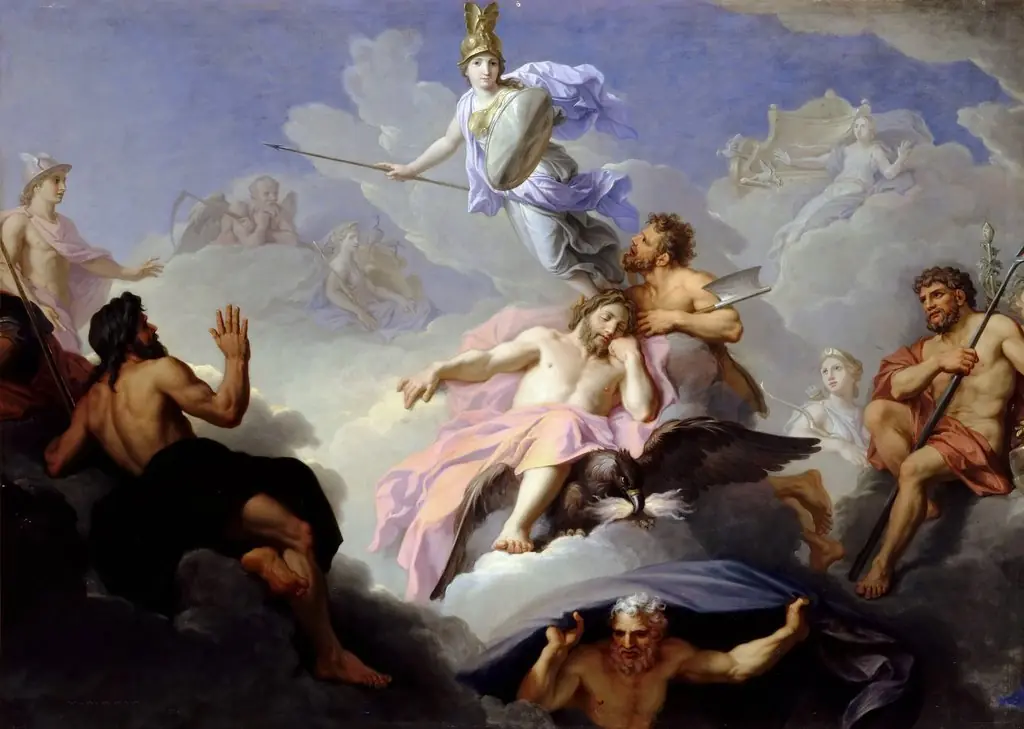 The Birth of Minerva
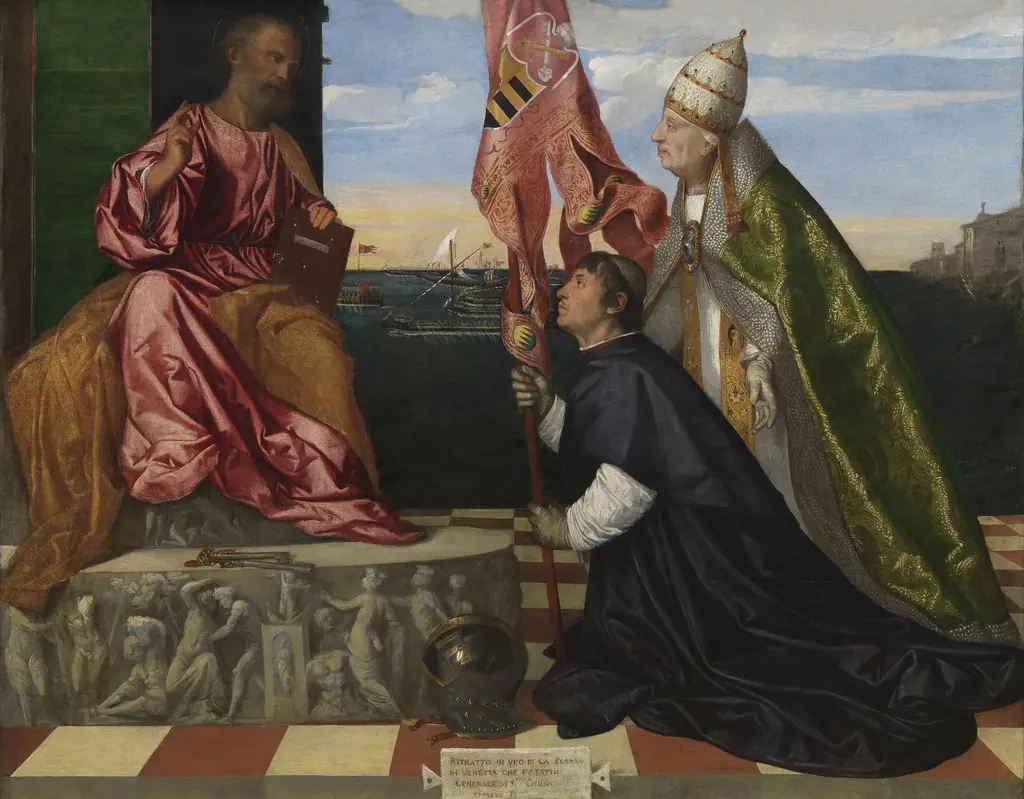 Jacopo Pesaro, Bishop of Paphos, being presented by Pope Alexander VI to Saint Peter
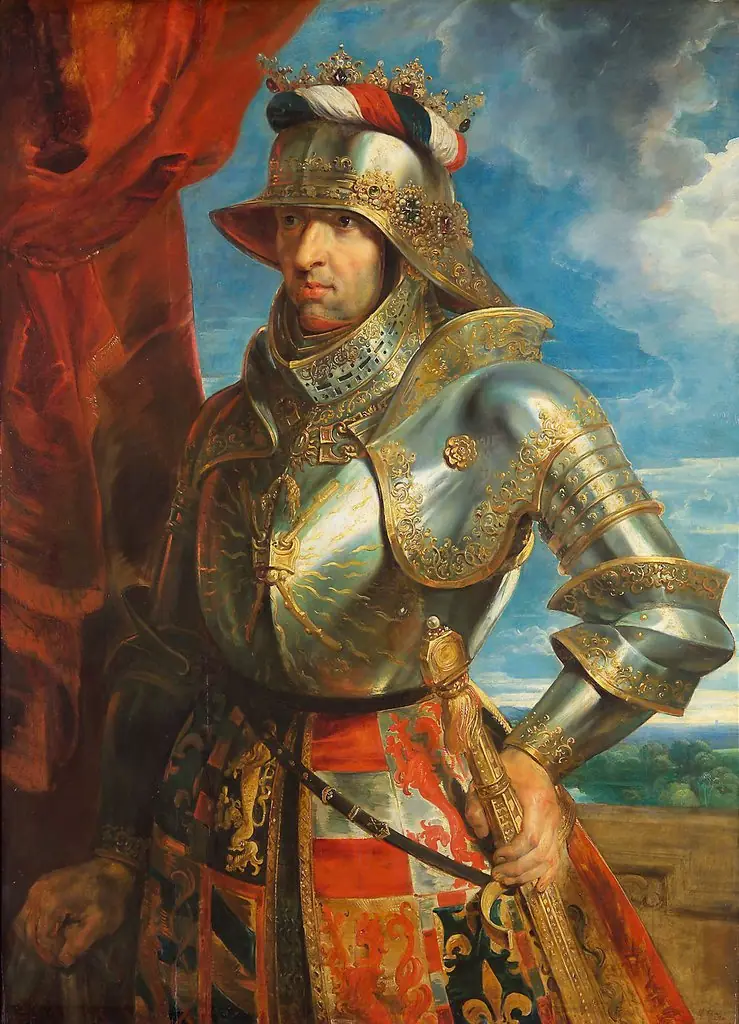 Philip the Handsome
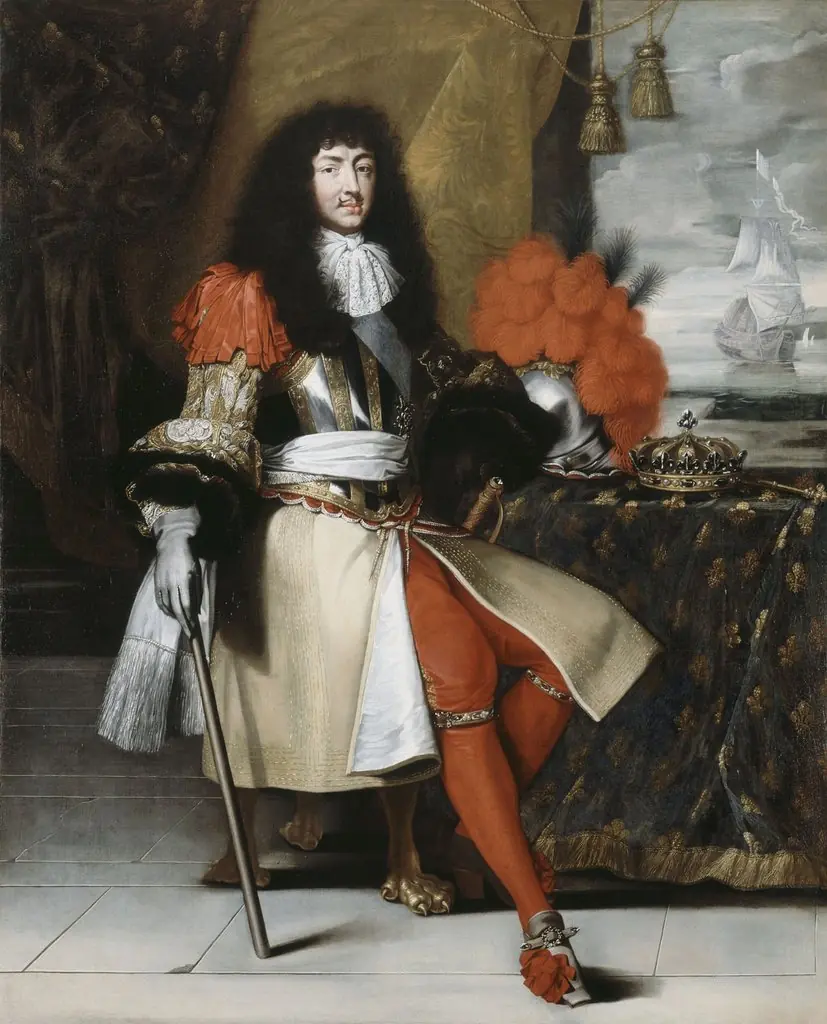 Portrait of Louis XIV of France
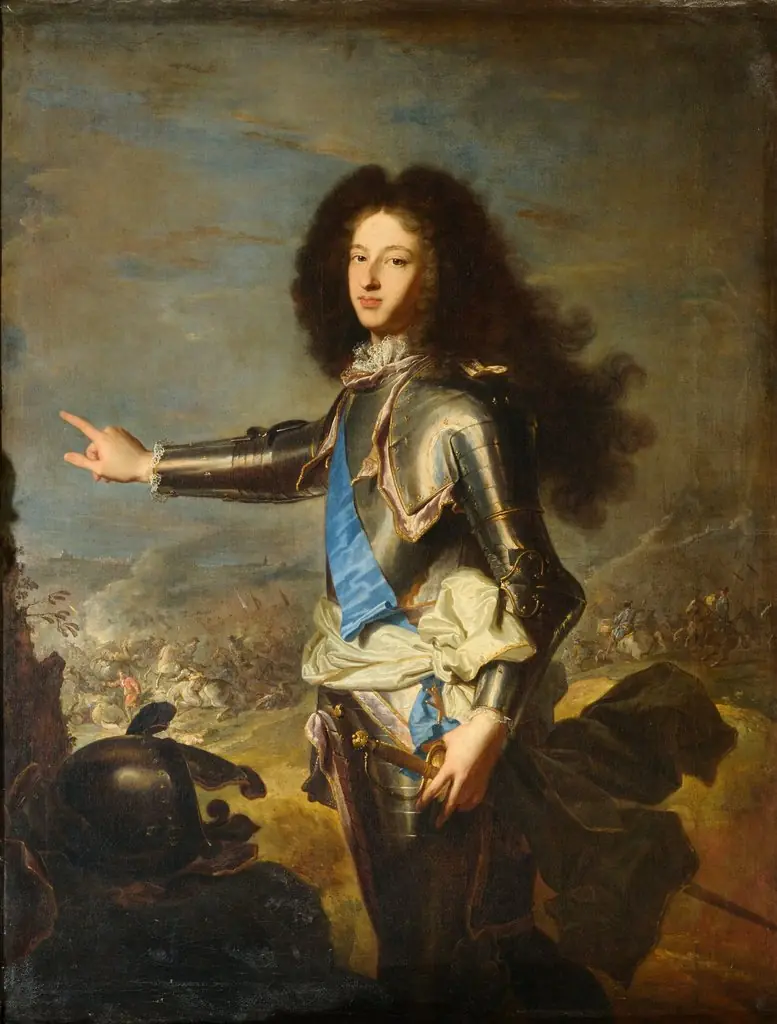 Louis de France, Duke of Burgundy
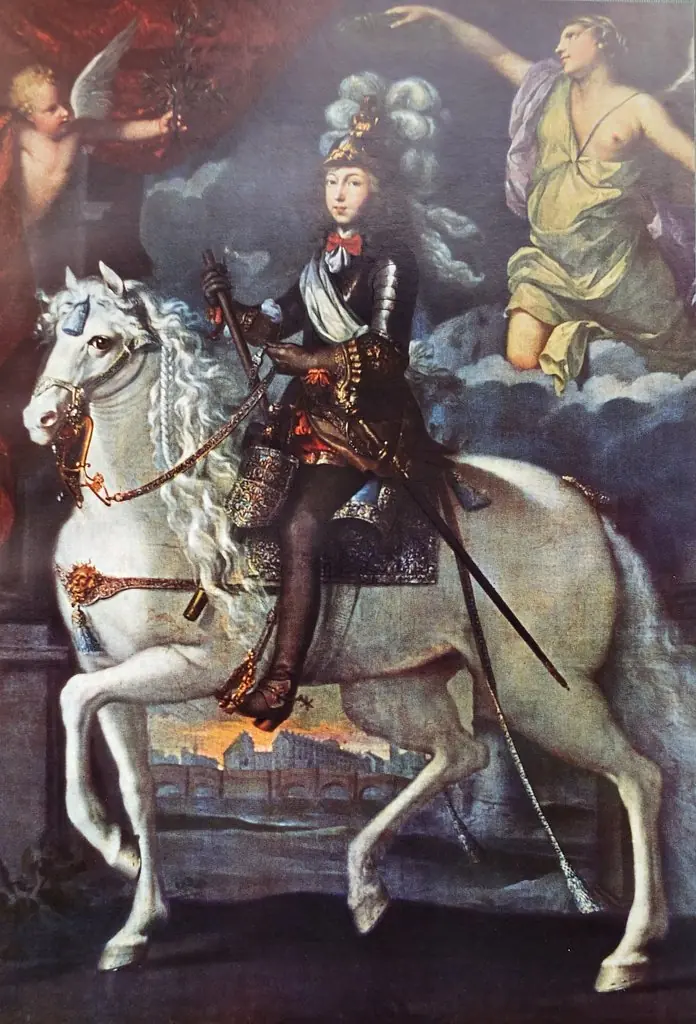 Louis XIV, King of France
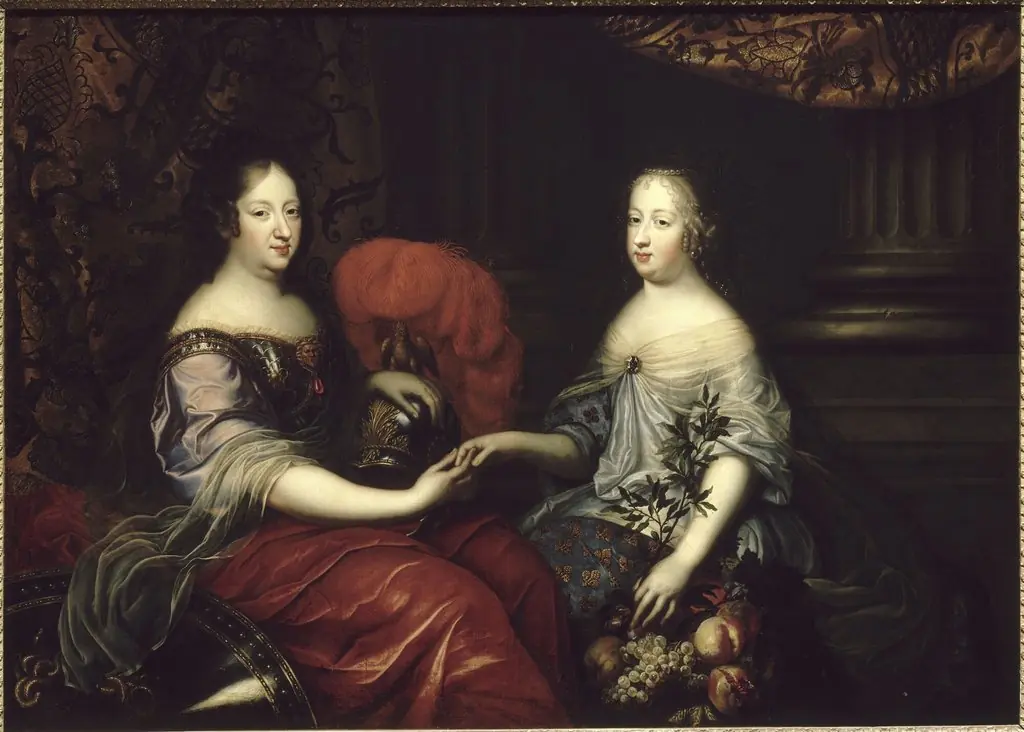 Anne of Austria and Marie-Thérèse of Austria, queens of France
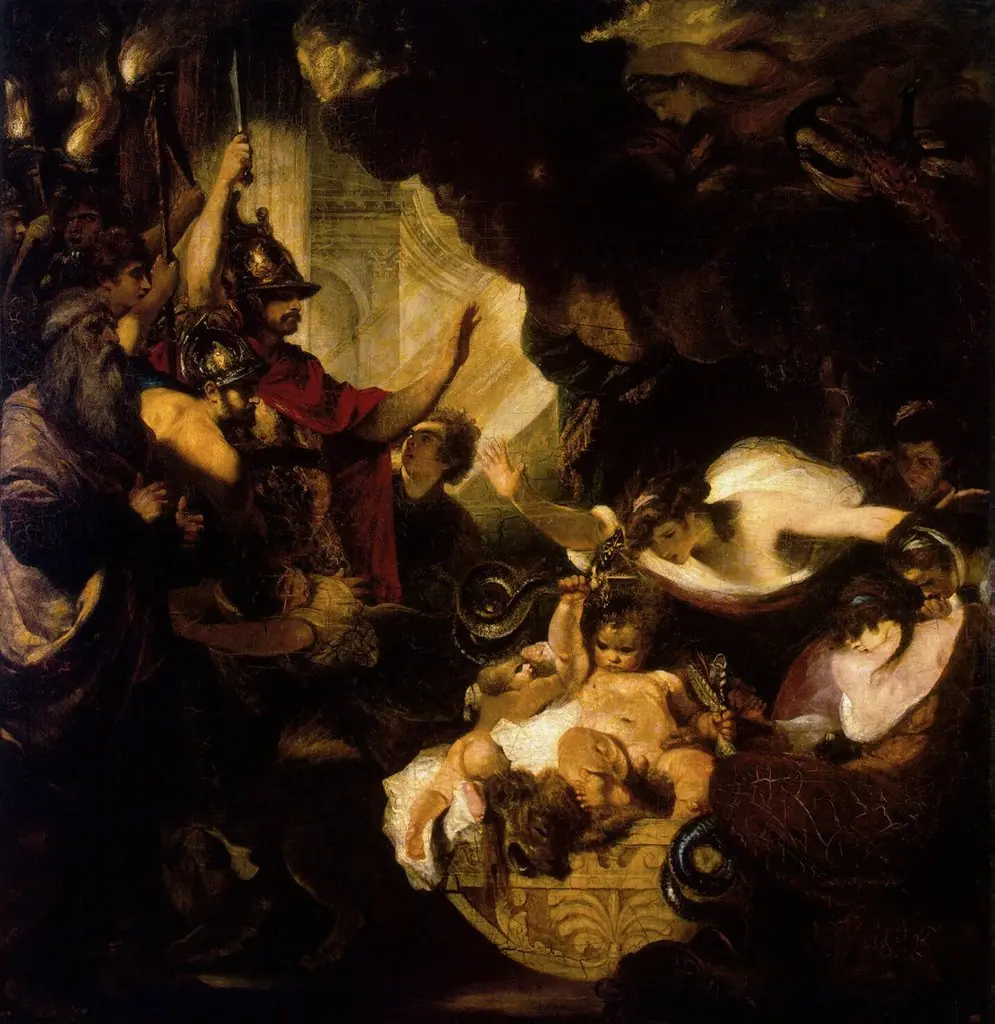 Infant Hercules Strangling the Serpents
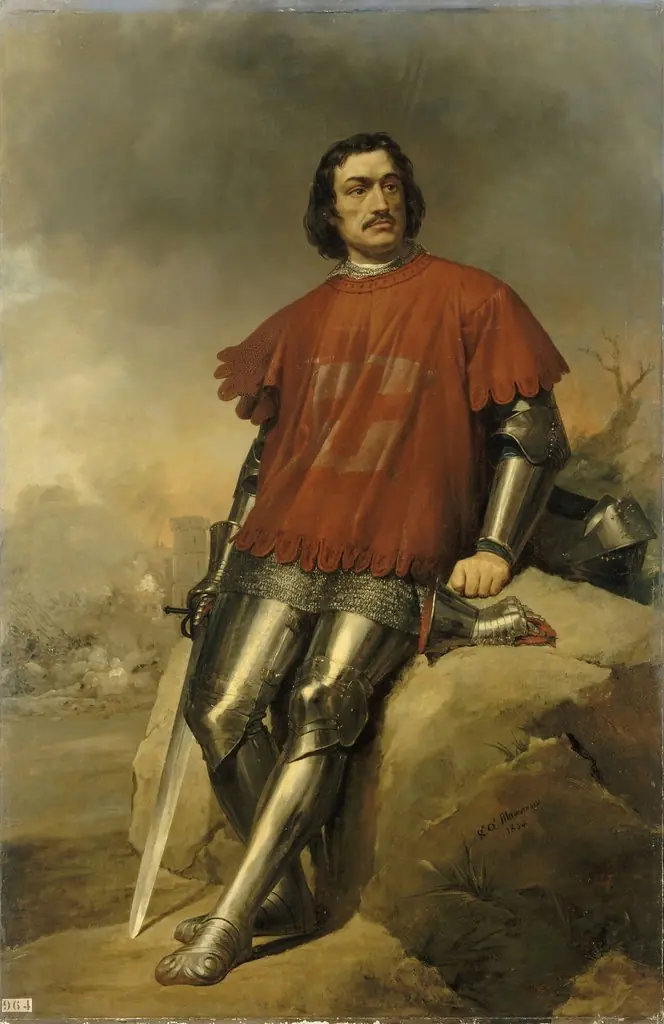 Jean, dit Poton, seigneur de Xaintrailles (?-1461)
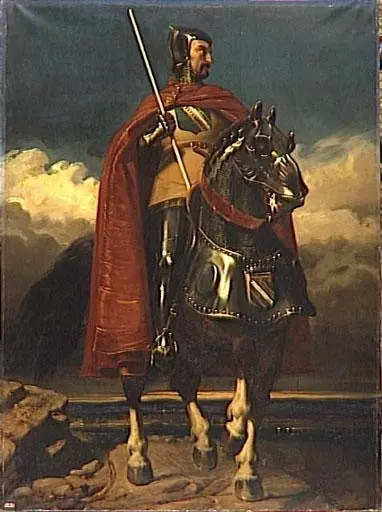 Louis de Champagne, comte de Sancerre, connétable de France en 1397
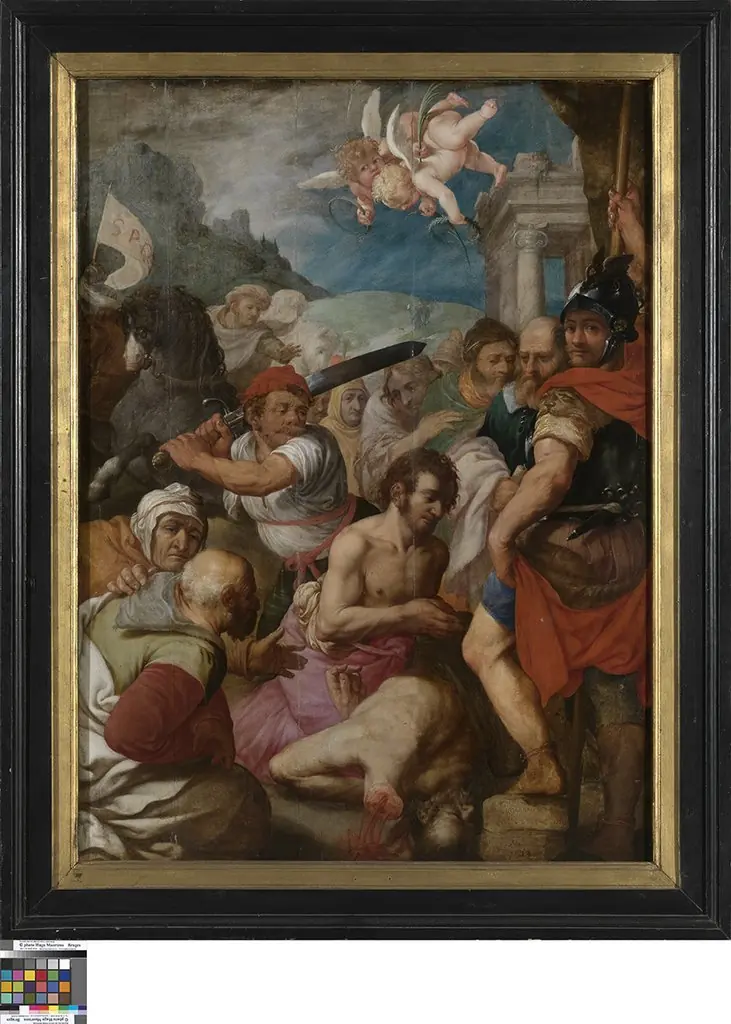 The Martyrdom of the Saints Crispin and Crispinian
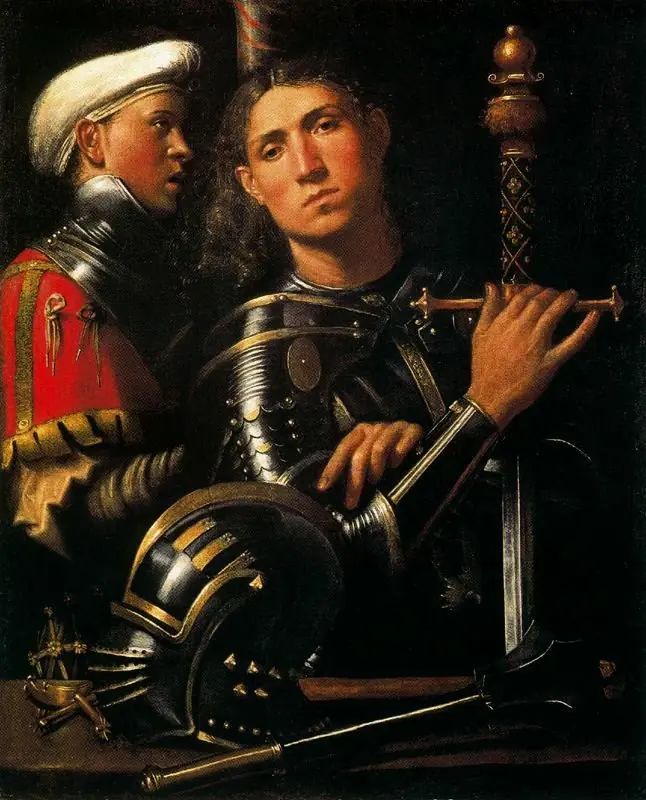 Portrait of a soldier with his squire
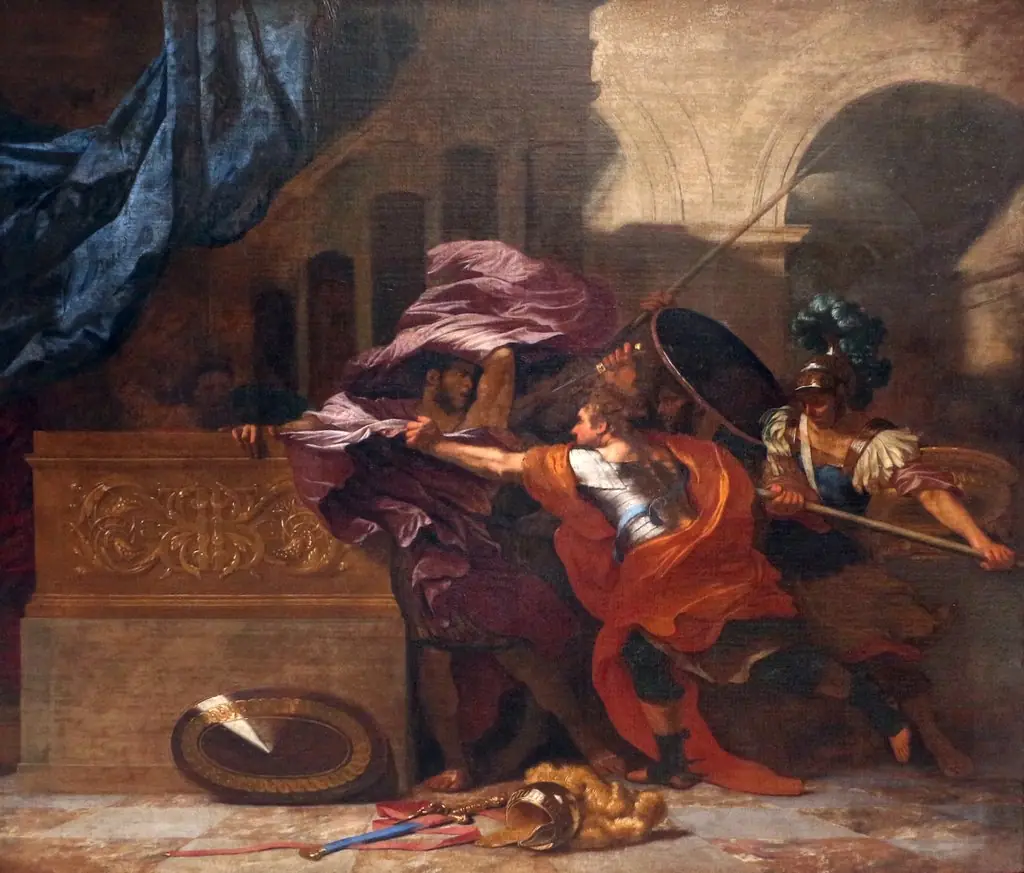 Death of Pyrrhus
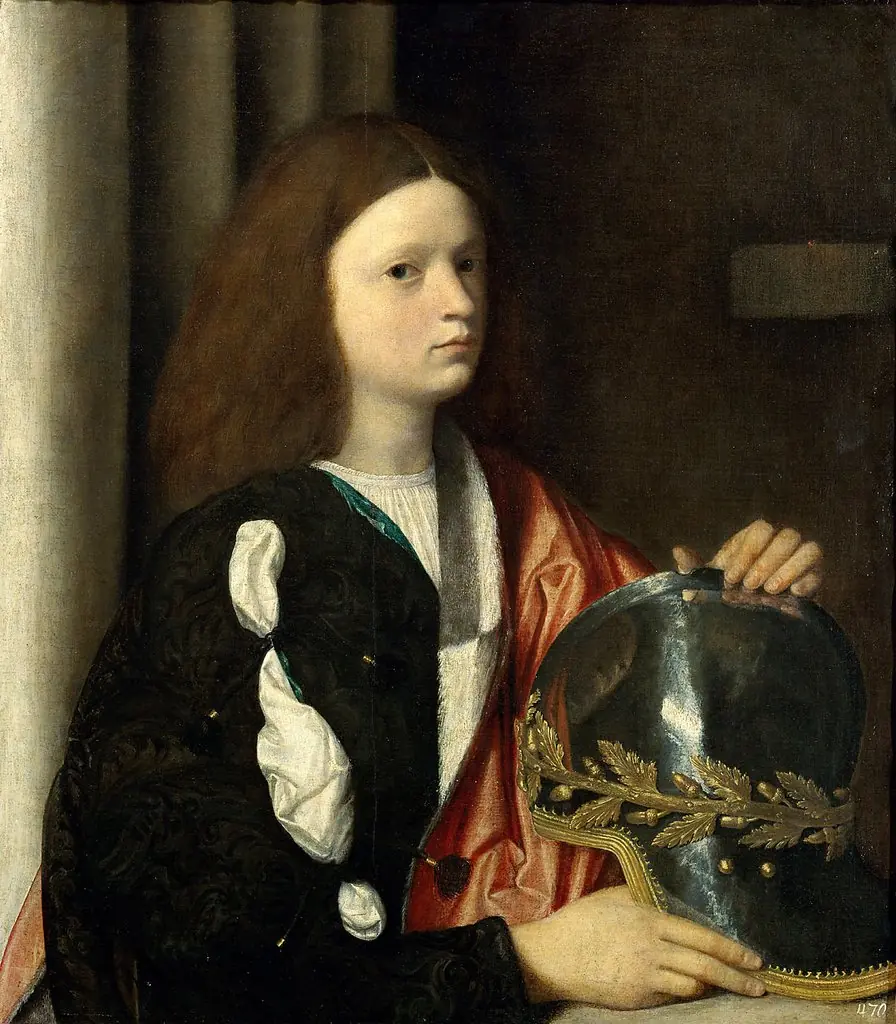 Portrait of Francesco Maria della Rovere
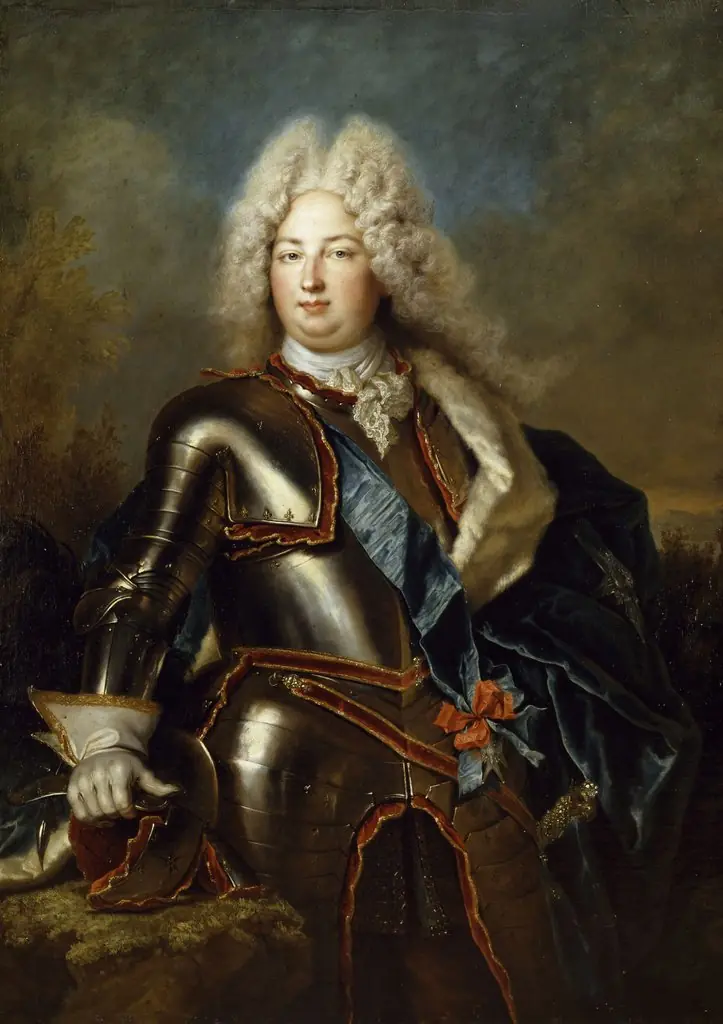 Charles of France, Duke of Berry
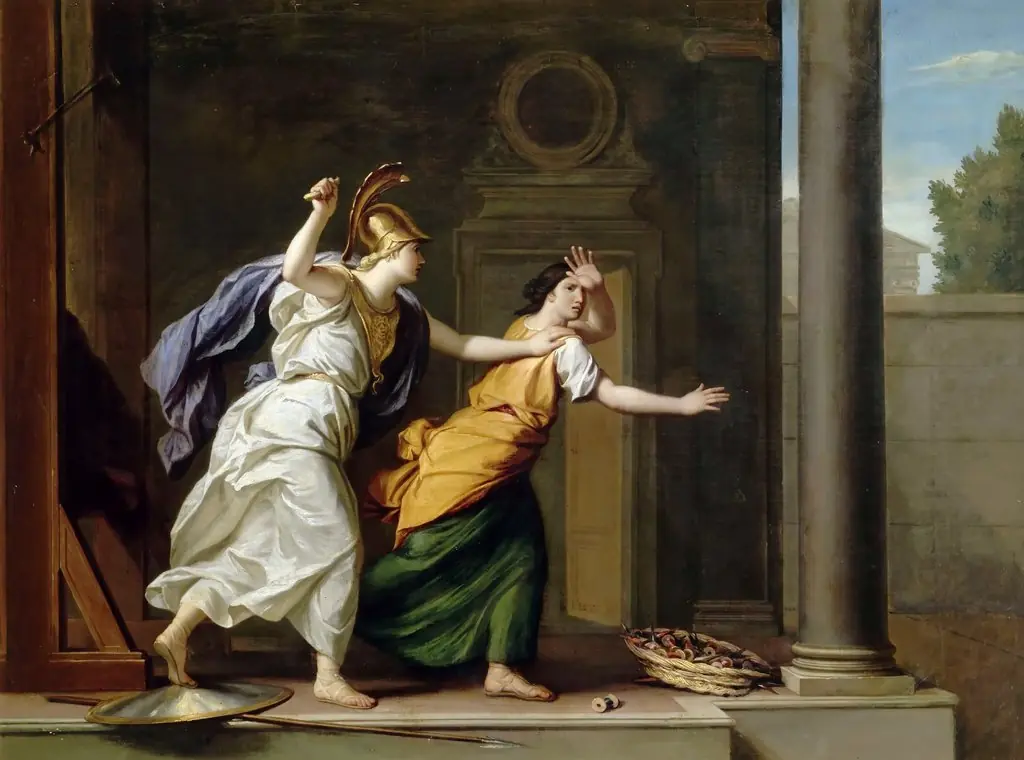 Minerva and Arachne
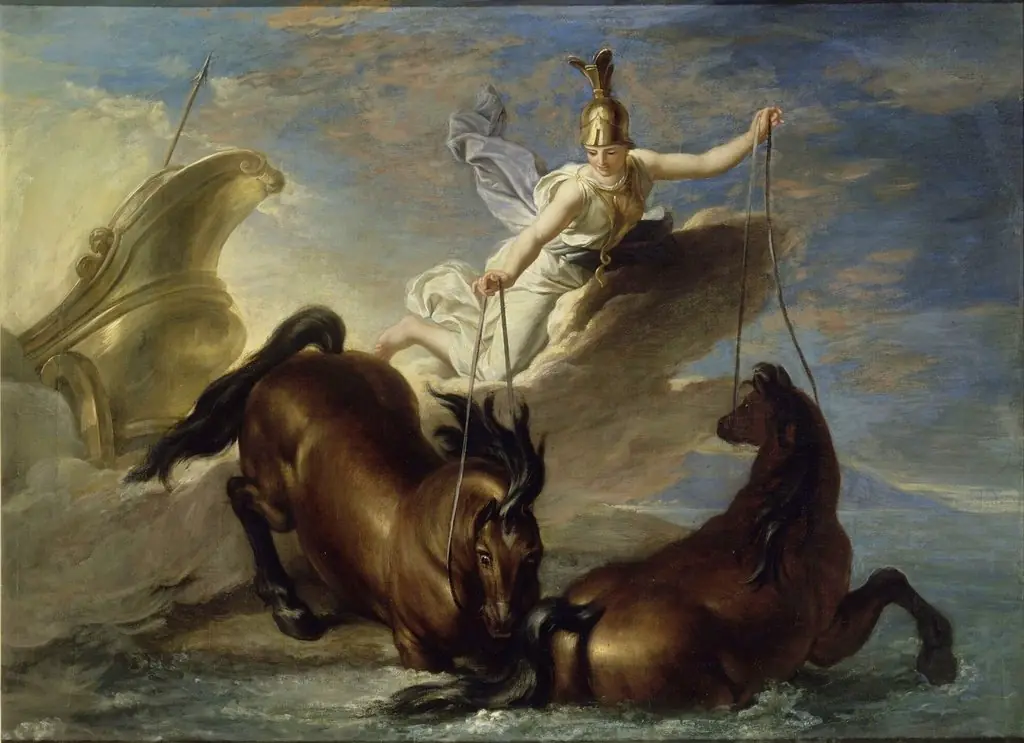 Story of Minerva - Minerva Watering her Horses into the Sea
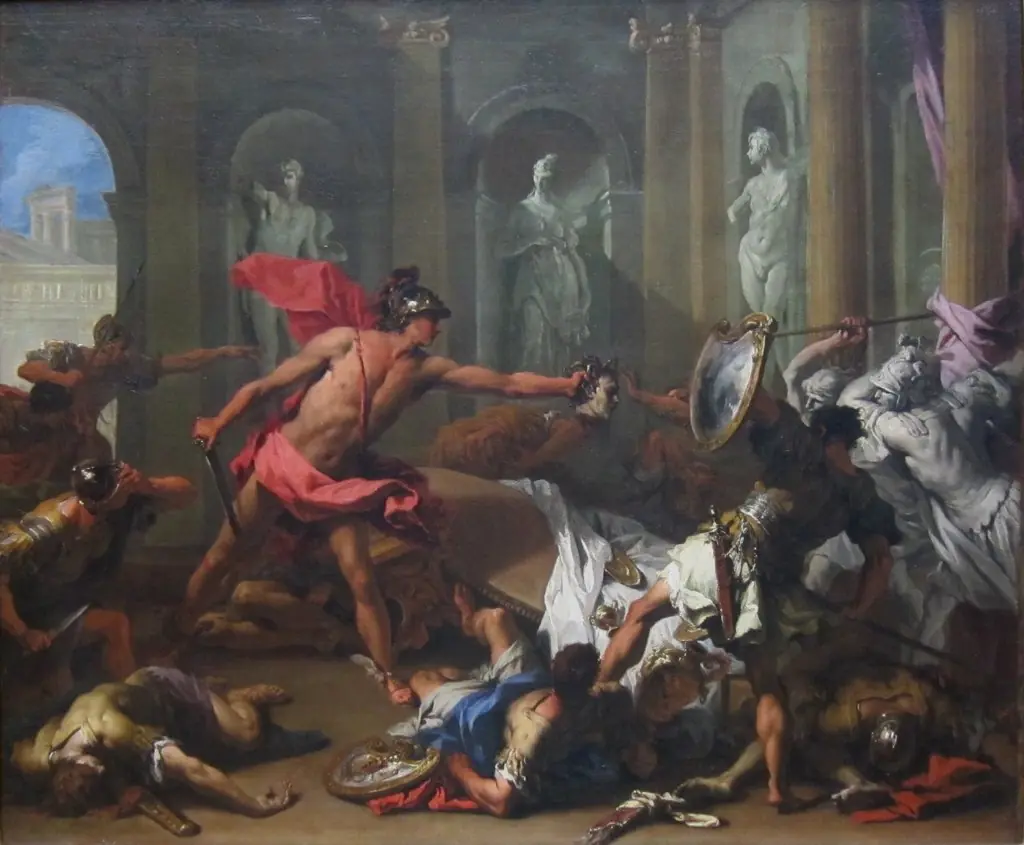 Perseo affronta Fineo con la testa di Medusa
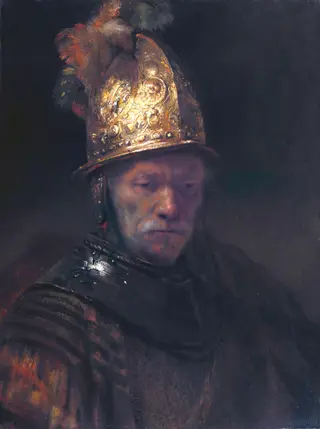 The Man with the Golden Helmet
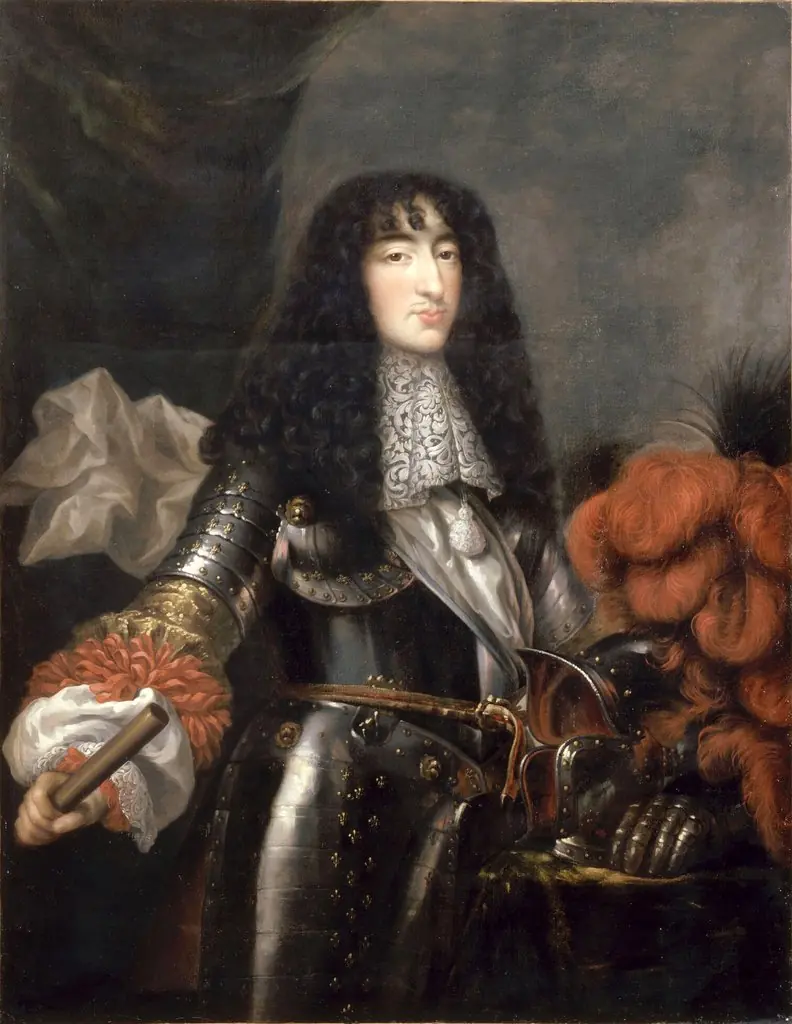 Philippe of France, Duke of Orleans
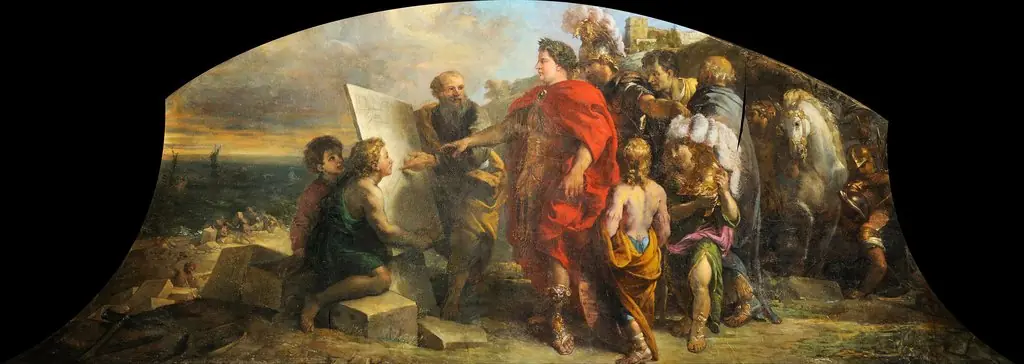 Augustus building the port of Miseno
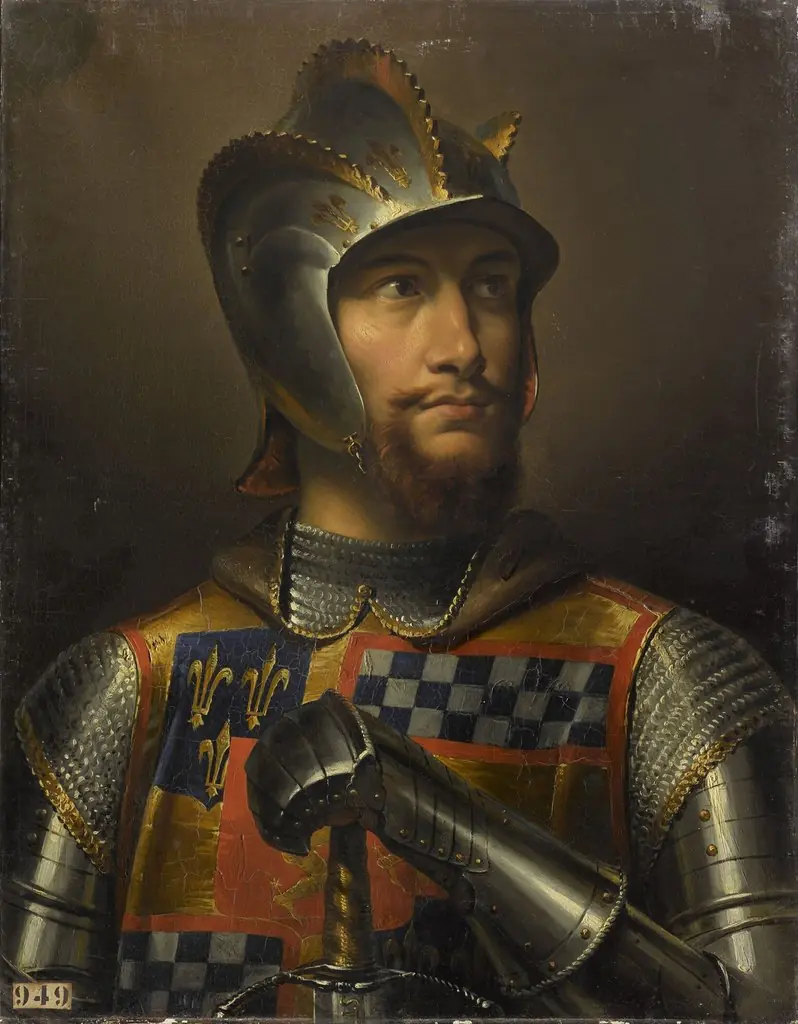 Jean II Stuart, connétable de Buchan (+ 1424)
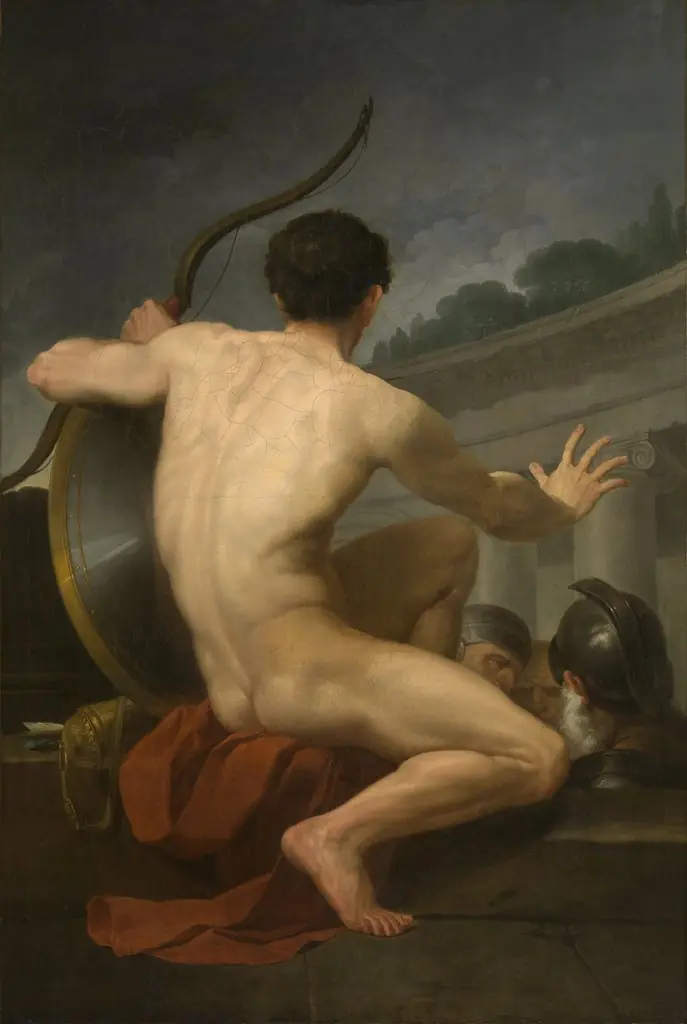 The naked warrior
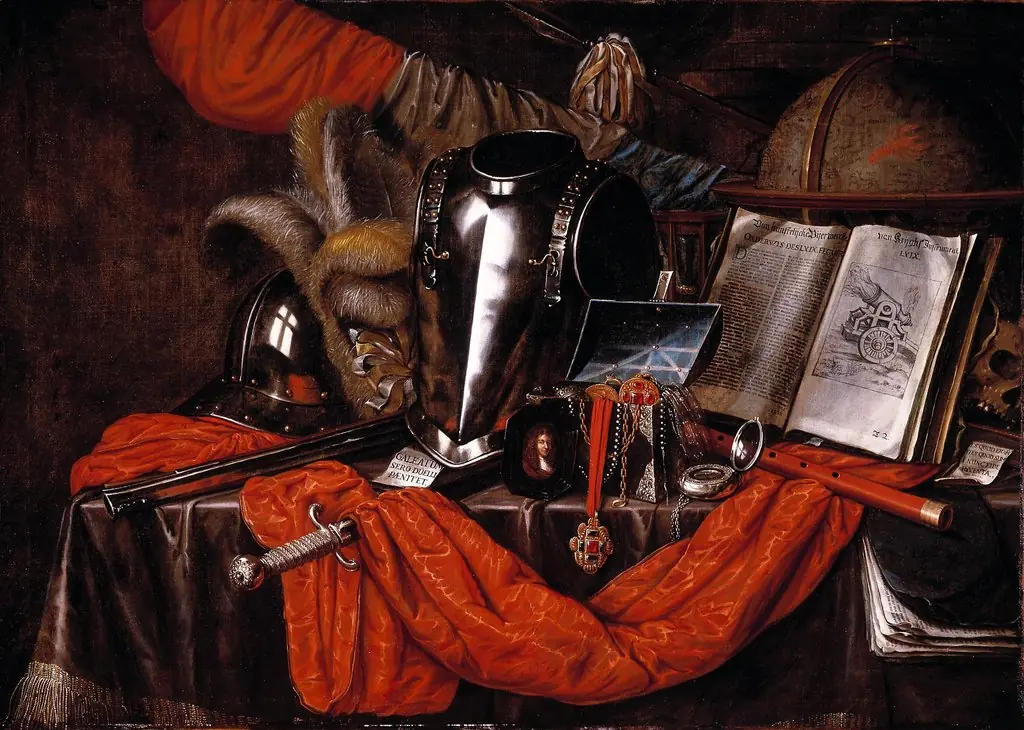 A Vanitas
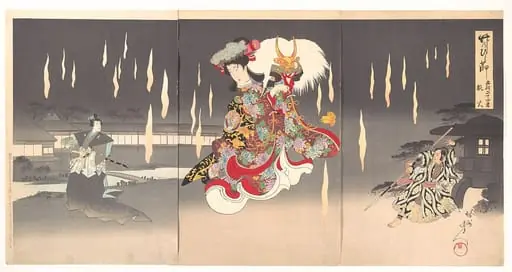 Untitled
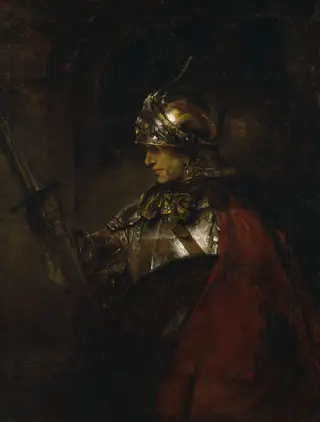 Man in Armour
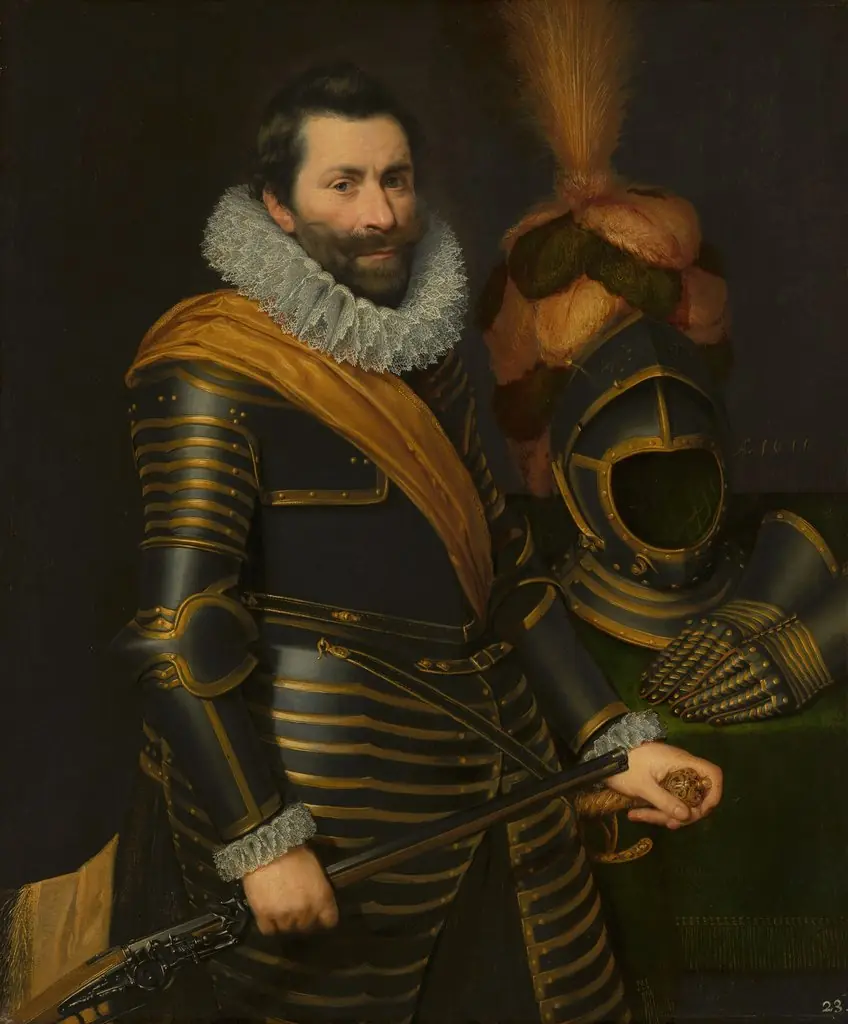 Portrait of an unknown man
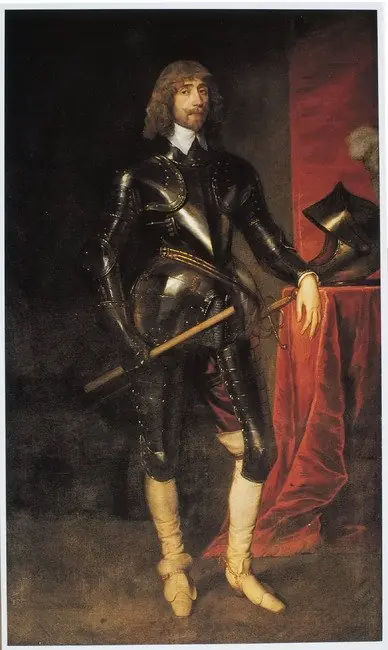 George Hay, 2nd Earl of Kinnoull, d. 1644. Statesman
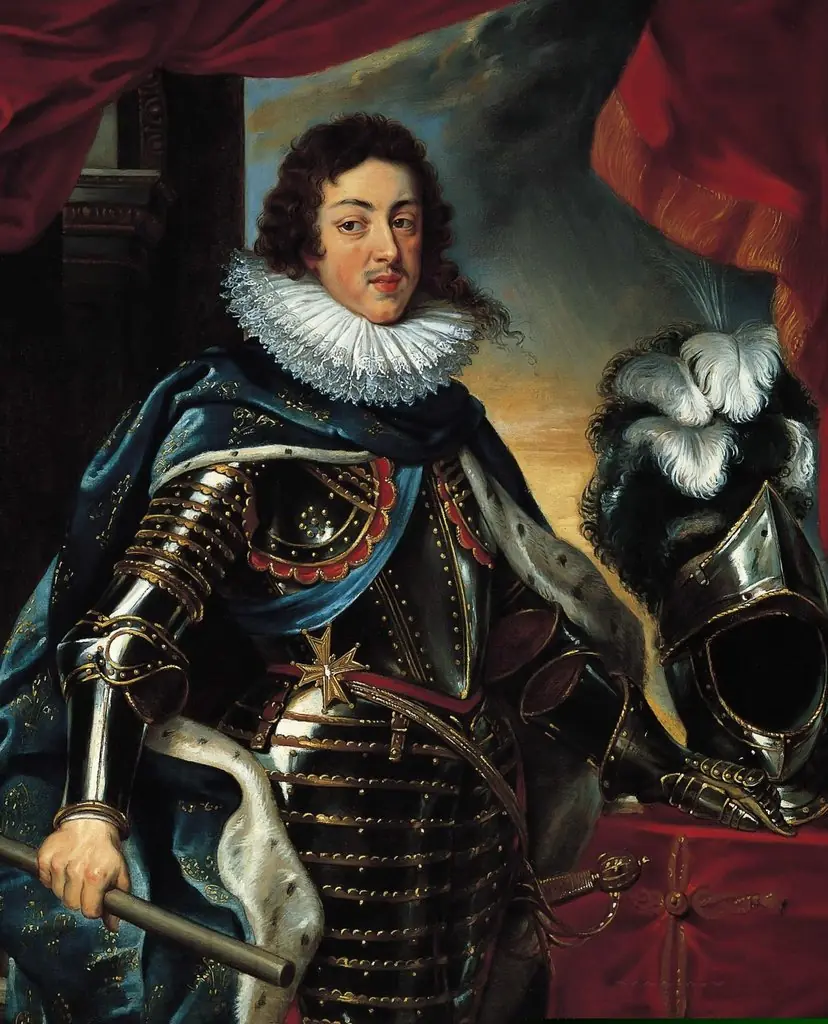 Portrait of Louis XIII in Armour
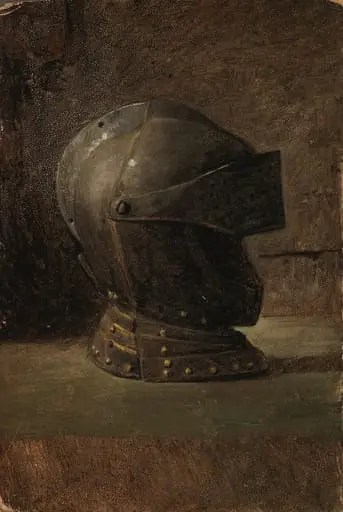 Kypärä
Frequently asked questions
What is Helmet?
Helmet is a subject in art. A helmet is a form of protective gear worn to protect the head.
How many Helmet works does Artifact World Gallery have?
Artifact World Gallery holds 40 public-domain Helmet works, all free to view and download.
Who are the key Helmet artists?
Key Helmet artists in the collection include Titian, Rembrandt van Rijn and Anthony van Dyck.
Where can I see Helmet works?
Helmet works in the collection are held by Palace of Versailles, Kunsthistorisches Museum and Metropolitan Museum of Art.