Artwork
The Fool's Spring, from Twelve Views of Tiger Hill, Suzhou
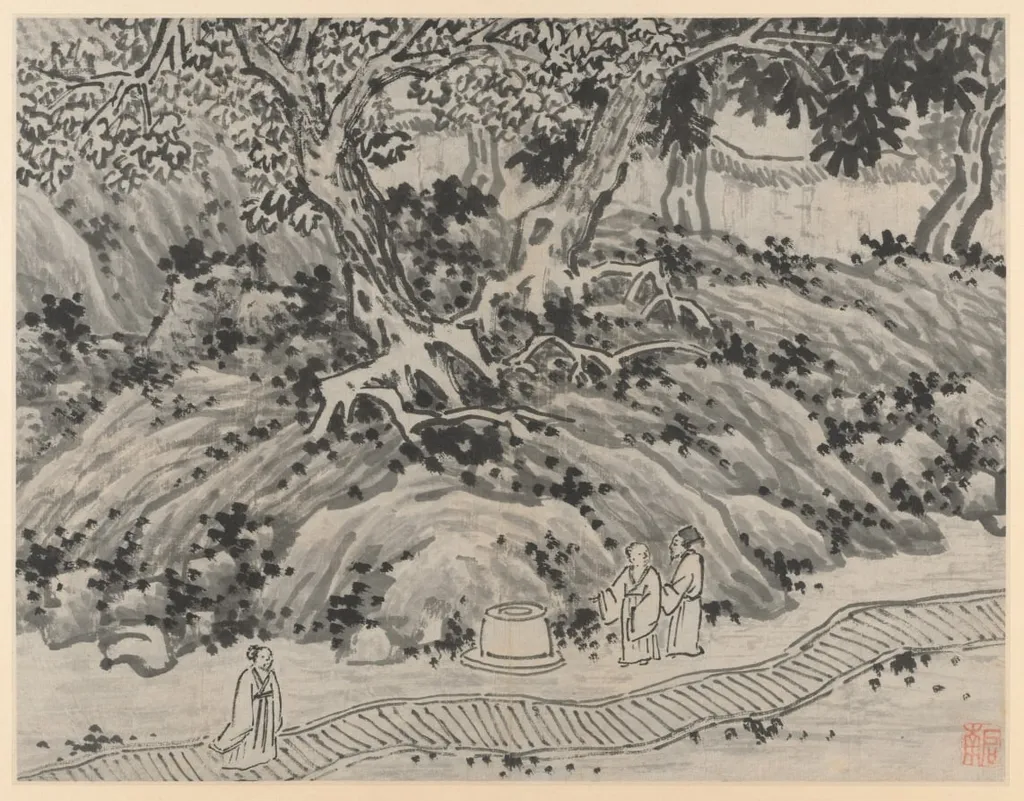
The Fool's Spring, from Twelve Views of Tiger Hill, Suzhou is an unspecified painting by the Renaissance artist Shen Zhou. It dates from 1490 and is held in the collection of the Cleveland Museum of Art.
- Accession no.
- 1964.371.2
- Credit line
- Leonard C. Hanna Jr. Fund
About this work
Overview
The work is one panel from Shen Zhou’s series “Twelve Views of Tiger Hill,” portraying a tranquil stretch of the historic hill located a short distance northwest of Suzhou. The composition guides the viewer from a riverside landing up toward the famed Cloudy Cliff Monastery, suggesting a pilgrim’s progression through the landscape.
Subject & Meaning
The scene captures the gentle ascent along Tiger Hill, emphasizing the harmony between natural elements, trees, water, and distant structures, and the spiritual destination of the monastery. By arranging the landscape as a visual journey, Shen Zhou reflects the Confucian‑Daoist ideal of aligning human movement with the rhythm of nature.
Technique & Style
Executed in a restrained palette, the painting blends subtle hues with the monochrome sensibility that characterizes the series. Delicate brushwork renders foliage and architecture with a softness that contrasts with the more vigorous ink strokes typical of earlier literati works, illustrating Shen Zhou’s mature approach to color and form.
History & Provenance
Shen Zhou, a native of Suzhou born into a prosperous family, abandoned a potential bureaucratic career to pursue the life of a retired scholar. He turned to painting in his middle years, and this piece, created during that period, exemplifies his role in establishing the Wu School of painting, which centered in Suzhou.
Context
The “Twelve Views of Tiger Hill” series was designed to simulate a visitor’s experience of the site, beginning with a boat arrival at the mountain’s base and culminating at the monastic summit. The work reflects the Wu School’s emphasis on personal expression and scholarly erudition, situating the landscape within a broader cultural and intellectual framework.
Artist & collection
Artist
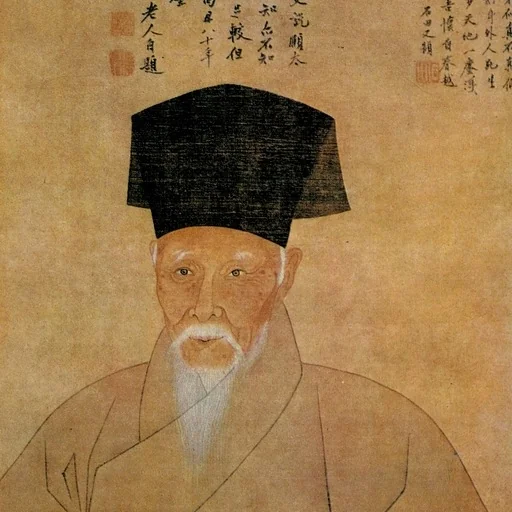
Shen Zhou spent his life in the Suzhou region of China, where his family’s money and connections mattered more than art, until it did.

 Untitled
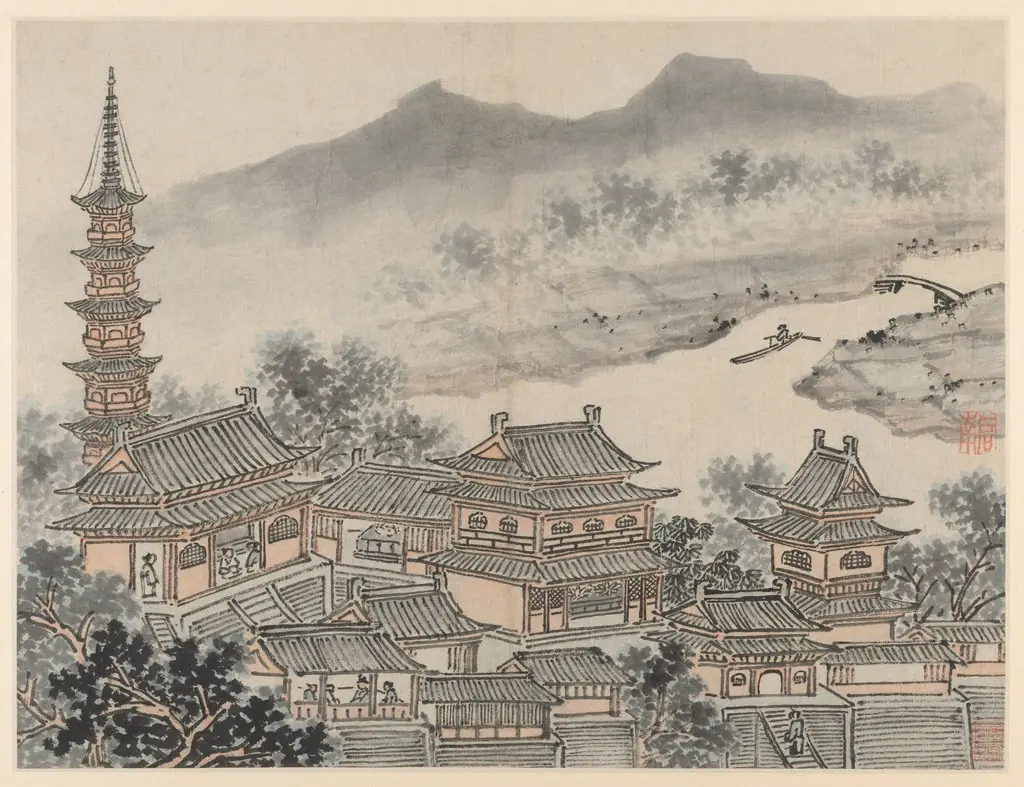 The Thousand Buddha Hall and the Pagoda of the "Cloudy Cliff" Monastery, from Twelve Views of Tiger Hill, Suzhou
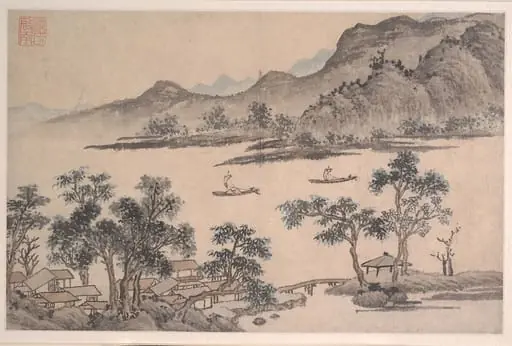 Untitled
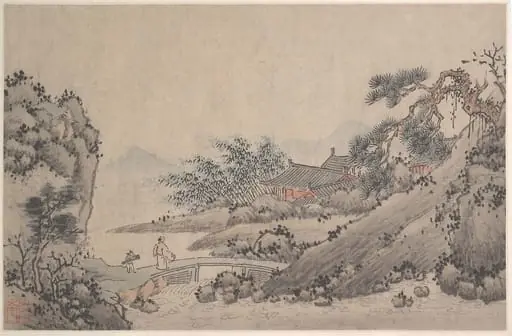 Untitled
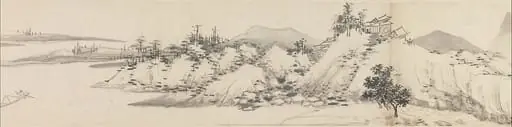 明 沈周 溪山秋色圖 卷|明 沈周 溪山秋色圖 卷明 楷書溪山秋色圖 引首|Autumn Colors among Streams and Mountains
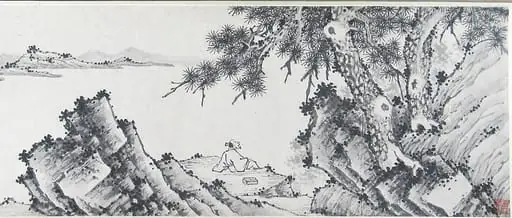 明 (倣)沈周 怡松圖 卷|Enjoying the Pines
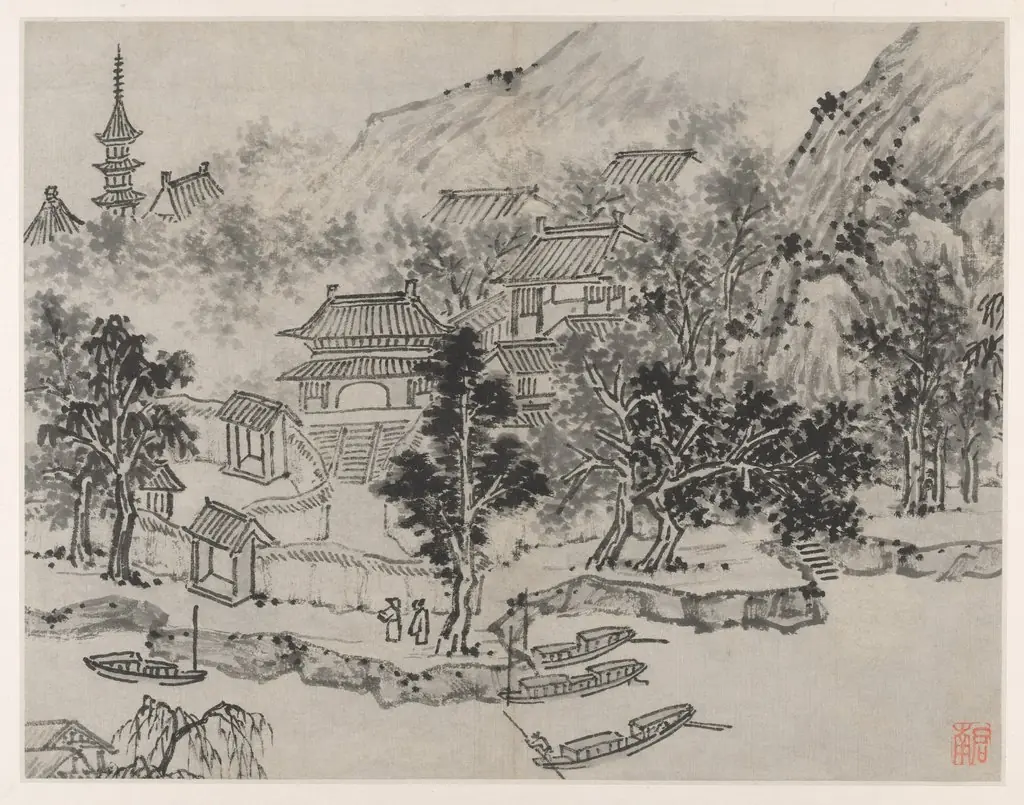 Distant View of Tiger Hill from the Canal Mooring, from Twelve Views of Tiger Hill, Suzhou
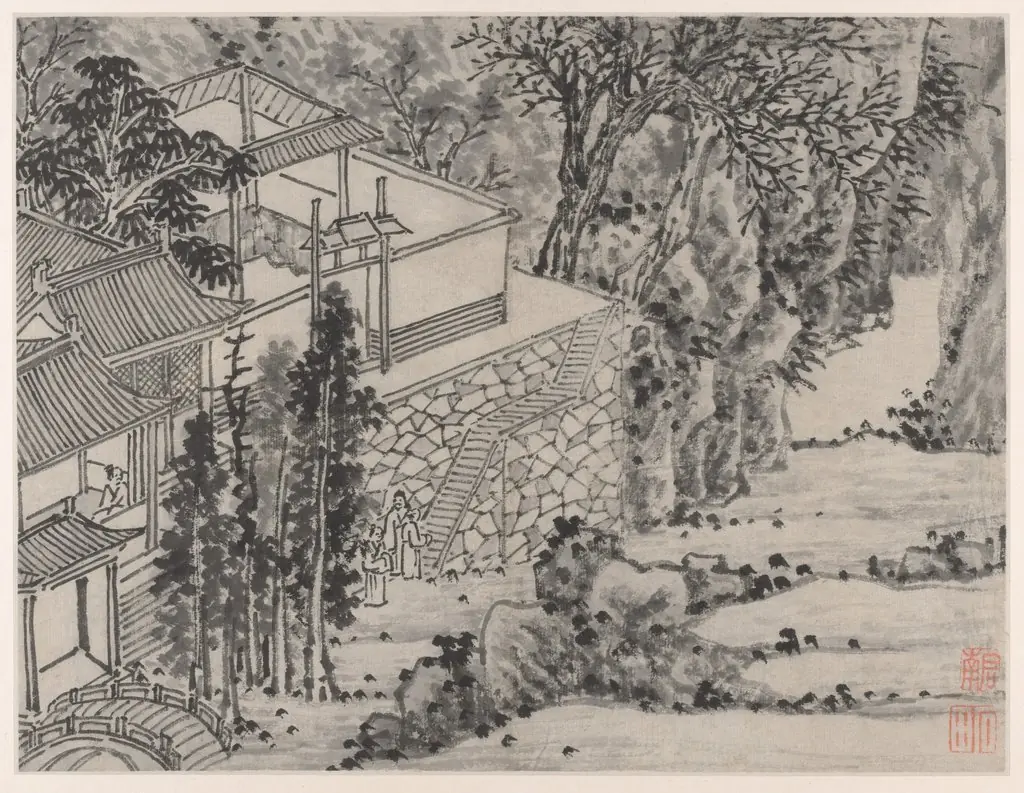 The Enlightened Stone Retreat, from Twelve Views of Tiger Hill, Suzhou
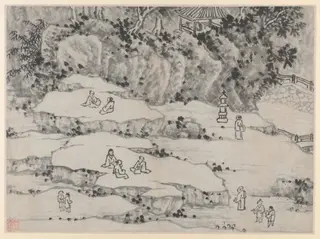
- The Nodding Stone Terrace, Tiger Hill, and the Thousand-Man Seat, from Twelve Views of Tiger Hill, Suzhou
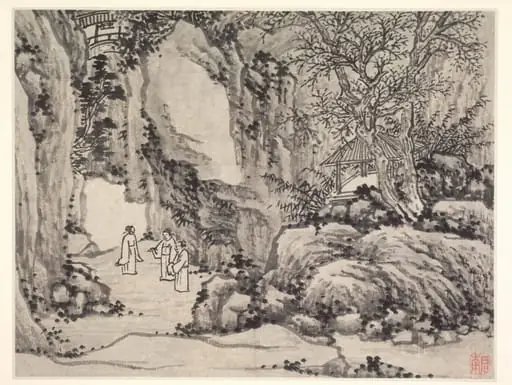 The Sword Spring, Tiger Hill, from Twelve Views of Tiger Hill, Suzhou
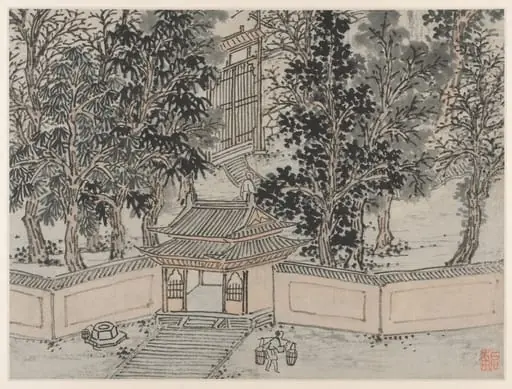 Tiger-Flight Spring at the Back Gate, from Twelve Views of Tiger Hill, Suzhou
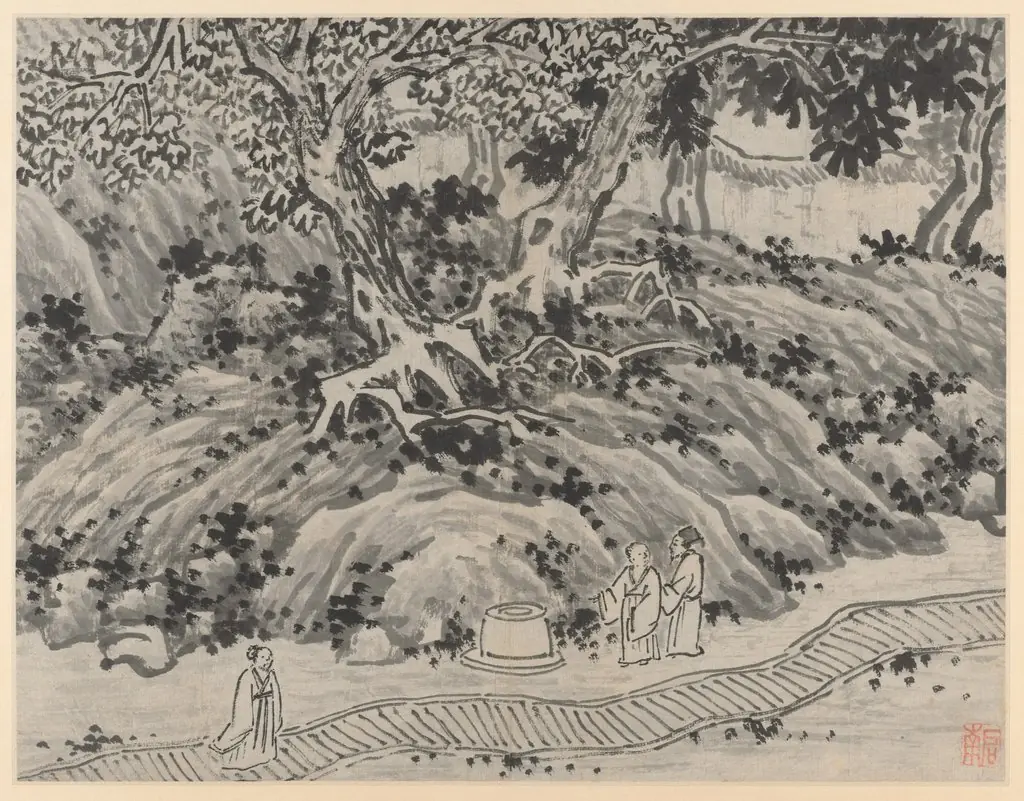 The Fool's Spring, from Twelve Views of Tiger Hill, Suzhou
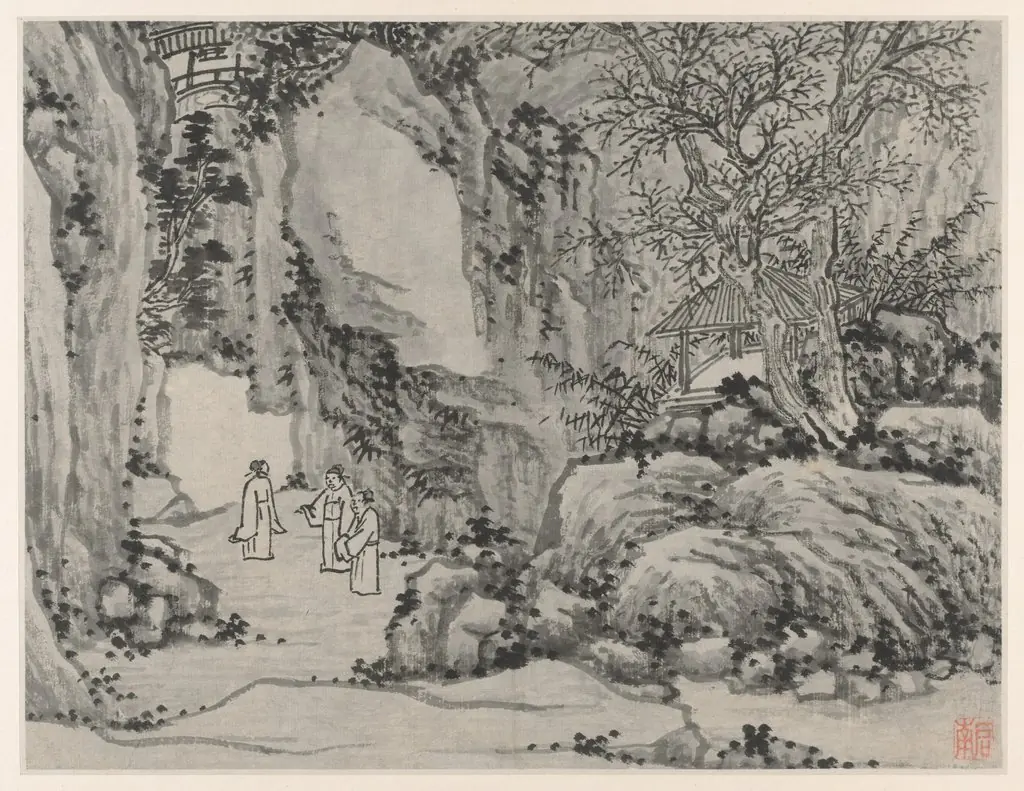 The Sword Spring, Tiger Hill, from Twelve Views of Tiger Hill, Suzhou
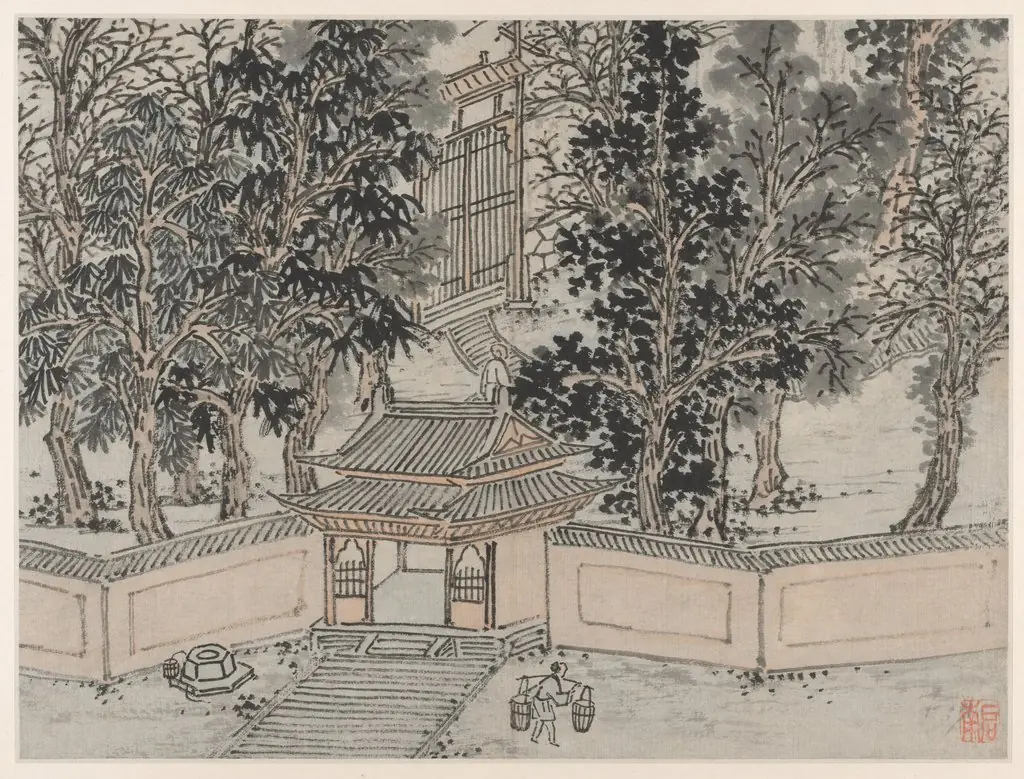 Tiger-Flight Spring at the Back Gate, from Twelve Views of Tiger Hill, Suzhou
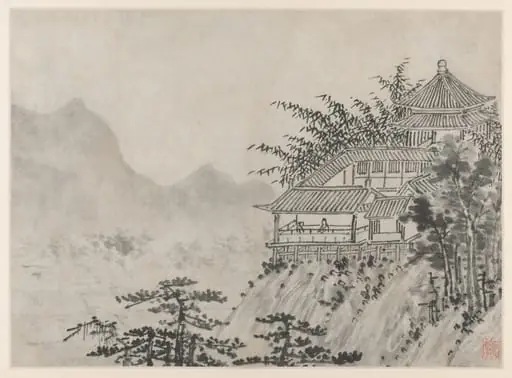 The Thousand Acres of Clouds, from Twelve Views of Tiger Hill, Suzhou
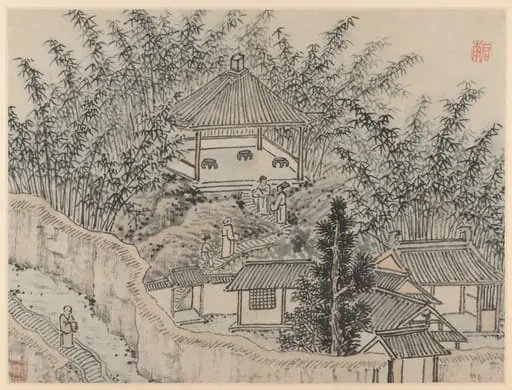 Bamboo Pavilion, Tiger Hill, from Twelve Views of Tiger Hill, Suzhou
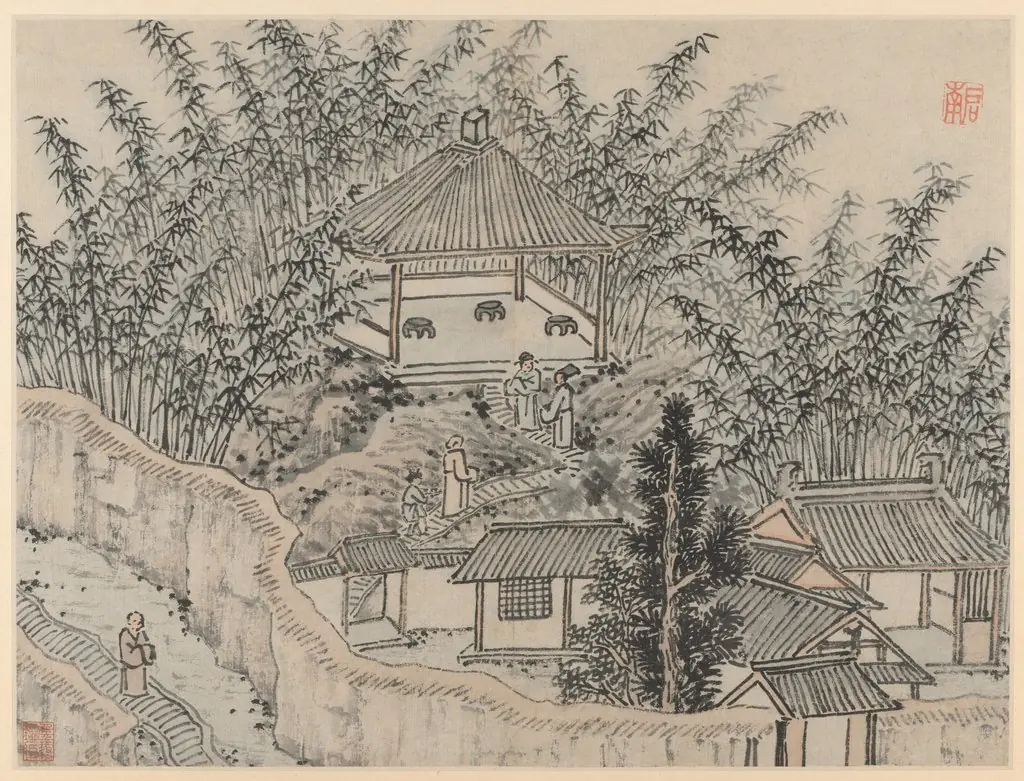 Bamboo Pavilion, Tiger Hill, from Twelve Views of Tiger Hill, Suzhou