Artwork
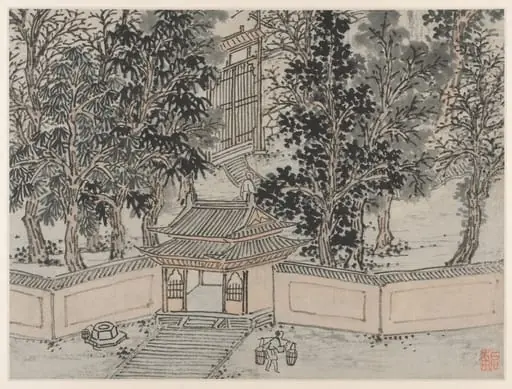
The Nodding Stone Terrace, Tiger Hill, and the Thousand-Man Seat, from Twelve Views of Tiger Hill, Suzhou
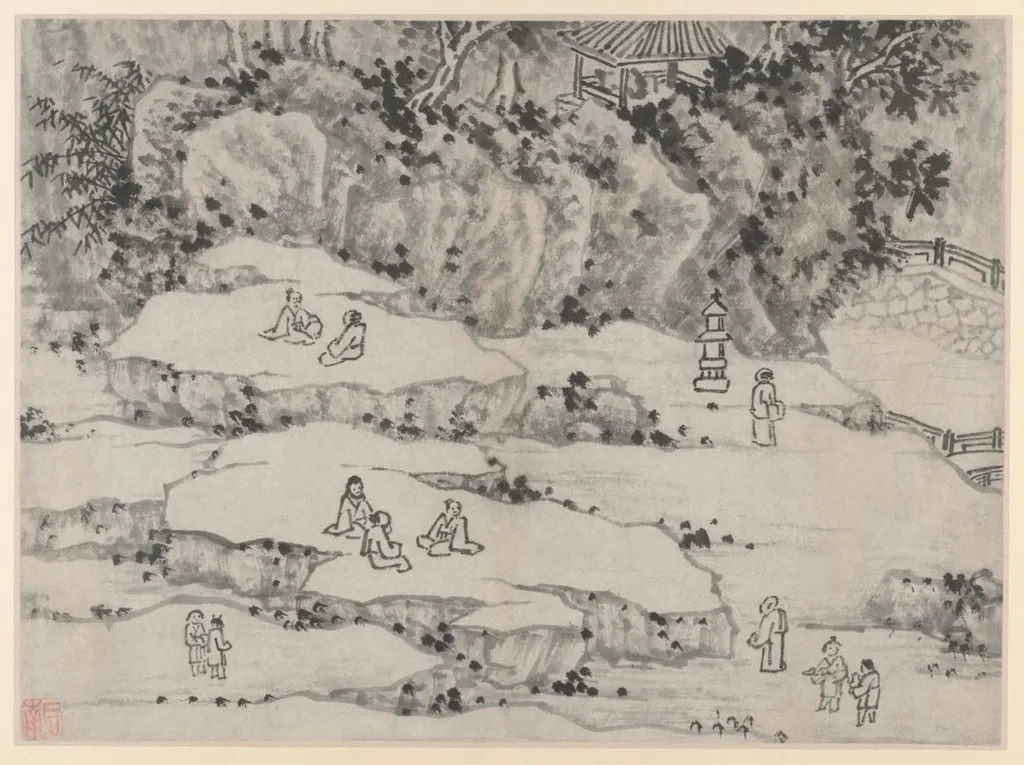
The Nodding Stone Terrace, Tiger Hill, and the Thousand-Man Seat, from Twelve Views of Tiger Hill, Suzhou is an unspecified painting by the Renaissance artist Shen Zhou. It dates from 1490 and is held in the collection of the Cleveland Museum of Art.
- Accession no.
- 1964.371.5
- Credit line
- Leonard C. Hanna Jr. Fund
About this work
Overview
The Nodding Stone Terrace, Tiger Hill, and the Thousand-Man Seat is one of twelve ink-wash landscapes from Shen Zhou’s series depicting Tiger Hill near Suzhou.
The Nodding Stone Terrace, Tiger Hill, and the Thousand-Man Seat is one of twelve ink-wash landscapes from Shen Zhou’s series depicting Tiger Hill near Suzhou. Painted after the artist turned sixty, the work captures a quiet pilgrimage up the hillside, from riverbank to monastery. Each scene in the suite reflects a meditative journey, rendered in restrained monochrome tones that emphasize atmosphere over spectacle. Shen Zhou, a native of Suzhou, turned to painting later in life after declining official service.
Subject & Meaning
The scene portrays a scholar ascending stone steps toward a pavilion, surrounded by leaning pines and weathered rocks. The path suggests a contemplative ascent, mirroring the spiritual journey associated with retreat from public life. Tiger Hill, a real place of historical and literary significance, is rendered not as a topographical record but as a poetic space, inviting stillness, reflection, and communion with nature. The absence of human activity beyond the lone figure reinforces solitude as a valued ideal.
Technique & Style
Shen Zhou employed soft ink washes and subtle gradations to model rock forms and suggest depth without sharp outlines. The pines are sketched with economical brushwork, their posture conveying wind and age. Colors are nearly absent; the palette relies entirely on tonal variation within ink, a hallmark of his mature style.
The composition avoids dramatic perspective, favoring a flattened, intimate space that draws the viewer into the rhythm of the climb rather than its grandeur.
History & Provenance
Created in the early 16th century, the series was likely commissioned or produced for private circulation among scholar-officials and literati circles in Suzhou. As a member of the Wu School, Shen Zhou’s works circulated among local patrons who valued personal expression over courtly grandeur. The original twelve-scroll set has since been dispersed; individual sheets are held in museums across Asia and the West, including The Cleveland Museum of Art.
Context
Shen Zhou’s retreat from official life reflected a broader cultural preference among Ming-era literati for scholarly autonomy. His paintings responded to a tradition of ink landscape rooted in Song dynasty ideals but infused with personal quietude. Tiger Hill, long associated with Buddhist pilgrimage and poetic verse, offered a fitting subject for a man who sought harmony between nature, memory, and artistic practice outside institutional frameworks.
Legacy
Shen Zhou’s Twelve Views of Tiger Hill helped define the Wu School’s aesthetic: intimate, literate, and grounded in personal experience. His emphasis on subdued ink tones and contemplative subjects influenced generations of painters in Jiangnan. Rather than asserting authority through scale or color, his work demonstrated how restraint could convey depth, establishing a model for literati painting that endured well beyond his lifetime.
Artist & collection
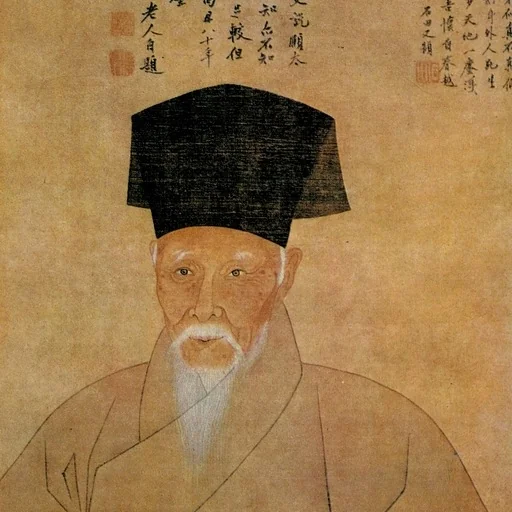
Artist
Shen Zhou spent his life in the Suzhou region of China, where his family’s money and connections mattered more than art, until it did.

 Untitled
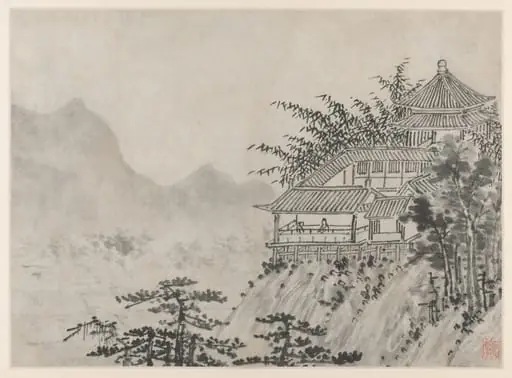
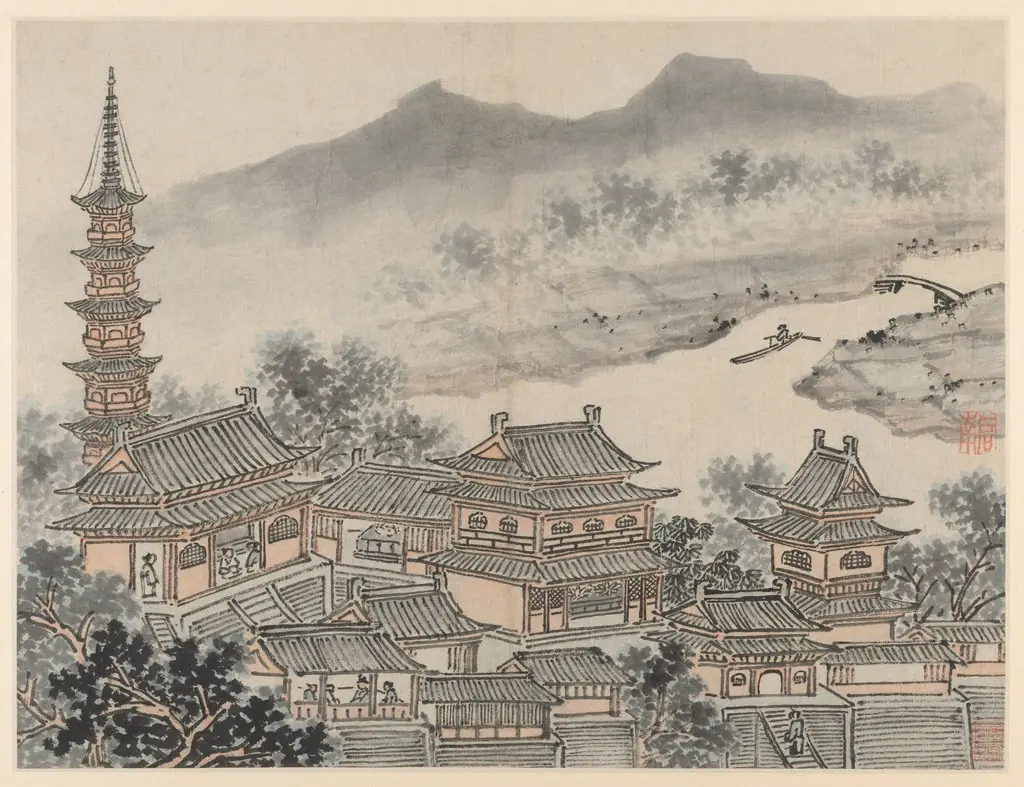 The Thousand Buddha Hall and the Pagoda of the "Cloudy Cliff" Monastery, from Twelve Views of Tiger Hill, Suzhou
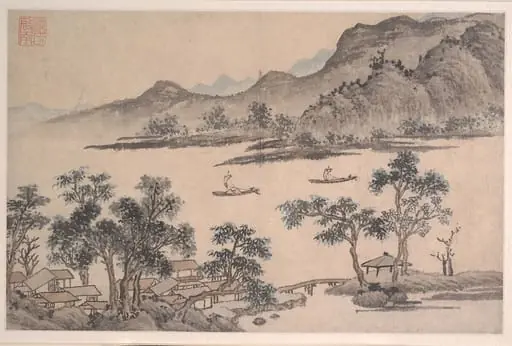 Untitled
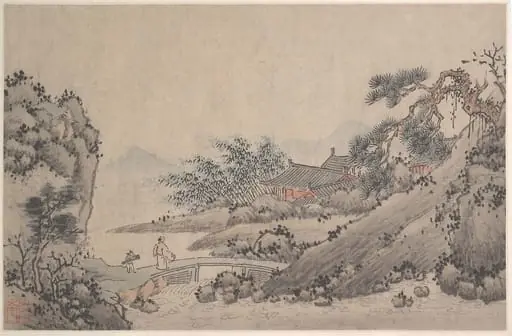 Untitled
 明 沈周 溪山秋色圖 卷|明 沈周 溪山秋色圖 卷明 楷書溪山秋色圖 引首|Autumn Colors among Streams and Mountains
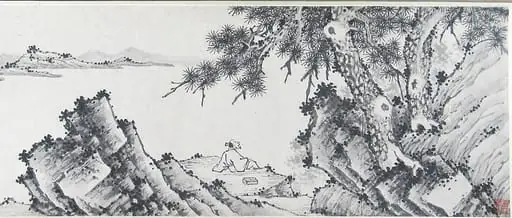 明 (倣)沈周 怡松圖 卷|Enjoying the Pines
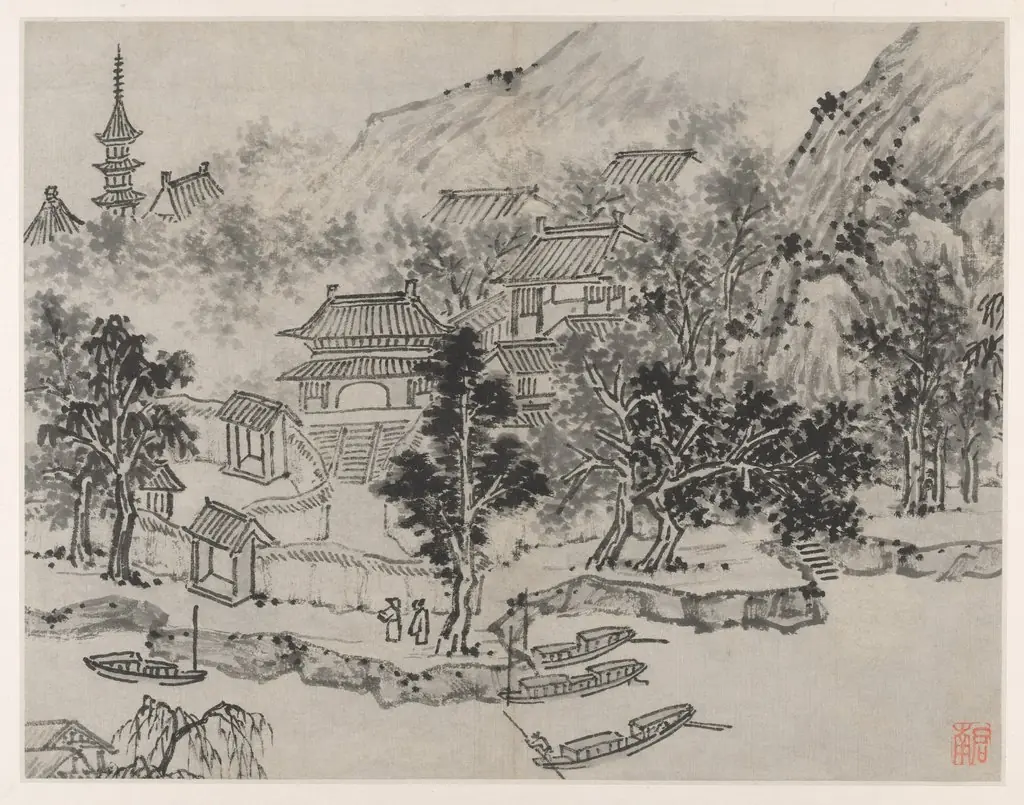 Distant View of Tiger Hill from the Canal Mooring, from Twelve Views of Tiger Hill, Suzhou
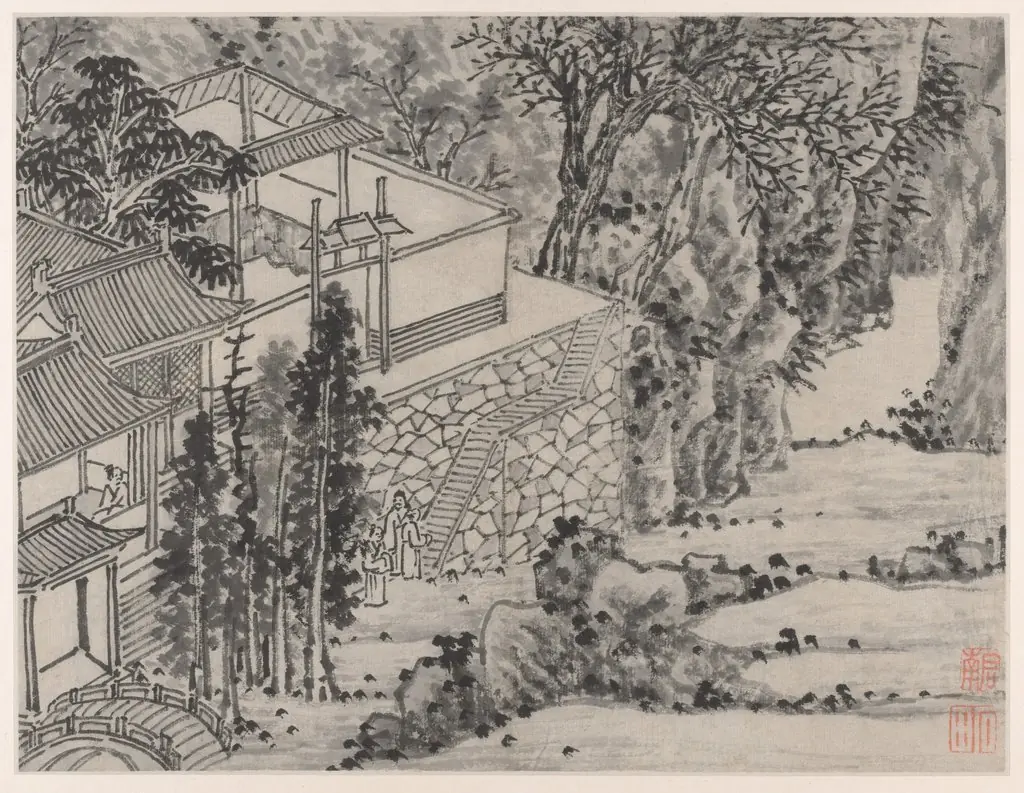 The Enlightened Stone Retreat, from Twelve Views of Tiger Hill, Suzhou
- The Thousand Acres of Clouds, from Twelve Views of Tiger Hill, Suzhou
 Distant View of Tiger Hill from the Canal Mooring, from Twelve Views of Tiger Hill, Suzhou
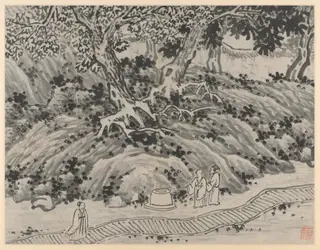 The Fool's Spring, from Twelve Views of Tiger Hill, Suzhou
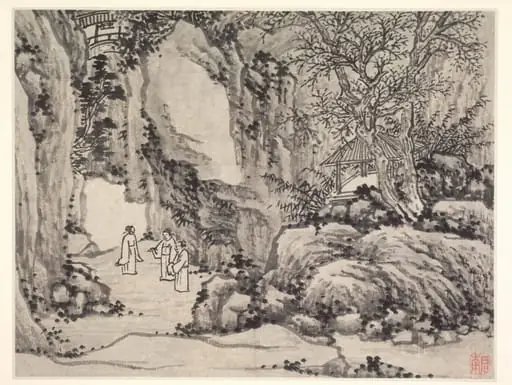 The Sword Spring, Tiger Hill, from Twelve Views of Tiger Hill, Suzhou
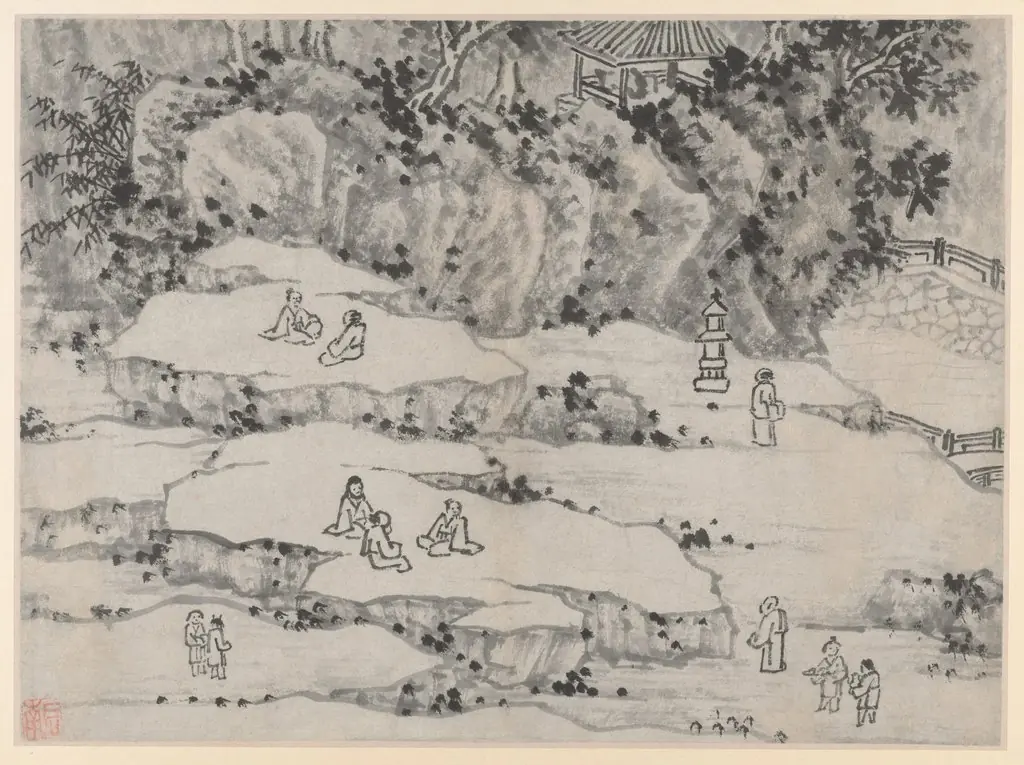 The Nodding Stone Terrace, Tiger Hill, and the Thousand-Man Seat, from Twelve Views of Tiger Hill, Suzhou
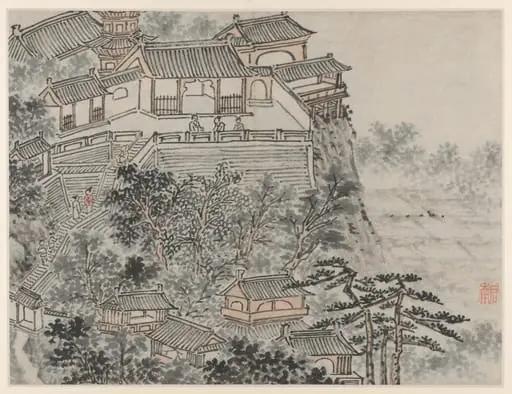 The Five Sages Terrace, from Twelve Views of Tiger Hill, Suzhou
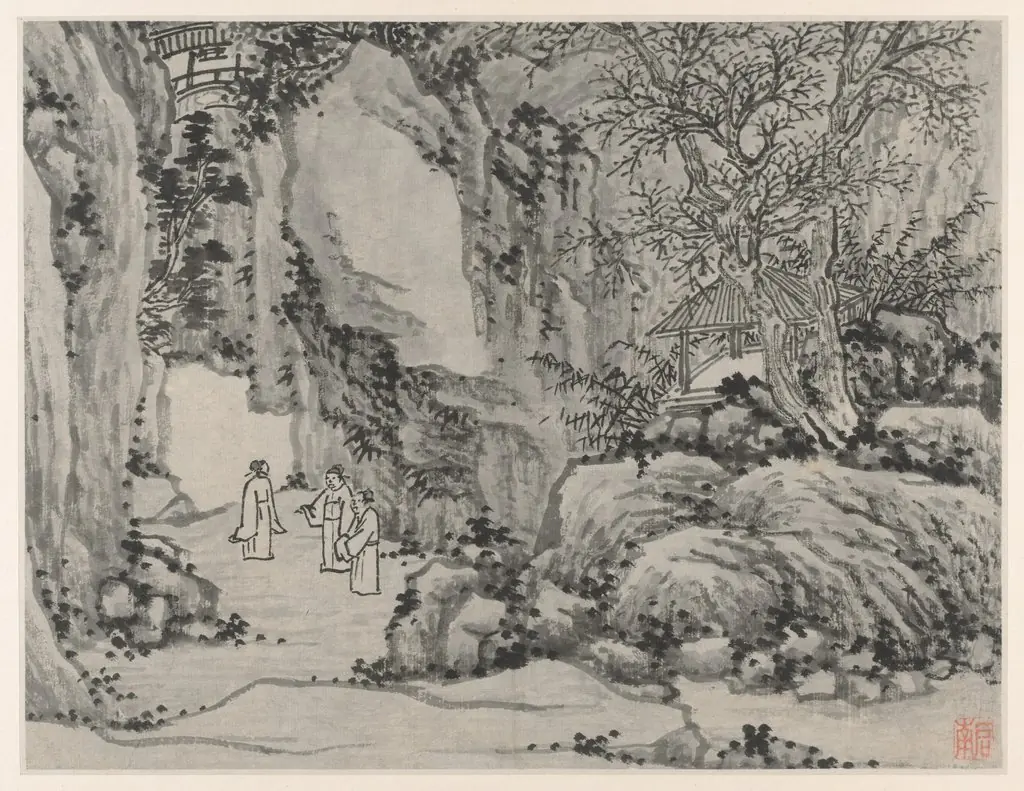 The Sword Spring, Tiger Hill, from Twelve Views of Tiger Hill, Suzhou
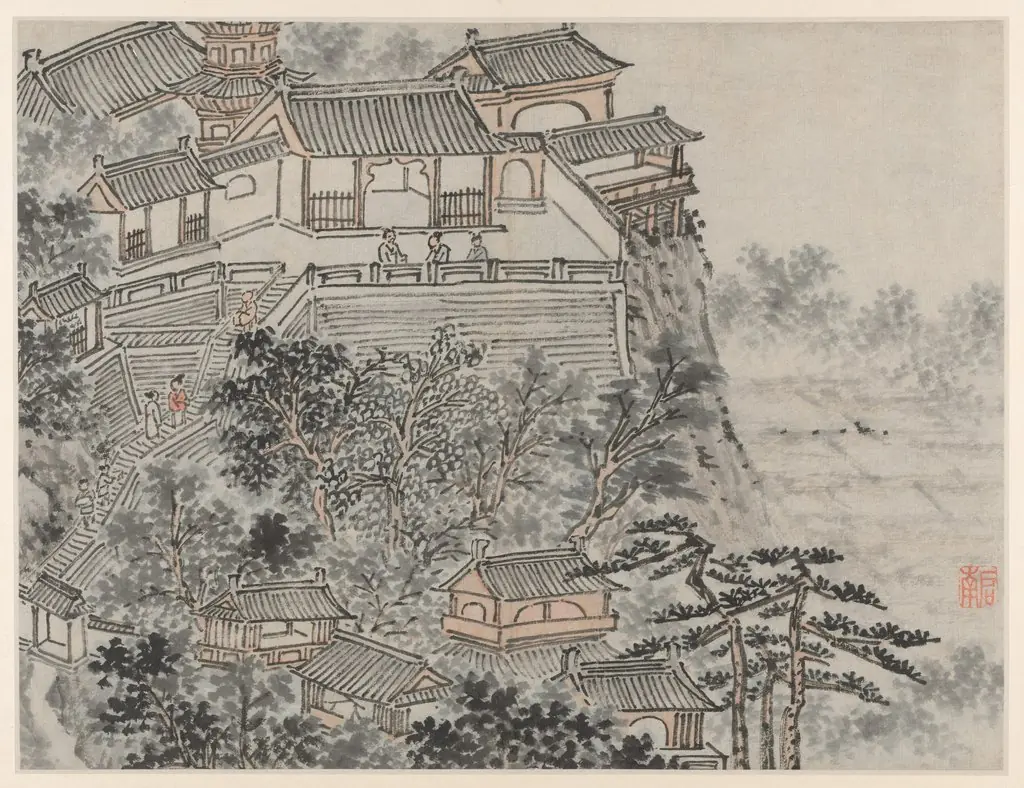 The Five Sages Terrace, from Twelve Views of Tiger Hill, Suzhou
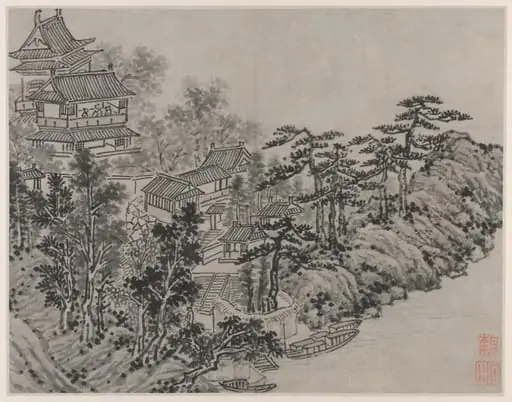 Cloud-Climbing Pavilion, from Twelve Views of Tiger Hill, Suzhou
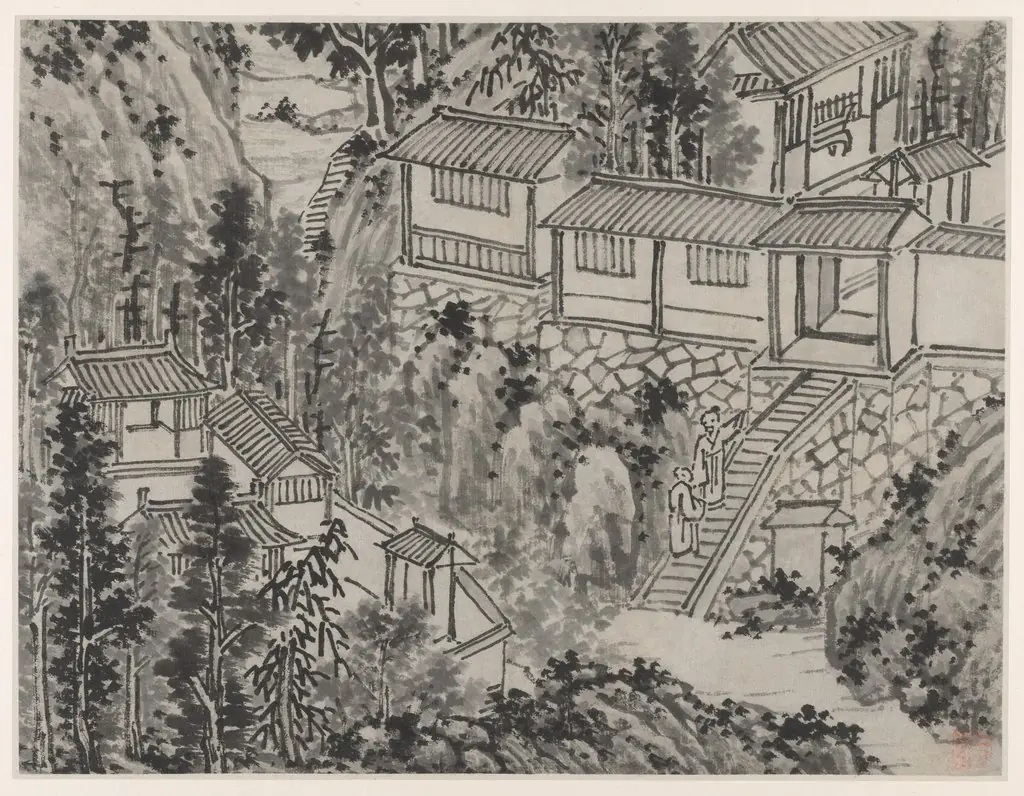 The Pine Retreat, from Twelve Views of Tiger Hill, Suzhou
 Tiger-Flight Spring at the Back Gate, from Twelve Views of Tiger Hill, Suzhou