Artwork
Rocky coast
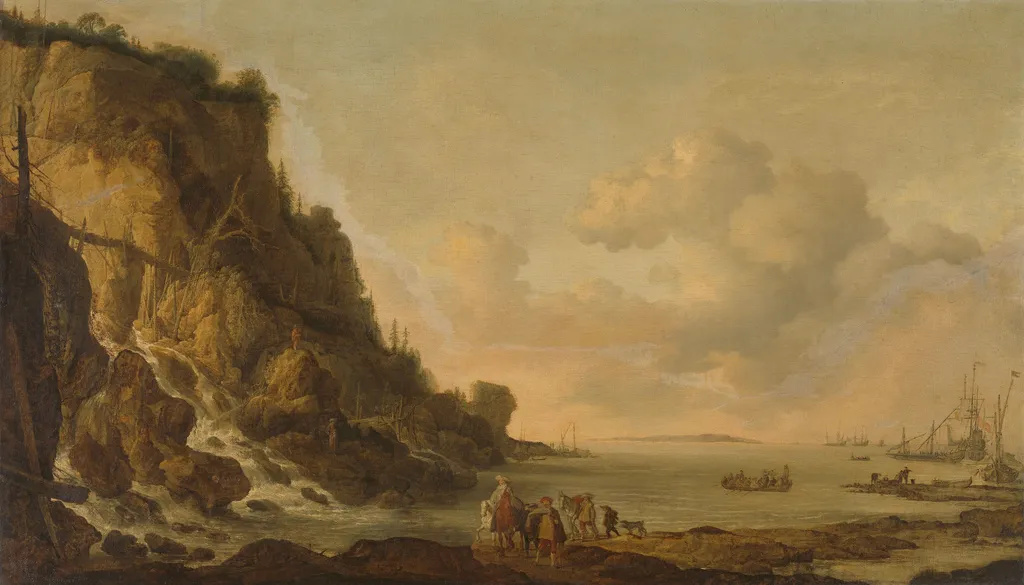
Rocky coast is an oil painting by the Dutch Golden Age artist Simon de Vlieger. It dates from 1650 and is held in the collection of the Rijksmuseum.
About this work
Subject & Meaning
The work is interpreted as a meditation on transience, using the harsh coastal setting to symbolize the inevitability of change and the fleeting nature of life.
The painting shows a rugged shoreline battered by sea, with dark skies and churning waves that convey the untamed power of nature. De Vlieger arranges the composition around a solitary, windswept mast and a cluster of rocks that act as symbolic markers of isolation and endurance, suggesting a contemplation of human vulnerability against the indifferent ocean.
The work is interpreted as a meditation on transience, using the harsh coastal setting to symbolize the inevitability of change and the fleeting nature of life.
The painting belongs to the marine art genre and was created in 1650 using oil on canvas, measuring 83 cm by 144 cm.
It was owned by Arnoldus Andries des Tombe before entering the Rijksmuseum collection.
Technique & Style
Rocky coast is executed in oil paint on canvas, a standard support for mid-seventeenth-century Dutch marine painting. The work measures 83 cm in height by 144 cm in width, giving it a broad horizontal format well suited to its coastal subject. Classified as a painting within the marine genre, it reflects Simon de Vlieger's specialization in seascape and coastal scenes, employing the oil medium to render atmospheric and textural effects characteristic of Dutch marine art of the period.
The painting is held in the collection of the Rijksmuseum.
History & Provenance
The painting Rocky coast by Simon de Vlieger is dated to 1650, aligning with the artist’s mature period known for marine subjects. It entered the collection of Arnoldus Andries des Tombe, whose holdings later formed part of the Rijksmuseum’s holdings. The work is recorded in the Rijksmuseum’s collection under accession details matching its dimensions, confirming its institutional ownership by at least the time of des Tombe’s bequest.
Simon de Vlieger's painting Rocky coast is held in the collection of the Rijksmuseum in Amsterdam. The work, executed in oil on canvas in 1650, measures 83 cm in height and 144 cm in width. Prior to its current location, the painting was owned by Arnoldus Andries des Tombe.
The provided sources do not list specific inventory or accession numbers, nor do they detail any exhibition history for this work.
The artwork remains part of the Rijksmuseum's permanent holdings, categorized under marine art.
Overview
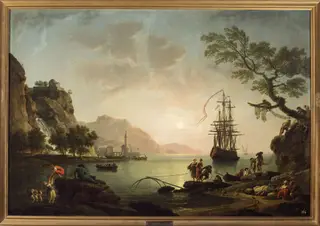
Simon de Vlieger’s Rocky Coast, executed in oil around 1650, belongs to the Dutch Golden Age’s marine genre. The canvas portrays a tranquil seascape at dusk, with a rugged shoreline, distant vessels, and a small group of figures accompanied by a dog. The work is part of the Rijksmuseum’s permanent collection, illustrating de Vlieger’s enduring interest in maritime environments.
Context
De Vlieger was a versatile artist, active not only as a painter but also in designing tapestries and stained‑glass windows. His marine subjects align with a broader Dutch fascination with the sea, which served both as a source of livelihood and a symbol of national pride. Rocky Coast exemplifies the period’s technical skill and its cultural preoccupation with maritime life.
Artist & collection
Artist
Simon de Vlieger (c. 1601 – buried 13 March 1653) was a Dutch painter, draughtsman and designer of tapestries, etchings, stained glass windows. While he is mainly known for his marine paintings, he also painted beach…

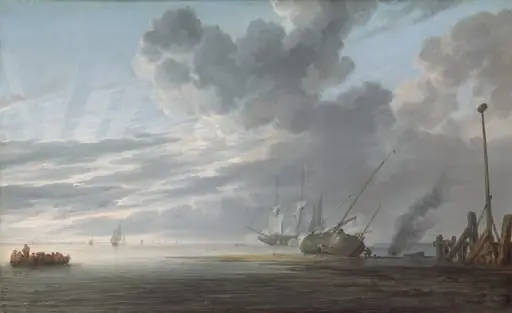
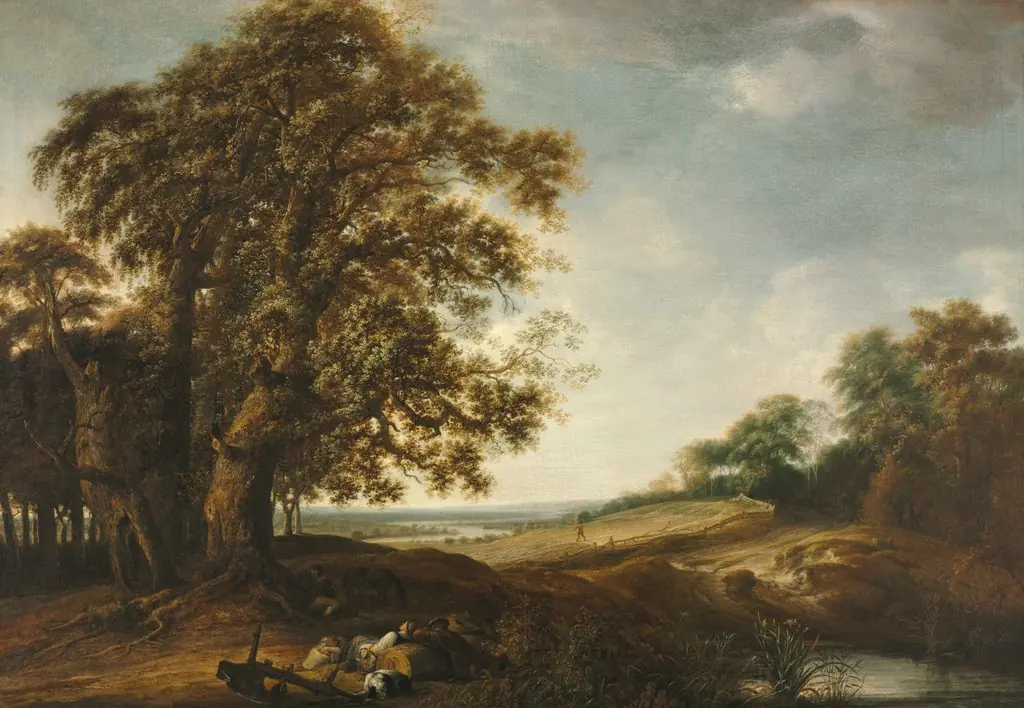
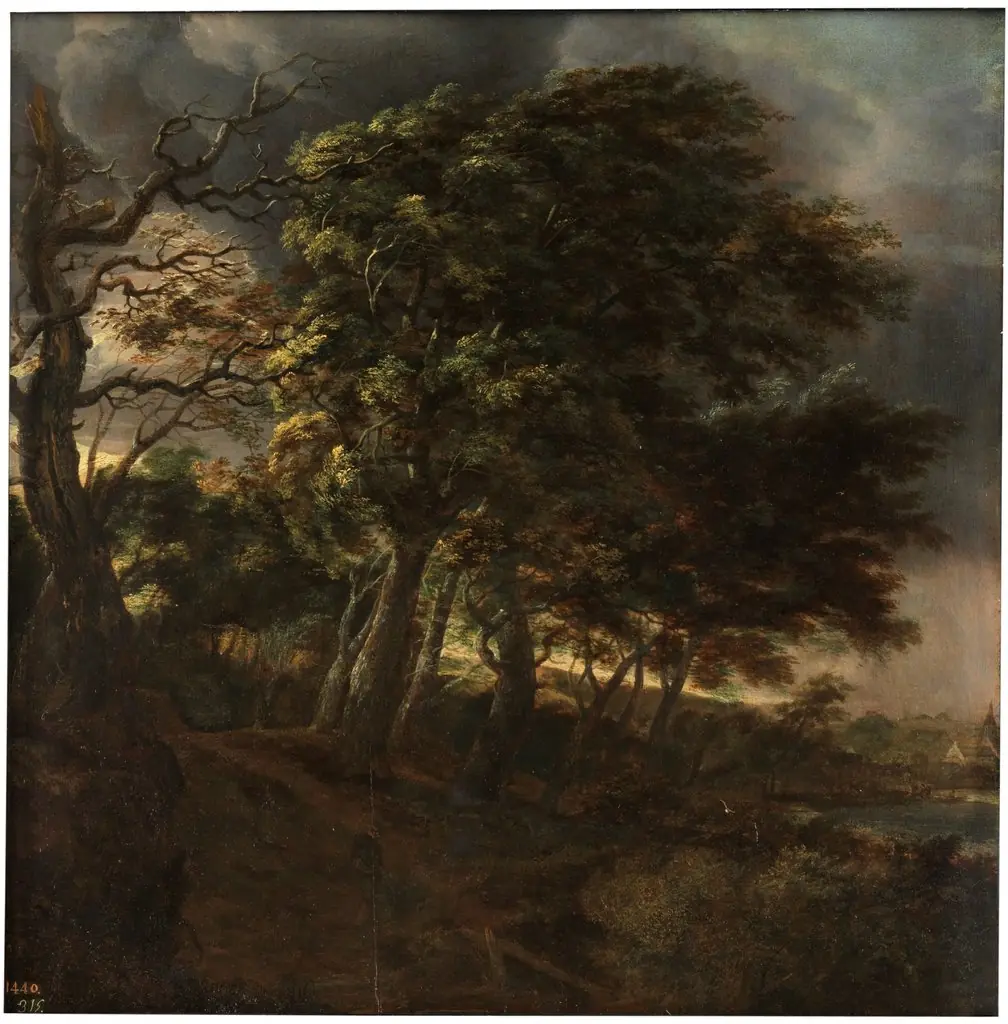
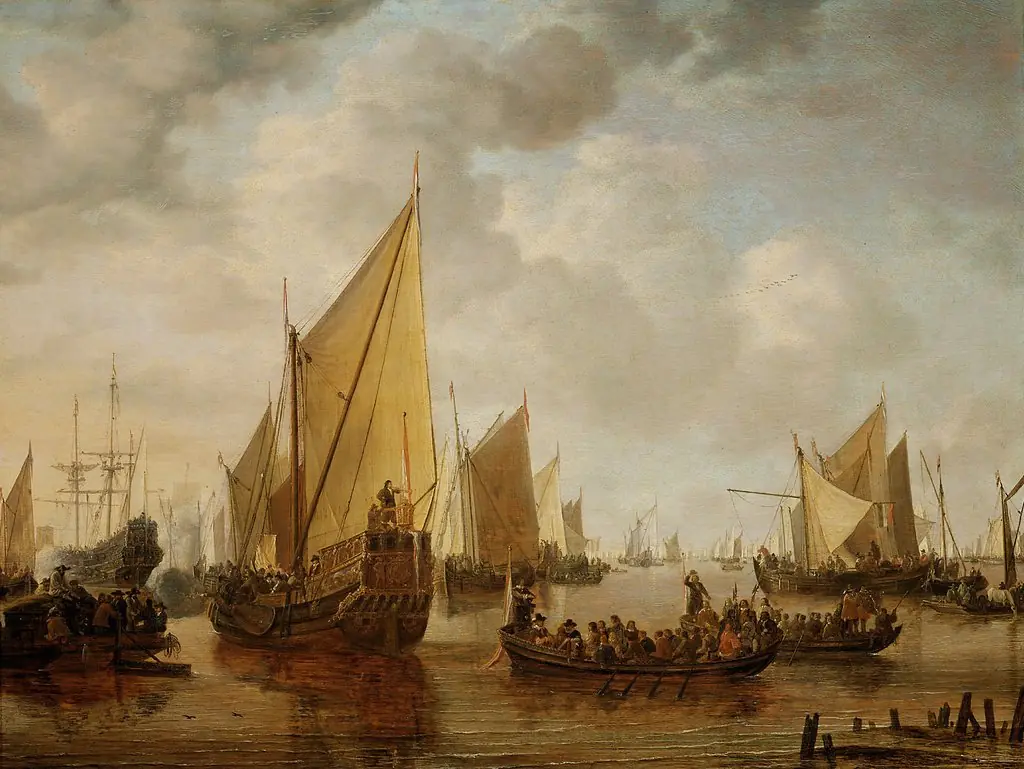
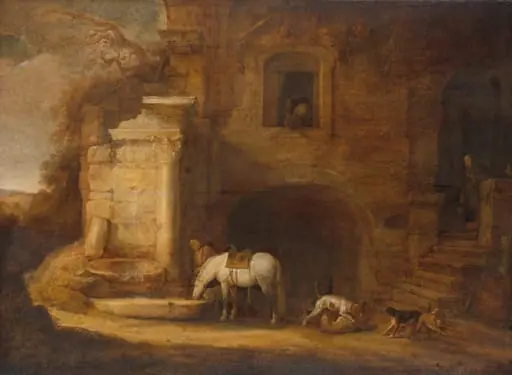
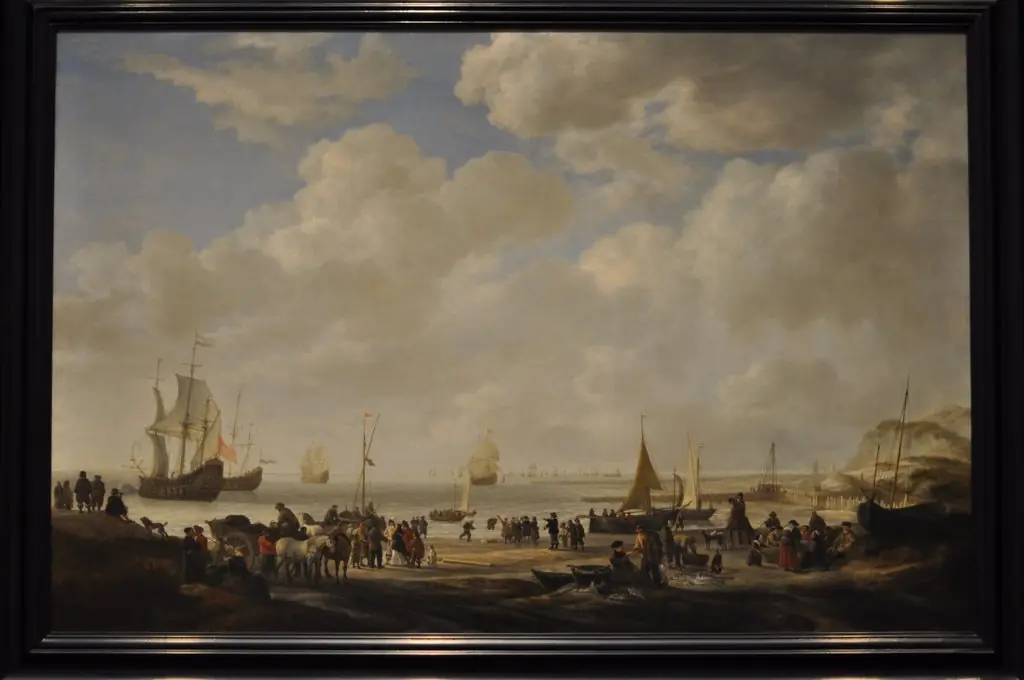
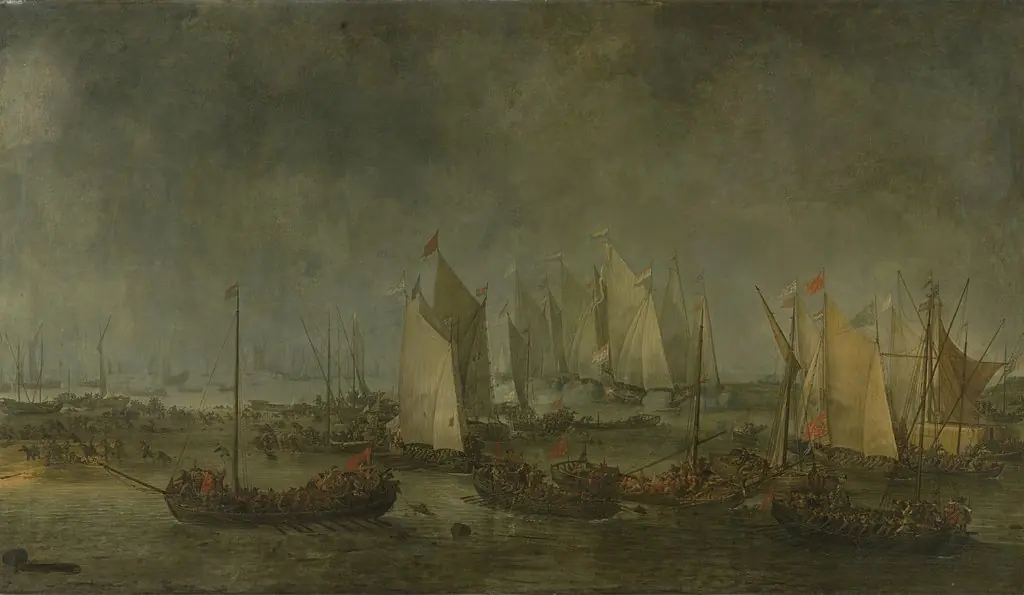
- Polar bear hunt on the coast of Norway?
 Naples
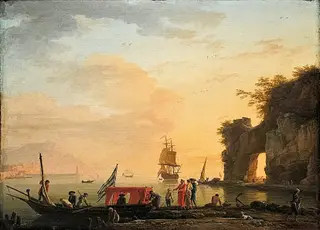 Bay of Naples
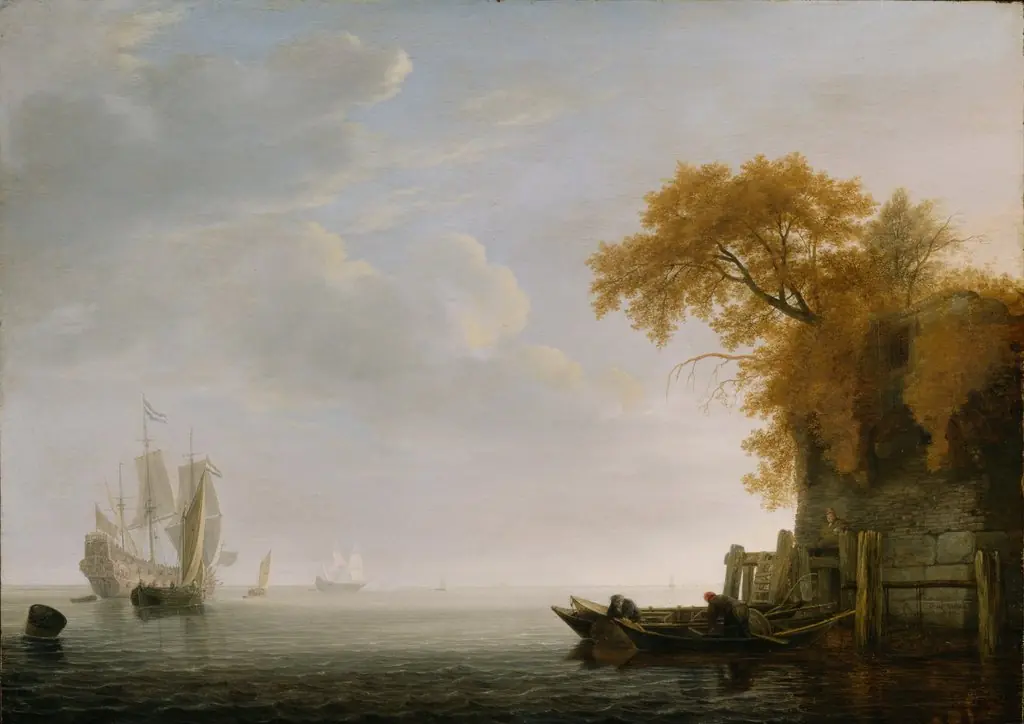 A Calm Sea
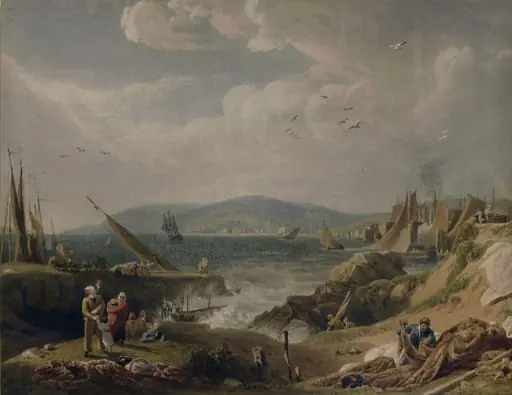 Fishermen and boats near Edgecumbe, Cornwall
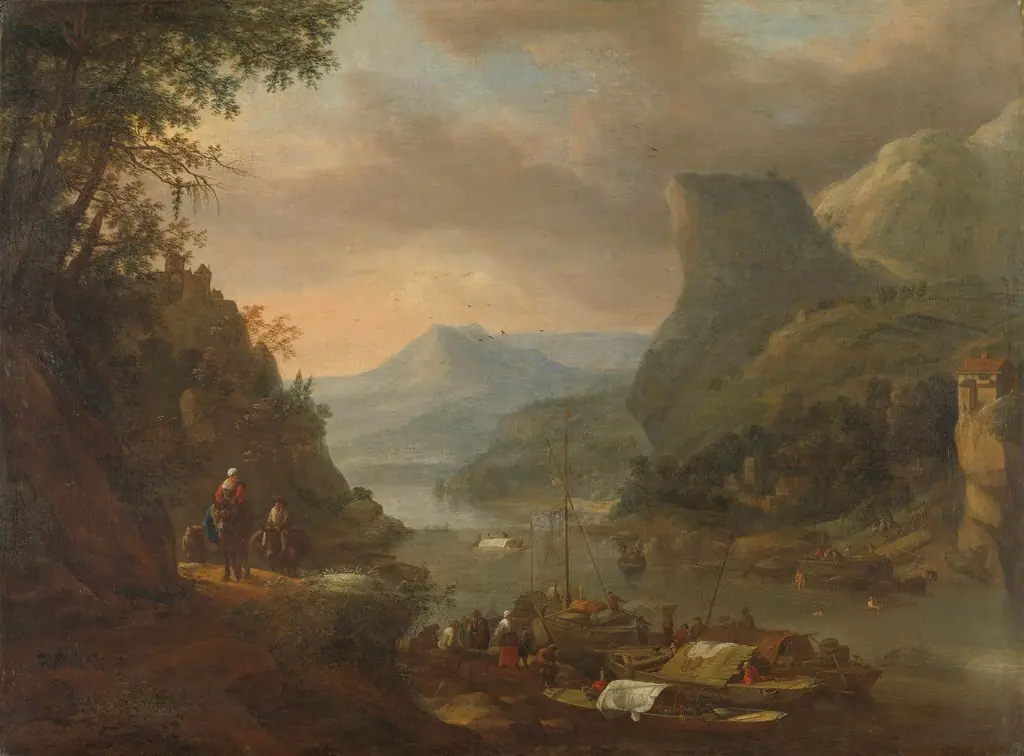 River view in a mountainous region
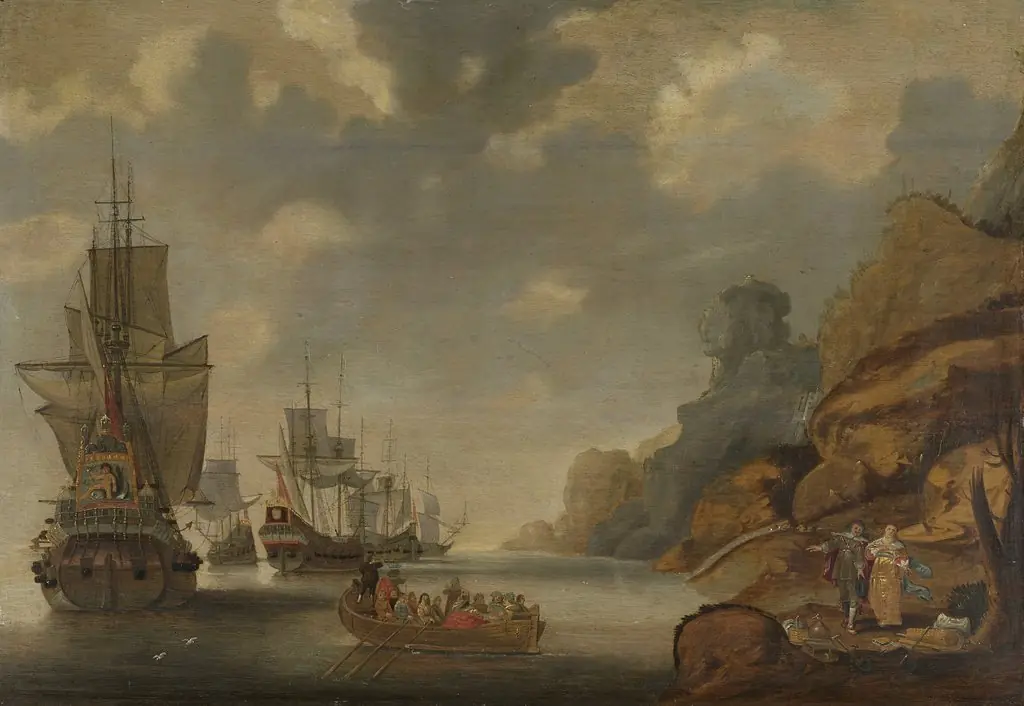 A French squadron near a rocky coast
 A French Squadron near a Rocky Coast
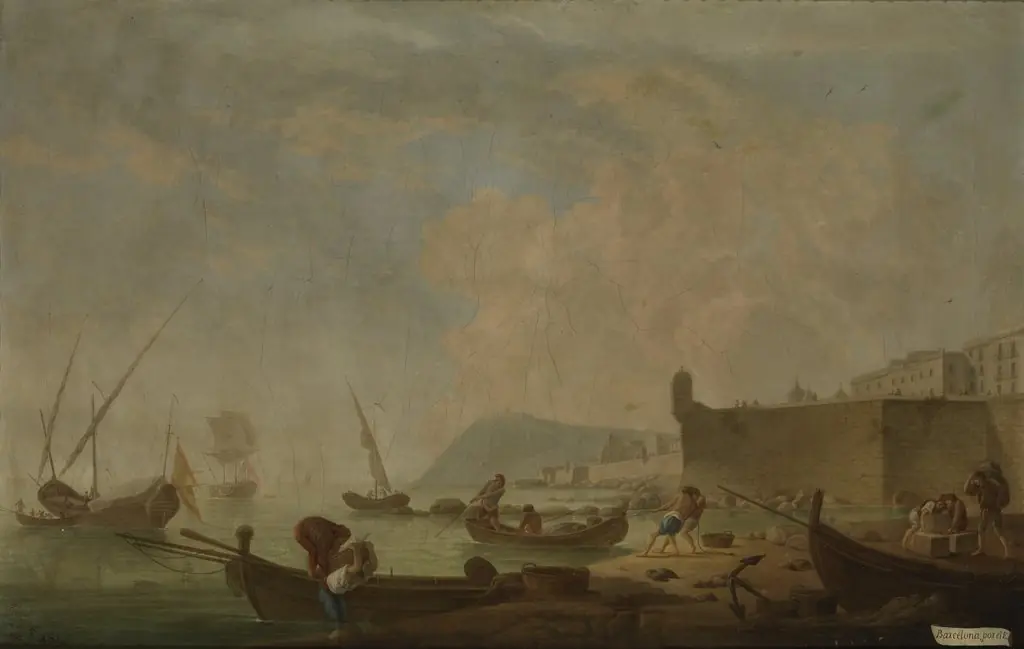 Vista de Barcelona por el Este
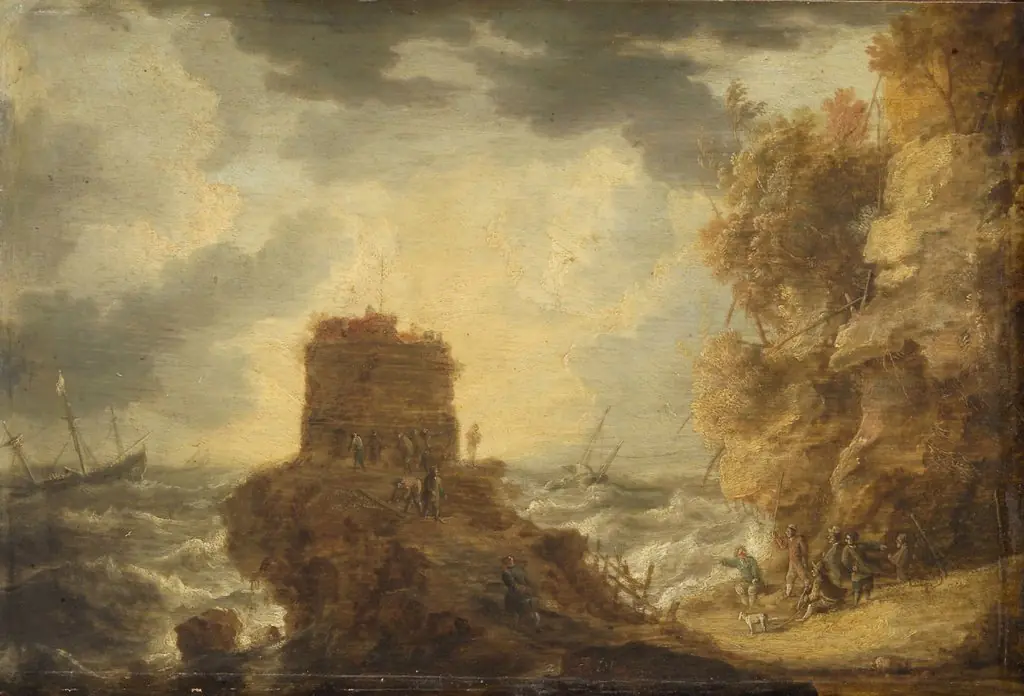 Felsküste mit Wachtturm
 View of the port at dawn (Morning)
 Italian landscape with a view of a harbor