Subject
Cliff
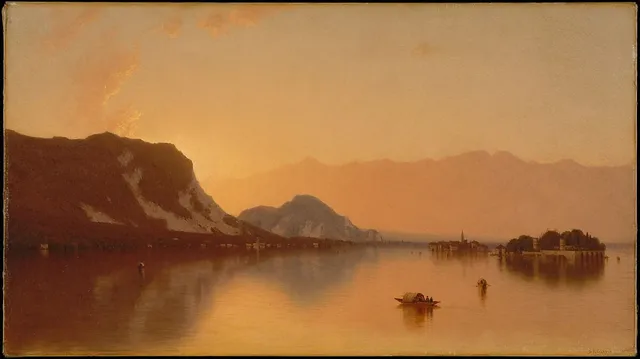
Cliff is a subject in art. The gallery holds 69 works in this subject in art, including works by Gustave Courbet, Henry Bone and George Loring Brown.
The cliff — a sheer face of rock plunging to sea or valley — has appeared in art since antiquity as a backdrop, but it emerged as a subject in its own right only with the Romantic movement of the late eighteenth and early nineteenth centuries. The shift owed much to Edmund Burke's *A Philosophical Enquiry into the Origin of Our Ideas of the Sublime and Beautiful* (1757), which located aesthetic power in vastness, danger, and obscurity. The cliff embodied this sublime perfectly: a precipice that dwarfs the human viewer and stages the encounter between fragile life and indifferent nature. The era's growth in coastal tourism, from Rügen to Capri, brought painters and patrons to dramatic shorelines and fed the demand for such views.
Cliff pictures share a recognizable visual grammar. Verticality and abrupt scale dominate, the rock often rising to the top of the canvas while a small figure — Caspar David Friedrich's contemplative *Rückenfigur*, seen from behind — measures its immensity. Artists framed the void with arching trees or foreground crags (repoussoir) and lavished attention on geological structure, the meeting of stone, water, and sky. Techniques ranged from Friedrich's crystalline finish to Gustave Courbet's blunt palette-knife slabs, ideally suited to rough topography, and the luminists' contemplative, light-saturated atmosphere.
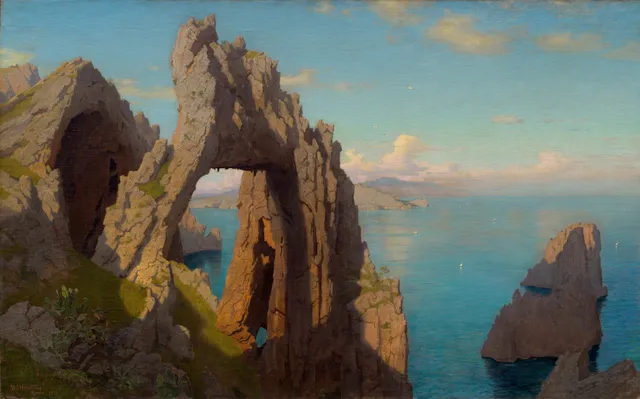
The canonical works span national schools. Friedrich's *Chalk Cliffs on Rügen* (c. 1818, Kunstmuseum Winterthur), painted after his honeymoon excursion to the Stubbenkammer, is the genre's defining image. Courbet worked at Étretat in the autumn of 1869, while William Stanley Haseltine produced precise "rock-portraits" such as *Natural Arch at Capri* (1871), a composite assembling the Arco Naturale and the Faraglioni. American luminists Sanford Robinson Gifford and George Loring Brown carried the theme to Italian coasts and lakes, Brown supplying Claudean souvenirs to tourists.
The motif knitted together neighbouring currents — German Romanticism, the Hudson River School, and luminism — before Claude Monet's roughly fifty *Cliffs at Étretat* canvases (1883–1885) turned the same alabaster arches into a study of shifting light, marking a pivotal move toward mature Impressionism and the modern serial landscape.
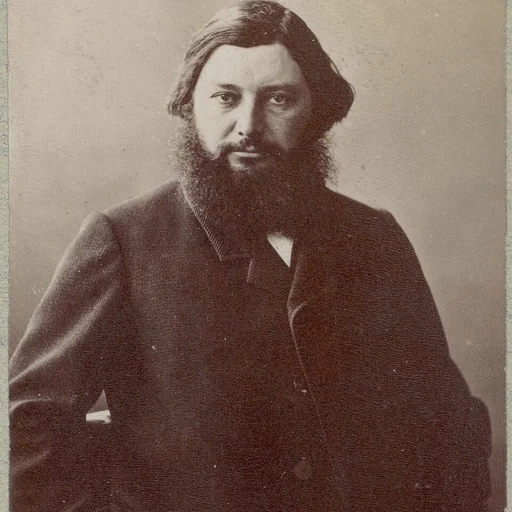
Key artists
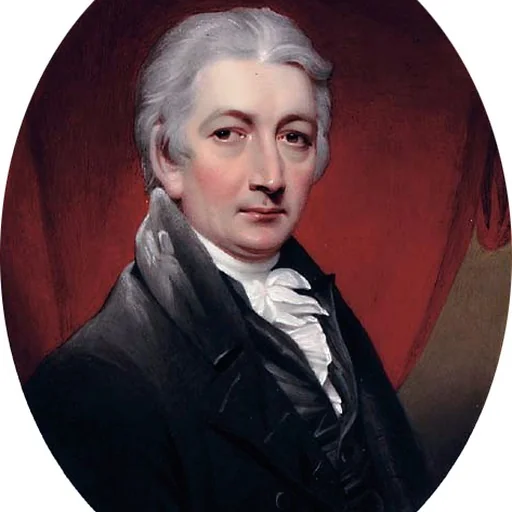
Works
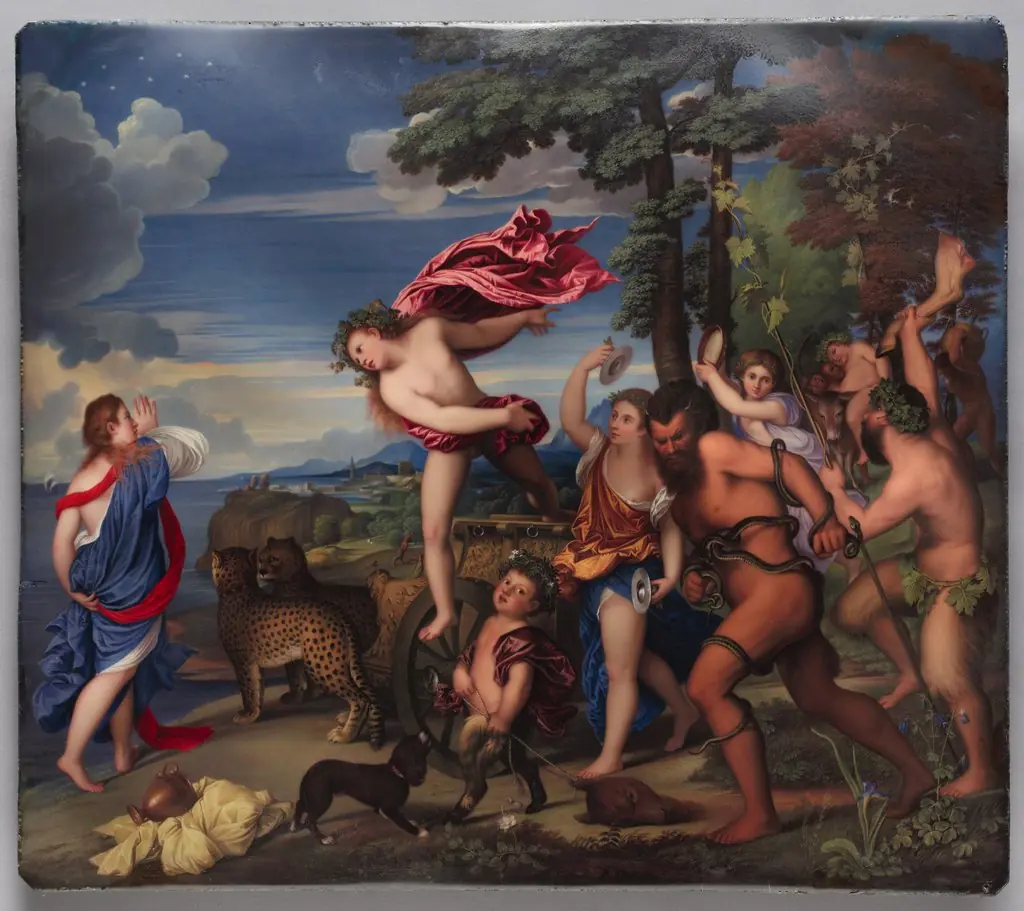 Bacchus and Ariadne
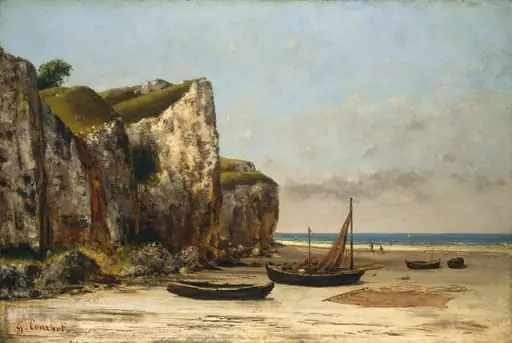 Beach in Normandy
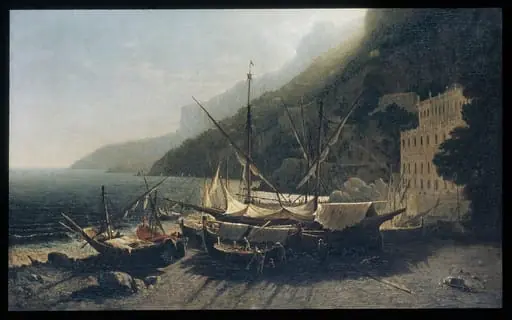 View at Amalfi, Bay of Salerno
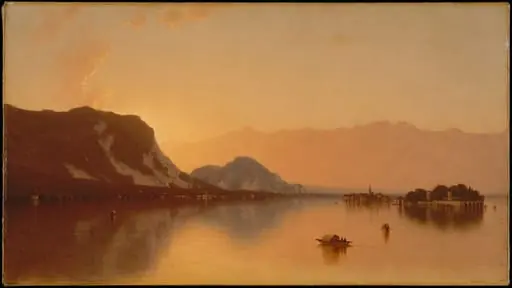 Isola Bella in Lago Maggiore
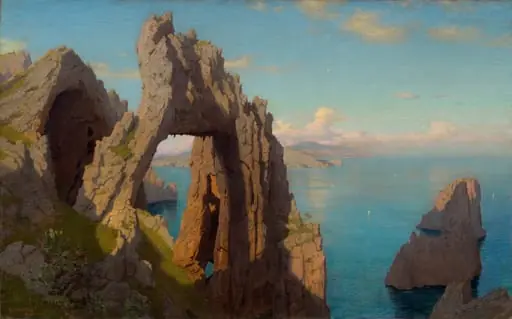 Natural Arch at Capri
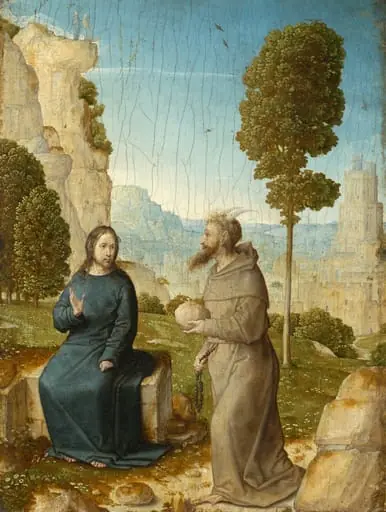 The Temptation of Christ
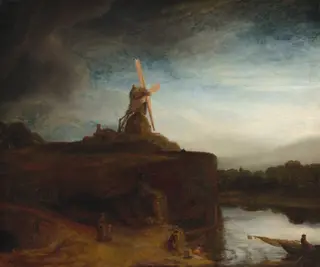 The Mill
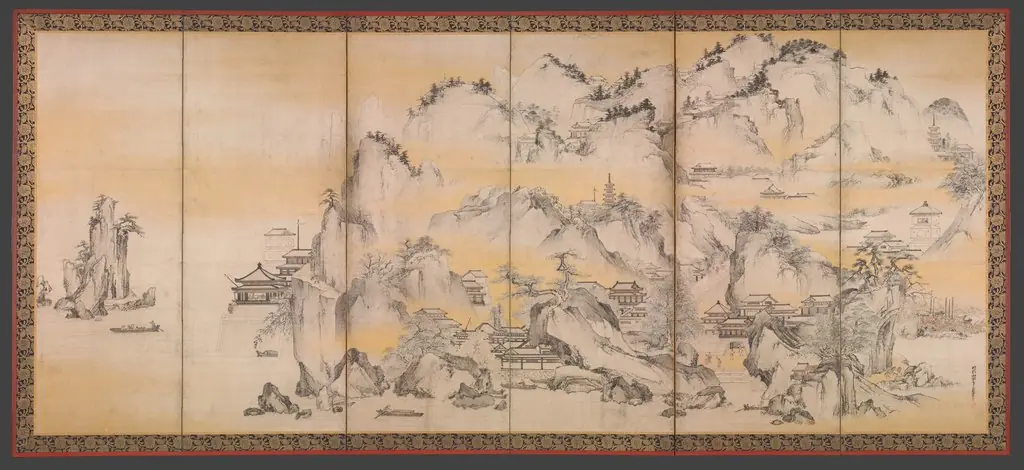 Jinshan Island and West Lake
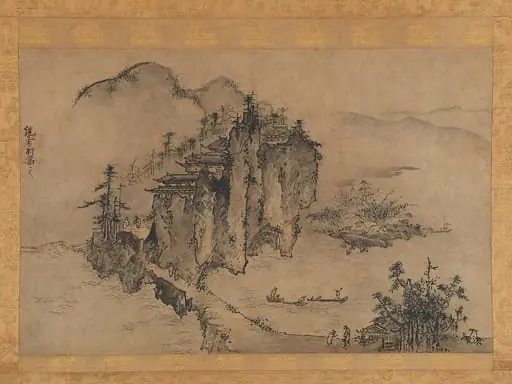 雪村周継筆 山水図|Landscape with Rocky Precipice
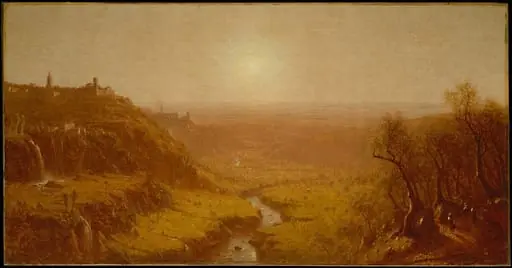 Tivoli
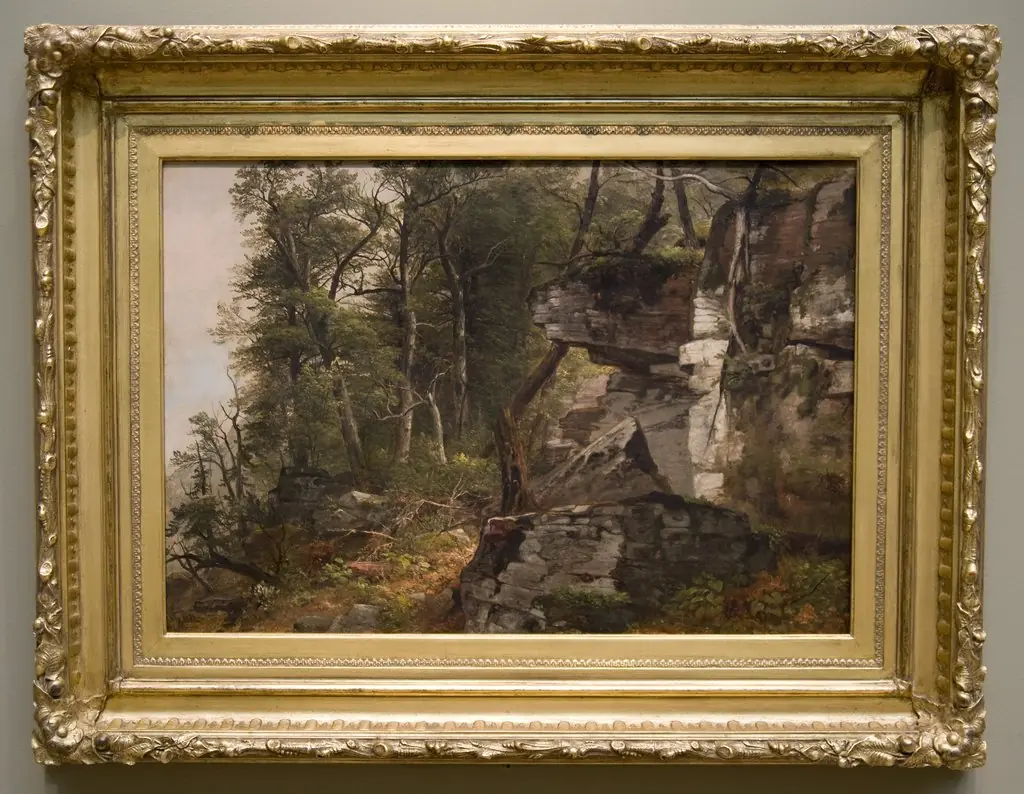 Trees on a Rocky Hillside
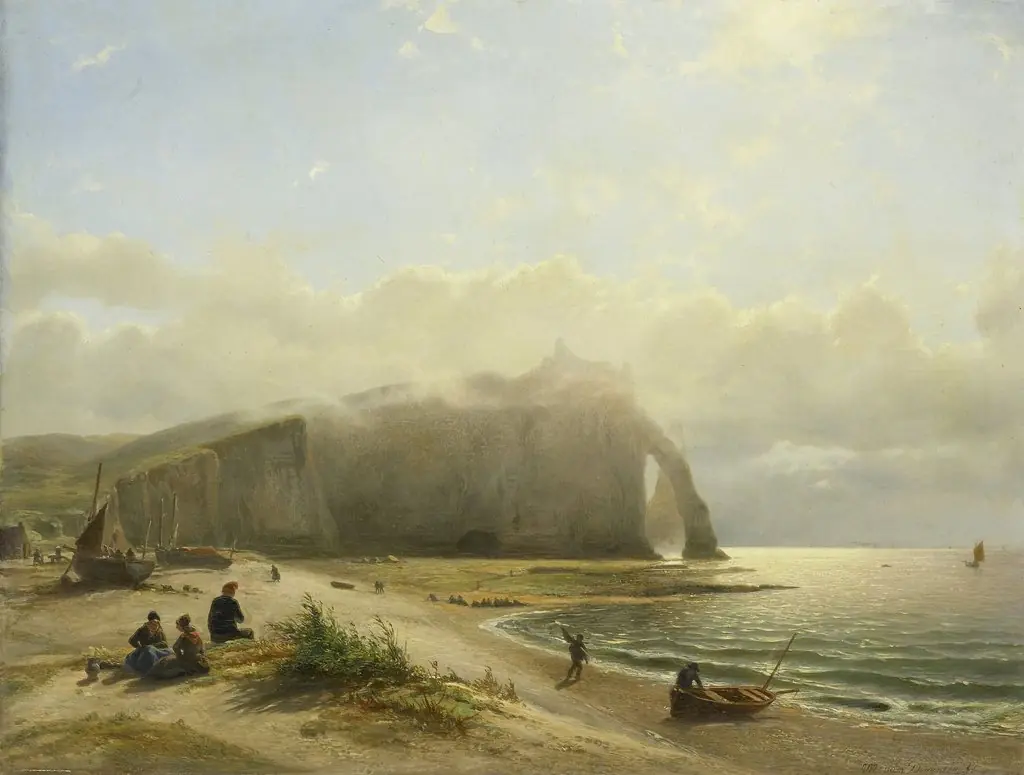 Seascape
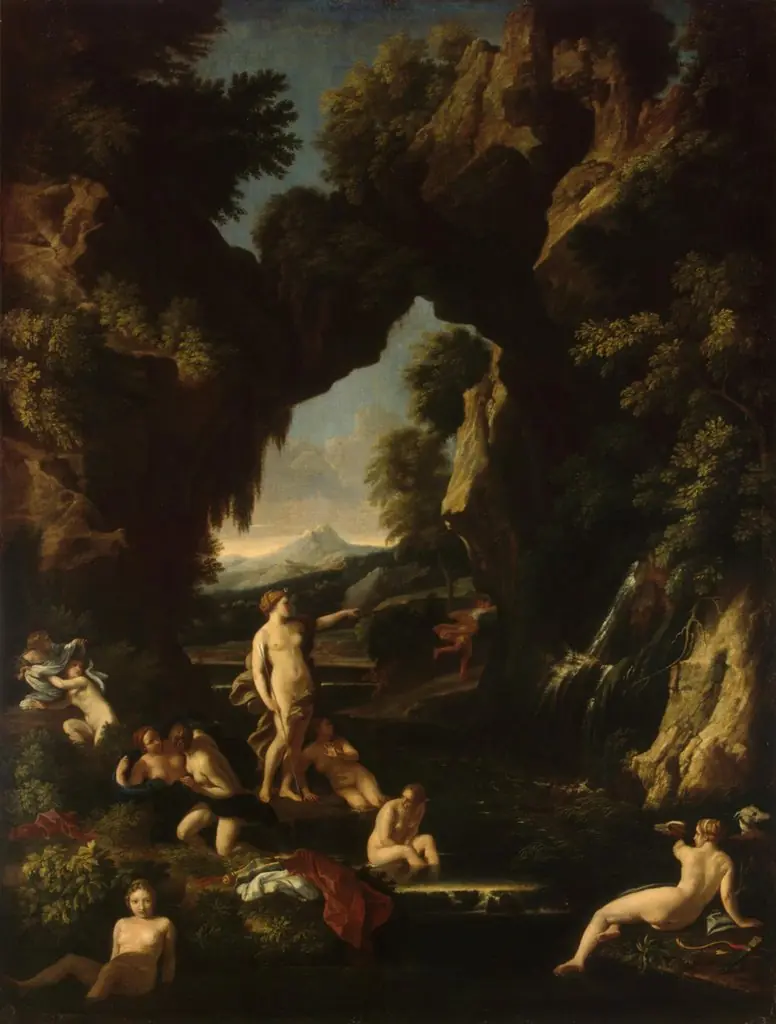 Landscape with Diana and Actaeon
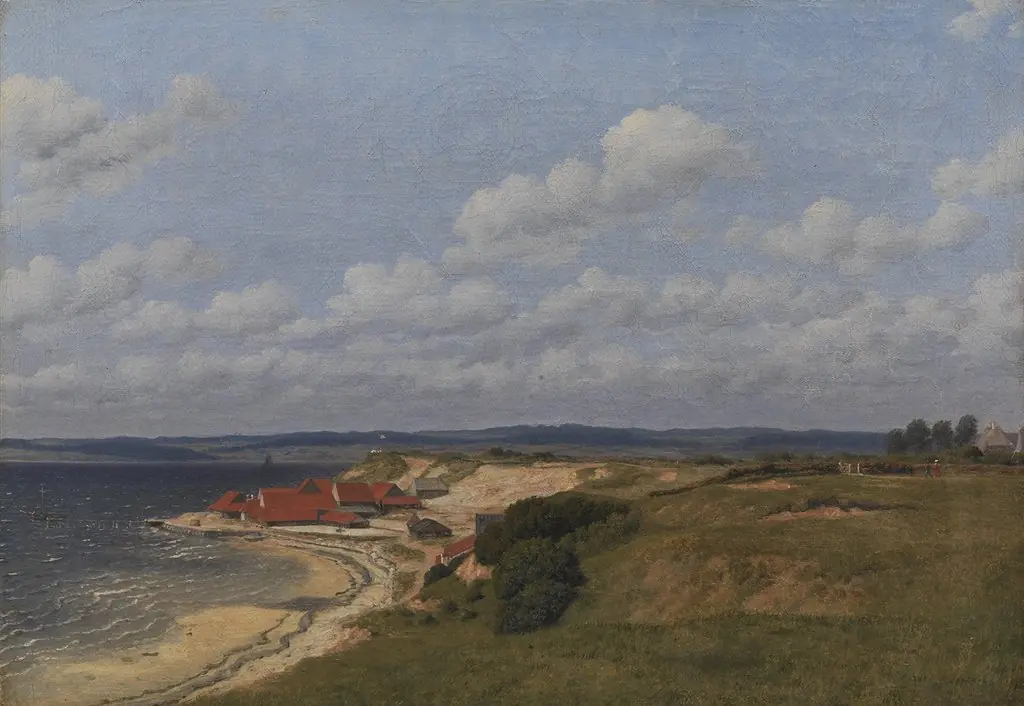 Renbjærg Tileworks by Flensburg Fiord
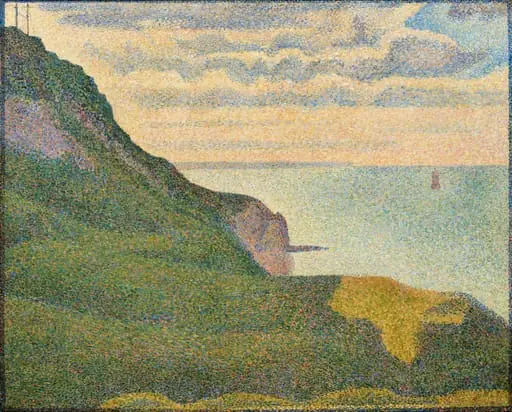 Seascape at Port-en-Bessin, Normandy
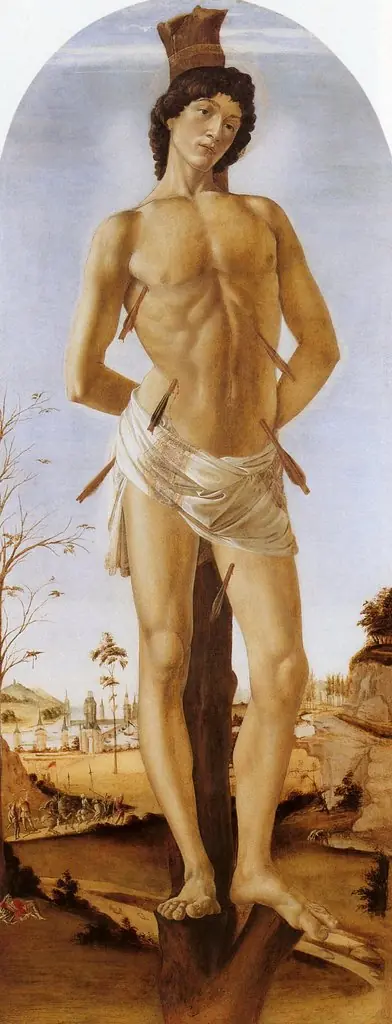 Saint Sebastian
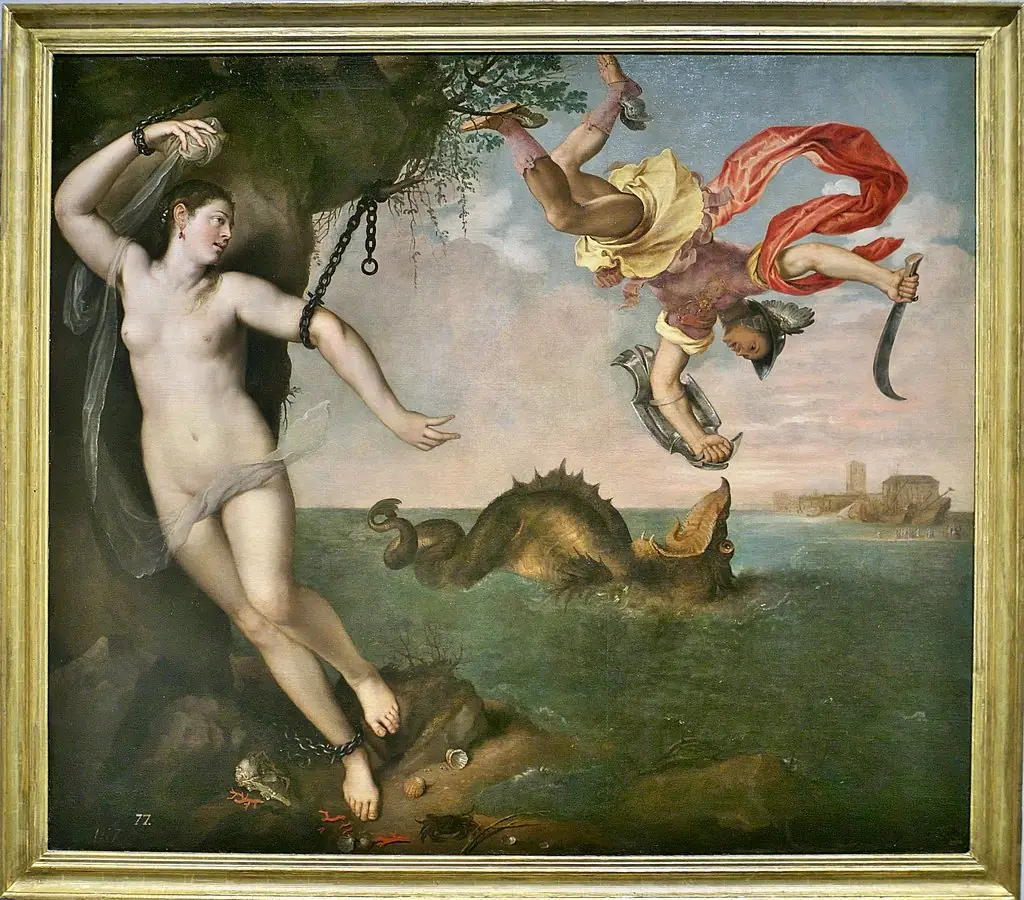 Perseus and Andromeda
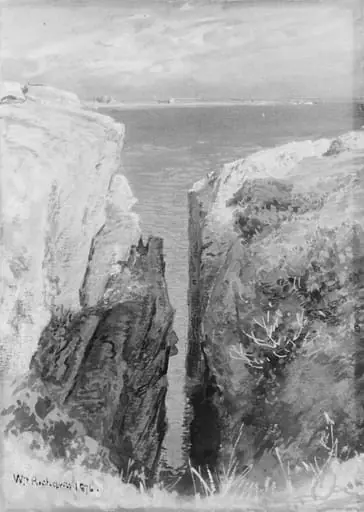 Between the Cliffs, Newport
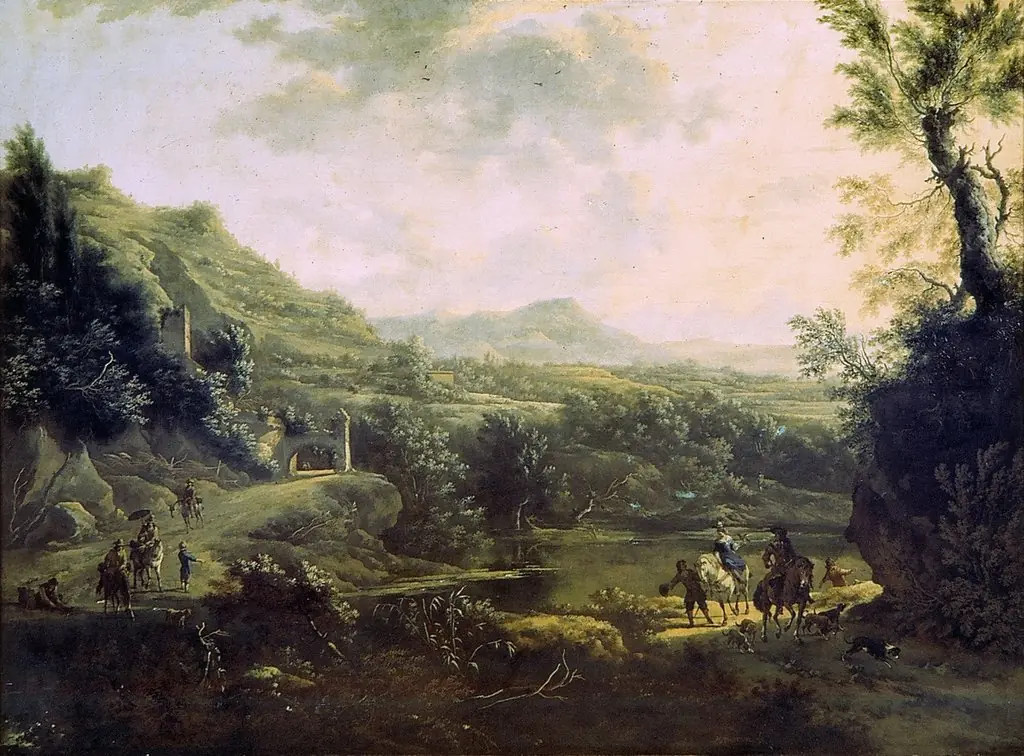 Italian landscape with fortress on the rocks
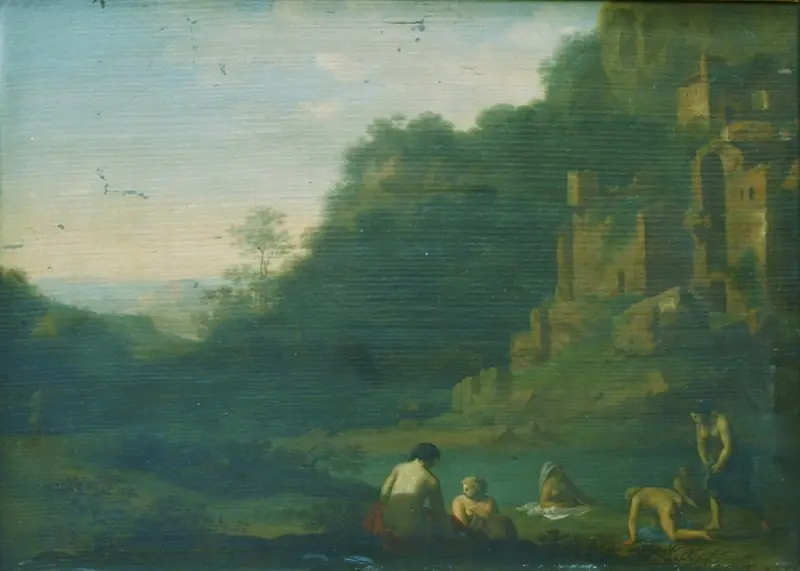 Bathing Nymphs
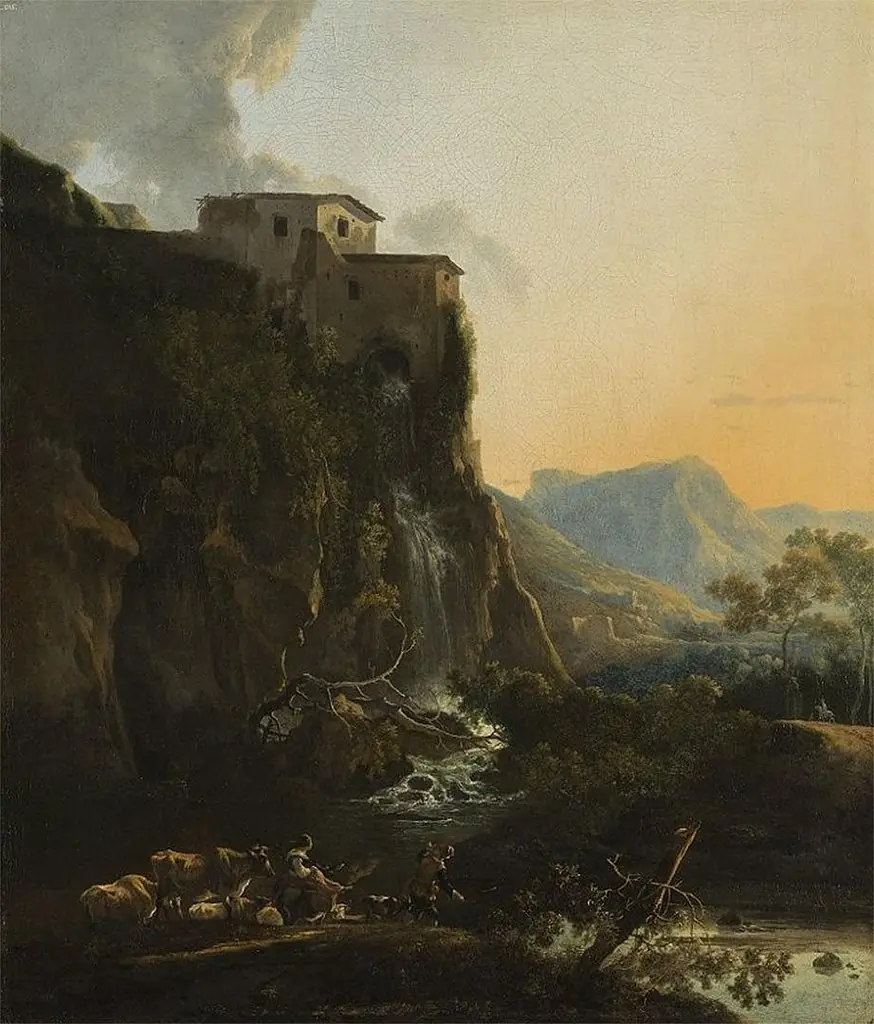 Mountainous Landscape
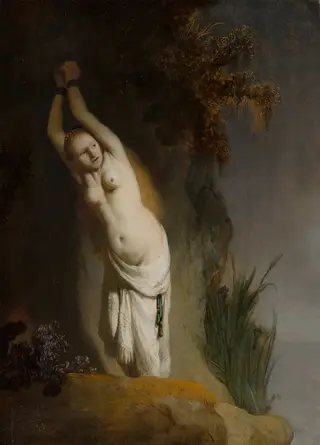 Andromeda Chained to the Rocks
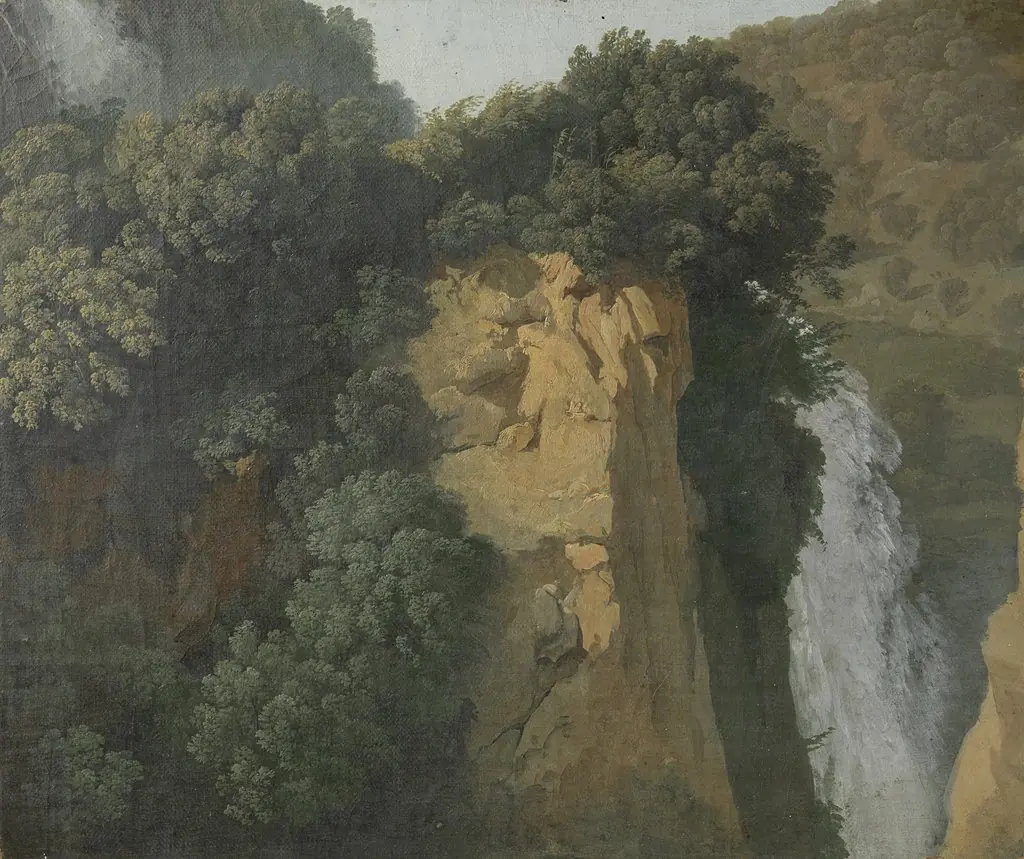 Overgrown Cliffs with a Waterfall in Italy, perhaps at Tivoli
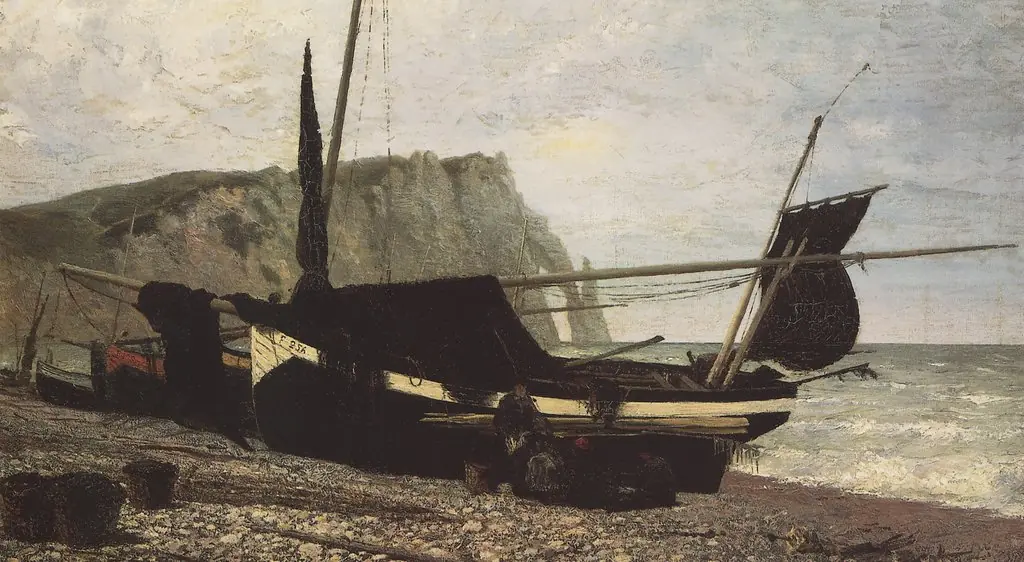 Étretat
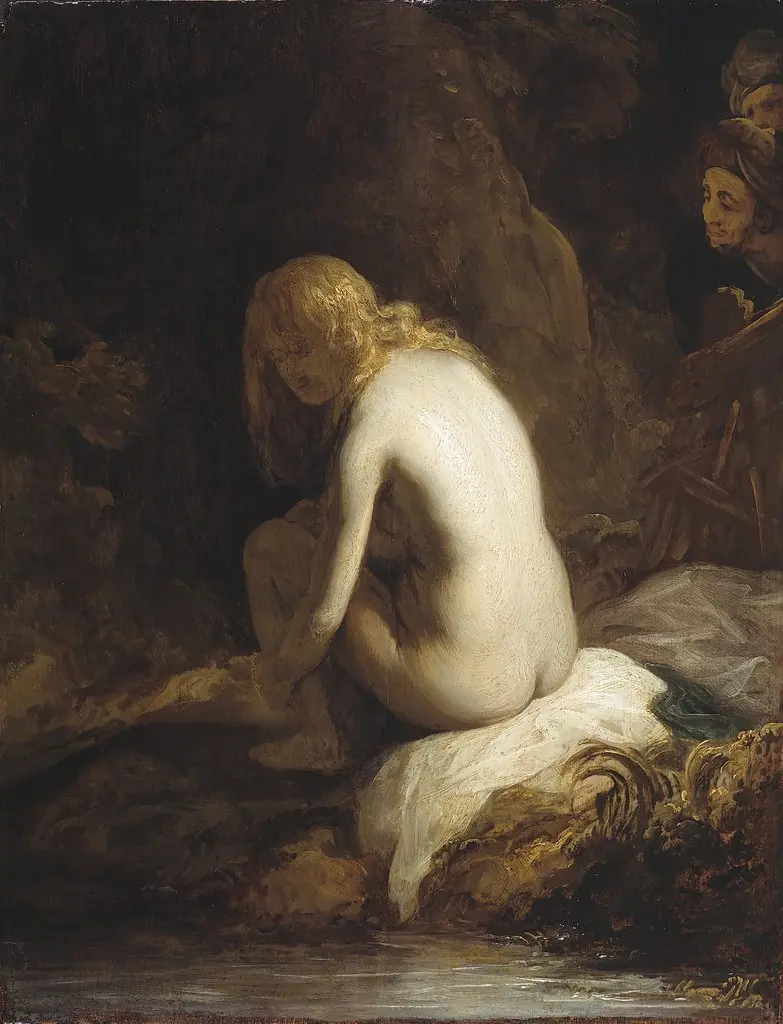 Susanna and the Elders
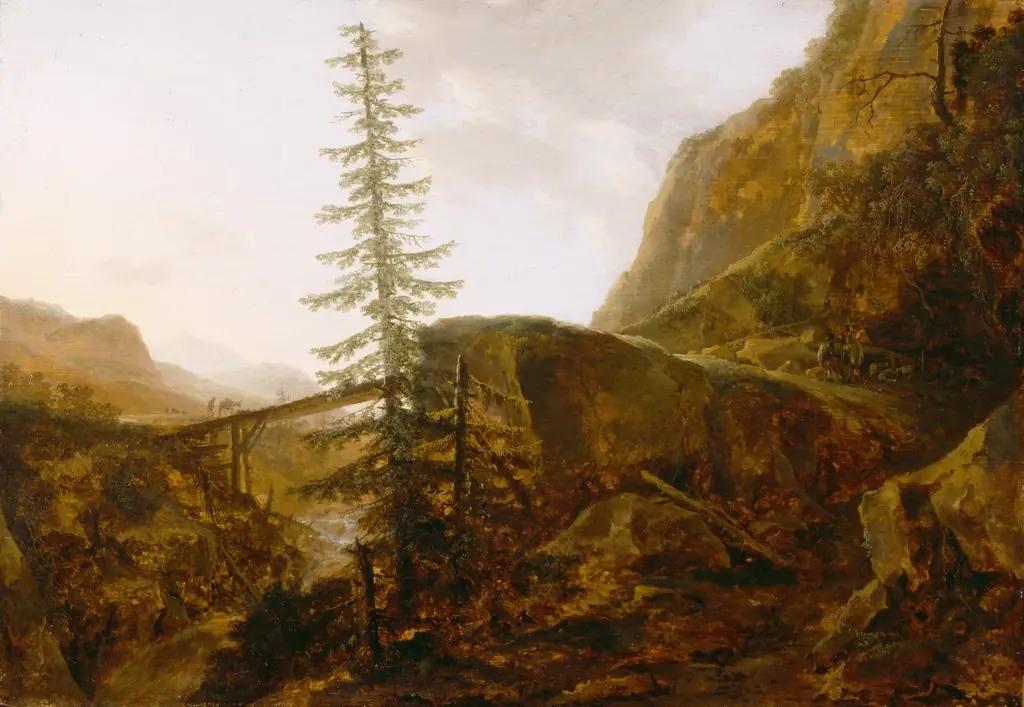 A Pass in the Apennines
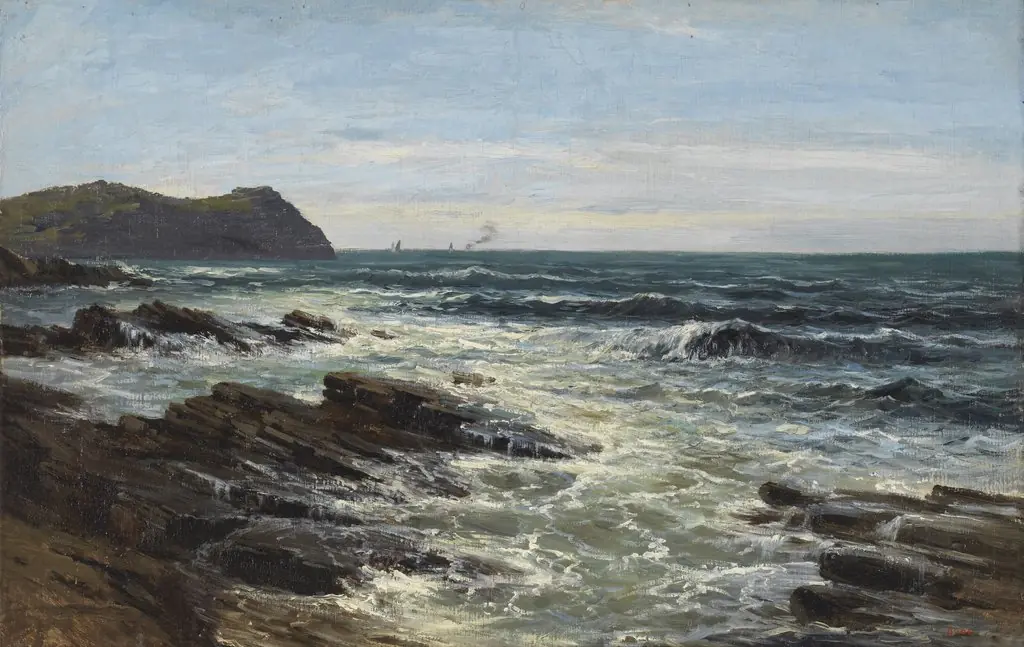 Acantilados (Guéthary)
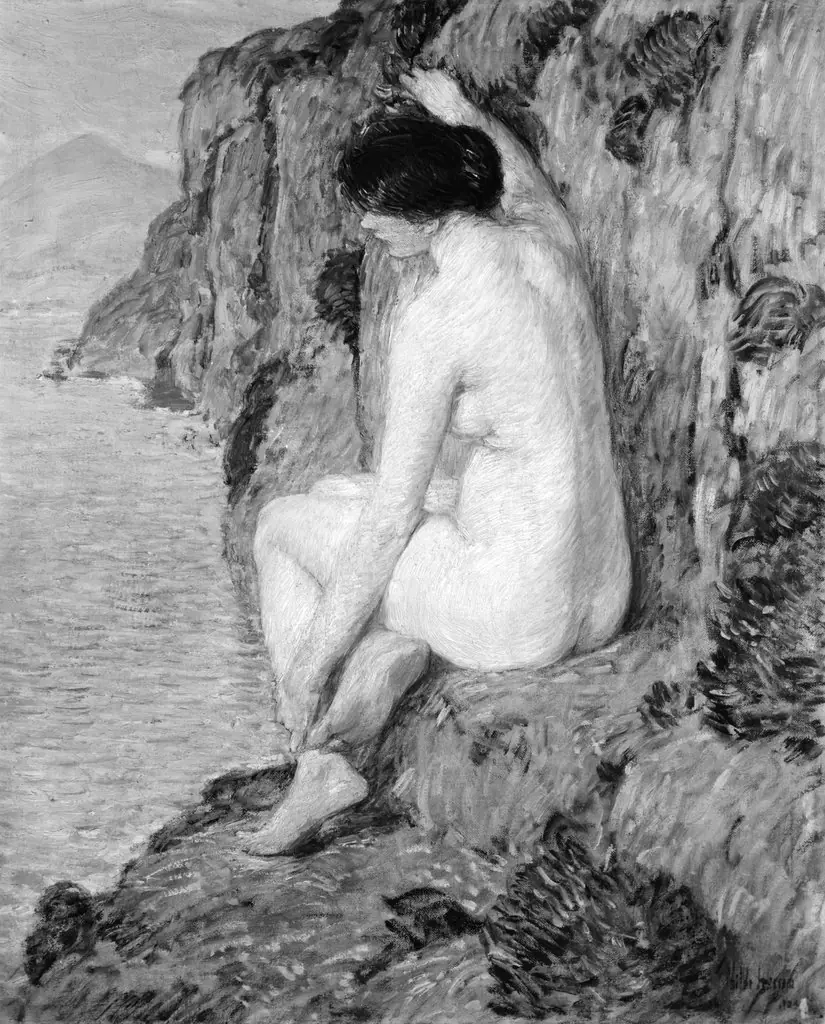 The Lorelei
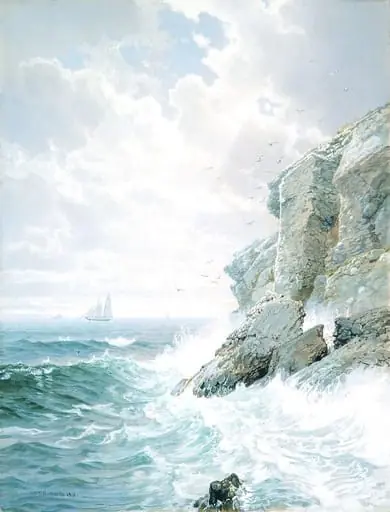 Purgatory Cliff
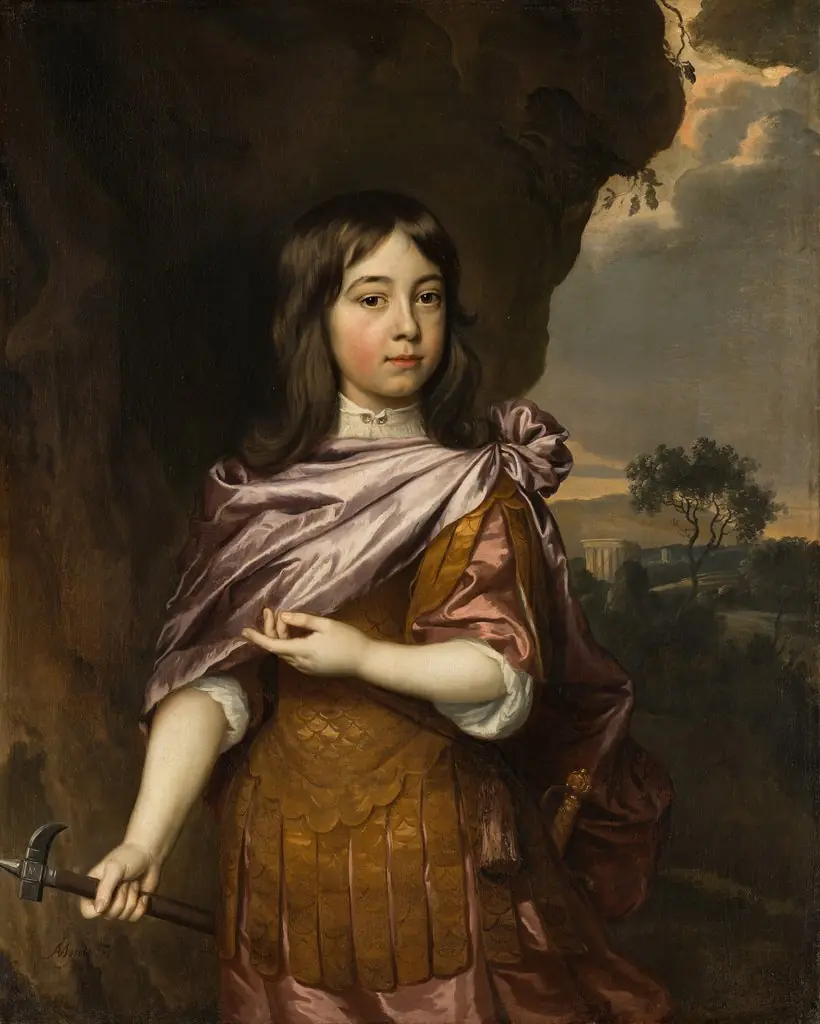 Portrait of Wolfert van Brederode
 Untitled
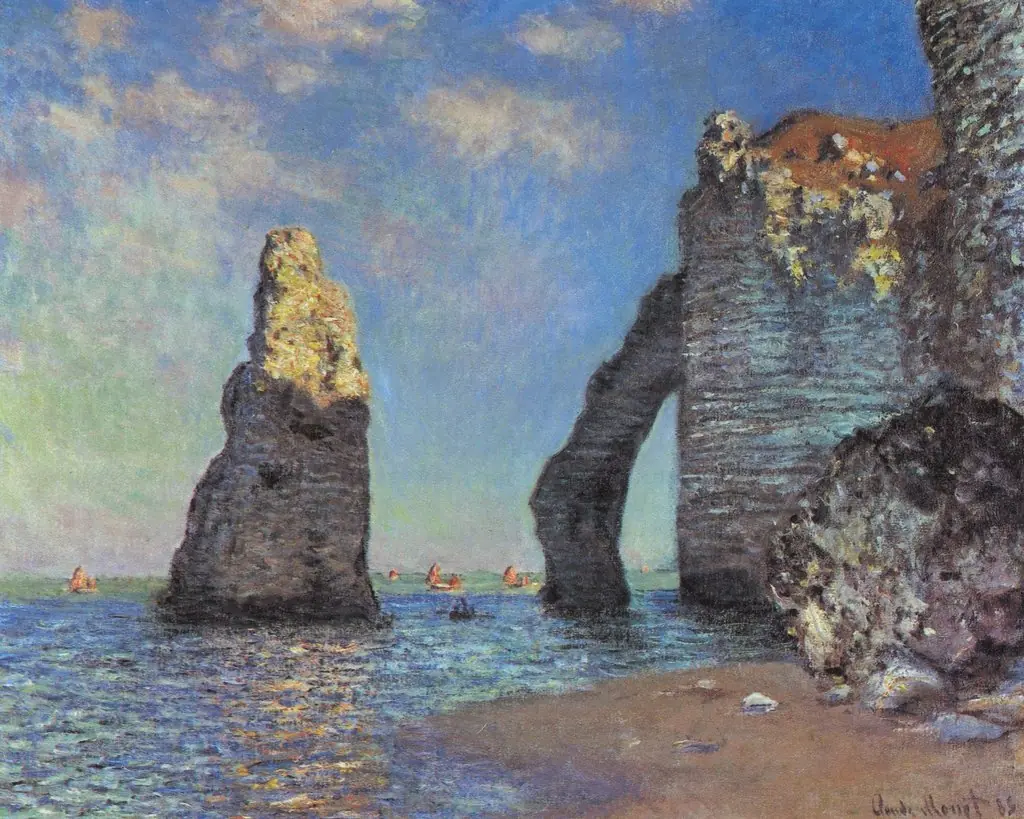 The Cliffs at Étretat
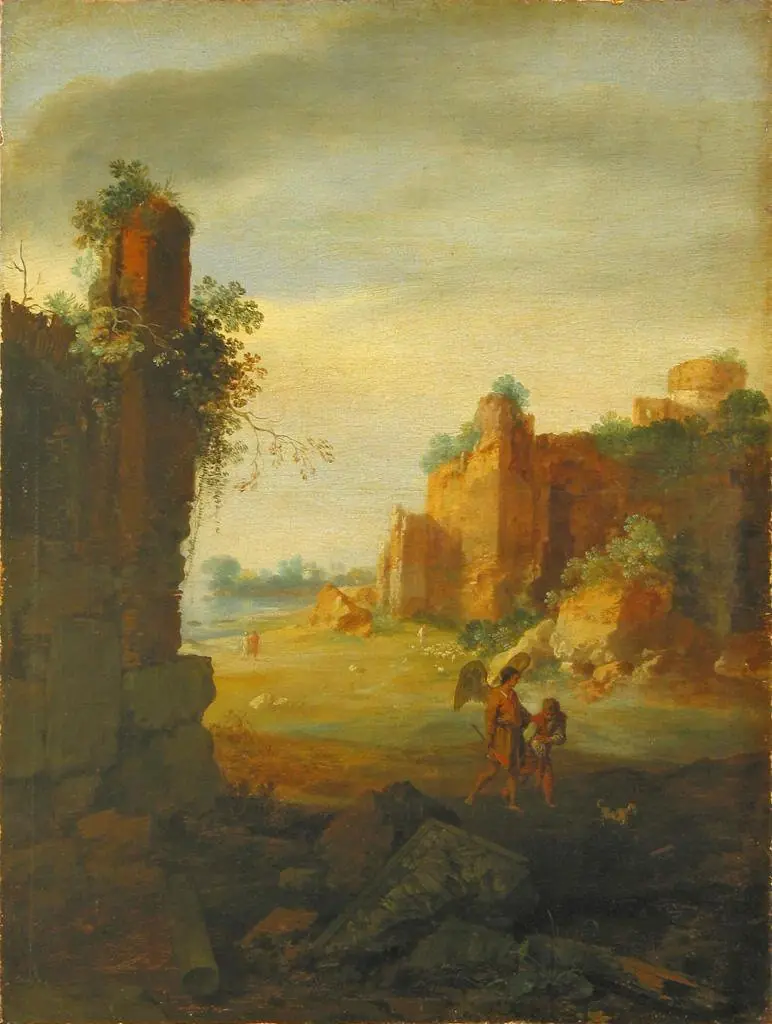 Landscape with Tobias and the Angel
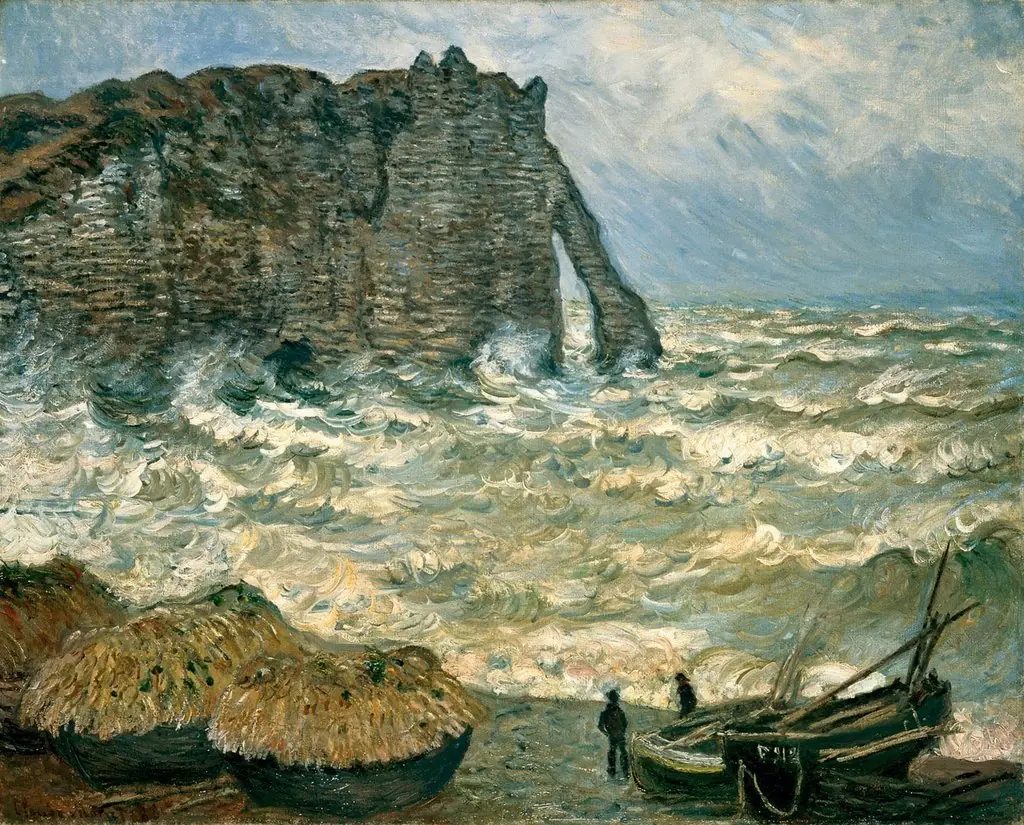 Etretat, Rough Seas
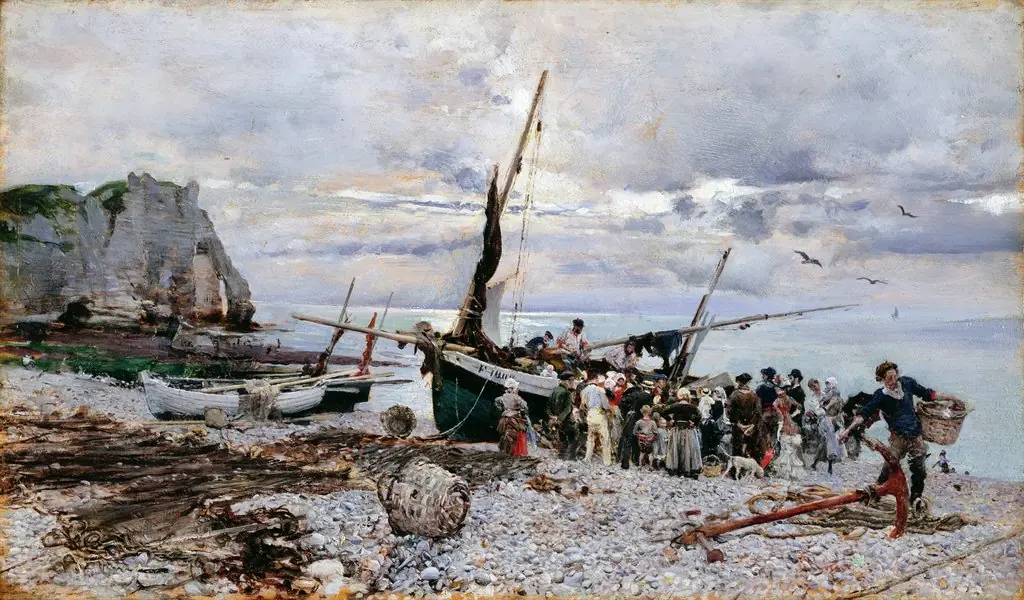 The Return of the Fishing Boats, Étretat
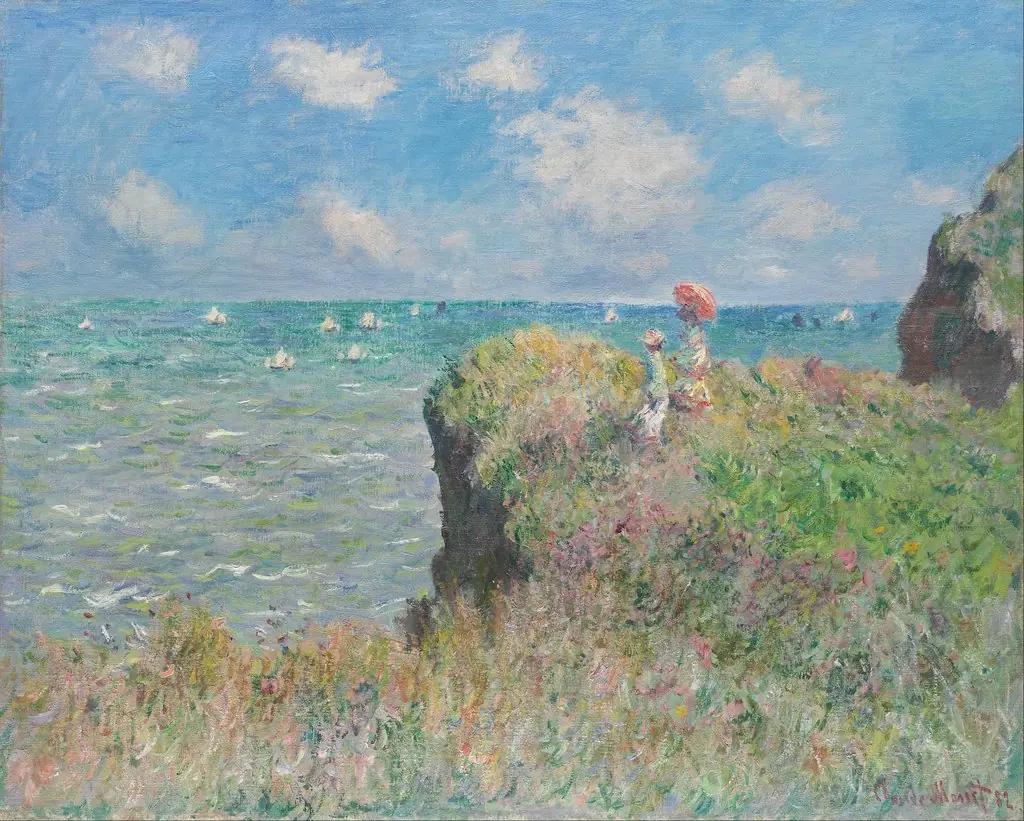 The Cliff Walk at Pourville
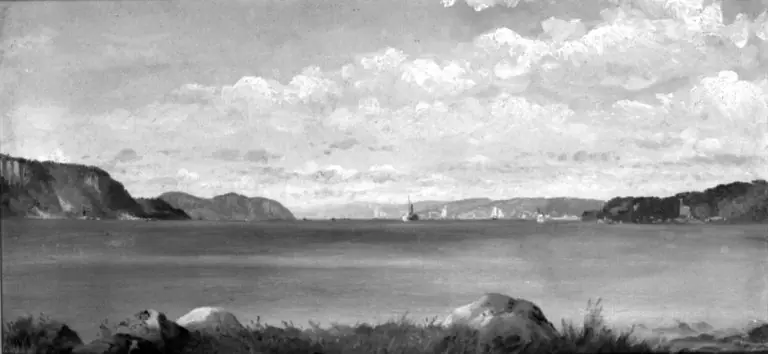 Tappan Zee, from Glenwood
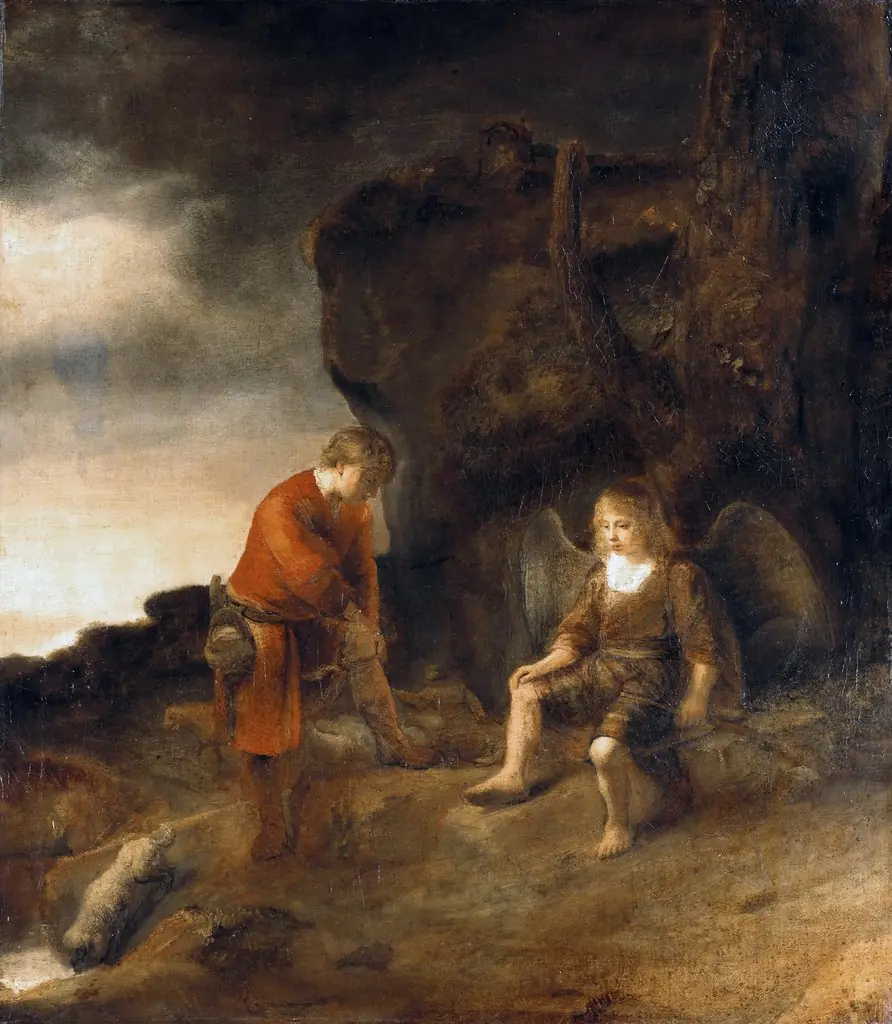 Tobit and the Angel
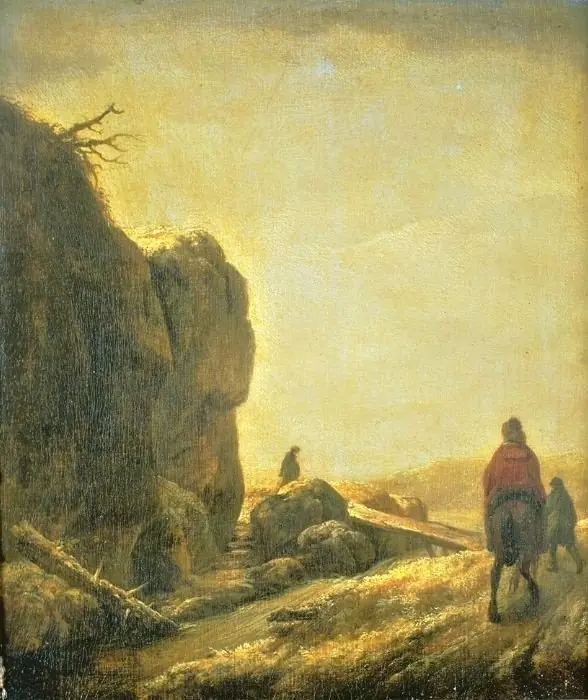 Winter Landscape
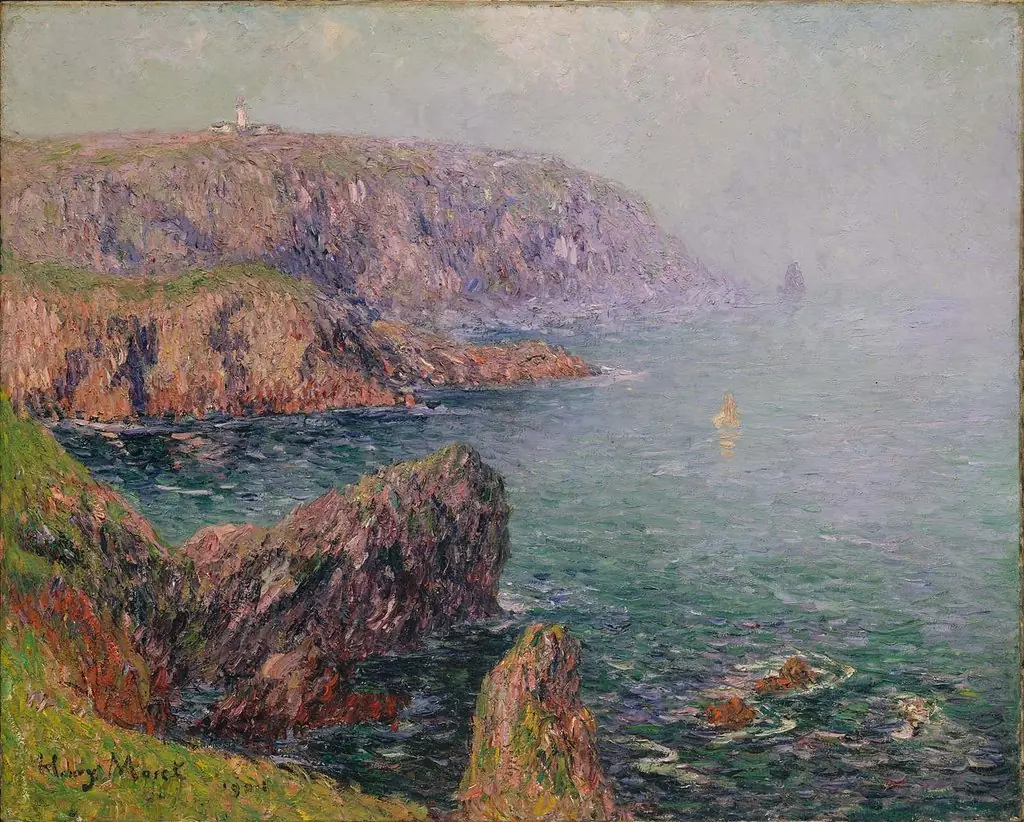 Cliffs at Ouessant, Brittany
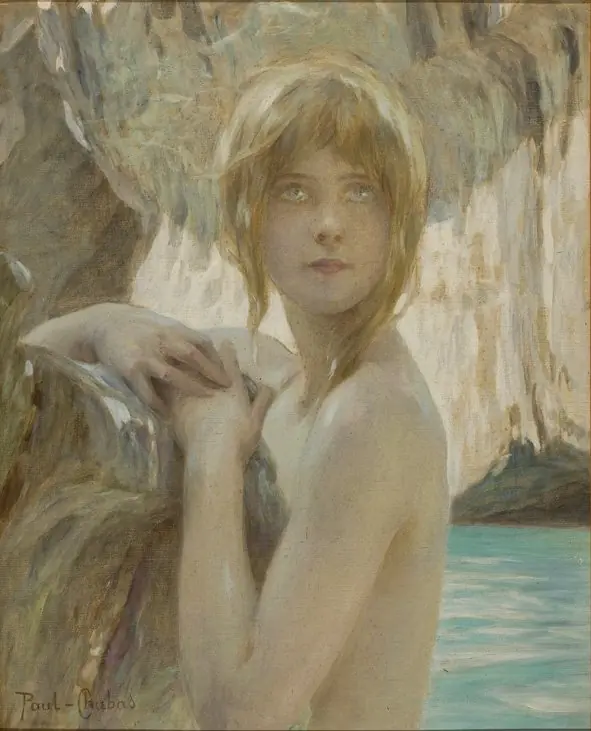 Blonde Nymph
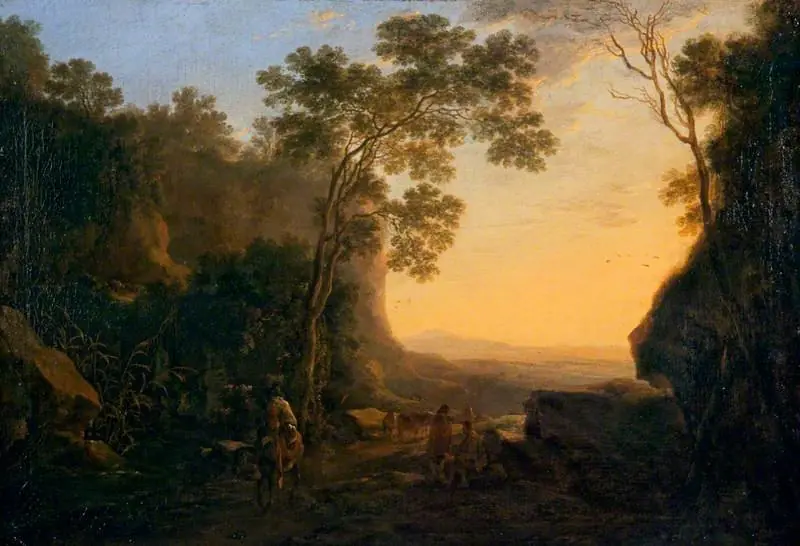 Landscape
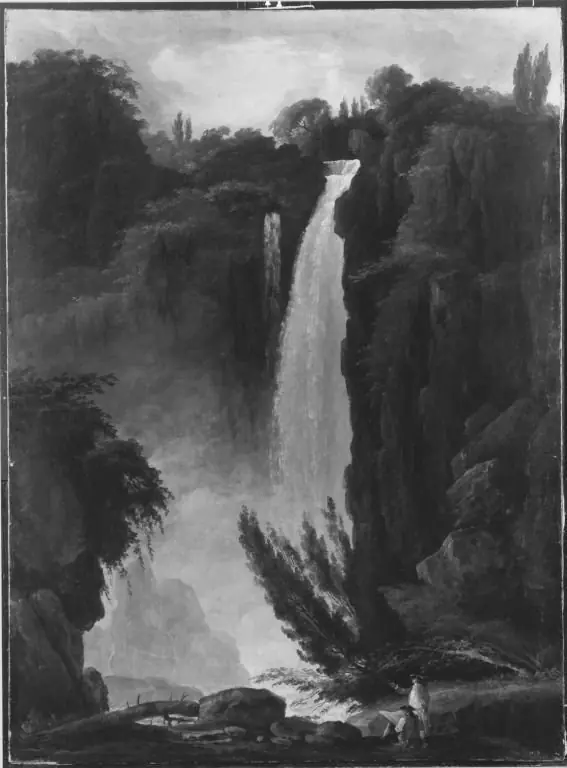 Die Kaskaden von Tivoli
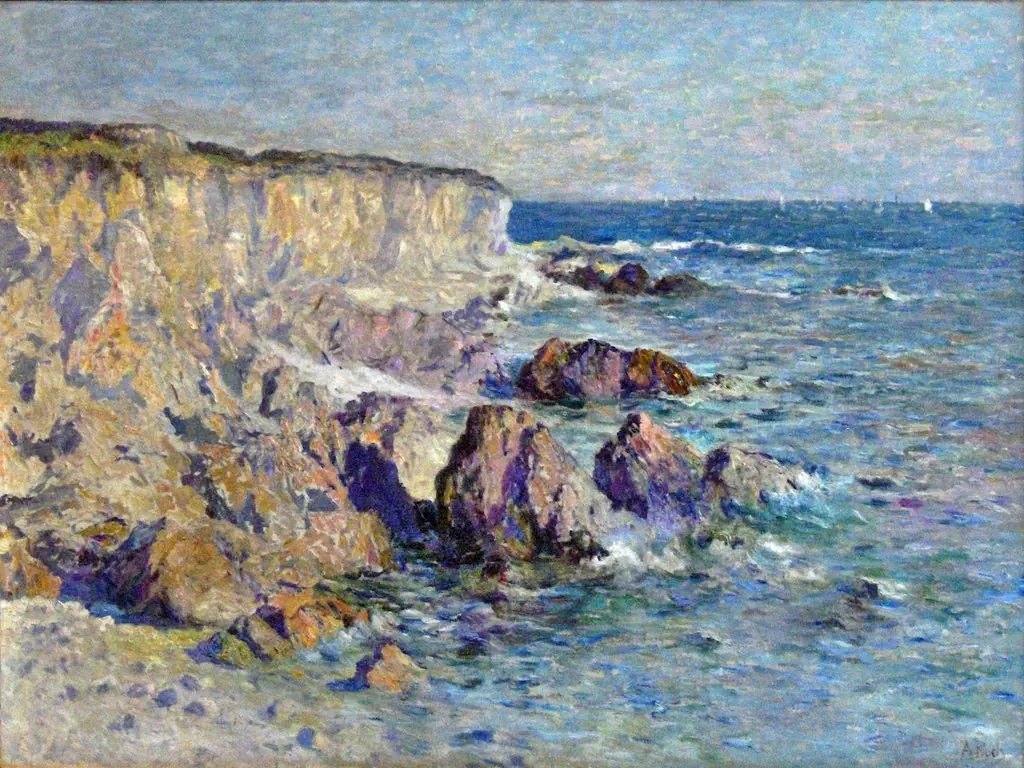 The Shores of Brittany
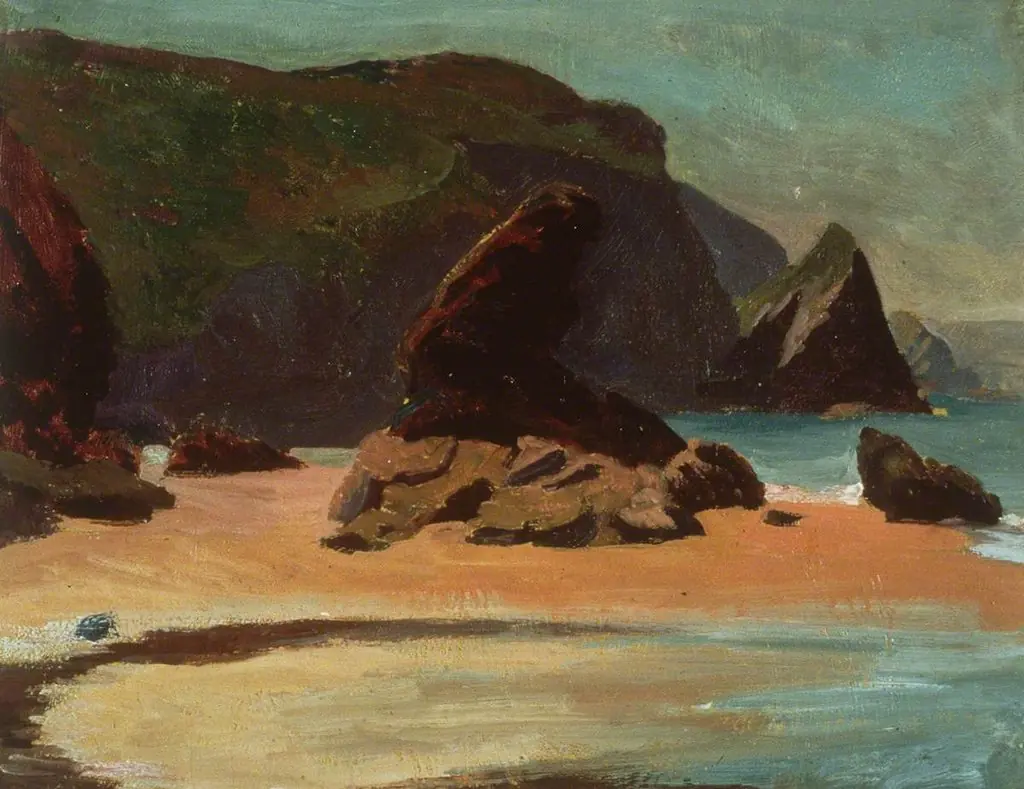 Llangrannog
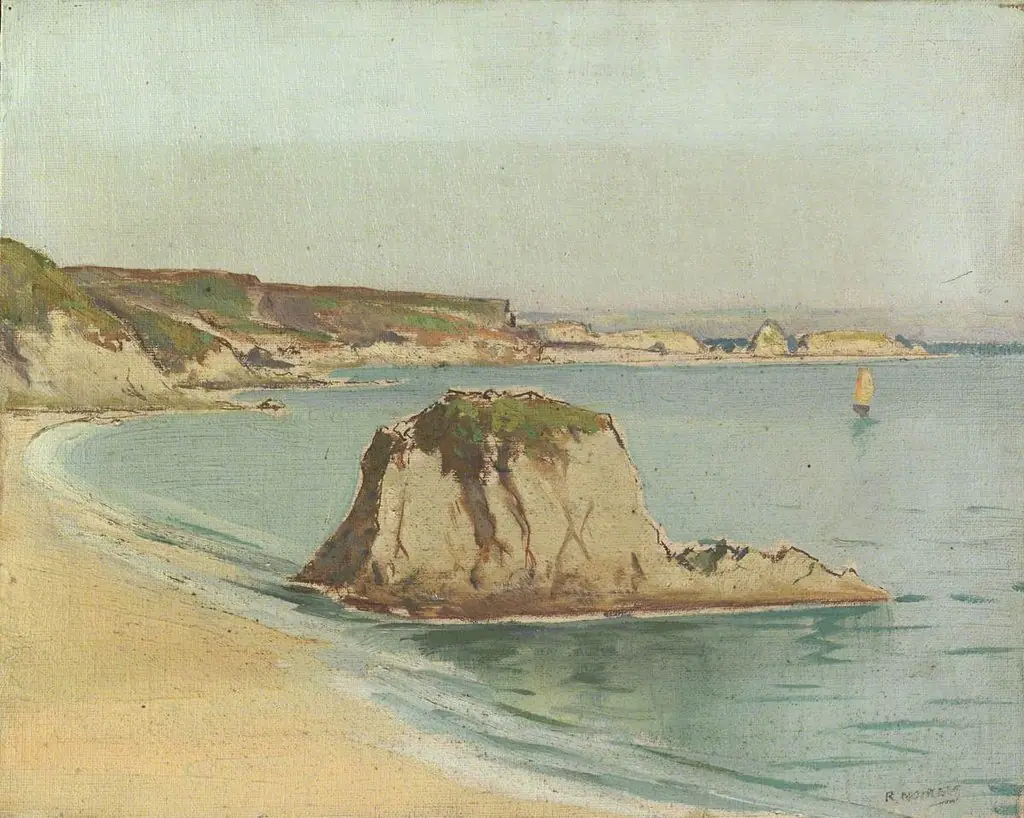 A View of Tenby Bay
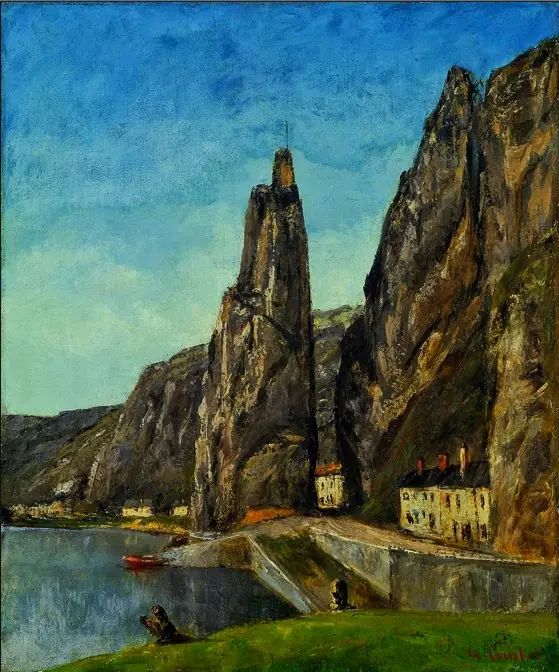 La Roche à Bayard, Dinant
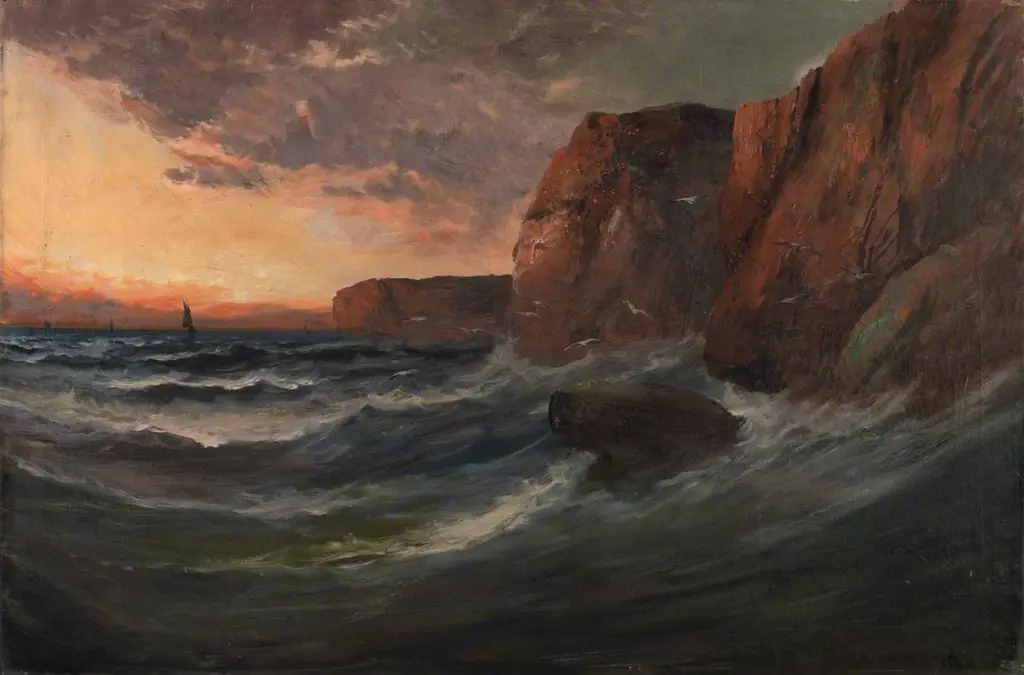 Seascape
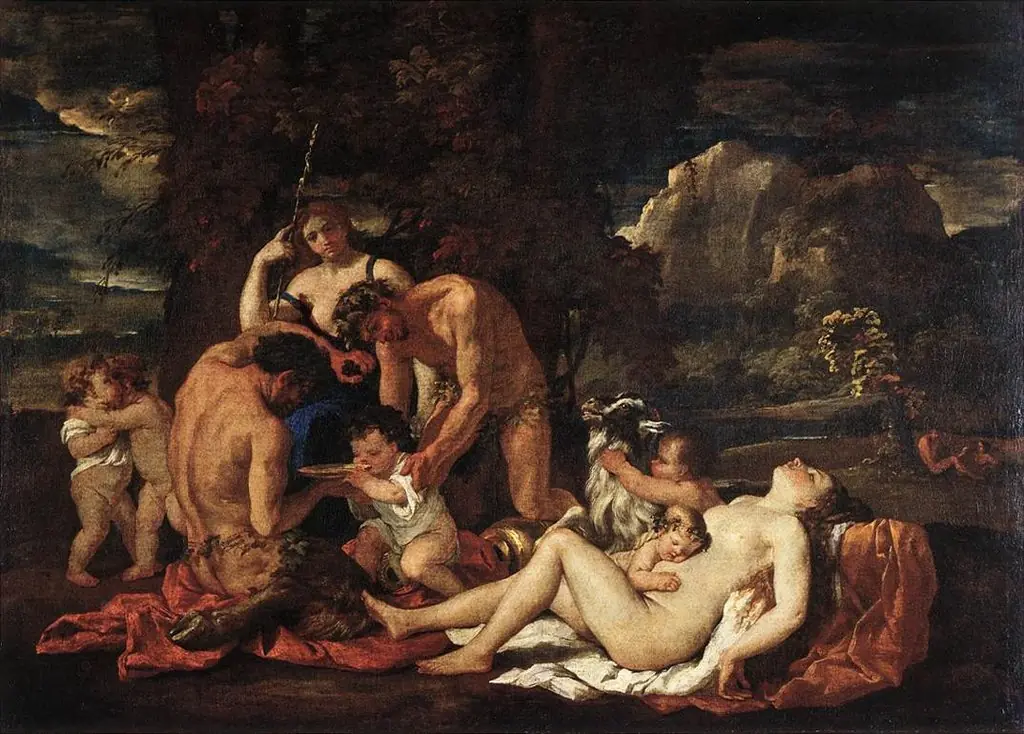 The Nurture of Bacchus
 Mattino delicato in Lierna
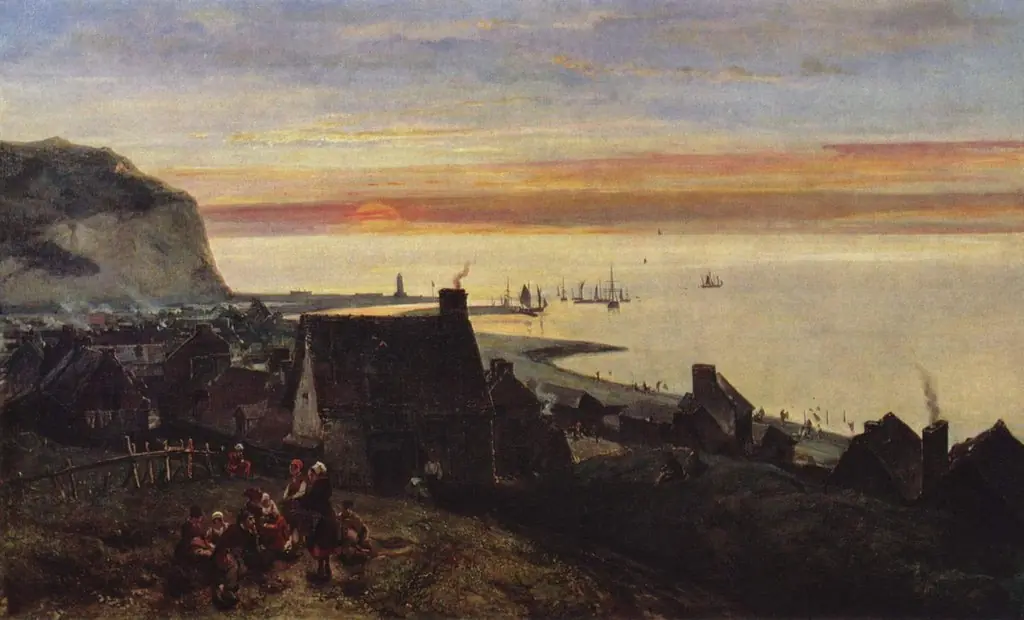 Étretat Harbor
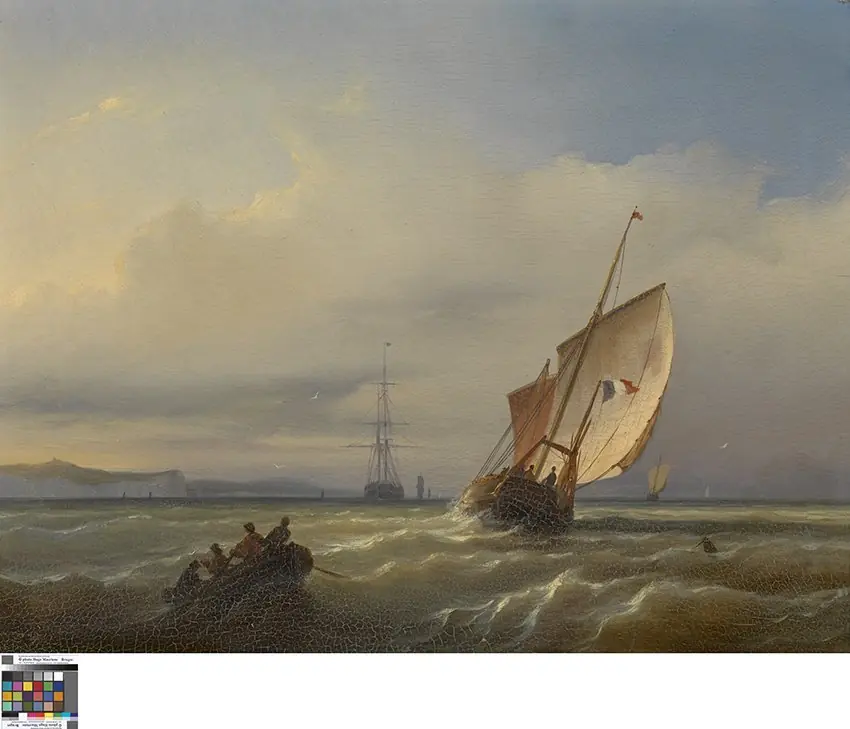 Woelige zee
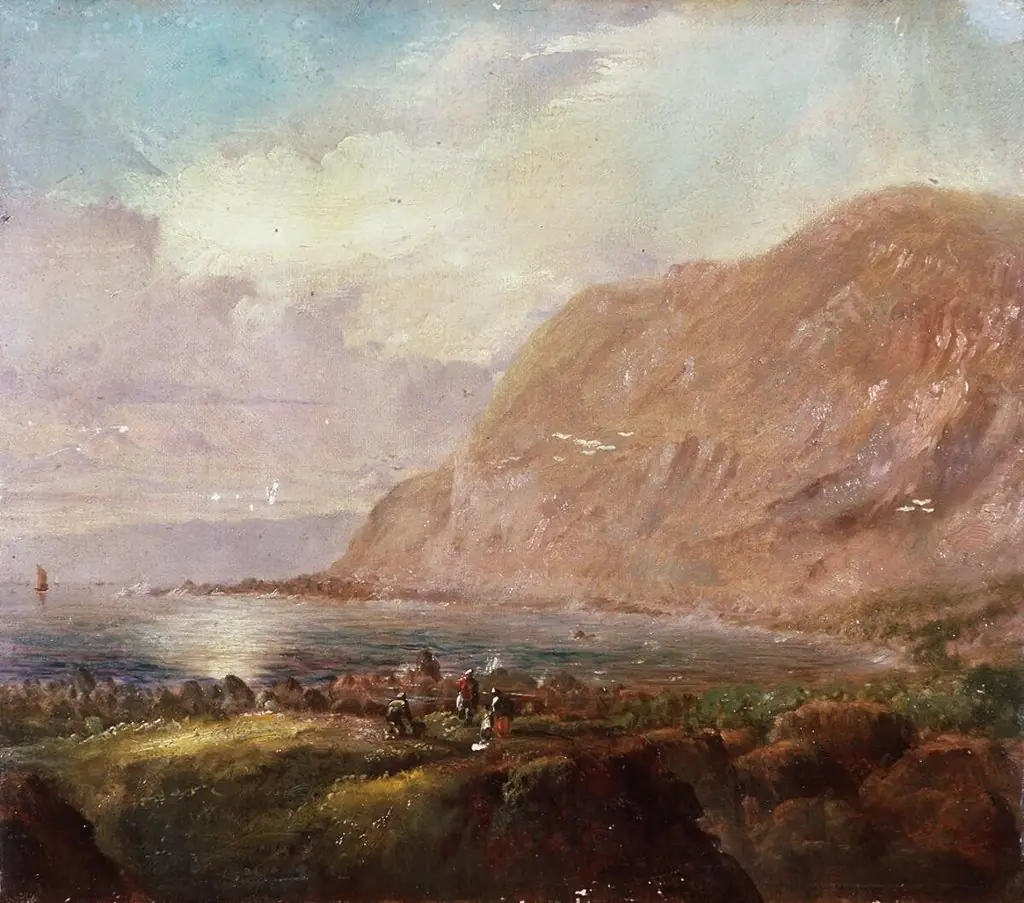 Shoreline with cliffs
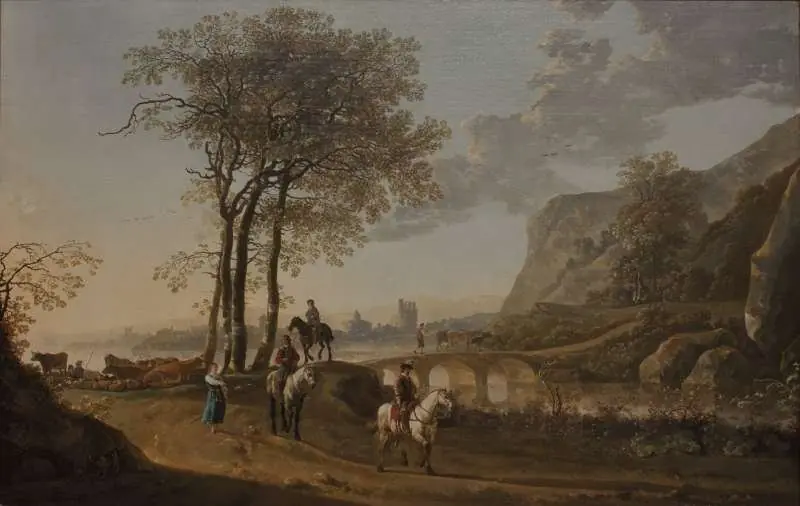 River Landscape with Shepherdess and Travellers
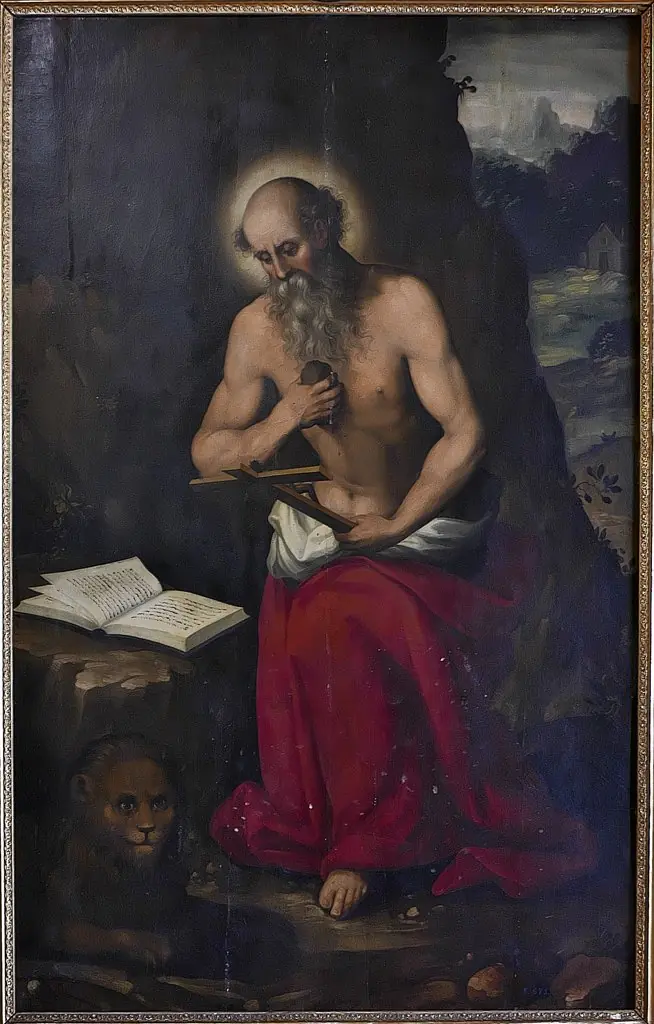 Saint Jerome
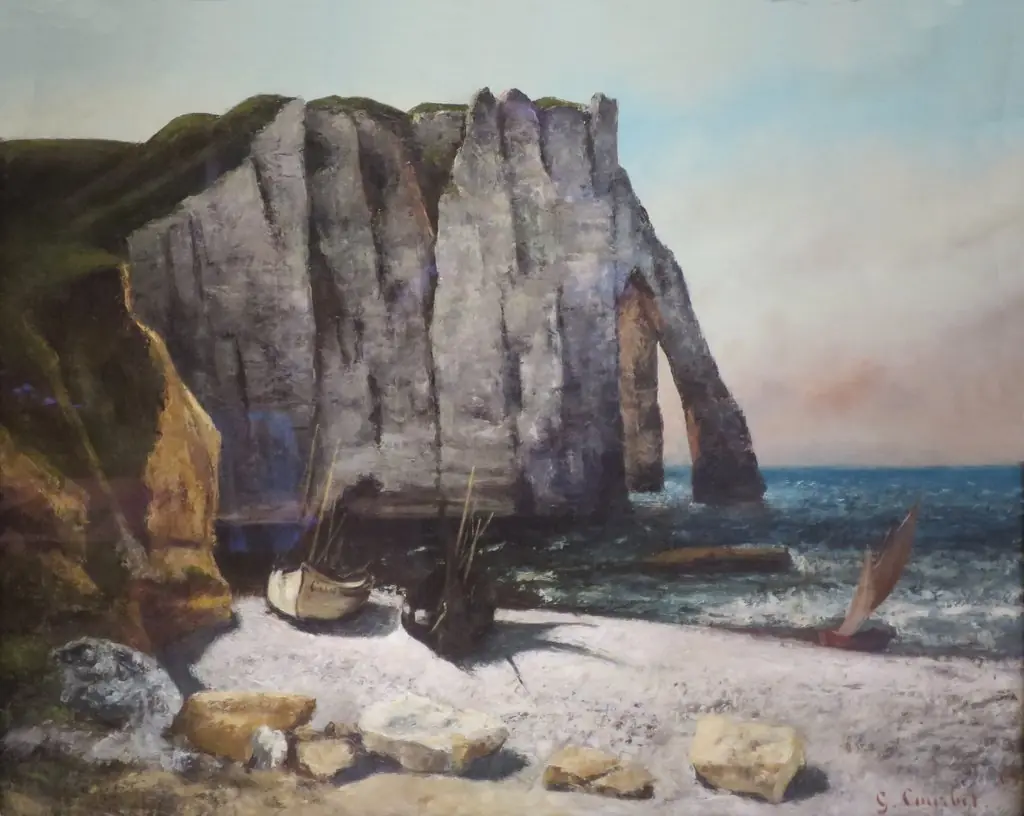 Cliff at Étretat, the Porte d' Aval
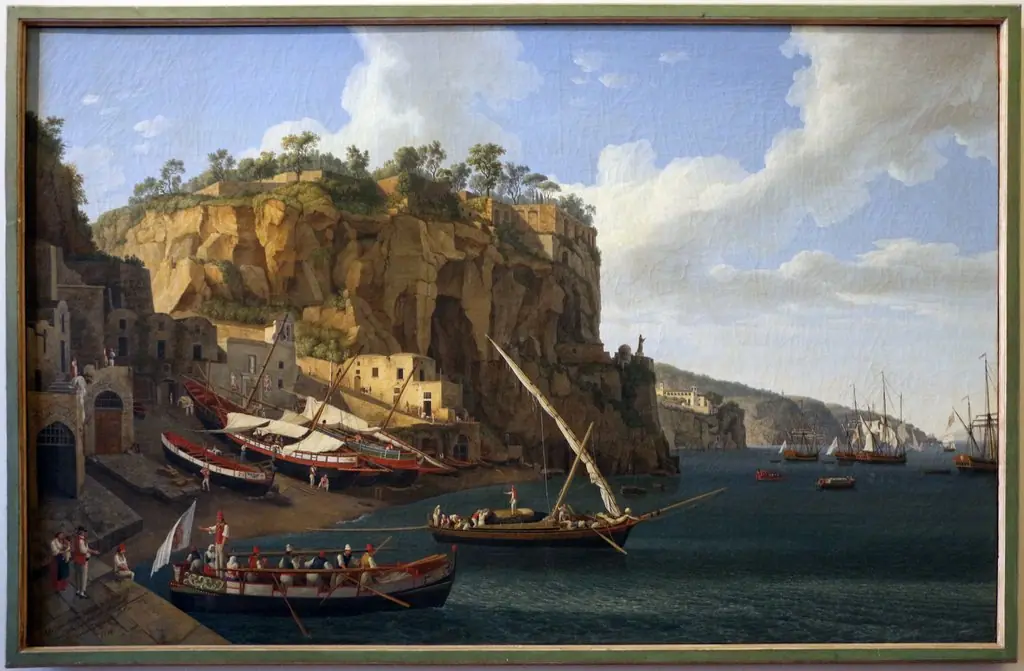 View of the Small Marina of Sorrento
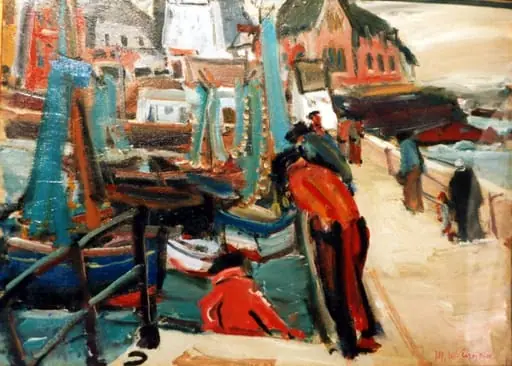
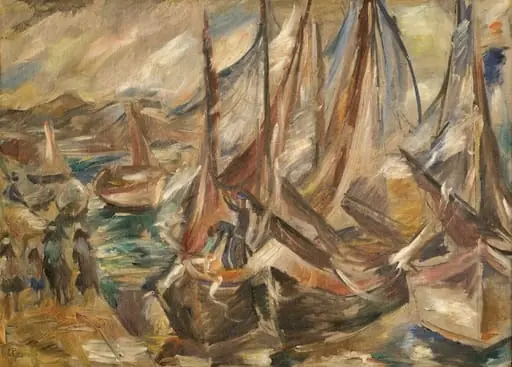 Bărci (Port în Bretania)
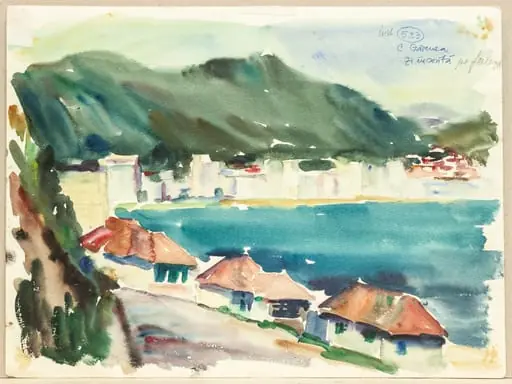 verso: La malul mării
 Pe chei Tulcea
 Macarale în portul Constanța
 Iarna pe faleză
 Sulina
 Port
Port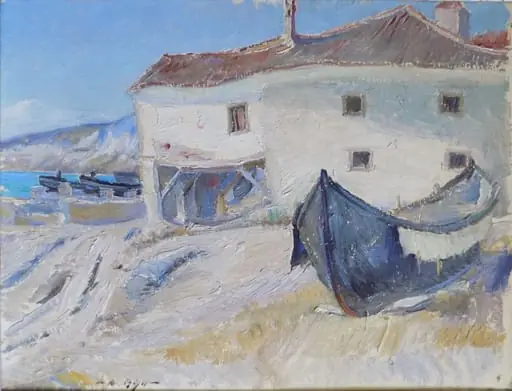 Peisaj Balcic
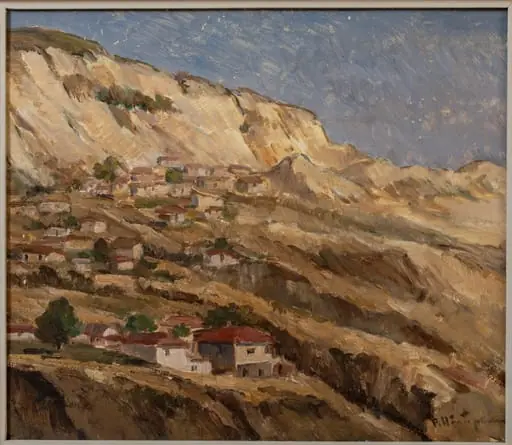 Cartierul țigănesc din Balcic
 Peisaj dobrogean - faleză la mare-
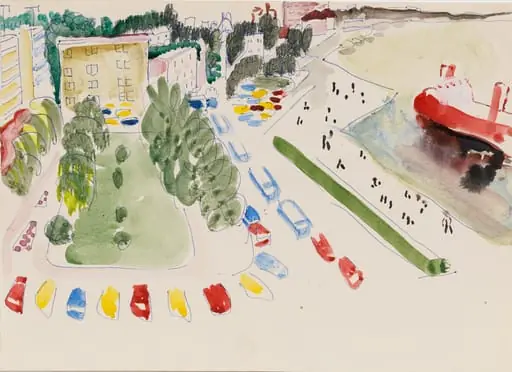 Faleză la Tulcea
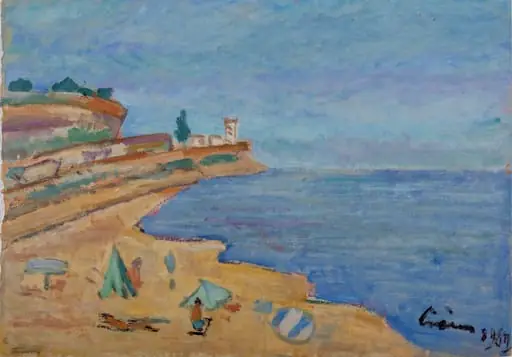 Plajă
Plajă
Frequently asked questions
What is Cliff?
Cliff is a masculine given name.
How many Cliff works does Artifact World Gallery have?
Artifact World Gallery holds 69 public-domain Cliff works, all free to view and download.
Who are the key Cliff artists?
Key Cliff artists in the collection include Gustave Courbet, Henry Bone and George Loring Brown.
Where can I see Cliff works?
Cliff works in the collection are held by Metropolitan Museum of Art, Gavrila Simion Eco-Museum Research Institute Tulcea and National Gallery of Art.