Artwork
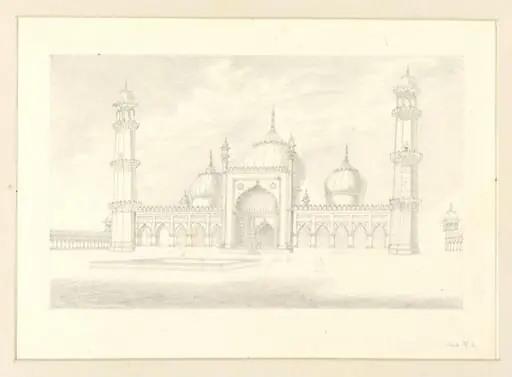
Moosulman Tomb, Bauglepoor
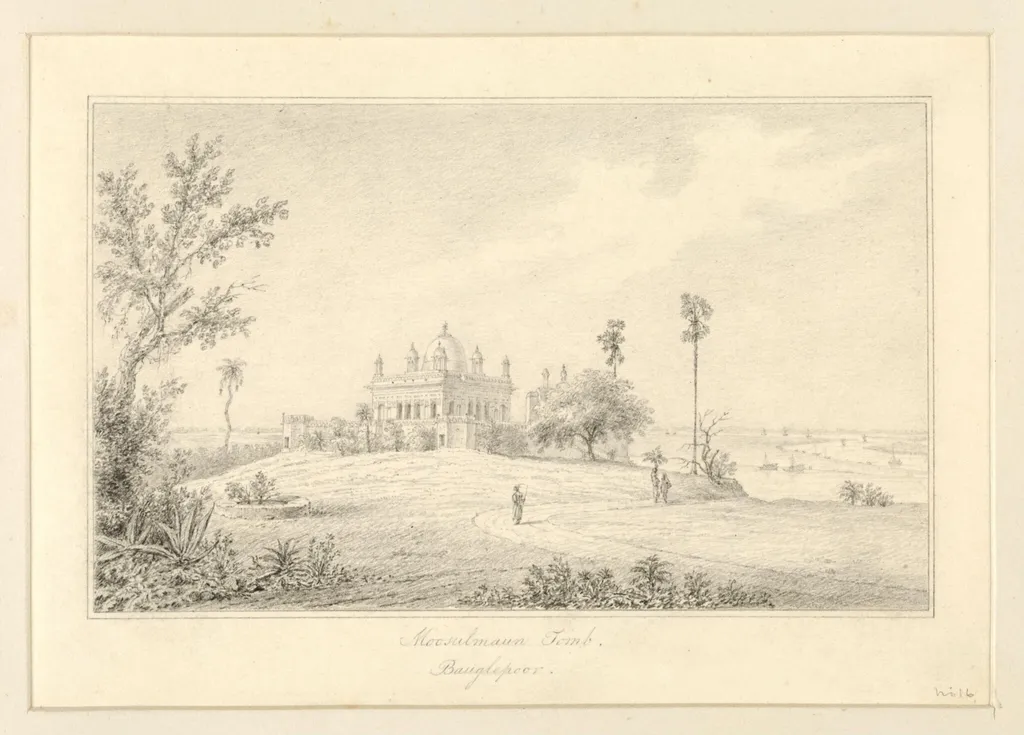
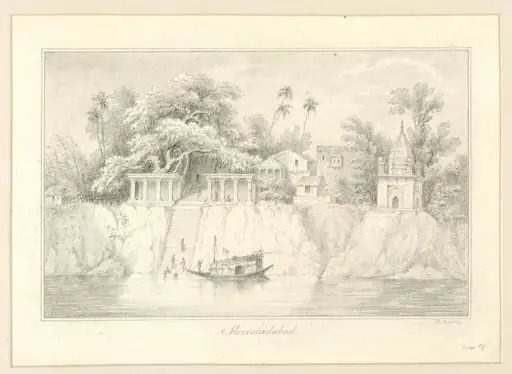
Moosulman Tomb, Bauglepoor is a drawing by the Romanticist artist Robert Captain Smith. It dates from 1830 and is held in the collection of the Victoria and Albert Museum.
About this work
Overview
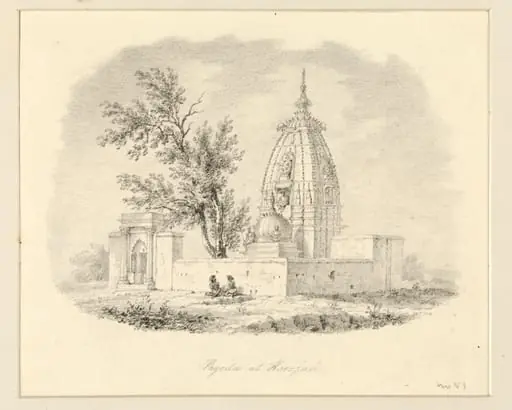
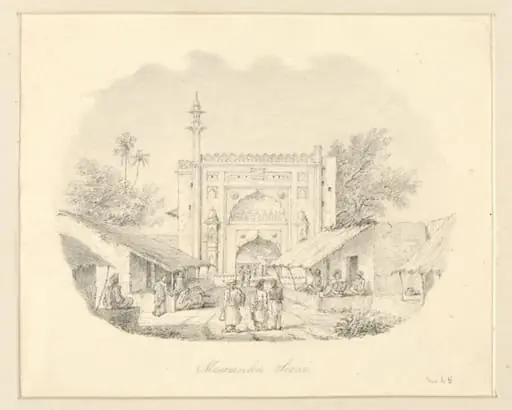
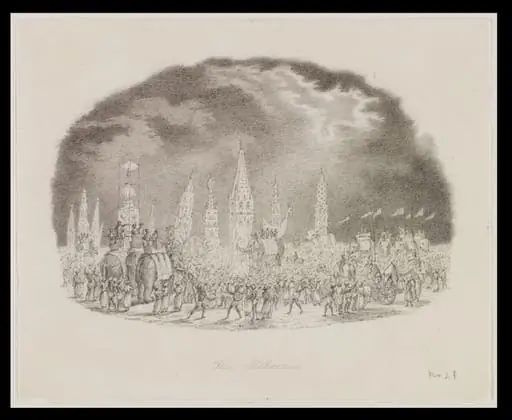
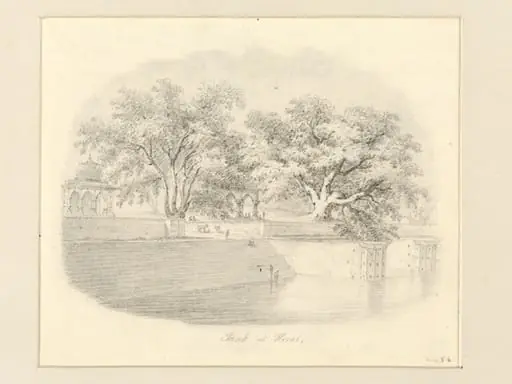
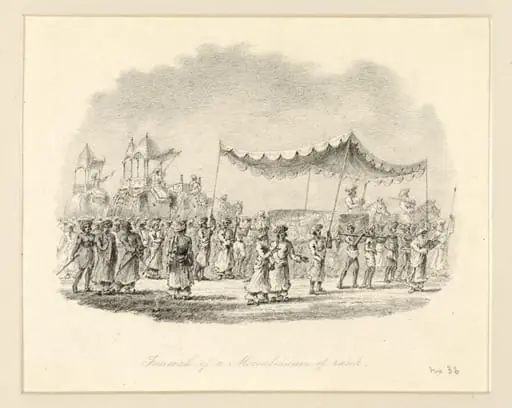
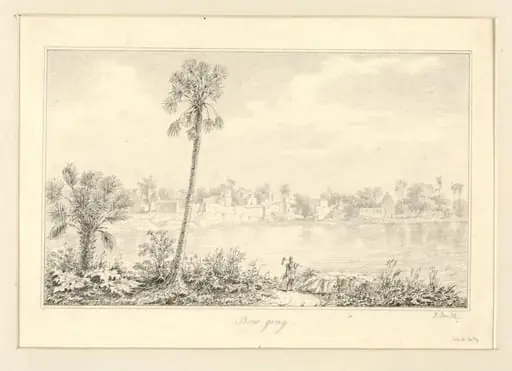
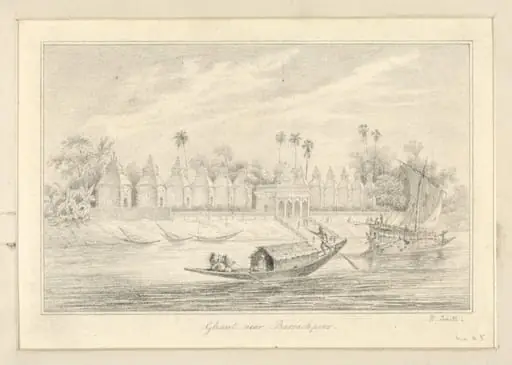
This pencil drawing, created by Captain Robert Smith in 1830, is one of 65 illustrations from his travel journal documenting his journeys in India.
Subject & Meaning
The drawing depicts the Moosulman Tomb in Bauglepoor, a grand domed structure with towers, set amidst a landscape with trees and figures.
Technique & Style
The artist's use of shading, cross-hatching, and attention to detail creates a sense of depth, atmosphere, and texture, adding visual interest to the image.
History & Provenance
The drawing was part of Smith's Pictorial Journal of Travels in Hindustan, refined between 1833 and 1845, and later acquired by the museum in 1915 from W. M. Biden.
Own this work as a print
Artist & collection

![Kirkclisia [Kirklareli] 40 leagues from Constantinople, by Luigi Mayer](https://artifactworldgallery.com/img/luigi-mayer--kirkclisia-kirklareli-40-leagues-from-constantinople--fb21c76d0b35aeb7-w320.webp)