Artwork
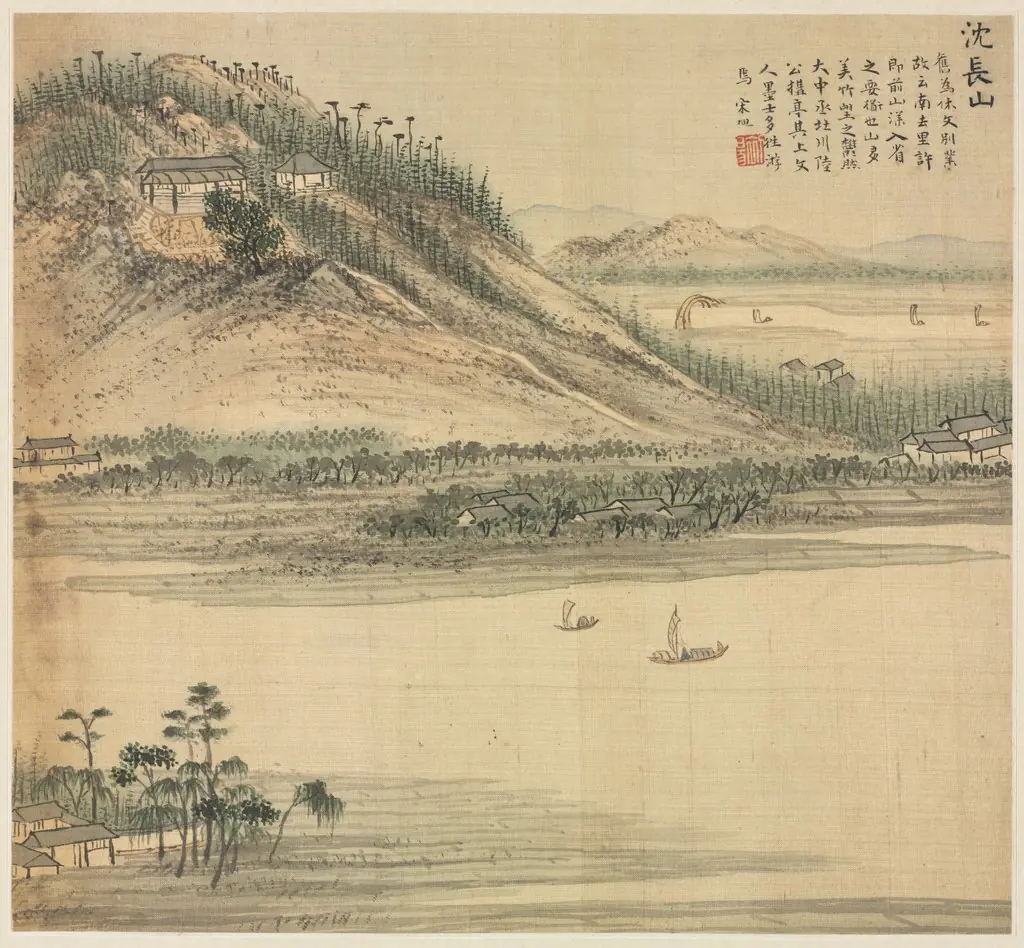
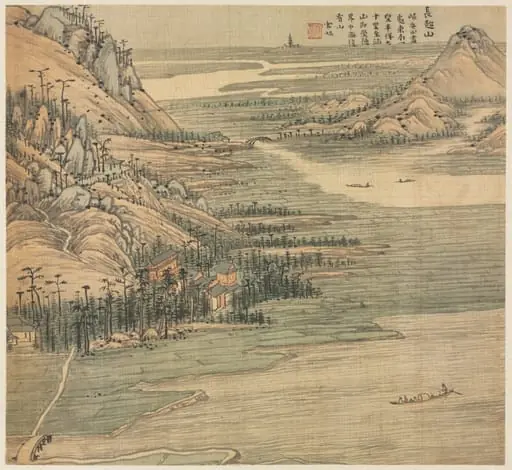
Mt. Shenchang
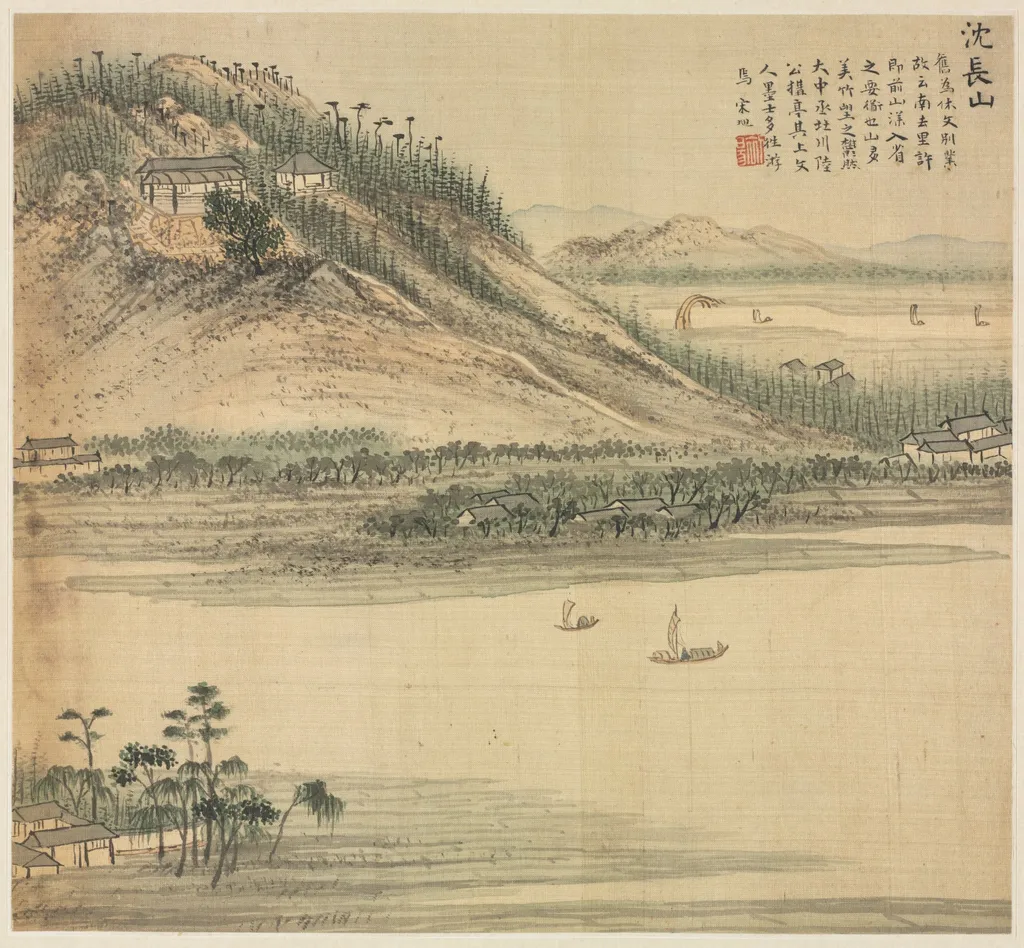
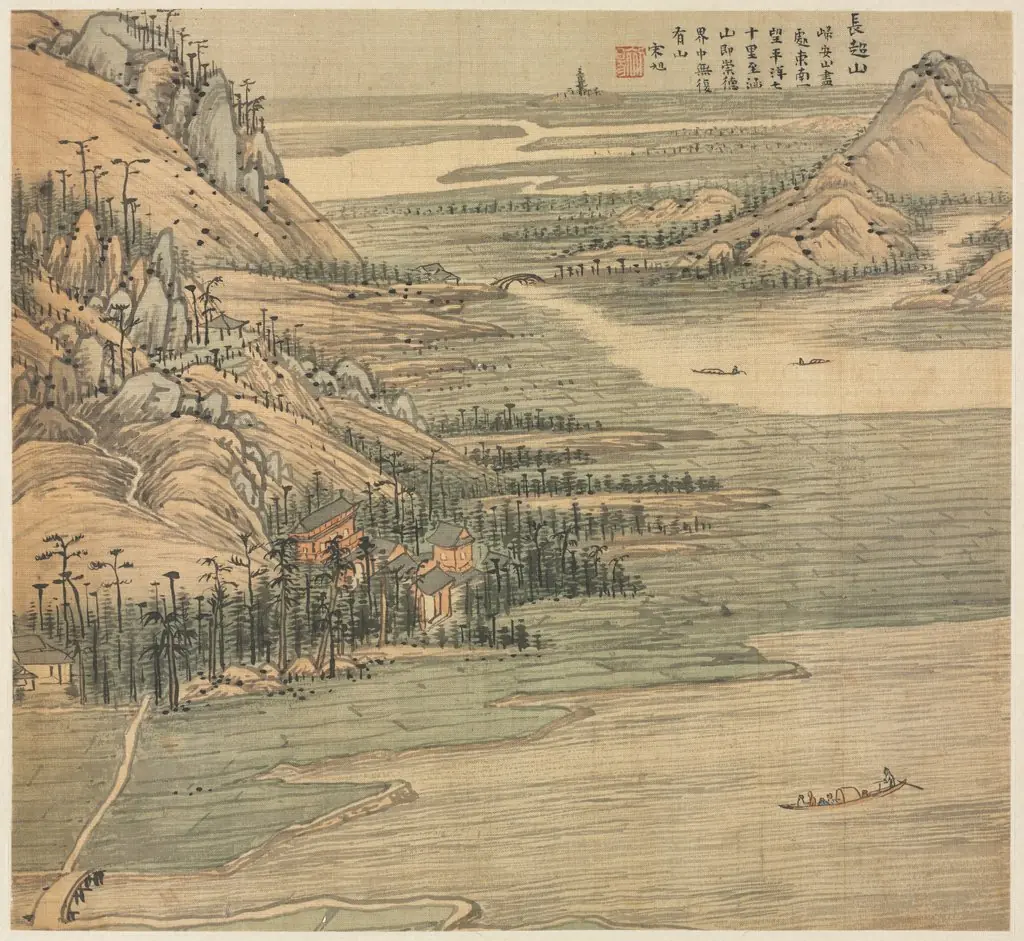
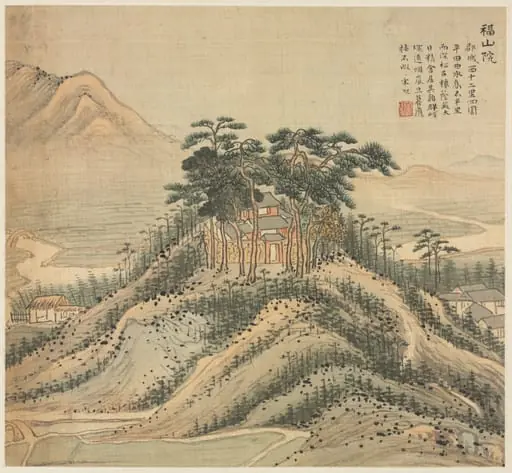
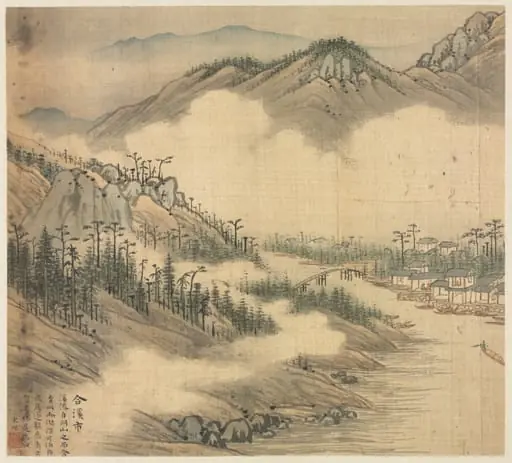
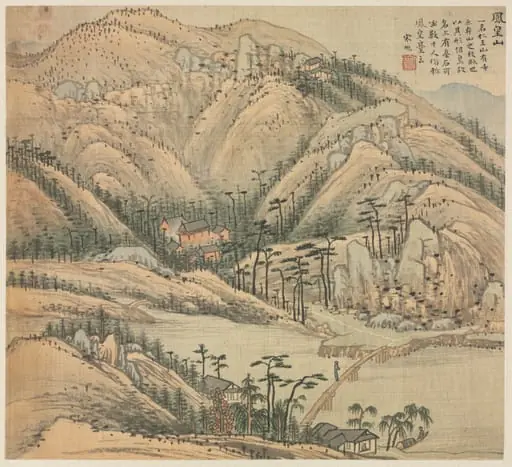
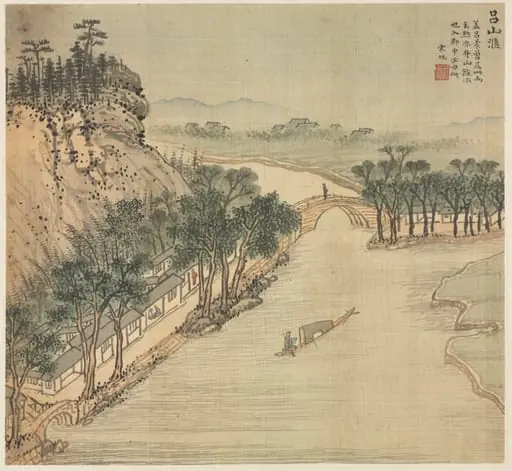
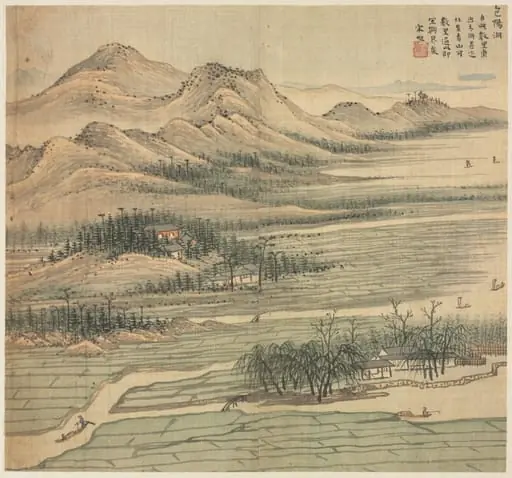
Mt. Shenchang is an unspecified painting by the Renaissance artist Song Xu. It dates from 1588 and is held in the collection of the Cleveland Museum of Art. Mt.
- Accession no.
- 1998.78.10
About this work
Overview
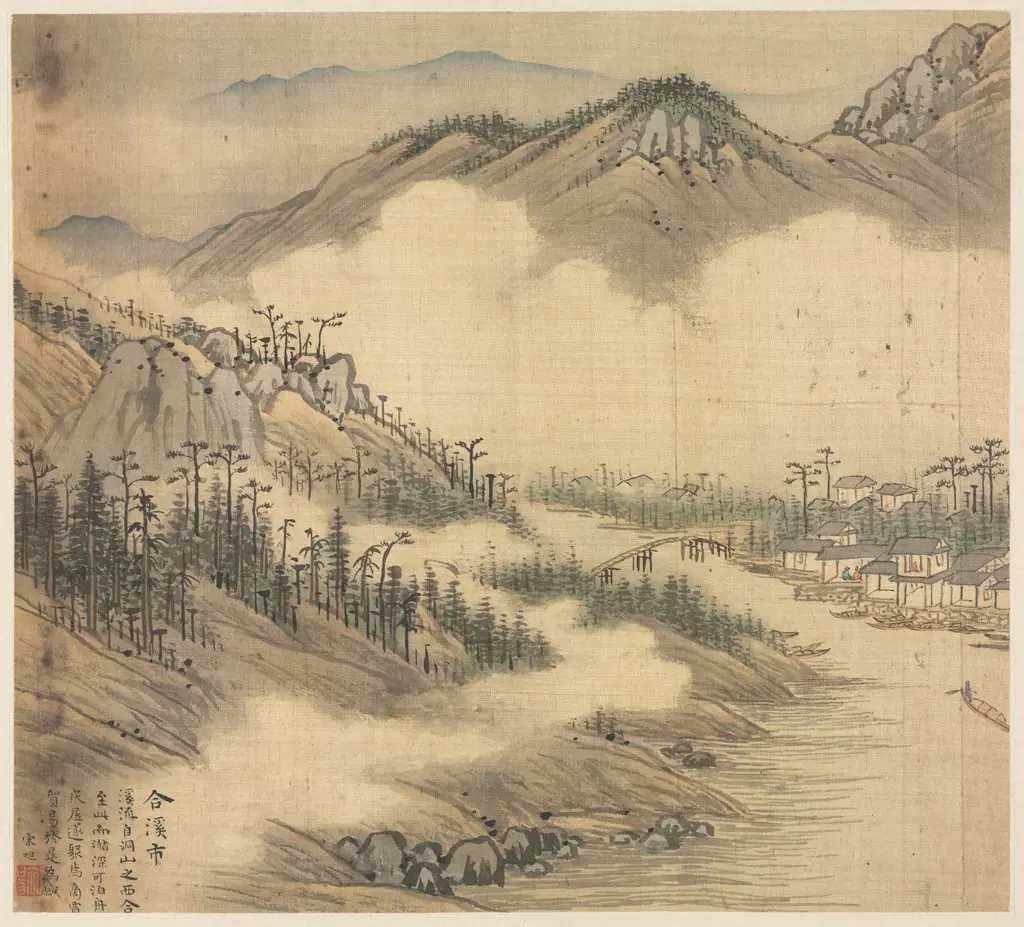
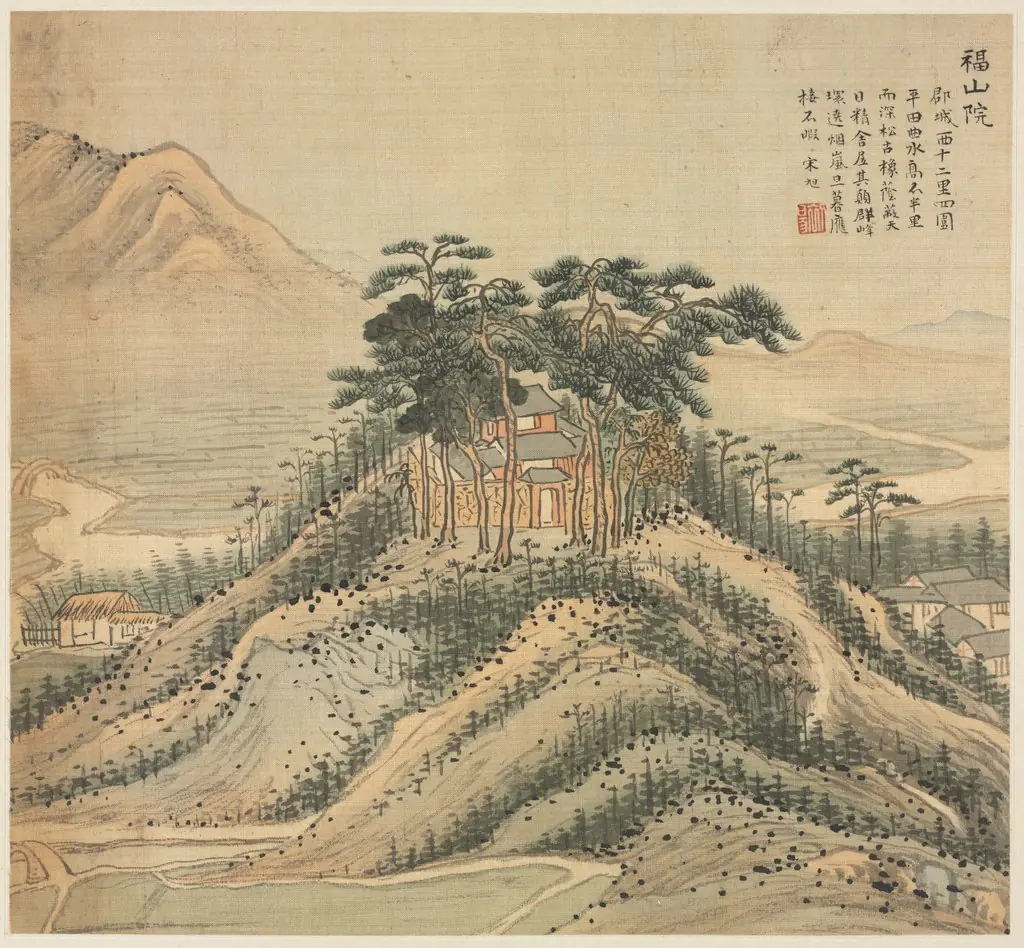
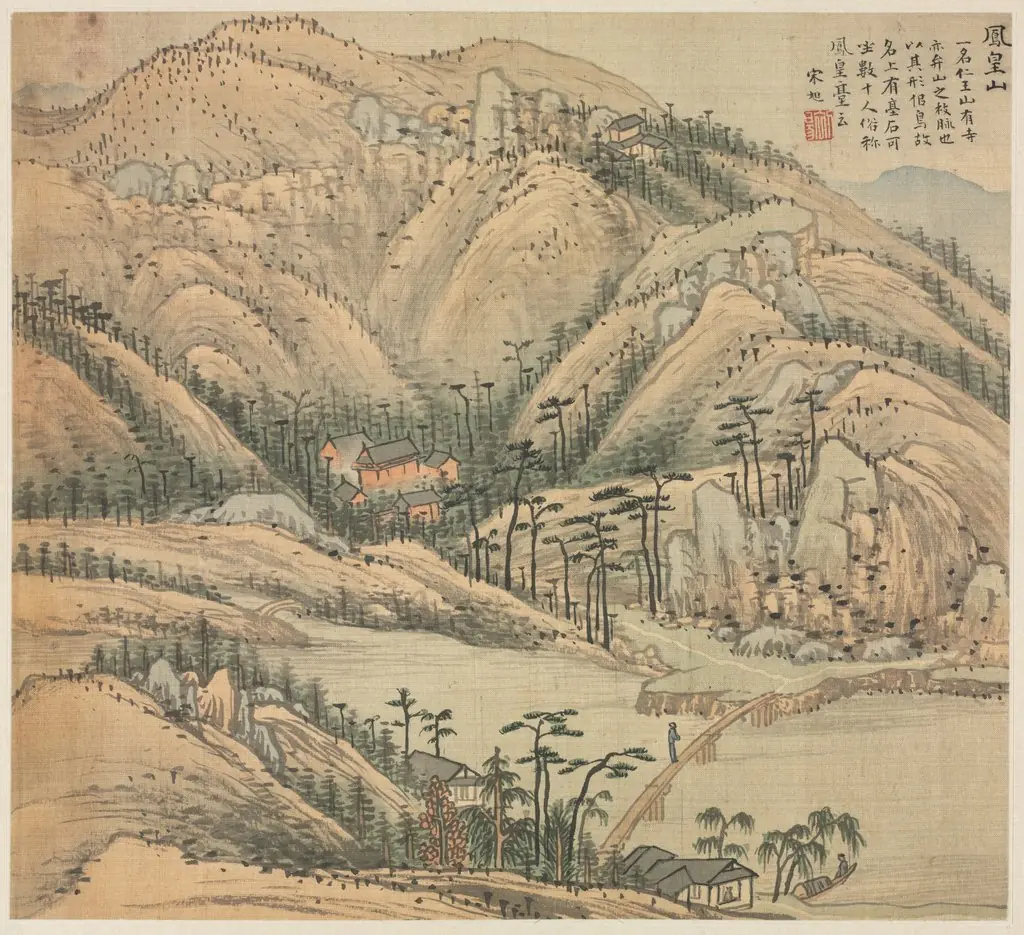
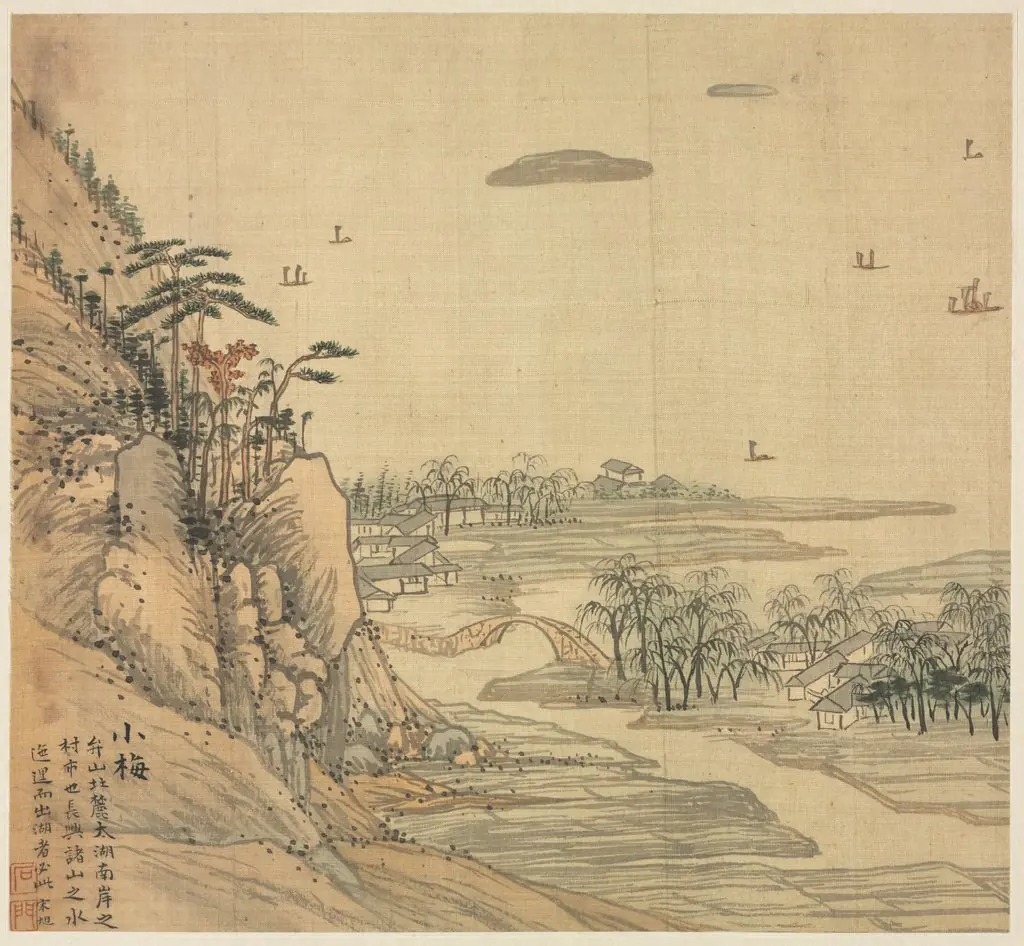
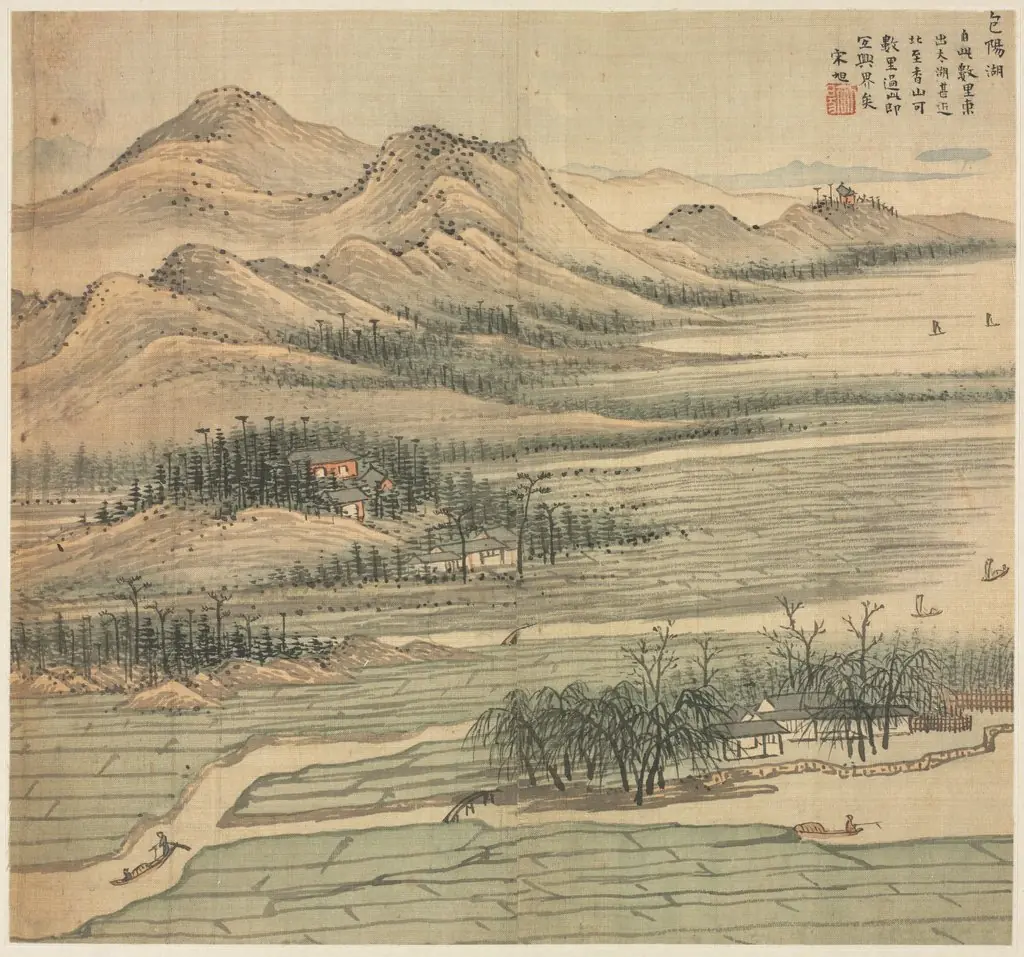
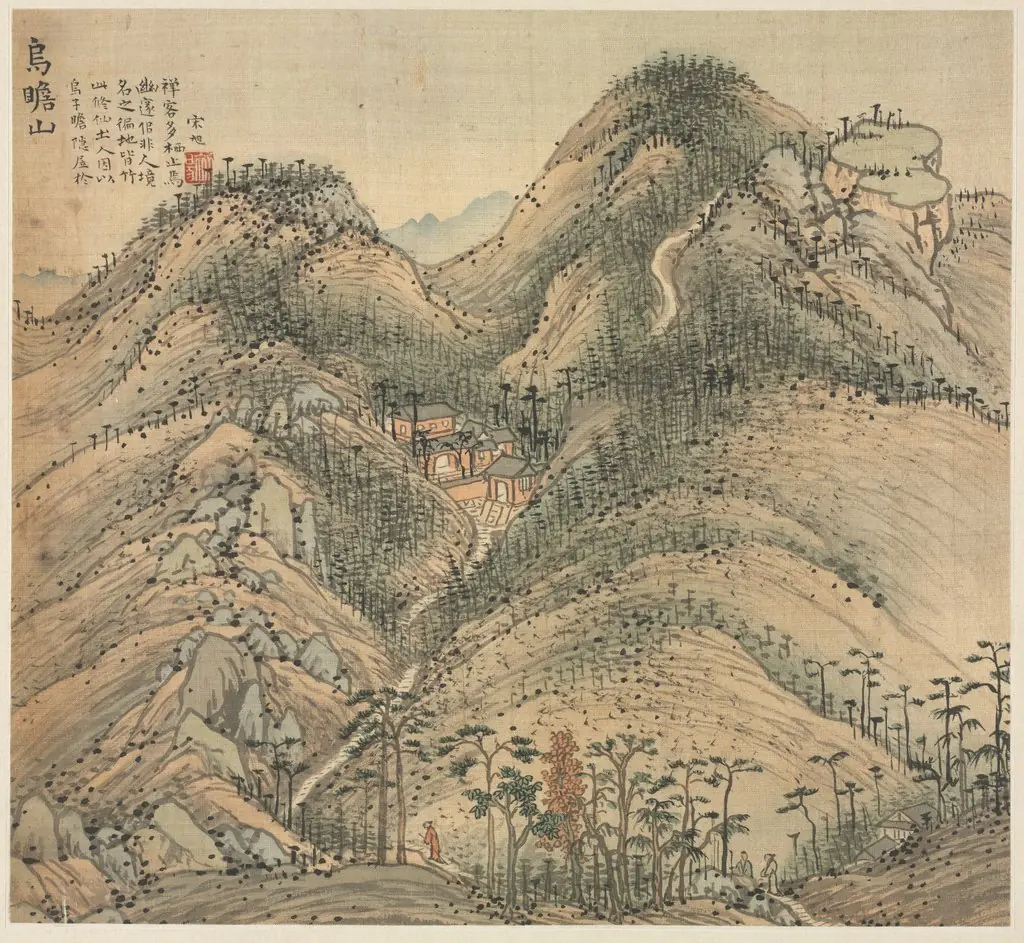
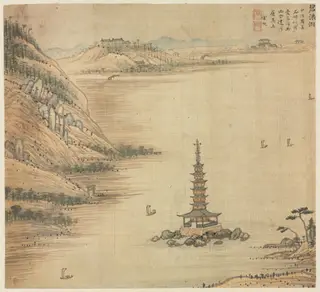
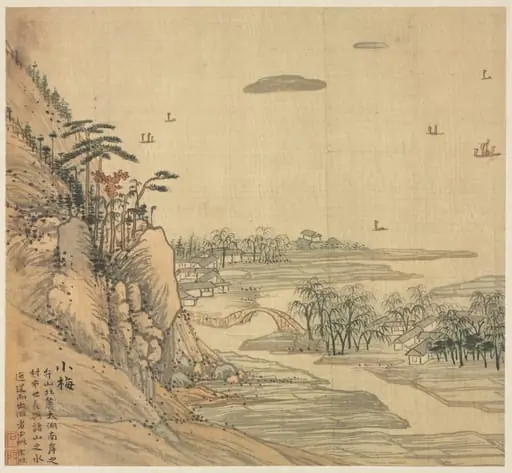
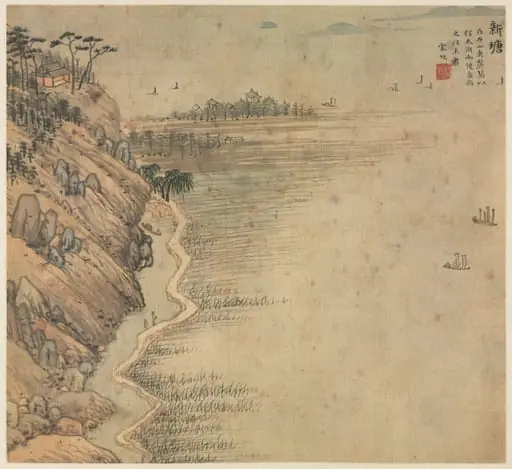
Mt. Shenchang is a painting from an album of topographical depictions of sites around Lake Tai, created during the Ming dynasty. The work illustrates a specific scenic location in the lower Yangzi delta, characterized by a mountain, rocky path, trees, mist, and a small building.
Subject & Meaning
The painting's subject is a real geographic location, Mt. Shenchang, near Lake Tai. The inclusion of a figure on a rocky path and a building suggests an emphasis on the human experience within the landscape, potentially highlighting the site's accessibility and appeal to travelers.
Technique & Style
While specific technical details of Mt. Shenchang are not provided, the piece is part of a tradition of topographical paintings that flourished in the Ming dynasty, often characterized by meticulous depictions of natural scenery and the incorporation of inscriptions with descriptive or poetic content.
History & Provenance
Created by Song Xu, an artist familiar with the region through intermittent residencies in nearby Jiaxing and Songjiang, and likely inspired by boat travels through Wuxing. The album's production was likely commissioned for commemorative, guidebook, or 'armchair travel' purposes. Now part of The Cleveland Museum of Art's collection.
Context
Mt. Shenchang reflects the 16th-century trend of illustrated travel books and albums catering to increased tourism in historic and scenic areas of the lower Yangzi delta. It combines the functions of a map, a travelogue, and an artistic representation of nature.
Legacy
As part of a broader collection of topographical paintings from the Ming dynasty, Mt. Shenchang contributes to the historical record of China's scenic sites and the evolution of travel literature and art. Its presence in a major museum facilitates ongoing study and appreciation of Ming-era artistic and cultural practices.
Own this work as a print
Artist & collection