Artwork
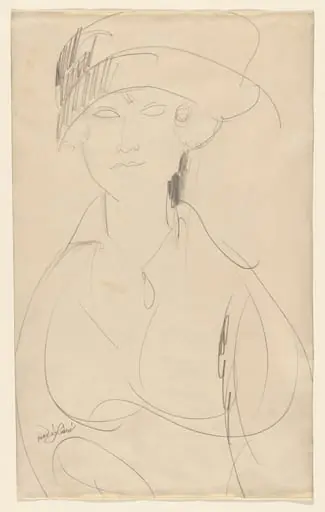
Portrait of the Artist's Wife
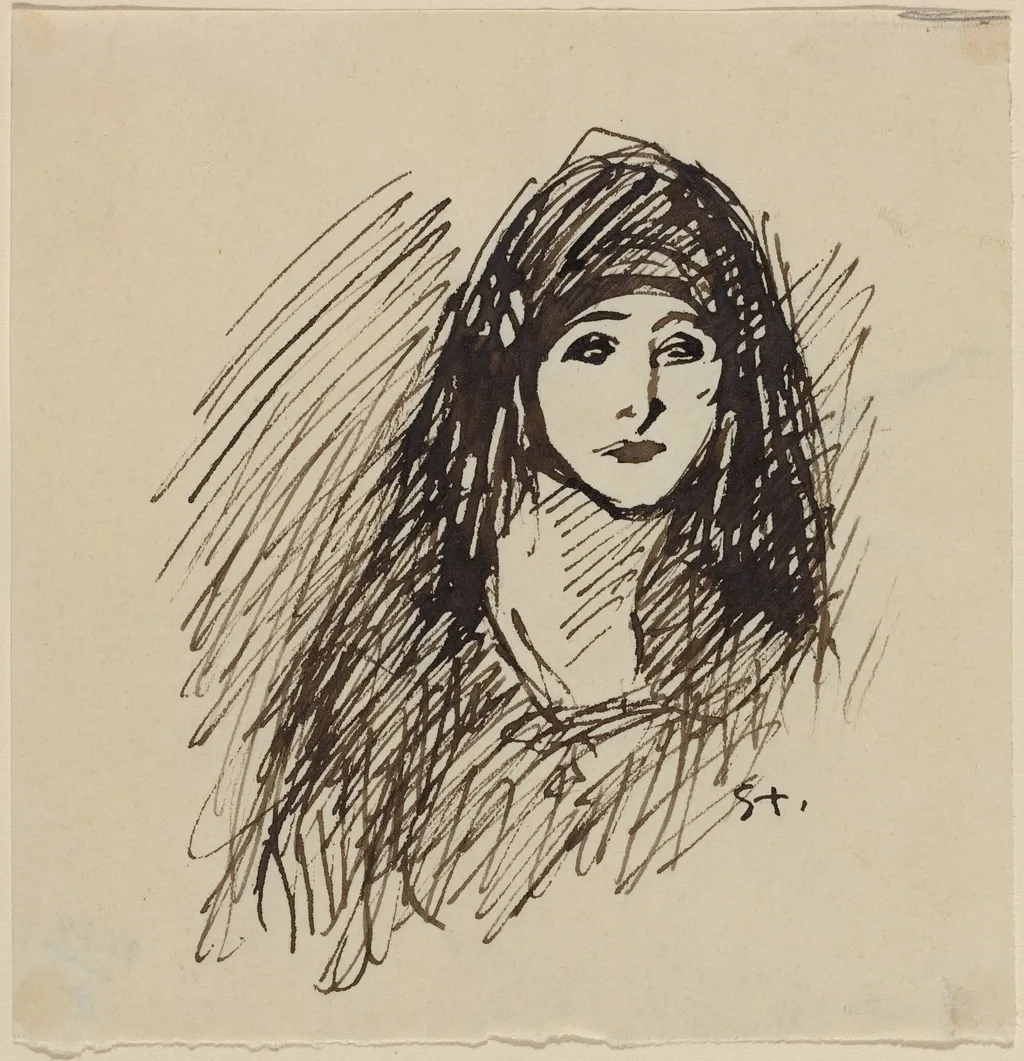
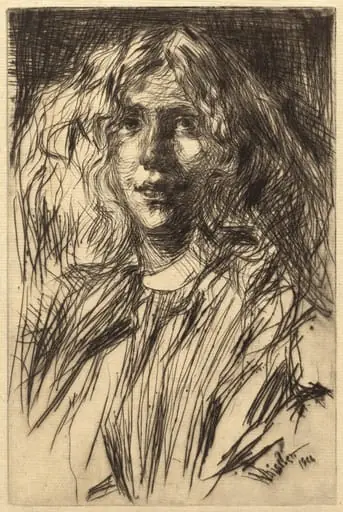
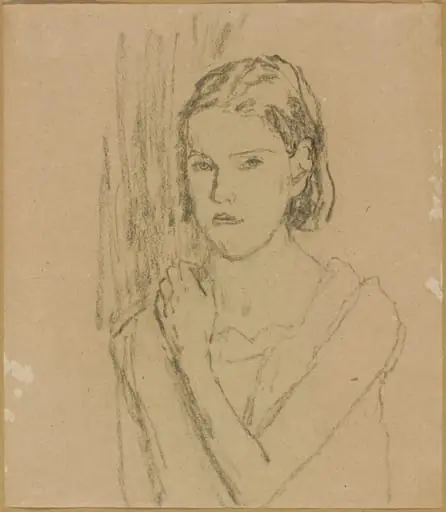
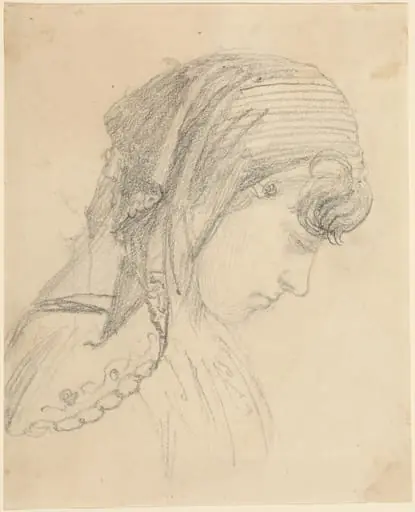
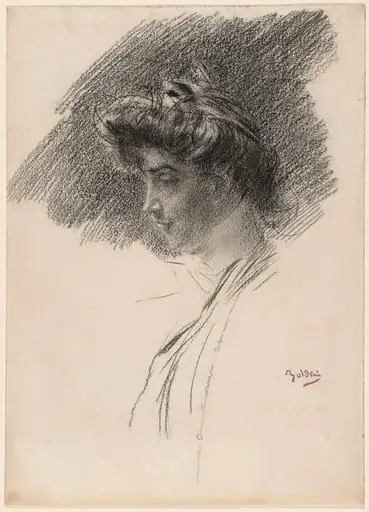
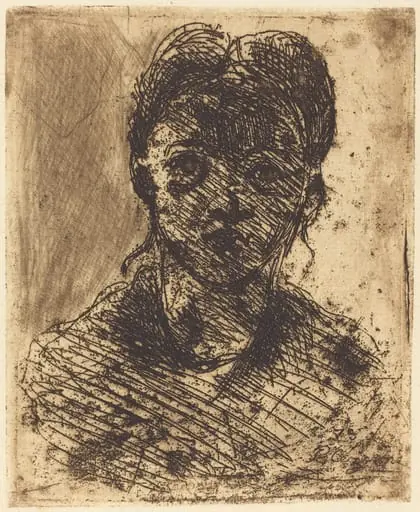
Portrait of the Artist's Wife is an ink drawing by the Impressionist artist Théophile Alexandre Steinlen. It dates from 1891 and is held in the collection of the National Gallery of Art.
- Inscription
- Inscribed:lower right: St; in later hand, lower right verso in graphite: 9579 /80
About this work
Overview
Created in 1891, this ink drawing by Théophile Alexandre Steinlen captures his wife in a spontaneous, intimate format.
Created in 1891, this ink drawing by Théophile Alexandre Steinlen captures his wife in a spontaneous, intimate format. Executed in pen and brown ink, the work belongs to the tradition of portrait sketches rather than formal commissions. Its immediacy reflects Steinlen’s habit of recording personal moments with minimal embellishment, aligning with his broader practice of valuing authenticity over polish.
Subject & Meaning
The subject is the artist’s wife, portrayed without adornment or idealization. Her tilted head and neutral expression convey quiet presence rather than performative emotion. The absence of context or symbolic elements focuses attention on her individuality, suggesting a private, domestic intimacy rather than public representation. Steinlen’s choice to depict his spouse without ceremony reflects his personal and artistic values.
Technique & Style
Steinlen employed rapid, expressive pen strokes and dense cross-hatching to model form and texture, particularly in the tangled mass of her hair. The ink varies from light washes to thick, scratchy lines, creating a sense of movement and urgency. The drawing’s unfinished quality, its loose contours and uneven shading, emphasizes process over finish, characteristic of his sketch-based approach to portraiture.
History & Provenance
The drawing originates from Steinlen’s personal archive, likely kept among family papers rather than exhibited publicly during his lifetime. Its survival suggests it held personal significance rather than commercial intent. No record indicates it was sold or displayed in his era, reinforcing its role as a private study rather than a public statement.
Context
In the early 1890s, Steinlen was deeply involved with radical publications, producing illustrations for anarchist and socialist journals. While this portrait lacks overt political content, its informal style resonates with his broader rejection of academic conventions. The emphasis on raw, unembellished observation aligns with the ethos of the working-class press he contributed to.
Legacy
Though not widely reproduced during Steinlen’s lifetime, this drawing exemplifies his commitment to candid human representation. It stands as a quiet counterpoint to his more famous political lithographs, revealing the personal dimension of an artist known primarily for public commentary. Later scholars have cited it as evidence of his sensitivity to individual presence beyond ideological messaging.
Own this work as a print
Artist & collection
Artist
Théophile Alexandre Steinlen (November 10, 1859 – December 13, 1923), was a Swiss-born French Art Nouveau painter and printmaker. He was politically engaged and collaborated with the anarchist and socialist press.