Artwork
Dejun pe iarbă
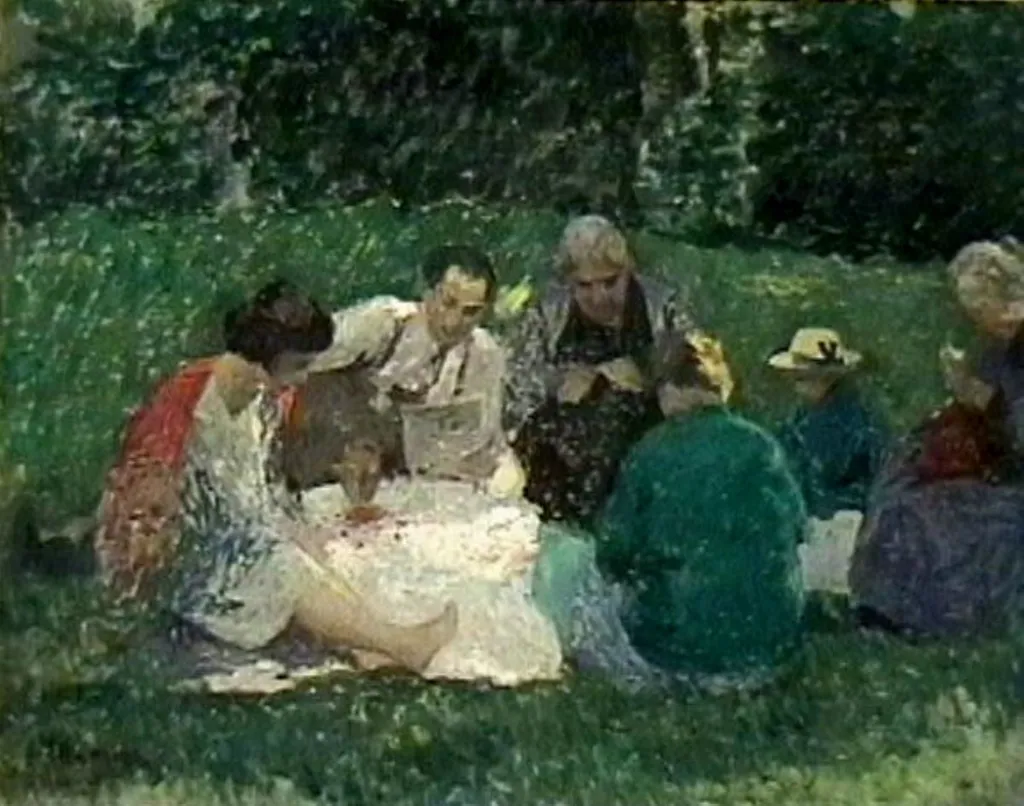
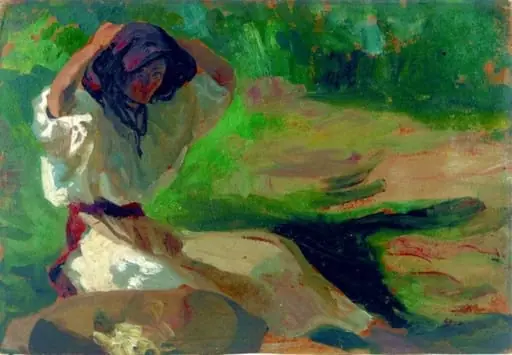
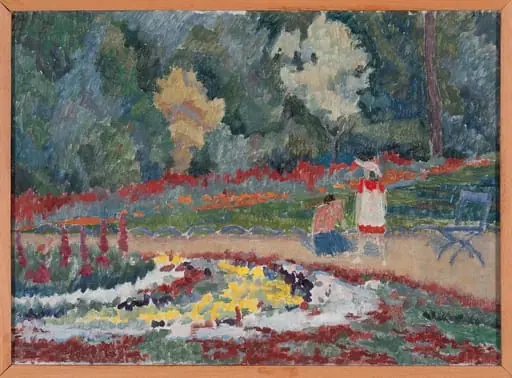
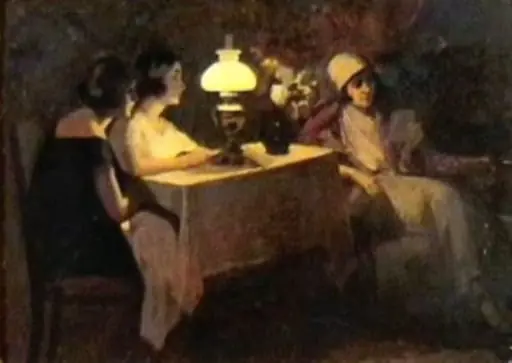
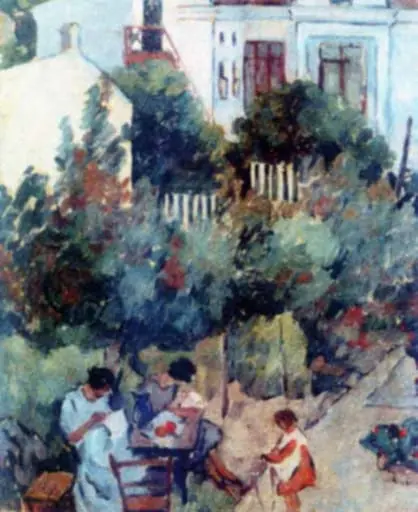
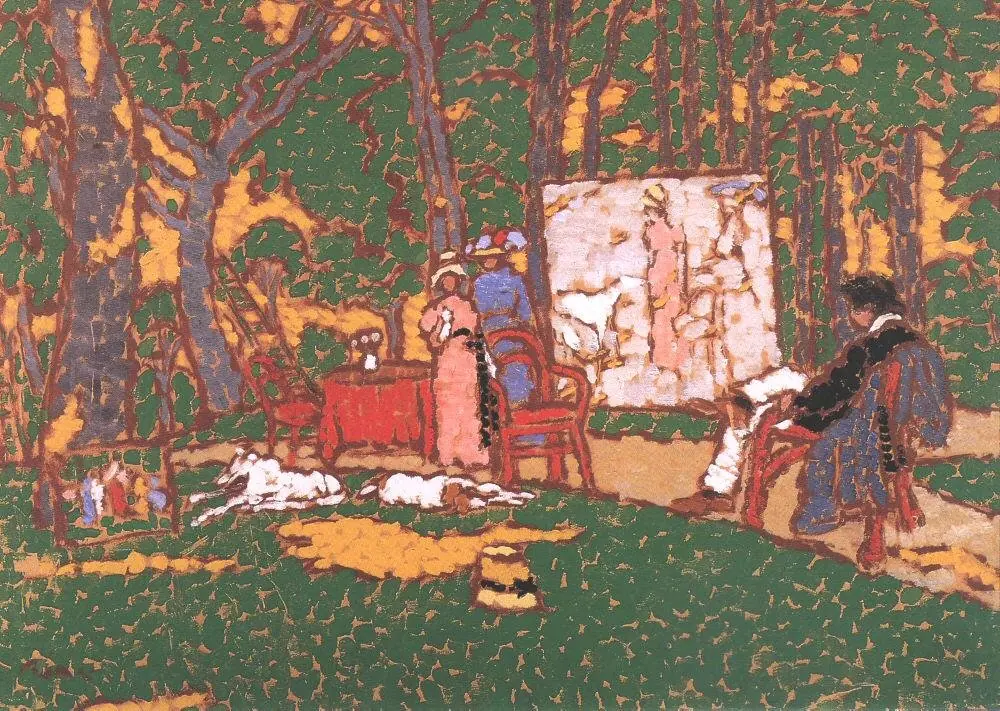
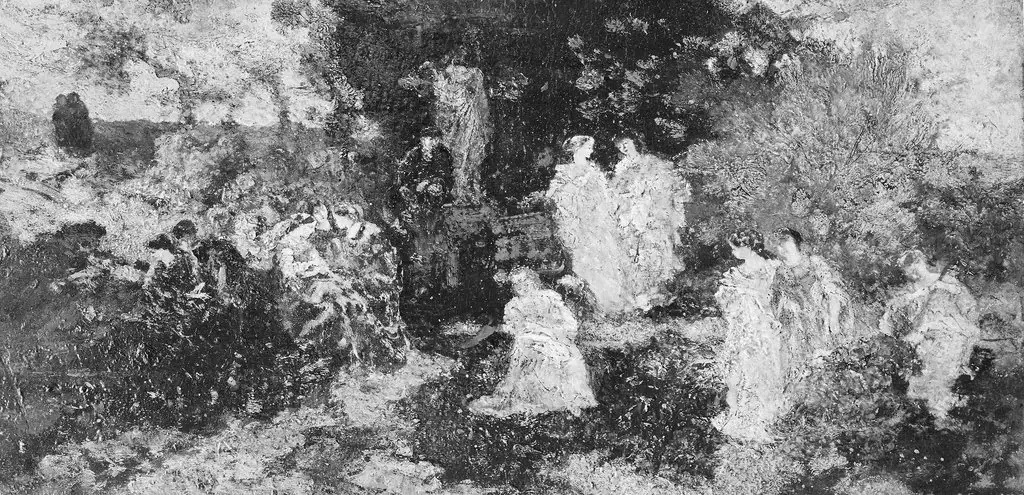
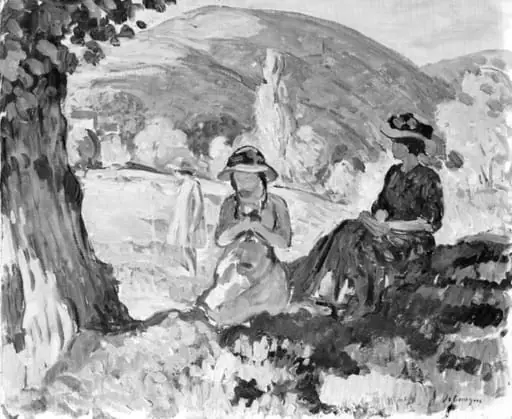
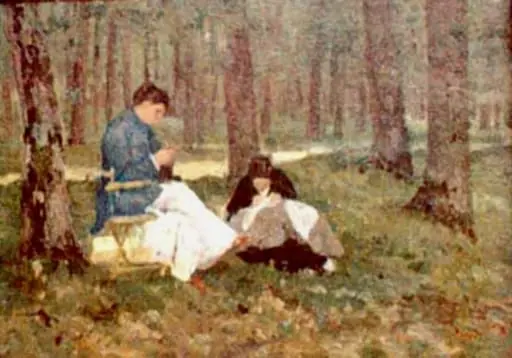
Dejun pe iarbă is a print by Ipolit Strâmbu(lescu). It dates from 1927 and is held in the collection of the Moldova National Museum Complex. Created in 1927 by Ipolit Strâmbu, this print depicts a quiet outdoor scene of four individuals resting on a grassy slope.
About this work
Overview
Created in 1927 by Ipolit Strâmbu, this print depicts a quiet outdoor scene of four individuals resting on a grassy slope. Rendered in muted earth tones, the composition conveys a sense of stillness and informal repose. The work is characterized by its loose, tactile surface and deliberate lack of sharp definition, suggesting an emphasis on atmosphere over detail.
Subject & Meaning
The figures are engaged in quiet, private activities, one bent forward as if reading or writing, the others seated in relaxed postures. Their clothing, loosely styled and dated, situates the scene in an earlier era, evoking a sense of nostalgia or introspection. The absence of narrative tension invites contemplation of ordinary moments, valuing solitude and unremarkable leisure.
Technique & Style
Strâmbu employed thick, uneven brushwork that builds texture through impasto, creating a tactile, almost sculptural surface. The forms are softened by blurred edges and a restrained palette of greens and browns, reinforcing the hazy, dreamlike quality of the scene. The deliberate roughness suggests spontaneity, as if the moment was captured in passing rather than meticulously composed.
History & Provenance
The work originates from Strâmbu’s active period in the late 1920s, a time when Romanian artists were exploring modernist approaches while retaining ties to rural and domestic themes. Though specific ownership history is not widely documented, the piece reflects the broader interest in intimate, everyday life that emerged in interwar Eastern European art circles.
Context
The work’s subdued tones and sketch-like quality distinguish it from more polished traditions, signaling a move toward emotional authenticity.
In the interwar period, Romanian painters increasingly turned away from academic formalism toward expressive, personal styles. Strâmbu’s focus on rural leisure aligns with this shift, echoing contemporaries who sought to capture the rhythm of ordinary life. The work’s subdued tones and sketch-like quality distinguish it from more polished traditions, signaling a move toward emotional authenticity.
Legacy
Strâmbu’s approach in this piece contributed to a generation of Romanian artists who prioritized mood and materiality over idealized representation. While not widely exhibited internationally, the work remains a quiet example of how local modernism embraced imperfection and immediacy, influencing later regional movements that valued the poetic potential of the everyday.
Artist & collection

Artist
Ipolit Strâmbulescu, known as Ipolit Strâmbu, was a Romanian painter best known for his portraits of women, which ranged from domestic scenes to nudes.