Artwork
George Washington Deal
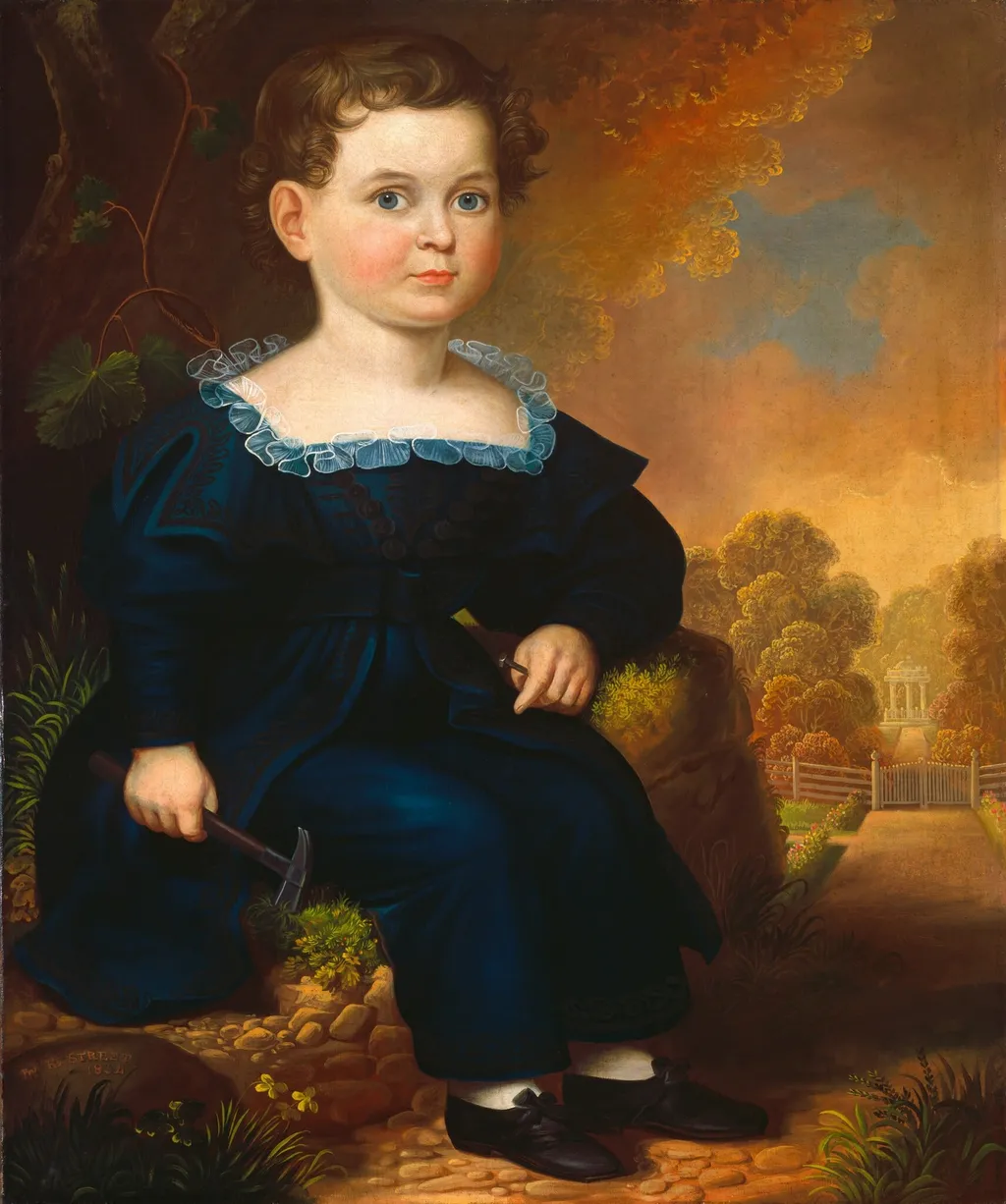
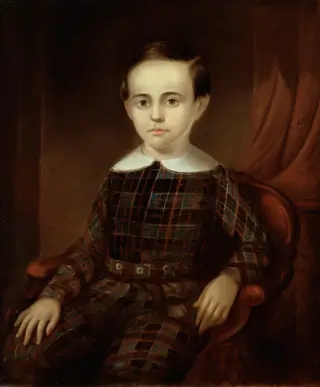
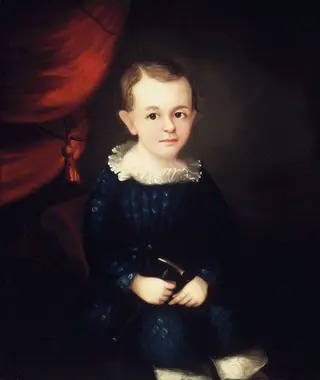
George Washington Deal is an oil painting by the Romanticist artist Robert Street. It dates from 1834 and is held in the collection of the National Gallery of Art.
- Inscription
- Inscribed:lower left: BY R. STREET / 1834
About this work
The painting shows a man, likely George Washington, in a formal setting. He is dressed in old-fashioned clothes. The subject of the painting is a serious-looking man.
This painting is interesting because it was made in 1834. The artist tried to show the subject in a realistic way.
You can learn more about this style by looking into the technique: glazing.
Technique & Style
Executed as a formal portrait, the work showcases Street's approach to realism through precise brushwork and careful handling of light on the canvas surface.
Robert Street painted George Washington Deal in 1834 using oil on canvas, a medium recorded in both the artwork's catalog entry and the National Gallery of Art's documentation. The painting measures 76.2 centimeters in height and 63.5 centimeters in width, reflecting the dimensions specified in the museum's records. Executed as a formal portrait, the work showcases Street's approach to realism through precise brushwork and careful handling of light on the canvas surface.
History & Provenance
The painting was created in 1834 as an oil on canvas portrait by Robert Street depicting George Washington. It descended through the sitter's daughter Lola Diehl Barbour and her daughter Edna L. Barbour before being gifted to the National Gallery of Art in 1973, where it remains in the collection.
The painting is held by the National Gallery of Art in Washington, D.C., having entered the collection in 1973 as a gift from Edna L. Barbour of Washington, D.C. The work had previously descended within the sitter's family: first to his daughter Lola Diehl Barbour of New Brunswick, New Jersey, and then to her daughter Edna L. Barbour, who donated it to the museum.
No exhibition history is documented in the available sources.
Context
Robert Street painted George Washington Deal in 1834, a portrait now held by the National Gallery of Art in Washington, D.C. The work entered the museum's collection through a 1973 gift from Edna L. Barbour, whose mother Lola Diehl Barbour inherited it from her father, the sitter's daughter. Street, an American portraitist active in the mid-19th century, specialized in realistic renderings of middle-class subjects, aligning this painting with broader trends in antebellum American portraiture. Its formal qualities, including muted palette and restrained composition, reflect contemporary preferences for dignified yet unpretentious depictions of civic virtue.
The painting's attribution to Street has been reinforced by stylistic analysis and archival documentation, situating it within the development of American realism in the 1830s.
Overview
Robert Street’s oil on canvas, dated 1834, presents a formal portrait of a man identified as George Washington. Rendered in a realistic manner, the work captures the subject in period attire, his expression solemn and composed. The painting reflects early nineteenth‑century approaches to historical portraiture, emphasizing fidelity to the sitter’s likeness and demeanor.
Subject & Meaning
The figure, dressed in eighteenth‑century clothing, is portrayed with a grave countenance, suggesting the dignified character traditionally associated with Washington. By situating the former president in a formal interior, the artist underscores his status as a national symbol, inviting viewers to contemplate leadership and virtue as embodied in the early republic.
Own this work as a print
Artist & collection