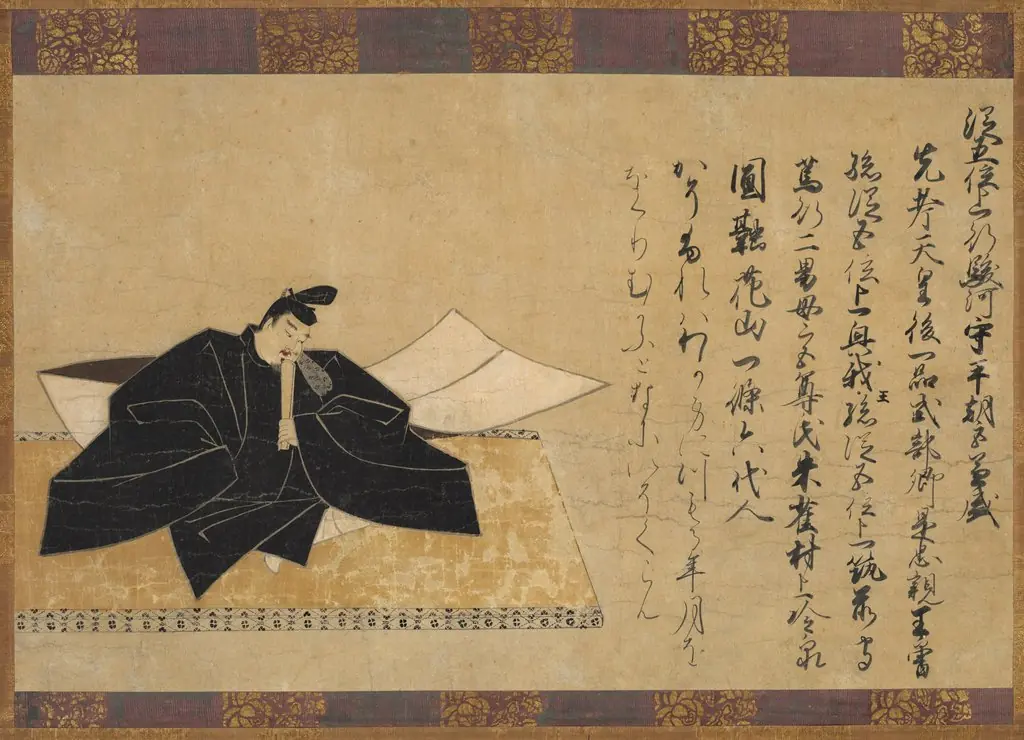
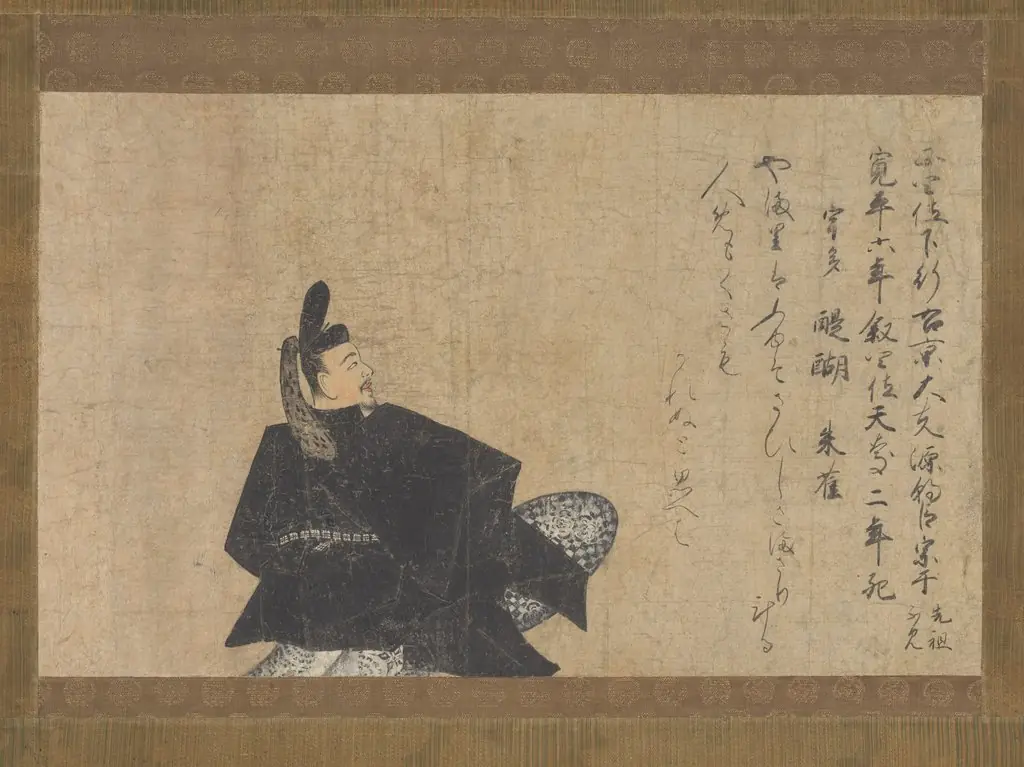
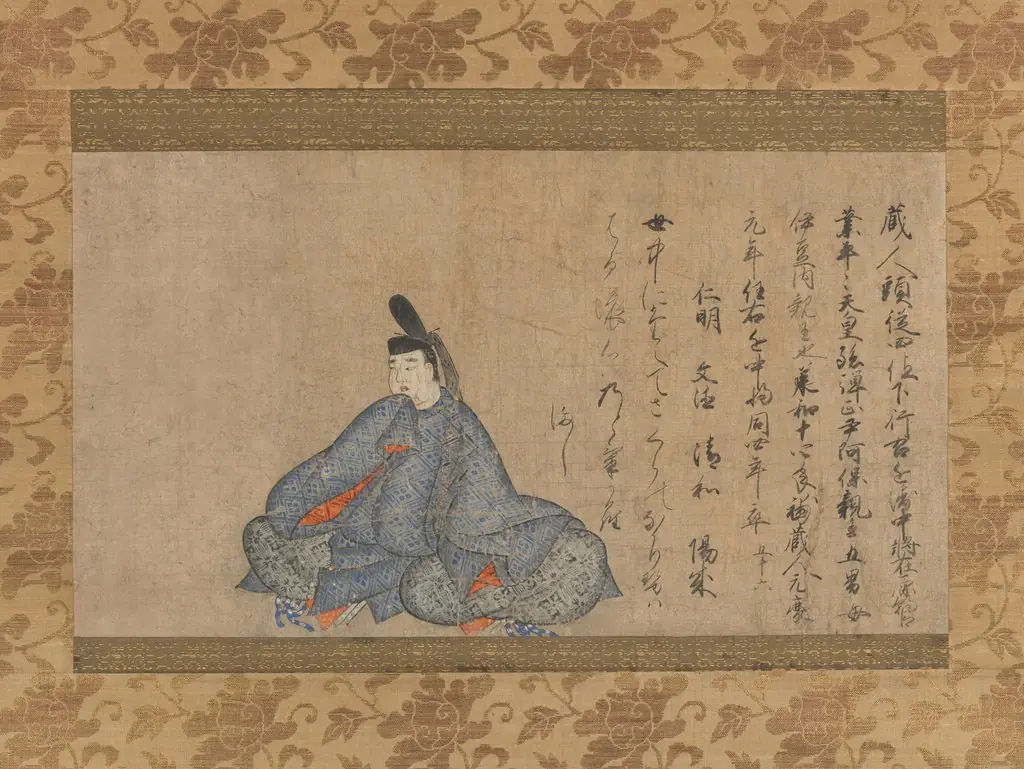
Artwork
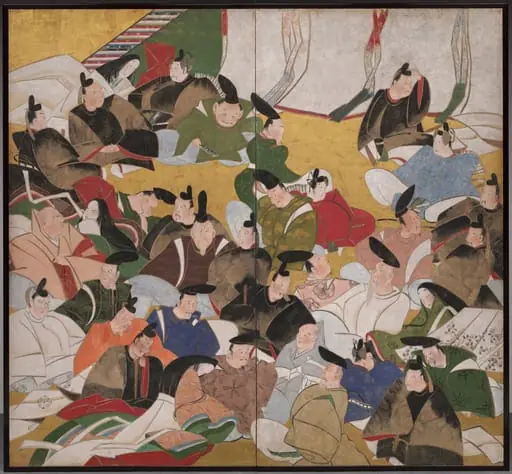
Thirty-Six Poetic Immortals
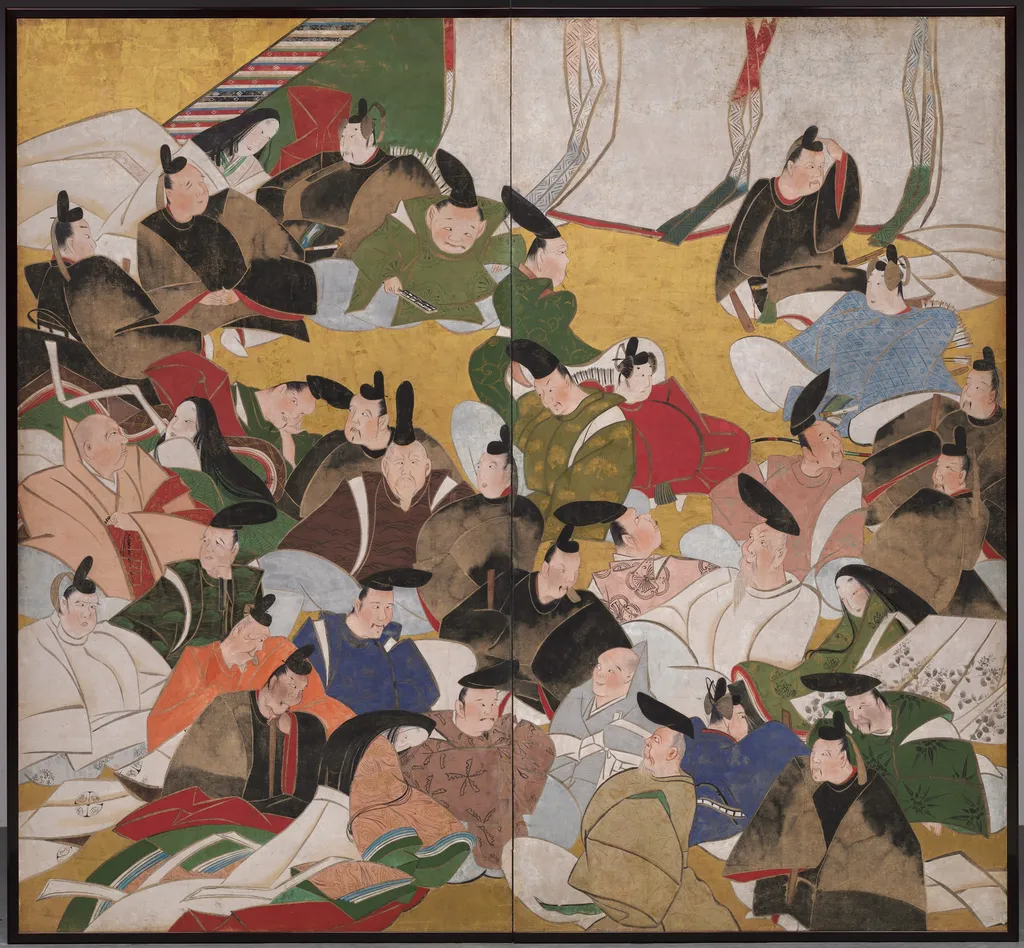
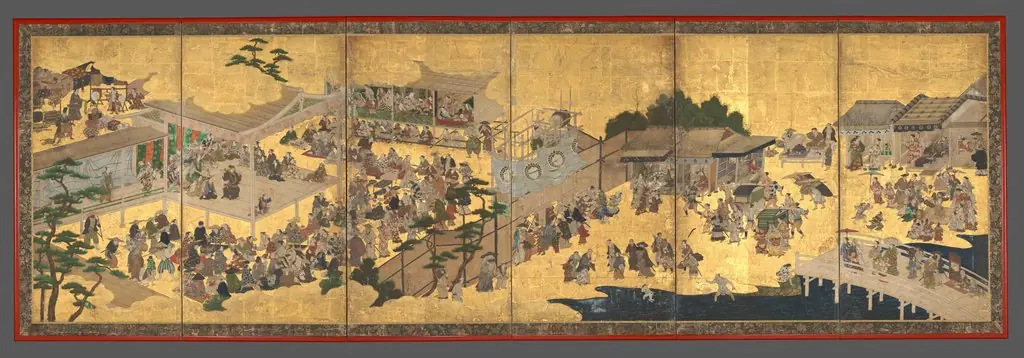
Thirty-Six Poetic Immortals is an unspecified painting by the Rococo painting artist Tatebayashi Kagei. It dates from 1742 and is held in the collection of the Cleveland Museum of Art.
About this work
History & Provenance
It is currently held in the collection of the Cleveland Museum of Art, where it is cataloged under the accession number 1960.
The painting Thirty-Six Poetic Immortals was created by the Japanese artist Tatebayashi Kagei in 1742. Originating in Japan, the work dates specifically to January 1, 1742. It is currently held in the collection of the Cleveland Museum of Art, where it is cataloged under the accession number 1960.183.
No further details regarding the original commission, specific patron, or the intermediate ownership chain prior to its acquisition by the museum are provided in the available records.
The painting Thirty-Six Poetic Immortals by Tatebayashi Kagei is held in the collection of the Cleveland Museum of Art. The work, created in 1742, is identified within the museum's records by the accession number 1960.183. While the artwork's creation date and current institutional home are documented, specific details regarding its exhibition history are not provided in the available sources.
Context
Tatebayashi Kagei painted Thirty-Six Poetic Immortals in 1742, reflecting Edo-period interest in Chinese literary themes through a Japanese artistic lens. The work entered the Cleveland Museum of Art collection, where it remains displayed as a representative example of mid-18th century Japanese painting.
Overview
Created in 1742 by the Japanese painter Tatebayashi Kagei, Thirty‑Six Poetic Immortals is a hanging scroll that depicts a group of celebrated literary figures from Chinese tradition. The work is part of the collection of the Cleveland Museum of Art, where it is displayed as an example of mid‑eighteenth‑century East Asian painting.
Subject & Meaning
The composition gathers thirty‑six renowned poets, each identified by a stylized seal or inscription, symbolizing the enduring influence of classical verse. By assembling these cultural icons, the painting reflects a reverence for literary heritage and the ideal of scholarly immortality that was prized among educated elites of the period.
Technique & Style
Executed with ink and subtle color washes on silk, the scroll employs delicate brushwork characteristic of the Edo‑period school to which Kagei belonged. Figures are rendered in a restrained, almost calligraphic manner, allowing the emphasis to fall on the textual elements and the serene spatial arrangement rather than on vivid realism.
Own this work as a print
Artist & collection

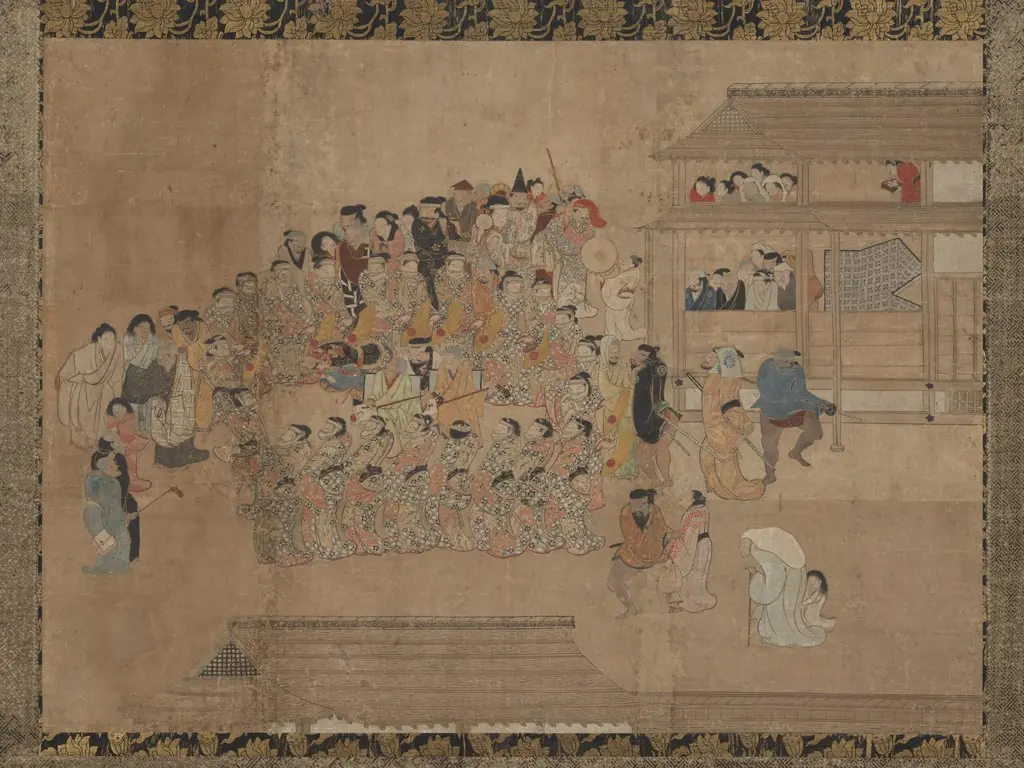 People Dancing
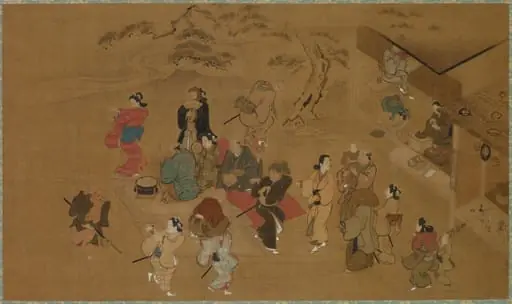 Spring Dance Scene
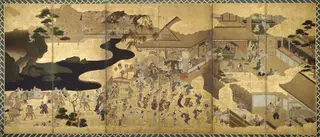 Genre Scenes (Fuzoku byobu)
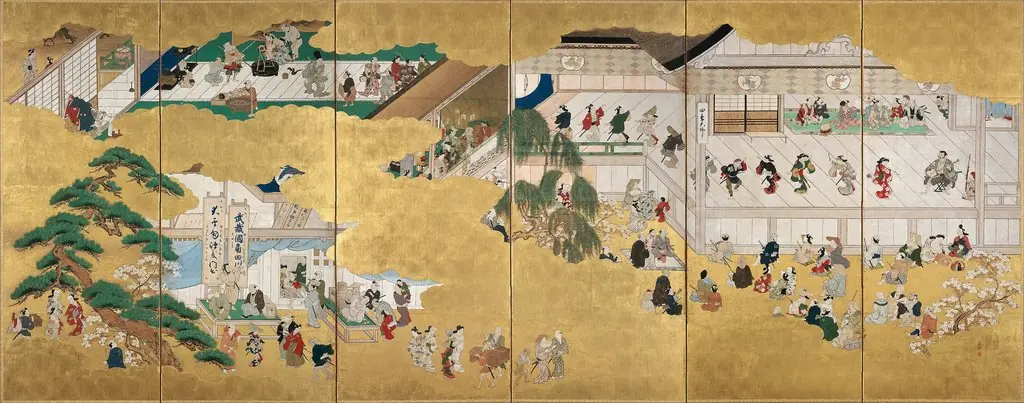 Scenes from the Nakamura Kabuki Theater
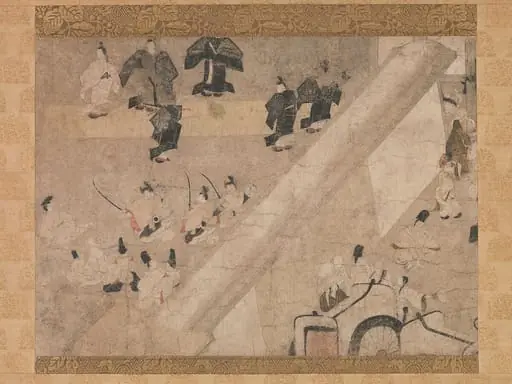 「高陽院駒競行幸絵巻」『栄花物語』 断簡|"Imperial Visit to the Great Horse Race at the Kaya-no-in Mansion" from the Tale of Flowering Fortunes
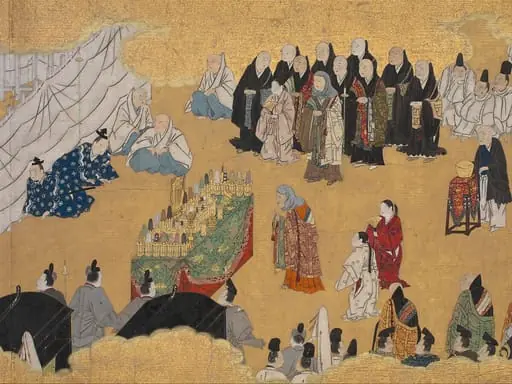 幻の源氏物語絵巻 「葵」|“Leaves of Wild Ginger” (Aoi), from the Phantom Genji Scrolls (Maboroshi no Genji monogatari emaki)
 Untitled
 Women’s Kabuki