Artwork
Kärsimyksen Jumalanäiti, venäläinen ikoni
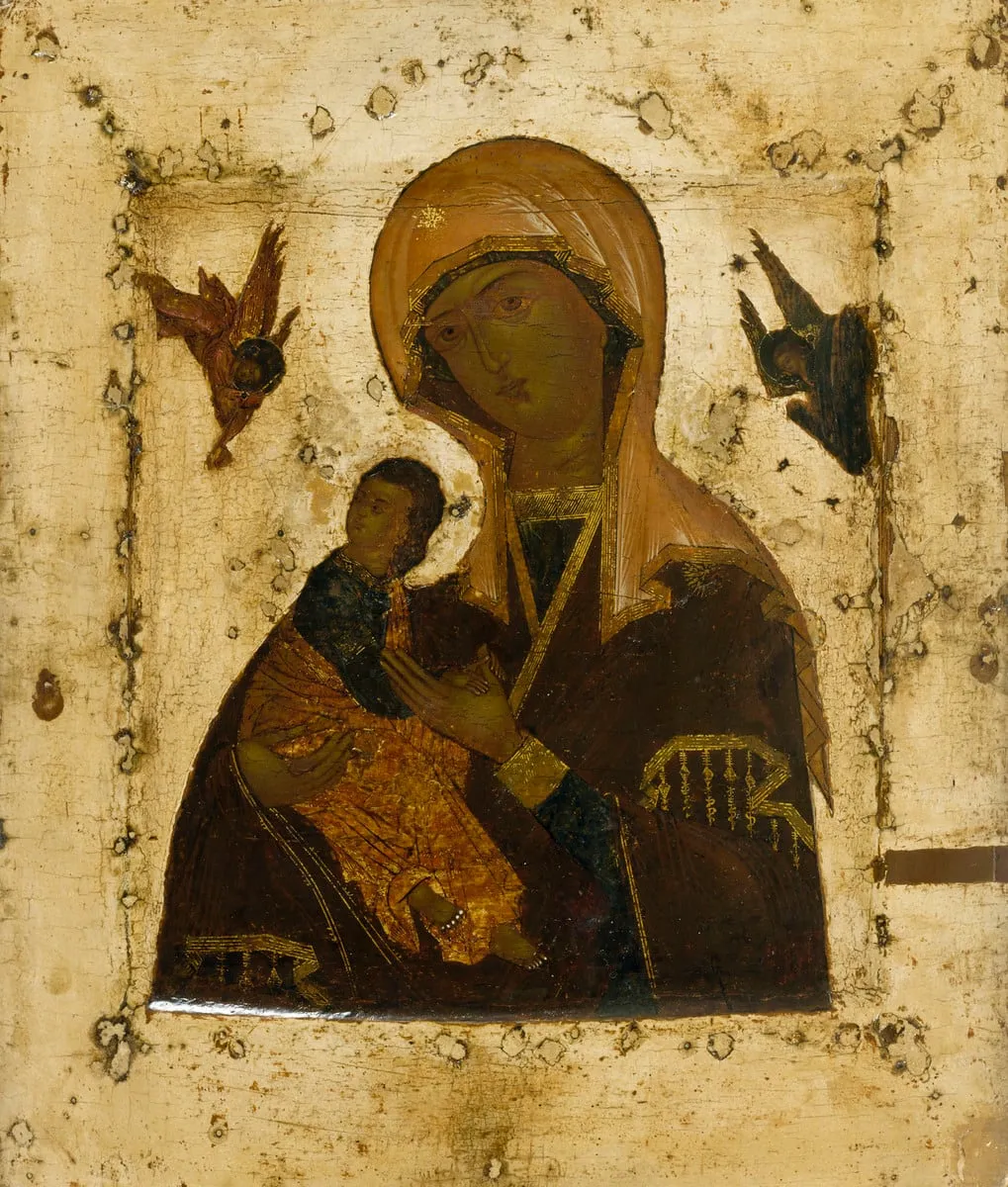
Kärsimyksen Jumalanäiti, venäläinen ikoni is an unspecified painting by the Russian Icon artist tekijä ei tiedossa. It is held in the collection of the Finnish National Gallery.
About this work
Overview
Created in Russia, it adheres to established liturgical conventions, serving as a devotional object for private prayer rather than public display.
This small wooden icon, painted in tempera, depicts the Virgin Mary cradling the dead Christ, a subject known in Orthodox tradition as the Eleousa or Virgin of Tenderness. Created in Russia, it adheres to established liturgical conventions, serving as a devotional object for private prayer rather than public display. Its modest scale and restrained expression reflect the spiritual focus of Orthodox iconography.
Subject & Meaning
The image portrays Mary’s sorrow not through overt weeping but through a quiet, inward grief, emphasizing contemplation over drama. Christ’s lifeless form symbolizes sacrifice and resurrection, while Mary’s embrace conveys both maternal love and acceptance of divine will. This composition invites the viewer into a meditative state, aligning with the icon’s purpose as a bridge between the earthly and the sacred.
Technique & Style
Executed in tempera on wood, the icon follows strict Byzantine-derived rules of form and color. Facial features are stylized, proportions symbolic rather than naturalistic. The gold background, applied as leaf, signifies divine light and eternity, detaching the figures from earthly space. Brushwork is precise, with minimal shading, reinforcing the timeless, transcendent nature of the scene.
History & Provenance
The icon originates from the Russian Orthodox tradition, likely produced in a monastic workshop during the late medieval or early modern period. While its exact origin and maker are undocumented, its style aligns with regional practices that prioritized spiritual fidelity over individual expression. Such icons were often passed down through families or used in home shrines.
Context
In Russian Orthodoxy, icons were not merely artworks but sacred vessels for prayer and divine presence. The depiction of the Theotokos mourning Christ was especially venerated during Lent and Holy Week. The strict adherence to established models ensured doctrinal consistency, and each element, pose, color, gaze, carried theological meaning understood by the faithful.
Legacy
This icon belongs to a tradition that influenced generations of Russian artists, including Andrei Rublev, whose works refined its spiritual intensity. Though later movements embraced realism, the enduring power of such icons lies in their ability to convey sacred mystery through simplicity. They remain central to Orthodox worship and continue to inform contemporary religious art.
Artist & collection
Artist
This unknown artist left behind work that feels like a hushed conversation in a candlelit chapel.

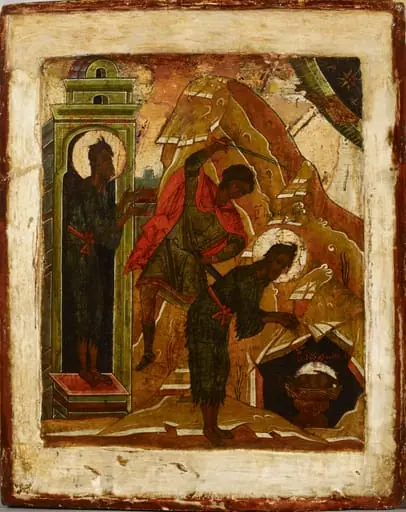 Johannes Kastajan mestaus, venäläinen ikoni
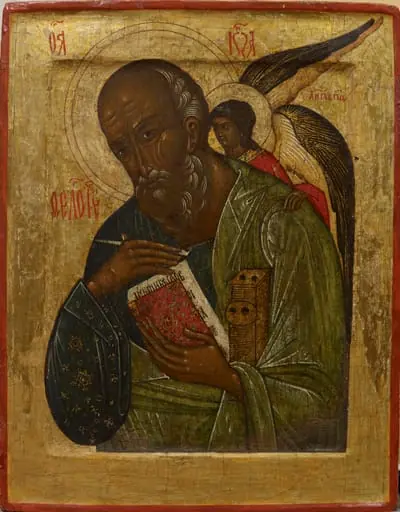 Johannes Evankelista, venäläinen ikoni
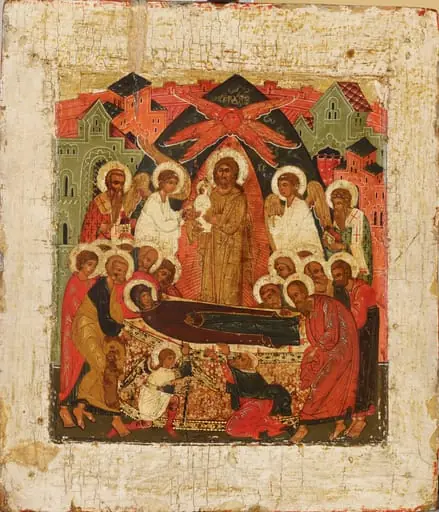 Jumalanäidin kuolonuneen nukkuminen, venäläinen ikoni
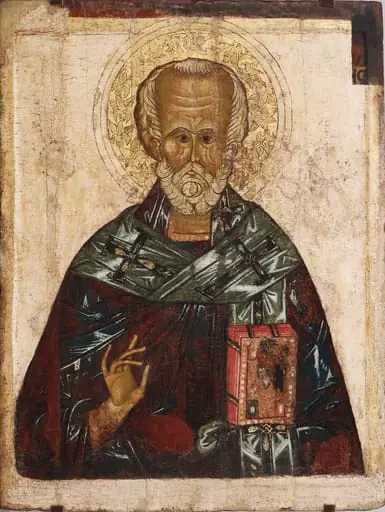 Pyhä Nikolaus, venäläinen ikoni
 Pääsiäinen ja kirkkovuoden juhlia, venäläinen ikoni
 Apollo ja Dafne
 Jerusalemin Jumalanäiti, (Hodigitria), venäläinen ikoni
 Jumalanäiti, Hodigitria - Tiennäyttäjä, bysanttilainen ikoni