Movement
Russian Icon
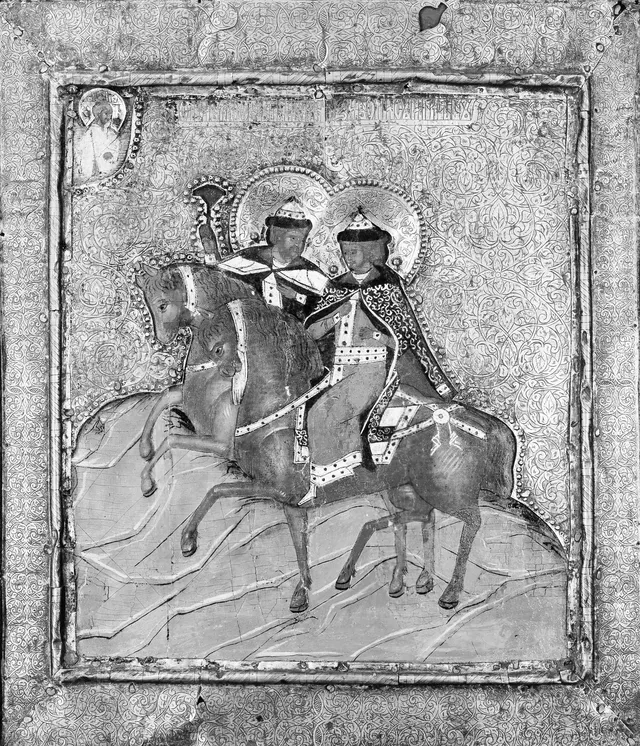
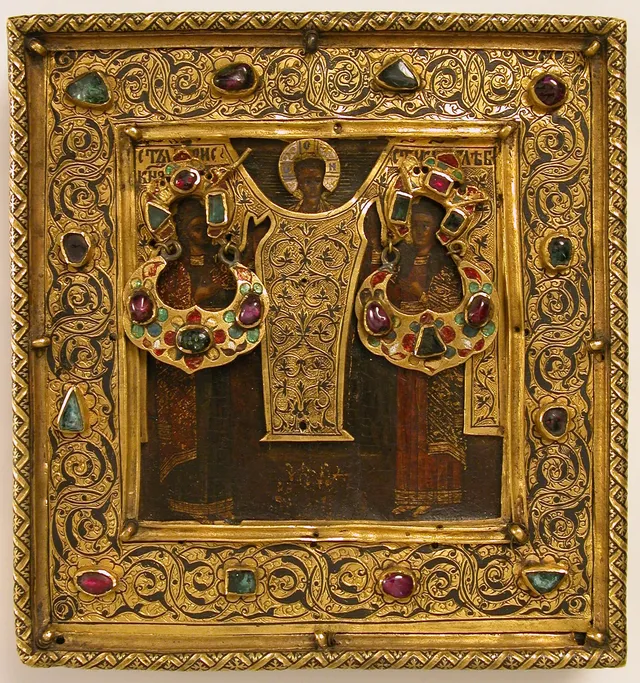
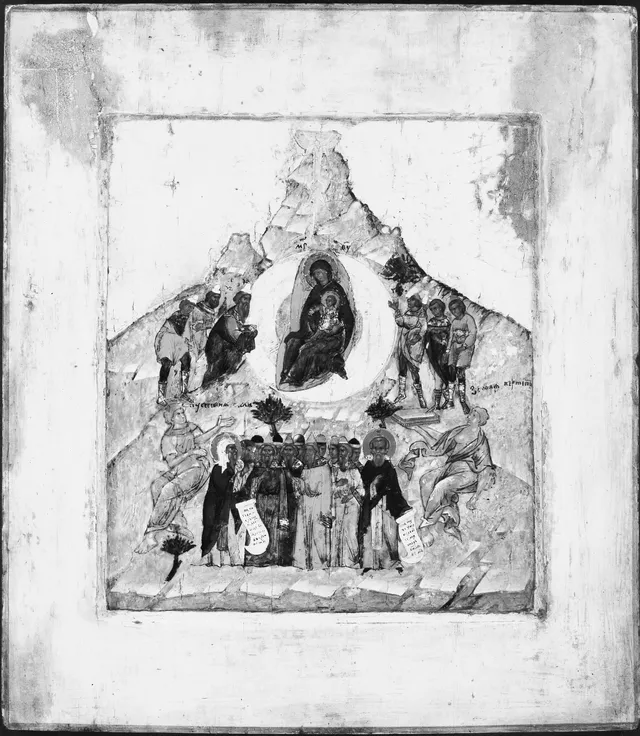
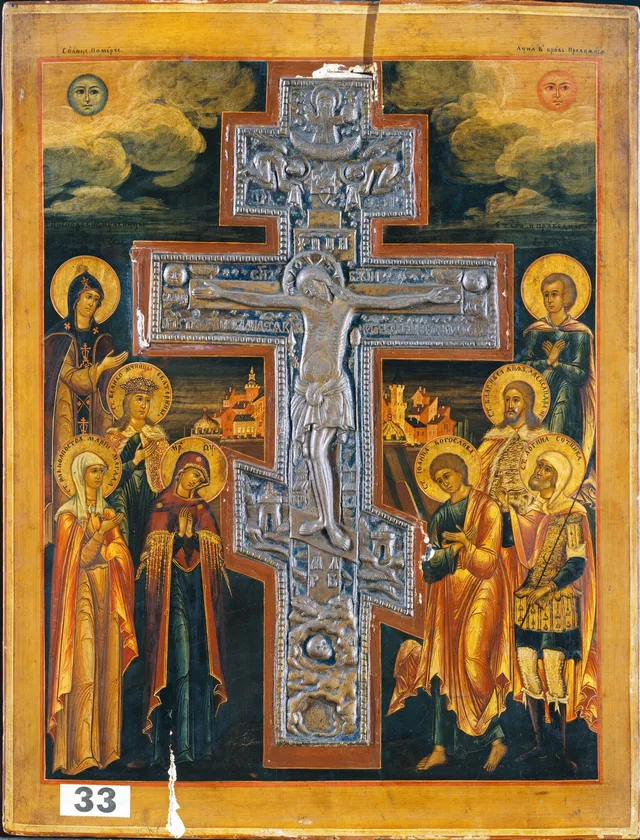
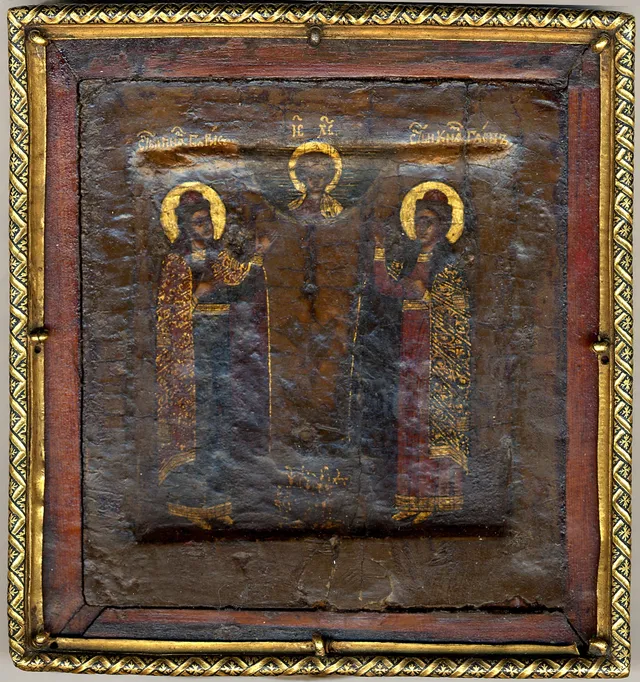
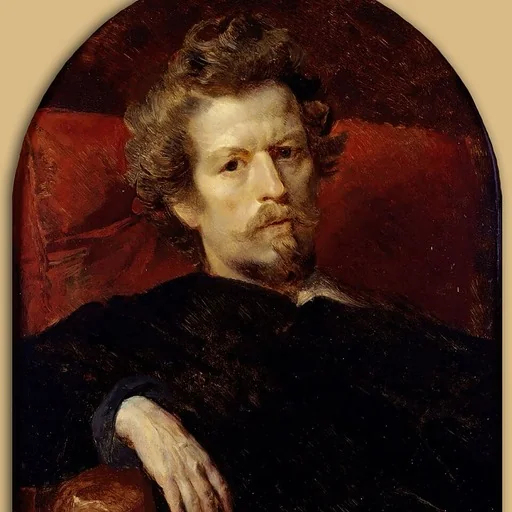
Russian Icon is an art movement. The gallery holds 84 works in this movement, including works by Karl Bryullov, Mikhail Ivanovich Terebenyov and Vladimir Borovikovsky. Browse Russian Icon paintings, portraits, pictures and artworks from the world's public-domain museum collections.
The Russian icon (Russian *ikona*, from the Greek *eikōn*, "image") is the tradition of sacred panel painting that took root in the lands of the Eastern Slavs after Kievan Rus' adopted Orthodox Christianity from Byzantium in 988. The form, its liturgical function, and its visual grammar were inherited directly from the Eastern Roman Empire, but over the following centuries regional schools — Kiev, then Novgorod, Pskov, Vladimir-Suzdal, and finally Moscow — transformed the imported Greek manner into a distinct national art. Icons were never regarded as mere pictures: in Orthodox theology they are "windows into heaven," venerated images that make the holy person present, which is why they were governed by inherited canons rather than individual invention.
The technique was exacting and remarkably stable, practised in egg tempera well into the twentieth century. A seasoned panel of linden or pine was covered with linen (the *pavoloka*) and built up with many layers of chalk-and-glue gesso (*levkas*); the composition was incised into this ground with a needle, backgrounds were gilded with gold leaf, and faces and garments were modelled slowly from dark base tones up to bright highlights. The resulting style favours flattened space, inverse perspective, weightless elongated figures, luminous fields of gold, and a restrained symbolic use of colour over naturalistic illusion.
The golden age came in the late fourteenth and fifteenth centuries. The Byzantine émigré Theophanes the Greek, who frescoed churches in Novgorod and Moscow, brought a dramatic, austere intensity. His younger contemporary Andrei Rublev (c. 1360–1430), with whom he painted the Moscow Kremlin's Annunciation Cathedral in 1405, broke toward a serene, harmonious lyricism; his *Old Testament Trinity* (now in Moscow's Tretyakov Gallery) is the tradition's supreme masterpiece. Rublev's heir Dionisius (c. 1440–1503) refined the Moscow manner, and in the seventeenth century Simon Ushakov introduced Western modelling at the Kremlin Armoury, marking the tradition's turn toward European art.
The icon also produced specifically Russian subjects, above all Saints Boris and Gleb, the murdered princely sons of Vladimir glorified in 1071 as the first native saints and venerated as "passion-bearers." Growing directly out of Byzantine iconography, the Russian icon remained the dominant visual art of Russia until Peter the Great's Westernizing reforms, and its abstraction and spirituality later fascinated twentieth-century modernists.
Key artists
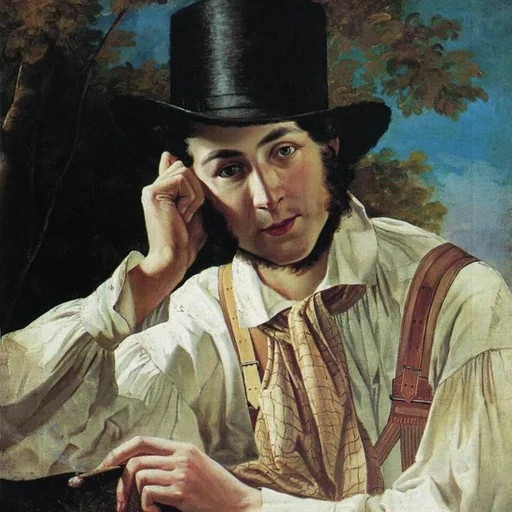
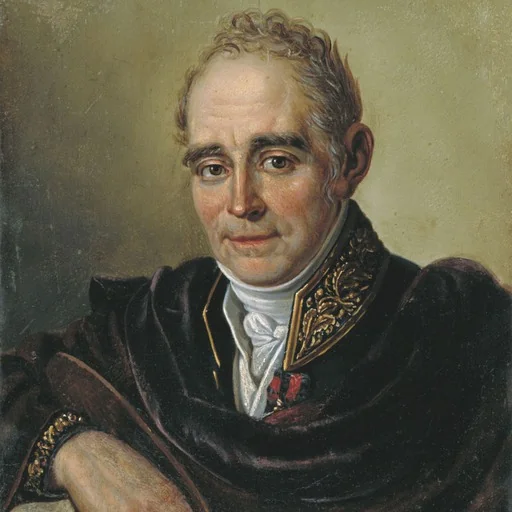
Artist
Works
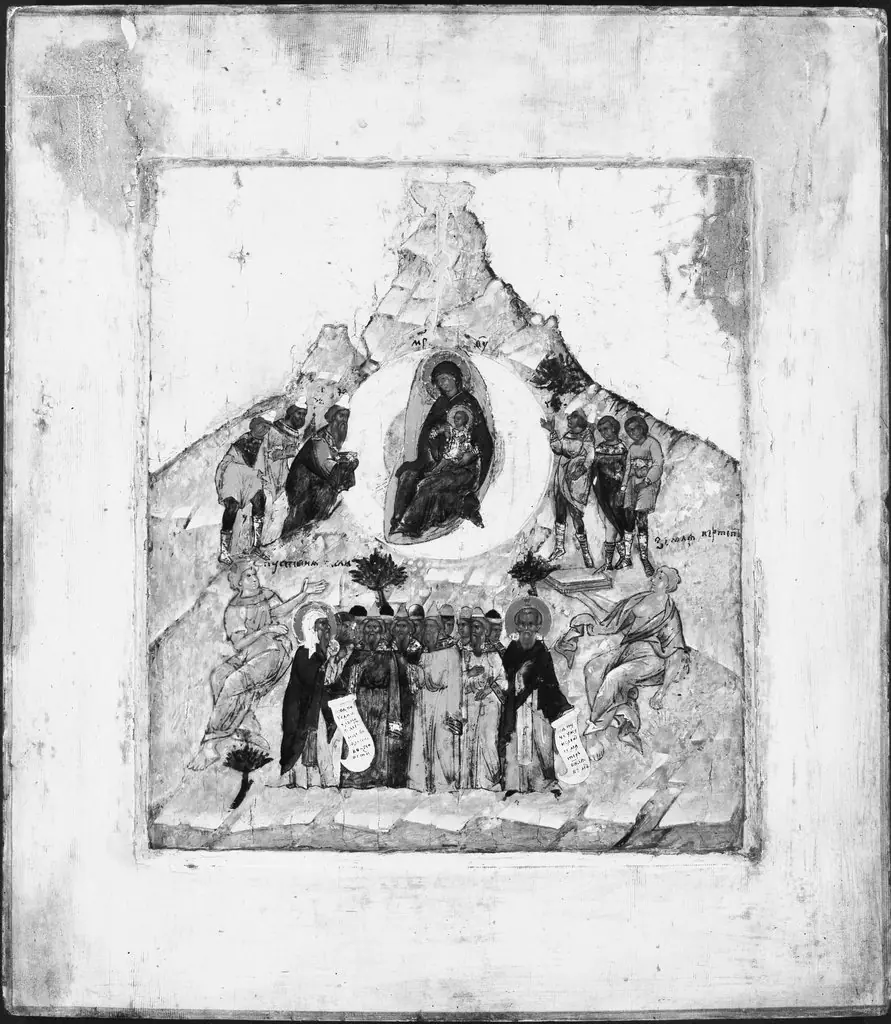 The Congregation of the Mother of God
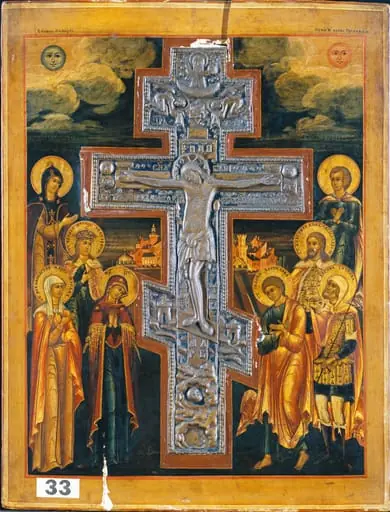 The Crucifixion
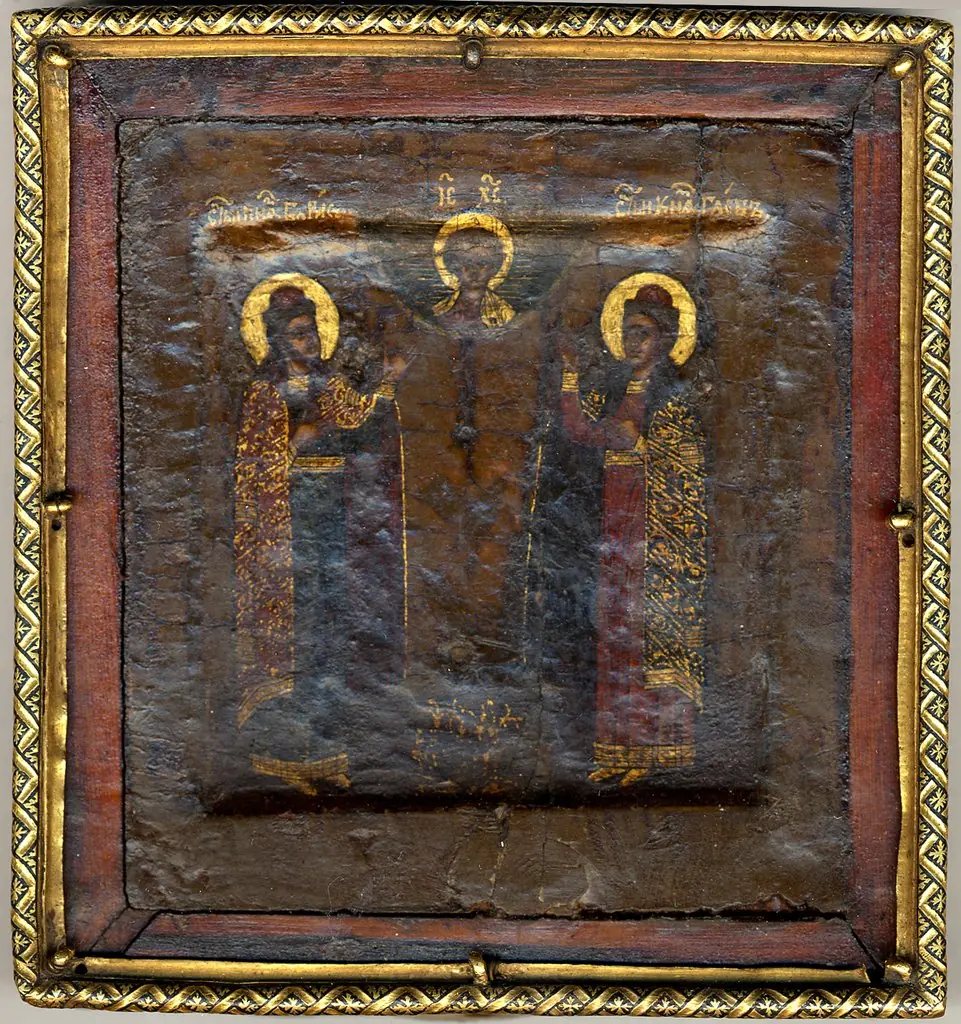 The Christ Child with Saints Boris and Gleb
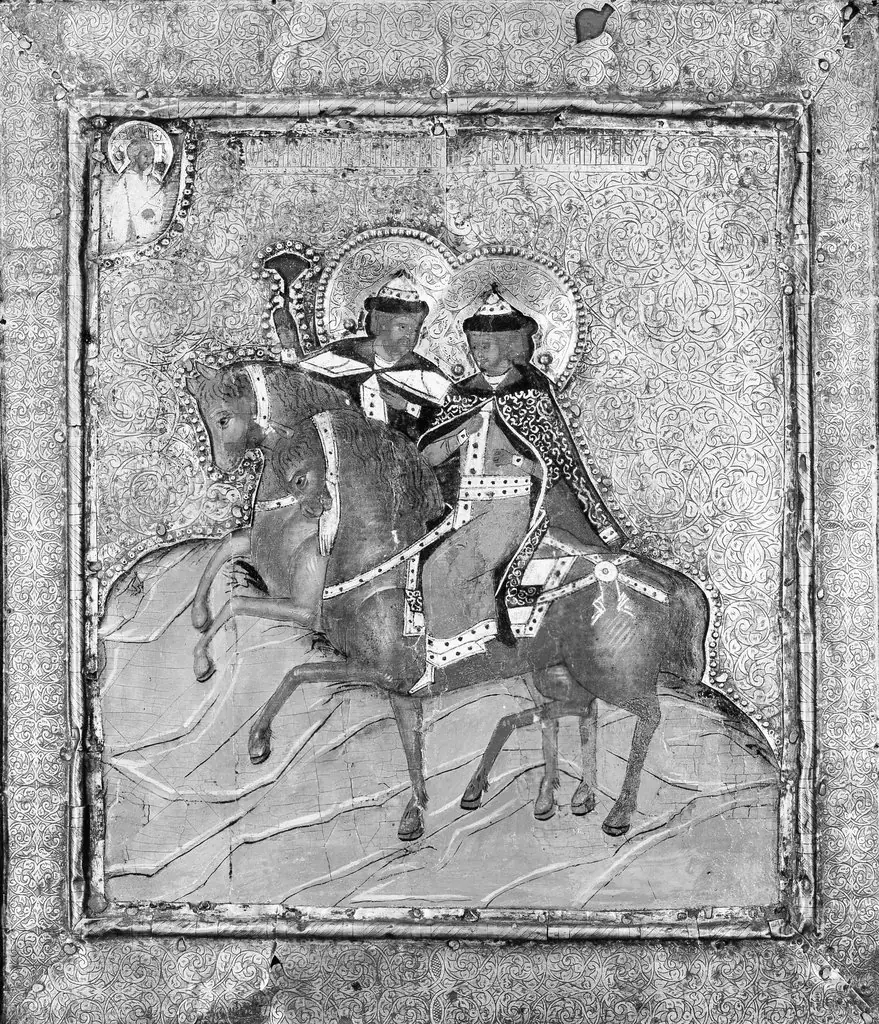 Saints Boris and Gleb
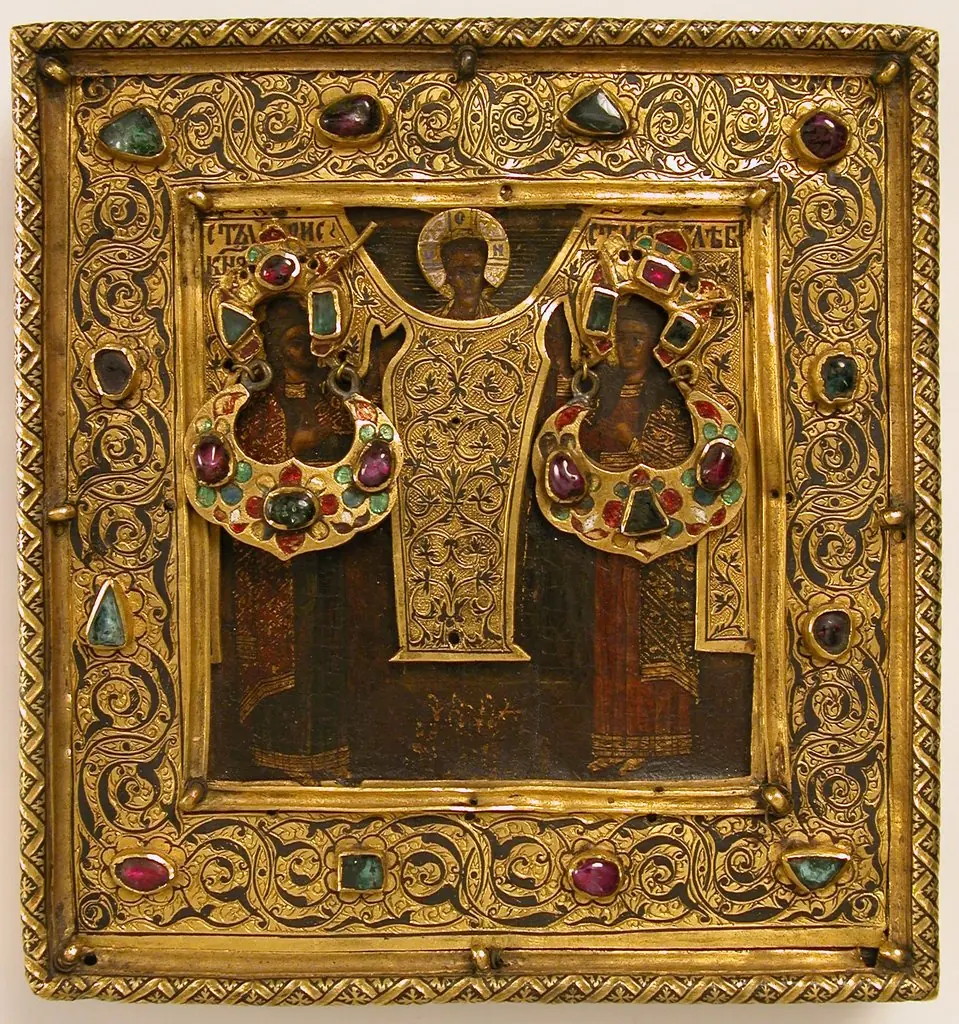 The Christ Child with Saints Boris and Gleb
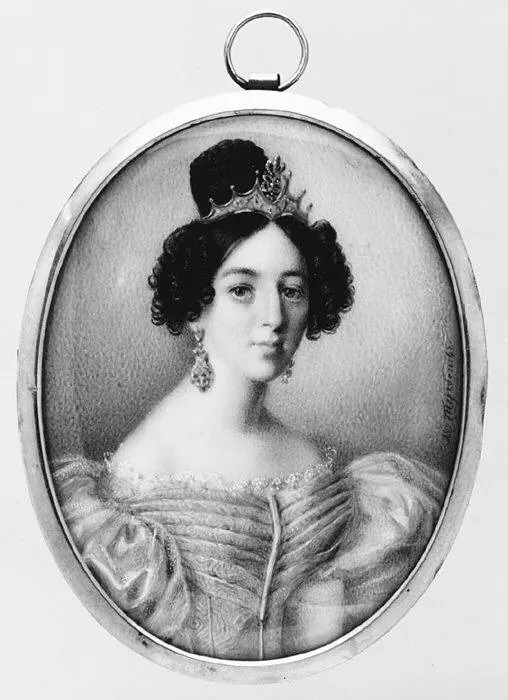 Portrait of a Woman
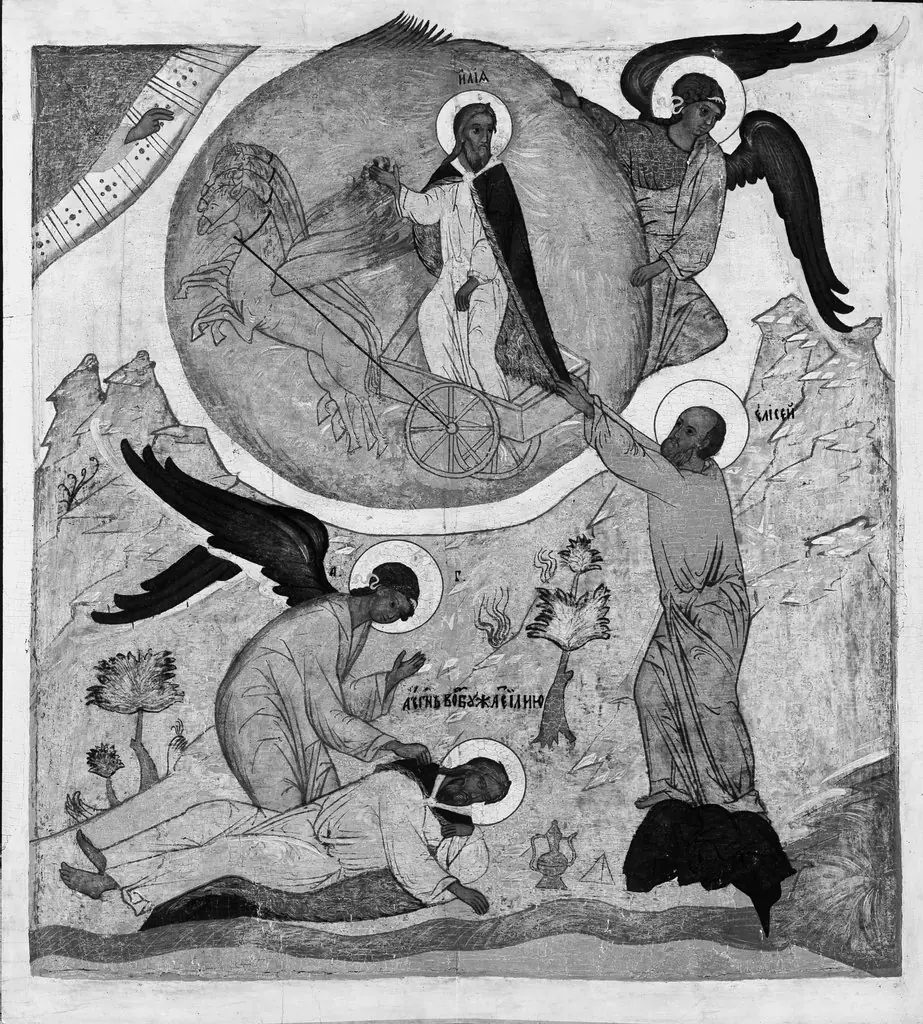 Saint Elias's Fiery Ascension
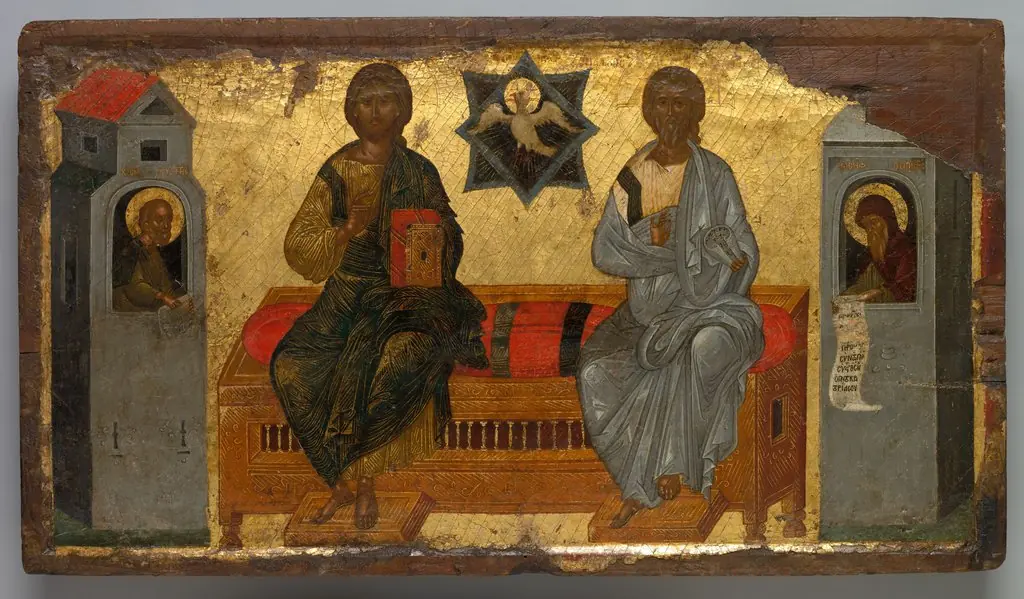 Icon of the New Testament Trinity
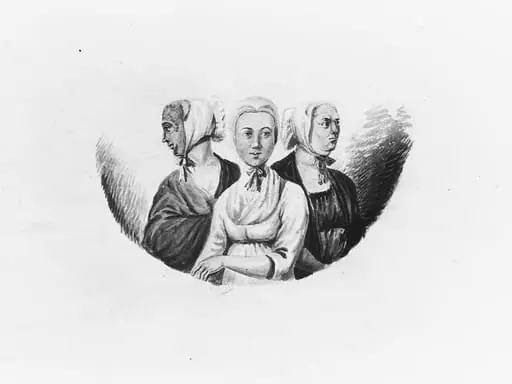 Moravian Sisters
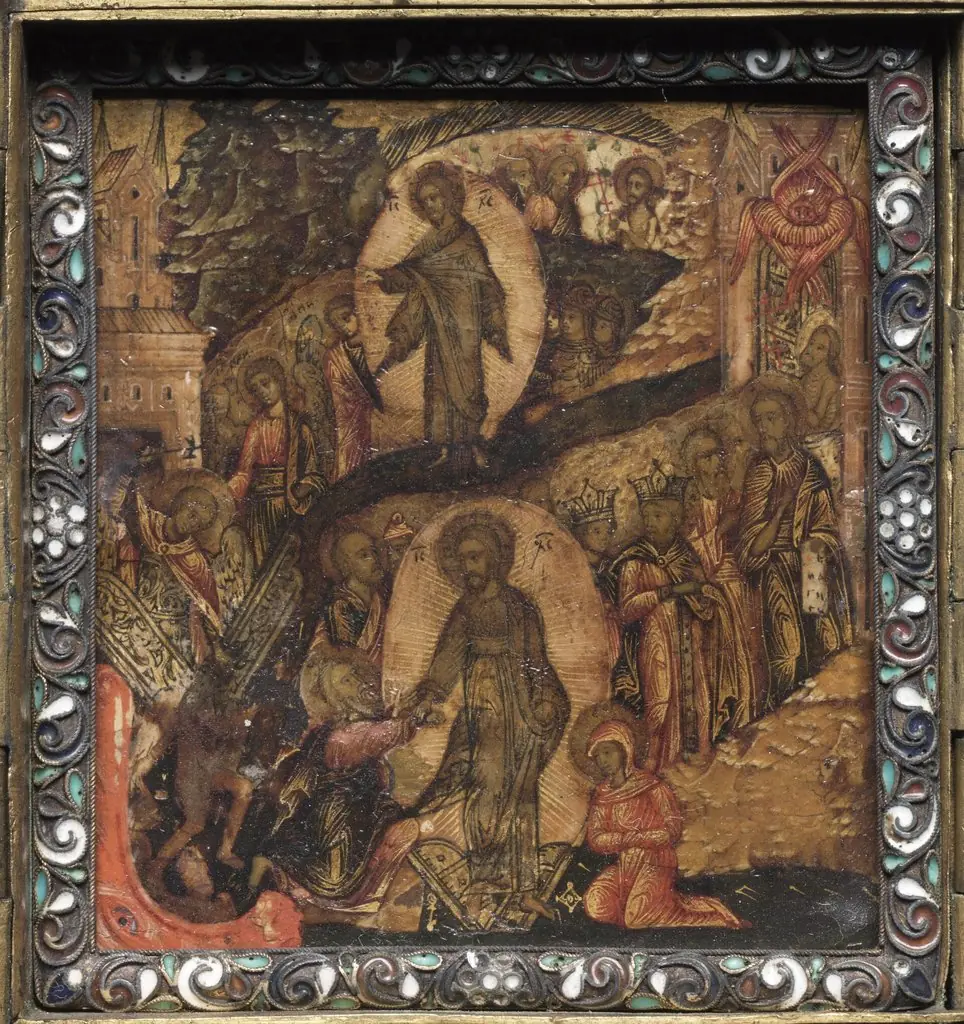 Portable Triptych Icon: The Resurrection and Anastasis
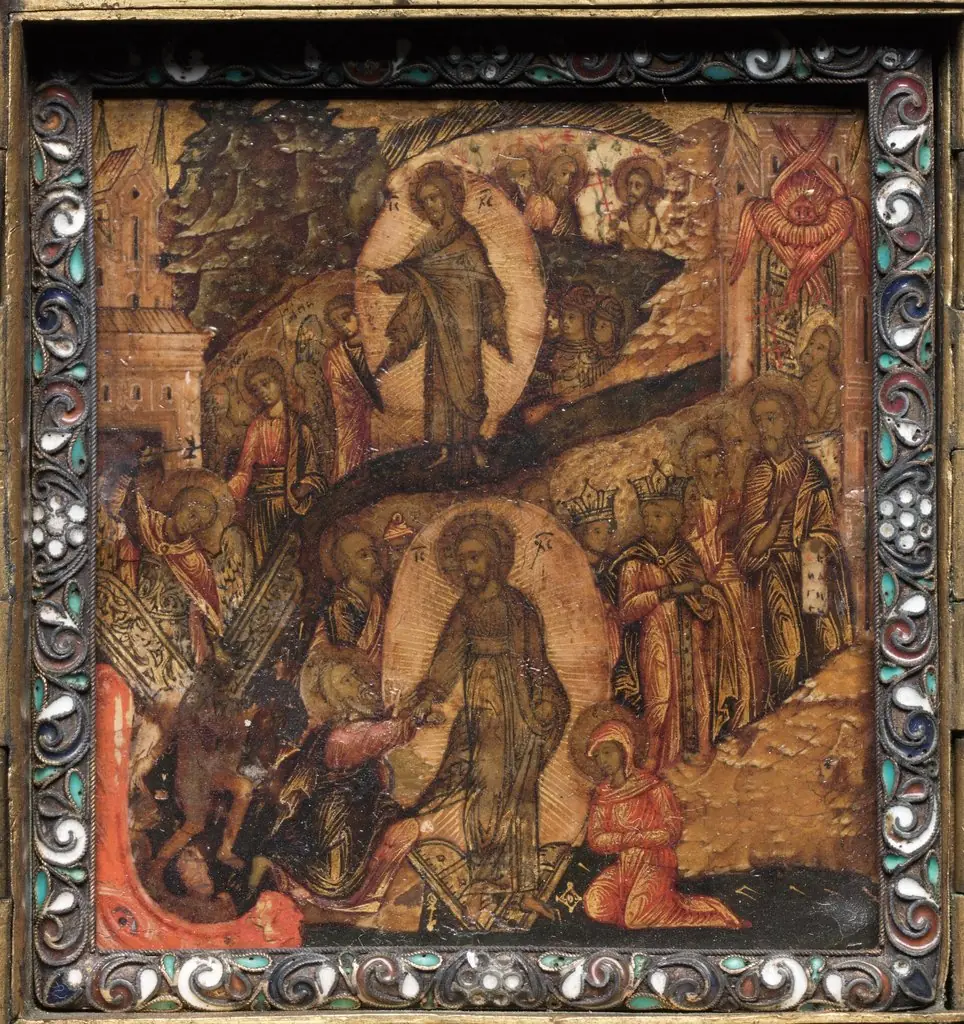 Portable Triptych Icon
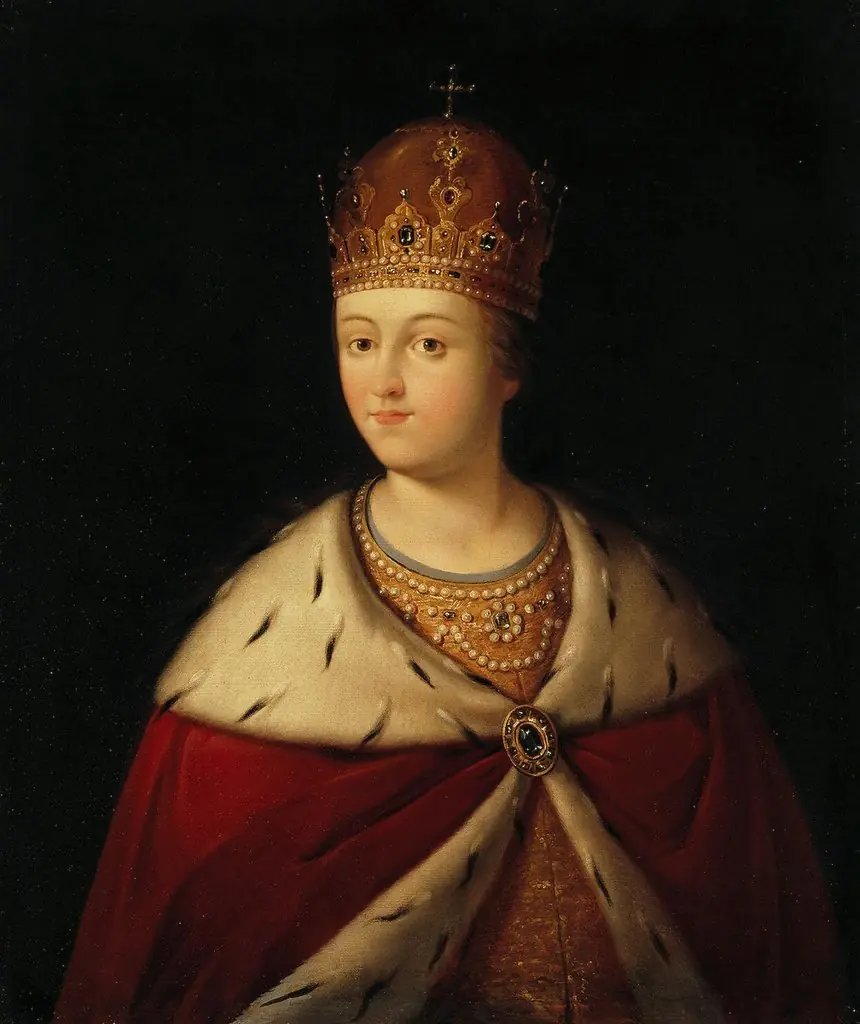 Portrait of Tsarevna Sophia (1657-1704), the Regent of the Russian Empire from 1682 tell 1689
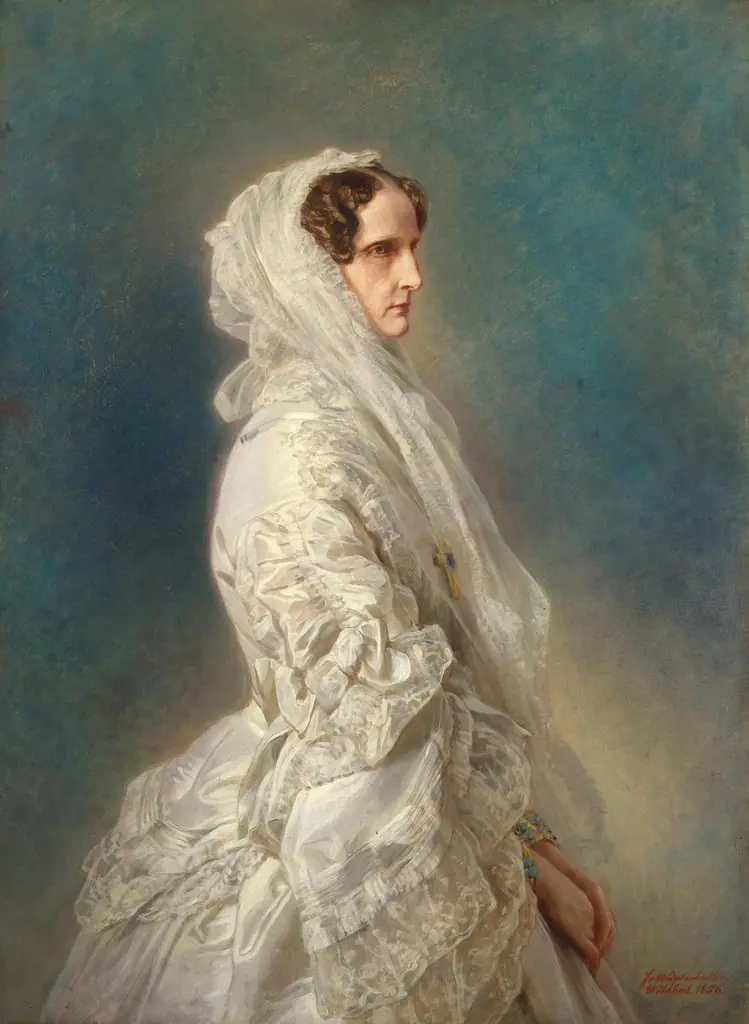 Portrait of Empress Alexandra Fiodorovna
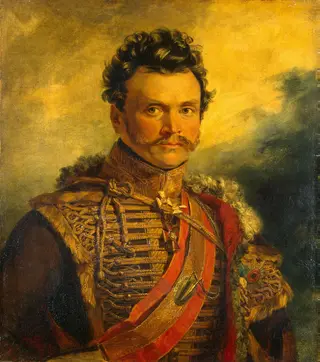 Portrait of Dmitry V. Vasilchikov (1778-1859) (2nd)
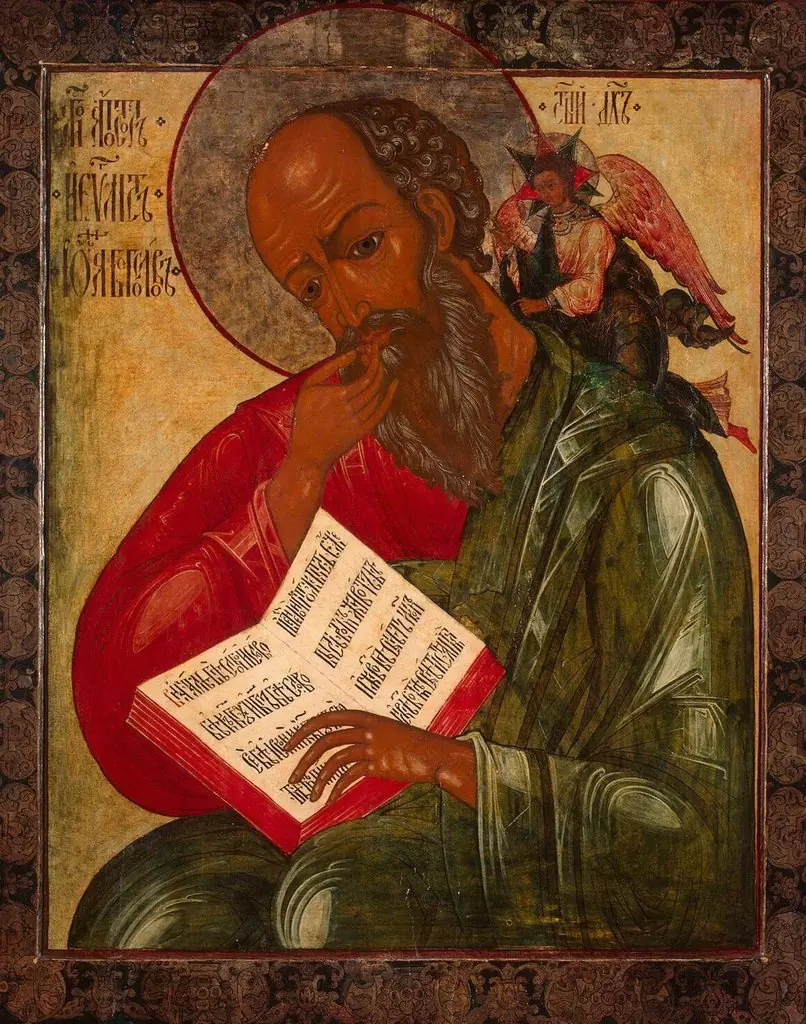 Icon: St John the Divine in Silence
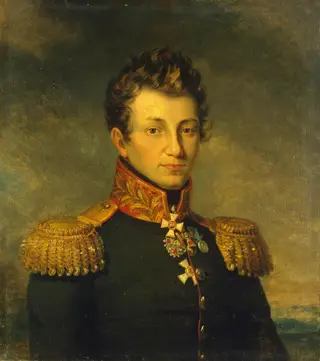 Portrait of Nikolai D. Myakinin (1787-1814)
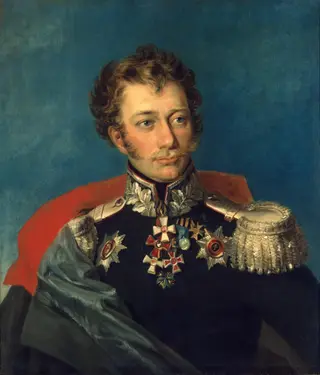 Portrait of Vasily D. Ilovaisky (1788-1860) (12th)
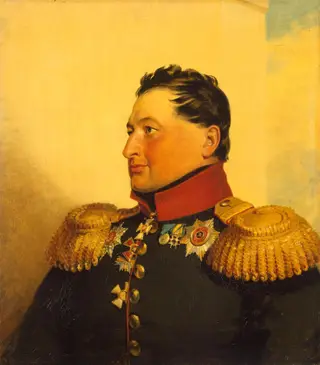 Portrait of Pavel P. Turchaninov (1776-1839) (1st)
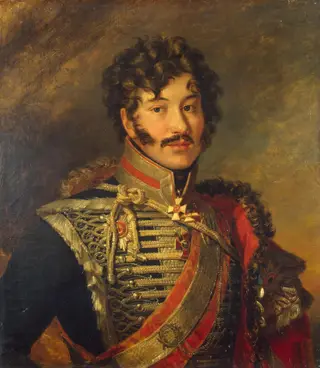 Portrait of Sergey N. Lanskoy (1774-1814)
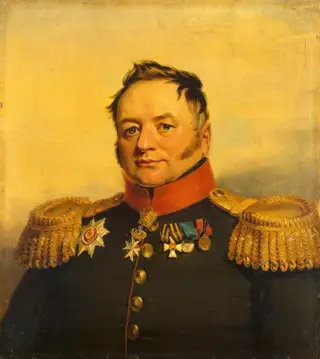 Portrait of Pavel A. Tuchkov (1775/76-1858) (3rd)
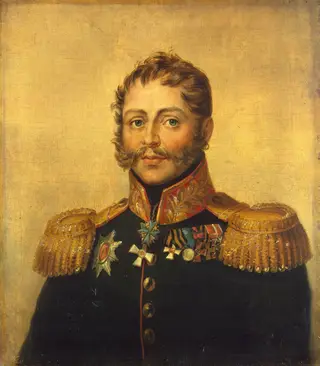 Portrait of Alexander I. Markov (1781-1844) (2nd)
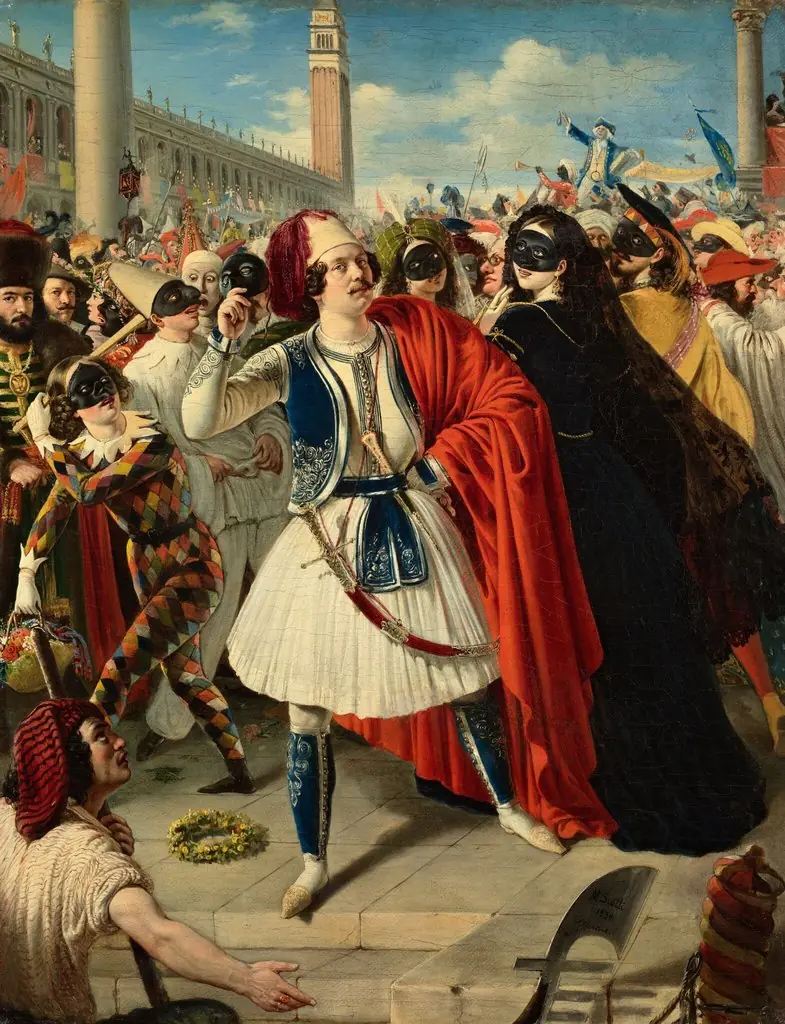 На карнавале в Венеции
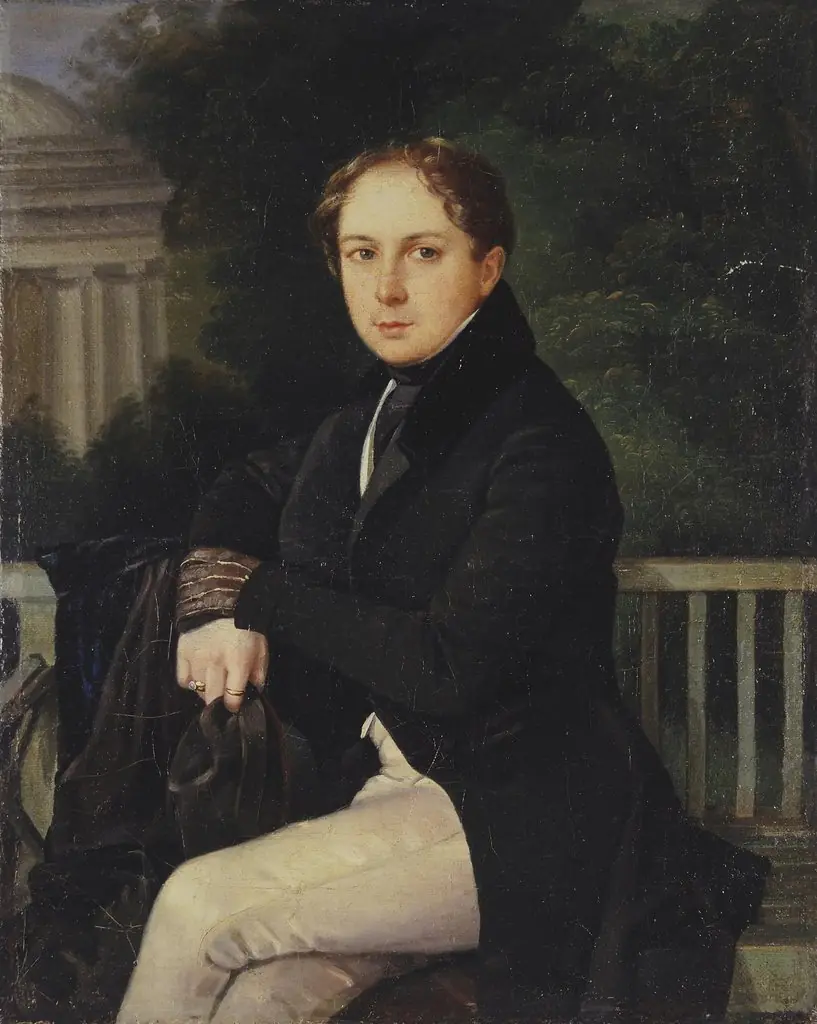 Portrait of an Unknown Man, a Stroganov Family Descendant
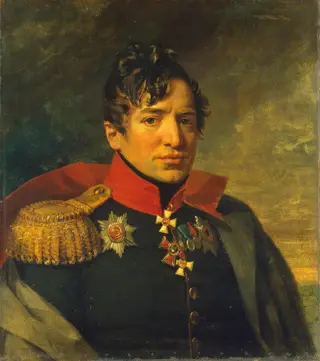 Portrait of Pyotr A. Kikin (1775-1834)
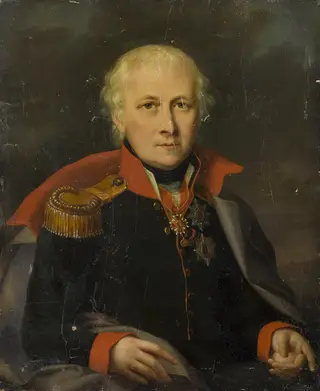 Portrait of Nikolai Mordvinov (?)
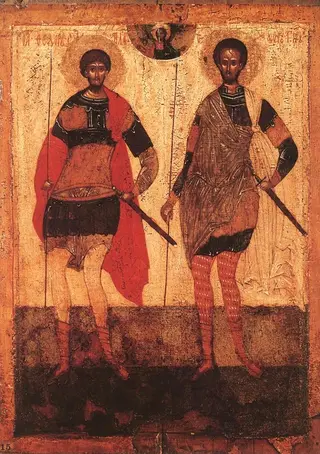 Icon: Sts Theodore Stratelates and Theodore Tyron
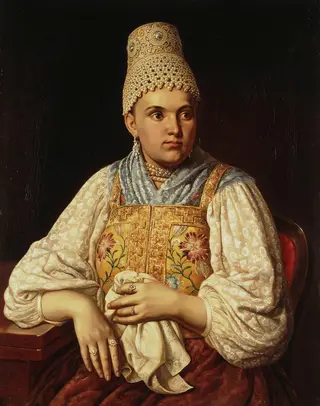 Portrait of Anna Filatova, a Merchant's Wife
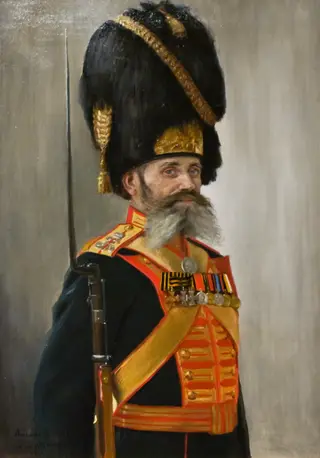 Portrait of the Court Grenadier M. Kulakov
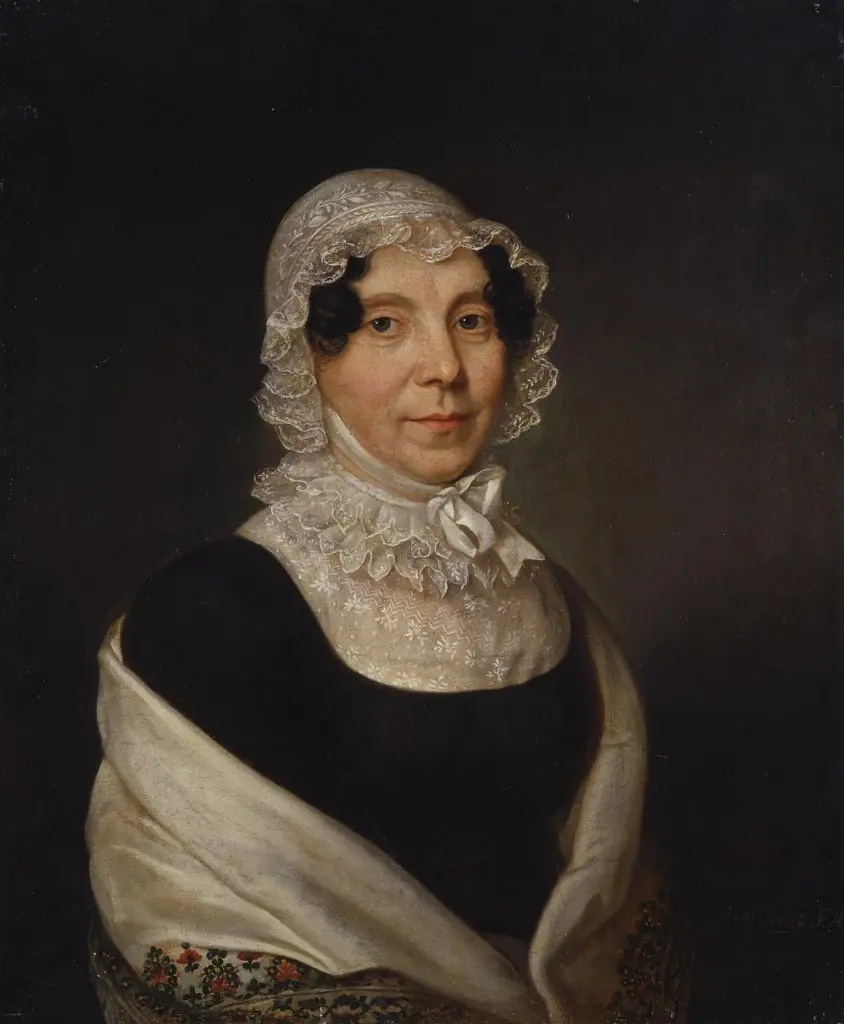 Portrait of Golitsyna
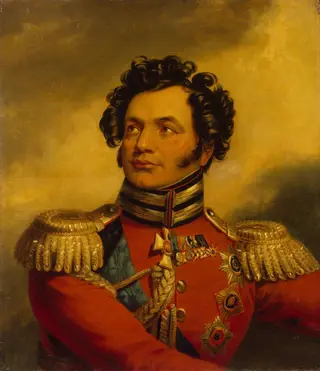 Portrait of Fyodor P. Uvarov (1769-1824) (the artist's replica ?)
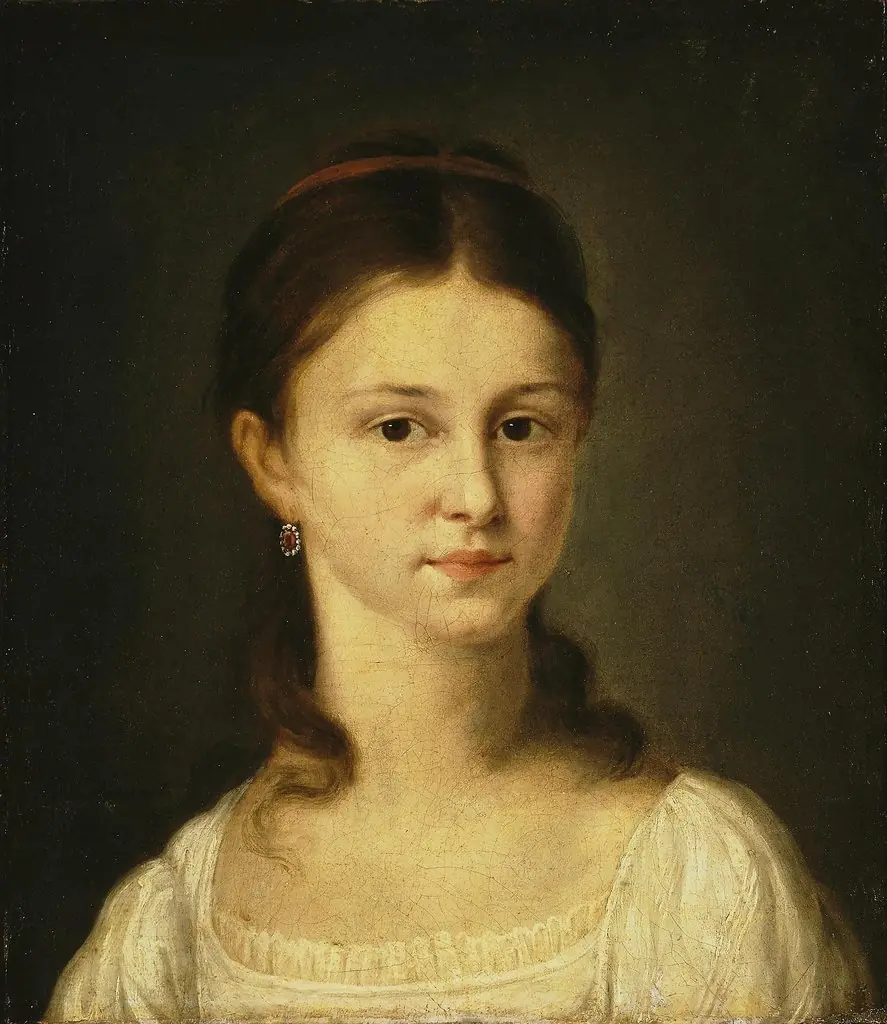 Portrait of Mrs Khvostova
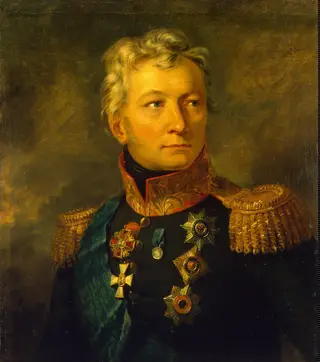 Portrait of Alexander P. Tormasov (1752-1819)
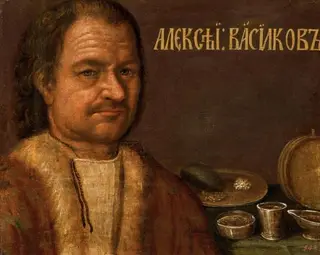 Portrait of Alexei Vasilkov
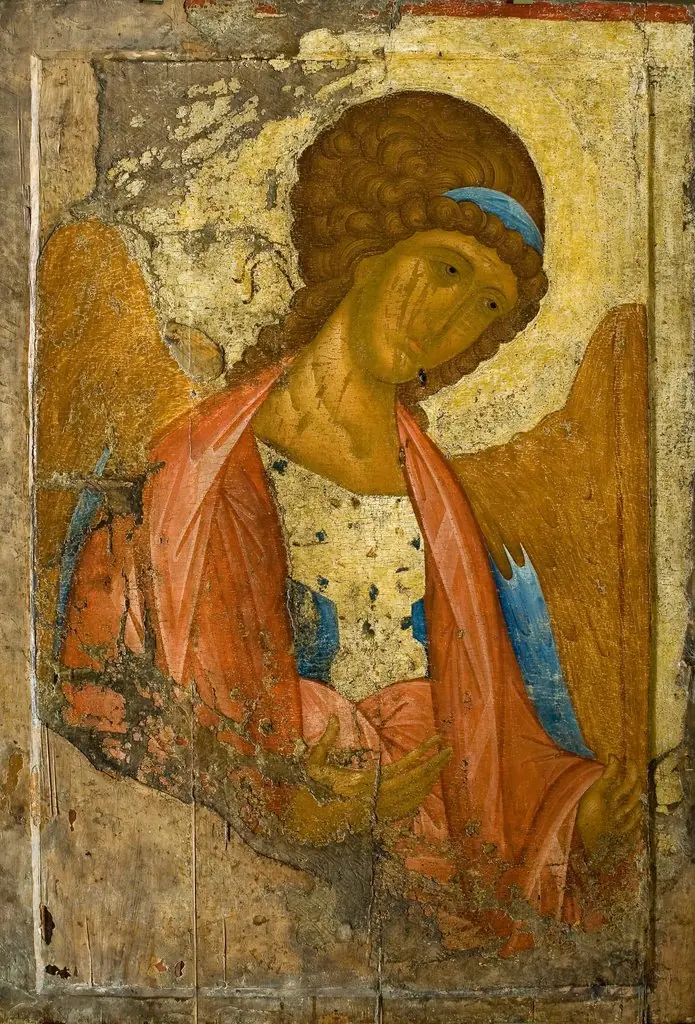 Archangel Michael
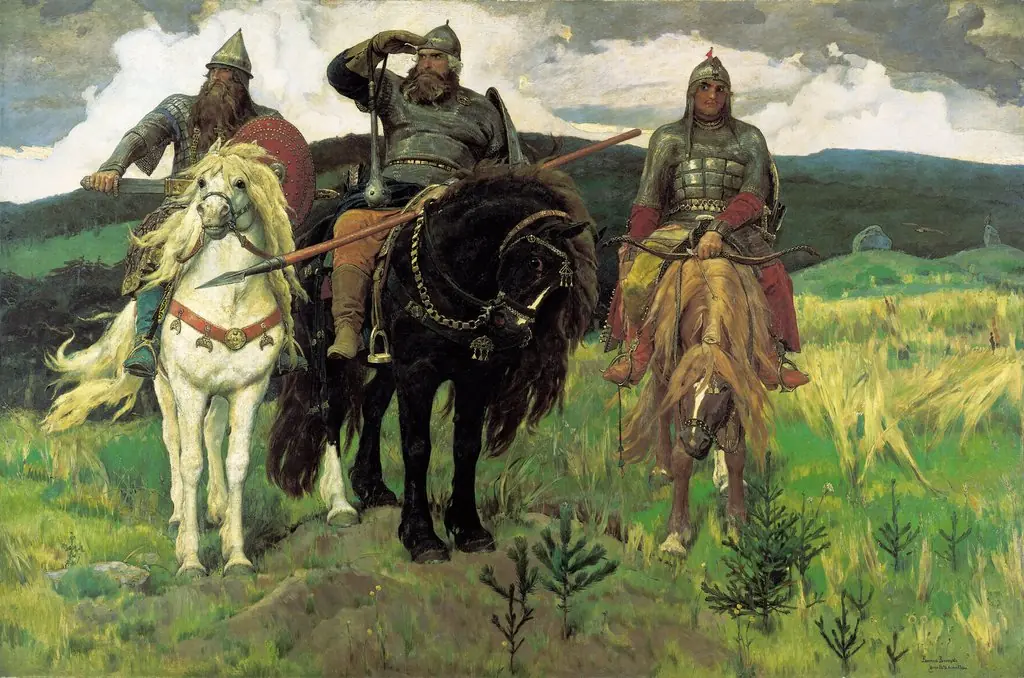 Heroes
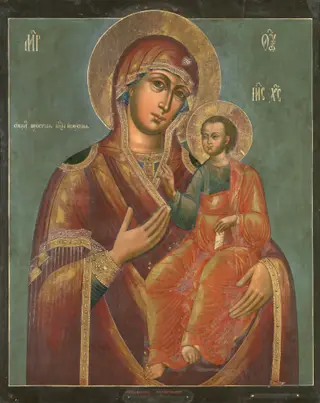 Mother of God from Iviron
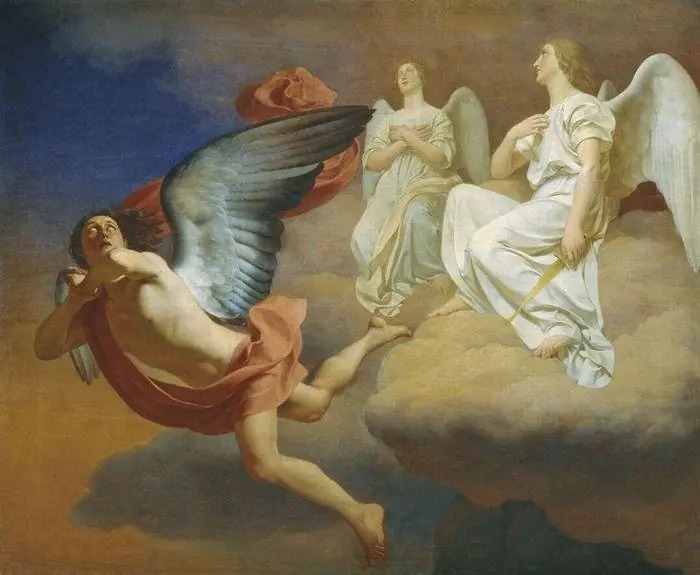 Abaddon and the Angels
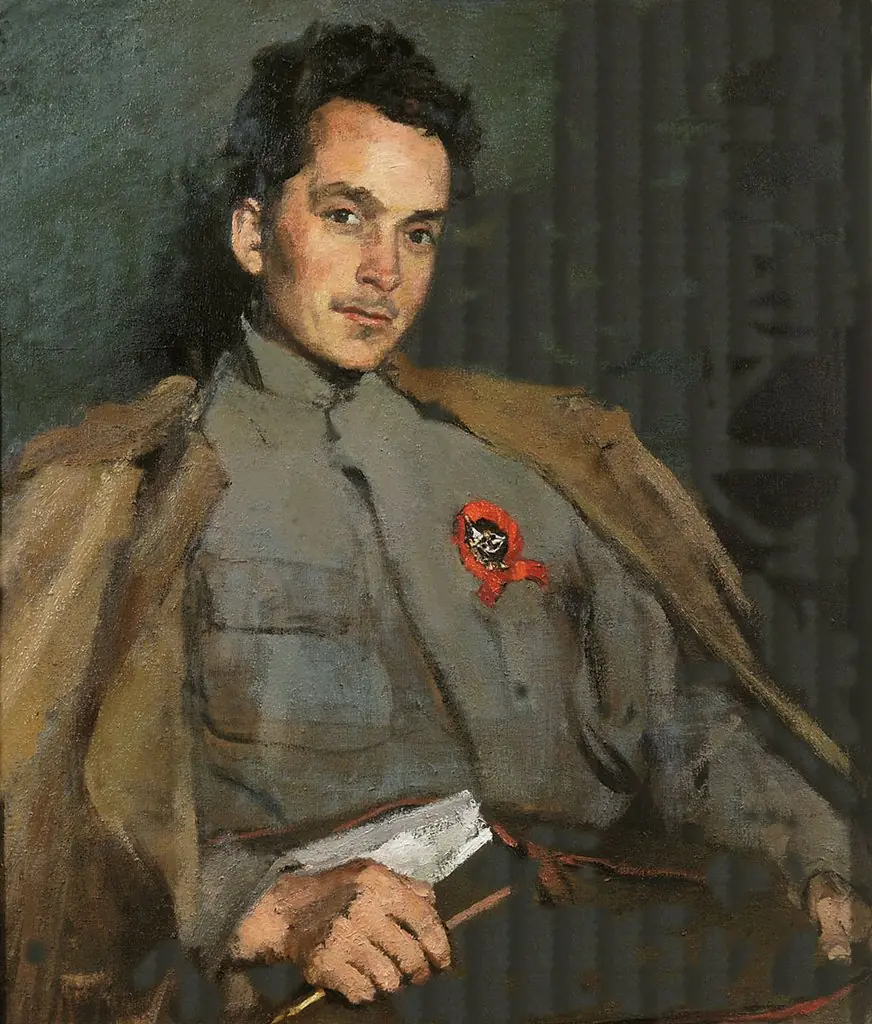 Portrait of D. A. Furmanov
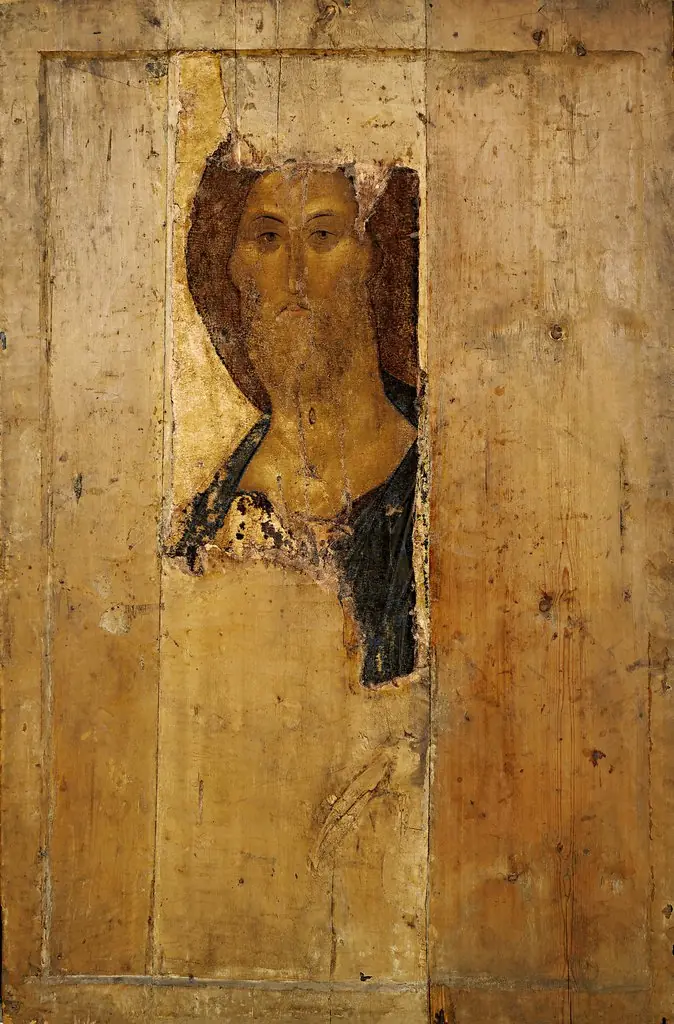 Christ the Redeemer
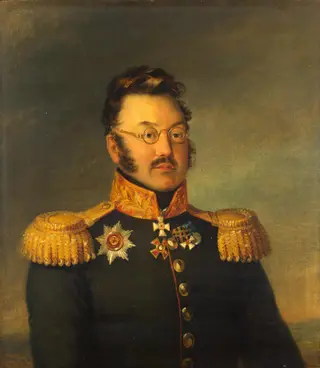 Portrait of Ivan A. Khrushchyov (1774-1824)
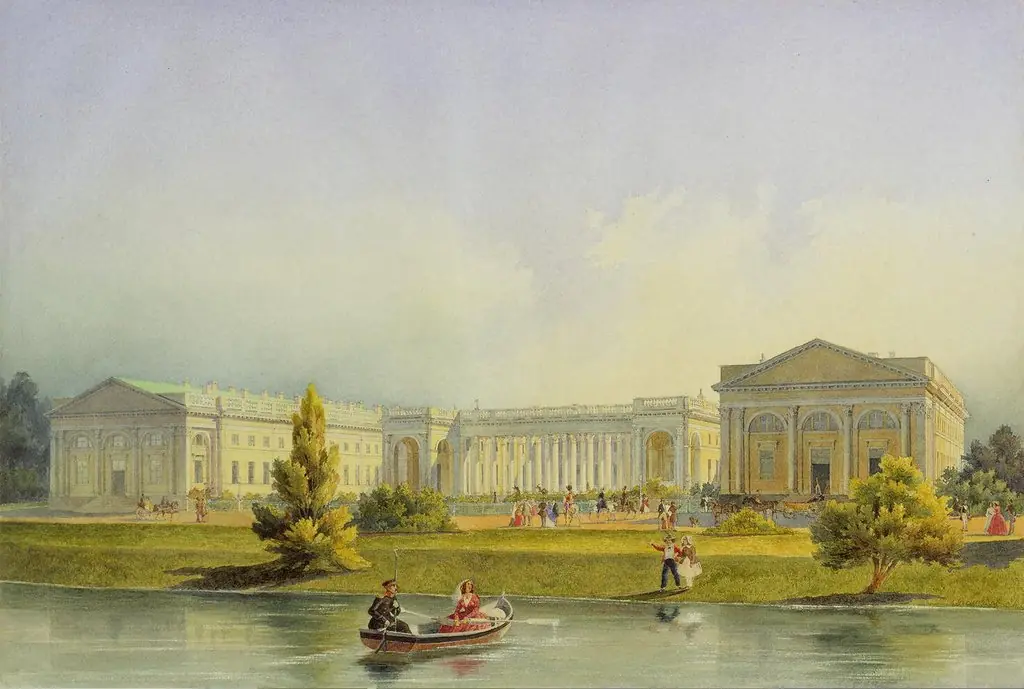 Alexander Palace in Tsarskoye Selo
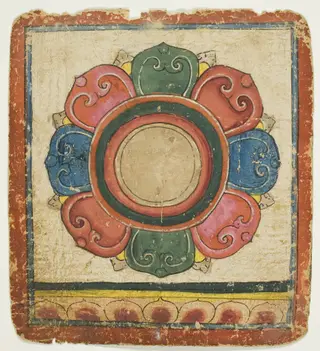 Lotus from a Set of Initiation Cards (Tsakali)
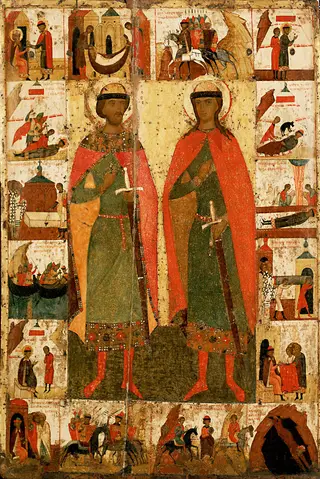 Boris and Gleb with Scenes from Their Lives
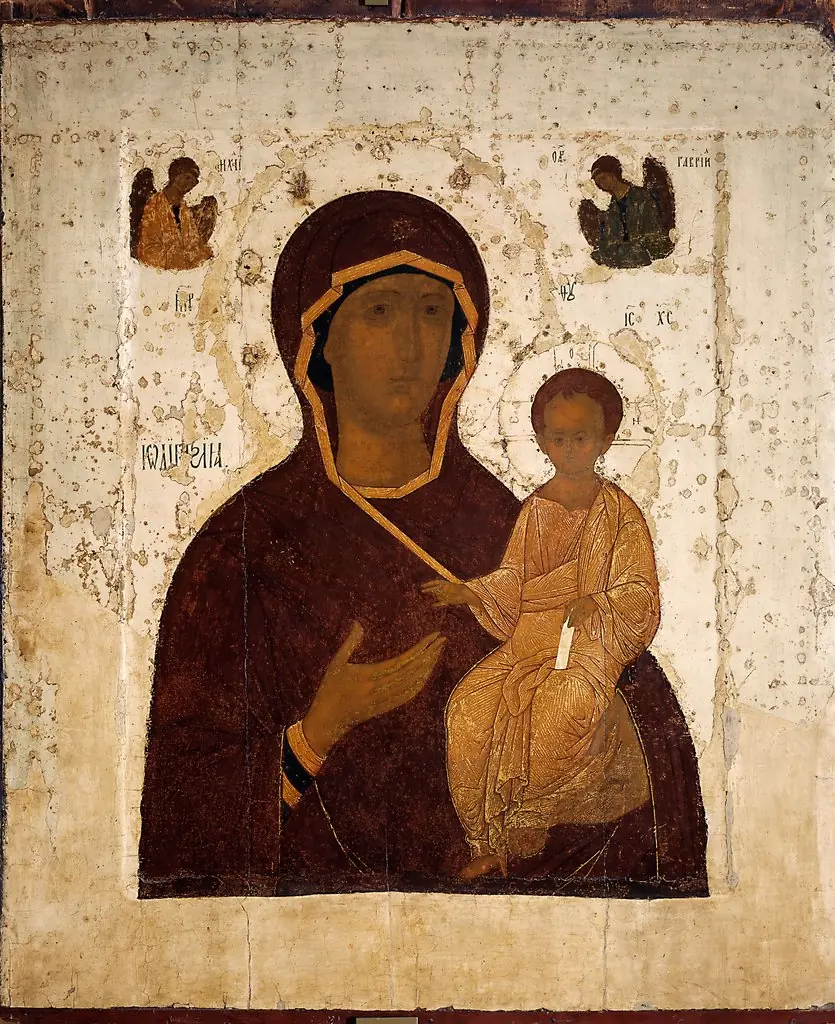 Our Lady of Guide of Wayfarers (Odigitria)
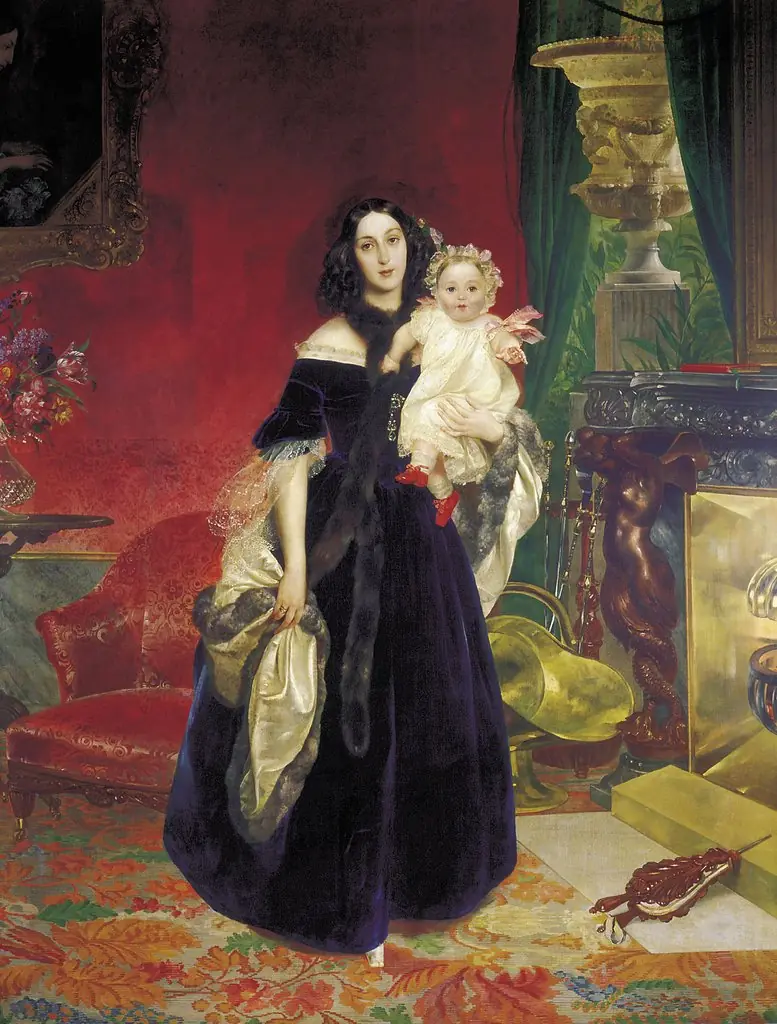 Portrait of Mariya Arkadyevna Bek with her Daughter
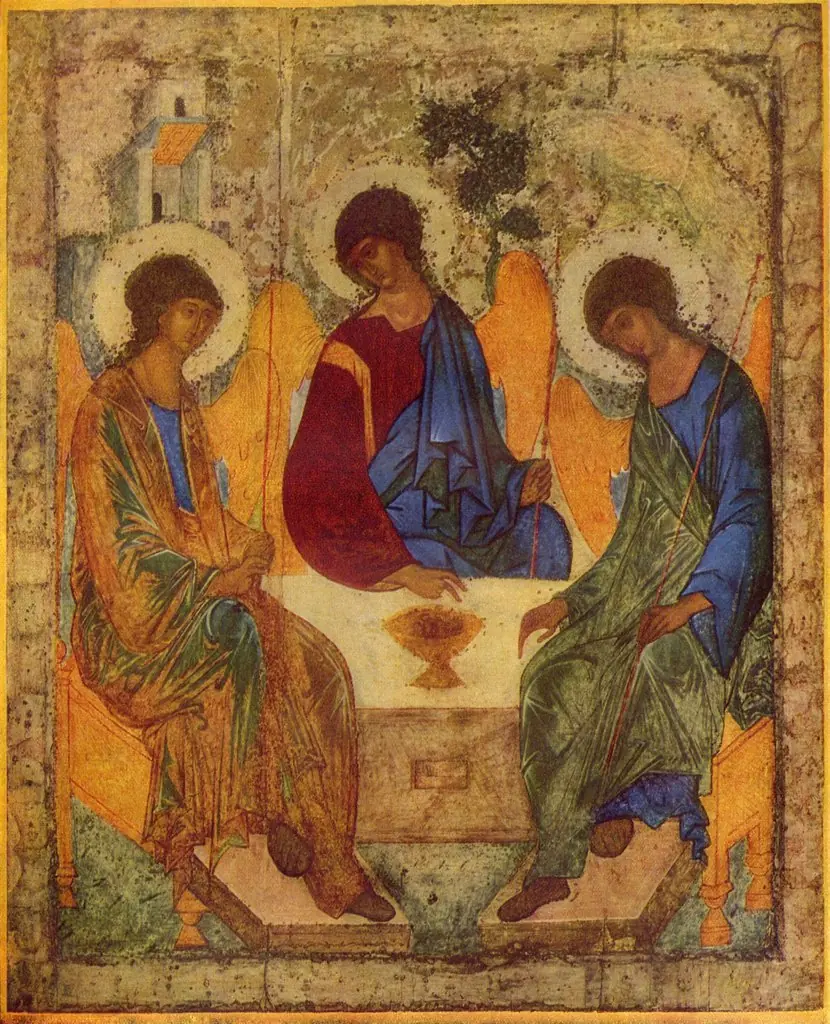 Hospitality of Abraham
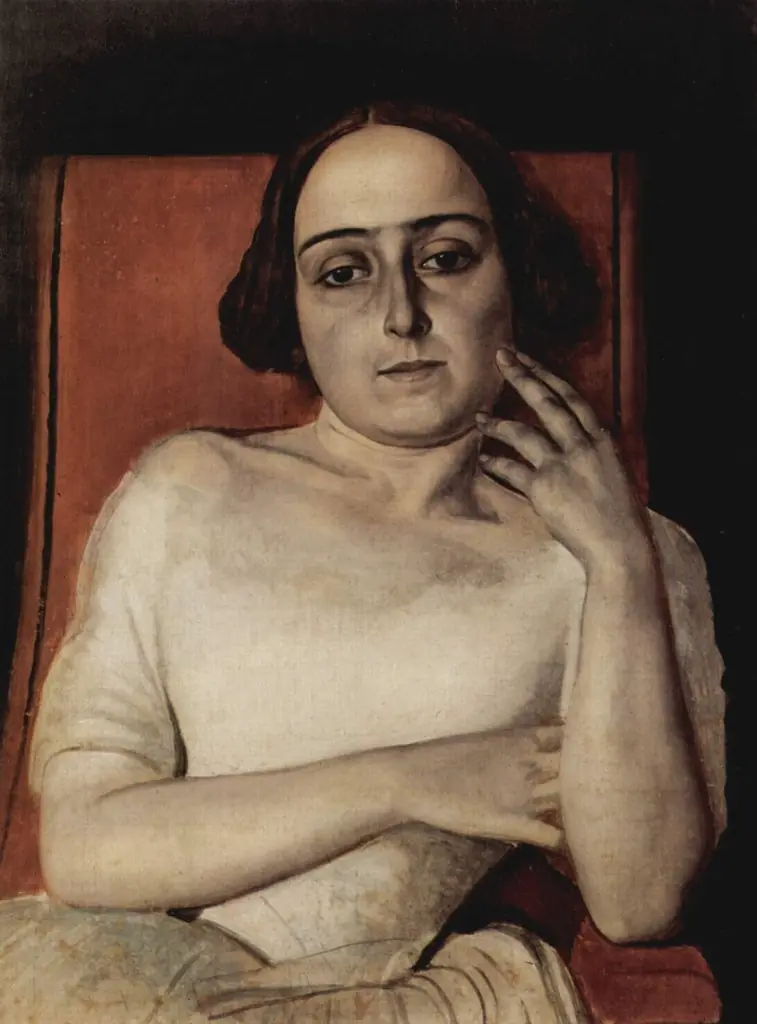 Vittoria Marini
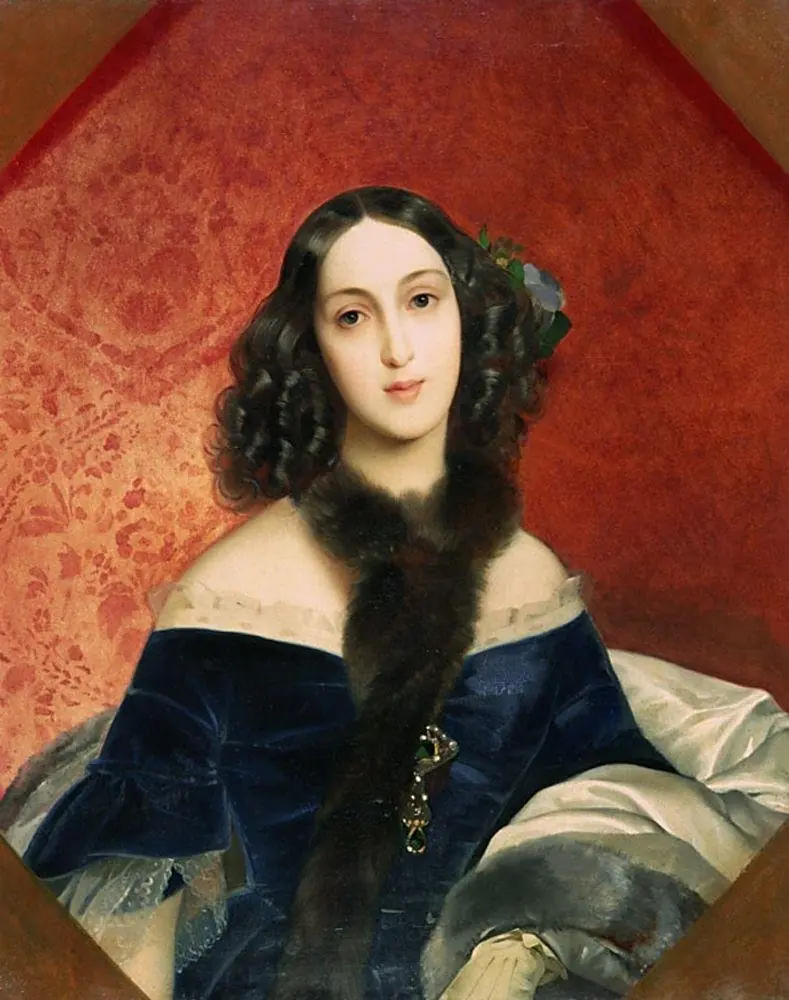 Maria Beck (née Stolypina, later Princess Vyazemskaya)
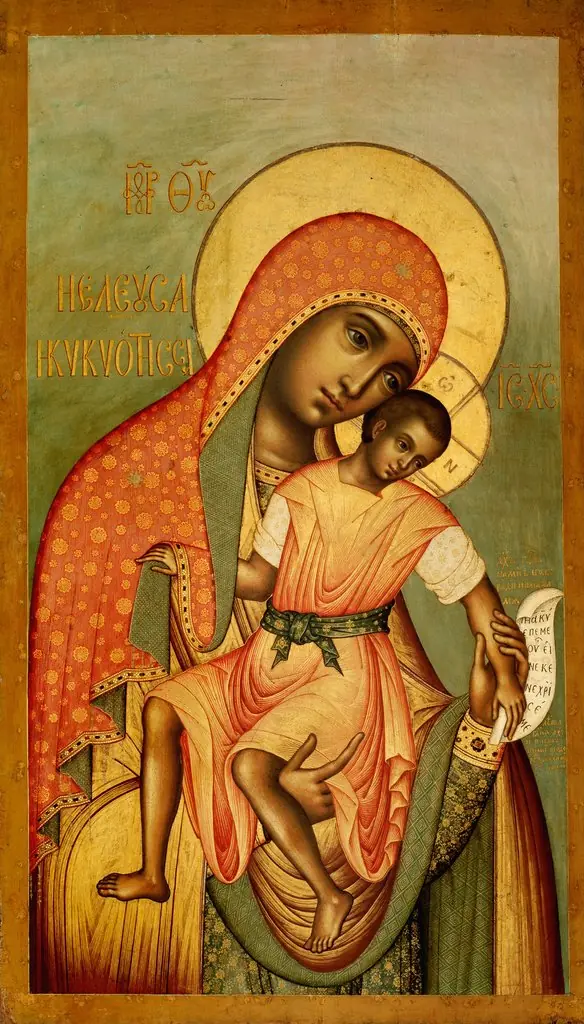 Virgin Eleousa of Kykkos
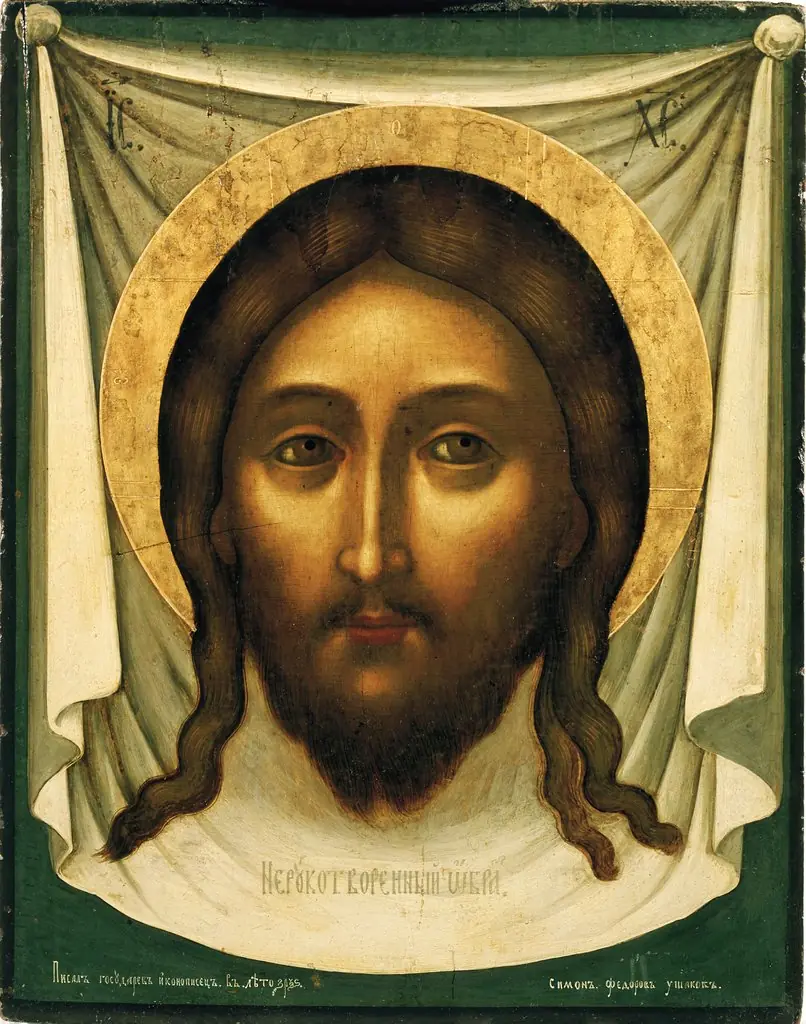 Saviour Made Without Hands
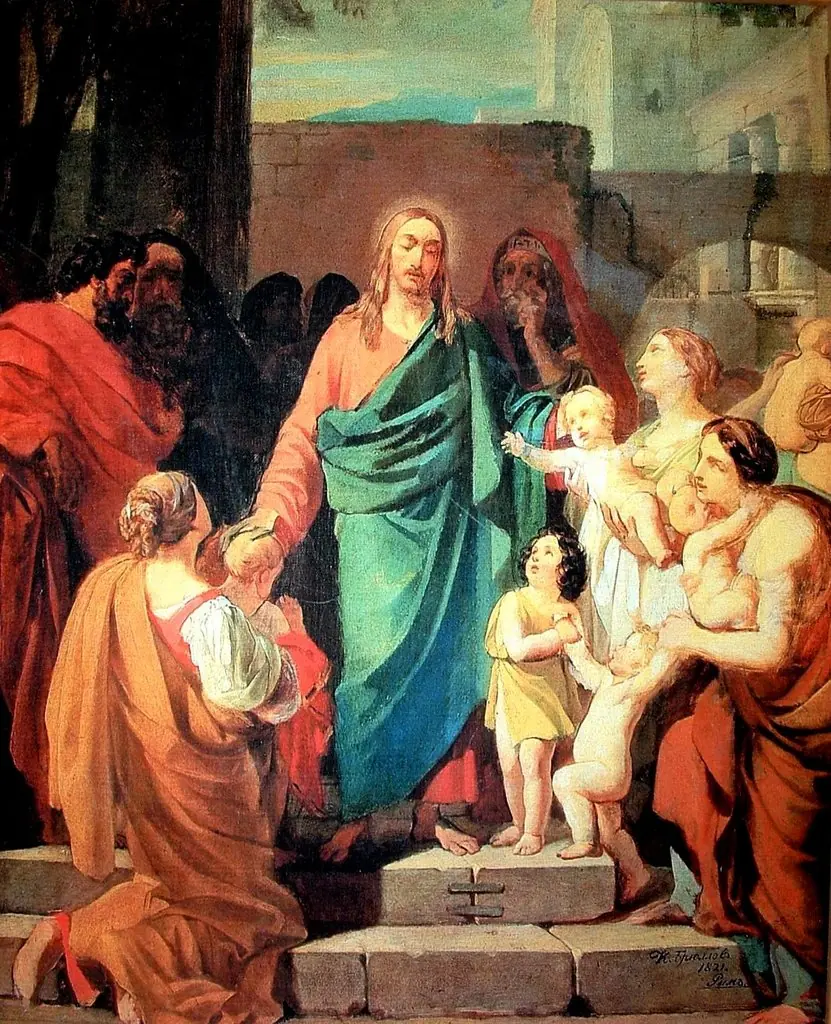 Benediction
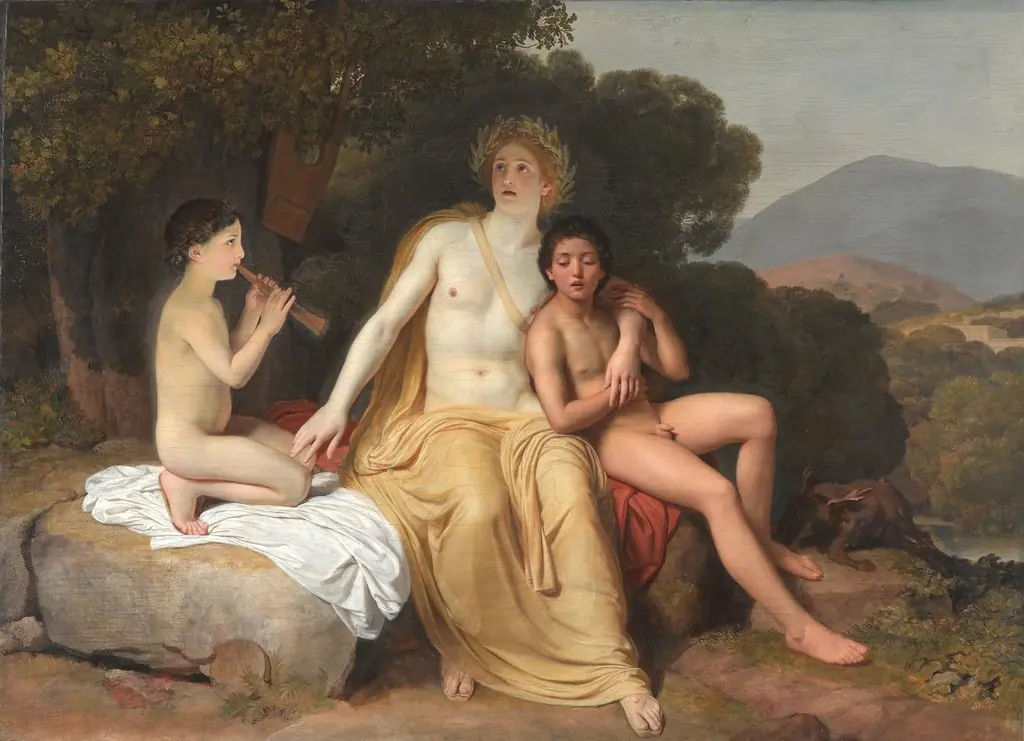 Apollo, Hyacinthus and Cyparissus making music and singing
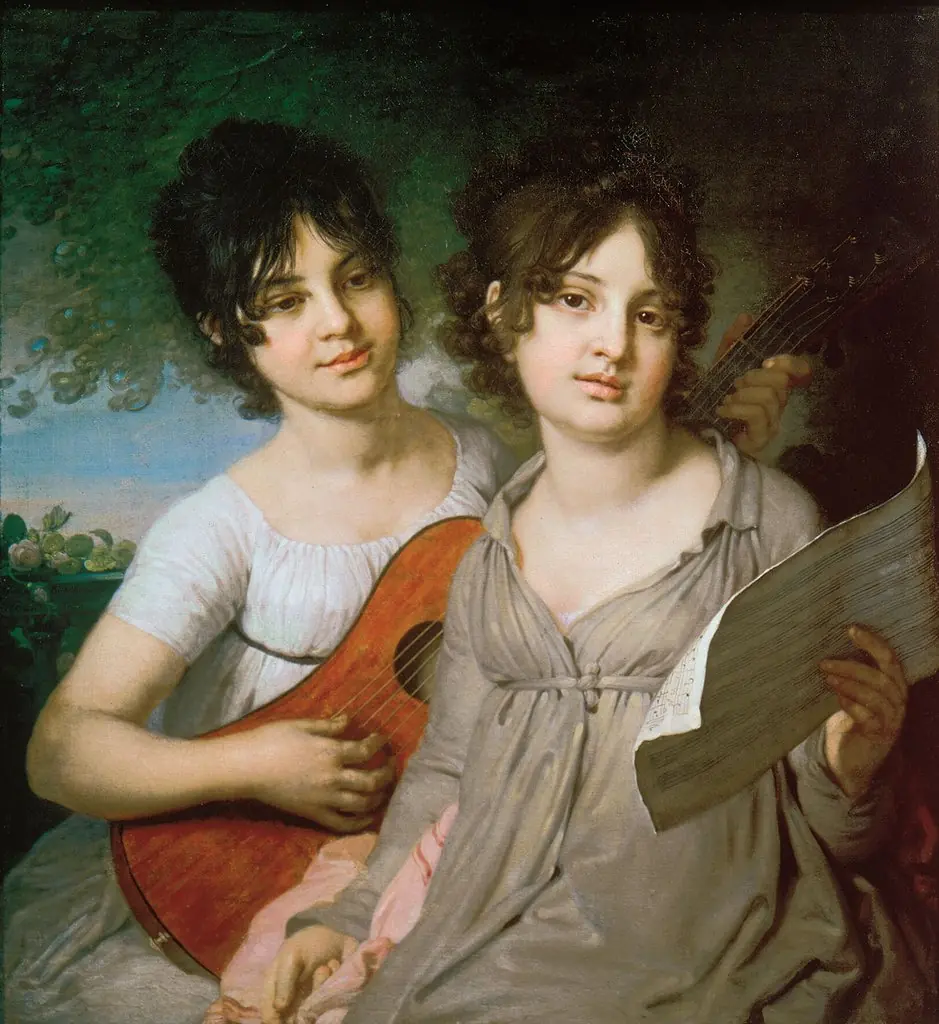 Anna and Varvara Gagarin
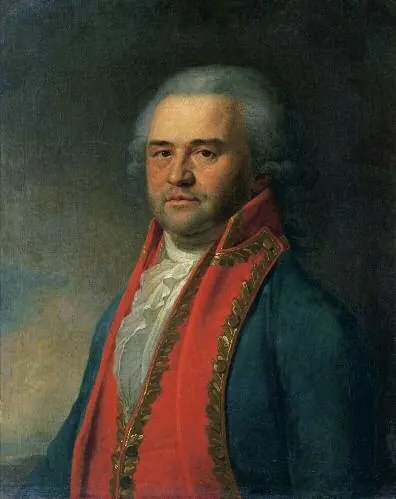 A. N. Astafiev's portrait
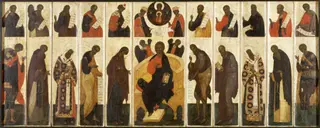 Great Deesis with Prophets
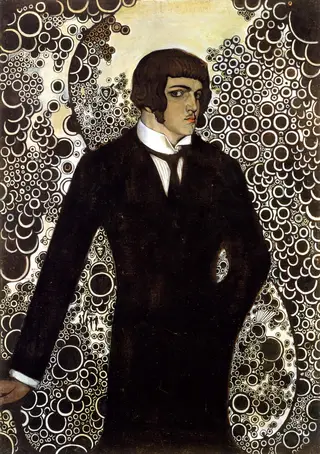 Self-portrait
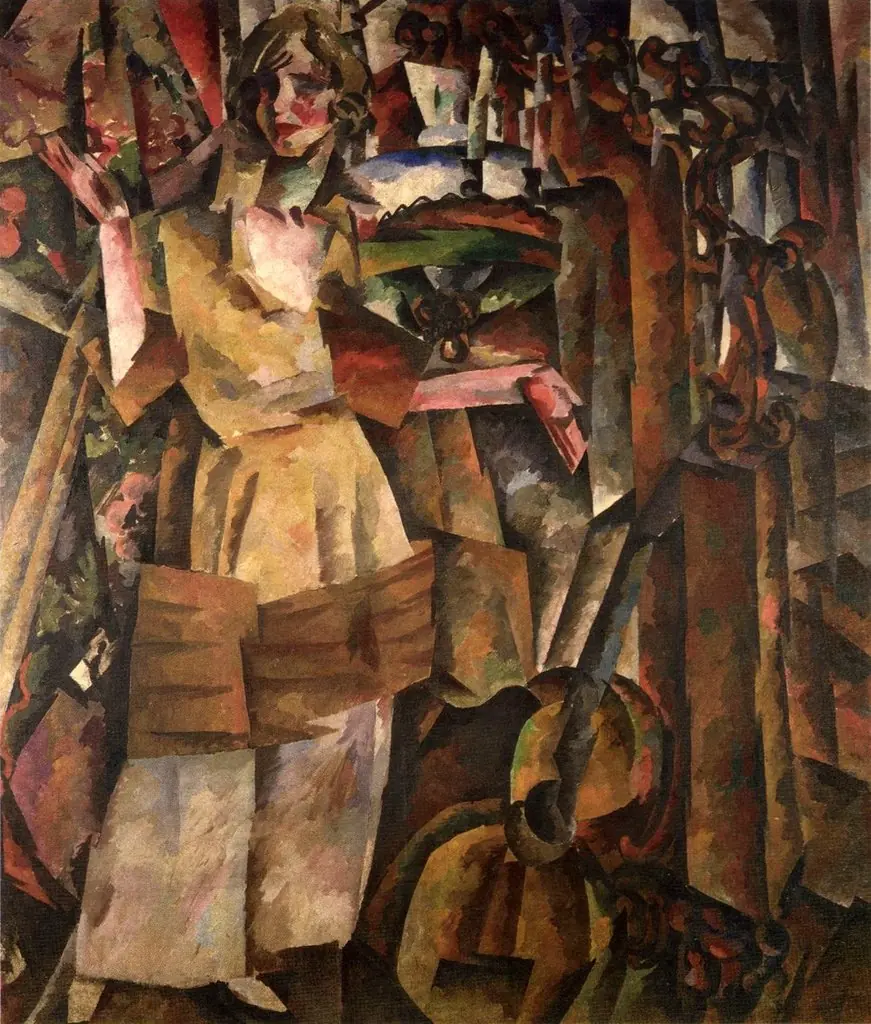 Aleksandra Khokhlova
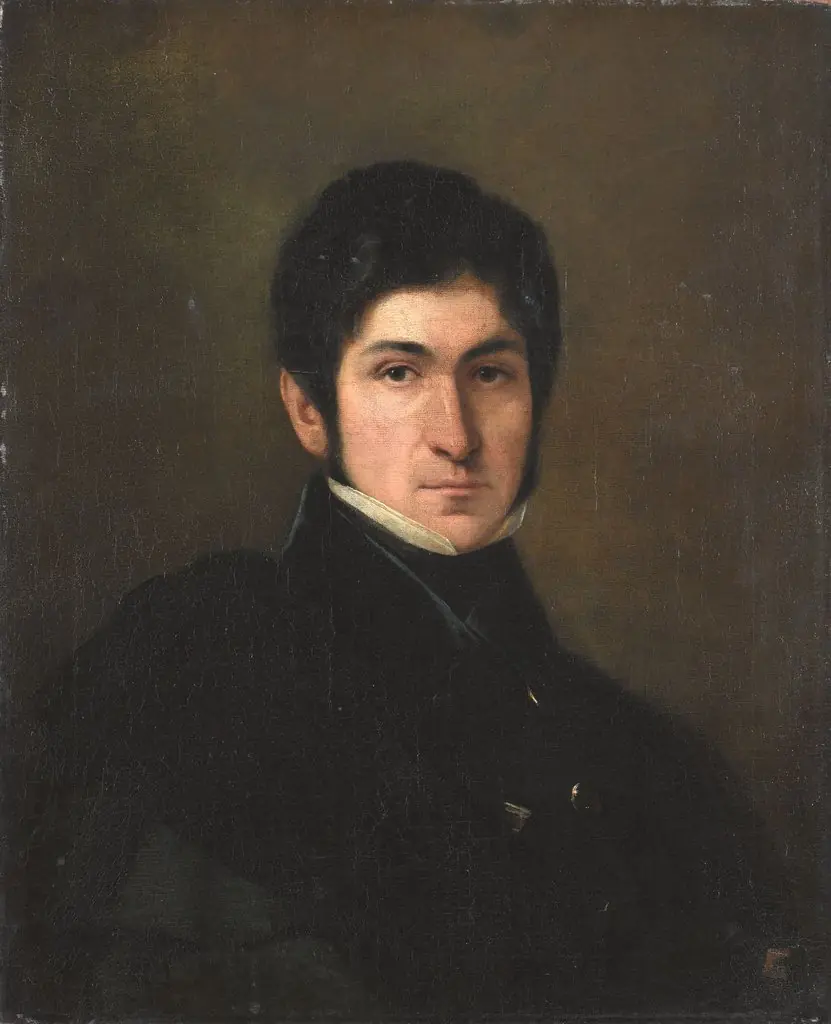 Self-Portrait
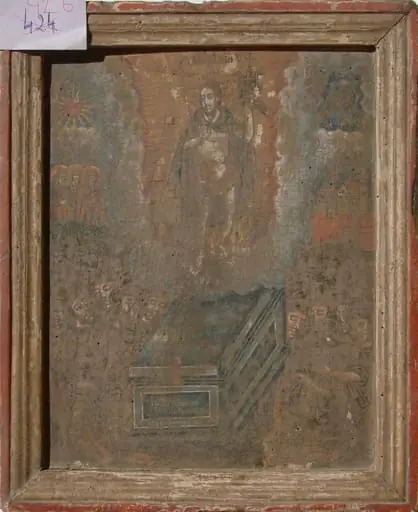 Învierea lui Iisus
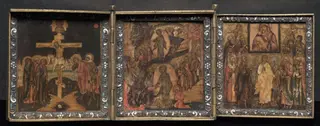 Portable Triptych Icon
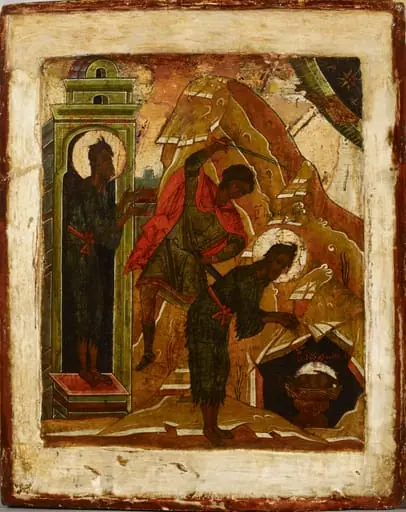 Johannes Kastajan mestaus, venäläinen ikoni
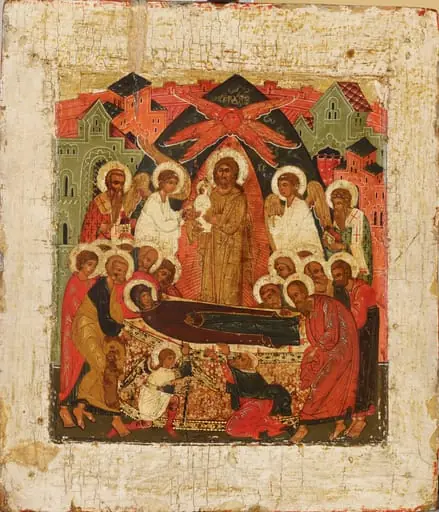 Jumalanäidin kuolonuneen nukkuminen, venäläinen ikoni
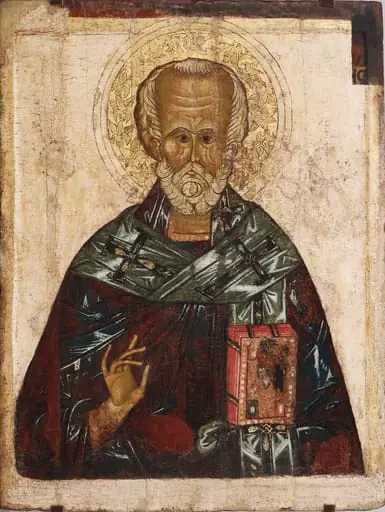 Pyhä Nikolaus, venäläinen ikoni
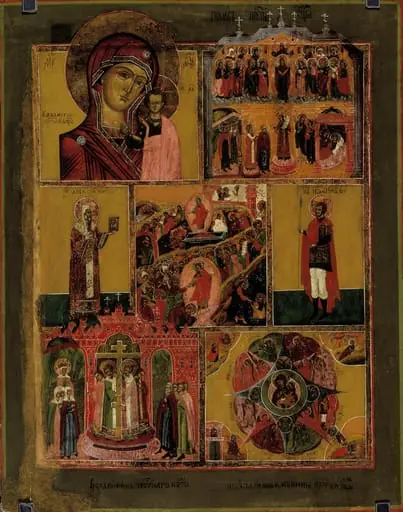 Pääsiäinen ja kirkkovuoden juhlia, venäläinen ikoni
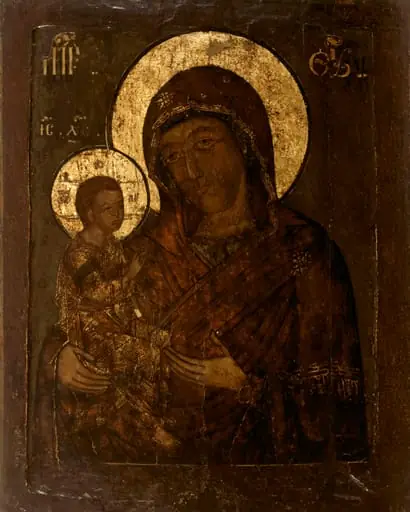 Jerusalemin Jumalanäiti, (Hodigitria), venäläinen ikoni
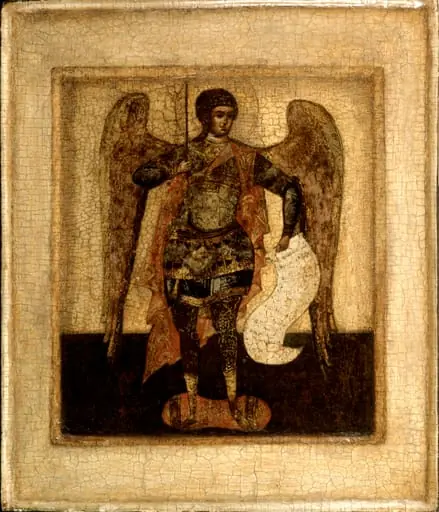 Arkkienkeli Mikael, venäläinen ikoni
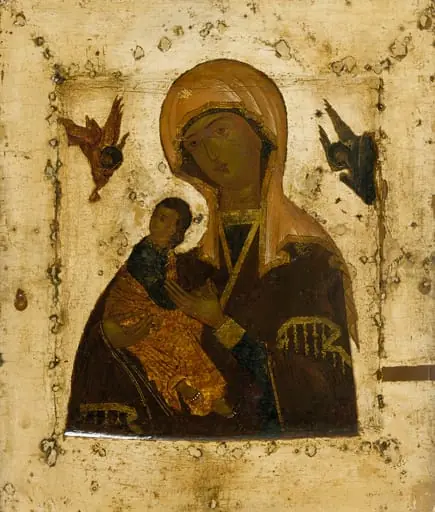 Kärsimyksen Jumalanäiti, venäläinen ikoni
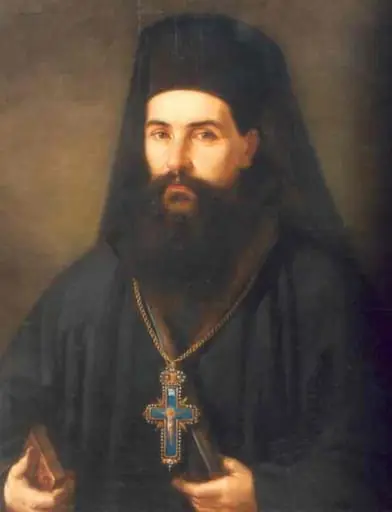 Arhimandritul Iosif Naniescu
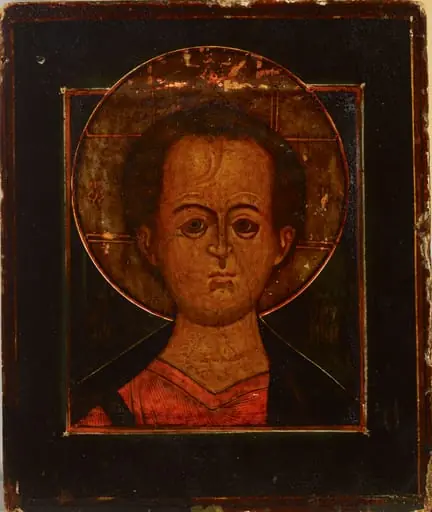 Jeesus Emanuel, venäläinen ikoni
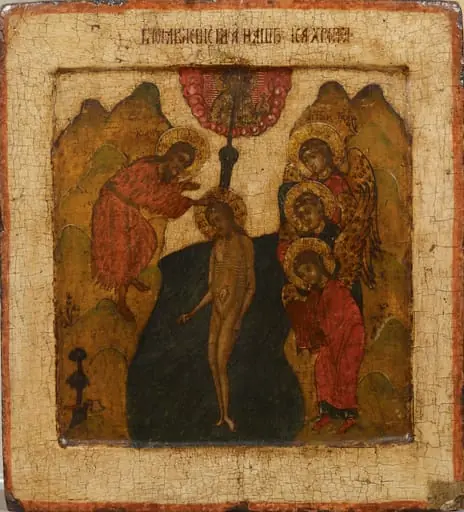 Teofania - Herran kaste (Jeesuksen kaste), venäläinen ikoni
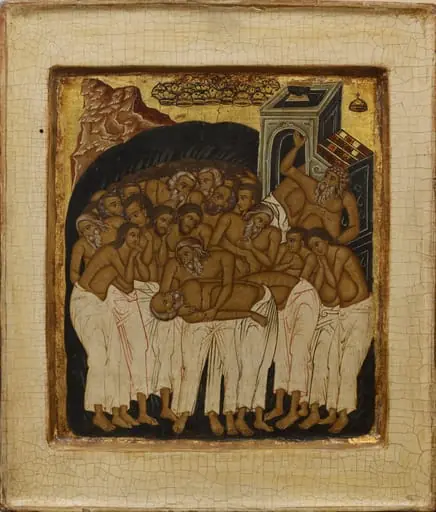 Neljäkymmentä marttyyria, venäläinen ikoni
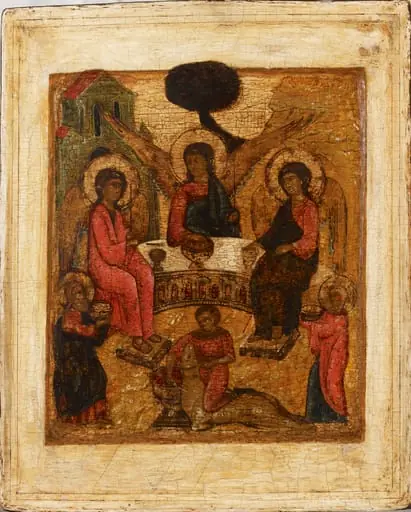 Pyhä Kolminaisuus, venäläinen ikoni
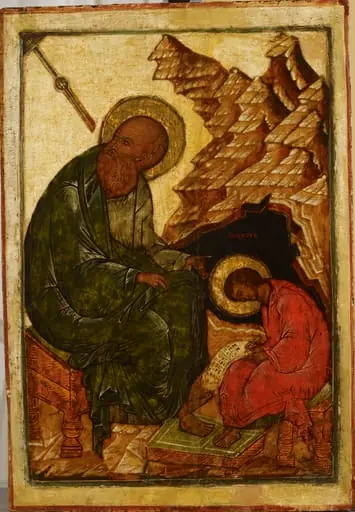 Johannes Evankelista ja oppilaansa Prohoros, venäläinen ikoni
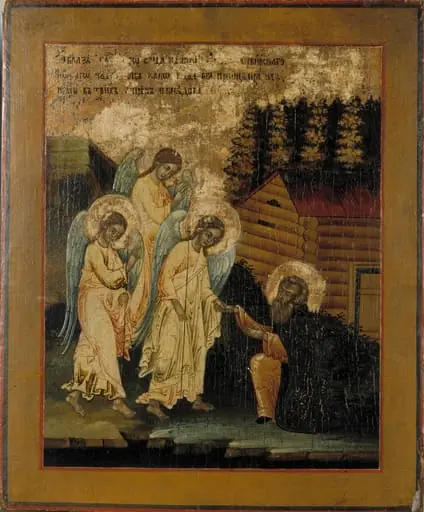 Pyhä Aleksanteri Syväriläinen ja kolme enkeliä, venäläinen ikoni
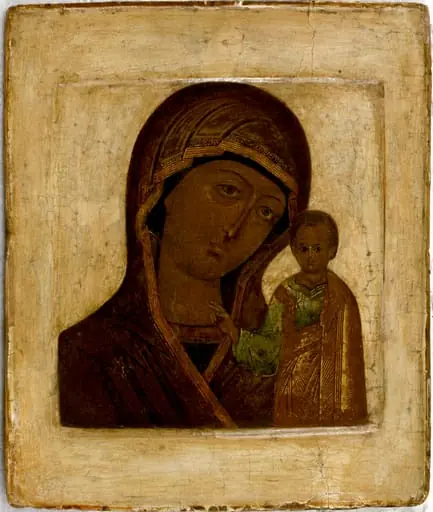 Kazanin Jumalanäiti, venäläinen ikoni
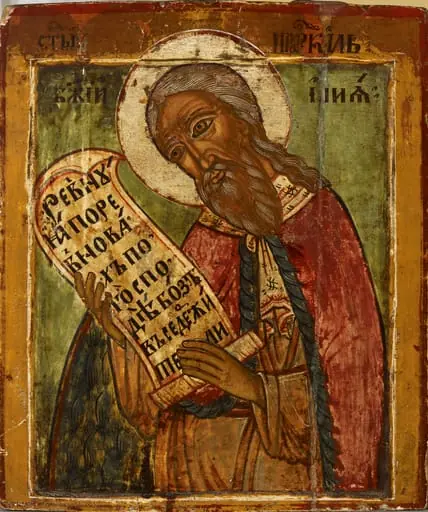 Profeetta Elia, venäläinen ikoni
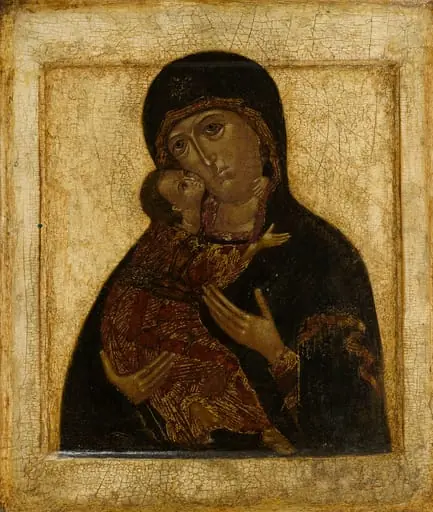 Vladimirin Jumalanäiti, venäläinen ikoni
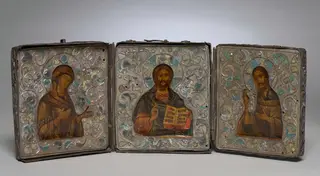 Triptych with Christ, the Virgin, and St. John the Evangelist
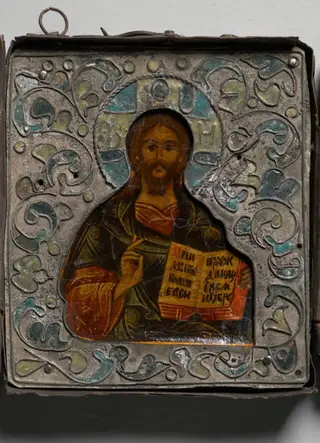 Christ
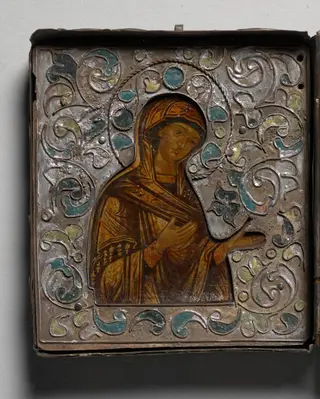 The Virgin
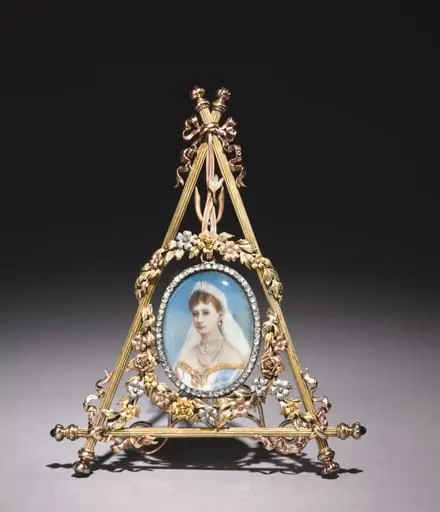 Framed Miniature of Tsarina Alexandra Feodorovna
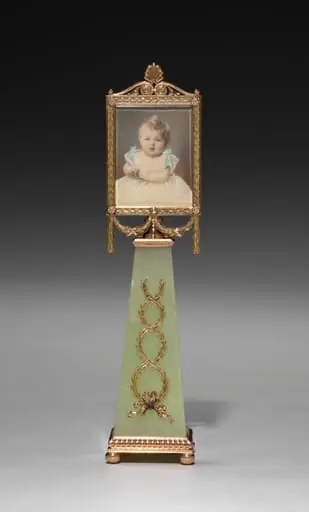 Imperial Framed Miniature of Grand Duchess Olga Nicolaievna
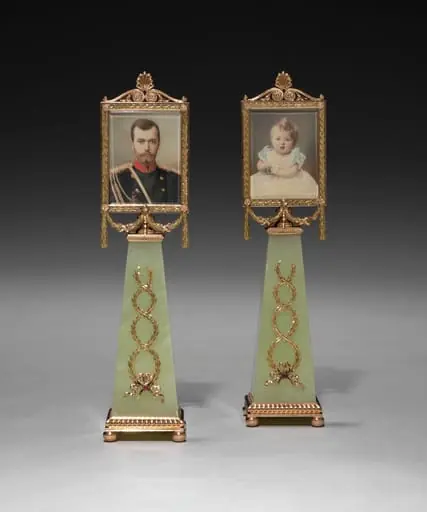 Imperial Framed Miniatures
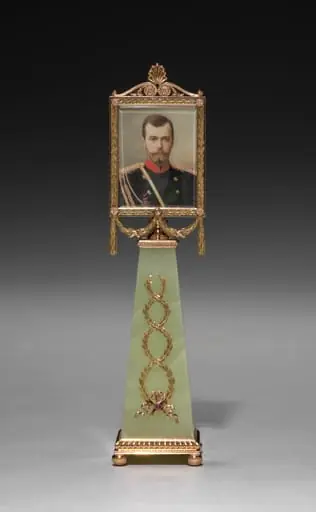 Imperial Framed Miniature of Tsar Nicholas II
Frequently asked questions
What is Russian Icon?
Russian Icon is an art movement. The sacred panel-painting tradition of the Russian Orthodox Church, developed from Byzantine roots after the Christianization of Rus in 988.
How many Russian Icon works does Artifact World Gallery have?
Artifact World Gallery holds 84 public-domain Russian Icon works, all free to view and download.
Who are the key Russian Icon artists?
Key Russian Icon artists in the collection include Karl Bryullov, Mikhail Ivanovich Terebenyov and Vladimir Borovikovsky.
Where can I see Russian Icon works?
Russian Icon works in the collection are held by Hermitage Museum, Tretyakov Gallery and Finnish National Gallery.