Artwork
Pineapple grown in Sir Matthew Decker's garden at Richmond, Surrey
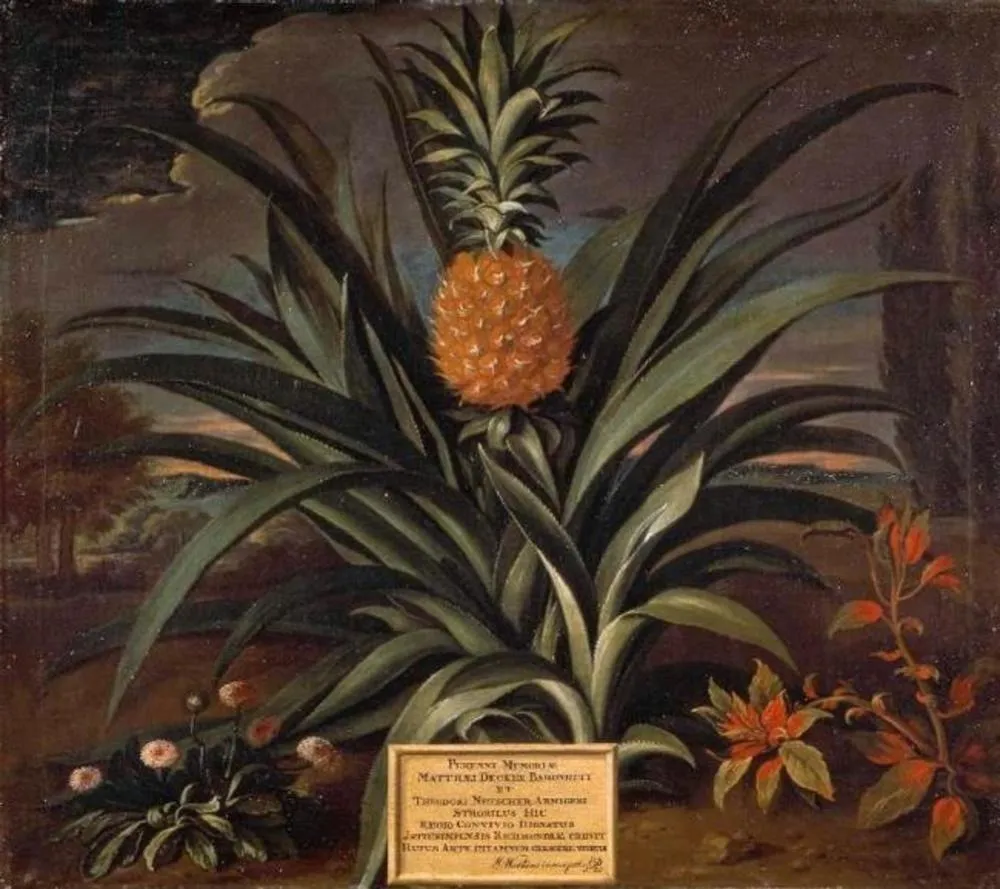
Pineapple grown in Sir Matthew Decker's garden at Richmond, Surrey is an oil painting by Theodorus Netscher. It dates from 1720 and is held in the collection of the Fitzwilliam Museum.
About this work
Overview
Painted in 1720 by Theodorus Netscher, this oil-on-canvas still life captures a pineapple cultivated in the garden of Sir Matthew Decker in Richmond, Surrey.
Painted in 1720 by Theodorus Netscher, this oil-on-canvas still life captures a pineapple cultivated in the garden of Sir Matthew Decker in Richmond, Surrey. Netscher, a Dutch artist active in the late 17th and early 18th centuries, specialized in precise botanical depictions. The work reflects the European fascination with exotic flora during the early modern period, when such fruits were symbols of wealth and horticultural achievement.
Subject & Meaning
The painting centers on a single pineapple, its spiky skin and crown rendered with meticulous attention. Surrounding it are smaller plants and flowers, suggesting a cultivated greenhouse or conservatory setting. In 18th-century England, the pineapple was a rare and costly fruit, often displayed as a status symbol. Its presence here signals Decker’s access to advanced horticultural techniques and his social standing.
Technique & Style
Netscher employed fine brushwork to render the pineapple’s textured surface, the waxy sheen of its leaves, and the delicate veins of surrounding flora. The dark, softly blurred background isolates the subject, enhancing its three-dimensionality. Light falls from a single direction, creating subtle gradations that emphasize volume and materiality. The composition is restrained, focusing entirely on the plant without narrative distraction.
History & Provenance
Commissioned by Sir Matthew Decker, a Dutch-born British merchant and landowner, the painting was likely created to document a rare horticultural success. It remained in private hands until entering the Fitzwilliam Museum’s collection, where it is now preserved as part of its early British and Dutch still-life holdings. Its survival offers insight into the intersection of science, commerce, and art in Georgian England.
Context
During the early 1700s, growing pineapples in northern Europe required innovative greenhouse technology and considerable expense. Wealthy landowners like Decker competed to cultivate such fruits, often displaying them at social gatherings. Netscher’s painting aligns with a broader trend of botanical portraiture, where horticultural triumphs were immortalized as symbols of human mastery over nature.
Legacy
The painting endures as a quiet testament to the era’s botanical curiosity and the role of art in documenting natural rarities. While not widely exhibited, it remains a key example of Dutch-influenced British still life and a record of early greenhouse horticulture. Its precision continues to inform studies of 18th-century plant cultivation and visual culture.
Artist & collection
Artist
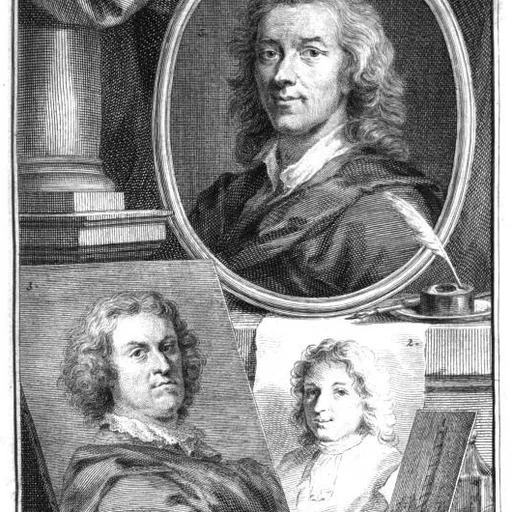
Theodorus Netscher (1661–1728; also called Theodor/Theodoor/de Fransche Netscher) was an 18th-century painter from the Dutch Republic.

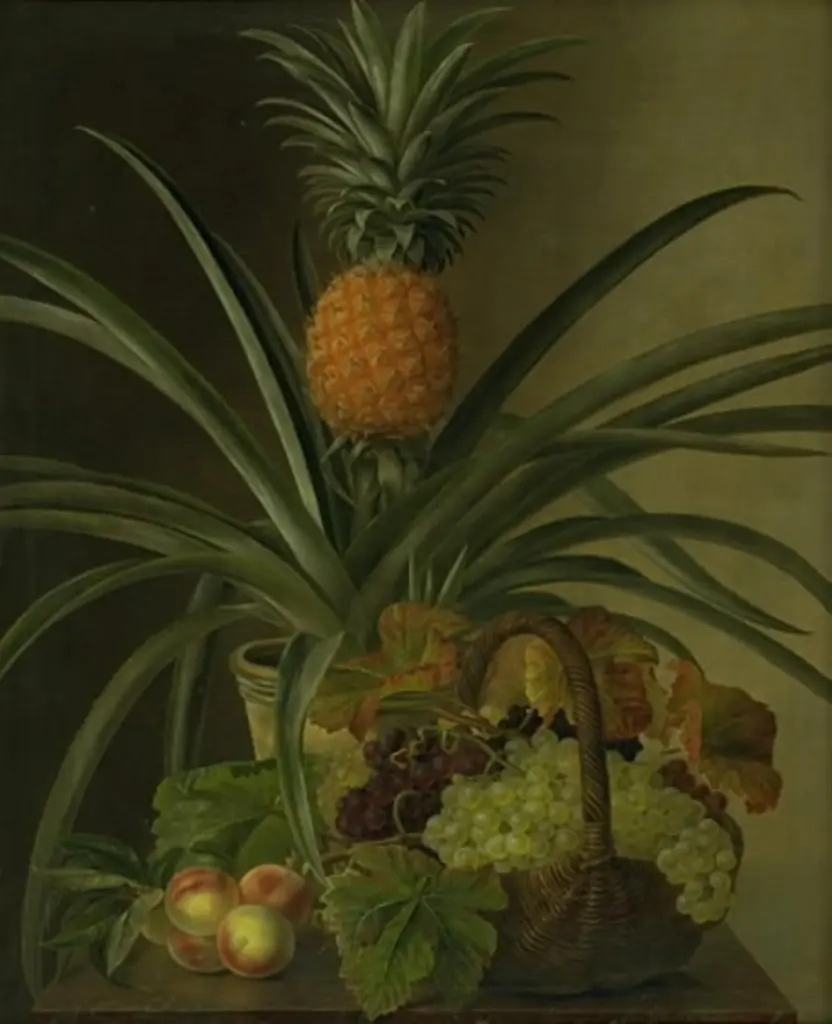
- En ananas og andre frugter
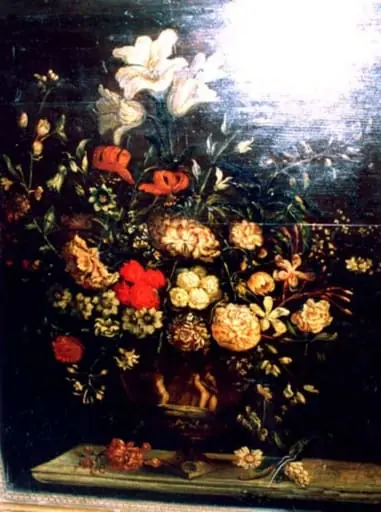 Vas cu flori
 Twelve Months of Flowers: March
 Blumenstück
 Et frugtstykke
 Blumenstück
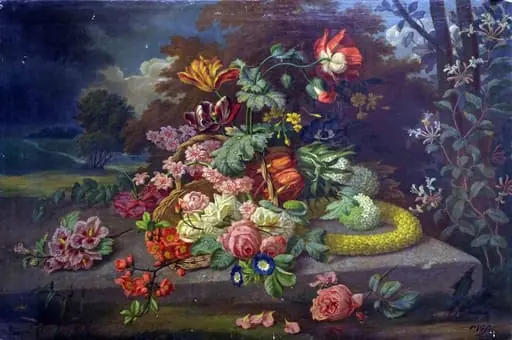 Buchet de flori
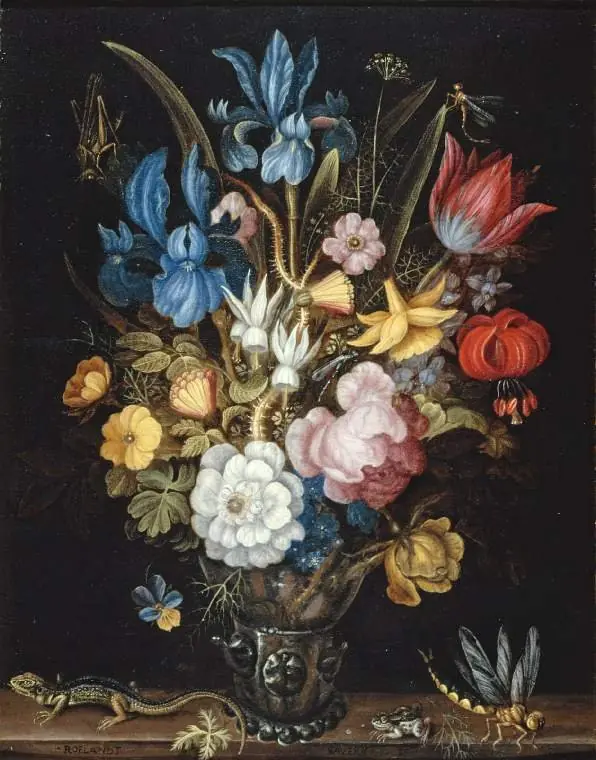 Still life with flowers in a glass berkemeyer with a lizard, frog and dragonfly on a ledge
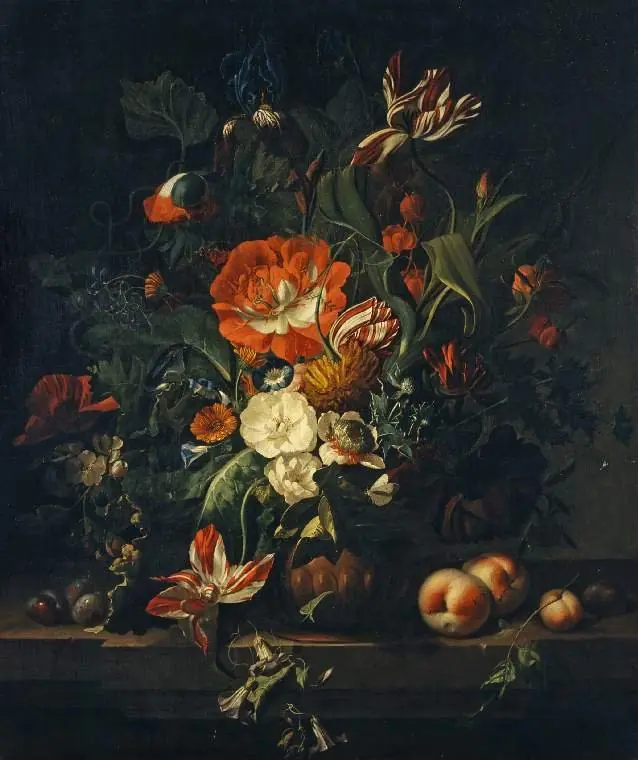 Flowers in a terracotta vase
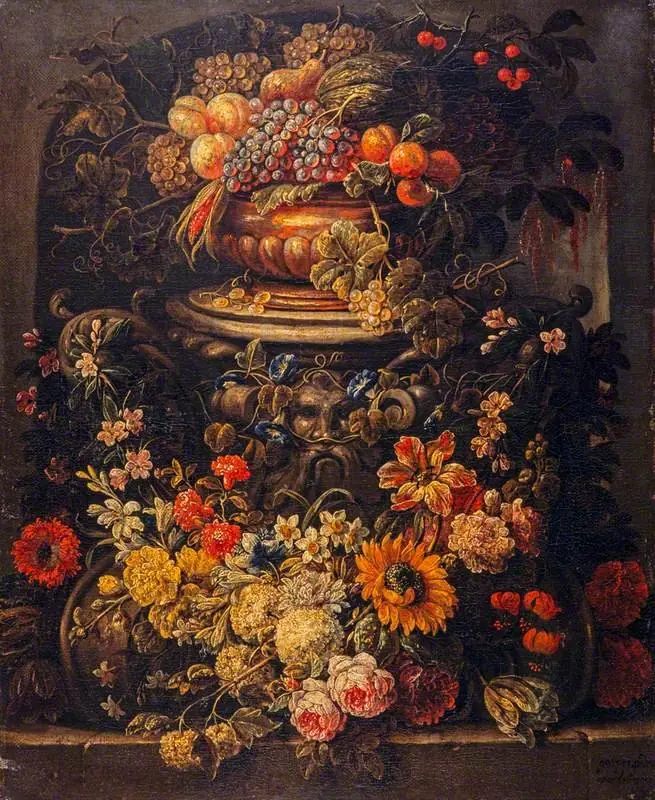 Still-life with Fruit and Flowers
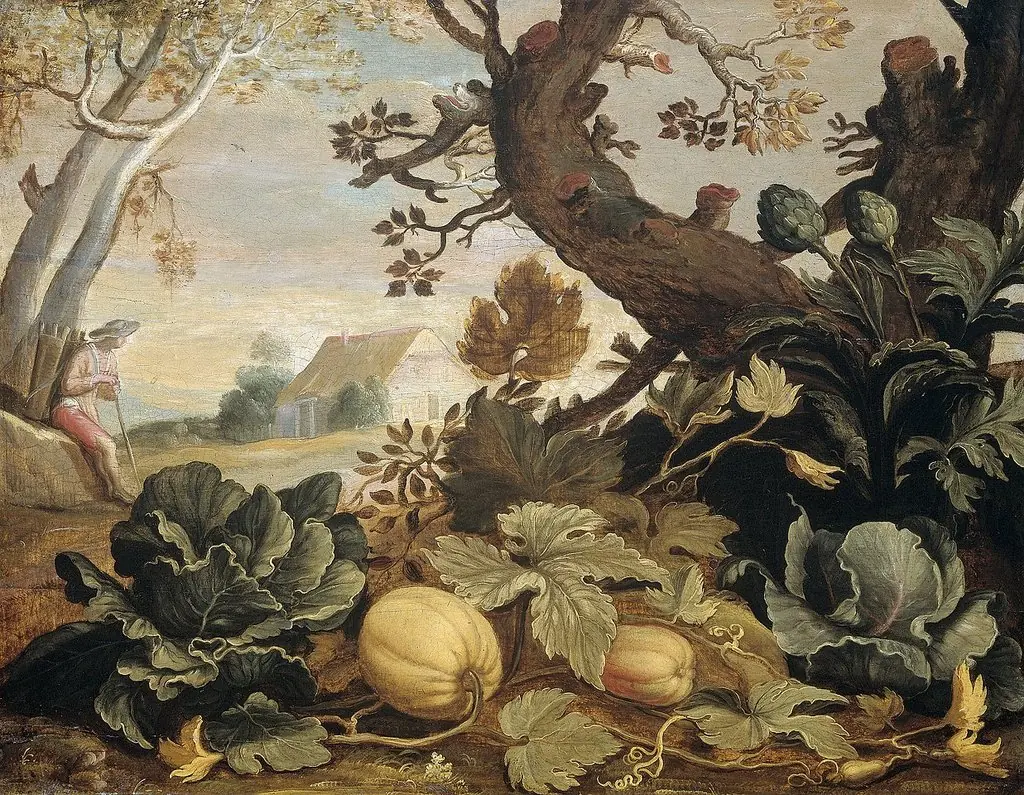 Landscape with Fruits and Vegetables in the foreground
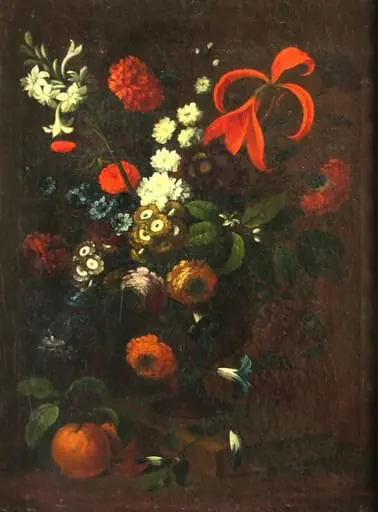 Flori și portocale; pandant: Flori și piersici