Artwork
George Frederick Handel
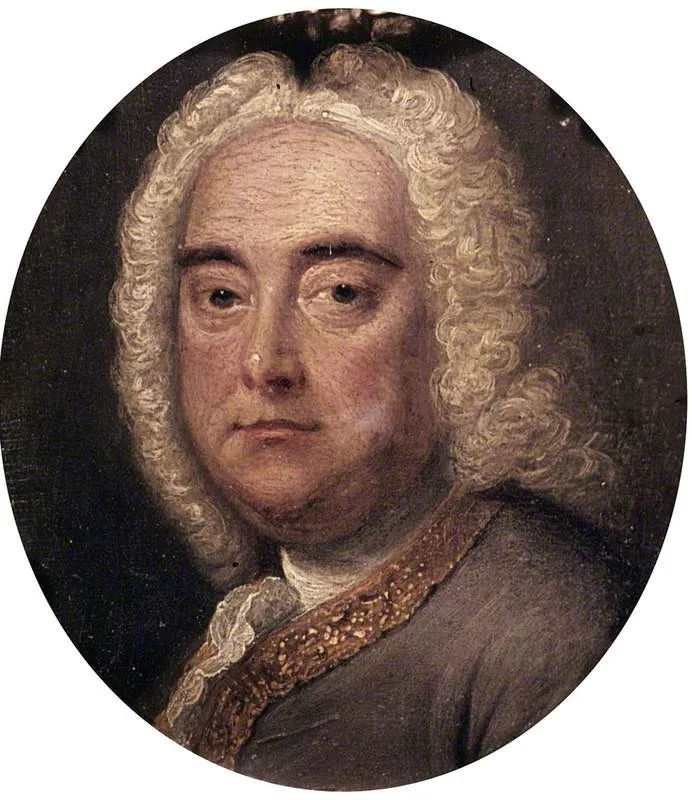
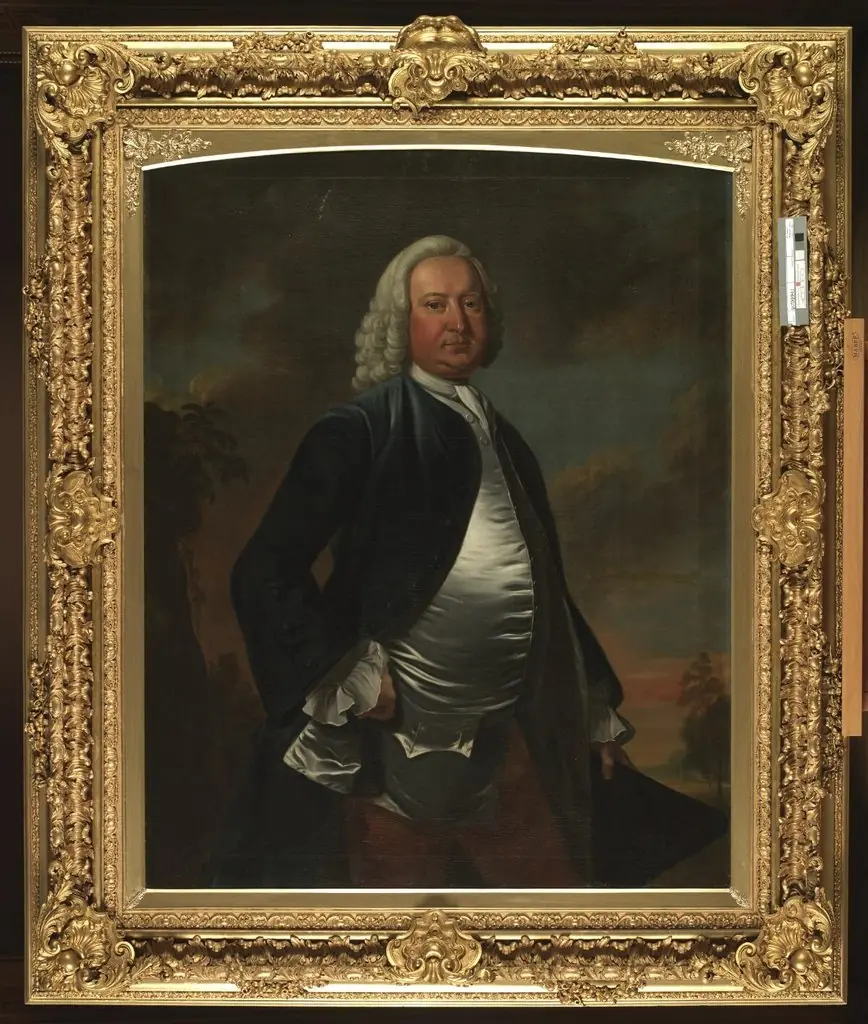
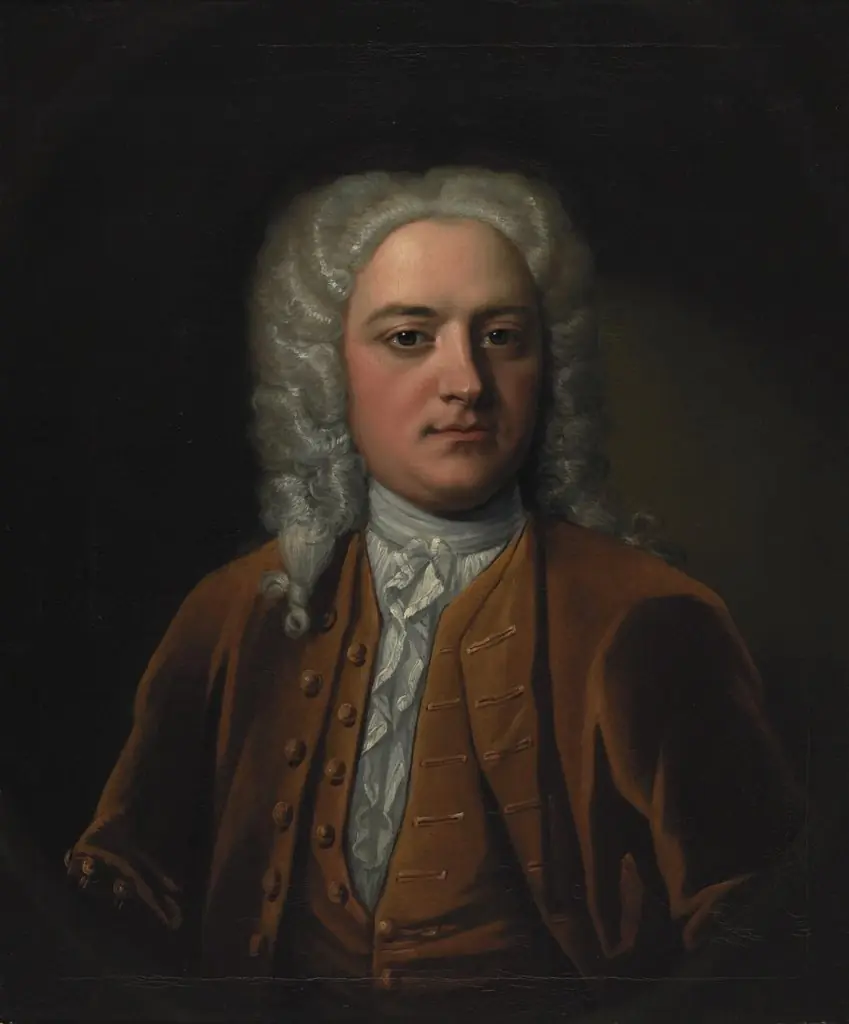
George Frederick Handel is an unspecified painting by Thomas Hudson. It dates from 1750 and is held in the collection of the Fitzwilliam Museum.
About this work
Overview
Thomas Hudson’s portrait of the composer George Frideric Handel, executed around 1750, is part of the Fitzwilliam Museum’s collection.
Thomas Hudson’s portrait of the composer George Frideric Handel, executed around 1750, is part of the Fitzwilliam Museum’s collection. The painting presents the musician in a half‑length format, emphasizing his facial features against a muted backdrop. Hudson, a leading English portraitist of the mid‑eighteenth century, captures Handel at an advanced age, reflecting the composer’s stature in contemporary society.
Subject & Meaning
The sitter is rendered with white, tightly curled hair and a solemn expression, suggesting both the gravitas of his artistic achievements and the introspection of his later years. His dark jacket, trimmed with gold at the collar, and crisp white shirt convey a dignified, respectable appearance, aligning with the eighteenth‑century conventions for portraying eminent cultural figures.
Technique & Style
Hudson employs a restrained palette dominated by deep shadows, allowing the illuminated face to dominate the composition. The brushwork is smooth and precise, particularly in the rendering of hair and fabric texture, while the background recedes into an indistinct darkness that heightens the three‑dimensional presence of the subject. The overall effect is one of quiet realism characteristic of Hudson’s portraiture.
History & Provenance
Created circa 1750, the portrait entered the Fitzwilliam Museum’s holdings through acquisition in the early twentieth century, though earlier ownership records remain sparse. Its presence in the museum’s collection reflects the institution’s commitment to preserving British portraiture and its connections to prominent musical personalities of the era.
Context
During the mid‑1700s, Handel was celebrated across England for his operas, oratorios, and public concerts. Portraits such as Hudson’s served to cement his public image as a venerable artist. The painting thus functions both as a personal likeness and as a visual testament to the composer’s cultural prominence within Georgian society.
Artist & collection

- George Arnold
 Portrait of a gentleman
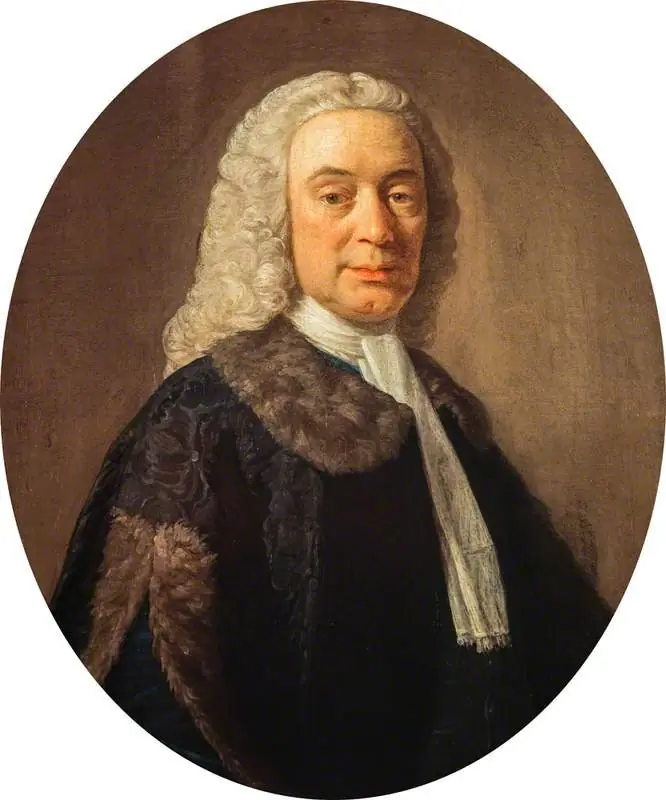 James Ker of Bughtrigg (1700 - 1768)
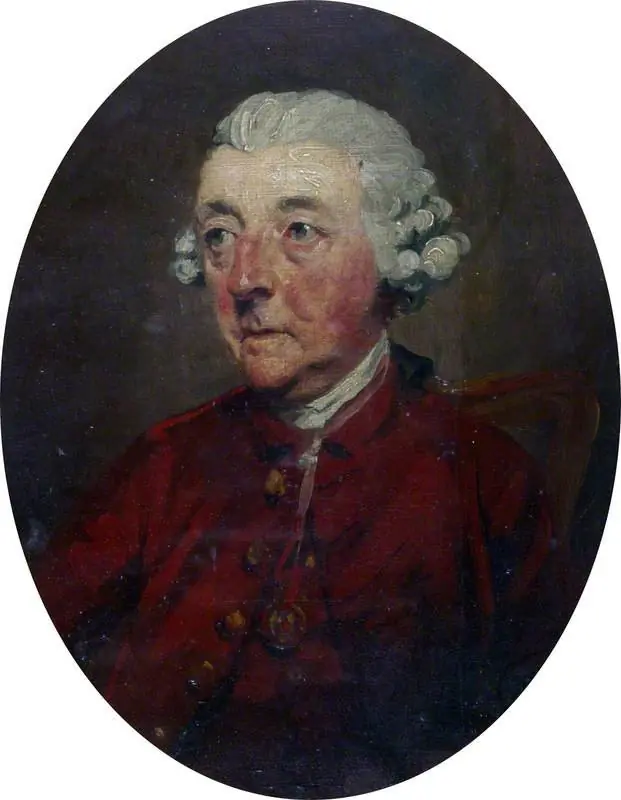 William Whitehead (1715–1789), Poet Laureate
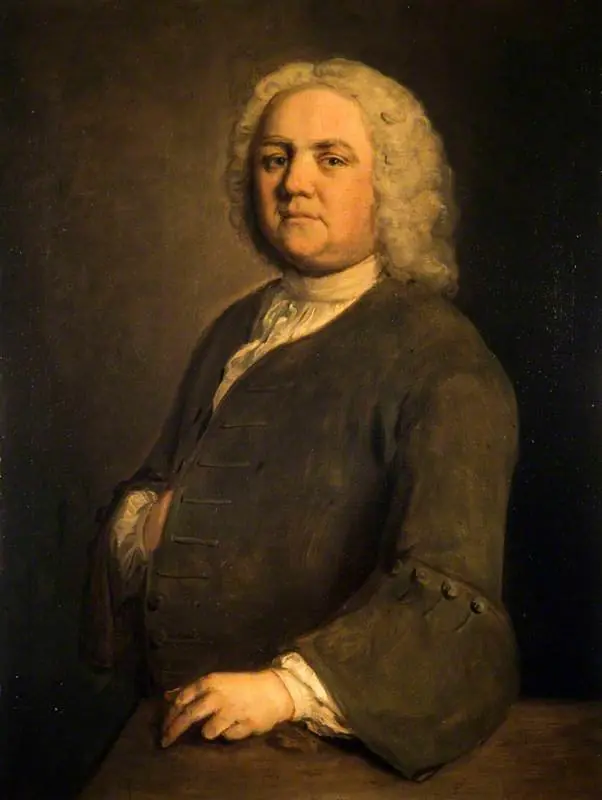 Mr Dawson
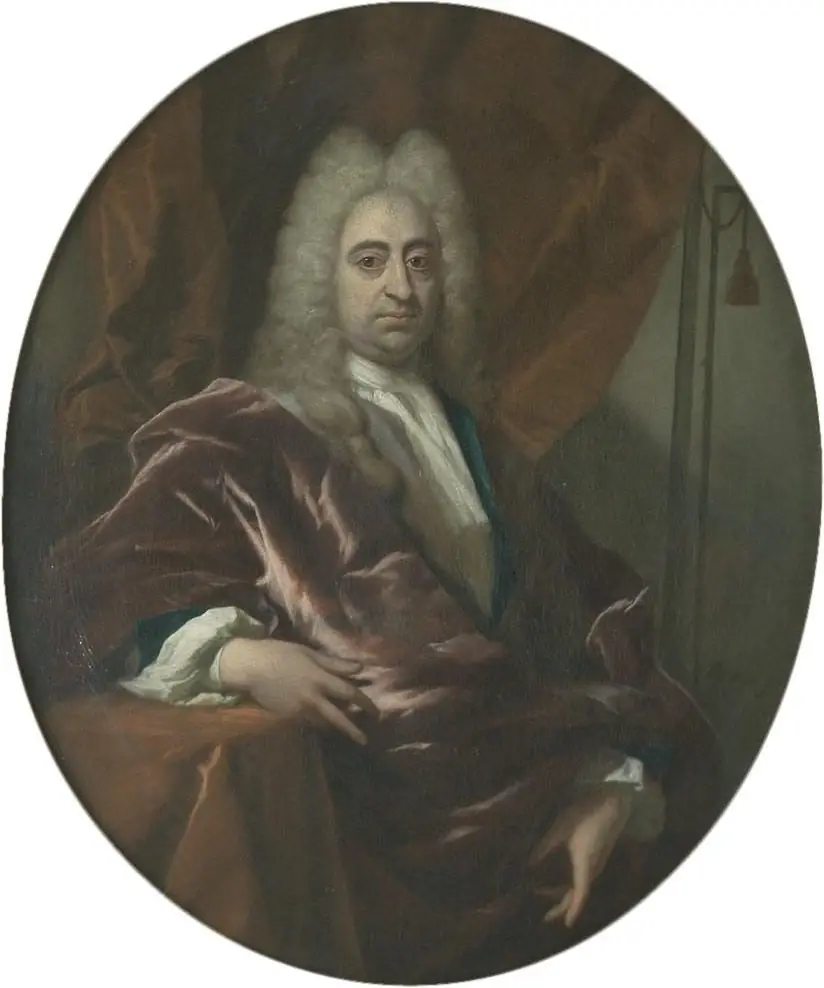 Portrait of Mathias Lambertus Singendonck (1648-1742)
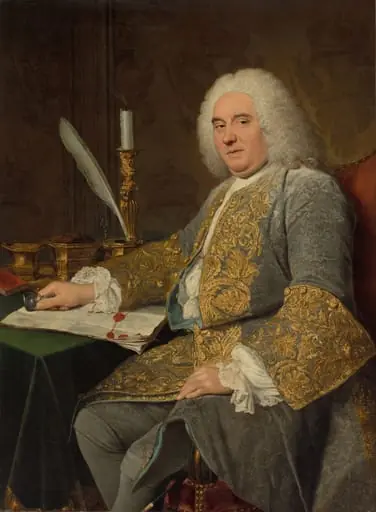 Portrait of Jean-Gabriel du Theil at the Signing of the Treaty of Vienna
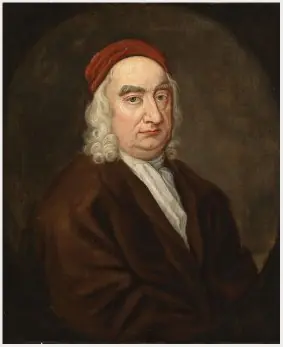 Portrait of Jonathan Swift (1667-1745)
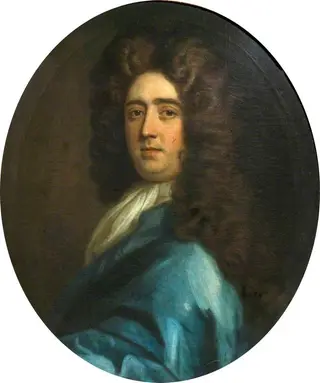 Portrait of a Member of the Howard Family of Ashtead
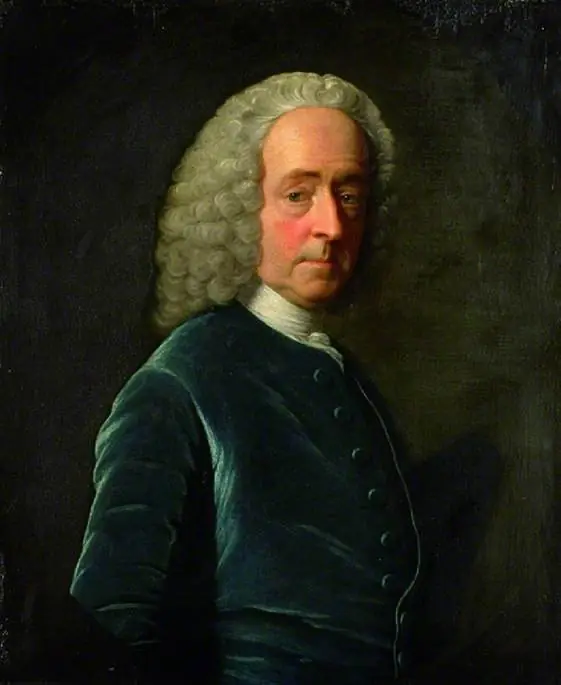 Portrait of James Haughton Langston
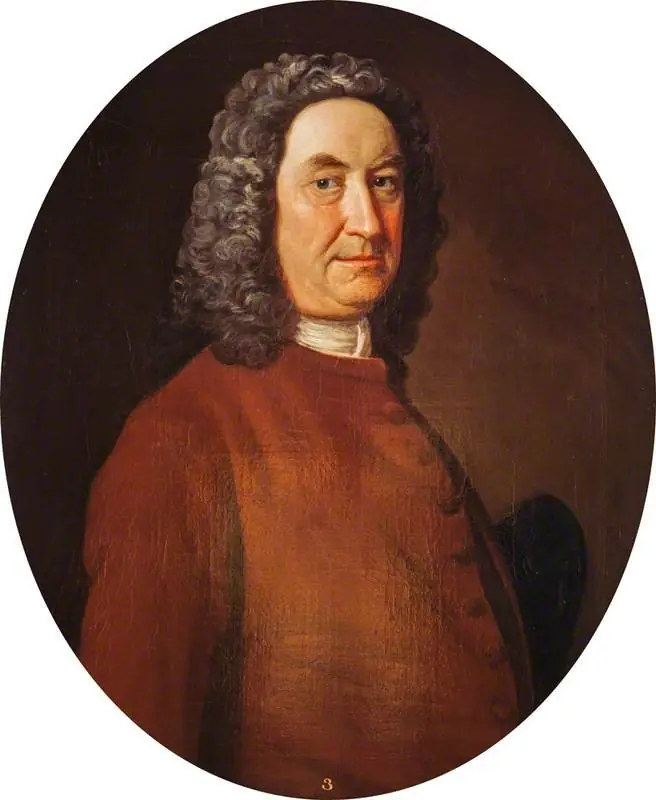 Sir John Inglis, 2nd Bart of Cramond (1683 - 1771)
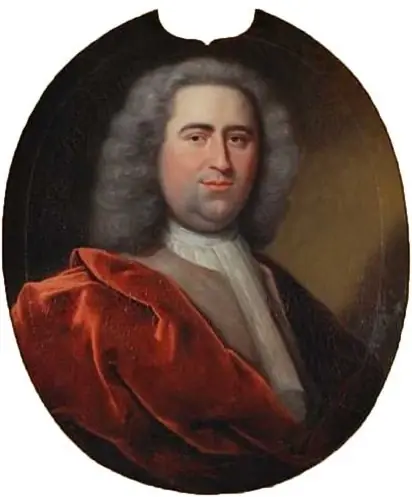 Hendrik Braats, gekozen in 1729