Artwork
The Passage of the Delaware
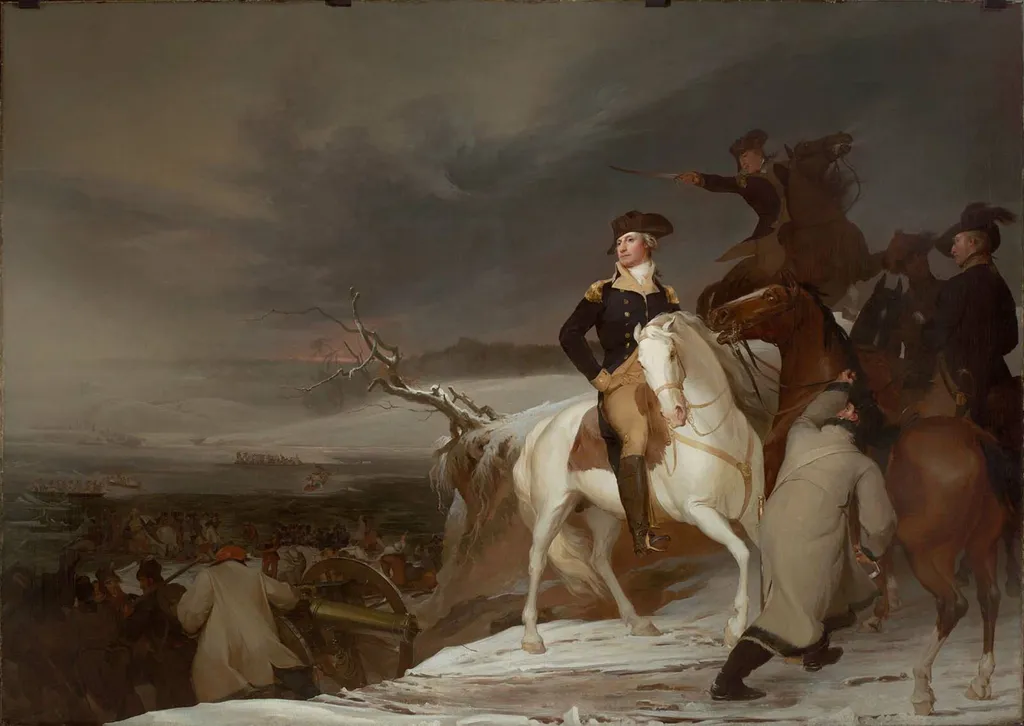
The Passage of the Delaware is an oil painting by the American Impressionist artist Thomas Sully. It dates from 1819 and is held in the collection of the Museum of Fine Arts Boston.
About this work
Subject & Meaning
The Passage of the Delaware depicts George Washington observing the Continental Army as it crosses the Delaware River prior to the Battle of Trenton on December 25 and 26, 1776. The composition emphasizes the preparatory moment before Washington dismounts to join his troops, symbolizing leadership and strategic resolve in the Revolutionary War. Executed in oil on canvas, the painting draws compositional inspiration from Benjamin West’s The Death of General Wolfe, particularly in the arrangement of figures around a central authority. Originally commissioned by the North Carolina legislature for display in the state capitol, the work was deemed too large for the building and ultimately found a permanent home at the Museum of Fine Arts, Boston, where it remains on view.
Technique & Style
The work depicts Washington's crossing of the Delaware River with historical precision, capturing the moment before his dismount at the Battle of Trenton.
Thomas Sully employed oil paint on canvas to create The Passage of the Delaware, a large Neoclassical history painting measuring 372.11 cm in height and 525.78 cm in width. The work depicts Washington's crossing of the Delaware River with historical precision, capturing the moment before his dismount at the Battle of Trenton. Executed in 1819, the piece reflects Sully's training under Benjamin West, evident in its compositional arrangement and chiaroscuro modeling. Originally commissioned by North Carolina for display in the state capitol, the painting's dimensions exceeded the available space, leading to its relocation to the Museum of Fine Arts, Boston, where it remains on view.
The canvas demonstrates Sully's mastery of Neoclassical techniques, blending smooth brushwork with dramatic lighting to convey narrative gravity. Its formal scale and historical subject align with early 19th-century American ambitions to elevate historical narrative painting, while its stylistic lineage connects to both West's neoclassicism and Leutze's later iconic crossing scenes.
History & Provenance
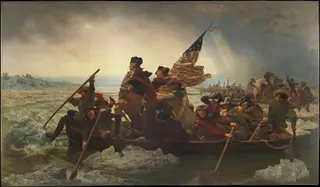
Thomas Sully painted The Passage of the Delaware in 1819 as an oil-on-canvas work commissioned by the North Carolina General Assembly to depict George Washington before the Battle of Trenton. The painting, initially intended for display in the North Carolina Capitol, was deemed too large for the building and its contract was terminated. It was subsequently moved to the Museum of Fine Arts, Boston, where it remains on view. The work draws compositional inspiration from Benjamin West’s The Death of General Wolfe and anticipates Emanuel Leutze’s 1851 Washington Crossing the Delaware. Its dimensions are 372.1 cm in height and 525.7 cm in width.
The work is held by the Museum of Fine Arts, Boston, where it carries accession no. 22.96.
It was first commissioned for display in the North Carolina State Capitol, but its large dimensions (372.1 × 525.8 cm) prevented installation there and the contract was mutually terminated. After remaining unsold for a time, the painting was shown at the Boston Museum before that institution closed in 1903. It was subsequently gifted to the Museum of Fine Arts, Boston, where it has remained in the collection.
Context
Created in 1819, Thomas Sully's *The Passage of the Delaware* stands as a significant Neoclassical history painting that predates Emanuel Leutze's more famous 1851 depiction of the same event. Although Sully was primarily celebrated as a portraitist, often called the "Prince of American Portraiture," he aspired to elevate his status through historical narratives. The work demonstrates his training under Neoclassical masters Benjamin West and Sir Thomas Lawrence in London, specifically echoing the compositional arrangement of officers found in West's *The Death of General Wolfe*. Commissioned by the North Carolina General Assembly following the War of 1812, the painting was intended to honor George Washington but ultimately failed to find a permanent home in the state capitol due to its massive scale of over 372 cm in height. Consequently, it was transferred to the Boston Museum and later gifted to the Museum of Fine Arts, Boston, where it remains a key example of early American attempts to visualize Revolutionary War heroism.
Legacy
Thomas Sully's 1819 work is recognized as a significant forerunner to Emanuel Leutze's famous 1851 depiction, Washington Crossing the Delaware. While Sully was primarily celebrated as a portraitist, often called the "Prince of American Portraiture," this large-scale history painting demonstrated his capacity for grand historical narratives influenced by his studies under Benjamin West. The composition, featuring officers arranged around a central figure, shares structural similarities with West's The Death of General Wolfe. Although the painting was originally intended for the North Carolina State Capitol, its massive dimensions prevented its installation there, leading to its eventual display in the Boston Museum before being gifted to the Museum of Fine Arts, Boston, following the former's closure in 1903.
Own this work as a print
Artist & collection

Artist
Thomas Sully was an English-American portrait painter. He was born in England, became a naturalized American citizen in 1809, and lived most of his life in Philadelphia, Pennsylvania, including in the Thomas Sully…




 Washington at Dorchester Heights
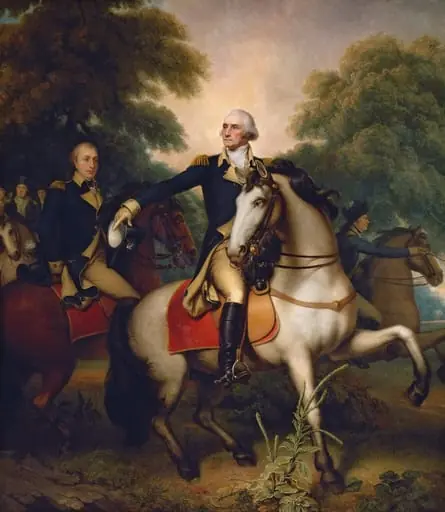 Washington before Yorktown
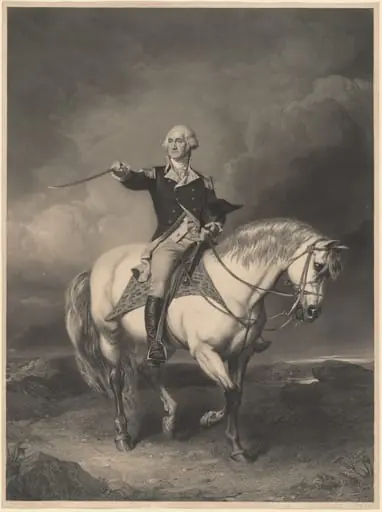 George Washington on Horseback
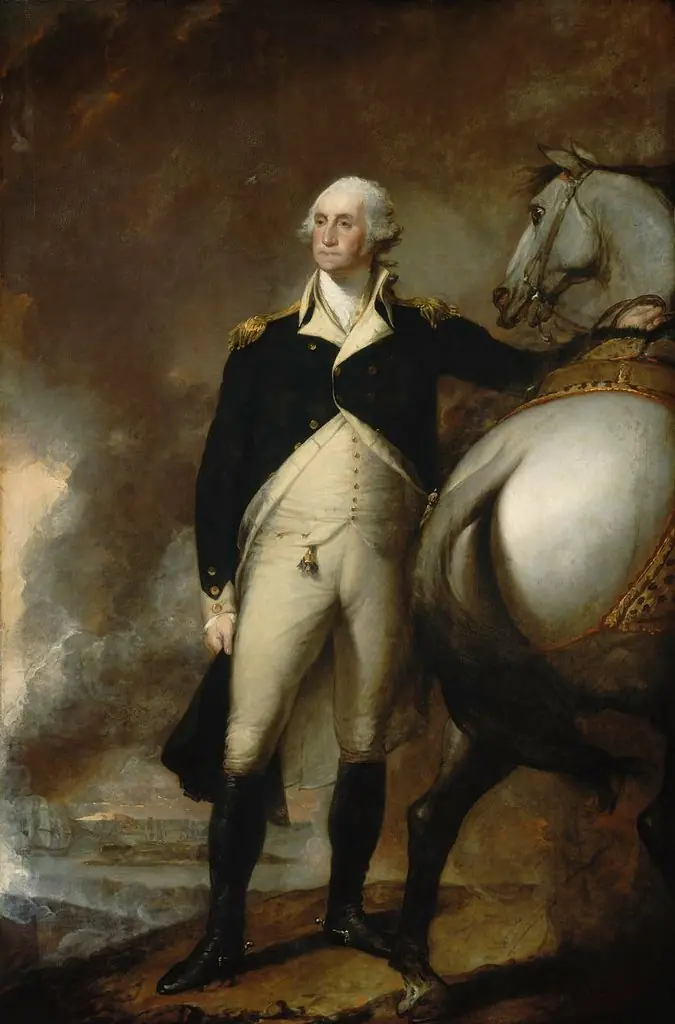
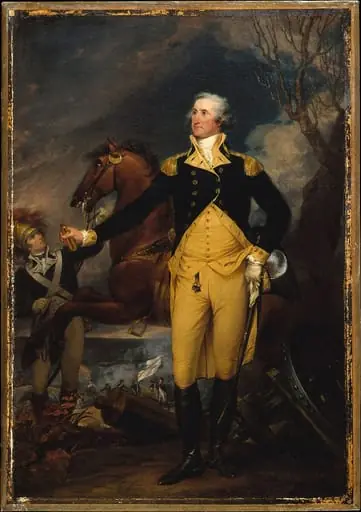 George Washington before the Battle of Trenton
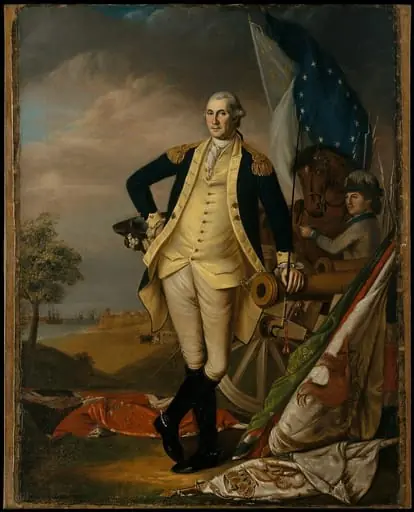 George Washington
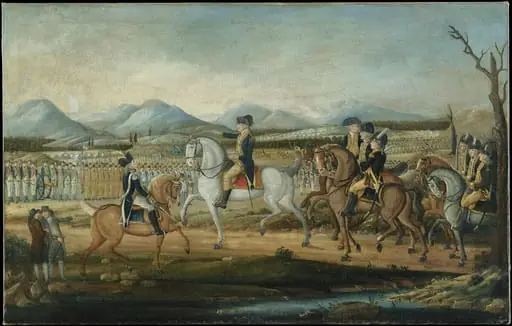 Washington Reviewing the Western Army at Fort Cumberland, Maryland
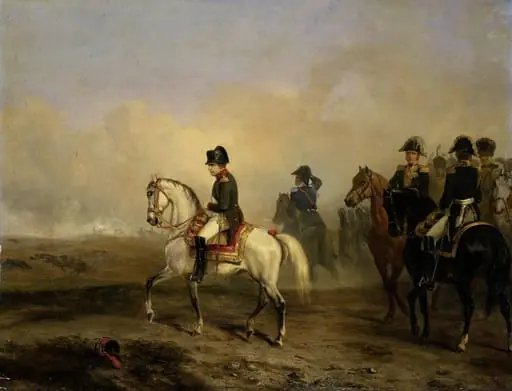 Untitled
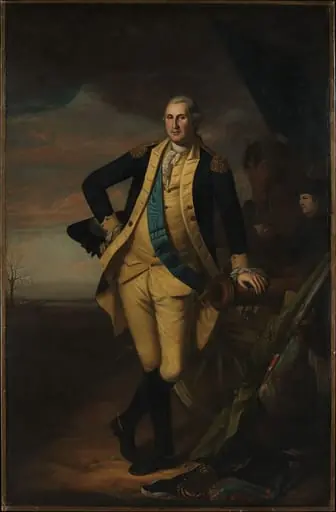 George Washington
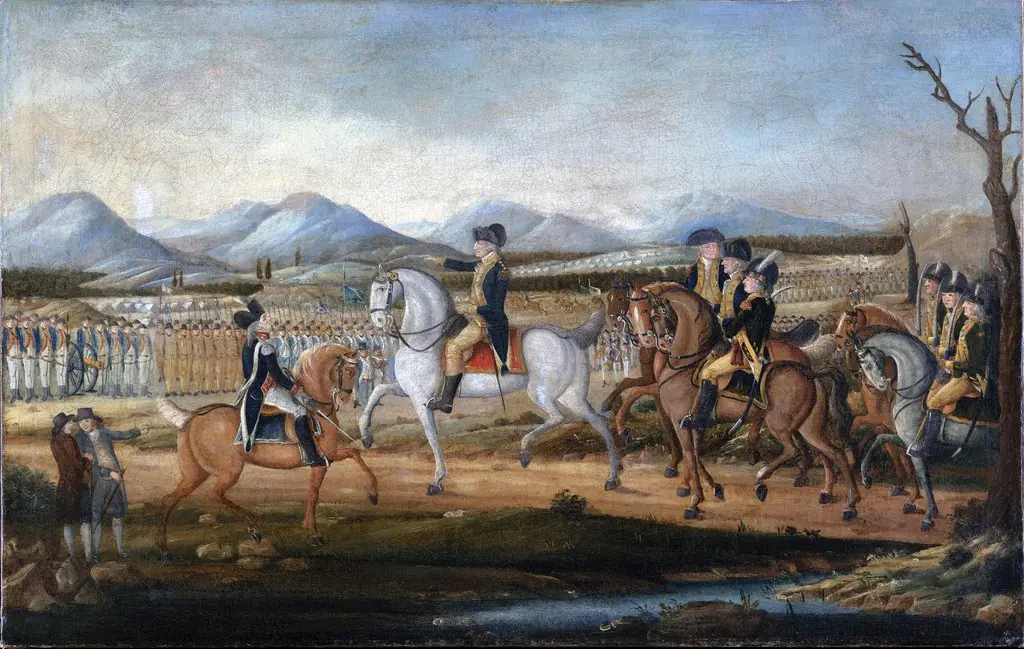 The Whiskey Rebellion
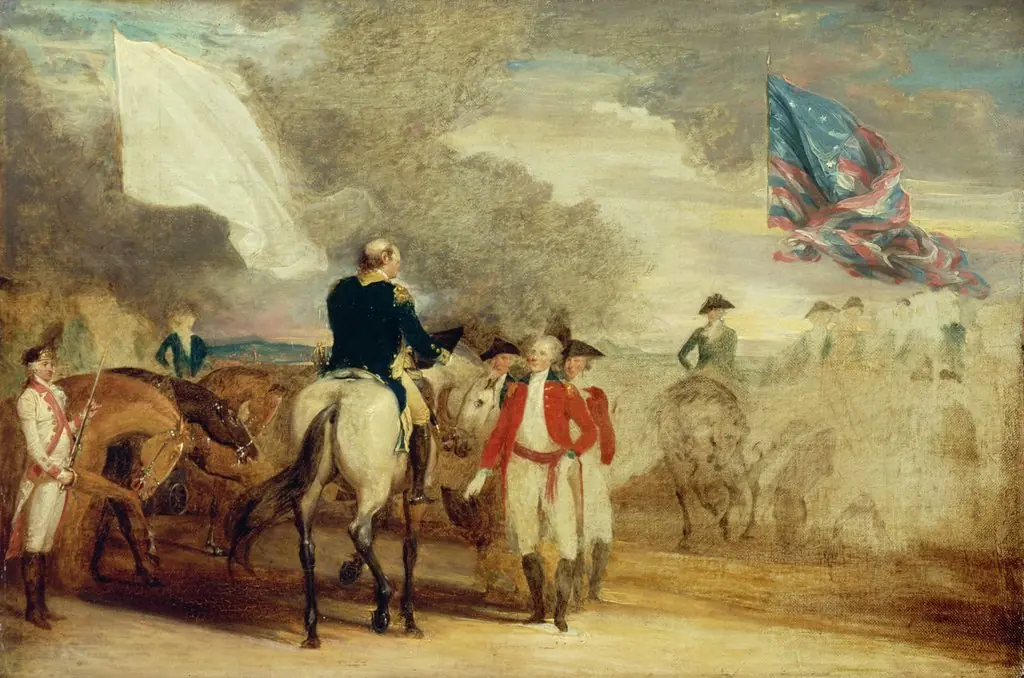 Surrender of Cornwallis at Yorktown
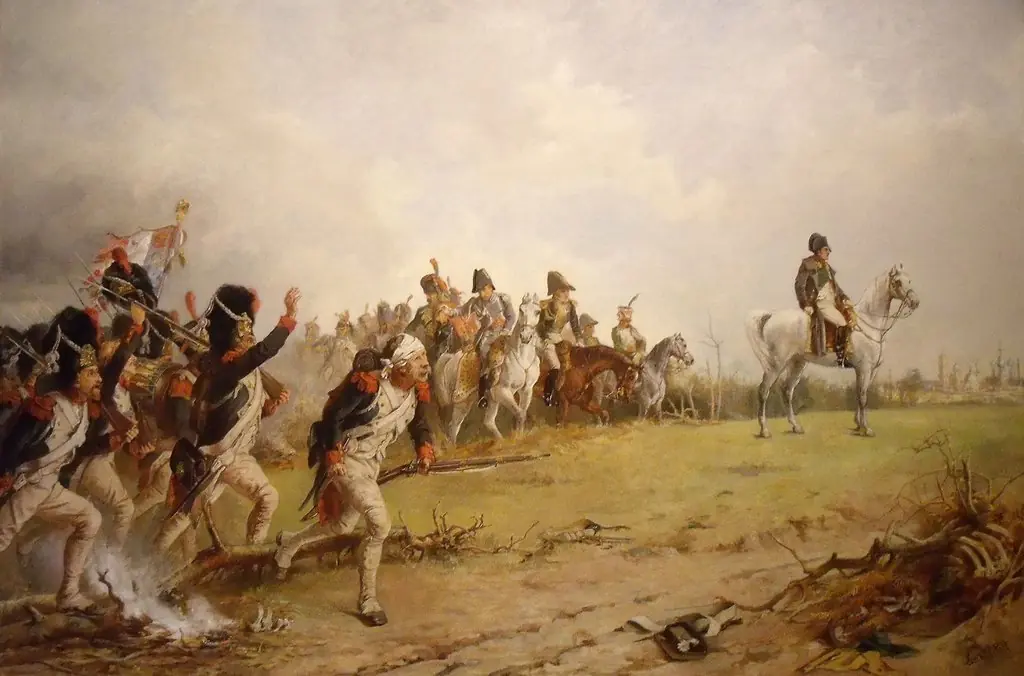 The First Sight of Moscow
- Washington Crossing the Delaware