Artwork
Portrait of the Engraver Jan Casper Philips
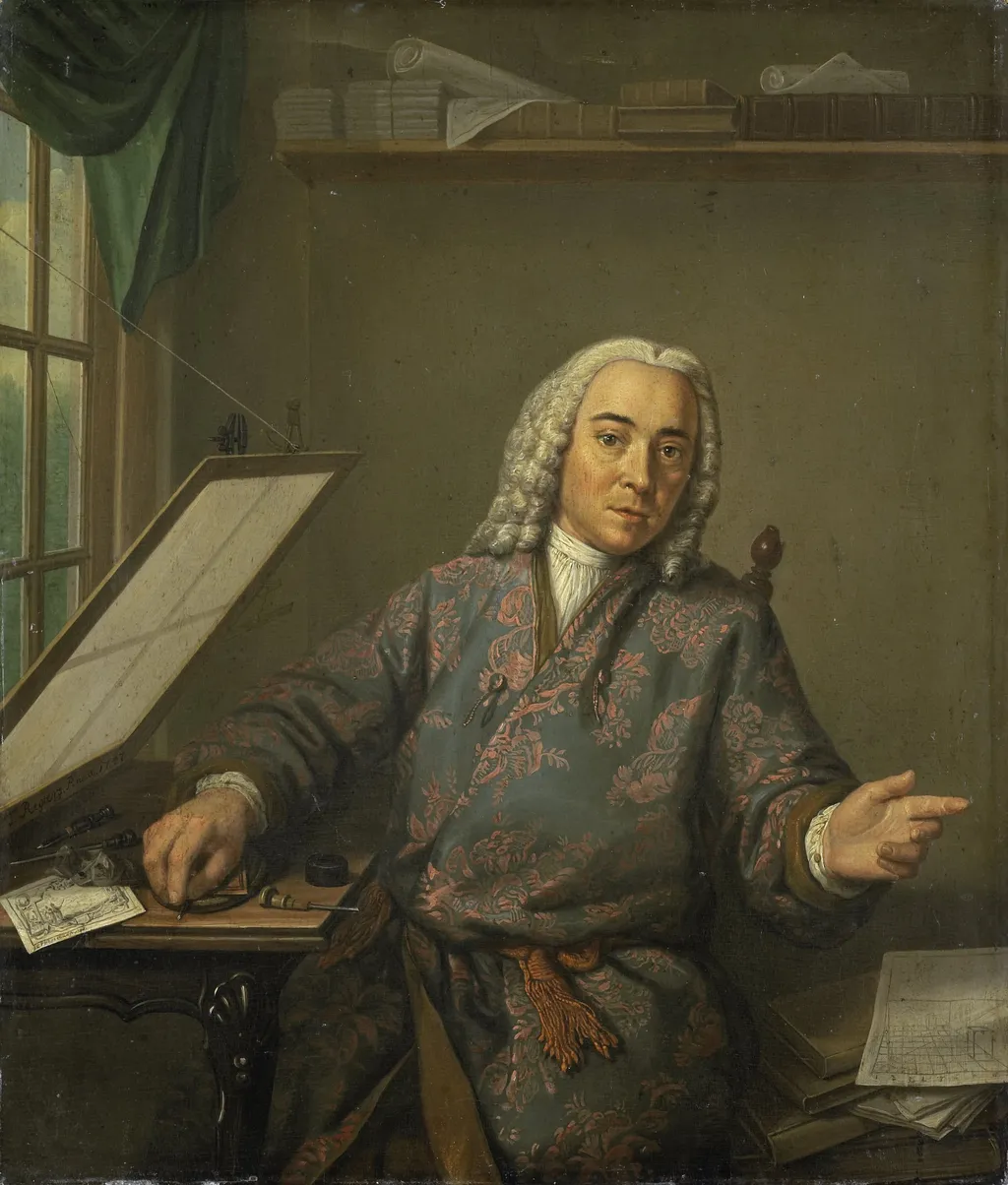
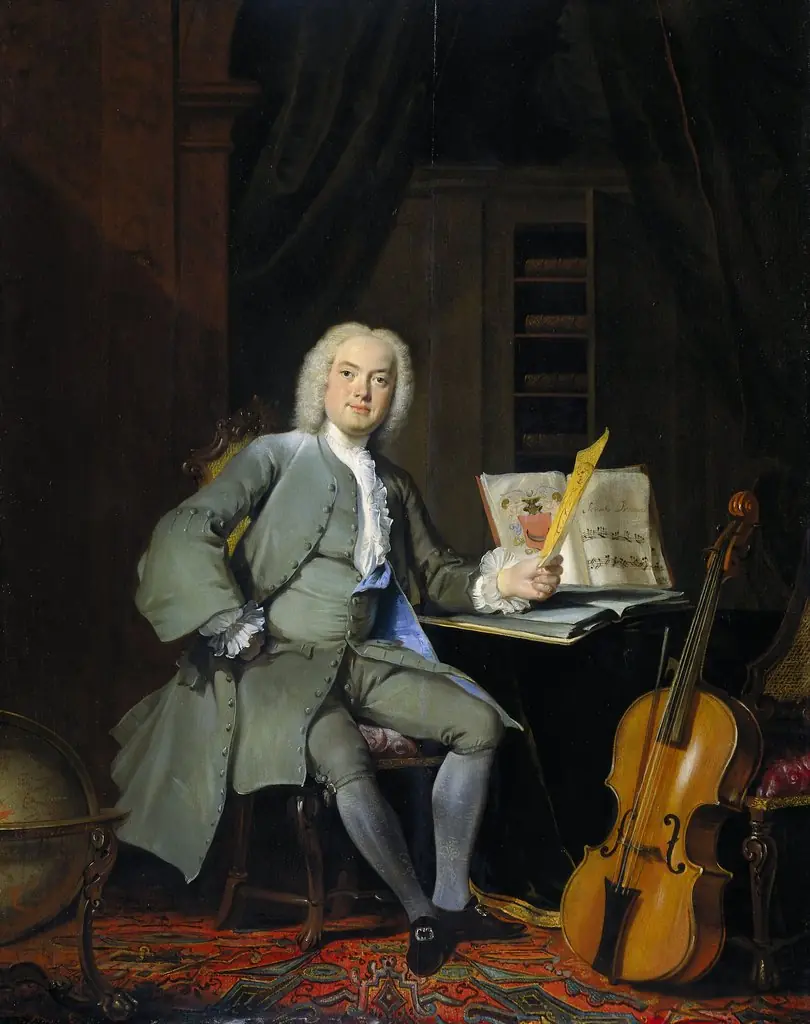
Portrait of the Engraver Jan Casper Philips is an oil painting by the Rococo painting artist Tibout Regters. It dates from 1747 and is held in the collection of the Rijksmuseum.
About this work
Technique & Style
The handling is conventional, with fine brushwork that emphasizes the sitter's facial features and the delicate rendering of clothing.
The work is executed in oil paint on a wooden panel, a support typical for 18th‑century Dutch portraiture. The handling is conventional, with fine brushwork that emphasizes the sitter's facial features and the delicate rendering of clothing. The composition presents a half‑length portrait that captures the engraver’s concentration, while the muted tonal palette and subtle chiaroscuro give the image a restrained, formal elegance characteristic of Reggers’ style. The painting’s surface shows minor craquelure consistent with age, though the overall condition remains stable.
History & Provenance
The painting Portrait of the Engraver Jan Casper Philips was created in 1747 by Tibout Regters and originally entered the collection of the Rijksmuseum, where it remains on display. Executed in oil on panel, the work measures 35 cm by 30 cm and portrays the engraver Jan Caspar Philips. Its provenance is documented through the museum's acquisition records, establishing a clear ownership chain from the artist to the institution.
Context
The portrait of engraver Jan Casper Philips was painted in 1747 by Tibout Reggers and is housed in the Rijksmuseum, where it remains on display. The work depicts its subject in a format typical of 18th-century Dutch portraiture, reflecting the period's emphasis on individual representation within the professional class. Its creation marks a documented moment in Reggers' career focused on engraving-related subjects, situating it within the broader trajectory of Dutch portrait painting during the late Baroque era.
The painting's technical execution in oil on panel aligns with material practices of the time, while its subject underscores the recognition of specialized artisans within contemporary artistic hierarchies.
Legacy
The portrait of the engraver Jan Casper Philips by Tibout Reggers, painted in 1747, is housed in the Rijksmuseum and has been recognized for its contribution to Dutch portraiture of the 18th century. Its representation of an artisan in a dignified manner influenced later depictions of craftsmen in European art, reinforcing the social elevation of the engraver class during the Enlightenment. Scholars cite the work as an example of the genre’s role in documenting professional identities, a theme that resonated through subsequent portrait traditions.
Legacy is reflected in its continued presence in studies of Dutch Golden Age portraiture and its inclusion in exhibitions that explore the intersection of art and professional life.
Overview
The oil painting titled Portrait of the Engraver Jan Casper Philips was executed by the Dutch artist Tibout Regters in 1747. It portrays the engraver Jan Caspar Philips seated at a worktable, surrounded by the tools of his trade. The work is part of the collection of the Rijksmuseum in Amsterdam.
Subject & Meaning
The sitter, Jan Caspar Philips, is shown in a green coat adorned with orange floral motifs, his powdered white wig framing a thoughtful expression. He holds a pen in one hand while gesturing with the other, suggesting an explanation of his artistic process. The composition captures a moment of quiet concentration within what appears to be his workshop.
Own this work as a print
Artist & collection

 José Patiño Rosales
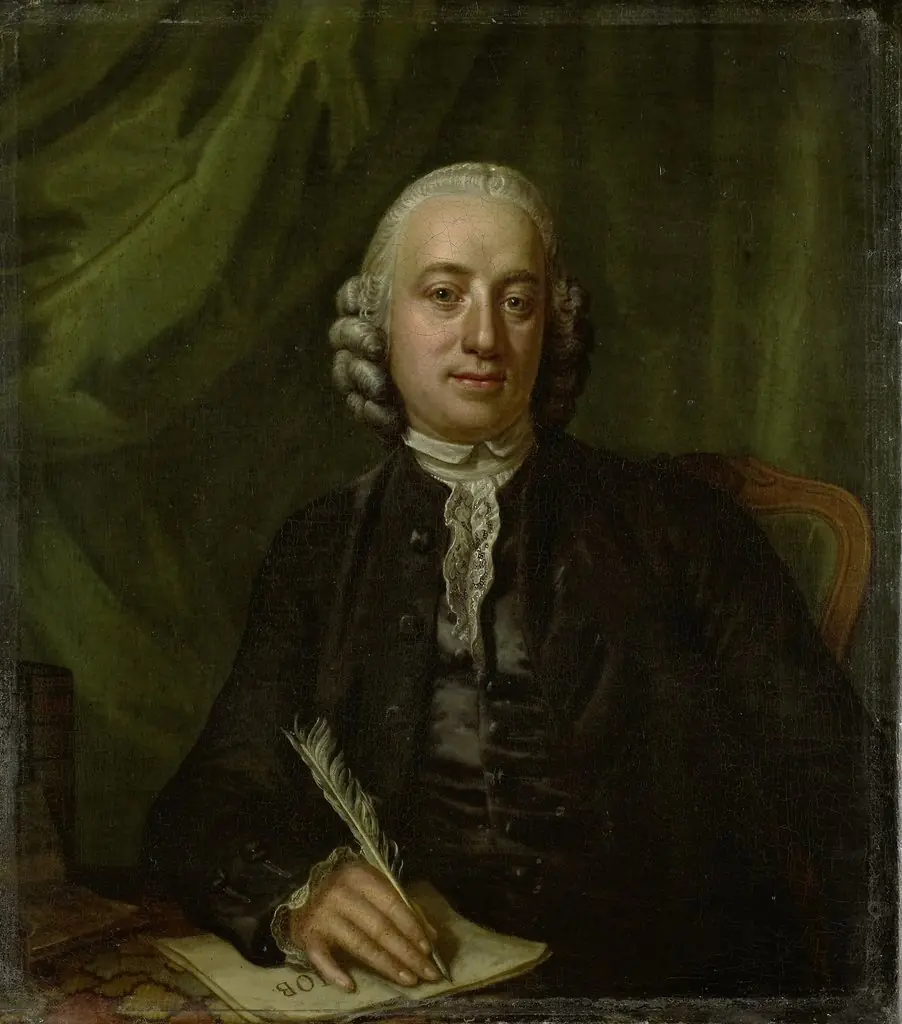 Portrait of Pieter Meijer, publisher and bookseller of Amsterdam
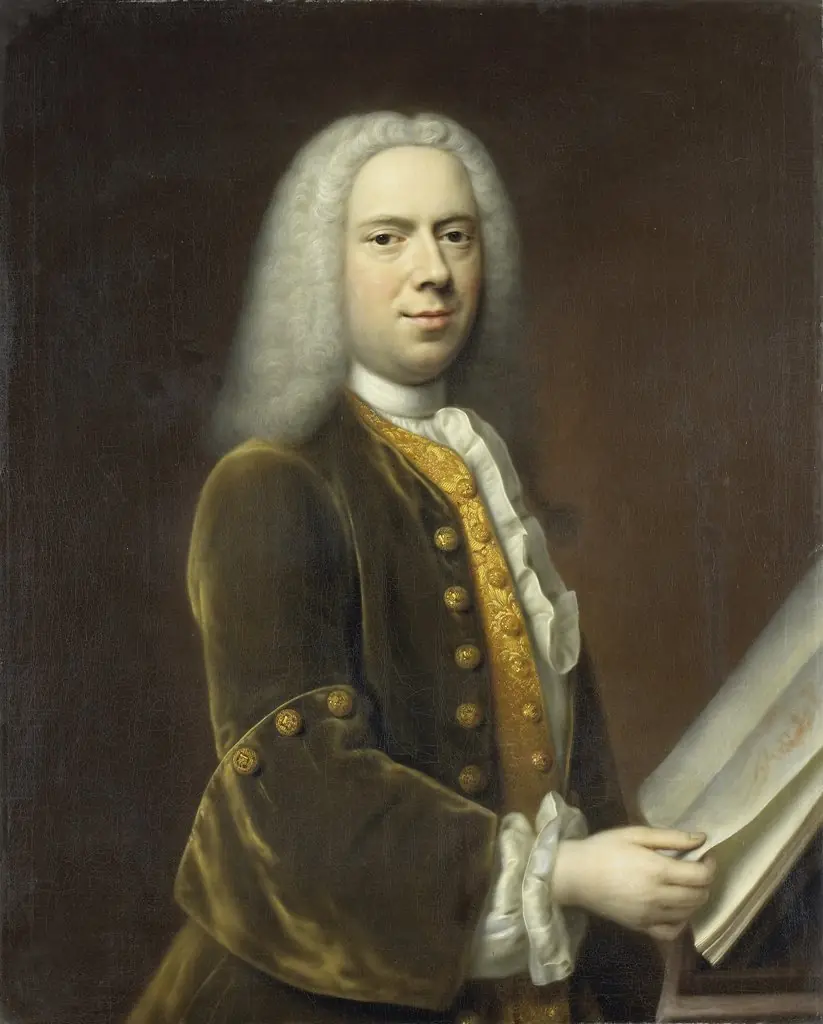 Portrait of a Man, probably Cornelis Troost
 Untitled
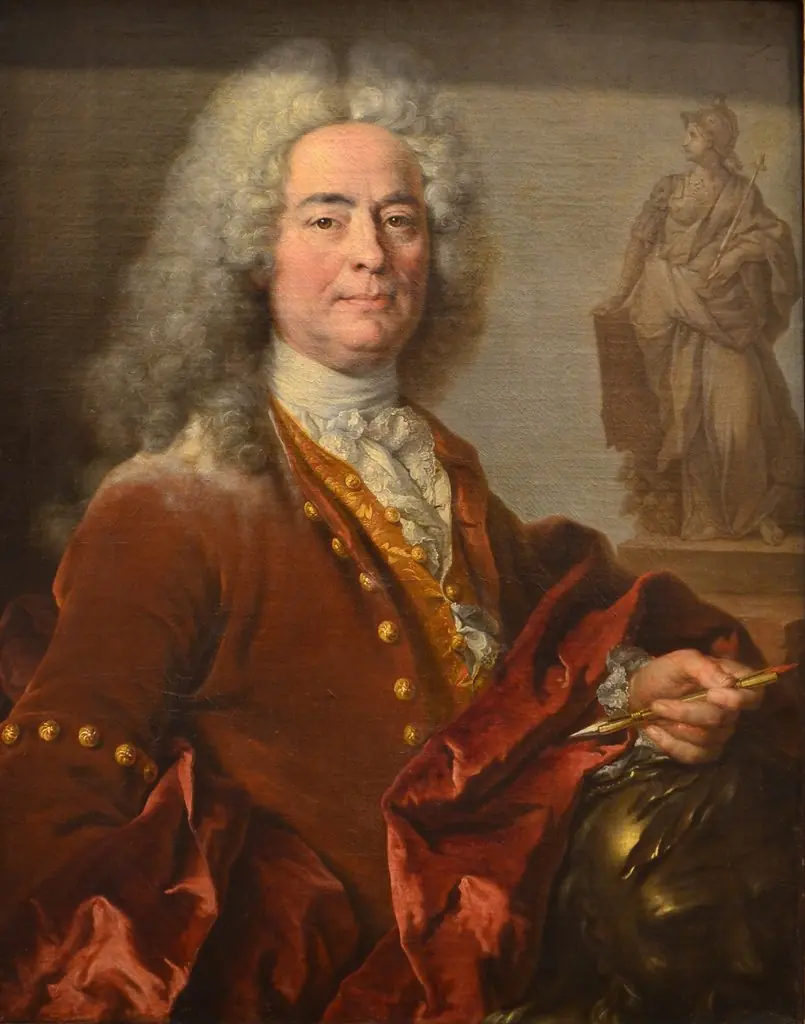 Portrait du sculpteur Jean Thierry
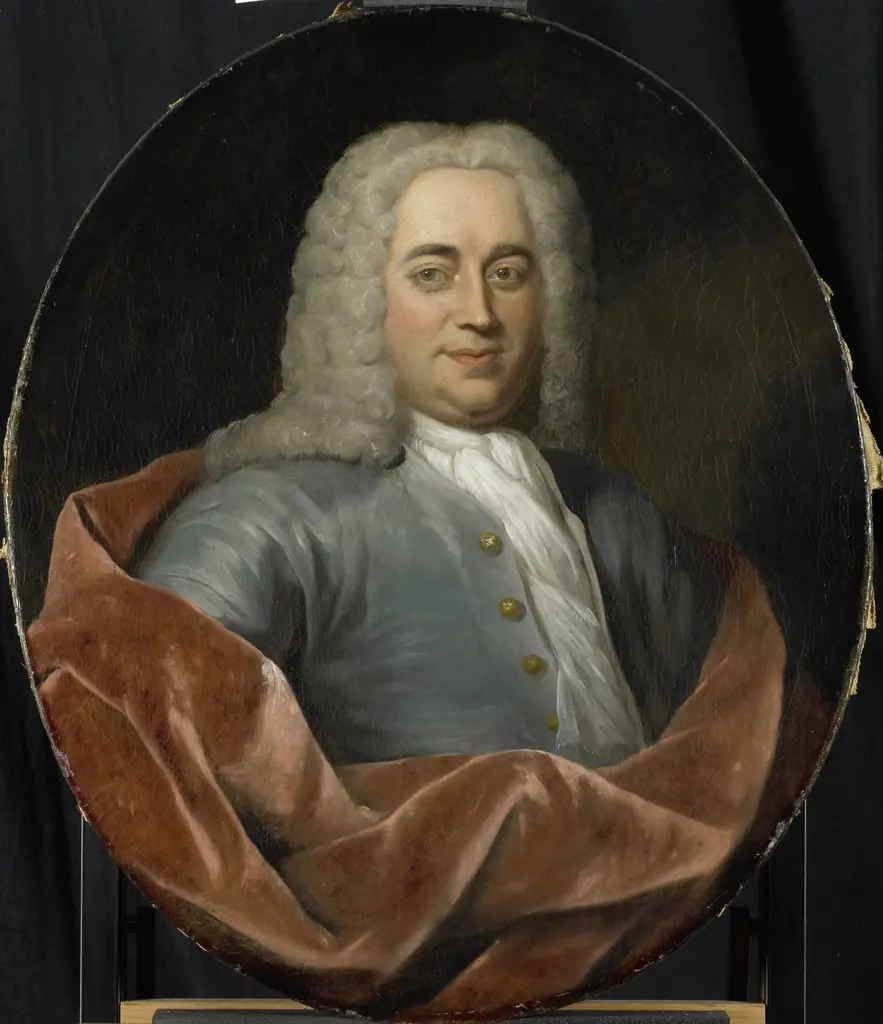 Portrait of Walter Senserff, Director of the Rotterdam Chamber of the Dutch East India Company, elected 1731
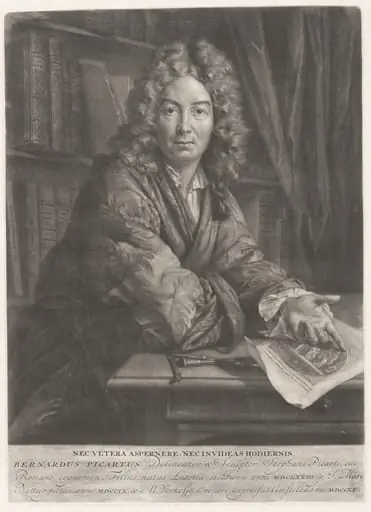 Bernard Picart
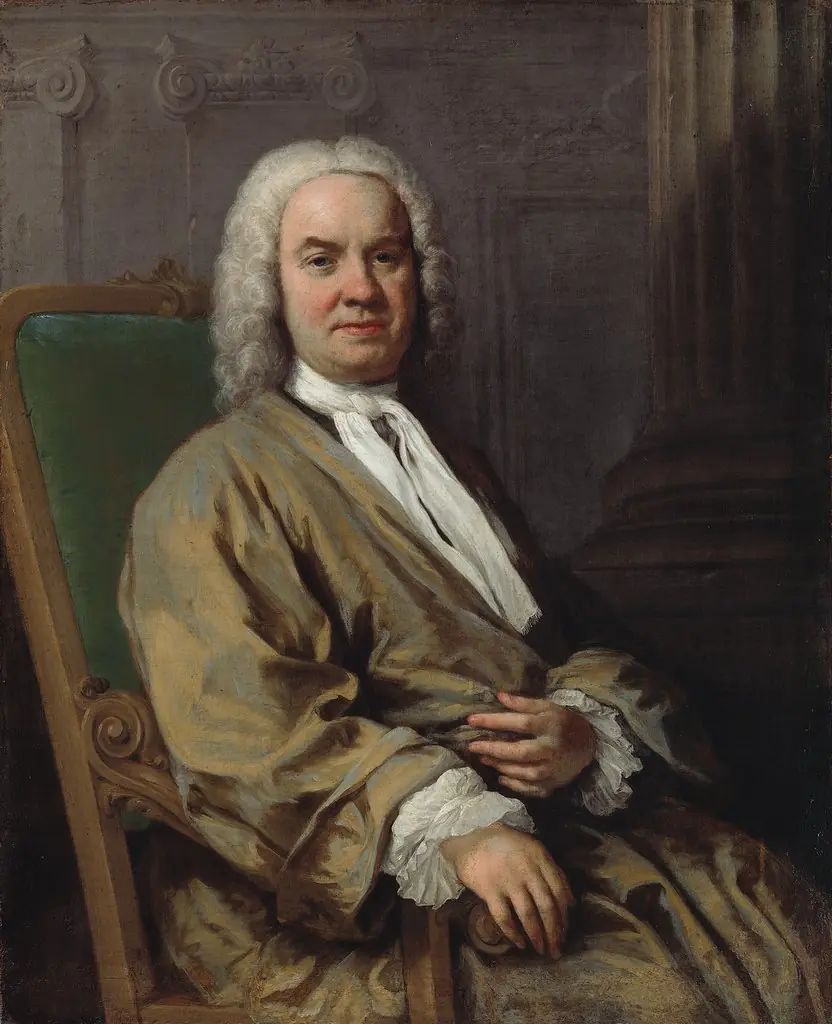 Portrait of Sigismund Streit
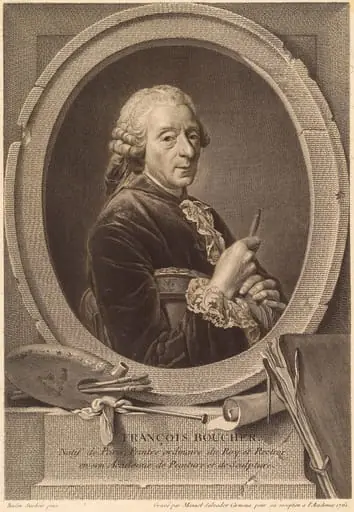 François Boucher
 Portrait of a Member of the Van der Mersch Family
 Bildnis des Johann Friedrich von Uffenbach
- Portrait of the Engraver Jan Caspar Philips