Artwork
Untitled
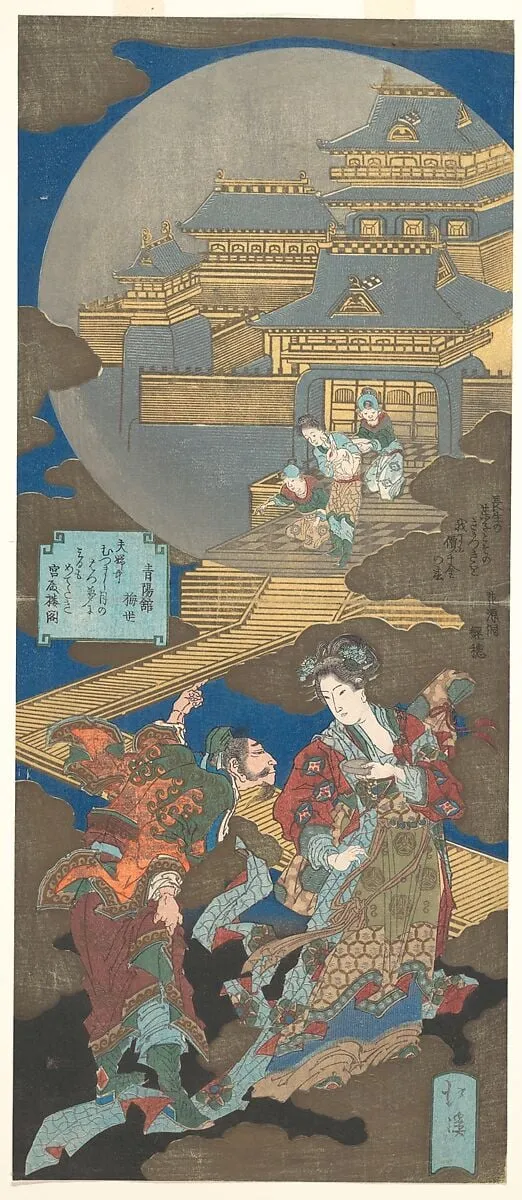
Untitled is an ink print by the Romanticist artist Totoya Hokkei. It dates from 1831 and is held in the collection of the Metropolitan Museum of Art.
About this work
Overview
The work is part of The Metropolitan Museum of Art’s print collection, reflecting the refined aesthetic of early 19th-century Japanese private commissions.
This woodblock print, created by Totoya Hokkei in 1831, is a surimono, a privately commissioned print often produced for special occasions. Executed in ink and color on paper, it features a vivid nocturnal scene with strong contrasts between illuminated figures and a darkened background. The work is part of The Metropolitan Museum of Art’s print collection, reflecting the refined aesthetic of early 19th-century Japanese private commissions.
Subject & Meaning
The scene depicts a woman in a vivid red and green garment kneeling beside a child, while a man lies motionless nearby, surrounded by figures reacting to the moment. Above, a full moon illuminates a distant castle and arched bridge, suggesting a narrative of loss or transition. The composition implies a private, emotional event, possibly a death or departure, set within a symbolic landscape that blends the earthly and the celestial.
Technique & Style
Hokkei employed fine woodblock carving to achieve delicate linework and layered color applications, typical of surimono production. The bold use of red and green against deep blacks and muted tones creates dramatic visual tension. The moon and architecture are rendered with precise detail, while the human figures are rendered with expressive posture rather than realism. Japanese calligraphy in the upper left adds textual context, a hallmark of the genre.
History & Provenance
Produced in 1831, this print was likely commissioned by a private patron for a literary or seasonal occasion, as was common with surimono. It entered The Metropolitan Museum of Art’s collection through established acquisitions of Japanese prints in the late 19th and early 20th centuries. Its survival in good condition reflects careful preservation, uncommon for ephemeral prints of this type.
Context
Surimono prints emerged in the Edo period as luxury items, often distributed among poets and artists for New Year or literary celebrations. Unlike mass-produced ukiyo-e, they prioritized artistic experimentation and personal symbolism. Hokkei, known for his theatrical compositions and integration of text, contributed to this niche tradition, blending narrative depth with formal elegance.
Legacy
Though not widely exhibited, this print exemplifies the sophistication of private print culture in Edo-period Japan. It preserves a moment where visual storytelling, poetic allusion, and technical mastery converged. Hokkei’s work, including this piece, remains a reference for scholars studying the intersection of art, literature, and personal expression in 19th-century Japan.
Artist & collection
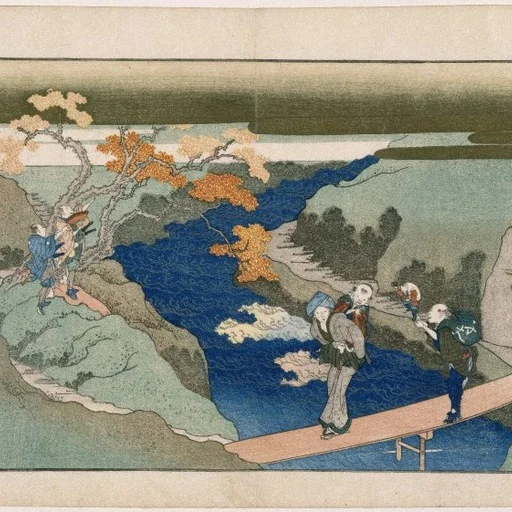

 Sumidagawa|Sumida River
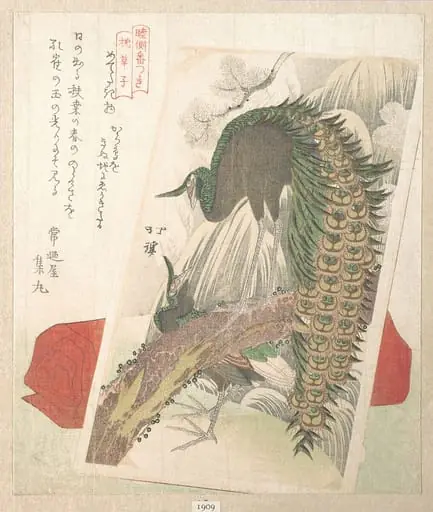 松・滝に孔雀図と緋毛氈|Painting of Peacocks, Pines, a Waterfall, and a Roll of Red Fabric
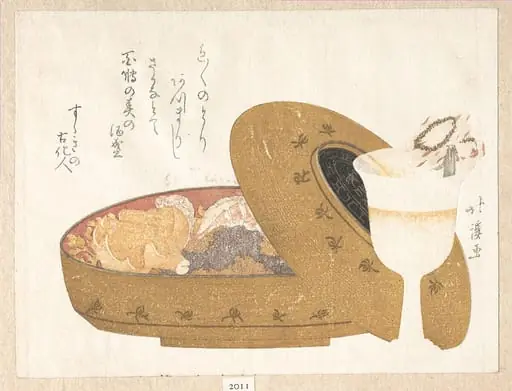 Untitled
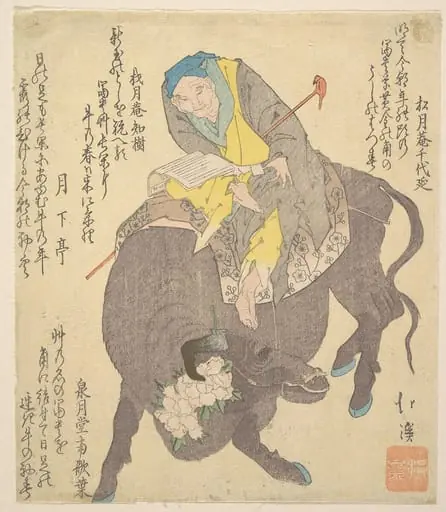 Untitled
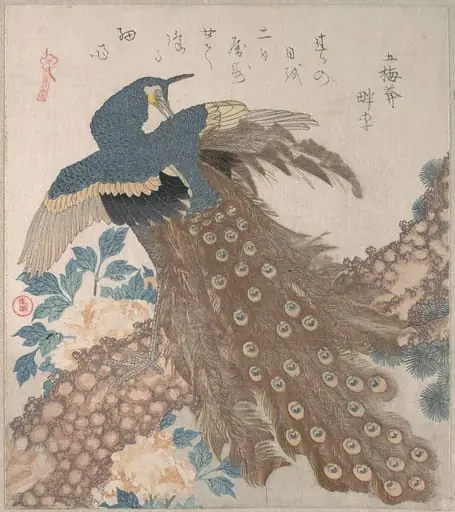 「三ひらの内」松・牡丹に孔雀|Peacock on Pine Tree and Peonies, from the series Three Sheets (Mihira no uchi)
 Untitled
 Untitled
 「文齊側五行火 花街細見合」|Courtesan by a Lantern, “Fire,” from the series Five Elements for the Bunsai Poetry Group, a Guide to the Yoshiwara Pleasure Quarters
- 初詣|Young Women Visiting a Shinto Shrine
 Untitled
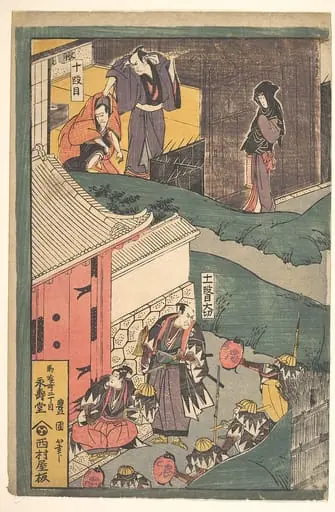 Untitled
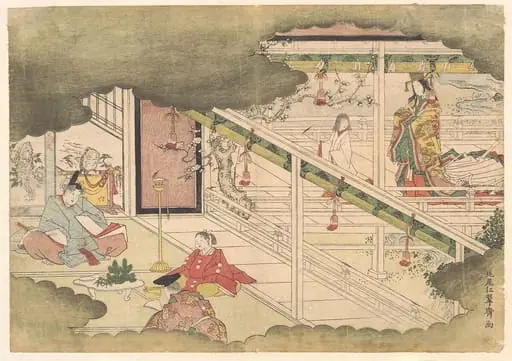 Untitled
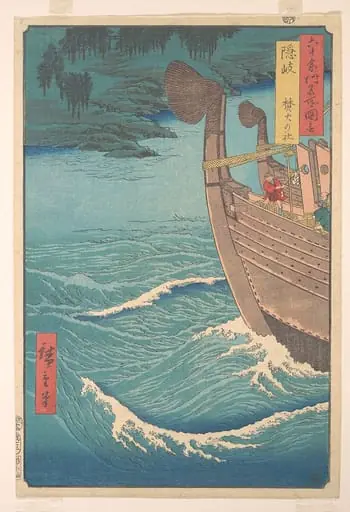 六十余州名所図会 隠岐 焚火の社|The Takihi Shrine, Oki Province, from the series Views of Famous Places in the Sixty-Odd Provinces
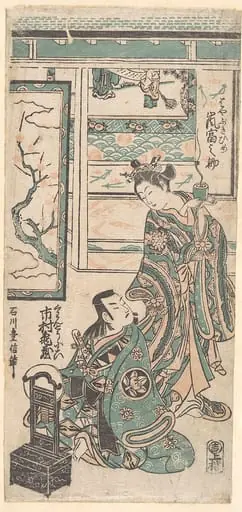 Untitled
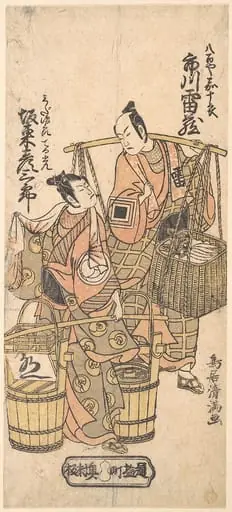 鳥居清満画 初代市川雷藏・二代目坂東彦三郎|Kabuki Actors Ichikawa Raizō I and Bandō Hikosaburō II
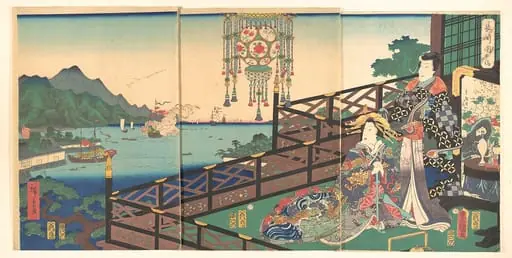 Untitled
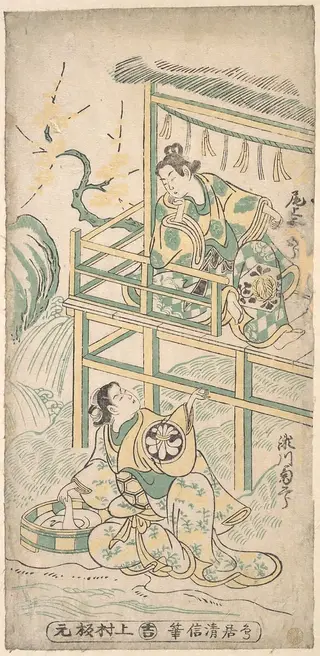 Untitled
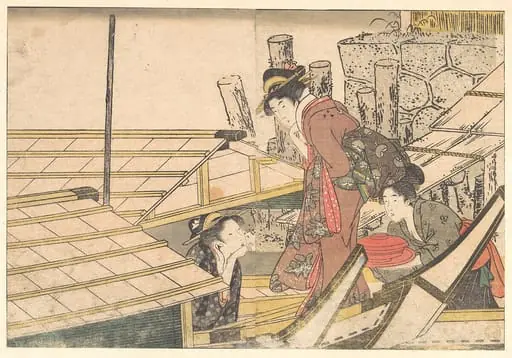 四季の花|Girls Getting on Board a Boat, from the illustrated book Flowers of the Four Seasons
 Untitled
 Untitled